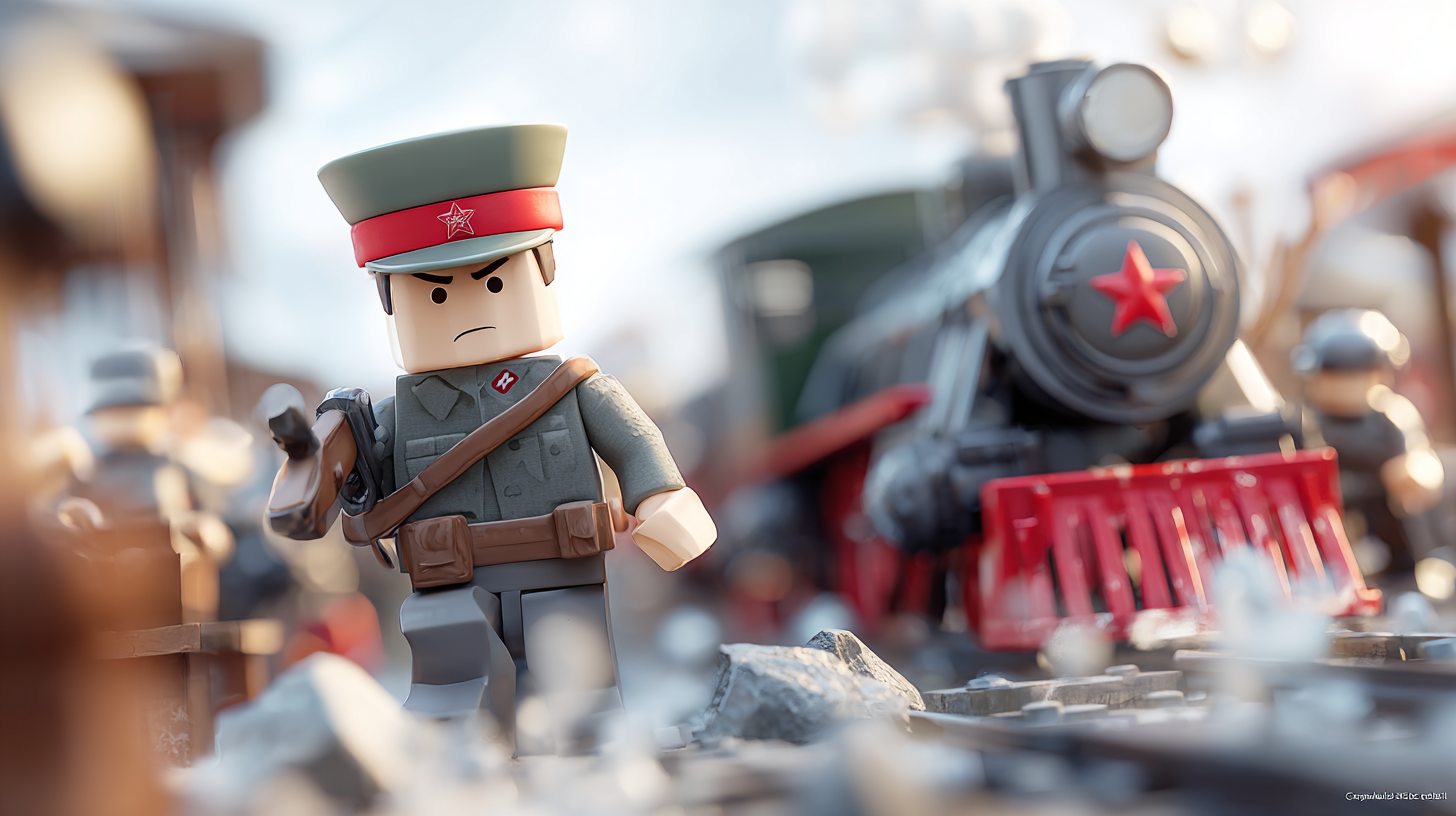
Wenn der Kreml den Stecker zieht: Russlands digitaler Feldzug gegen Roblox – Angst vor „westlicher Dekadenz“? – Bild: Xpert.Digital
Milliarden-Markt vernichtet: Was das Roblox-Aus für Russlands digitale Wirtschaft bedeutet
Das Ende der digitalen Unschuld: Roblox als neuestes Opfer im russischen Kulturkampf
Am 3. Dezember 2025 hat die russische Realität die virtuelle Welt eingeholt: Mit der Sperrung von Roblox durch die Medienaufsicht Roskomnadzor verlieren geschätzte 24 Millionen Nutzer – ein Großteil davon Kinder und Jugendliche – den Zugang zu einer der wichtigsten digitalen Plattformen der Gegenwart. Doch was offiziell als Maßnahme zum Schutz vor „extremistischen Inhalten“ und „LGBT-Propaganda“ deklariert wird, entpuppt sich bei genauerer Betrachtung als weit mehr als nur eine medienpädagogische Intervention. Es ist der vorläufige Höhepunkt eines jahrelangen Prozesses, in dem der Kreml versucht, das russische Internet von westlichen Einflüssen zu säubern und eine „digitale Souveränität“ zu erzwingen, die zunehmend Züge einer totalen Isolation annimmt.
Die Blockade der amerikanischen Plattform, die weltweit täglich über 150 Millionen Menschen verbindet und als kreatives Ökosystem fungiert, markiert eine Zäsur. Sie trifft nicht nur eine politisch unverdächtige Zielgruppe ins Mark, sondern vernichtet auch einen florierenden wirtschaftlichen Sektor für russische Entwickler, die nun von einem globalen Milliardenmarkt abgeschnitten sind. Die Entscheidung offenbart das fundamentale Dilemma der russischen Führung: Der Versuch, traditionelle Werte durch technische Zensur zu erzwingen, treibt eine ganze Generation, die „Generation Z“, in die Illegalität von VPN-Tunneln und Schattennetzwerken.
Dieser Artikel beleuchtet die Hintergründe der Sperrung, analysiert die ökonomischen Kollateralschäden und ordnet den Vorgang in die geopolitische Strategie Moskaus ein. Er zeigt auf, wie eine Spieleplattform zum Schauplatz eines ideologischen Stellvertreterkrieges wurde und warum Experten warnen, dass dies nur der nächste Schritt auf dem Weg zu einem abgeschotteten „RuNet“ nach nordkoreanischem Vorbild sein könnte.
Passend dazu:

Millionen russische Kinder verlieren ihren virtuellen Spielplatz – Moskaus Antwort auf einen Kulturkampf, den niemand gewinnen kann
Die Sperrung der amerikanischen Spieleplattform Roblox durch die russische Medienaufsichtsbehörde Roskomnadzor am 3. Dezember 2025 markiert einen weiteren Meilenstein in Moskaus systematischer Abschottung vom globalen digitalen Ökosystem. Was auf den ersten Blick wie eine isolierte Entscheidung zum Schutz der Jugend erscheint, entpuppt sich bei näherer Betrachtung als komplexes Zusammenspiel aus geopolitischer Konfrontation, ideologischer Positionierung und wirtschaftlichen Realitäten. Für geschätzte 24 Millionen russische Nutzer, von denen ein erheblicher Anteil im Kindes- und Jugendalter ist, bedeutet diese Entscheidung den Verlust des Zugangs zu einer der weltweit populärsten Gaming-Plattformen.
Die offizielle Begründung der russischen Behörden folgt einem mittlerweile vertrauten Muster. Roskomnadzor wirft Roblox vor, extremistische Materialien zu verbreiten und sogenannte LGBT-Propaganda zu fördern, die nach russischem Recht seit der Verschärfung der entsprechenden Gesetzgebung im Jahr 2023 als extremistisch eingestuft wird. Die Behörde argumentiert, die Plattform sei durchsetzt mit unangemessenen Inhalten, die sich negativ auf die spirituelle und moralische Entwicklung von Kindern auswirken könnten. Diese Rhetorik fügt sich nahtlos in das ideologische Narrativ ein, das der Kreml seit Jahren kultiviert und das traditionelle russische Werte gegen vermeintlich dekadente westliche Einflüsse positioniert.
Das ökonomische Gewicht einer Spieleplattform
Um die Tragweite dieser Sperrung vollständig zu erfassen, muss man zunächst die schiere Dimension von Roblox verstehen. Die Plattform verzeichnete im dritten Quartal 2024 durchschnittlich 151,5 Millionen täglich aktive Nutzer weltweit und erwirtschaftete im Geschäftsjahr 2024 einen Gesamtumsatz von über 3,6 Milliarden US-Dollar. Die Nutzerbasis wuchs kontinuierlich von 47,3 Millionen täglichen Nutzern im Jahr 2022 auf 85,3 Millionen im Jahr 2025, was einem beeindruckenden Wachstum von nahezu 80 Prozent innerhalb von drei Jahren entspricht.
Russland nimmt dabei eine bemerkenswerte Position ein. Schätzungen zufolge entfallen etwa 7,5 Prozent aller Roblox-Nutzer auf Russland, was das Land zu einem der bedeutendsten Märkte außerhalb Nordamerikas macht. Die russische Sprache rangiert mit einem Anteil von 12,1 Prozent auf dem zweiten Platz unter allen auf der Plattform verwendeten Sprachen, noch vor Spanisch oder Portugiesisch. Diese Zahlen verdeutlichen nicht nur die kulturelle Durchdringung der Plattform in Russland, sondern auch das wirtschaftliche Potenzial, das mit der Sperrung verloren geht.
Roblox generierte 2024 in Europa insgesamt mehr als 659 Millionen US-Dollar Umsatz, wobei ein erheblicher Teil davon auf den russischen Markt entfiel. Die Plattform funktioniert als virtuelles Ökosystem, in dem Nutzer nicht nur spielen, sondern auch eigene Spielerlebnisse entwickeln und durch den Verkauf virtueller Güter reale Einnahmen erzielen können. Zwischen März 2024 und März 2025 verdienten Roblox-Entwickler weltweit über eine Milliarde US-Dollar, ein Anstieg von mehr als 31 Prozent gegenüber dem Vorjahr. Russische Entwickler, die Teil dieser globalen Kreativ-Community waren, verlieren nun nicht nur ihre Einnahmequelle, sondern auch den Zugang zu Millionen potenzieller Spieler.
Die Anatomie eines digitalen Ausschlusses
Die Sperrung von Roblox ist keineswegs ein spontaner Akt, sondern das Ergebnis eines jahrelangen Prozesses. Seit 2019 hatte Roskomnadzor wiederholt Anfragen an die Plattform gerichtet, um den Zugang zu als verboten eingestuften Publikationen einzuschränken. Im Januar und Juli 2024 löschte Roblox auf Aufforderung der Behörde bereits Inhalte, die nach russischen Rechtsnormen als problematisch galten, darunter Server mit LGBT-bezogenen Bezeichnungen und Charaktere mit entsprechenden Symbolen.
Das russische Gesetz über den Schutz von Kindern vor schädlichen Informationen, das ursprünglich 2010 verabschiedet und seitdem mehrfach verschärft wurde, bildet die rechtliche Grundlage für solche Maßnahmen. Die Novellierung von 2013 fügte die Verbreitung von sogenannter Propaganda für nicht-traditionelle sexuelle Beziehungen als Kategorie schädlicher Inhalte hinzu, und die weitere Verschärfung von 2022 erweiterte diese Einschränkungen auf alle Altersgruppen. Die Einstufung der internationalen LGBT-Bewegung als extremistische Organisation durch den Obersten Gerichtshof im November 2023 schuf schließlich die Voraussetzungen für die strafrechtliche Verfolgung von allem, was als Unterstützung dieser Bewegung interpretiert werden kann.
Für Roblox als nutzergenerierte Plattform stellt diese Rechtslage ein fundamentales Problem dar. Mit über 40 Millionen Spielen, die größtenteils von Nutzern selbst erstellt werden, ist eine vollständige Kontrolle aller Inhalte praktisch unmöglich. Während Roblox durchaus mehrstufige Moderationssysteme einsetzt, von KI-gestützter Filterung bis zur Überprüfung hochgeladener Modelle, entsteht durch das schiere Ausmaß der Plattform immer Raum für Inhalte, die den strengen russischen Vorgaben widersprechen.
Der globale Kontext der Kindersicherheit
Die Begründung der russischen Behörden, wonach Kindersicherheit das zentrale Anliegen sei, ist nicht gänzlich aus der Luft gegriffen. Roblox steht tatsächlich weltweit in der Kritik, und die Vorwürfe reichen von unzureichender Moderation über die Ermöglichung räuberischen Verhaltens durch Erwachsene bis hin zur finanziellen Ausbeutung minderjähriger Nutzer. Die Plattform wurde bereits in mehreren Ländern gesperrt oder eingeschränkt, darunter der Irak, Kuwait, Katar und die Türkei.
Die Türkei blockierte Roblox im August 2024 aufgrund von Bedenken hinsichtlich Inhalten, die zur Ausbeutung von Kindern führen könnten. Justizminister Yilmaz Tunc erklärte damals, das Land sei verpflichtet, die notwendigen Maßnahmen zum Schutz seiner Kinder zu ergreifen. Diese Entscheidung fiel in einen breiteren Kontext zunehmender staatlicher Kontrolle über digitale Plattformen in der Türkei, die kurz zuvor auch Instagram gesperrt hatte.
In den Vereinigten Staaten selbst häufen sich die Klagen gegen Roblox. Die Generalstaatsanwälte von Louisiana, Kentucky und Texas haben im Laufe des Jahres 2025 Klagen eingereicht, in denen sie der Plattform vorwerfen, systematisch Kinder gefährdet und Eltern über die tatsächlichen Risiken getäuscht zu haben. Eine Anwaltskanzlei gab an, Hunderte von Fällen mutmaßlicher sexueller Ausbeutung und Kindesmissbrauchs zu untersuchen, die ihren Ursprung auf Roblox haben. Die internen Daten des Unternehmens zeigen, dass die Meldungen über vermutete sexuelle Ausbeutung von Kindern von 675 im Jahr 2019 auf 13.316 im Jahr 2023 angestiegen sind.
Diese Kritik verdeutlicht ein Paradoxon in der russischen Argumentation. Einerseits greift Moskau auf legitime Bedenken zurück, die weltweit geteilt werden. Andererseits instrumentalisiert der Kreml diese Bedenken für eine ideologisch motivierte Agenda, bei der der Schutz traditioneller Werte mindestens ebenso wichtig erscheint wie der Schutz von Kindern vor tatsächlicher Gefährdung.
Russlands digitale Souveränität als strategisches Projekt
Die Sperrung von Roblox fügt sich in ein viel umfassenderes Projekt ein, das der Kreml als digitale Souveränität bezeichnet. Seit der Annexion der Krim 2014 und den darauffolgenden westlichen Sanktionen hat Moskau systematisch daran gearbeitet, die Kontrolle über das russische Segment des Internets zu verstärken und die Abhängigkeit von ausländischen Technologien zu reduzieren.
Das sogenannte Gesetz über das souveräne Internet von 2019 verpflichtet Internetanbieter zur Installation von Deep Packet Inspection-Geräten, die es den Behörden ermöglichen, den Datenverkehr zu analysieren und zu filtern. Roskomnadzor erhielt damit beispiellose Befugnisse, einschließlich eines offiziellen Ausschalters, den die Behörde nach eigenem Ermessen einsetzen kann. Die Kosten für diese Infrastruktur werden teilweise aus dem Staatshaushalt und teilweise durch höhere Internetgebühren für die Nutzer finanziert.
Die technischen Kapazitäten zur Sperrung von Inhalten haben sich seither erheblich weiterentwickelt. Im August 2025 verzeichnete Russland nach Angaben einer Internet-Schutzorganisation 2.129 Internetabschaltungen, ein Allzeitrekord. Die Behörden blockieren mittlerweile etwa 200 VPN-Dienste und 700 Websites, die für VPNs werben. Stand April 2024 waren 200.000 Websites im Zusammenhang mit der russischen Invasion in der Ukraine gesperrt.
Die Liste der blockierten westlichen Plattformen liest sich wie ein Verzeichnis der wichtigsten globalen Kommunikationsdienste. Facebook und Instagram wurden 2022 vollständig gesperrt, nachdem Meta als extremistische Organisation eingestuft wurde. YouTube, das bis Ende 2024 noch funktionierte, wurde durch systematische Drosselung praktisch unzugänglich gemacht. Die Messenger-Dienste Viber, Discord und Signal sind blockiert, während WhatsApp und Telegram Einschränkungen bei Sprach- und Videoanrufen unterliegen und von vollständiger Sperrung bedroht sind.
Die wirtschaftlichen Dimensionen des russischen Gaming-Marktes
Der russische Videospielmarkt hat trotz der Sanktionen und des Exodus westlicher Unternehmen eine beachtliche Resilienz gezeigt. Ende 2024 erreichte das Marktvolumen 186,6 Milliarden Rubel, ein Anstieg von 6,1 Prozent gegenüber dem Vorjahr. Der PC-Spielesektor dominiert mit 48 Prozent der Einnahmen oder 89,8 Milliarden Rubel, gefolgt vom mobilen Segment mit 44 Prozent oder 81,4 Milliarden Rubel.
Die Ausgaben russischer Spieler für Computer- und Mobilspiele stiegen 2024 um 7,5 Prozent auf 173 Milliarden Rubel. Gleichzeitig wuchs jedoch auch der Markt für Raubkopien dramatisch. Die XYZ-Online-Schule schätzt das Volumen des russischen Pirateriemarktes für Videospiele 2024 auf 281 Milliarden Rubel, ein Anstieg von 13 Prozent gegenüber dem Vorjahr. Zwei Drittel der Spieler in Russland haben demnach mindestens einmal eine Raubkopie installiert.
Diese Entwicklung ist eine direkte Folge des Rückzugs westlicher Unternehmen. Nach dem Beginn der Vollinvasion in der Ukraine verließen große Publisher wie Bethesda, Sega, EA, Ubisoft, Activision Blizzard, CD Projekt und Wargaming den russischen Markt. Die beliebte Plattform Steam akzeptiert keine Zahlungen mit russischen Bankkarten mehr, und neue Spiele werden nicht mehr ins Russische übersetzt. Der Anteil des legalen Spieleverkaufs schrumpfte von etwa 50 Prozent auf nur noch 10 Prozent.
Der russische Staat hat versucht, diese Lücke durch die Förderung einheimischer Spieleentwicklung zu füllen. Ein nationales Projekt mit dem Namen Spieleindustrie der Zukunft wurde diskutiert, das Mittel in Höhe von bis zu 50 Milliarden Rubel zur Unterstützung russischer Studios vorsah. Das prominenteste Ergebnis dieser Bemühungen ist das Spiel Smuta, dessen Entwicklung 490 Millionen Rubel kostete und das sich auf patriotische Themen aus der russischen Geschichte konzentriert. Die Resonanz blieb jedoch verhalten, und das Ziel, eine eigenständige russische Spieleindustrie zu schaffen, die mit westlichen Produktionen konkurrieren kann, erscheint weiterhin fern.
Unsere globale Branchen- und Wirtschafts-Expertise in Business Development, Vertrieb und Marketing
Unsere globale Branchen- und Wirtschafts-Expertise in Business Development, Vertrieb und Marketing - Bild: Xpert.Digital
Branchenschwerpunkte: B2B, Digitalisierung (von KI bis XR), Maschinenbau, Logistik, Erneuerbare Energien und Industrie
Mehr dazu hier:
Ein Themenhub mit Einblicken und Fachwissen:
- Wissensplattform rund um die globale wie regionale Wirtschaft, Innovation und branchenspezifische Trends
- Sammlung von Analysen, Impulsen und Hintergründen aus unseren Schwerpunktbereichen
- Ein Ort für Expertise und Informationen zu aktuellen Entwicklungen in Wirtschaft und Technologie
- Themenhub für Unternehmen, die sich zu Märkten, Digitalisierung und Brancheninnovationen informieren möchten
Generation Z im digitalen Käfig: Was die Roblox-Sperre über Russlands Internet-Zukunft verrät
Die ideologische Dimension des Kulturkampfes
Die Sperrung von Roblox muss im Kontext eines umfassenderen ideologischen Projekts verstanden werden, das der Kreml seit Jahren verfolgt. Die Betonung traditioneller Werte als Grundlage russischer Identität begann spätestens 2007 mit Putins Rede auf der Münchner Sicherheitskonferenz und entwickelte sich seither zu einem zentralen Element der Staatsdoktrin.
Die Nationale Sicherheitsstrategie von 2021 definiert eine umfangreiche Liste von Werten, die als bedroht gelten: Leben, Würde, Menschenrechte und Freiheiten, Patriotismus, Bürgersinn, Dienst am Vaterland, noble moralische Ideale, starke Familie, konstruktive Arbeit, Vorrang des Geistigen vor dem Materiellen, Humanismus, Mitgefühl, Gerechtigkeit, Kollektivismus, gegenseitige Hilfe und Respekt, historisches Gedächtnis und Kontinuität der Generationen sowie die Einheit der Völker Russlands. Der Verlust dieser Werte durch die Verbreitung ausländischer Kultur wird explizit als Bedrohung der nationalen Sicherheit definiert.
Seit dem Beginn des Krieges gegen die Ukraine 2022 hat sich diese Rhetorik weiter verschärft. Putin bezeichnete den Westen in einer Rede als satanisch und als moralische Standards missachtend. Die Konfrontation wird als existenzieller Kampf zwischen Zivilisationen dargestellt, in dem Russland als Bollwerk gegen die dekadente westliche Moderne steht. Videospiele, als Produkte westlicher Kulturindustrie, geraten dabei unweigerlich ins Visier.
Die russischen Behörden betrachten Spieleplattformen zunehmend als Schlachtfelder im Informationskrieg. Microsoft-Präsident Brad Smith berichtete 2023, dass die Sicherheitsdienste des Unternehmens russische Versuche entdeckt hätten, Gaming-Communities systematisch zu infiltrieren. Auf Plattformen wie Minecraft und Discord wurde pro-russische Propaganda verbreitet, die den Krieg in der Ukraine rechtfertigt und das russische Militär verherrlicht. In Minecraft wurde sogar eine Nachstellung der Schlacht um Soledar inszeniert, einer ukrainischen Stadt, die Anfang 2023 von russischen Truppen eingenommen wurde.
Umgekehrt dienen westliche Spiele als Kanäle für Informationen, die dem Kreml-Narrativ widersprechen. Das Spiel Counter-Strike: Global Offensive wurde genutzt, um russische Spieler über den tatsächlichen Verlauf des Krieges zu informieren und die Einschränkungen der staatlichen Zensur zu umgehen. Diese Dynamik erklärt das besondere Misstrauen der russischen Behörden gegenüber Plattformen, die sie nicht vollständig kontrollieren können.
Passend dazu:
Die Generation Z zwischen Anpassung und Widerstand
Für die junge Generation in Russland stellt die fortschreitende Isolation von der globalen digitalen Kultur eine prägende Erfahrung dar. Diese Generation wuchs in einem Russland auf, das einst Reisen, globale Marken und offene Medien versprach, und findet sich nun in einem Land wieder, das durch Kopien westlicher Geschäfte, patriotischen Unterricht und staatlich kontrollierte Apps gekennzeichnet ist.
Die Nutzung von VPNs zur Umgehung der Sperren hat sich zu einer weit verbreiteten Praxis entwickelt. Im März 2025 gaben 36 Prozent der Russen an, VPNs regelmäßig oder gelegentlich zu nutzen, gegenüber 25 Prozent ein Jahr zuvor. Unter jungen Menschen zwischen 18 und 24 Jahren liegt dieser Anteil sogar bei 62 Prozent. Diese Zahlen deuten darauf hin, dass ein erheblicher Teil der Bevölkerung aktiv versucht, den Zugang zur globalen Informationslandschaft aufrechtzuerhalten.
Die Behörden reagieren mit zunehmend restriktiven Maßnahmen. Ab September 2025 sind Werbung für VPN-Dienste verboten und Geldstrafen für die Suche nach extremistischen Materialien unter Verwendung von VPNs möglich. Einzelpersonen, die absichtlich nach verbotenen Inhalten suchen, drohen Strafen von bis zu 5.000 Rubel. Organisationen, die VPN-Dienste bewerben, können mit Strafen von bis zu 500.000 Rubel belegt werden.
Die Situation der russischen Jugend ist von Widersprüchen geprägt. Sie sind durch VPNs, Telegram und importierte iPhones mit der Außenwelt verbunden, aber gleichzeitig durch Zensur, Propaganda und eingeschränkte Reisemöglichkeiten isoliert. Sie können die Ersatzmarken verspotten, die die ausländischen Originale ersetzt haben, aber nicht einfach im Ausland studieren oder globale TikTok-Trends ohne zusätzliche technische Hilfsmittel verfolgen. Diese Generation passt sich schnell an neue Gegebenheiten an, findet Wege um Verbote herum und bleibt mit der globalen Kultur verbunden. Aber sie wächst auch in einem System auf, das Horizonte verengt, Loyalität erzwingt und versucht, sie zu einer Generation der Konformität zu formen.
Die Logik der Eskalation
Die Sperrung von Roblox steht nicht isoliert, sondern reiht sich in eine Eskalationsspirale ein, die immer weitere Bereiche des digitalen Lebens erfasst. Kurz vor der Roblox-Blockade drohte Roskomnadzor bereits mit der vollständigen Sperrung von WhatsApp. Die Sprachlern-App Duolingo hatte im Vorjahr Verweise auf nicht-traditionelle sexuelle Beziehungen entfernt, um einer Sperrung zu entgehen. Die Anime- und Manga-Datenbank MyAnimeList wurde im Oktober 2025 wegen LGBT-Inhalten gesperrt.
Die Kinderrechtsbeauftragte der Region Moskau, Ksenia Mishonova, hatte bereits vor der Sperrung gefordert, den Zugang zu Roblox in Russland einzuschränken, und bezeichnete die Plattform als Seuche. Ein weiterer Grund für die Forderung nach einer Sperrung war ein Spielszenario, das die Tschernobyl-Katastrophe nachstellte, bei dem Spieler eine nukleare Reaktorexplosion auslösen und die Folgen beobachten können.
Die Behörden haben auch andere Spiele ins Visier genommen. Das russische Parlament diskutierte 2022 ein Verbot von Die Sims 4, nachdem ein Update-Fehler dazu geführt hatte, dass Charaktere romantisches Interesse an Verwandten zeigten. Später wurden weitere Spiele kritisiert, darunter Die Sims 3, Assassin’s Creed, Dragon Age, Life Is Strange, The Last of Us, Apex Legends und Overwatch, die nach Ansicht der Abgeordneten unerwünschte Themen enthalten. Die Staatsanwaltschaft von Sankt Petersburg versuchte 2024, das Strategiespiel Last Train Home wegen der Verzerrung historischer Fakten und der Schädigung traditioneller Werte zu blockieren, doch das Gericht wies die Klage mangels Beweisen zurück.
Im Oktober 2025 wurde das ukrainische Entwicklerstudio GSC Game World, Schöpfer der S.T.A.L.K.E.R.-Reihe, von der Generalstaatsanwaltschaft als unerwünschte Organisation eingestuft. Spielern, die S.T.A.L.K.E.R. 2: Heart of Chornobyl nach dem Verbot kaufen, drohen Geldstrafen oder bis zu fünf Jahre Gefängnis. Diese Maßnahme zeigt, wie weit der Arm der russischen Justiz mittlerweile reicht und wie ernst die Behörden die ideologische Dimension von Videospielen nehmen.
Das nordkoreanische Modell als Drohkulisse
Experten warnen, dass Russland technisch und rechtlich in der Lage ist, das nordkoreanische Modell einer vollständigen Isolation vom globalen Internet jederzeit umzusetzen. Die Infrastruktur für eine solche Maßnahme wurde über Jahre aufgebaut, und die regulatorischen Rahmenbedingungen sind vorhanden. Die Zentralbank Russlands führte im November eine Übung durch, bei der das RuNet vom internationalen Netzwerk getrennt wurde, offiziell um die Bereitschaft im Falle absichtlicher externer Einflüsse zu bestätigen.
Der Staatshaushalt sieht erhebliche Mittel für den Ausbau der Überwachungs- und Blockadekapazitäten vor. 80 Prozent der geplanten Ausgaben sollen in die Aufrüstung der technischen Maßnahmen zur Bekämpfung von Bedrohungen fließen, einem System, das per Gesetz bei allen russischen Internetanbietern installiert werden muss. Russland investiert massiv in einheimische Technologien wie Deep Packet Inspection und VPN-Blockierungsalgorithmen, um 96 Prozent des zivilen VPN-Verkehrs zu blockieren.
Gleichzeitig zeigt die Erfahrung, dass eine vollständige Abschottung praktisch kaum durchsetzbar ist. VPN-Entwickler reagieren auf jede neue Blockade mit neuen Protokollen und Umgehungsstrategien. Die Katze-und-Maus-Dynamik zwischen Zensoren und Nutzern setzt sich fort, und bislang gelang es der Regierung nicht, den Zugang zu blockierten Inhalten vollständig zu unterbinden.
Die Perspektive der betroffenen Nutzer
Für die Millionen russischer Kinder und Jugendlicher, die Roblox regelmäßig nutzten, bedeutet die Sperrung einen abrupten Verlust eines virtuellen Treffpunkts. Auf Foren und in sozialen Medien äußerten Nutzer unmittelbar nach der Sperrung ihre Enttäuschung und Verwirrung. Viele berichteten, dass sie zunächst von einem technischen Problem ausgingen, bevor sie realisierten, dass es sich um eine behördliche Blockade handelte.
Die russische Entwickler-Community auf Roblox verliert nicht nur den Zugang zur Plattform, sondern auch ihre Geschäftsgrundlage. Roblox hatte sich als Sprungbrett für junge Entwickler etabliert, die durch den Verkauf von In-Game-Items und Spielerlebnissen reale Einnahmen erzielen konnten. Weltweit gibt es über 4,2 Millionen Entwickler auf der Plattform, von denen ein erheblicher Anteil aus Russland stammt.
Roblox selbst hat sich bislang nicht ausführlich zu der Sperrung geäußert. Das Unternehmen hatte bereits im Oktober 2024 den Zugang zu seinem verbundenen Kommunikationsdienst Guilded für russische Nutzer eingeschränkt, offenbar in Erwartung einer möglichen Blockade. Diese proaktive Maßnahme deutet darauf hin, dass das Unternehmen die Entwicklung vorausgesehen hatte.
Zwischen Kinderschutz und Informationskontrolle
Die Debatte um die Sperrung von Roblox offenbart ein grundlegendes Spannungsfeld zwischen legitimen Anliegen des Kinderschutzes und der Instrumentalisierung dieser Anliegen für politische Ziele. Roblox hat tatsächlich erhebliche Probleme mit der Moderation von Inhalten und dem Schutz minderjähriger Nutzer, wie die weltweiten Klagen und Untersuchungen belegen.
Das Unternehmen hat in jüngster Zeit verstärkt in Sicherheitsmaßnahmen investiert. Im November 2024 kündigte Roblox obligatorische Altersverifizierungen an, die verhindern sollen, dass Kinder mit erwachsenen Fremden chatten können. Die Plattform setzt KI-gestützte Moderationssysteme ein, unterhält Moderationsteams und kooperiert nach eigenen Angaben mit Strafverfolgungsbehörden und Kinderschutzexperten. Im September 2025 führte das Unternehmen ein neues KI-gesteuertes Altersverifizierungssystem ein, das auf Chat-Funktionen ausgeweitet werden soll.
Diese Bemühungen haben die Kritiker jedoch nicht zufriedengestellt. Die Staatsanwälte, die Klagen eingereicht haben, argumentieren, dass die Sicherheitsmaßnahmen verspätet und unwirksam seien. Die Kontroverse um den YouTuber Schlep, der sich auf das Aufspüren mutmaßlicher Pädophiler auf Roblox spezialisiert hatte und von der Plattform gesperrt wurde, verdeutlichte die Spannungen zwischen dem Unternehmen und denjenigen, die schärfere Maßnahmen fordern.
Die russische Argumentation unterscheidet sich jedoch grundlegend von dieser Debatte. Während westliche Kritiker vor allem auf die Gefährdung durch räuberisches Verhalten Erwachsener fokussieren, stellt die russische Begründung ideologische Inhalte in den Vordergrund. Die Sorge gilt weniger dem individuellen Missbrauch als der vermeintlichen kulturellen Kontamination durch westliche Werte. Diese Prioritätensetzung offenbart, dass der Kinderschutz zumindest teilweise als Vorwand für die Durchsetzung einer ideologischen Agenda dient.
Die Zukunft des russischen Internets
Die Sperrung von Roblox ist vermutlich nicht das Ende, sondern ein weiterer Schritt in einer fortlaufenden Entwicklung. Die Behörden haben ihre Fähigkeit zur Blockierung ausländischer Plattformen kontinuierlich ausgebaut, und die Liste der gesperrten Dienste wird voraussichtlich weiter wachsen.
Die russische Regierung verfolgt parallel den Aufbau eigener Alternativen zu westlichen Diensten. Die Messenger-App Max soll als russisches Äquivalent zu WeChat positioniert werden und die gesperrten ausländischen Kommunikationsdienste ersetzen. Im Bereich der sozialen Medien hat VKontakte seine dominante Stellung gefestigt, während ausländische Konkurrenten verschwinden. Für den Gaming-Sektor bleibt die Entwicklung einer leistungsfähigen einheimischen Industrie jedoch eine Herausforderung.
Die wirtschaftlichen Kosten dieser Abschottung sind erheblich, aber schwer zu quantifizieren. Der Rückgang legaler Spieleverkäufe und die Zunahme der Piraterie bedeuten Einnahmeausfälle für internationale Unternehmen, aber auch für den russischen Fiskus. Der Verlust des Zugangs zu globalen Entwicklerplattformen wie Roblox schränkt die Möglichkeiten junger russischer Entwickler ein, internationale Erfahrungen zu sammeln und Netzwerke aufzubauen.
Für die Nutzer hängt viel davon ab, wie effektiv die Umgehungsstrategien bleiben. Die bisherige Erfahrung zeigt, dass ein entschlossener Teil der Bevölkerung Wege findet, die Sperren zu umgehen. Ob dies langfristig möglich bleibt, wird von der Entwicklung der Technologie auf beiden Seiten abhängen, sowohl bei den Blockadeinstrumenten der Behörden als auch bei den Umgehungswerkzeugen der Nutzer.
Eine Plattform als Spiegel globaler Spannungen
Die Sperrung von Roblox in Russland ist weit mehr als ein technischer Vorgang oder eine jugendpolitische Maßnahme. Sie ist ein Symptom tiefgreifender geopolitischer Verwerfungen und ein Beispiel dafür, wie digitale Räume zu Schauplätzen ideologischer Konfrontation werden. Die Plattform, die für Millionen von Kindern weltweit ein Ort des Spielens und der Kreativität ist, wird im russischen Kontext zum Symbol eines Kulturkampfes, der weit über die Grenzen virtueller Welten hinausreicht.
Die ökonomischen Dimensionen sind beträchtlich. Russland verliert den Zugang zu einer Plattform mit einem globalen Umsatz von über 3,6 Milliarden US-Dollar und einer Nutzerbasis, die kontinuierlich wächst. Russische Entwickler verlieren ihre Einnahmemöglichkeiten, und die russische Gaming-Community wird von einem bedeutenden Segment des globalen Ökosystems abgeschnitten.
Die ideologischen Implikationen reichen jedoch noch tiefer. Die Sperrung verdeutlicht, wie ernst der Kreml die Bedrohung nimmt, die er in westlichen Kulturprodukten sieht. Videospiele, einst als unpolitische Unterhaltung betrachtet, werden zu Vektoren kultureller Einflussnahme stilisiert, gegen die der Staat seine Bürger schützen müsse. Diese Logik folgt dem breiteren Narrativ eines existenziellen Konflikts zwischen russischen traditionellen Werten und westlicher Dekadenz.
Für die junge Generation in Russland bedeutet diese Entwicklung eine weitere Einschränkung ihrer Verbindung zur globalen Kultur. Sie wachsen in einer Umgebung auf, die zunehmend von der Außenwelt abgeschottet wird, während der Staat versucht, sie zu einer Generation der patriotischen Konformität zu formen. Ob dieser Versuch gelingt oder ob die digitale Generation Wege findet, die Mauern zu umgehen, wird nicht nur über die Zukunft des russischen Internets entscheiden, sondern möglicherweise auch über die Richtung, die das Land in den kommenden Jahrzehnten einschlagen wird.
EU/DE Datensicherheit | Integration einer unabhängigen und Datenquellen-übergreifenden KI-Plattform für alle Unternehmensbelange
Unabhängige KI-Plattformen als strategische Alternative für europäische Unternehmen - Bild: Xpert.Digital
KI-Gamechanger: Die flexibelste KI-Plattform - Maßgeschneiderte Lösungen, die Kosten senken, Ihre Entscheidungen verbessern und die Effizienz steigern
Unabhängige KI-Plattform: Integriert alle relevanten Unternehmensdatenquellen
- Schnelle KI-Integration: Maßgeschneiderte KI-Lösungen für Unternehmen in Stunden oder Tagen, anstatt Monaten
- Flexible Infrastruktur: Cloud-basiert oder Hosting im eigenen Rechenzentrum (Deutschland, Europa, freie Standortwahl)
- Höchste Datensicherheit: Einsatz in Anwaltskanzleien ist der sichere Beweis
- Einsatz über die unterschiedlichsten Unternehmensdatenquellen hinweg
- Wahl der eigenen bzw. verschiedenen KI-Modelle (DE,EU,USA,CN)
Mehr dazu hier:
Beratung - Planung - Umsetzung

Konrad Wolfenstein
Gerne stehe ich Ihnen als persönlicher Berater zur Verfügung.
Sie können mit mir unter wolfenstein∂xpert.digital Kontakt aufnehmen oder
mich einfach unter +49 7348 4088 965 anrufen.
🎯🎯🎯 Profitieren Sie von der umfangreichen, fünffachen Expertise von Xpert.Digital in einem umfassenden Servicepaket | BD, R&D, XR, PR & Digitale Sichtbarkeitsoptimierung
Profitieren Sie von der umfangreichen, fünffachen Expertise von Xpert.Digital in einem umfassenden Servicepaket | R&D, XR, PR & Digitale Sichtbarkeitsoptimierung - Bild: Xpert.Digital
Xpert.Digital verfügt über tiefgehendes Wissen in verschiedenen Branchen. Dies erlaubt es uns, maßgeschneiderte Strategien zu entwickeln, die exakt auf die Anforderungen und Herausforderungen Ihres spezifischen Marktsegments zugeschnitten sind. Indem wir kontinuierlich Markttrends analysieren und Branchenentwicklungen verfolgen, können wir vorausschauend agieren und innovative Lösungen anbieten. Durch die Kombination aus Erfahrung und Wissen generieren wir einen Mehrwert und verschaffen unseren Kunden einen entscheidenden Wettbewerbsvorteil.
Mehr dazu hier: