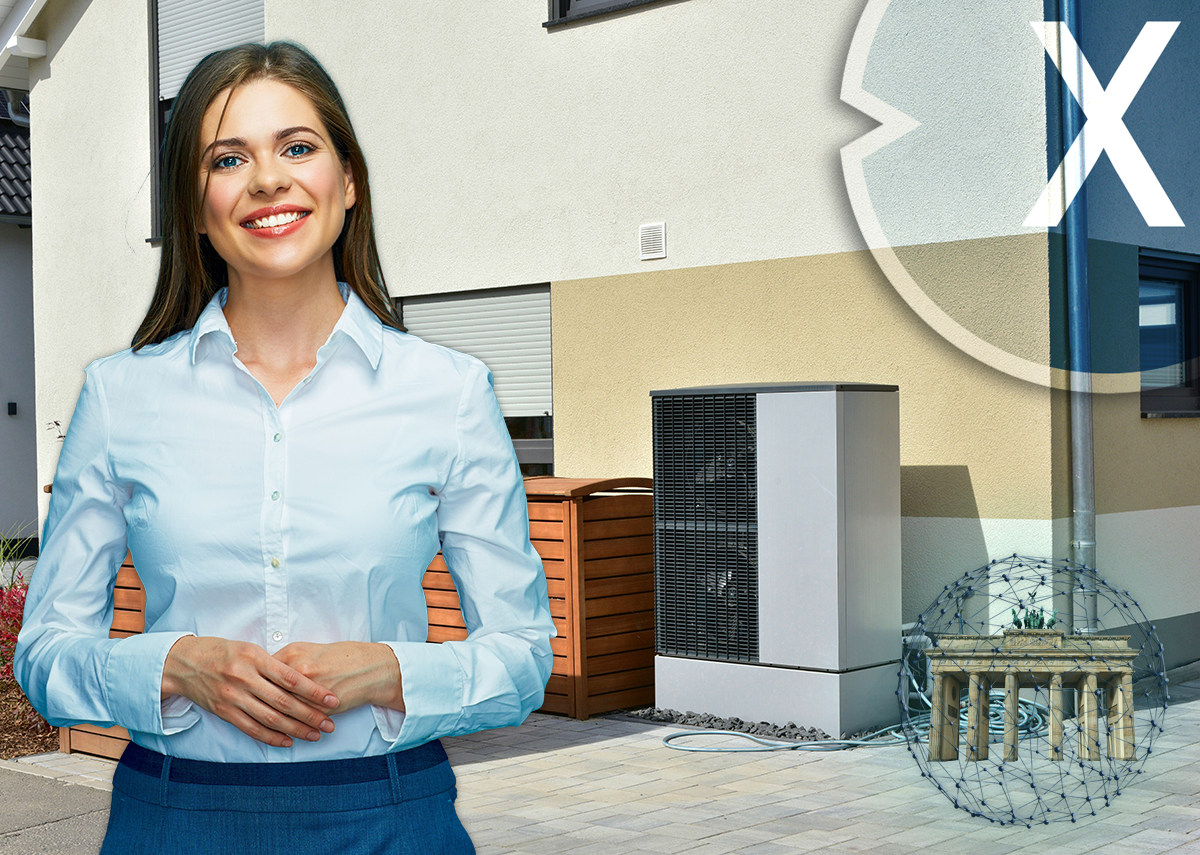
Energy-efficient renovation and new construction with heat pump and solar system in Berlin and Brandenburg – Image: Xpert.Digital
Energy efficiency and cost savings: The advantages of subsidies for heat pumps with solar thermal systems in Berlin and Brandenburg
Energy-efficient building renovation and new construction play a key role in reducing energy consumption and CO₂ emissions. In this context, heat pumps combined with solar thermal systems are becoming increasingly important. Berlin and Brandenburg offer a variety of funding programs and incentives to support the installation of heat pumps with solar thermal systems in residential and commercial properties.
Energy efficiency improvement
The combination of a heat pump and solar thermal system enables the efficient use of renewable energy. Heat pumps utilize ambient heat from the ground, water, or air to heat and cool buildings. Integrating a solar thermal system generates additional clean solar energy to power the heat pump. This significantly reduces the need for fossil fuels, resulting in substantial energy savings.
Cost savings
Using heat pumps and solar thermal systems can lead to significant cost savings. Switching to renewable energy sources can considerably reduce operating costs for heating and hot water. Furthermore, funding programs in Berlin and Brandenburg offer financial support for the installation of heat pumps and solar thermal systems, which can lower initial investment costs.
Environmental friendliness
The use of heat pumps and solar panels helps to reduce environmental impact. By using renewable energies instead of fossil fuels, greenhouse gas emissions are significantly reduced. This supports climate protection goals and contributes to improving air quality in Berlin and Brandenburg.
Increase in property value
Installing heat pumps and solar panels can increase property value. Energy-saving technologies are a crucial factor in property valuation today. An energy-optimized building with sustainable heating and electricity attracts potential buyers and renters, as lower energy costs and a smaller ecological footprint are becoming increasingly important.
Funding programs and financial support
Berlin and Brandenburg offer a variety of funding programs and financial incentives for the energy-efficient renovation and new construction of buildings with heat pumps and solar panels. For example, there are grants, loans, and tax breaks that can reduce investment costs and improve the project's profitability. It is advisable to find out about current funding opportunities and take advantage of them.
Independence from rising energy prices
The use of heat pumps and solar panels allows for a degree of independence from rising energy prices. Since renewable energies are available free of charge, one is less affected by fluctuations in the energy market. This offers long-term financial stability and a certain degree of security against rising energy costs.
Contribution to climate protection
The use of heat pumps and solar thermal systems in energy-efficient renovations and new construction makes a significant contribution to climate protection. By reducing CO₂ emissions, the regional and global environment is protected, and the transition to a sustainable energy supply is supported.
➡️ Energy-efficient renovation and new construction subsidies for heat pumps with solar thermal systems in Berlin and Brandenburg offer numerous advantages. They enable the efficient use of renewable energies, lead to cost savings, contribute to environmental friendliness, increase property value, provide financial support, protect against rising energy prices, and make an important contribution to climate protection. It is worthwhile to examine the various funding programs and take advantage of these sustainable technologies to shape a greener and more energy-efficient future in Berlin and Brandenburg.
📣 Energy-efficient renovation and new construction, consulting, planning and implementation for industry, retail and municipalities
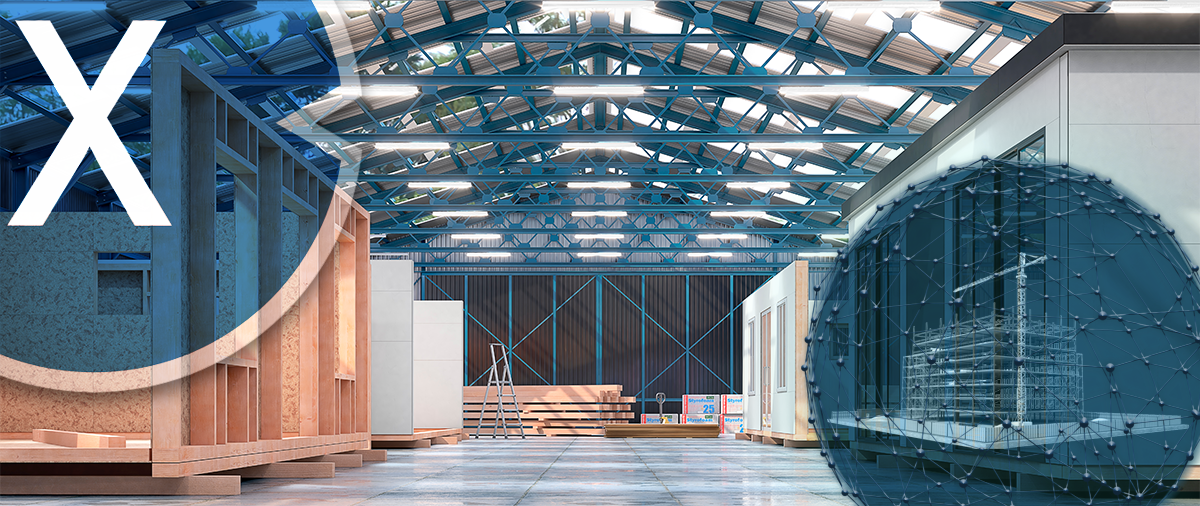
Our experienced team supports you in optimizing your buildings to reduce energy consumption and promote sustainable energy use with photovoltaics. We analyze your individual needs and develop customized concepts that are both economically and ecologically sound. Whether it's the energy-efficient renovation of existing buildings or the construction of new, energy-efficient structures, we are here to help. Industrial plants, retail buildings, and municipal facilities can reduce their energy costs, minimize their environmental impact, and simultaneously improve the comfort and efficiency of their buildings with our tailored solutions.
👨🏻 👩🏻 👴🏻 👵🏻 Energy-efficient renovation and new construction, consulting, planning and implementation for private households
We offer comprehensive support for private households in the energy-efficient renovation and new construction of buildings with photovoltaics. Our experienced team is at your side to assist you with consulting, planning, and implementing your sustainable energy solutions. We analyze your energy consumption, identify potential savings, and develop customized concepts to improve your energy efficiency. From improving building insulation and installing energy-efficient windows and doors to installing photovoltaic and solar thermal systems – we guide you step by step to make your home more energy-efficient and environmentally friendly. Trust in our expertise and benefit from the numerous advantages that energy-efficient renovation and the use of renewable energies offer. Together, we'll create a sustainable future for your home.
Investing in the future: The many advantages of heat pumps and solar systems for energy-efficient renovation and new construction
The search for sustainable heating systems for buildings has increased significantly in recent years, as climate change and the limited resources of fossil fuels have become increasingly apparent. In this context, heat pumps combined with solar thermal systems have proven to be highly efficient and environmentally friendly options. They play a crucial role in promoting energy-efficient building renovations and new construction. The advantages of these sustainable technologies are explained below.
Energy efficiency
Heat pumps utilize natural thermal energy from the environment, whether from the ground, water, or air, to heat and cool buildings. Compared to conventional combustion-based heating systems, heat pumps can achieve significantly higher efficiency. They can generate up to four units of heating energy from one unit of electricity, resulting in substantial energy savings. Integrating solar panels as a power source for the heat pumps further enhances this effect and reduces the need for external electricity.
Environmental friendliness
Heat pumps and solar thermal systems are an environmentally friendly alternative to conventional heating systems based on fossil fuels. Heat pumps utilize natural thermal energy from renewable sources, thereby significantly reducing CO₂ emissions. When combined with solar thermal systems, the electricity required to operate the heat pump is generated by solar energy, leading to a further reduction in CO₂ emissions. These sustainable technologies thus contribute to mitigating the environmental impact of buildings and support global climate goals.
Independence from fossil fuels
The combination of heat pumps and solar thermal systems enables a degree of independence from fossil fuels. Since heat pumps utilize natural ambient heat, they are not dependent on oil or gas, leading to greater security of supply. Furthermore, the solar thermal system can provide the electricity needed to operate the heat pump, further reducing dependence on external power sources. This offers long-term stability and protection against rising fossil fuel prices.
Cost savings
Heat pumps and solar thermal systems can lead to significant cost savings. While the initial investment costs for installation are higher than for conventional heating systems, the long-term operating costs are considerably lower. Using renewable energy reduces the need for expensive fossil fuels. Furthermore, many regions, including Berlin and Brandenburg, offer financial support and subsidy programs for the installation of heat pumps with solar thermal systems, which can further reduce the initial investment costs.
Increase in property value
Integrating sustainable heating systems like heat pumps and solar panels can increase property value. In times of growing environmental awareness and increasing demand for energy-efficient buildings, sustainable technologies are a crucial factor in property valuation. A building equipped with heat pumps and solar panels signals lower energy costs and a more eco-friendly lifestyle to potential buyers or renters. This can lead to higher sale prices or rental rates and enhance the overall appeal of the property.
➡️ The combination of heat pumps and solar thermal systems offers sustainable heating solutions for both energy-efficient renovations and new construction projects. These systems are characterized by high energy efficiency, environmental friendliness, independence from fossil fuels, cost savings, and increased property value. Promoting these technologies in Berlin and Brandenburg supports the transition to a sustainable and climate-friendly energy supply.
Independence and cost savings: The unique features of heat pumps compared to conventional heating systems
Heat pumps are a highly innovative and sustainable technology for heating and cooling buildings. They differ from conventional heating systems in many ways and offer a number of unique advantages.
1. Efficient use of renewable energy
Heat pumps utilize natural heat energy from the environment, whether from the ground, water, or air, to heat and cool buildings. Compared to conventional combustion-based heating systems, heat pumps can achieve significantly higher efficiency. They operate on the principle of a heat cycle, converting one unit of electrical energy into several units of heating energy. This efficient use of renewable energy sources leads to a significant reduction in energy consumption and CO2 emissions.
2. Versatility and adaptability
Heat pumps are extremely versatile and can be used in a wide variety of buildings, from residential and commercial properties to industrial facilities. They can be used for both space heating and hot water production. Furthermore, they can operate in both heating and cooling modes, depending on requirements. This adaptability makes them an attractive option for diverse applications and enables efficient system operation year-round.
3. Low environmental impact
Heat pumps contribute to reducing the environmental impact of buildings. By utilizing renewable energy sources, they reduce the need for fossil fuels and thus help to lower greenhouse gas emissions. Compared to oil or gas heating systems, heat pumps can reduce CO2 emissions by up to 75 percent. Furthermore, heat pumps operate very quietly and produce no local emissions or air pollution.
4. Energy independence
Heat pumps offer a degree of independence from external energy suppliers. Because they utilize natural ambient heat, they are not dependent on fossil fuels. This ensures long-term security of supply and provides protection against price fluctuations and shortages in the energy market. Combining heat pumps with other renewable energy technologies, such as solar panels, further increases this independence and enables a self-sufficient energy supply.
5. Long-term cost savings
Although the initial investment costs for heat pumps may be higher than for conventional heating systems, significant cost savings can be achieved in the long run. The energy efficiency of heat pumps leads to reduced energy consumption and thus lower heating costs. In addition, many countries and regions offer financial incentives and subsidy programs for the installation of heat pumps, which can lower the initial investment costs. In the long term, the investment often pays for itself through the energy cost savings.
Heat pumps represent a special and unique solution for heating and cooling buildings due to their efficient use of renewable energy sources, their versatility, low environmental impact, energy independence, and long-term cost savings. Their advanced technology helps to reduce energy consumption and support the transition to a more sustainable energy supply.
Plan your solar system for the most common applications conveniently online with our solar system planner!
With our user-friendly solar system planner, you can design your individual solar system online. Whether you need a solar system for your home, your business, or for agricultural purposes, our planner allows you to consider your specific requirements and develop a customized solution.
The planning process is simple and intuitive. You simply enter the relevant information. Our planner takes this information into account and creates a customized solar system that meets your needs. You can try out different options and configurations to find the optimal solar system for your application.
Furthermore, you can save your plan to review it later or share it with others. Our customer service team is also available to answer any questions and provide support to ensure your solar system is optimally planned.
Use our solar system planner to design your individual solar system for the most common applications and accelerate the transition to clean energy. Get started now and take an important step towards sustainability and energy independence!

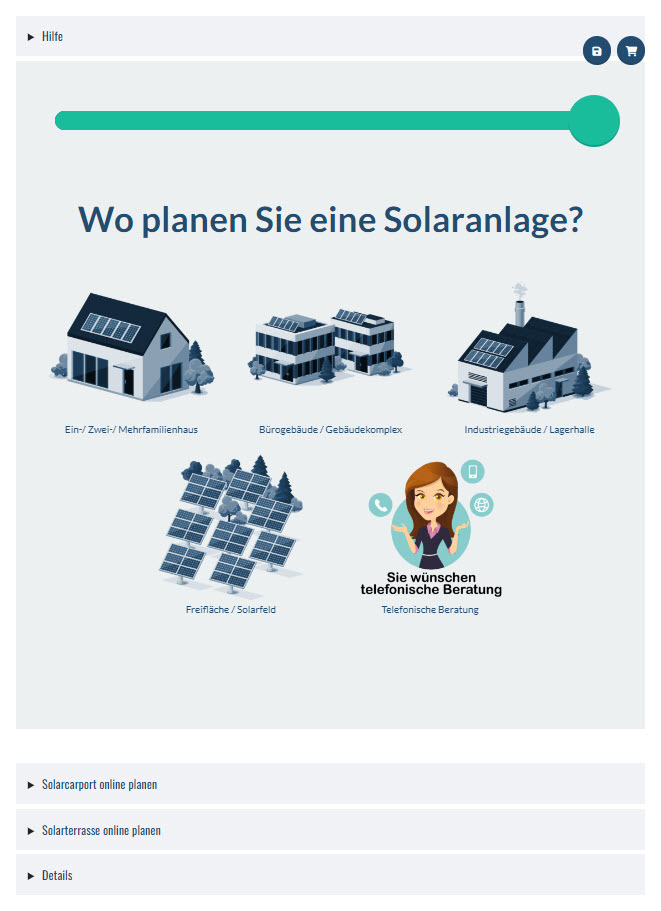
The solar system planner for the most common applications: Plan your solar system online here - Image: Xpert.Digital
More information here:
Why air conditioners and heat pumps are separate devices: A detailed analysis
Efficient heating, pleasant cooling: Why air conditioning and heat pumps are separate systems
Heat pumps and air conditioners are two different systems for regulating room temperature that are often confused. Although they perform similar functions, there are fundamental differences in their operation and application. There are good reasons why air conditioners and heat pumps were developed as separate devices. The differences and reasons are explained in more detail below.
1. How it works
An air conditioner removes heat from a room and cools it, while a heat pump absorbs heat from the environment and releases it into the room (heating mode). Both systems utilize the same physical process, the so-called "refrigeration cycle." However, air conditioners prioritize cooling, while heat pumps are specialized for heating.
2. Heating and cooling
An air conditioner is primarily designed for cooling indoor spaces and can effectively lower the room temperature. A heat pump, on the other hand, can not only heat but also cool. In summer, it can remove heat from the interior to the outside, cooling the room. In winter, the process is simply reversed, and the heat pump uses the ambient heat to warm the room. This makes the heat pump a more versatile appliance for year-round comfort.
3. Efficiency
Heat pumps are generally much more efficient than conventional air conditioners. Because heat pumps use the existing ambient heat to heat or cool a room, they require less electrical energy compared to an air conditioner, which has to transport the heat from the room to the outside. The efficiency of a heat pump is often expressed by the so-called "COP" (Coefficient of Performance), which indicates how much heating energy a heat pump can generate relative to the electrical energy it consumes.
4. Installation and Operation
Air conditioners and heat pumps require different installations and have specific requirements. Air conditioners typically consist of an indoor unit that cools the air and an outdoor unit that removes the heat. Heat pumps, on the other hand, also require an indoor unit to heat or cool the air, but they utilize an external heat source such as ambient air, the ground, or groundwater. For this reason, installing a heat pump often requires additional components such as a ground collector or a well.
5. Specific requirements
Air conditioners and heat pumps have different operating requirements. Air conditioners are designed to quickly lower the room temperature, while heat pumps aim to maintain a constant and comfortable room temperature. Since air conditioners are often used in regions with high outdoor temperatures, they are not necessarily optimized for heating. Heat pumps, on the other hand, can heat efficiently even at lower outdoor temperatures.
Air conditioner and heat pump: Understanding the differences and why they are not combined in one device
Although air conditioners and heat pumps are based on similar physical principles, they have been developed for different applications. The main reason why air conditioners and heat pumps are not combined in a single unit lies in the specific requirements and optimization for different operating modes.
1. Operational optimization
Air conditioners and heat pumps have different operating requirements and are designed for different climates and applications. An air conditioner is designed to cool rooms quickly and efficiently, while a heat pump can maintain a constant and comfortable room temperature over a longer period. By optimizing the two systems separately, they can perform their specific functions more efficiently.
2. Energy efficiency
Separating the air conditioner and heat pump allows for maximizing the efficiency of both systems. For example, heat pumps can be optimized for their coefficient of performance (COP) to achieve high heating output with low energy consumption. Combining them with an air conditioner could negatively impact efficiency, as the system would need to be optimized for refrigerant operation.
3. Application diversity
Separating air conditioners and heat pumps allows for flexible use in different applications. Heat pumps are ideal for residential and commercial buildings where year-round heating and cooling is required. Air conditioners, on the other hand, are often used in homes, offices, or shops where cooling is primarily needed in the summer.
4. Complexity and Costs
Integrating an air conditioner and a heat pump into a single unit would increase complexity and costs. Both systems have different components and requirements that would need to be combined in one device. This would complicate the development, construction, and maintenance of the unit and lead to higher costs.
Air conditioners and heat pumps differ in their operation, application, efficiency, specific requirements, and optimization for different operating modes. Combining both systems in a single unit would impair efficiency and flexibility, and increase complexity and costs. Therefore, air conditioners and heat pumps have been developed as separate units to meet their respective requirements and applications.
Cost-saving energy: How heat pumps and solar systems increase savings potential
Energy saving in Berlin and Brandenburg: The key role of heat pumps and solar systems in cost-effective energy-efficient renovation and new construction
Energy-efficient building renovations and new construction play a crucial role in reducing energy consumption and CO2 emissions. In this context, heat pumps and solar thermal systems are cost-effective options in Berlin and Brandenburg that offer significant savings. Funding programs and financial support facilitate the installation and operation of these sustainable technologies. The following section details the advantages of heat pumps and solar thermal systems with regard to their energy-saving potential in Berlin and Brandenburg.
Reducing energy costs
Heat pumps and solar thermal systems enable significant savings on energy costs. Heat pumps use ambient heat to heat and cool buildings and require only a fraction of the energy consumed by conventional heating systems. Solar thermal systems generate clean energy from sunlight and reduce dependence on expensive electricity providers. Using these technologies can significantly lower energy costs, especially when combined.
Reduction of operating costs
Heat pumps and solar thermal systems contribute to a long-term reduction in operating costs. Because heat pumps use ambient heat to heat buildings, heating costs are significantly lower compared to conventional heating systems such as oil or gas boilers. Solar thermal systems provide free electricity to operate the heat pumps, reducing dependence on expensive grid electricity. The combination of these two technologies enables cost-effective heating and cooling of buildings.
Funding programs and financial support
Berlin and Brandenburg offer a variety of funding programs and financial support for the installation of heat pumps and solar thermal systems. These programs provide grants, low-interest loans, or tax incentives that reduce initial investment costs and improve the profitability of the installation. The funding opportunities are designed to facilitate the transition to sustainable energy technologies and promote the use of heat pumps and solar thermal systems.
Increase in property value
Integrating heat pumps and solar panels can significantly increase property values in Berlin and Brandenburg. Energy-saving technologies are a crucial factor in property valuation today. A building equipped with heat pumps and solar panels signals lower energy costs and an environmentally friendly approach to potential buyers or tenants. This can lead to higher sales prices or rental rates and increase the overall attractiveness of the property.
Sustainability and environmental benefits
The use of heat pumps and solar panels contributes to reducing CO2 emissions and supports sustainability goals in Berlin and Brandenburg. By avoiding fossil fuels and utilizing renewable energy sources, the ecological footprint of buildings is significantly reduced. This helps to mitigate climate change and reduce environmental impact.
➡️ Installing heat pumps and solar thermal systems in Berlin and Brandenburg enables considerable savings. Reduced energy costs, lower operating expenses, the availability of subsidies and financial support, increased property value, and sustainability and environmental benefits make heat pumps and solar thermal systems cost-effective options for energy-efficient renovations and new construction in Berlin and Brandenburg. It is worthwhile to explore the various funding opportunities and take advantage of these sustainable technologies to achieve long-term savings and contribute to reaching climate goals.
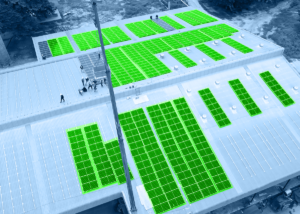
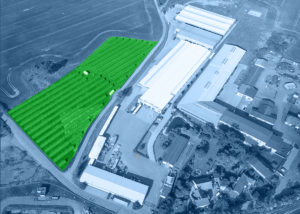
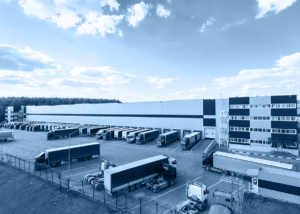

- Planning photovoltaics on warehouses, commercial buildings and industrial buildings
- Industrial plant: Planning a photovoltaic open-field system or open-area system
- Planning solar power systems with photovoltaic solutions for freight forwarding companies and contract logistics
- B2B Solar Systems and Photovoltaic Solutions & Consulting
Expert advice on energy-efficient renovation and new construction with Xpert.Plus

Konrad Wolfenstein
I would be happy to serve as your personal advisor.
You can contact me by filling out the contact form below or simply call me on +49 7348 4088 965 .
I'm looking forward to our joint project.
Write to me


Xpert.Digital – Konrad Wolfenstein
Xpert.Digital is a hub for industry focusing on digitalization, mechanical engineering, logistics/intralogistics and photovoltaics.
With our 360° Business Development solution, we support renowned companies from new business to after-sales.
Market intelligence, smarketing, marketing automation, content development, PR, mail campaigns, personalized social media and lead nurturing are part of our digital tools.
You can find more information at: www.xpert.digital – www.xpert.solar – www.xpert.plus
Keep in touch