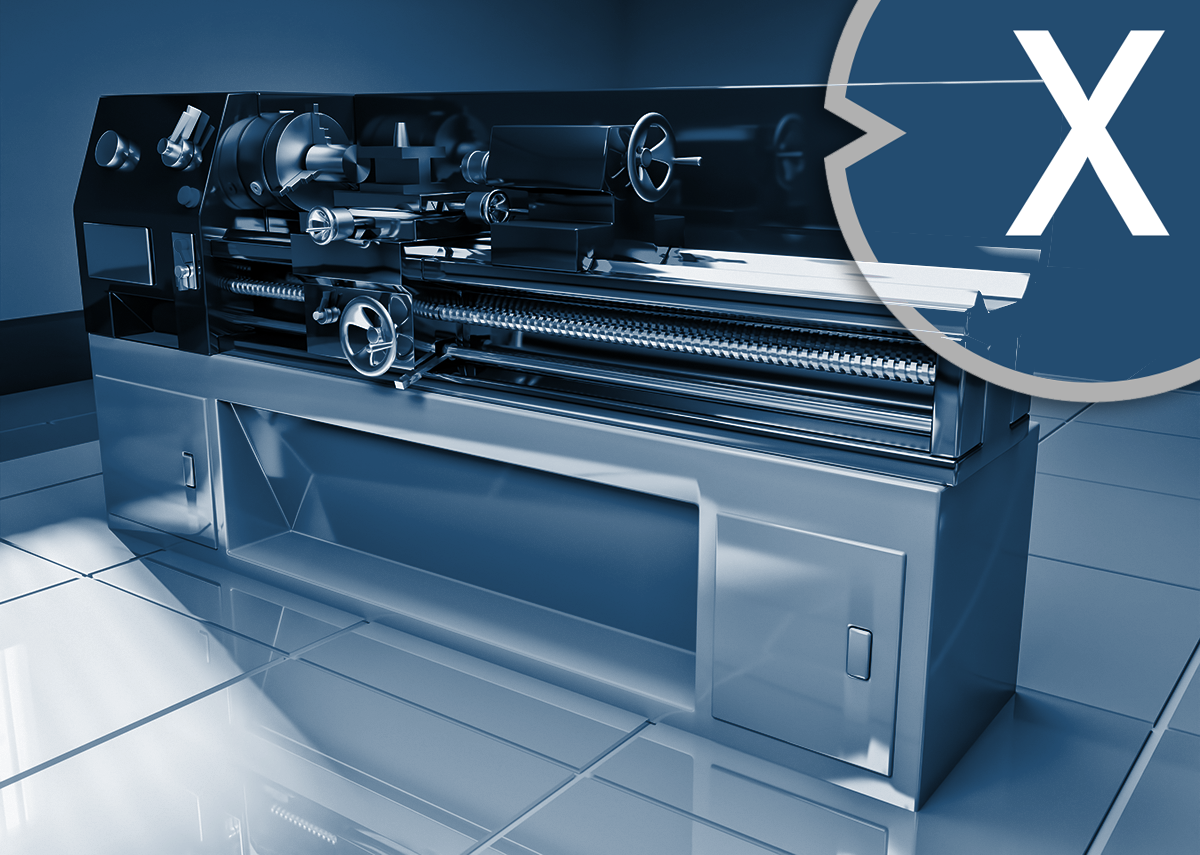
Lathe in photorealistic rendering (3D product presentation) – Image: Xpert.Digital
The superiority of XR technology (Industrial & B2B Business Metaverse) for photorealistic images
➡️ Media agencies charge high fees for creating photorealistic images.
This is often because creating such images requires expertise, specialized software, and resources. Furthermore, costs can also increase due to the effort involved in collaborating with various specialists such as 3D designers, rendering experts, and graphic artists.
XR technology offers a superior solution for creating photorealistic images, allowing companies to avoid the expensive fees charged by external media agencies. It's well known that media agencies charge high prices for creating such images, as this requires expertise, specialized software, and collaboration with various specialists.
An alternative is to use an in-house 'XR 3D rendering machine' to create photorealistic images from your own 3D/CAD models. This investment allows companies to generate an unlimited number of images from different angles without relying on external service providers. This can lead to long-term cost savings and greater independence.
➡️ And the best part is that no prior knowledge is required on the part of the user.
XR technology offers additional advantages. It not only enables the creation of photorealistic images but also represents a step towards developing your own business metaverse applications, at no cost to you. This technology opens up new possibilities for companies to interact, present, and collaborate in virtual environments.
XR technology for photorealistic images allows companies to essentially use their own '3D rendering machine' and benefit from cost-effective image generation. They not only become more independent from external service providers but are also ready to explore the many other possibilities that XR technology offers for their business applications in the industrial, e-commerce, and B2B business metaverse.
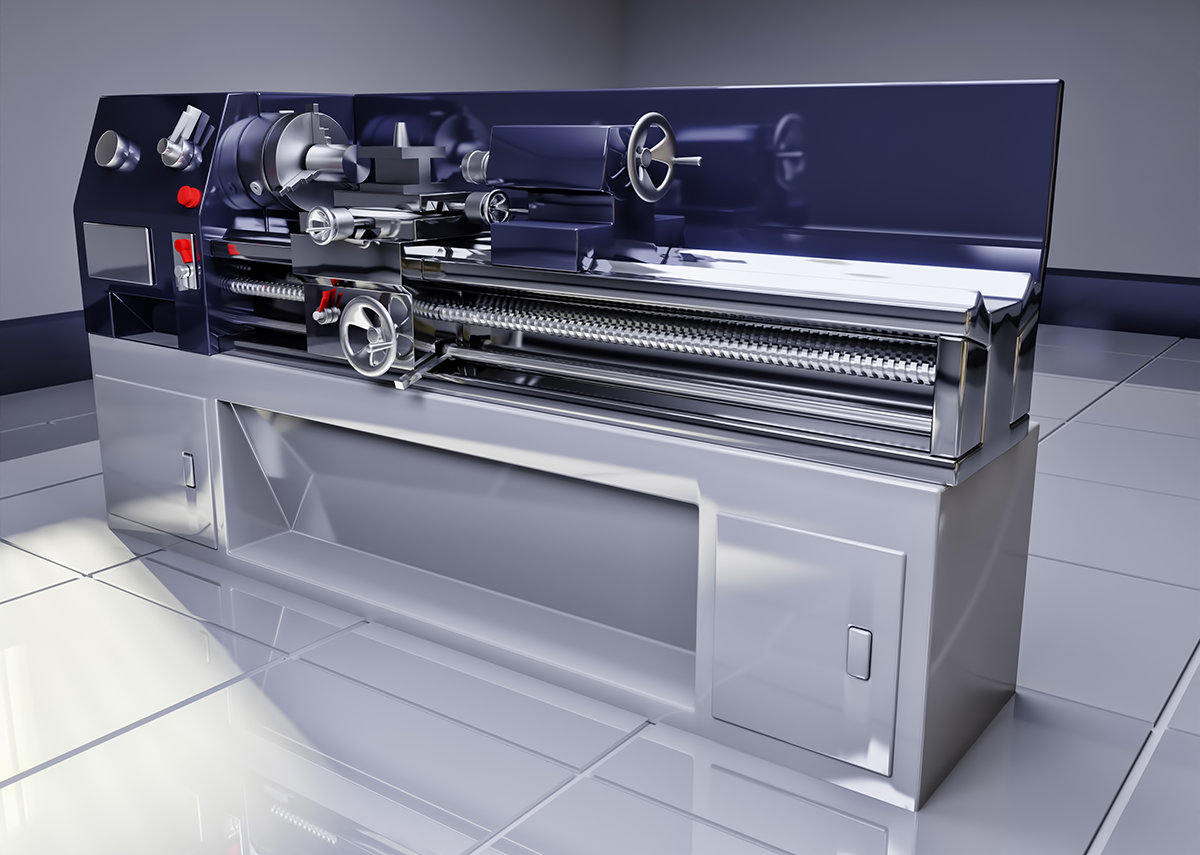
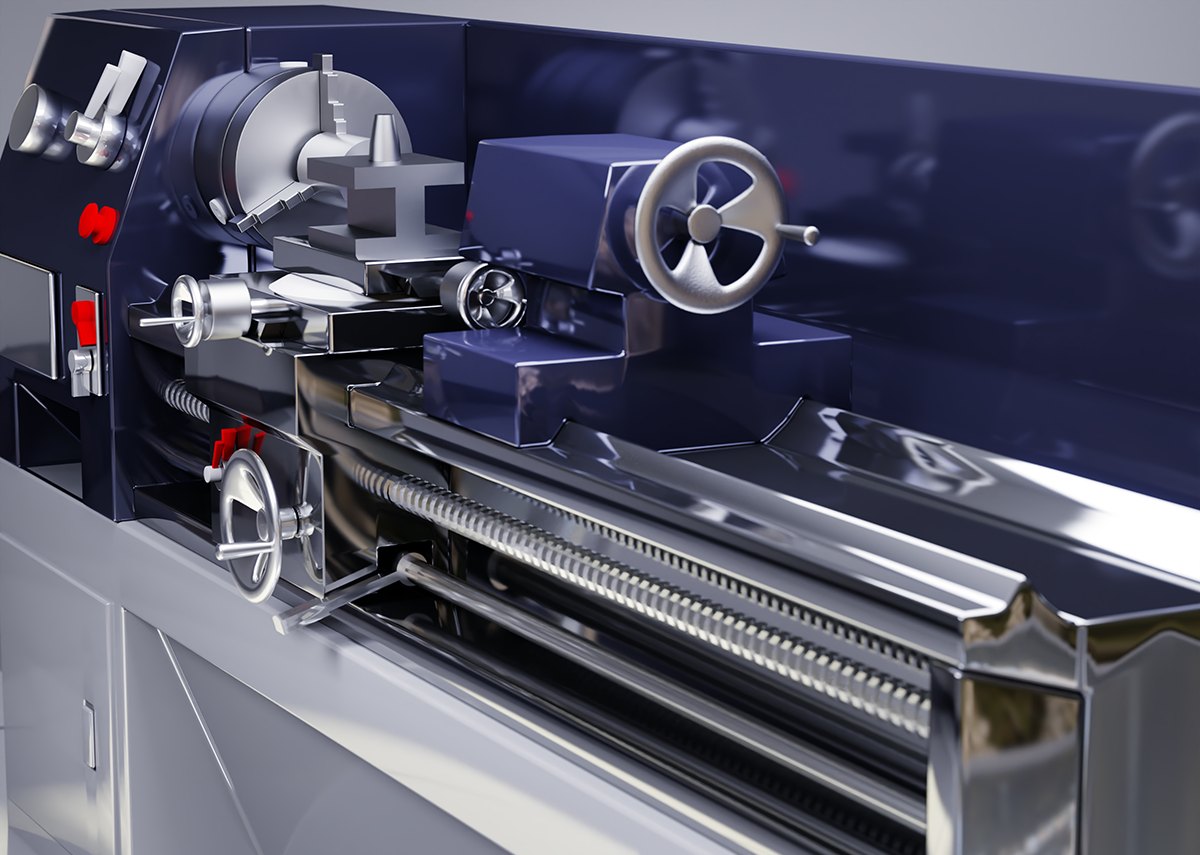
➡️ Are you interested in our preferred and cost-effective 'XR-3D rendering machine' alternative?
What is XR technology?
XR technology stands for Extended Reality and encompasses virtual reality (VR), augmented reality (AR), and mixed reality (MR). It enhances physical reality with computer-generated content, allowing users to immerse themselves in immersive and interactive virtual environments.
Virtual Reality (VR)
VR creates a completely computer-generated environment that allows users to immerse themselves in a simulated world. Using VR headsets and controllers, users can interact and move around in this virtual environment as if they were physically present.
Augmented Reality (AR)
AR integrates computer-generated content into the real world. Using AR glasses, smartphones, or tablets, users can see virtual objects or information superimposed on the real world. AR enables enhanced perception and interaction with the environment.
Mixed Reality (MR)
MR combines elements of VR and AR to achieve seamless integration of virtual content into the real world. MR allows users to place and interact with virtual objects in the real world, creating a realistic and immersive experience.
➡️ XR technology offers diverse application possibilities in various fields such as gaming, entertainment, education, medicine, architecture, industry, and more. It allows users to immerse themselves in virtual worlds, visualize 3D models, conduct immersive training, present product designs, and create interactive experiences.
➡️ The continuous development of XR technology unlocks new features and possibilities to create more realistic and immersive experiences. This includes advanced tracking and gesture recognition technologies, realistic graphics, haptic feedback, and improved interaction with the virtual environment.
Special form: The virtual showroom
The Virtual Showroom is a special form of XR technology.
In the virtual showroom, customers can navigate through products virtually, view them from different angles, zoom in on details, and in many cases even interact with them. This enables a realistic and immersive experience, allowing customers to develop a better understanding of the products before making a purchase decision.
The virtual showroom offers companies a multitude of advantages. Firstly, they can present their products or services in an innovative and impressive way, leading to an improved customer experience and greater customer loyalty. Furthermore, companies can virtually customize and personalize their products to meet individual customer needs and preferences.
Another advantage of the virtual showroom is that it allows companies to extend their presence across geographical boundaries. Customers from different parts of the world can visit the virtual showroom and explore the products or services without being physically present. This enables global reach and opens up new sales markets.
Furthermore, companies can use the Virtual Showroom to hold training sessions, educational environments, or virtual trade fairs and events. This saves on travel and booth rental costs while offering an interactive and immersive experience for participants.
➡️ The Virtual Showroom, with its XR technology, offers an innovative and effective way to present products and services, improve the customer experience, and expand business opportunities. It is a powerful tool to stand out from the competition and engage customers in a new way.
The B2B Business Metaverse vs. Catalogs, Brochures and Leaflets - Superior product presentation with 3D

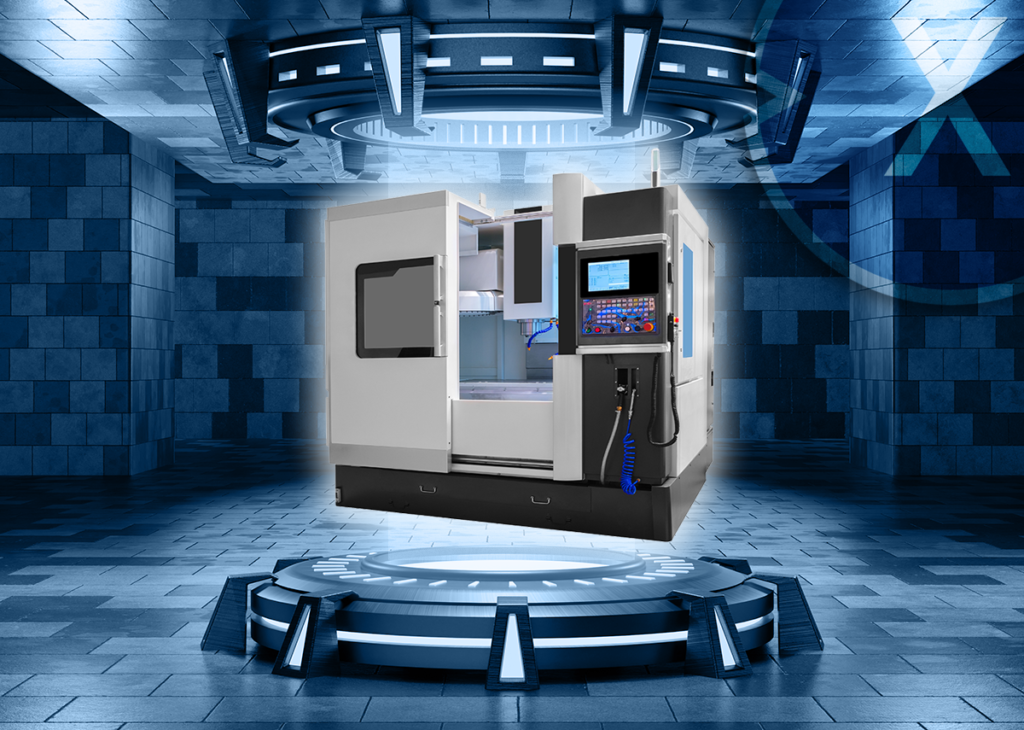
Comparison: The B2B Business Metaverse vs. catalogs, brochures and leaflets – A superior product presentation – Image: Xpert.Digital
The B2B Business Metaverse offers superior product presentation compared to traditional catalogs, brochures, and leaflets. By utilizing innovative XR technologies, the Metaverse opens up entirely new possibilities for visualizing products and presenting information.
Unlike static print media, the metaverse enables an interactive and immersive experience. Products can be visualized in 3D, giving potential customers a realistic impression of size, shape, and functionality. They can view the products from different angles, zoom in on details, and even conduct virtual test runs. This immersive presentation creates a deeper understanding and a stronger connection to the products.
More information here:
Our Industrial Metaverse Configurator
Simply try out our universally applicable (B2B/Business/Industrial) Metaverse Configurator for all CAD / 3D demo options:
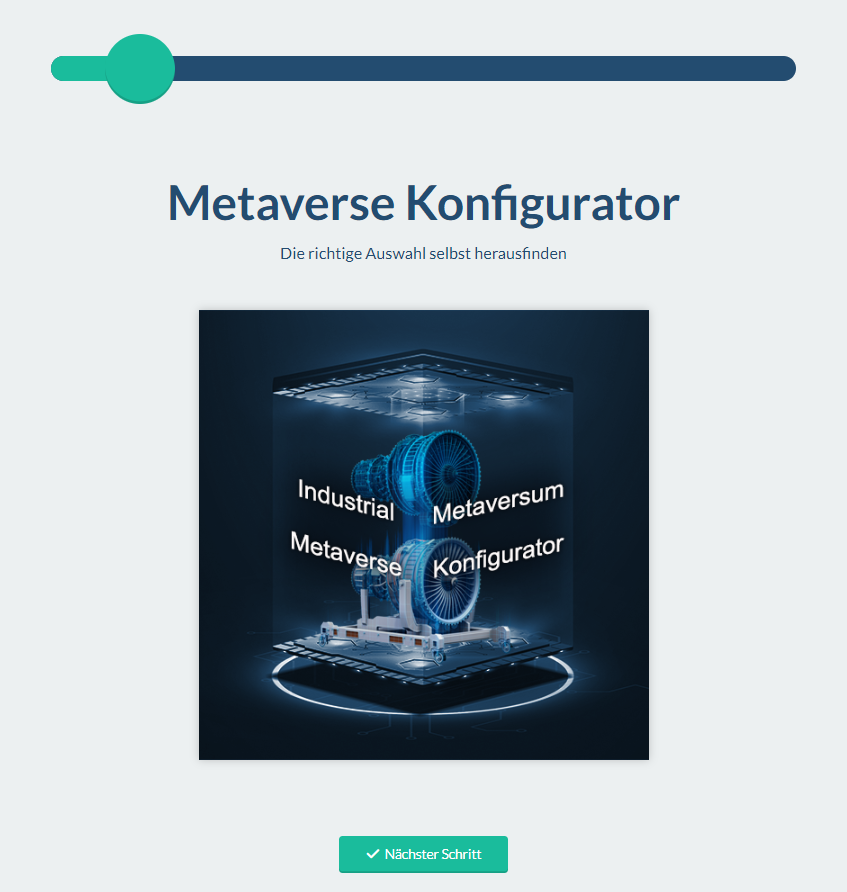

Xpert (B2B/Business/Industrial) Metaverse Configurator for all CAD / 3D data, usable on all end devices, one platform!
Related to this:
For which industries are photorealistic images particularly important for high-quality product presentations?
Photorealistic images are of great importance to various industries, as they enable appealing and convincing product presentations. Here are some industries where photorealistic images are particularly important for product presentation:
Mechanical engineering and industry
Photorealistic images are particularly important in mechanical engineering because they provide a visual representation of complex machines and industrial products that are often difficult for potential customers to imagine. They support marketing by presenting products attractively and conveying their performance. Furthermore, they contribute to industry by improving the design and development process and facilitating communication between engineers, manufacturers, and customers.
Architecture and construction industry
For architects, construction companies, and real estate developers, photorealistic images are an important tool for presenting their projects. They allow potential clients to visualize properties and buildings in realistic quality even before they are physically constructed. This aids in project marketing, client communication, and decision-making.
E-commerce and online retail
Images play a crucial role in e-commerce, as potential customers cannot physically examine the products. Photorealistic images allow customers to view the product in high quality and detail. This gives them a better idea of its appearance, colors, textures, and proportions, which strengthens their confidence in the purchasing process.
Furniture and interior design industry
In this industry, it's crucial that customers can visualize how furniture and furnishings would look in their homes. Photorealistic images allow customers to imagine the products in different rooms and environments, enabling them to make better purchasing decisions and ensure the products meet their needs and aesthetic preferences.
automotive industry
In the automotive industry, photorealistic images are crucial for vehicle presentation. Potential buyers can view the design, details, and features of the vehicles in high quality and gain a better understanding of what the vehicle would look like in reality. This helps to generate customer interest and support the sales process.
Fashion and clothing industry
In the fashion industry, visual representations of clothing and accessories are crucial. Photorealistic images allow customers to examine products in detail, enabling them to better assess fabrics, patterns, fit, and styling. This empowers them to make informed purchasing decisions and strengthens their trust in the brand.
➡️ These industries benefit from photorealistic images because they offer an immersive and realistic experience, allowing customers to view high-quality products and gain a better understanding of how they would look in reality. This contributes to increased purchase intent, customer satisfaction, and ultimately, business success.
Photorealistic images are particularly important in mechanical engineering, especially in marketing and industry, for several reasons.
Product presentation
Photorealistic images enable mechanical engineering companies to present their products in a visually appealing and compelling way. Potential customers can see the design, functions, and quality of the machines in high detail, even if they are not physically available. This facilitates the communication of product features and benefits.
Understanding complex machines
Mechanical engineering often involves highly complex products, making it difficult to explain their functionality and added value to potential customers. Photorealistic images allow for the visually appealing communication of machine operation, enabling customers to gain a better understanding of the machines' functionality and benefits.
Marketing communication
Photorealistic images are an effective marketing tool for capturing the attention of potential customers and increasing interest in mechanical engineering products. High-quality images allow mechanical engineering companies to showcase their products on websites, in brochures, at trade fairs, and in other marketing materials. This helps improve brand perception and attract potential customers.
Industrial applications
In industrial environments where mechanical engineering equipment is used, photorealistic images are of great importance. They can be used to show machines in operation, demonstrate potential application scenarios, and help customers visualize the integration of the machines into their own production processes. This facilitates purchasing decisions and supports customers in planning and implementation.
competitiveness
Mechanical engineering is a highly competitive industry. Photorealistic images can help a company differentiate its product range from competitors and convince customers of the quality and reliability of its machines. Compelling visual representations enable mechanical engineering companies to increase their competitiveness and persuade potential customers of the value of their products.
➡️ Overall, photorealistic images play a crucial role in mechanical engineering for presenting products, making complex machines understandable, achieving marketing goals, supporting industrial applications, and strengthening competitiveness. They contribute to gaining customer trust and making the sales process more effective.
However, the question remains: Why not take the next step from photorealistic image rendering to a dedicated B2B business metaverse?
The transition from photorealistic image rendering to a custom B2B business metaverse offers numerous advantages and opens up new opportunities for companies. Here are some reasons why taking the next step towards your own business metaverse might be worthwhile:
Interactive presentation
A business metaverse allows companies to present their products and services in an interactive virtual environment. Instead of just showing static images, customers and business partners can navigate an immersive environment, explore products, zoom in on details, and interact. This creates a dynamic and impressive presentation that can increase engagement and enthusiasm among the target audience.
Collaboration and communication
A B2B business metaverse offers the possibility of real-time collaboration and communication. Companies can hold virtual meetings with customers, partners, and employees, exchange ideas, gather feedback, and work together on projects. This increases efficiency and productivity and improves collaboration.
Virtual training courses and training environments
A dedicated business metaverse allows companies to create virtual training courses and learning environments. Employees can be trained in a secure and immersive environment, leading to better knowledge transfer and skills development. This is particularly useful in industries where hands-on training is difficult or expensive.
Virtual trade fairs and events
Instead of traditional trade shows, companies can host virtual trade shows and events within their own business metaverse. This enables global reach without the need for physical presence. Customers and business partners can discover products, attend presentations, network, and even make virtual purchases. This saves costs while offering an interactive and immersive experience.
Differentiation and Innovation
Building a proprietary business metaverse allows companies to differentiate themselves from the competition and offer innovative solutions. It demonstrates a pioneering role in the use of new technologies and underscores a commitment to modern and future-oriented thinking. This enables companies to strengthen their brand, attract new customers, and remain competitive in the long term.
➡️ It is important to note that transitioning to a proprietary business metaverse requires careful planning, development, and implementation. Appropriate resources, expertise, and technological infrastructure must be in place to ensure successful implementation. Companies should conduct a comprehensive analysis of their own needs, target audiences, and market trends to make the transition effective.
➡️ Overall, the move from photorealistic image rendering to a dedicated business metaverse offers numerous advantages and opportunities for companies to transform how they present their products, communicate, and interact. It enables an immersive and innovative business environment that enhances the customer experience and opens up new growth opportunities.
Which industries are suitable for the B2B business metaverse?
The Business Metaverse offers diverse opportunities for various B2B industries. In particular, industries offering complex products or services can benefit from the advantages of the metaverse. Here are some examples of industries where the Business Metaverse is especially suitable:
Mechanical engineering and industry
This industry often manufactures large, heavy, and complex machines. The Business Metaverse allows these machines to be visualized and presented in impressive 3D quality. Potential customers can interactively explore the machines, examine individual components, and test functions. The Metaverse enables an immersive experience and supports the effective communication of technical details.
automotive industry
Automotive manufacturers and suppliers can use the Business Metaverse to showcase their vehicles and technologies. Customers can view the vehicles in 3D, explore various equipment options, and take virtual test drives. The Metaverse enables realistic visualization and helps to illustrate innovations and features.
Aerospace
The aerospace industry is characterized by complex and high-tech products. The Business Metaverse enables the visualization of aircraft, satellites, and other spacecraft. Potential customers can explore these in 3D, view technical data, and simulate various systems. The Metaverse offers an interactive platform for showcasing innovations and demonstrating performance.
Construction industry and architecture
In the construction and architecture industries, large building projects, buildings, and infrastructure can be presented in the Business Metaverse. Clients can take virtual tours of buildings, visualize different design options, and make changes in real time. The Metaverse facilitates collaboration between architects, developers, and clients, and enables effective communication about complex construction projects.
Medical and healthcare
The Business Metaverse also offers interesting application possibilities in the medical field. Medical devices, prostheses, or surgical techniques can be visualized and explained in 3D. This allows for better understanding for medical professionals and patients.
➡️ However, the Business Metaverse is not limited to these industries. In principle, all B2B sectors that offer complex products or services can benefit from the advantages of the metaverse. It creates an interactive, immersive, and compelling environment for showcasing products, informing customers, and driving business.
What options are there to convince colleagues and superiors within a company of the fascinating possibilities offered by a B2B Metaverse?
To convince your colleagues and superiors of the fascinating possibilities of a B2B metaverse, you can use the following approaches:
Familiarize yourself with the advantages
Learn in detail about the benefits of a B2B metaverse and how it can increase efficiency, improve product presentation, and open up new business opportunities. Prepare a list of the key benefits you can leverage in presentations or discussions.
Demonstration of use cases
Collect examples and case studies that demonstrate how companies are already successfully using a B2B metaverse. Present these examples to illustrate the practical applications and potential positive impact on business operations.
Present concrete data and statistics
Collect data and statistics that demonstrate how the use of a B2B metaverse can positively impact business performance. This could include information on increased sales figures, improved customer satisfaction, or increased efficiency.
Organize internal presentations or workshops
Plan presentations or workshops to demonstrate the functionality and possibilities of a B2B metaverse to your colleagues and superiors. Show them live what a product presentation or interactive training session can look like in a virtual environment.
Create an immersive experience
Leverage technology to offer your colleagues and superiors an immersive experience. For example, invite them to a virtual showroom tour or a virtual product presentation. This will allow them to experience firsthand the potential and fascinating possibilities of a B2B metaverse.
Emphasize competitiveness
Make it clear that using a B2B metaverse can give your company a competitive edge. Show how other companies in your industry are already successfully using this technology and how your company could benefit from keeping pace with the competition.
Do you offer training and support?
Ensure your colleagues and supervisors receive the necessary training and support to understand and use the technology. For example, offer training courses or documentation to help them get started.
Present cost-benefit analyses
Conduct cost-benefit analyses to demonstrate the long-term economic benefits of using a B2B metaverse. Emphasize how the investment in the technology can pay off through improved efficiency, increased productivity, or higher sales figures.
➡️ Through a convincing presentation, highlighting concrete benefits and use cases, and providing training.
➡️ If you need support here, please contact us. We would be happy to advise you. One of Xpert.Digital is its pioneering business development.
Another solution would be the following intermediate step
Instead of paying high-quality external media service providers to create expensive images for your products in catalogs, brochures, and leaflets, you can achieve this more cost-effectively with an 'XR 3D rendering machine'. Implementing such technology brings you very close to realizing your own Industry & Business Metaverse solution in just one step.
More information here:
By investing in an 'XR 3D rendering machine', you enable the creation of high-quality images of your products in an efficient and cost-effective process. This machine harnesses the power of 3D rendering to generate photorealistic representations of your products. You can create various views and perspectives and even integrate interactive elements to offer an immersive experience.
By using an 'XR 3D rendering engine', you reduce your dependence on external media service providers and simultaneously lower your costs. You have control over the entire process and can react quickly to changes and adjustments. Furthermore, you are able to generate a large number of product images without incurring additional costs.
This intermediate step brings you closer to your own Industry & Business Metaverse solution. With XR technology, you can break through the limitations of traditional media and offer your customers an innovative and interactive experience. You can showcase your products in virtual environments, enable individual configurations, and provide customers with unique insights into your products and services.
By taking the step towards an XR 3D rendering machine, you are laying the foundation for future developments towards your own Industry & Business Metaverse solution. You will be able to optimize your business processes, strengthen customer loyalty, and differentiate yourself from your competitors. It is a step towards innovation and competitiveness in the digital world.
What is Pioneer Business Development?
The concept of "Pioneer Business Development" refers to the approach of identifying, developing, and introducing innovative business models and technologies to the market at an early stage. It's about being a pioneer, forging new paths and securing a competitive advantage by taking the lead in an emerging market or a new industry.
As part of Pioneer Business Development, companies identify trends, technologies, or market needs that could play a significant role in the future. They rely on their innovative strength, technical expertise, and entrepreneurial vision to develop innovative solutions that meet market needs.
Pioneer business development often involves an agile and iterative approach, where prototypes, testing phases, and continuous feedback play a central role. Companies work closely with customers, partners, and other stakeholders to validate and further develop their innovations.
The advantages of pioneer business development lie in the ability to identify and capitalize on market opportunities early on. Early market entry allows companies to establish a leading position, better meet customer needs, and achieve long-term competitive advantages.
It's important to note that pioneering business development can also involve risks. Early market phases can be uncertain, and not all innovations or business models will be successful. Nevertheless, striving for pioneering work allows companies to actively shape the future and position themselves at the forefront of the competition.

Xpert.Digital – Industry expert in mechanical engineering and digitalization with (Industrial/ E-Commerce/ B2B/ Business) Metaverse

Konrad Wolfenstein
I would be happy to serve as your personal advisor.
You can contact me by filling out the contact form below or simply call me on +49 7348 4088 965 .
I'm looking forward to our joint project.
Write to me


Xpert.Digital – Konrad Wolfenstein
Xpert.Digital is a hub for industry focusing on digitalization, mechanical engineering, logistics/intralogistics and photovoltaics.
With our 360° Business Development solution, we support renowned companies from new business to after-sales.
Market intelligence, smarketing, marketing automation, content development, PR, mail campaigns, personalized social media and lead nurturing are part of our digital tools.
You can find more information at: www.xpert.digital – www.xpert.solar – www.xpert.plus
Keep in touch