

Published on: November 29, 2024 / Updated on: November 29, 2024 – Author: Konrad Wolfenstein
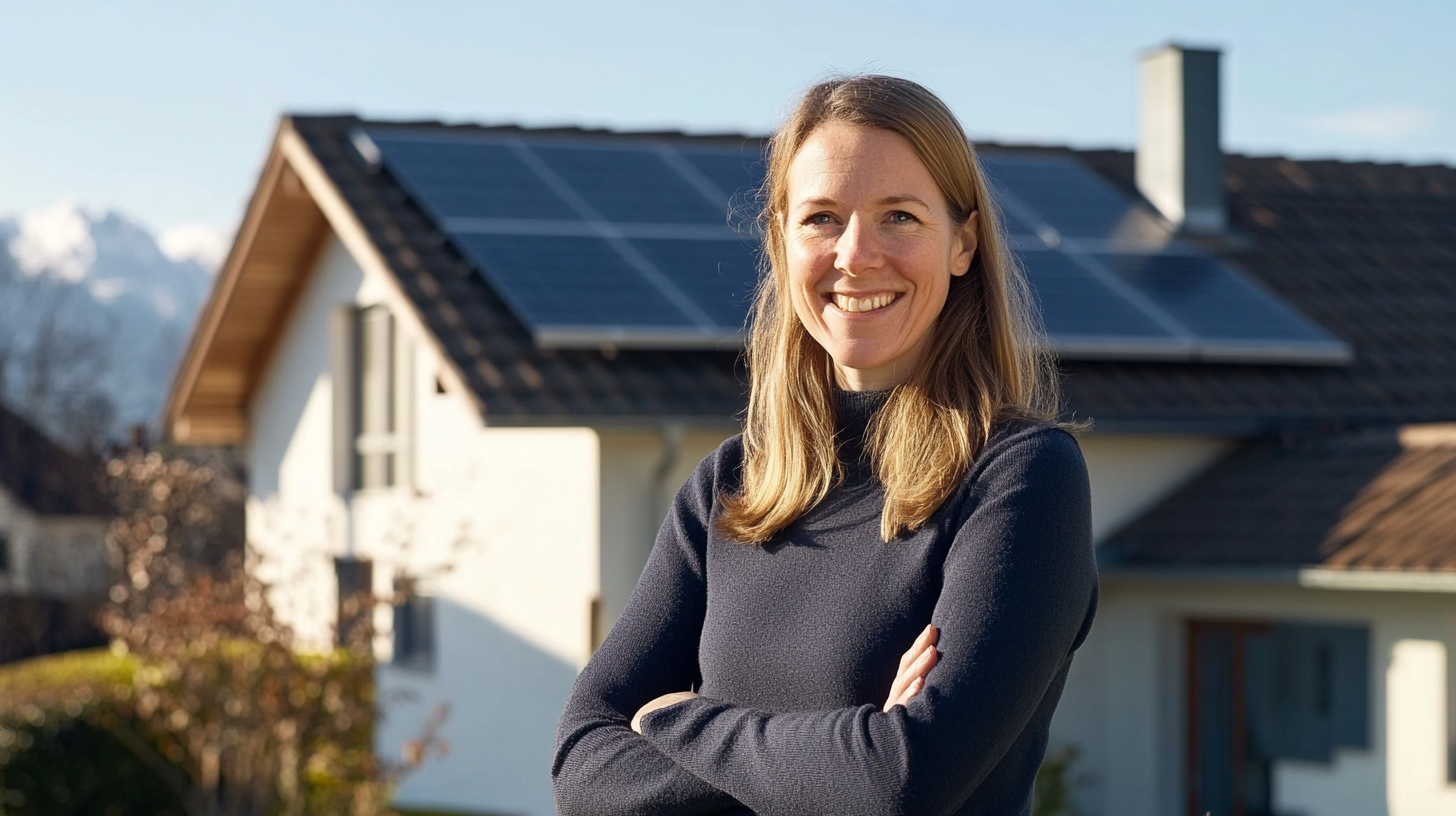
Sizing the PV system (number of modules and output) according to current demand or safety and comfort? – Image: Xpert.Digital
💡🌞 Investing in solar power systems: More than just profitability
🌱🔋 It's interesting to observe that many people pay less attention to economic viability when making purchases like expensive cars or luxury vacations, prioritizing factors such as well-being, security, and status. However, when investing in a rooftop solar system, every euro is often carefully considered, even though such systems can also contribute to increased personal well-being and provide protection against energy shortages.
One possible reason for this behavior could be that the benefits of luxury goods are immediately tangible, while the advantages of a solar power system seem more long-term and less perceptible. Furthermore, the field of renewable energies is complex and fraught with uncertainties for many, leading to a more critical assessment.
To overcome this discrepancy, it would be important to communicate the advantages of solar power systems not only from an economic perspective, but also to highlight the aspect of personal independence and the contribution to environmental protection. Increased public awareness could help more people recognize investing in renewable energies as a sensible and holistically worthwhile decision.
When sizing a photovoltaic (PV) system, it is equally important to consider both current and future electricity demand. This is especially true when combined with a battery storage system to ensure energy supply even during the darker months of the year. Here are some important considerations and recommendations:
📏📐 Sizing the PV system
Factors for determining plant size:
- Electricity consumption: Annual electricity consumption is a crucial factor. A rule of thumb is to multiply the annual electricity demand by 2.5 to determine the required power in kilowatt-peak (kWp).
- Roof area: The available roof area determines the maximum number of solar modules. Typical solar modules require approximately 2 m² per module.
- Budget: The available budget can influence the size of the project. Subsidies can help finance larger projects.
Matches:
Oversizing
- An oversized PV system can be useful to support future expansions (e.g. electric car charging station or heat pump) and to generate more energy in the winter months.
- An inverter with sufficient capacity is necessary to fully exploit the advantages of an oversized system.
⚡🔋 Sizing the electricity storage system
Factors for determining storage size:
- System size and electricity consumption: Ideally, an electricity storage system should have a capacity of approximately 1 kWh per kWp of system output.
- Consumption patterns: Daily electricity consumption and peak consumption times (e.g., morning and evening) influence the required storage capacity.
- Level of self-sufficiency: The higher the desired level of self-sufficiency, the larger the storage capacity should be.
Oversizing of the storage
- An excessively large storage system can have unused capacity in winter and be inefficient in summer, increasing the cost per stored kWh.
- It is often more economical to size the storage system slightly smaller and to upgrade it later if necessary.
🛠️🔧 Recommendations
- Utilize the entire available roof area for the PV system, if the budget allows, to take future requirements into account.
- Plan your energy storage system so that it meets your current needs and offers some flexibility for future expansions.
- Consider seeking professional advice to ensure optimal sizing based on individual circumstances.
By carefully planning and dimensioning your PV system and storage system, you can efficiently meet both current and future energy needs while optimizing costs.
Suitable for: