

Published on: November 18, 2024 / Updated on: November 18, 2024 – Author: Konrad Wolfenstein
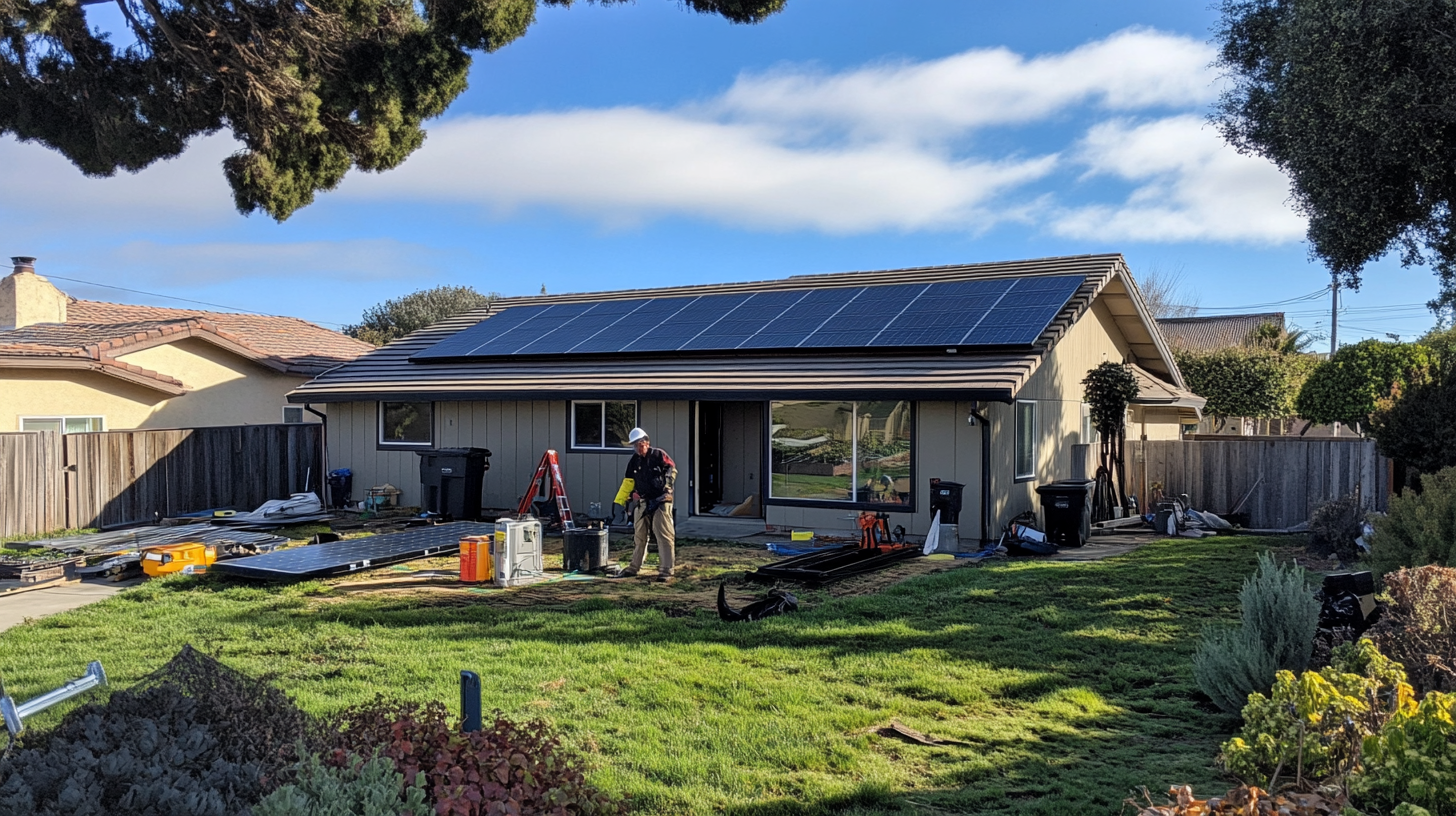
Hidden obstacles in Germany: Why your solar system has to wait after installation – Image: Xpert.Digital
Solar panel installation: The invisible obstacles on the path to clean energy
From installation to operation: Why your solar system is on the waiting list
The solar energy boom in Germany is undoubtedly an important step towards a more sustainable energy supply. More and more households and businesses are investing in photovoltaic systems to benefit from clean energy and reduce their electricity costs. However, behind the gleaming facade of this growth lies a lesser-known reality: not every solar system that has been installed can be put into operation immediately. Numerous challenges, from a shortage of qualified electricians to delays caused by grid operators, mean that the systems often remain unused for months.
Problems during commissioning: What's going wrong?
1. Installation without a master electrician
In Germany, solar panels can theoretically be installed by any tradesperson, even without a master craftsman's certificate. The real problem, however, arises when it comes to connecting to the grid. Connecting to the public electricity grid is subject to strict regulations and may only be carried out by an authorized specialist company. Without such a company, the system remains unusable despite being fully installed.
2. Rejection by local electricians
Another obstacle arises when local electricians refuse to inspect or connect a system installed by another provider. This refusal usually has two main reasons:
- Liability issues: Electricians fear being held responsible for defects caused by the original installation in the event of damage.
- Inefficiency: For many electricians, connecting someone else's system is not very profitable. They prefer to handle the entire process from installation to commissioning themselves, as this allows them to achieve higher margins.
3. Delays caused by network operators
Even if an electrician is found who is willing to connect the system, delays are not uncommon. The reason: grid operators must inspect and approve every new solar system before it can be connected to the grid. However, many operators are overloaded, which significantly increases waiting times. In addition, some regions experience bottlenecks in the power grid, which delays the connection or necessitates adjustments to the grid.
“Turnkey plants” – A term fraught with pitfalls
Many suppliers advertise "turnkey solar systems," a term that suggests the buyer doesn't have to do anything after installation. In practice, however, this often simply means the system is mounted – the connection to the power grid is frequently left unfinished. In Germany, the system cannot be connected to the grid without commissioning by a certified electrician. This leads to an unsatisfactory situation: the investment has been made, but the promised savings and environmental benefits fail to materialize.
Why local electricians often hesitate
The refusal of local electricians to connect systems from other sources is a key issue in the current solar energy boom. The reasons for this are multifaceted:
Liability risks
Electricians who connect solar power systems to the grid bear a certain responsibility for the system's proper functioning. Even if the customer waives their right to a warranty, many specialist companies face a high liability risk. A fault in the system, such as faulty wiring or a defect, could result in high consequential costs – a risk many are unwilling to take.
Missing documentation
Another problem is that many installers do not provide sufficient documentation. Without detailed installation documentation, it is difficult for the electrician to verify the safety and functionality of the system.
Economic considerations
For many electricians, connecting someone else's electrical system is simply not profitable. The revenue from the connection alone often doesn't justify the effort and risks. Therefore, many companies prefer turnkey contracts where they can handle everything from installation to commissioning.
Delays caused by network operators
Grid operators play a crucial role in the commissioning of solar power plants. However, there are numerous challenges here as well:
Operator overload
Many grid operators are overwhelmed by the increase in new solar power installations. Processing applications often takes months.
Regional differences
In some regions, the electricity grid is already at its capacity limit. New solar power plants can only be connected if grid reinforcements are carried out beforehand. This leads to additional costs and delays.
Bureaucratic hurdles
Approval by the network operator requires extensive documentation and testing, which further prolongs the process.
What can consumers do?
Problems encountered during the commissioning of solar power systems are certainly frustrating, but not insurmountable. With proactive planning and clear agreements, many obstacles can be avoided.
Early planning
Even before installation, customers should inquire whether a certified electrician is available to inspect and connect the system. It is advisable to include this step in the contract with the installer to prevent future disputes.
Transparent communication
Open communication with all parties involved – installer, electrician, and network operator – is crucial. Clarify early on who is responsible for which tasks and obtain written assurances.
Specialized service providers
There are now service providers specializing in the acceptance testing and commissioning of solar power systems. These experts handle the grid connection and communication with the grid operator, which significantly simplifies the process.
Check network capacity
Before installation, it is advisable to check with the grid operator about the capacity of the local power grid. In areas with high demand, it may be wise to consider alternative solutions such as battery storage or optimizing self-consumption.
Suitable for: