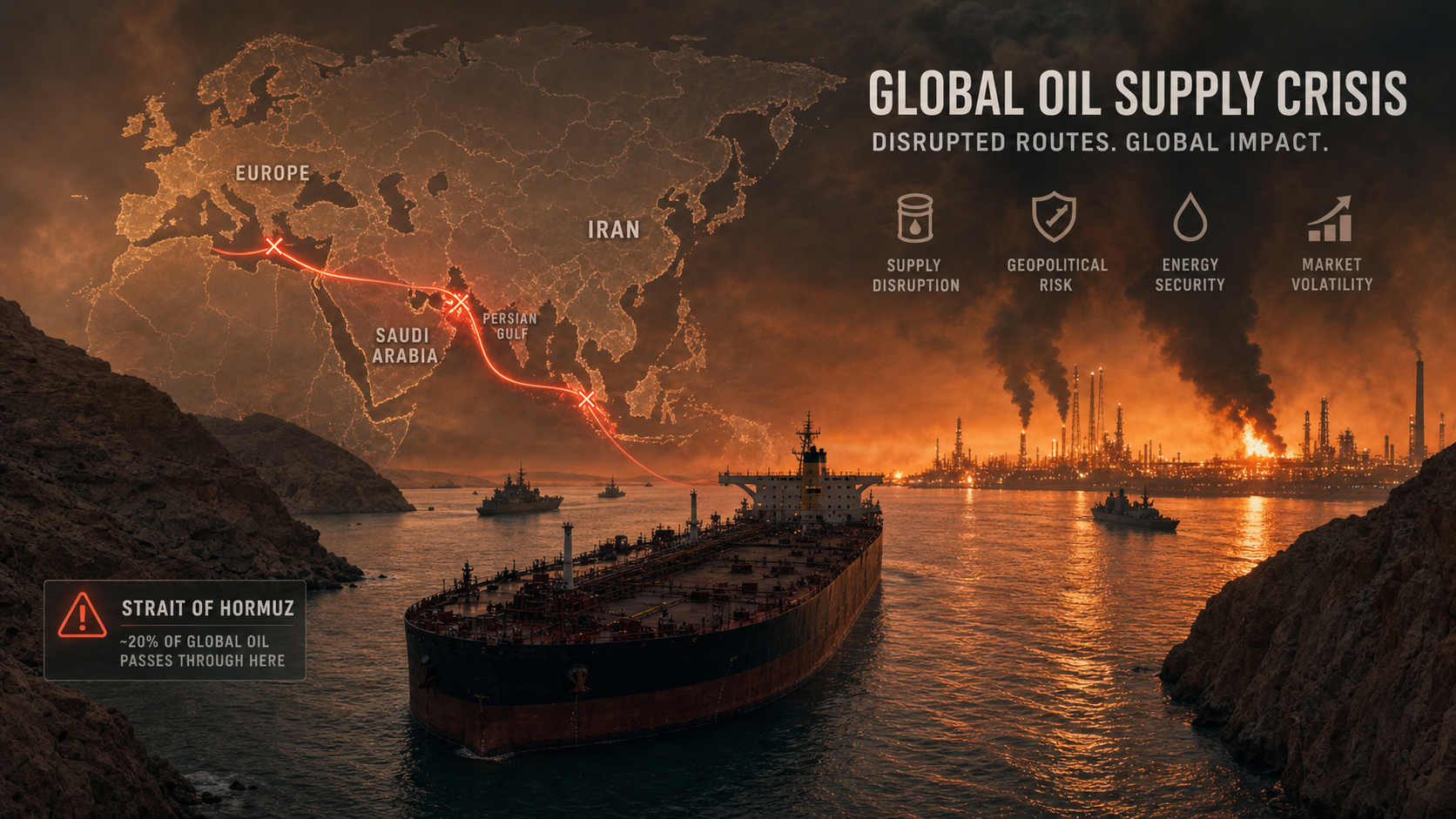
Drohende Öl-Energiekrise und Kipppunkt im Juni 2026: Die Regierung beschwichtigt – doch die Lager sind fast leer – Bild: Xpert.Digital
„Boden der Tanks erreicht“: Top-Ökonomen schlagen Alarm wegen weltweiter Ölkrise
Flugausfälle, Schmierstoff-Mangel, Preisexplosion: So hart trifft uns die Hormus-Blockade wirklich
Ölpreis-Schock im Juni: Warum Experten jetzt vor 150 Dollar pro Barrel warnen
Im Frühjahr 2026 steht die Weltwirtschaft vor einer beispiellosen Zäsur. Nach der faktischen Blockade der Straße von Hormus infolge eines militärischen Konflikts am Persischen Golf schmelzen die globalen Ölreserven in einem alarmierenden Tempo ab. Während maßgebliche Energiemarktexperten und Wirtschaftsführer vor einem kritischen Kipppunkt im Juni warnen – mit potenziellen Rekordpreisen von bis zu 150 US-Dollar pro Barrel und handfesten physischen Engpässen –, übt sich die Politik in Beschwichtigung. Doch die Realität spricht eine andere Sprache: Alternative Ausweichrouten stoßen an ihre Kapazitätsgrenzen, die historischen Notfallreserven der westlichen Staaten sind zu großen Teilen aufgebraucht, und abgerissene Lieferketten bedrohen zunehmend auch die Produktion von Treib- und Schmierstoffen in Europa. Die folgende Analyse beleuchtet die harte Marktrealität eines Systems, das seinen wichtigsten Puffer verliert, und zeigt auf, warum die gravierendsten Konsequenzen für Industrie, Mobilität und Verbraucher erst noch bevorstehen.
Ölkrise im Juni 2026: Der drohende Kipppunkt
Wenn die Reserven schweigen – und die Politik beruhigt
Der Ölmarkt steht vor einer Zäsur. Nicht wegen Panik, nicht wegen Spekulation, sondern wegen einer nüchternen physischen Realität: Die globalen Lagerbestände schmelzen schneller ab, als Ersatzquellen aufgebaut werden können, und die Straße von Hormus ist seit Ende Februar 2026 faktisch gesperrt. Wer heute die Warnungen führender Energiemarktexperten ignoriert, riskiert morgen vor vollendeten Tatsachen zu stehen — und das betrifft nicht nur Benzinpreise an der Zapfsäule, sondern Grundstoffe für Industrie, Luftfahrt, Chemie und Mobilität.
Kriegsausbruch am Persischen Golf – eine neue Lage für die Weltwirtschaft
Am 28. Februar 2026 griffen die USA und Israel den Iran mit massiven Luftangriffen an. Die iranischen Revolutionsgarden reagierten umgehend: Der Schiffsverkehr durch die Straße von Hormus, jene 50 Kilometer schmale Meerenge am Ausgang des Persischen Golfs, wurde faktisch eingestellt. Damit war eine der kritischsten Energierouten der Welt blockiert — täglich passieren diese Meerenge im Schnitt rund 20 Millionen Barrel Rohöl, was annähernd 20 Prozent des weltweiten Ölverbrauchs entspricht.
Die unmittelbaren Konsequenzen waren drastisch. Die iranischen Angriffe vom 18. März richteten zwischen 30 und 40 Prozent der Raffineriekapazitäten am Golf erheblich in Mitleidenschaft, wodurch schätzungsweise 11 Millionen Barrel täglich aus der globalen Versorgung wegfielen. Der Brent-Ölpreis erreichte Spitzenwerte von 120 US-Dollar je Barrel — ein Stand, der zuletzt im Juni 2022 während der globalen Energiekrise nach dem Beginn des Ukraine-Krieges verzeichnet worden war. Nach der Ankündigung einer zweiwöchigen Waffenruhe zwischen den USA und dem Iran Anfang April fiel der Preis kurzfristig auf rund 92 US-Dollar, um danach wieder auf über 100 Dollar zu steigen. Am 11. Mai 2026 lag der Brent-Preis bei rund 105 US-Dollar je Barrel.
Rund ein Viertel bis ein Drittel der weltweiten Öltransporte sowie etwa ein Fünftel des globalen Flüssigerdgashandels laufen normalerweise über die Straße von Hormus. 80 Prozent des transportierten Öls und Gases sind für asiatische Märkte bestimmt, wobei China mit mehr als 90 Prozent der bei Weitem wichtigste Abnehmer iranischen Öls ist. Die Konsequenzen sind damit nicht nur europäisch, sie sind global.
Das Nadelöhr wird enger – warum Ausweichmaßnahmen an ihre Grenzen stoßen
In den ersten Wochen nach der Schließung gelang es dem globalen Ölmarkt noch, den Engpass durch Ausweichmaßnahmen teilweise abzufedern. Saudi-Arabien erhöhte seine Ölproduktion im Februar 2026 auf 10,882 Millionen Barrel pro Tag — ein deutlicher Anstieg gegenüber den 10,1 Millionen Barrel im Januar. Der Export über den Hafen Yanbu am Roten Meer stieg auf nahezu 4,6 Millionen Fass pro Tag und ist damit schon an seiner Kapazitätsgrenze angelangt. Die Vereinigten Arabischen Emirate exportieren über Fujairah, ebenfalls außerhalb der Straße von Hormus gelegen — auch dieser Korridor ist inzwischen weitgehend ausgelastet.
Frederic Lasserre, der Chefanalyst des globalen Rohstoffhändlers Gunvor, bringt die Situation auf den Punkt: Der Markt grabe sich bereits in die bestehenden Lagerbestände hinein und nähere sich dem Ende dieser Reserven. Man werde bei Ölprodukten schon sehr bald den Boden der Tanks sehen. Konkret erläuterte Lasserre, dass die bisherigen Ausweichmaßnahmen nun ihre Grenzen erreichten: Saudi-Arabiens Alternativrouten sind voll ausgelastet, US- und afrikanische Exportvolumina können den Ausfall nicht mehr kompensieren, und die strategischen Reserven der IEA-Mitgliedsländer sind bereits zu einem Großteil abgezogen.
Die Internationale Energieagentur (IEA) beschloss am 11. März 2026 in einem historischen Schritt, 400 Millionen Barrel Öl aus strategischen Notfallreserven der 32 Mitgliedsländer freizugeben — mehr als doppelt so viel wie nach dem russischen Einmarsch in die Ukraine. Deutschland beteiligt sich mit 19,51 Millionen Barrel. Diese 400 Millionen Barrel entsprechen etwa 20 Tagen des gewöhnlichen Ölstroms durch die Straße von Hormus. Das klingt nach einem substanziellen Puffer — doch inzwischen sind diese Reserven bereits größtenteils verbraucht worden, und eine Wiederbefüllung ist bei weiterhin gesperrter Meerenge schlicht nicht möglich.
Der Juni als Scheideweg: Wenn die Lager leer werden
Genau hier liegt der Kern der Warnung, die Energiemarktprofis im Mai 2026 formulieren. Kerstin Hottner, Leiterin des Rohstoffbereichs beim Schweizer Investmenthaus Vontobel, beschreibt die Lage präzise: Bis Ende Juni dürften die globalen Lagerbestände auf ein Minimum reduziert worden sein. Dann muss der Preis deutlich steigen, damit die Nachfrage entsprechend reagiert, also sinkt. Hottner hält in diesem Szenario Rekordpreise von bis zu 150 US-Dollar pro Barrel für möglich.
Diese Warnung ist keine Panikmache, sondern Marktlogik. Wenn die physischen Lagerbestände eine kritische Untergrenze erreichen, verliert der Markt seinen wichtigsten Puffer. Preissignale müssen dann die Arbeit übernehmen, die Lagerhaltung bis dahin geleistet hat: Nachfrage zu drosseln, Prioritäten zu setzen, Substitution anzureizen. In einer Volkswirtschaft wie Deutschland, die ihren Energiemix zu 60 Prozent aus Öl und Gas bestreitet, ist das keine abstrakte Überlegung.
RWE-Chef Markus Krebber formuliert das Dilemma aus der Perspektive eines Energieversorgers: Die echte, physische Knappheit habe gerade erst begonnen. Die Energie, die noch aus der Region gekommen sei, sei noch zwei bis drei Monate auf dem Wasser gewesen — jetzt kämen keine neuen Schiffsladungen mehr an. Krebber sagte in seiner Bilanzpressekonferenz außerdem, dass bei einem Andauern der Krise Europa sich intensiv mit der Einspeicherung für die Gasspeicher vor dem nächsten Winter befassen müsse. Der RWE-Chef lehnte eine staatliche strategische Gasreserve explizit ab und plädierte stattdessen dafür, dem Markt die Lösung zu überlassen — solange der Konflikt sich innerhalb von drei bis vier Wochen auflöse. Passiert das nicht, wird aus einer Preisspitze eine strukturelle Knappheit.
Deutsche-Bank-Chef Christian Sewing rechnet im aktuellen Krisenjahr mit einem durchschnittlichen Ölpreis von 95 US-Dollar — rund 50 Prozent höher als im Vorjahr. Das ist eine Prognose, die bereits über dem Brent-Jahresdurchschnitt vor dem Konflikt liegt und die erhebliche Folgekosten für Industrie, Logistik und Verbraucher impliziert. Zum Vergleich: Noch Ende 2025 hatte die Deutsche Bank im Basisszenario einen Brent-Preis von 55 US-Dollar für 2026 prognostiziert — der Iran-Krieg hat diese Erwartung vollständig hinfällig gemacht.
Mehrere Versorgungsfronten gleichzeitig – die Druschba-Pipeline und das Schmierstoff-Problem
Die Straße von Hormus ist nicht die einzige Bruchlinie in der deutschen Ölversorgung. Seit dem 1. Mai 2026 fließt kein kasachisches Rohöl mehr über die Druschba-Pipeline nach Deutschland. Russland hat den Transit gestoppt — offiziell aus technischen Gründen, vermutlich wegen ukrainischer Drohnenangriffe auf russische Infrastruktur. Die PCK-Raffinerie in Schwedt, die Berlin und Nordostdeutschland mit Kraftstoff versorgt, verliert damit rund 17 Prozent ihrer Rohölzufuhr.
Die brandenburgische Landesregierung zeigte sich noch optimistisch: Die PCK-Raffinerie könne im Mai mit rund 80 Prozent Auslastung weiterlaufen und die Versorgung durch Reserven abfedern. Alternativrouten über den Hafen Gdańsk in Polen stehen zur Verfügung. Leuna wiederum wird über eine Pipeline aus Danzig mit US-Öl beliefert. Doch dieser Ersatz kostet Zeit, Geld und logistischen Aufwand — drei Ressourcen, die in einer akuten Versorgungskrise knapp sind.
Ein weiteres, weniger bekanntes Problem verschärft die Lage: Basisöle für Motorenöl und synthetische Schmierstoffe drohen bis Juni auszugehen. Die Frachtschiffe mit diesen Ressourcen stecken im Persischen Golf fest. Europa und die USA suchen nach alternativen Zulieferern, doch auch diese haben Probleme: Der wichtige PAO-Rohstoff Ethylen kommt traditionell in großen Mengen vom Persischen Golf. Die Spotpreise für Schmierstoffe der Gruppe III steigen bereits rapide. Sollte die Blockade länger andauern, sind Fertigschmierstoffe für den Automobilsektor die nächste Knappheit — mit direkten Auswirkungen auf Fahrzeugwartung und Automobilindustrie.
Darüber hinaus warnt die Europäische Union nach internen Prognosen vor drohenden Knappheiten bei Diesel und Kerosin in der Staatengemeinschaft. Der EU-Energiekommissar Dan Jörgensen schlägt seit Wochen Alarm: Die Ölkrise weite sich zu einer umfassenden Energiekrise aus, die Europas Wirtschaft hart treffe. Die Kerosinpreise sind seit mehr als zwei Monaten doppelt so hoch wie vor dem Krieg. Die Arbeitsgemeinschaft Deutscher Verkehrsflughäfen (ADV) warnt in diesem Kontext vor Flugstreichungen: Im schlimmsten Szenario droht an manchen Flughäfen ein Kapazitätseinbruch von zehn Prozent, hochgerechnet auf alle Flughäfen wären 20 Millionen Fluggäste betroffen.
Die europäische Reaktion: Notreserven, Preisregeln und politische Symbolik
Die politische Reaktion in Europa bewegt sich zwischen konkreten Notmaßnahmen und dem Versuch, die Öffentlichkeit zu beruhigen. Die G7-Staats- und Regierungschefs erklärten am 30. März 2026, sie seien bereit, alle erforderlichen Maßnahmen zu ergreifen, um die Energiestabilität zu sichern. Die EU will zeitnah neue Maßnahmen vorstellen, um den Verbrauch zu reduzieren und Alternativen zu fördern. Nach Schätzungen der EU-Kommission sind die Gaspreise um 70 Prozent und die Ölpreise um 50 Prozent gestiegen, was zusätzliche Importkosten von 13 Milliarden Euro bedeutet.
Deutschland griff konkret in die Preisgestaltung ein: Tankstellen dürfen seit der IEA-Reservefreigabe nur noch einmal täglich ihre Spritpreise erhöhen. Das ist ein Eingriff in das Marktgeschehen, der Verbraucher kurzfristig vor extremen Preisspitzen schützt, aber die strukturellen Angebotsprobleme nicht löst. Die OPEC+ ihrerseits erhöhte die Förderquoten schrittweise um 206.000 Barrel pro Tag für April und Mai sowie 188.000 Barrel für Juni — doch viele der beschlossenen Fördererhöhungen können vorerst kaum realisiert werden, solange die Exportrouten blockiert sind.
Die Vereinigten Arabischen Emirate sind inzwischen aus dem OPEC+-Verbund ausgetreten, was die Koordinationsfähigkeit des Kartells weiter schwächt und die Marktdynamik schwerer kalkulierbar macht. Saudi-Arabien nutzt zwar alternative Exportkorridore — über die Yanbu-Pipeline am Roten Meer —, doch diese Kapazitäten sind nahezu ausgeschöpft. Analysten schätzen, dass die Wiederinbetriebnahme beschädigter Raffinerieanlagen am Golf mehrere Monate, ein vollständiger Wiederaufbau sogar bis zu drei Jahre dauern könnte.
🎯🎯🎯 Global Sourcing & Commodity Trading mit integrierter Logistik


Rohstoffe, Globale Beschaffung & Handel - Bild: Xpert.Digital
Modernste Frachtflugzeuge, optimierte Transportrouten und multimodale Logistikketten sind austauschbar – sie lassen sich kaufen, mieten oder outsourcen. Was sich nicht kaufen lässt, sind direkte Produzentenkontakte in peruanischen Minen, verlässliche Lieferbeziehungen in den GUS-Staaten und jahrelang aufgebautes Vertrauen in Märkten, die keine Fremden kennen. Der entscheidende Wettbewerbsvorteil im globalen Rohstoffhandel liegt nicht im Transport des Gutes von A nach B – sondern im Wissen, wo das Gut herkommt, wer es produziert und wie man Zugang bekommt, bevor andere überhaupt wissen, dass es diesen Markt gibt. Wer das Netzwerk besitzt, bestimmt den Preis. Alle anderen bezahlen ihn.
Mehr dazu hier:
Drei Sommer‑Szenarien: Wie Politik und Märkte reagieren müssen – So verwundbar ist Europas Industrie
Friedensgespräche und ihre Grenzen: Warum selbst eine Einigung nicht reicht
Anfang April 2026 einigten sich die USA und der Iran auf eine zweiwöchige Waffenruhe. Der Iran kündigte an, die Straße von Hormus für nicht feindliche Schiffe zu öffnen. Vereinzelt passierten erste Tanker die Meerenge wieder. Der Ölpreis fiel kurzfristig um rund 16 Prozent. Doch diese Entspannungssignale täuschen über die eigentliche Tiefe des Problems hinweg.
Die Verhandlungen sind seitdem eingefroren. Mitte Mai 2026 wartet Washington noch immer auf eine iranische Antwort auf einen 14-Punkte-Friedensvorschlag. Irans Außenminister stellte Bedingungen, die für die USA schwer annehmbar sind: sofortige Aufhebung aller US-Sanktionen und der Seeblockade, eine neue rechtliche Regelung für die Straße von Hormus, vollständiger Abzug der US-Truppen aus der Region. US-Außenminister Marco Rubio hofft auf ein ernsthaftes iranisches Angebot, doch die Positionen liegen weit auseinander.
Selbst wenn es morgen zu einem vollständigen Friedensschluss käme, wäre damit das Versorgungsproblem nicht automatisch gelöst. Zum einen ist die Infrastruktur am Persischen Golf teils erheblich beschädigt — Raffinerien können nicht sofort wieder in Betrieb genommen werden. Zum anderen befinden sich die Tanker, die normalerweise für die Versorgung Europas und Asiens auf dem Weg sind, nicht mehr auf Kurs. Die Lieferketten sind zerrissen, und es dauert Wochen bis Monate, sie wieder aufzubauen. Krebbers Hinweis, dass die Energie, die in der Pipeline war, nun ausgelaufen ist und keine neue Ladung nachkommt, beschreibt dieses Zeitfenster präzise. Das ist keine Hypothese, sondern eine Folge der physischen Realität des Öltransports: Tankerfahrten dauern drei bis sechs Wochen, und die Pipeline aus der Region ist im Mai leer.
Die politische Beschwichtigung: Ruhig bleiben oder die Wahrheit verbergen?
Auf einer Konferenz von RheinEnergie in einem Interview mit Andreas Kuhlmann erklärte Bundeswirtschaftsministerin Katherina Reiche, sie könne die Sorge vor physischen Knappheiten wirklich nehmen. Diese Aussage steht in merkwürdigem Kontrast zu den Warnungen führender Energieexperten und zu den eigenen Handlungen der Bundesregierung, die Krisenstäbe aktiviert, Notfallreserven freigegeben und Preisregulierungen erlassen hat. Reiche hatte zuvor mehrfach versichert, Deutschland sehe keine Knappheiten bei Öl und Gas. Beim Kerosin hielt sie die Versorgung für gesichert, obwohl Flughafenverbände und EU-Kommissare gegenteilige Warnsignale aussandten.
Es wäre falsch, diese Kommunikation als schlichtes politisches Manöver abzutun. Wirtschaftsminister tragen auch die Verantwortung dafür, Panik zu verhindern, die Märkte zu stabilisieren und überstürztes Horten von Kraftstoffen zu vermeiden — all das sind legitime Ziele in einer Krisensituation. Reiche hat zudem anerkannt, dass die Situation volatil sei und man die Krisenentwicklung intensiv beobachte. Und es stimmt: Deutschland verfügt über eine diversifizierte Raffineriestruktur, Verbindungen zu alternativen Lieferanten, strategische Reserven und ein gut ausgebautes Pipelinenetz nach Westen und Norden.
Doch zwischen dem Ziel, Panik zu vermeiden, und dem Ziel, die Bevölkerung und Wirtschaft auf eine reale Knappheit vorzubereiten, gibt es einen feinen, aber entscheidenden Unterschied. Wer glaubt, Sorgen nehmen zu können, muss auch erklären, wie die globalen Lagerbestände vor dem prognostizierten Juni-Kipppunkt wieder aufgefüllt werden sollen. Diese Antwort bleibt die Politik derzeit schuldig.
Wirtschaftliche Folgekosten: Was ein Preis von 95 bis 150 Dollar bedeutet
Die Preisprognosen von Christian Sewing — 95 US-Dollar Jahresdurchschnitt — und Kerstin Hottner — potenziell 150 Dollar als Hochpunkt — sind keine abstrakten Zahlen. Sie übersetzen sich direkt in Produktionskosten, Inflationsdruck und Kaufkraftverlust. Für Deutschland als importabhängige Industrienation bedeutet ein dauerhaft hoher Ölpreis eine strukturelle Belastung für Chemie, Logistik, Kunststoff, Automotive und Landwirtschaft.
Der Brent-Preis lag am 8. Mai 2026 bei etwa 101 US-Dollar — im Jahresvergleich ein Anstieg von rund 58 Prozent. Am 11. Mai 2026 stieg er weiter auf über 105 US-Dollar. Dieser Anstieg schlägt sich direkt in den Erzeugerpreisen nieder und wird mit Verzögerung an Verbraucher weitergegeben. Die zusätzlichen Importkosten für fossile Brennstoffe in der EU belaufen sich nach eigenen Schätzungen bereits auf 13 Milliarden Euro — und das ohne den drohenden weiteren Preisanstieg im Juni eingerechnet.
Der Mechanismus, den Hottner beschreibt, ist klassische Angebotsverknappungsökonomik: Wenn physische Vorräte erschöpft sind, muss der Preis so weit steigen, bis die Nachfrage auf das neue Angebotsniveau sinkt. Das ist kein Marktversagen — das ist der Markt, der seine Aufgabe erfüllt. Doch die soziale und industriepolitische Konsequenz ist erheblich. Energieintensive Branchen wie Chemie, Aluminium oder Zement werden ihre Produktion drosseln oder Kapazitäten verlagern. Verbraucher werden Mobilität einschränken. Lieferketten werden erneut unter Druck geraten.
Ein dauerhafter Ölpreis von über 100 US-Dollar würde außerdem die Inflation in Deutschland neu befeuern, die sich nach dem Rückgang der Energiepreise 2024 und 2025 gerade stabilisiert hatte. Der Europäischen Zentralbank würde damit ein erhebliches Dilemma entstehen: Die Geldpolitik kann geopolitisch verursachte Angebotsschocks nicht bekämpfen, ohne gleichzeitig die Konjunktur zu belasten.
Energiepolitische Konsequenzen: Ein Beschleuniger für die Transformation oder ein Rückfall in Fossil?
Die Krise legt auch einen energiepolitischen Widerspruch offen. Einerseits beschleunigt ein strukturell hoher Ölpreis die wirtschaftliche Attraktivität erneuerbarer Energien, Elektromobilität und Wärmepumpen — das Signal ist eindeutig, Alternativen zu fossilen Importen zu suchen und zu finanzieren. Andererseits plant die Bundesregierung noch im laufenden Jahr 2026 die Ausschreibung von 12 Gigawatt Gaskraftwerken mit staatlicher Förderung aus dem Klima- und Transformationsfonds.
Wirtschaftsministerin Reiche hat auf der US-Energiekonferenz CERAWeek in Texas offen dafür plädiert, das EU-Klimaziel der Klimaneutralität bis 2050 flexibler zu handhaben und eine Verfehlung um bis zu zehn Prozent zu akzeptieren. Sie sprach sich für die Erschließung weiterer Nordsee-Gasvorkommen aus und betonte die Versorgungssicherheit als oberste Priorität gegenüber dem Klimaschutz. Das Bundeswirtschaftsministerium dementierte zwar, dass Reiche die Klimaziele grundsätzlich infrage gestellt habe, doch die Richtung der energiepolitischen Agenda ist unverkennbar: mehr fossile Infrastruktur, flexiblere Klimaziele, Stärkung von Gasimporten und -produktion.
EU-Energiekommissar Jörgensen zieht die entgegengesetzte Schlussfolgerung: Die EU müsse zeitnah den Verbrauch fossiler Energien senken und alternative Maßnahmen fördern. Er will Energie einsparen, warnt aber gleichzeitig davor, das Angebot künstlich billiger zu machen, als es tatsächlich ist. Das ist energiepolitisch richtig und schmerzhaft zugleich — Preissignale müssen wirken dürfen, wenn sie ihren Lenkungseffekt erfüllen sollen.
Die strukturelle Verwundbarkeit: Was die Krise über Europa lehrt
Der aktuelle Schock hat eine strukturelle Schwäche freigelegt, die schon vor dem Iran-Krieg existierte. Europa und insbesondere Deutschland haben sich nach der Ukraine-Krise zwar von russischem Gas emanzipiert, sind aber bei Rohöl nach wie vor hochgradig abhängig von Importen aus politisch instabilen Regionen. Rund 60 Prozent des deutschen Energiemixes basieren auf Öl und Gas. Der Anteil erneuerbarer Energien ist in den letzten Jahren zwar gewachsen, doch im Bereich Mobilität, chemische Industrie und Teile der Wärmeversorgung gibt es keine kurzfristig skalierbaren Alternativen.
Die PCK-Raffinerie in Schwedt, die für Nordostdeutschland systemrelevant ist, war bis zur Krise noch immer in russischer Hand — unter Treuhandverwaltung — und bezog wesentliche Mengen über die Druschba-Pipeline. Das Wegfallen der kasachischen Öllieferungen über diese Route im Mai 2026 ist ein weiteres Symptom dieser strukturellen Abhängigkeit. Alternative Transportwege existieren, sind aber noch nicht in ausreichendem Maß aufgebaut.
Hinzu kommt die Frage der strategischen Reserven. Die rekordverdächtige Freigabe von 400 Millionen Barrel durch die IEA hat zwar die Märkte kurzfristig stabilisiert, aber auch deutlich gemacht, wie begrenzt dieser Puffer ist: Die 400 Millionen Barrel entsprechen nur 20 Tagen normalen Hormus-Durchflusses. Die Reserven sind nun zu einem erheblichen Teil aufgebraucht — und eine Wiederbefüllung ist so lange unmöglich, wie die Region nicht wieder zugänglich ist.
Warnungen und Beschwichtigung: Eine nüchterne Einordnung
Die Warnungen von Lasserre, Hottner, Krebber und Sewing sind nicht gleichzusetzen mit Schwarzmalerei. Sie kommen von Fachleuten, die tagtäglich mit Marktdaten, Lagerbeständen, Tankerpositionen und Terminpreisen arbeiten. Sie sind eingebettet in eine nachvollziehbare Logik: Die Puffer schrumpfen, die Ersatzmengen sind erschöpft, der Konflikt ist noch nicht beendet, und die Saisonspitze der Nachfrage steht bevor.
Die Beschwichtigung durch Reiche ist demgegenüber defensiver Natur: Sie schützt vor Panik, sie bewahrt die Glaubwürdigkeit staatlicher Institutionen, und sie dient als Signal an die Märkte, dass Deutschland handlungsfähig bleibt. Diese Funktion ist legitim. Aber sie kann nicht darüber hinwegtäuschen, dass die Bundesregierung gleichzeitig Krisenstäbe aktiviert, Reserven freigegeben und Preisregulierungen eingeführt hat — Maßnahmen, die man nicht ergreift, wenn man wirklich keine Knappheit befürchtet.
Die eigentliche Frage, die die Politik beantworten muss, ist keine kommunikative, sondern eine strategische: Wie wird Deutschland den Juni überstehen, wenn die globalen Lagerbestände tatsächlich auf ein Minimum absinken? Welche Kontingentierungsmaßnahmen sind vorbereitet? Welche Branchen werden priorisiert? Wer trägt die Last der Anpassung — die Industrie, die Verbraucher oder beide? Und wie werden Verbraucher in der Preisspirale, die Hottner für möglich hält, geschützt?
Drei Szenarien für den Sommer 2026
Das erste Szenario ist das günstigste: Die USA und der Iran einigen sich auf einen dauerhaften Waffenstillstand, die Straße von Hormus wird vollständig geöffnet, Tanker nehmen ihre Routen wieder auf, und die Lager werden in den Wochen danach schrittweise aufgefüllt. In diesem Fall würde der Ölpreis schnell auf 80 bis 85 US-Dollar sinken, die Versorgungsangst würde nachlassen. Doch selbst in diesem Szenario dauert es Wochen, bis neue Ladungen Europa erreichen, und die Infrastrukturschäden am Golf brauchen Monate zur Reparatur.
Das zweite Szenario ist das realistischere angesichts der aktuellen Verhandlungslage: Die Waffenruhe hält formal, aber die Friedensverhandlungen stocken weiterhin. Die Straße von Hormus bleibt für einen Großteil des Handels blockiert oder nur eingeschränkt passierbar. In diesem Fall werden die globalen Lagerbestände im Juni tatsächlich auf historische Tiefstwerte sinken. Kerstin Hottners Prognose eines deutlichen Preisanstiegs auf potenziell 150 US-Dollar würde sich realisieren. Die Nachfrage müsste durch den Preis gezwungen werden zu sinken — mit allen wirtschaftlichen und sozialen Konsequenzen.
Das dritte, gravierendste Szenario wäre eine erneute Eskalation: neue Angriffe auf Energieinfrastruktur, ein Platzen der Verhandlungen, ein Einbruch der Versorgung um weitere Millionen Barrel täglich. In diesem Fall wären selbst 150 US-Dollar pro Barrel möglicherweise noch eine konservative Einschätzung, und westliche Regierungen stünden vor einer echten Rationierungsdebatte — jenseits aller kommunikativen Beruhigungsversuche.
Die Geschichte der Ölkrisen — 1973, 1979, 1990, 2022 — zeigt, dass solche Wendepunkte stets dann eintraten, wenn Regierungen und Märkte die Warnzeichen zu lange ignorierten. Im Mai 2026 sind die Warnzeichen klar formuliert, gut begründet und von führenden Marktakteuren öffentlich kommuniziert. Ob die Politik das zum Anlass nimmt, sich ehrlicher und vorbereiteter mit dem Szenario physischer Knappheit auseinanderzusetzen, oder ob sie weiter auf Beruhigung setzt — das wird die entscheidende Frage der nächsten Wochen sein.
Ihr Kontakt für Rohstoffe ⛏️ Globale Beschaffung 🚢🌐 & Handel 📦

Dmitry Kovalenko
Gerne stehe ich Ihnen als persönlicher Berater zur Verfügung.
Dmitry Kovalenko
Tel: +49 7348 4088 961
Ihr Kontakt für Rohstoffe ⛏️ Globale Beschaffung 🚢🌐 & Handel 📦

Konrad Wolfenstein
Gerne stehe ich Ihnen als persönlicher Berater zur Verfügung.
Konrad Wolfenstein
E-Mail: wolfenstein@xpert.Digital
Unsere globale Branchen- und Wirtschafts-Expertise in Business Development, Vertrieb und Marketing

Unsere globale Branchen- und Wirtschafts-Expertise in Business Development, Vertrieb und Marketing - Bild: Xpert.Digital
Branchenschwerpunkte: B2B, Digitalisierung (von KI bis XR), Maschinenbau, Logistik, Erneuerbare Energien und Industrie
Mehr dazu hier:
Ein Themenhub mit Einblicken und Fachwissen:
- Wissensplattform rund um die globale wie regionale Wirtschaft, Innovation und branchenspezifische Trends
- Sammlung von Analysen, Impulsen und Hintergründen aus unseren Schwerpunktbereichen
- Ein Ort für Expertise und Informationen zu aktuellen Entwicklungen in Wirtschaft und Technologie
- Themenhub für Unternehmen, die sich zu Märkten, Digitalisierung und Brancheninnovationen informieren möchten