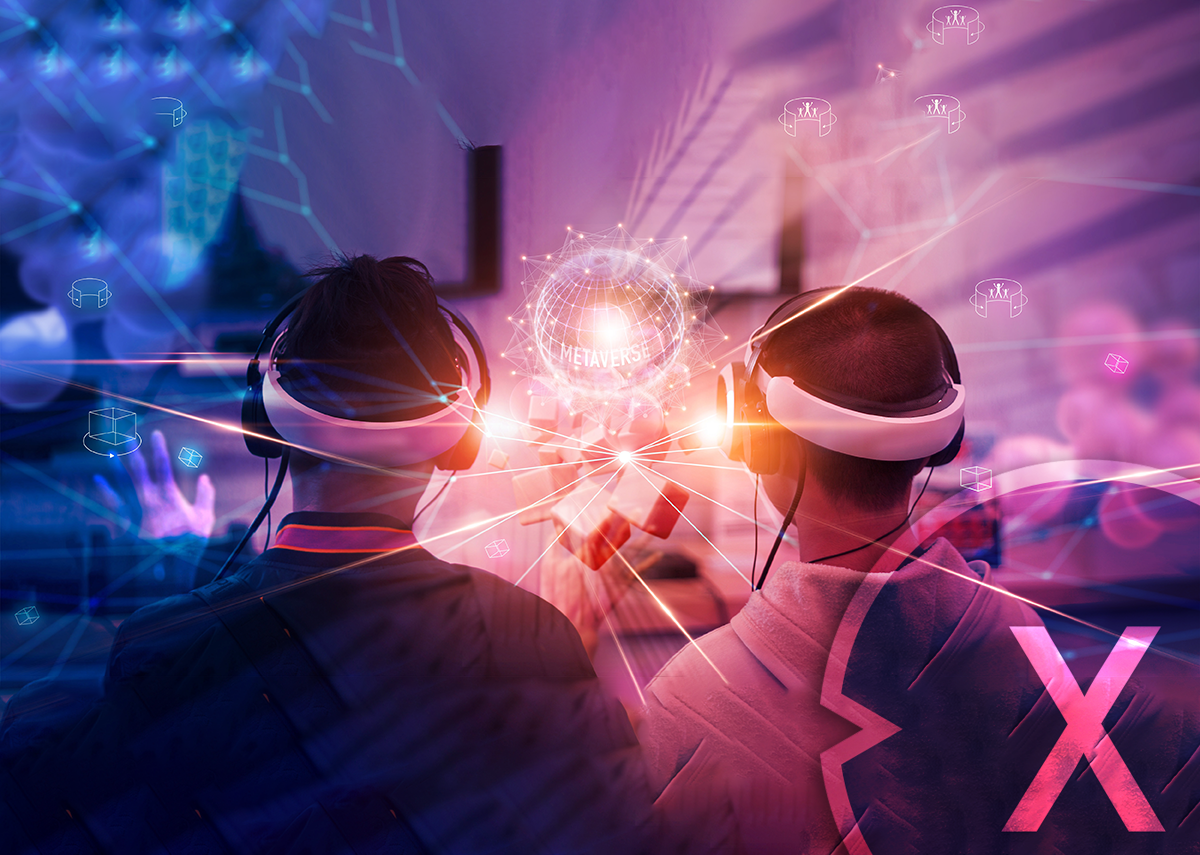
Key differences in metaverse development in Asia and the West – Image: Xpert.Digital
🌐 Metaverse Development and Innovation: A Look at Asia and the West - The Best of Both Worlds
The metaverse is a term that has increasingly come to the fore in recent years. As a kind of overarching, virtual universe that combines physical and digital elements, it represents the next step in the evolution of the internet. While the concept is gaining global attention, developments and approaches differ across regions, particularly between Asia and the West.
🌏 Asia's dynamic rise in the metaverse
In Asia, particularly in countries like South Korea, China, and Japan, the metaverse is primarily embraced and driven by the younger generation. Teenagers and young adults are spending increasing amounts of time in virtual spaces, whether for gaming, communication, or shopping. Asia is home to the world's largest youth population, and this is reflected in the enormous activity and engagement within the metaverse.
More information here:
But it's not just about entertainment. Educational institutions in Asia are also experimenting with the metaverse as a new teaching medium. Virtual classrooms, in which students from different parts of the world can participate, are becoming increasingly popular.
🌍 The West and the Industrial Metaverse
In contrast, the West, particularly countries like Germany, has chosen a somewhat different approach to integrating the metaverse. Instead of focusing solely on social and entertainment aspects, the emphasis here is on using the metaverse in the industrial sphere. The German Industry 4.0 concept, which encompasses automation and data networking in manufacturing technology, is being merged with the metaverse. This is leading to the emergence of the so-called "Industrial Metaverse.".
In this industrial metaverse, virtual replicas of physical machines and systems are created, also known as "digital twins". These enable real-time simulations, monitoring, and remote control of processes, leading to more efficient and cost-effective operations.
Related here:
🚀 Future prospects
While both regions have their own unique approaches to the metaverse, there are also overlaps. Companies from both regions recognize the potential of the metaverse as a platform for collaboration and innovation. Shared virtual workspaces, where teams from around the world can work together in real time, are becoming increasingly common.
Furthermore, efforts are underway to develop standards for the metaverse to ensure seamless interoperability between the various virtual worlds. This will further advance development and help the metaverse become an integral part of our everyday lives in the coming years.
🌐 The different approaches to the metaverse: Asia versus the West
The metaverse, often described as the next iteration of the internet, offers countless possibilities for connecting the physical and digital worlds. While there are universal aspects of the metaverse that are recognized worldwide, approaches and implementations vary considerably across different regions of the world, particularly in Asia and the West.
🌏 Asian perspective on the metaverse
In Asia, particularly in technology hubs like South Korea, Japan, and China, the metaverse has been shaped by the strong influence of the gaming and entertainment industries. These countries have a rich history of MMOs (massively multiplayer online games) and virtual worlds, which form the basis of their current vision of the metaverse.
A key element of the Asian metaverse is the creation of immersive experiences, often influenced by cultural and societal norms. The focus here is less on creating a copy of the physical world and more on crafting fantasy worlds where users can assume diverse identities and have experiences that would be impossible in the real world.
🌍 Western European and North American perspective
In contrast, the West, particularly Europe and North America, takes a somewhat more pragmatic approach to the metaverse. Here, the metaverse is often seen as an extension of the physical world, where businesses and educational institutions can create realistic simulations and training environments. The focus is on digitizing real-world experiences and making them accessible to a wider audience. Often, the emphasis is on creating tools and platforms that allow people to move seamlessly between the physical and digital worlds.
🌐 Possible merging of approaches in the future
Although both regions have different approaches to implementing the metaverse, they also share many similarities. Both recognize the immense potential the metaverse offers and are working to turn this vision into reality. It is quite possible that these approaches will merge in the future.
One example of this could be the exchange of cultural and creative content. Asian games and virtual experiences could become just as popular in the West as Western content in Asia. Common standards and protocols could also be developed that allow users to seamlessly switch between different metaverse environments.
Furthermore, businesses and educational institutions from both regions could collaborate to develop new and innovative approaches to the metaverse. This could encompass everything from joint research projects to the development of technologies that combine the best of both worlds.
It's an exciting time for the metaverse, though many challenges still need to be overcome.
Related here:
📣 Similar topics
- The Metaverse Revolution: A look at Asia and the West 🌐
- Metaverse in Asia: From Gaming to Education 🎮📚
- Industrial Metaverse: Germany's innovative perspective 🏭💼
- Shared virtual workspaces: Global collaboration in the metaverse 🤝💼
- Metaverse Standards: The Future of Virtual Worlds 🌐🔗
- Asian Metaverse: Fantasy worlds and cultural influences 🌟🎭
- Western European Metaverse: Bridge between reality and digitality 🌍💻
- Merging Metaverse Approaches: A Global Perspective 🌐🤝
- Cultural exchange in the metaverse: Asia and the West 🌏🤝🎮
- Metaverse Innovations: The best of both worlds 🌐💡
#️⃣ Hashtags: #Metaverse #Asia #West #Innovation #Collaboration
🌐 Metaverse development in Germany, EU, USA, China, Japan and worldwide – exciting XR technology as an economic factor?

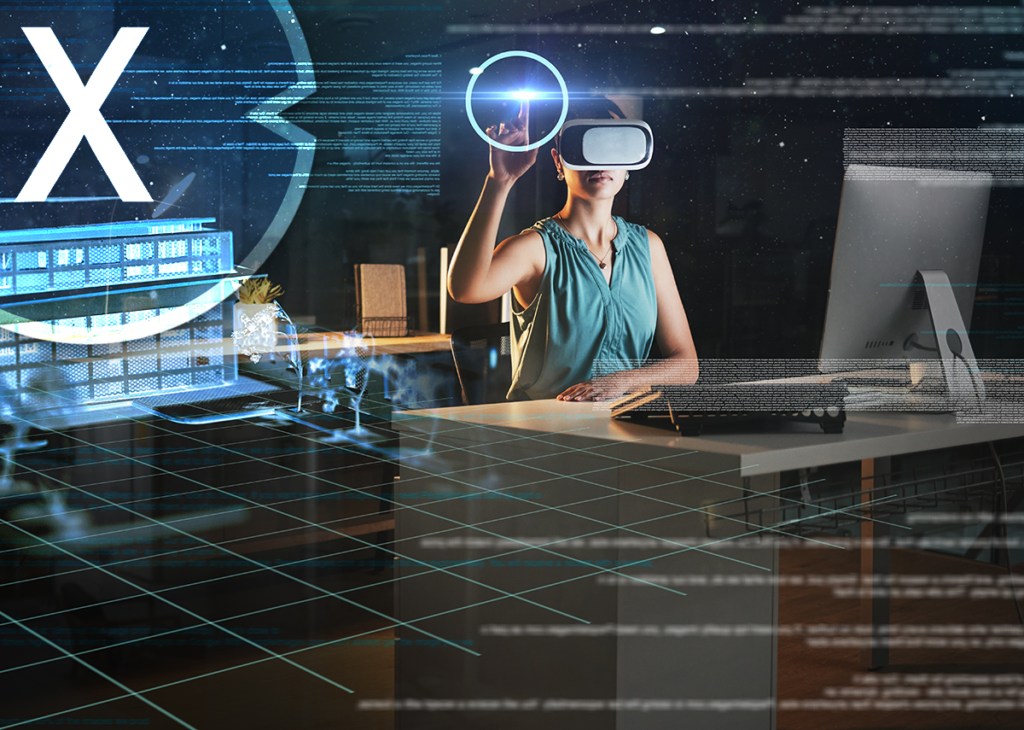
Metaverse development in Germany, EU, USA, China, Japan and worldwide – Image: Xpert.Digital
XR technology and the concept of the metaverse are still in their early stages of development, but their potential as an economic force is enormous. Businesses that can adapt and leverage these technologies are likely to gain a competitive advantage. At the same time, they offer consumers the opportunity to enter a new, immersive world that can transform everything from social interactions to professional tasks. As these technologies evolve, it is crucial to consider ethical and regulatory issues to ensure that the benefits of the metaverse and XR technology are realized as broadly as possible. Ultimately, the success of this digital ecosystem will depend on how well different stakeholders—governments, businesses, and civil society—can collaborate. This is an exciting time for the metaverse and XR technology, and we can look forward to the innovations and applications that the coming years will bring.
More information here:
🌐 Metaverse in the EU – Insights into the Augmented, Extended, Virtual and Mixed Reality of European XR Technology & Web 4.0
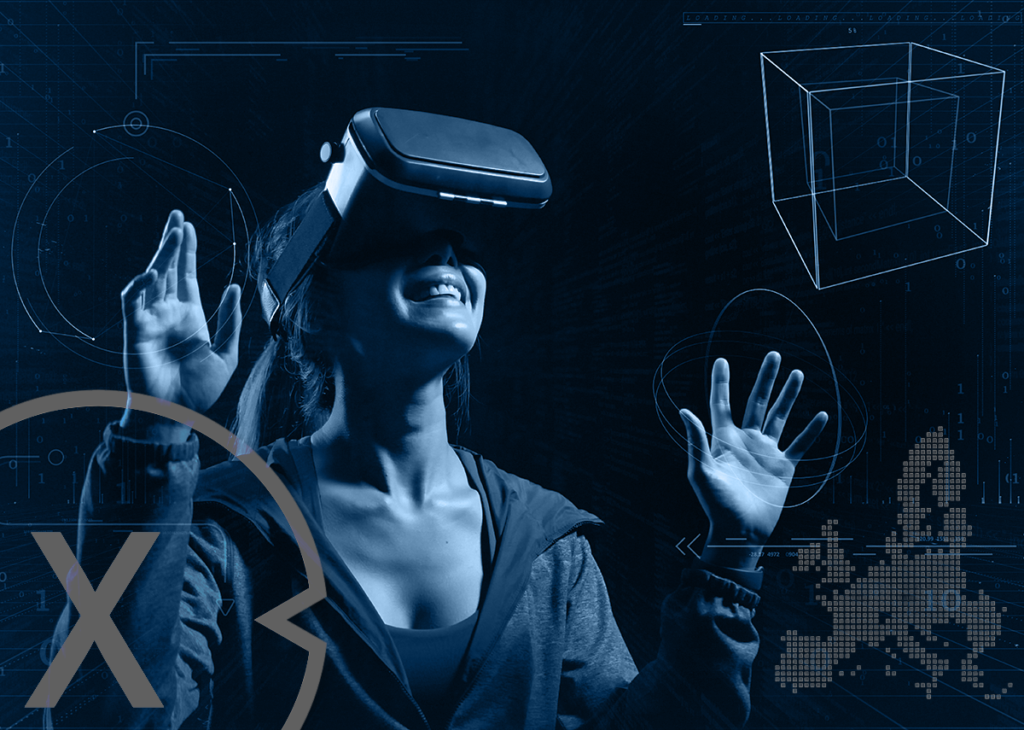
Metaverse in the EU – Insights into Augmented, Extended, Virtual and Mixed Reality – Image: Xpert.Digital
The metaverse represents an emerging and rapidly developing field in the world of technology. The significance of this concept is also undeniable in the European Union. From startups to established companies, and from scientific research institutions to government initiatives, the continent is intensively engaged with the various forms of Extended Reality (XR) that enable the metaverse. Below, we offer a comprehensive overview of developments in Augmented Reality (AR), Extended Reality (ER), Virtual Reality (VR), and Mixed Reality (MR) within the EU.
More information here:
🌐 Asia's metaverse continues to grow, from digital cities to gaming – Asia's metaverse is a global leader | Youth is the driving force
Asia's metaverse continues to grow, from digital cities to gaming – Image: Xpert.Digital
In Asia, the metaverse continues to experience remarkable growth, from digital cities to the world of gaming. While the Western-based Meta (formerly Facebook) may have failed in the metaverse space, virtual worlds are spreading relentlessly in countries like Japan, the Philippines, and beyond.
More information here:
🌐 Metaverse approach, boom, dynamics and innovations
🌏 In Asia, particularly in China, metaverse development has made significant progress. China has ambitious plans to set the standards for the internet of the future and is well-positioned thanks to innovative technologies and a strong industrial base. Beijing has even unveiled a two-year plan for metaverse innovation and development. This plan demonstrates how seriously the Chinese government takes the potential of the metaverse and how it intends to play a leading role in its development.
🇭🇰 On the other hand, Hong Kong is struggling to keep pace with other Asian metropolises in Web3 development. This shows that not all Asian countries and regions are the same and that there are significant differences in their approach and ability to adapt to this new technology.
🌎 The West, particularly the US and Europe, has also made significant efforts to develop the metaverse. Companies like Facebook, now Meta, have invested billions of dollars in developing virtual reality and metaverse technologies. There are also numerous startups and medium-sized businesses focusing on various aspects of the metaverse, from developing virtual reality headsets to software and applications that allow users to immerse themselves in these virtual worlds.
🌍 The Metaverse in Europe is characterized by a sense of cooperation and community. European companies and institutions work together to set standards and ensure that the Metaverse is accessible to everyone. Efforts are also underway to ensure that the transition to the Metaverse is ethical and socially responsible.
🤖 The dynamics of the metaverse are fascinating. Every day brings new developments, innovations, and discoveries. Artificial intelligence plays a crucial role in shaping the metaverse, enabling more complex and realistic interactions and experiences. However, the rapid development of AI also presents new challenges. Concerns exist regarding the security, privacy, and ethical implications of these technologies.
🚀 Despite these challenges, the general consensus is that the metaverse is no longer a vision, but a reality. It's only a matter of time before it becomes part of our daily lives. Some experts even believe that we could all live in the metaverse in the future. This would revolutionize the way we work, play, learn, and interact.
🌟 The Metaverse is an exciting and transformative technology with the potential to change our lives in many ways. Asia and the West have different approaches and dynamics in their development of the Metaverse, but one thing is certain: the Metaverse is here to stay, and it will be exciting to see where it takes us in the coming years.
📣 Similar topics
- Metaverse: The Future of the Internet 🌐
- Metaverse development in Asia: China's ambitions 🚀
- Metaverse in the West: Meta and the VR Revolution 🕶️
- Europe's Metaverse: Cooperation and Ethical Responsibility 🤝
- The fascinating dynamics of the metaverse 🌀
- Artificial Intelligence in the Metaverse: Opportunities and Challenges 🤖
- From the metaverse to reality: The unstoppable transformation 🌟
- The metaverse as part of our everyday lives: The future of interaction 💼
- Metaverse Innovations: On the Road to Revolution 🚀
- Metaverse: A transformative technology that is changing our lives 🌍
#️⃣ Hashtags: #Metaverse #VirtualReality #Innovations #ArtificialIntelligence #Transformation
🗒️ Xpert.Digital: A pioneer in the field of Extended and Augmented Reality
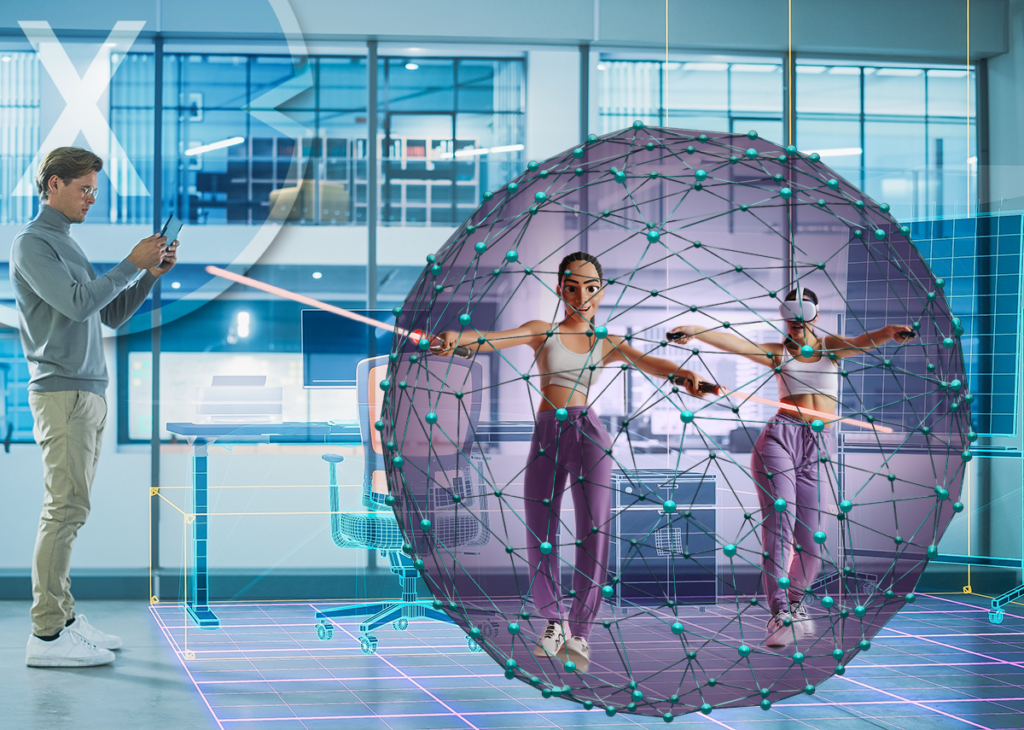
Finding the right Metaverse agency, planning office, or consulting firm - Image: Xpert.Digital
🗒️ Finding the right Metaverse agency, planning office, or consulting firm – Search and search: Top Ten Tips for Consulting & Planning
More information here:

We are here for you - Consulting - Planning - Implementation - Project Management
Xpert.Digital - Pioneer Business Development
Smart Glasses & AI - XR/AR/VR/MR industry expert
Consumer Metaverse or Metaverse in general
If you have any questions, require further information or advice, please feel free to contact me at any time.

Konrad Wolfenstein
I would be happy to serve as your personal advisor.
You can contact me by filling out the contact form below or simply call me on +49 7348 4088 965 .
I'm looking forward to our joint project.
Write to me


Xpert.Digital - Konrad Wolfenstein
Xpert.Digital is a hub for industry focusing on digitalization, mechanical engineering, logistics/intralogistics and photovoltaics.
With our 360° Business Development solution, we support renowned companies from new business to after-sales.
Market intelligence, smarketing, marketing automation, content development, PR, mail campaigns, personalized social media and lead nurturing are part of our digital tools.
You can find more information at: www.xpert.digital - www.xpert.solar - www.xpert.plus
Keep in touch