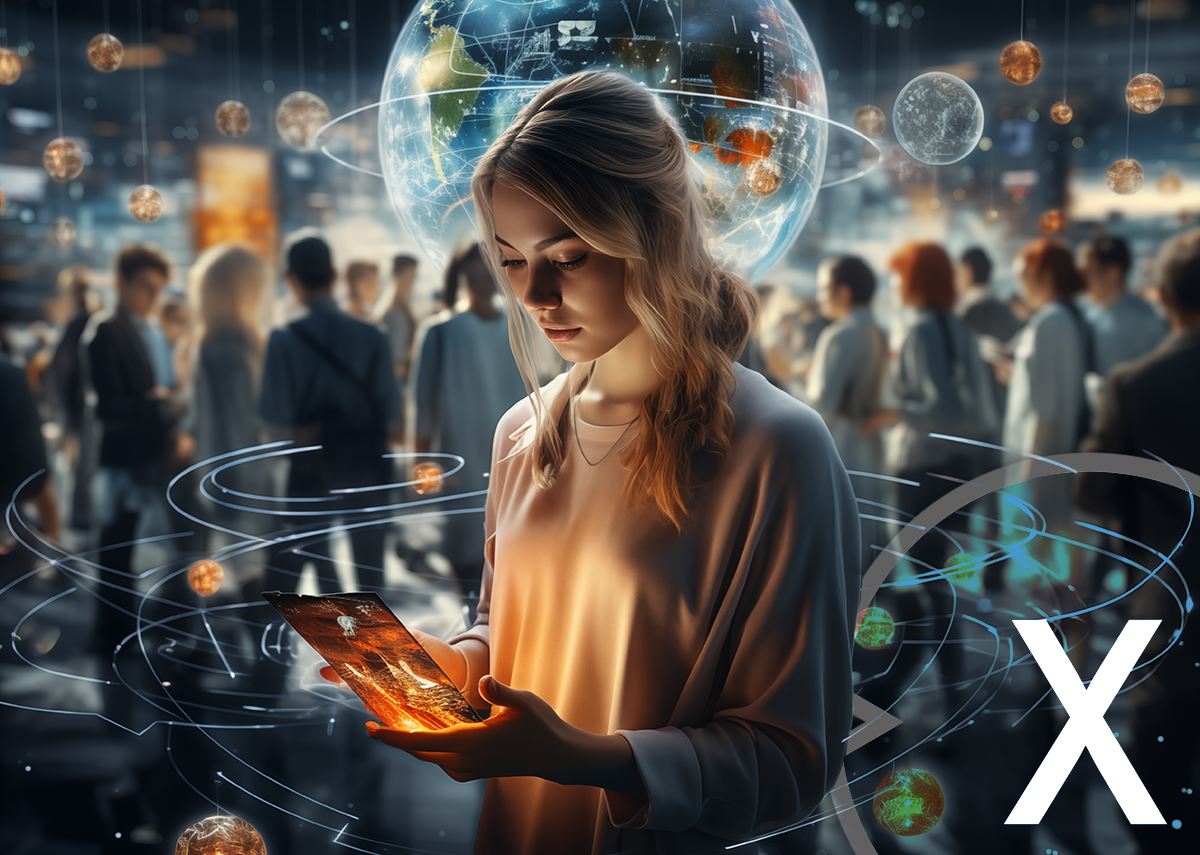
AI & XR 3D Rendering Machine: Global Metaverse Network Community – Consumer and Industrial Metaverse are coming – Image: Xpert.Digital
🌐📉 Trends and differences are the challenges - data quality and AI alone are not the key to metaverse analysis 🧐🚀
🌐 Global Developments and AI
In a world characterized by increasing interconnectedness and digitalization, new horizons and challenges are opening up for states, companies, and individuals alike. Analyzing and comparing developments in different countries and regions can provide insights into trends, progress, and differences in the global context. The role of artificial intelligence (AI) is of particular interest in this regard, as it serves both as a tool and as an indicator of progress.
📊 Data quality and comparability
The complexity of direct comparisons in a globalized world is enormous. While AI systems are capable of processing immense amounts of data, they reach their limits when the data is incomplete, inconsistent, or misleading. Data quality and comparability are crucial, as AI can only be as accurate as the information available to it. Missing or faulty data can lead to divergent conclusions and results, undermining the reliability of AI-based analyses. Therefore, AI systems do not always generate consistent results and should be considered decision-making tools, not definitive sources.
🌍 Regional perspectives and the metaverse
In our analyses with Xpert.Digital, we focused on various themes characteristic of the respective countries. The division into American, European, and Asian countries serves as a framework for comparing the development indicators. However, it is important to consider the specific economic, political, and social contexts, which can differ in each region and country.
🏭 Industrial Metaverse vs. Consumer Metaverse
The Industrial Metaverse demonstrates that Western countries, particularly the United States and the European Union, are leaders in this field. These regions benefit from their advanced industrial infrastructure, technological expertise, and investments in research and development. Companies in these countries are integrating the metaverse to optimize production processes, accelerate product development, and create personalized customer experiences. They are experimenting with virtual reality (VR) and augmented reality (AR) for training and simulations to reduce costs and increase efficiency.
In contrast, the consumer metaverse in Asian countries, particularly in technology hubs like South Korea and Japan, focuses more heavily on the end consumer. Technologies such as VR and AR are already widespread in the entertainment industry and retail there, indicating rapid consumer adoption of new technologies. The Asian consumer metaverse benefits from high-speed internet, the prevalence of smartphones, and a cultural context that highly values digital innovation and gaming.
🌐 Diverse strategies and challenges
The different approaches and stages of development of the metaverse in these regions reflect a diversity of strategies and objectives. In the Western world, the industrial metaverse is seen as a means of increasing productivity and securing competitiveness in the global market. Here, the metaverse plays a key role in the digitalization of industry and the creation of new business models. In Asia, on the other hand, the consumer metaverse emerges as a dynamic field for social interaction and consumption, redefining the way people communicate, play, and shop.
🔒 Challenges and Regulation
However, implementing the metaverse is not without its challenges. Data privacy, cybersecurity, and ethical issues are just some of the problems that need to be solved to realize the full potential of this technology. Furthermore, the digital divide between different population groups is a significant hurdle that must be overcome to ensure an inclusive digital future.
🌐 Responsible Development and AI
Ultimately, it is crucial that developments in the metaverse are accompanied by transparent, accountable, and regulated frameworks. It is necessary to establish international standards that guarantee both consumer protection and the promotion of innovation. In this way, the metaverse can serve as a force that not only transforms the economy but can also bring about positive social and cultural change.
🤖 The role of AI
The role of AI is becoming increasingly central in this process, as it can help analyze complex data and predict trends that are important for strategic planning. However, we must be aware that AI is merely a tool whose effectiveness depends on the quality of the input data and human understanding of its outputs. Therefore, in the evolving world of the metaverse and beyond, it is essential that we view and utilize AI with a critical yet visionary perspective.
📣 Similar topics
- 🌐 The World of the Metaverse: Trends and Challenges
- 💡 Artificial Intelligence in the Metaverse: Opportunities and Risks
- 🌍 Global comparisons: Metaverse developments in different regions
- 🏭 The Industrial Metaverse: Innovations in Production
- 👾 The Consumer Metaverse: Digital Entertainment and Shopping
- 🔒 Challenges in the Metaverse: Data Protection and Cybersecurity
- 🌐 Metaverse and Culture: New Forms of Social Interaction
- 🌟 The role of AI in the metaverse: predictions and strategies
- 🌏 International Standards for the Metaverse
- 🚀 The Metaverse as a driver for economy and society
#️⃣ Hashtags: #Metaverse #ArtificialIntelligence #Comparison #Innovation #DataProtection
🌐📉 Global trends and developments in the following comparison topics: mechanical engineering, solar energy, solar modules, online games, and virtual reality 📈
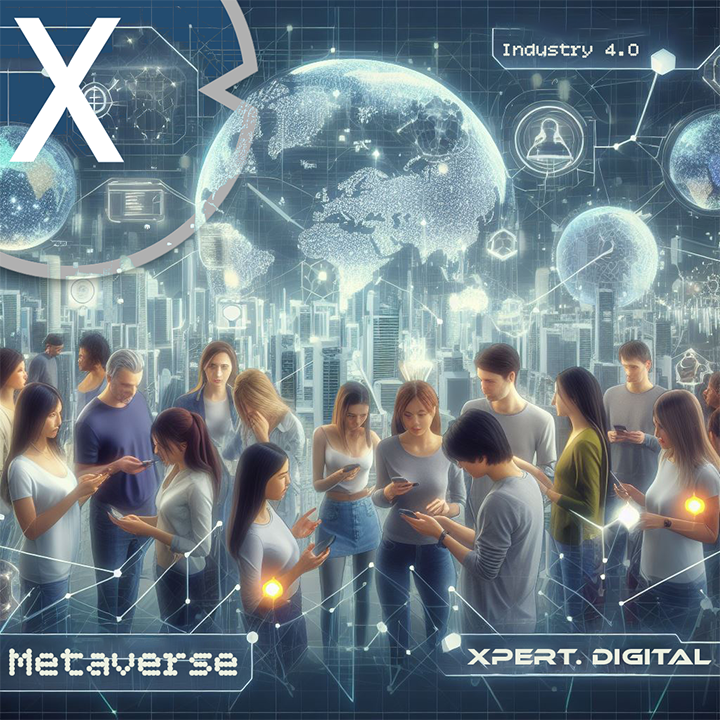
Global Metaverse Network: Worldwide trends and developments in comparison topics – Image: Xpert.Digital
🌍 In our development comparison across different countries, we also drew on various topics in which we at Xpert.Digital have expertise and experience. We selected different countries from the respective regions. This list is not exhaustive due to a lack of reliable and comparable data. We divided the regions into American, European, and Asian countries. It's important to note that the focus of our analysis is to confirm that the Industrial Metaverse is developing more rapidly in Western countries (i.e., America and the EU), while the Consumer Metaverse is developing more rapidly in Asian countries.
🌐 B2B topics are generally less attractive compared to B2C topics, as they appeal to a much smaller target group, for example, mechanical engineering (purple line). Nevertheless, it helps to put the attractiveness of other topics into perspective.
☀️ It is very clear that the topic of "solar energy" (yellow lines) has a much greater awareness and interest in European and American countries than in Asian countries. Sweden and Taiwan are exceptions to this.
🌍 In an ever-changing global economic landscape, the interests and priorities of business-to-business (B2B) and business-to-consumer (B2C) markets are a complex phenomenon, influenced by various factors such as culture, technological advancements, and environmental awareness. While B2B markets, such as mechanical engineering, often target a more specific and smaller audience, trends show that within the B2C sphere, certain topics—such as solar energy and digital gaming culture—are perceived and valued differently.
🌱 In European and American countries, there is a growing awareness and interest in renewable energies, with a particular focus on solar energy. This reflects the increasing environmental consciousness of these societies, driven by growing concern about climate change and the associated pressure towards more sustainable lifestyles and production methods. In contrast, Asian countries show comparatively less interest in solar energy, which can be attributed to various economic and cultural factors, such as different energy infrastructure or different strategic orientations in national energy policy.
🎮 In the realm of digital entertainment and technology, the concept of the metaverse stands out. It is considered a highly promising area within the gaming sector. The metaverse, a collective virtual shared space created by the convergence of physically persistent virtual reality and the internet, offers new dimensions of interaction and experience for both game developers and consumers. In European countries, interest in online games and virtual reality is closely aligned, with the notable exception of Sweden, where interest in virtual reality surpasses the fascination with online games.
🎮 Asia, on the other hand, presents itself as a region with an affinity for playful elements, with countries like Taiwan and South Korea showing almost equal interest in virtual reality and solar energy. This suggests an exciting link between technological progress and environmental awareness, with these countries potentially being seen as pioneers in integrating sustainable technologies into the virtual world.
Russia shows a very strong interest in online games, far ahead of other topics such as virtual reality and solar energy. This could be partly explained by the widespread internet access and a strong online gaming culture among the Russian population. In contrast, Japan, as a nation often associated with technological innovation, displays a strong interest in virtual reality, while solar energy and online games receive less attention.
🇨🇳 China presents another interesting case, where virtual reality currently ranks ahead of solar energy and online games come in third, with interest in digital games increasing recently. This could be due to the rapid development of the technology sector in China and the growing prevalence of VR technologies in the entertainment industry.
🌏 These global differences in interest in solar energy, online gaming, and virtual reality reflect not only the varying stages of technological development and environmental priorities,
but also cultural preferences and socioeconomic factors that shape the market landscape. Integrating sustainability into corporate strategy is increasingly seen as a key competitive advantage. Companies involved in virtual reality and renewable energy face the challenge of finding innovative ways to not only make these technologies marketable, but also to put them at the service of society.
🔗 The interaction between the virtual and real worlds, especially in the context of online games and the metaverse, offers unique opportunities for education, communication, and social interaction. These technological developments could also open new avenues for the dissemination and promotion of renewable energies by increasing user awareness and engagement.
🌎 In conclusion, it is clear that the dynamics of global markets, both in B2B and B2C contexts, require a multifaceted approach
that considers regional preferences and stages of development. Balancing technological progress, economic success, and sustainable development remains a key challenge for businesses and societies worldwide.
📚 Summary
- In general, the Metaverse opportunities are rated highest in the gaming sector.
- While online gaming and virtual reality are closely linked in European countries, the situation is somewhat different in Sweden. There, interest in virtual reality is far greater than interest in online gaming.
- In contrast, Asian countries seem to be more "playful." Interestingly, in Taiwan, virtual reality is thematically very closely related to solar energy and appears more appealing than online games. In South Korea, online games and solar energy are closely linked, closely followed by virtual reality.
- In Russia, however, the topic of online gaming is far ahead, followed by virtual reality and then solar energy.
- In Japan, however, virtual reality is far ahead. Solar energy follows much further down the list, with online games becoming interesting even further back.
- In China, virtual reality is currently ahead of solar energy. Online games come in third place, having recently seen a surge in popularity.
📣 Similar topics
- 🌍 Global trends in B2B and B2C markets
- ☀️ Solar energy: Differences in interests worldwide
- 🕹️ Metaverse: The Future of Gaming
- 🇪🇺 Europe and America: Focus on renewable energies
- 🌐 Virtual Reality: Regional Preferences
- 🎮 Gaming in Russia: Preference for online games
- 🇯🇵 Japan: Virtual Reality Takes Center Stage
- 🇨🇳 China: Virtual Reality and Technology Boom
- 🌱 Sustainability in corporate strategy
- 🌎 The interplay between the virtual and real worlds
#️⃣ Hashtags: #B2B #B2C #SolarEnergy #Metaverse #RenewableEnergies #VirtualReality #Gaming #Sustainability #Technology #GlobalTrends
📊 Figures & Charts: Google Trends analyses in European countries: Mechanical engineering, solar energy, solar modules, online games and virtual reality 📈
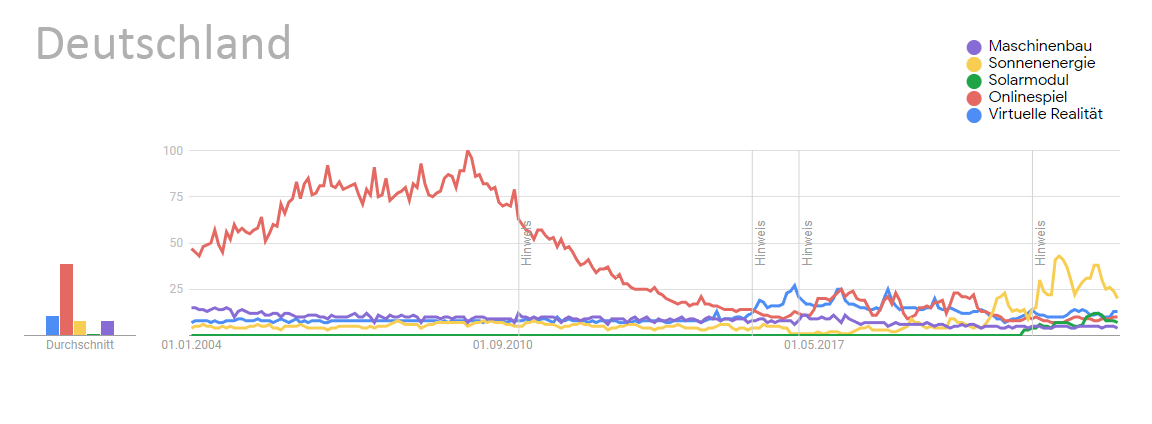
Germany: Google Trends – Development comparison of various topics in Google Search – Image: Google
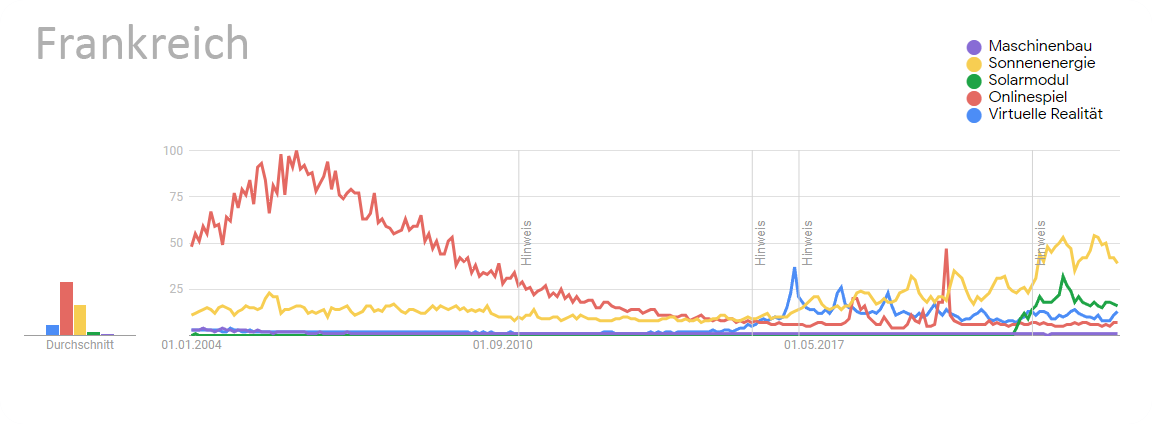
France: Google Trends: Development comparison of various topics in Google Search – Image: Google
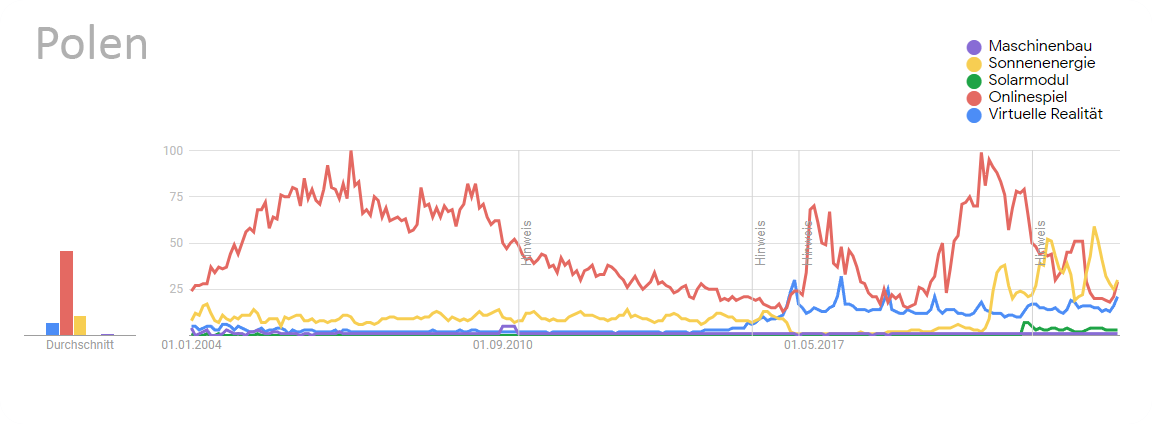
Poland: Google Trends comparison of the development of various topics in Google search – Image: Google
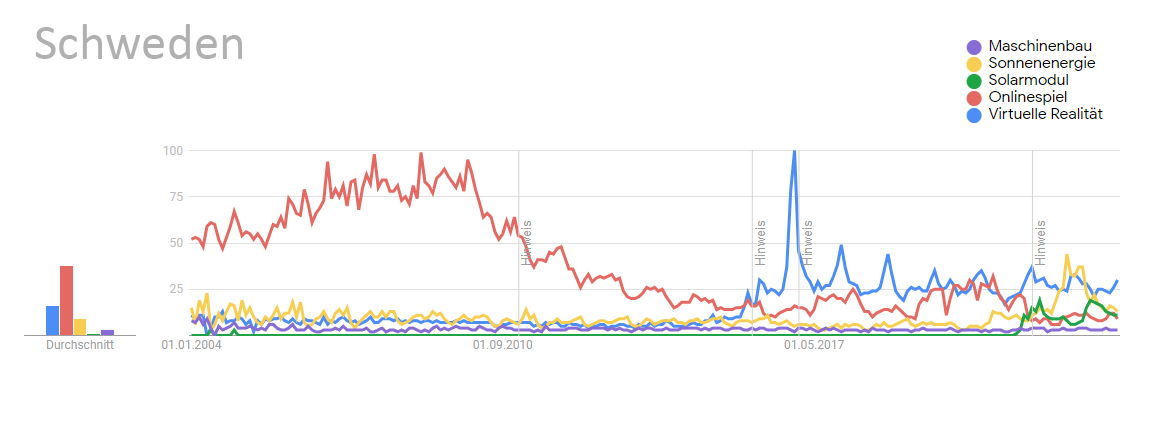
Sweden: Google Trends comparison of the development of various topics in Google search – Image: Google
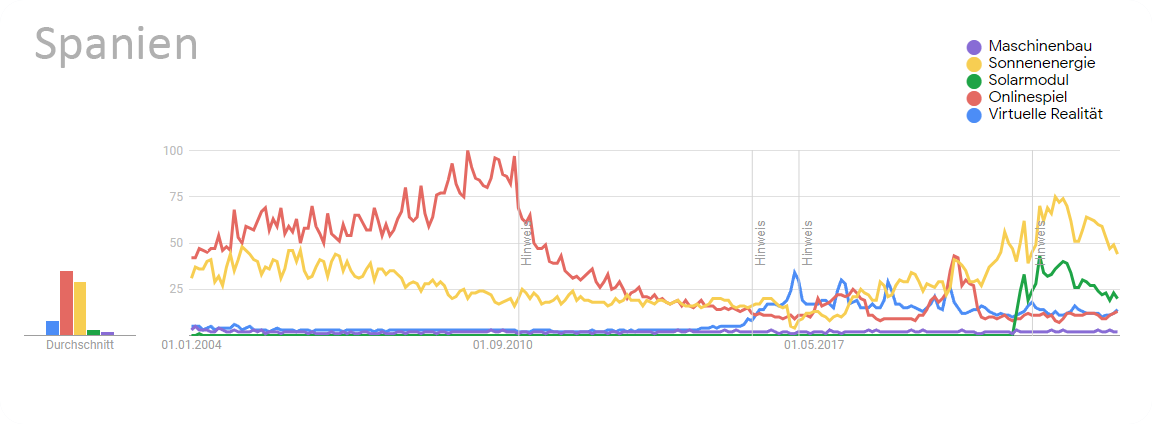
Spain: Google Trends comparison of the development of various topics in Google Search – Image: Google
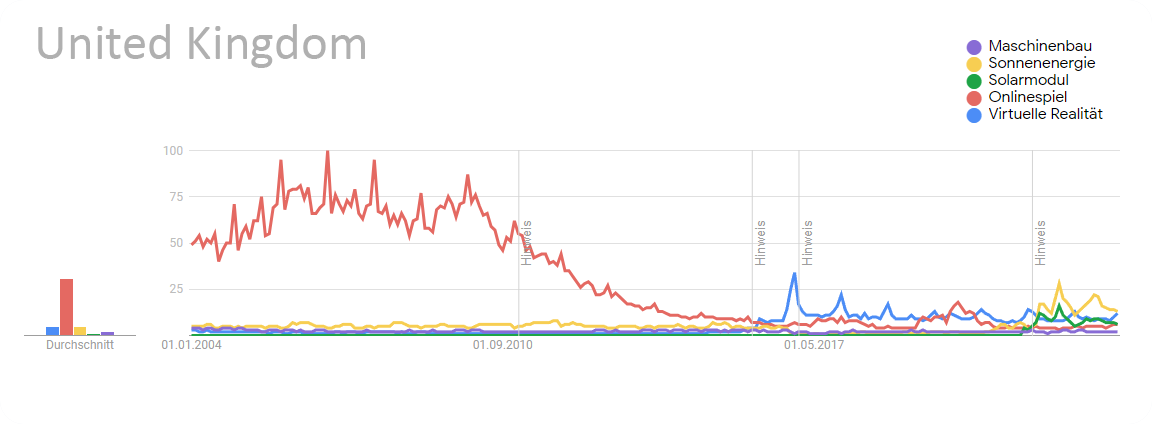
UK – United Kingdom: Google Trends comparison of the development of various topics in Google Search – Image: Google
🌐📉 Trends and developments in the American countries: Mechanical engineering, solar energy, solar modules, online games and virtual reality
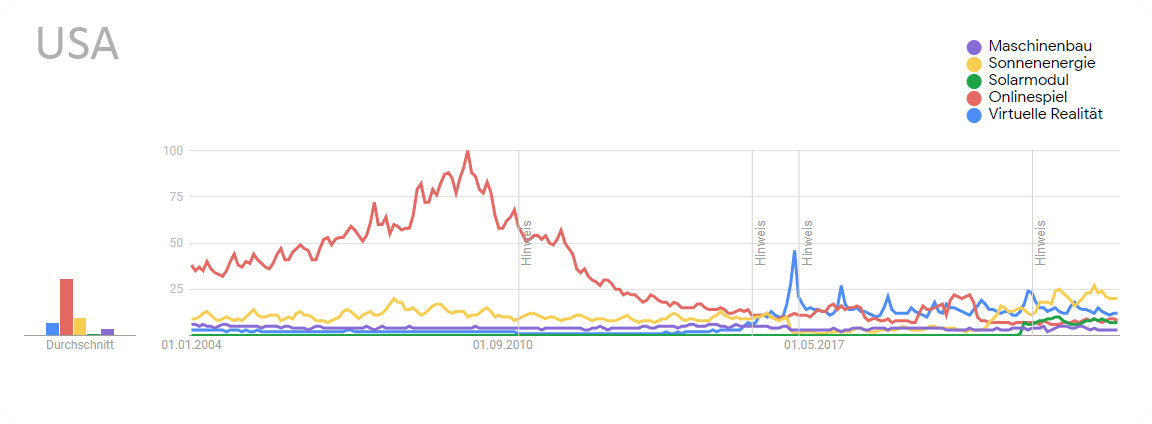
USA: Google Trends: Development comparison of various topics in Google Search – Image: Google
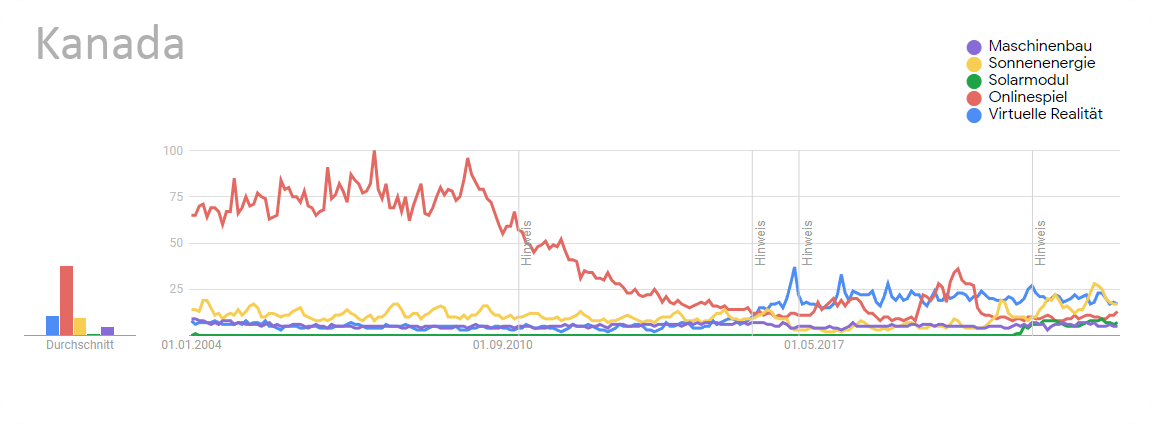
Canada: Google Trends – Development comparison of various topics in Google Search – Image: Google
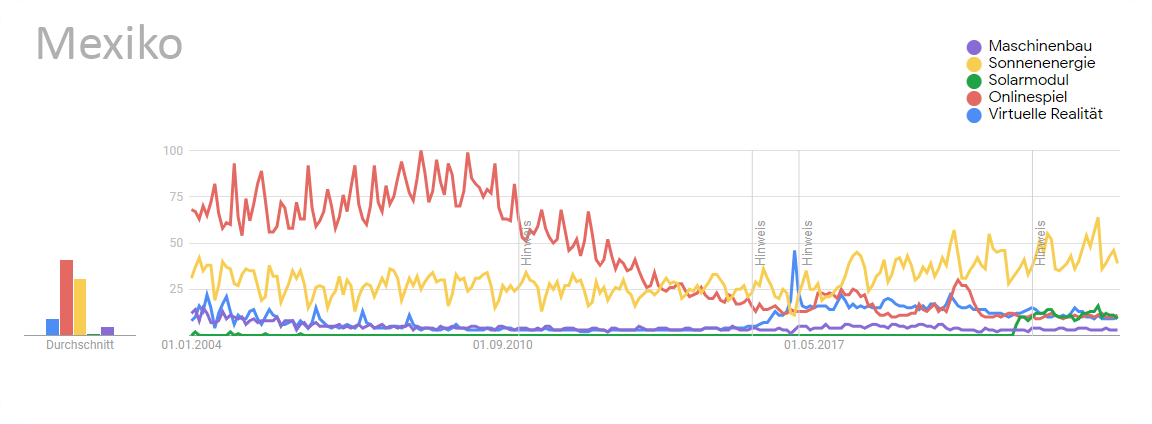
Mexico: Google Trends comparison of the development of various topics in Google search – Image: Google
🌐📉 Trends and developments in Asian countries: mechanical engineering, solar energy, solar modules, online games and virtual reality
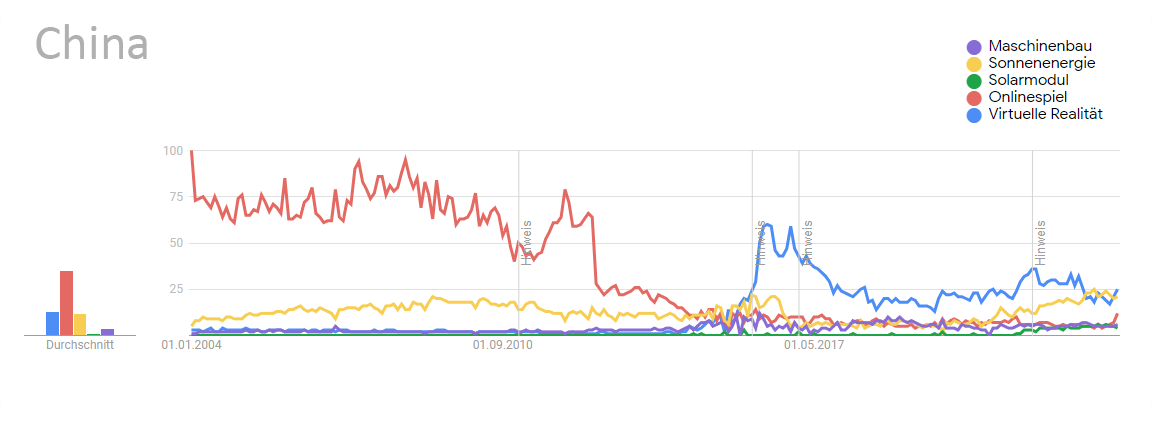
China: Google Trends – Development comparison of various topics in Google Search – Image: Google
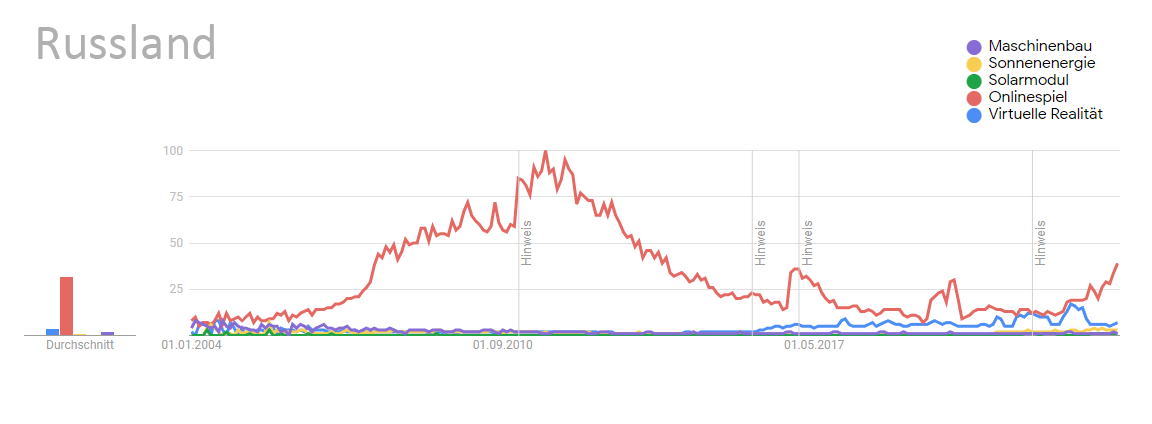
Russia: Google Trends – Development comparison of various topics in Google Search – Image: Google
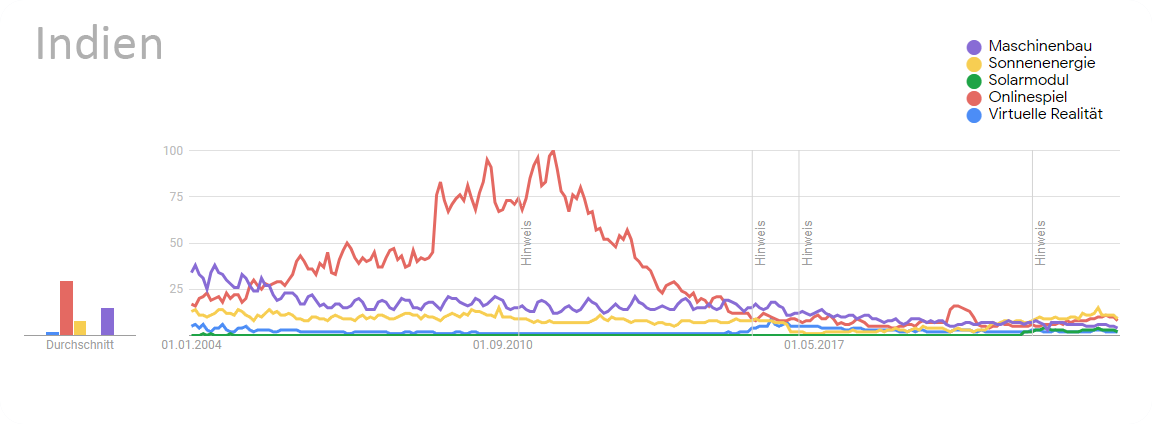
India: Google Trends comparison of the development of various topics in Google Search – Image: Google
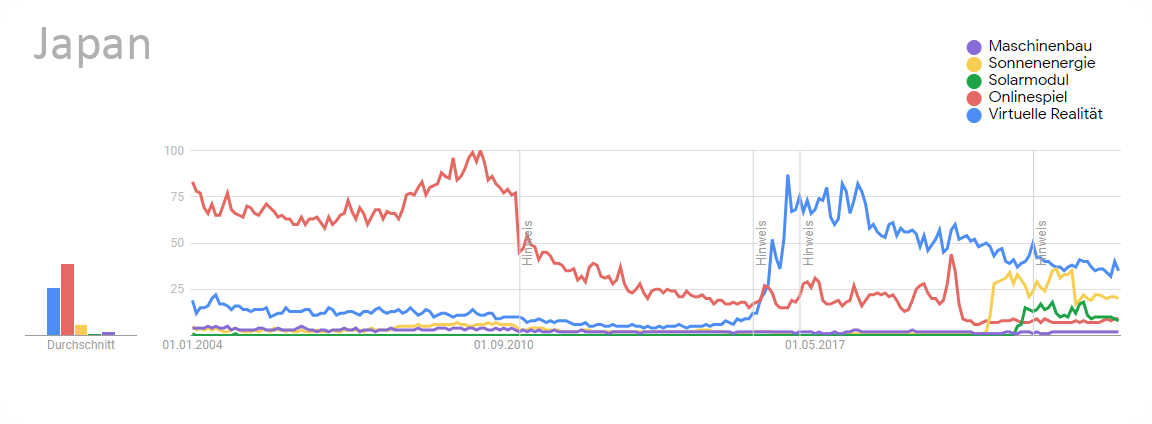
Japan: Google Trends – Development comparison of various topics in Google Search – Image: Google
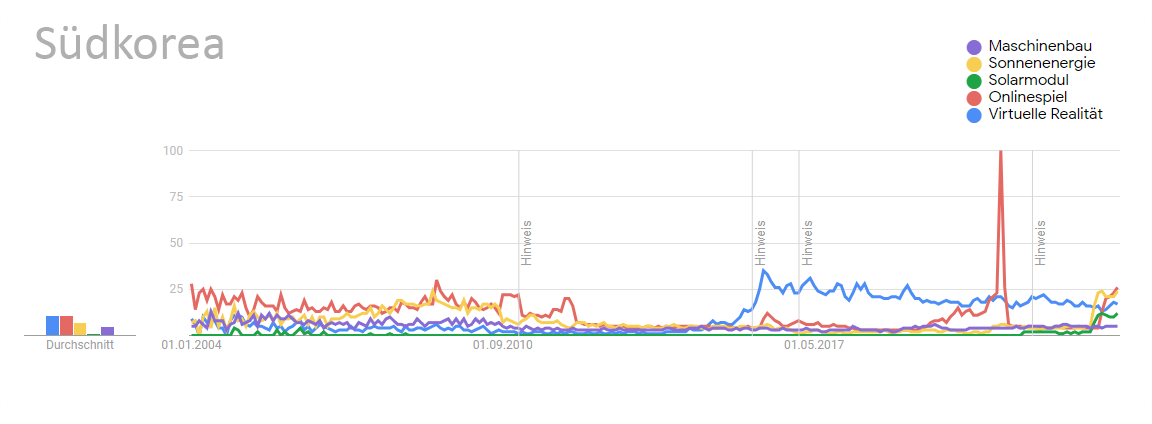
South Korea: Google Trends comparison of the development of various topics in Google search – Image: Google
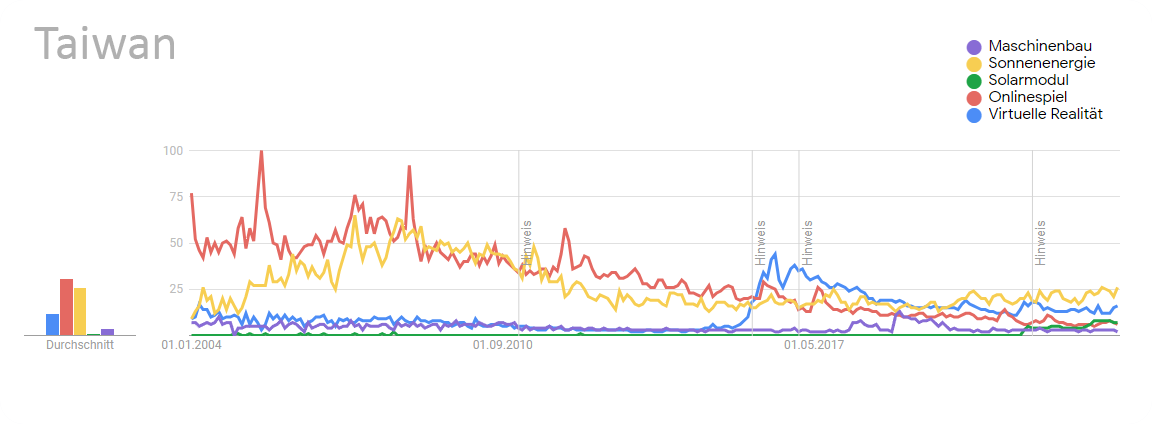
Taiwan: Google Trends – Development comparison of various topics in Google Search – Image: Google
🌐 The Metaverse in Asia: Opportunities and Challenges
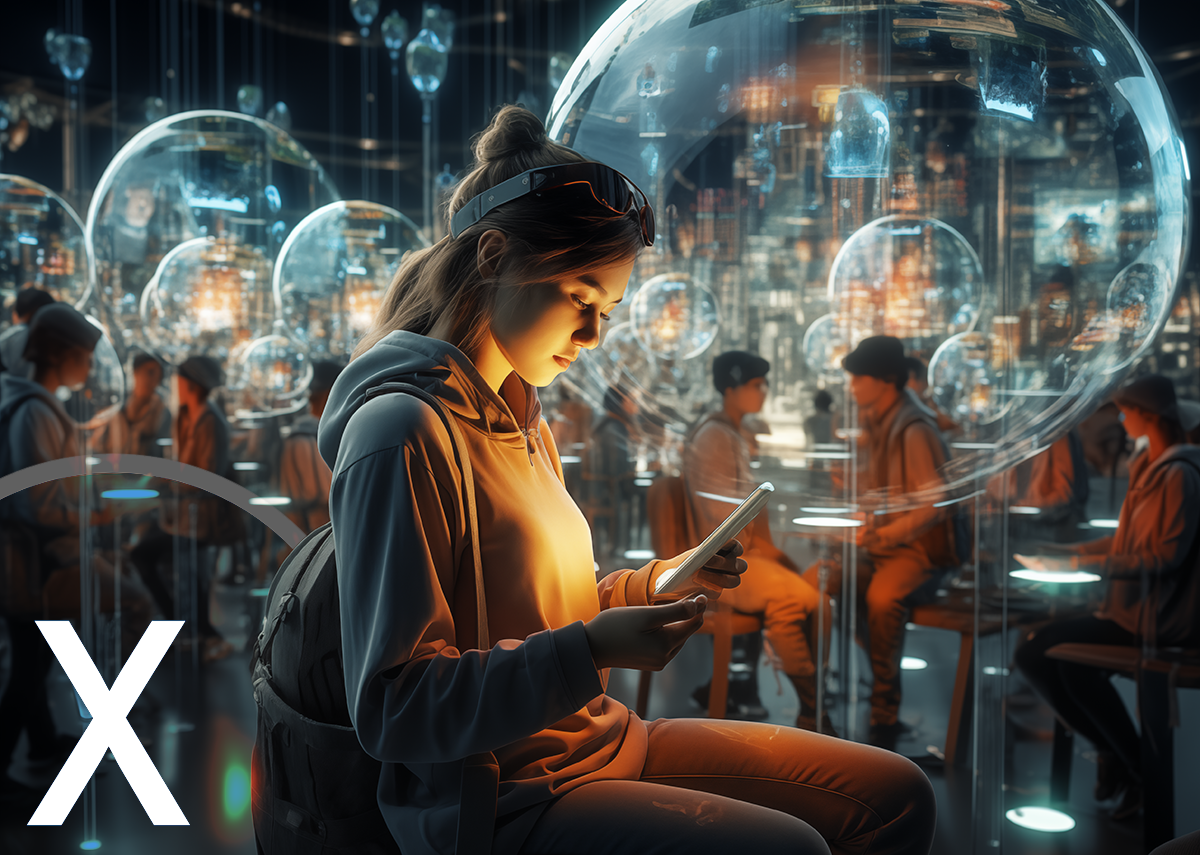
AI & XR 3D Rendering Machine: Asian Metaverse Network Community – Consumer Metaverse – Image: Xpert.Digital
The metaverse – a digital world that plays an increasingly important role in our real lives. The consumer metaverse, in particular, which incorporates gamification elements, appears to have exceptional potential for success in Asia. This assumption is not unfounded, considering that Asia is home to nearly 60% of the world's population. To understand the dimensions of this phenomenon and the associated opportunities and challenges, an examination of Asia's demographic and cultural landscape is essential.
Related to this:
- Asia's metaverse continues to grow, from digital cities to gaming – Asia's metaverse is a global leader | Youth is the driving force
- Key differences in metaverse development in Asia and the West – metaverse approach, boom, dynamics and innovations
🌍 Asia's diversity and size
Indeed, Asia, the largest continent on Earth, is home to a diverse population with varied lifestyles, traditions, and socioeconomic backgrounds. A comparison of global population distribution reveals striking differences: 17.8 percent of the world's population resides in Africa, 9.3 percent in Europe, 8.2 percent in Latin America, 4.7 percent in North America, and a mere 0.6 percent in Australia and Oceania – these figures illustrate the extent to which Asia stands out from other continents.
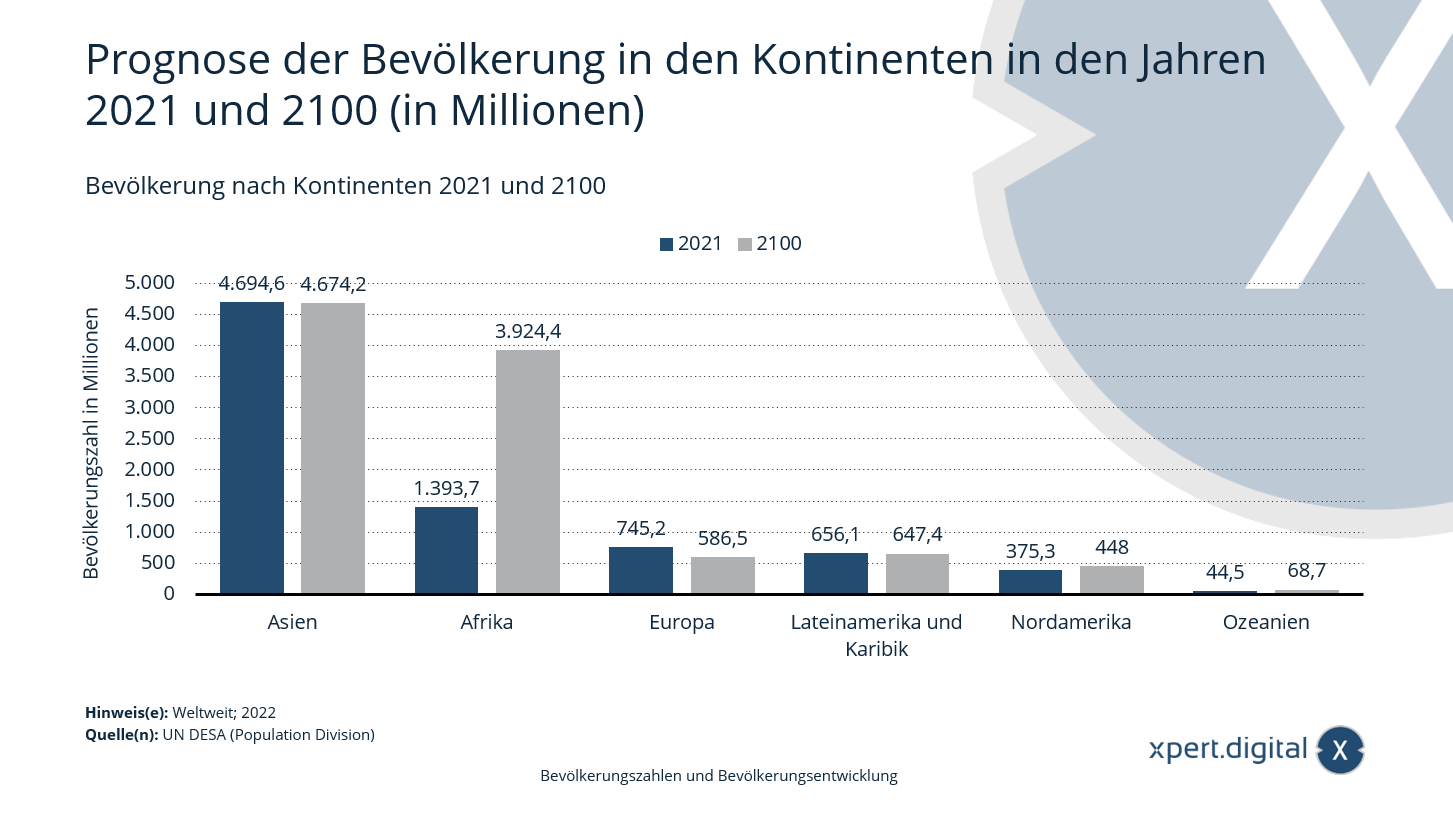
World population by continent in 2021 and forecast for 2100 – Image: Xpert.Digital
🧒 Youth in Asia
But Asia doesn't just lead in absolute numbers – it's also home to an impressive number of children and young people. With approximately 1.3 billion young people between the ages of 0 and 17, Asia has more minors than all other continents combined, which total around 1.08 billion. This young, dynamic population is ideally suited to adopting new technologies and digital trends – including the metaverse.
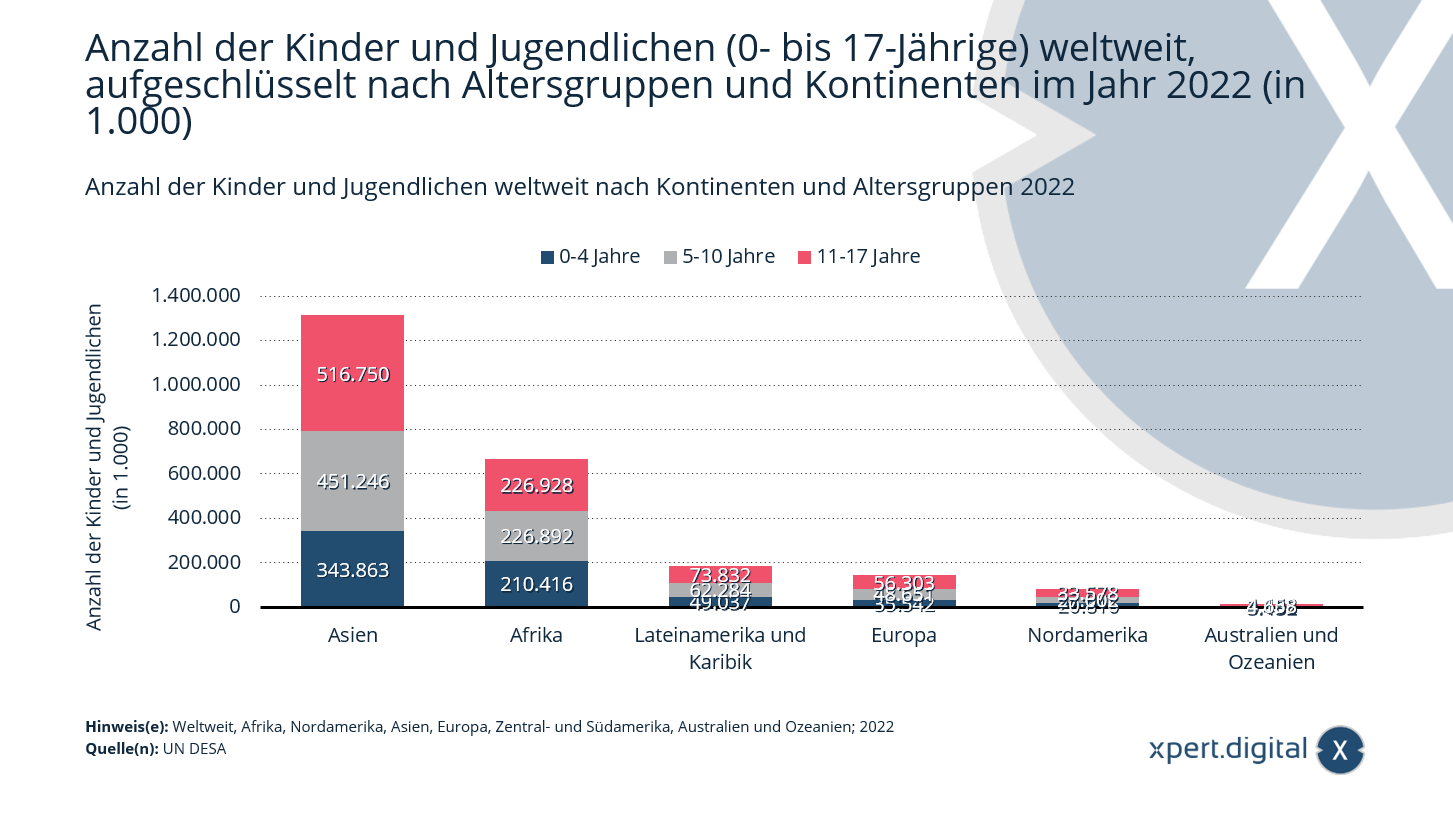
Number of children and young people worldwide – 2022 – Image: Xpert.Digital
🎮 The Metaverse for the young generation
The consumer metaverse offers a wealth of opportunities, especially for the younger generation. It's a world where gaming, social interaction, and virtual experiences are not only possible but commonplace. For a population that has grown up with smartphones and the internet, the step into a virtual life is not a major hurdle. The playful approach makes immersing oneself in this new world attractive and accessible.
📚 Culture and storytelling
However, it's not just the affinity for technology that makes the metaverse so successful in Asia. Asia's diverse cultures have a long tradition of storytelling and mythology, which finds a modern platform through the metaverse. From classic fairy tales to contemporary comics and games, the metaverse opens up a space where these stories can be reinvented and experienced.
💼 Economic prospects
The economic prospects arising from the metaverse in Asia are immense. Companies from all over the world are already investing in the infrastructure of the digital space and in the development of products and services specifically designed for the metaverse. From virtual fashion to digital real estate, markets are emerging that were previously unimaginable. These new industries not only offer economic opportunities but also create jobs for the young, tech-savvy population.
📖 Education in the Metaverse
Education is another sector being revolutionized by the metaverse. Digital classrooms can overcome boundaries and make education more accessible. Particularly in rural or remote areas of Asia, the metaverse could help close the education gap and provide children and young people with access to knowledge and learning resources regardless of where they live.
🔐 Security and privacy
But the metaverse also raises questions of security and privacy. As in any digital environment, mechanisms to protect users, especially younger users, must be developed and implemented. Data protection, cybersecurity, and the creation of a safe space on the internet are essential for the sustainable development of the metaverse in Asia.
🌏 Inclusion and equality
There is also the risk of a digital divide – while the more technologically advanced Asian countries like South Korea, Japan, or Singapore could progress rapidly, other regions might lag behind. Balanced development and access for all are crucial to ensuring that the metaverse offers an inclusive experience for all Asians.
🚀 Asia's role in the digital metaverse
The metaverse will play a significant role in Asia's future. With a young, tech-savvy population, a rich cultural history, and a rapidly growing economic sector, the metaverse has the potential to become an integral part of daily life. Exactly how this will unfold remains to be seen, but one thing is certain: Asia will play a leading role in the digital future that the metaverse promises.
📣 Similar topics
- 🌐 The Metaverse Revolution in Asia
- 🎮 The Consumer Metaverse: A World for Youth
- 📚 Education in the Metaverse: The Future of Learning
- 💼 Economic opportunities in the digital space
- 🔐 Security and data protection in the Metaverse
- 🌏 Asia and the Metaverse: A Cultural Fusion
- 📈 The growing importance of the metaverse in Asia
- 🌐 The Metaverse as a bridge to the world
- 🏫 Metaverse and Education: An Opportunity for Remote Regions
- 🌟 The Metaverse as an Engine for Innovation
#️⃣ Hashtags: #Metaverse #Asia #Digitalization #Education #Economy #Security
🌐🤖 Metaplanet: Challenges in the Modern World
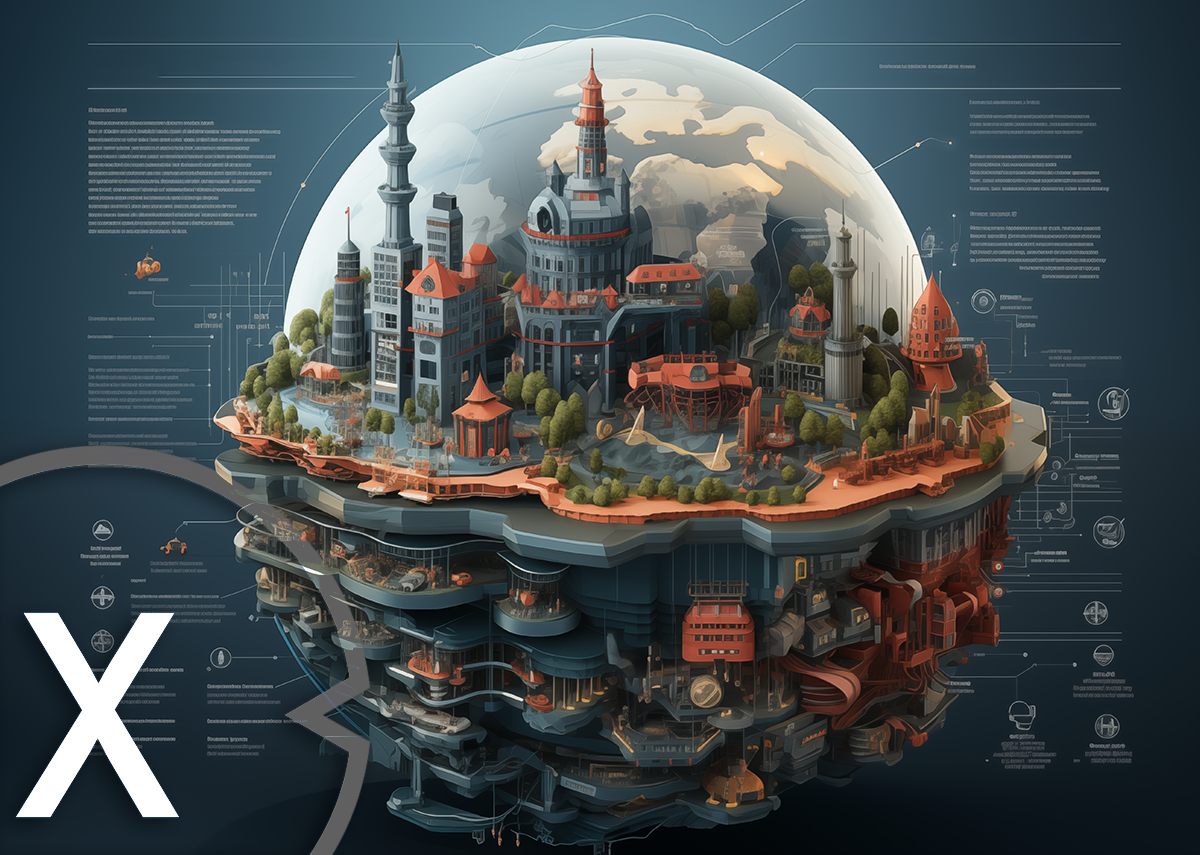
Metaplanet Metaverse: Challenges in the modern world – Image: Xpert.Digital
To remain competitive in a world increasingly shaped by technological advancements, Western countries in particular face the challenge of optimizing their industrial and economic processes. This need is especially striking when compared to Asian markets, which set a benchmark in various sectors through their dynamism and innovative strength. Shrinking populations in some Western countries further intensify this pressure, as a smaller workforce is available to support the economy. In this context, it is becoming increasingly important to utilize automation, robotics, and the principles of Industry 4.0, while simultaneously developing new markets, such as the metaverse.
🤖 Automation and its significance
Automation is key to increasing efficiency in production and service processes. By using intelligent systems, repetitive tasks can be performed faster, more accurately, and more cost-effectively. In manufacturing facilities, automation enables virtually uninterrupted production, unaffected by human limitations such as working hours or physical fatigue. Furthermore, automation technologies can be integrated into data analytics and decision-making processes to improve the effectiveness of business strategies.
🤖🤖 Robotics and its diverse applications
Robotics has already established itself as an indispensable tool in modern production lines. Robots not only take over dangerous, dirty, or monotonous tasks, but are also capable of performing precise and demanding work that requires high accuracy. Robotics is constantly evolving and ranges from autonomous vehicles in logistics to service robots in the catering and healthcare sectors.
🌐🤖 Industry 4.0 and the digital revolution
The concept of Industry 4.0 describes the fourth industrial revolution, which is driving the digitalization of the manufacturing industry. Key components include the Internet of Things (IoT), cloud computing, big data, and artificial intelligence. These technologies enable machines to exchange data in real time, optimize processes independently, and react flexibly to changes. This not only increases efficiency but also the flexibility and individualization of production.
🌐🤖🌌 The Potential of the Metaverse
One particularly exciting new field is the metaverse – a virtual reality where people can interact, work, and trade. The metaverse offers companies the opportunity to present and sell their products and services in a completely new dimension. It opens up new avenues for marketing and customer service, enabling innovative ways to create customer experiences. The Industrial Metaverse takes this idea and applies it to the industrial sector. Here, engineers and designers from around the world could collaborate in real time to design and test new products. Virtual prototypes could be developed and optimized at a much earlier stage, shortening time to market and reducing costs. Training and maintenance could also be conducted via virtual platforms, eliminating travel expenses and time.
🌐🤖🌌🚀 Challenges and Responsibilities
However, it is important to emphasize that these technological changes also bring challenges. Automation and robotics can lead to a transformation of the working world, in which certain jobs become obsolete and new skills are required. To manage this transition, education systems must be adapted and lifelong learning promoted to qualify the workforce for the world of work of tomorrow. Furthermore, investment in the security of these technologies is essential. The more interconnected and automated our world becomes, the more vulnerable it could be to cyberattacks. Robust security systems are needed to protect critical infrastructure and sensitive data. Finally, with all this technological progress, we must not forget that ethical considerations are gaining importance. The use of AI and automation must be responsible, for example, to avoid discrimination and ensure transparency.
🌐🤖🌌🚀🤝 The balance between technology and humanity
To thrive in a rapidly changing global competitive landscape, Western nations must focus on the intersection of advanced technology and human expertise. They must strike a balance between implementing high-tech solutions and preserving the human element, which is responsible for creativity, innovation, and ethical conduct. The future will belong to those who understand how to use technology to enhance, not replace, human potential.
📣 Similar topics
- The future of automation and robotics
- Industry 4.0: The fourth industrial revolution
- Metaverse: The new dimension of trading
- Industrial Metaverse: Virtual Collaboration in Industry
- The changing world of work: adaptation and lifelong learning
- Security in a connected world
- Ethics in technology: Responsible use of AI
- Technology and human expertise in a competitive environment
- Innovation and creativity in the digital age
- The future: Using technology to unlock potential
#️⃣ Hashtags: #Automation #Robotics #Industry40 #Metaverse #IndustrialMetaverse #Workplace #Safety #Ethics #Innovation #Technology
🗒️ Xpert.Digital: A pioneer in the field of Extended and Augmented Reality

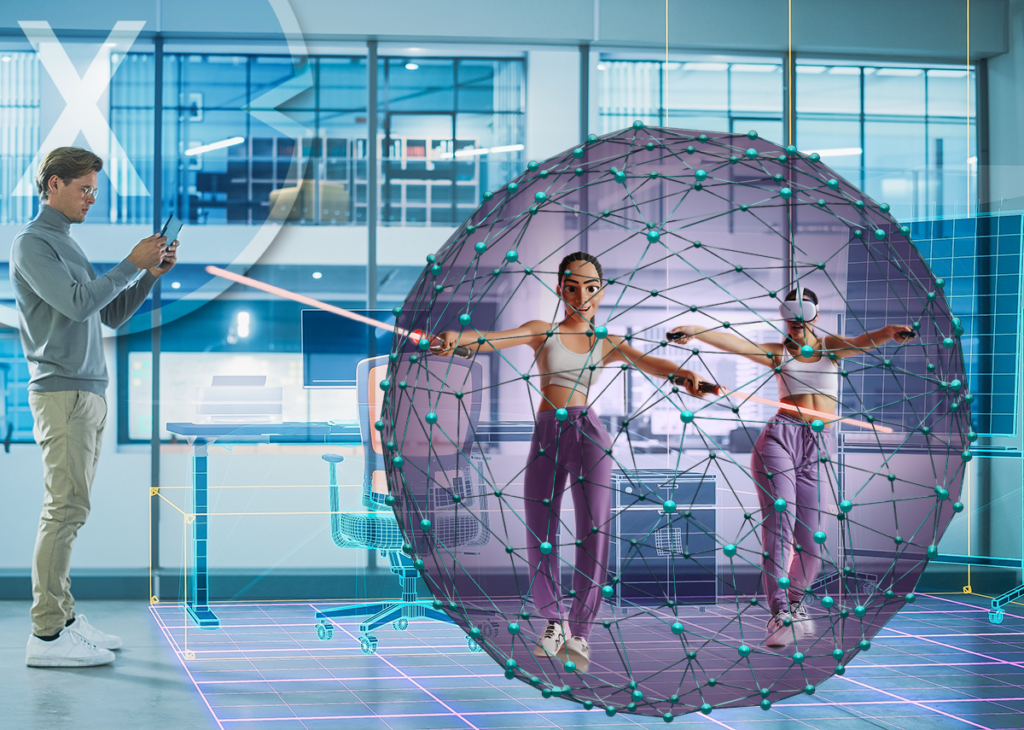
Finding the right Metaverse agency, planning office, or consulting firm - Image: Xpert.Digital
🗒️ Finding the right Metaverse agency, planning office, or consulting firm – Search and search: Top Ten Tips for Consulting & Planning
More information here:

Industrial & B2B Business Metaverse: Reduce costs with XR technology for photorealistic product images (XR 3D rendering machine)

Lathe in photorealistic rendering (3D product presentation) - Image: Xpert.Digital
XR technology offers a superior solution for creating photorealistic images, allowing companies to avoid the expensive fees charged by external media agencies. It's well known that media agencies charge high prices for creating such images, as this requires expertise, specialized software, and collaboration with various specialists.
More information here:
We are here for you - Consulting - Planning - Implementation - Project Management
Xpert.Digital - Pioneer Business Development
Smart Glasses & AI - XR/AR/VR/MR industry expert
Consumer Metaverse or Metaverse in general
If you have any questions, require further information or advice, please feel free to contact me at any time.

Konrad Wolfenstein
I would be happy to serve as your personal advisor.
You can contact me by filling out the contact form below or simply call me on +49 7348 4088 965 .
I'm looking forward to our joint project.
Write to me


Xpert.Digital - Konrad Wolfenstein
Xpert.Digital is a hub for industry focusing on digitalization, mechanical engineering, logistics/intralogistics and photovoltaics.
With our 360° Business Development solution, we support renowned companies from new business to after-sales.
Market intelligence, smarketing, marketing automation, content development, PR, mail campaigns, personalized social media and lead nurturing are part of our digital tools.
You can find more information at: www.xpert.digital - www.xpert.solar - www.xpert.plus
Keep in touch