A true metaverse, where virtual and physical worlds merge – Image: Xpert.Digital / Gorodenkoff|Shutterstock.com
When is the metaverse 'real' and not a 'toy'?
Only a metaverse that includes all devices, including touchscreen tables, is a true metaverse. The playful connection between virtual and physical worlds.
Yes, a comprehensive metaverse that includes all types of devices and interfaces can be considered a true metaverse. This would allow for the seamless integration of various devices such as PCs, smartphones, VR headsets, and even touchscreen tables. By connecting virtual and physical worlds, such a metaverse could offer a new level of interaction and collaboration.
Touchscreen tables offer an intuitive and interactive user interface, allowing users to control content and functions in a playful and intuitive way. In a comprehensive metaverse, touchscreen tables could serve as part of the overall experience, enabling users to place physical objects on the table and interact with them in the virtual environment.
This kind of playful connection between the virtual and physical worlds can increase immersion and user engagement. For example, users in a virtual conference room could display information, take notes, or manipulate virtual objects on a touchscreen table. This would create an additional dimension for collaboration and interaction.
A comprehensive metaverse encompassing all devices opens up new possibilities for applications in various fields such as education, business, entertainment, and more. It can offer an expanded form of collaboration, learning, and experience, blurring the boundaries between the virtual and physical worlds to create a seamless and immersive experience.
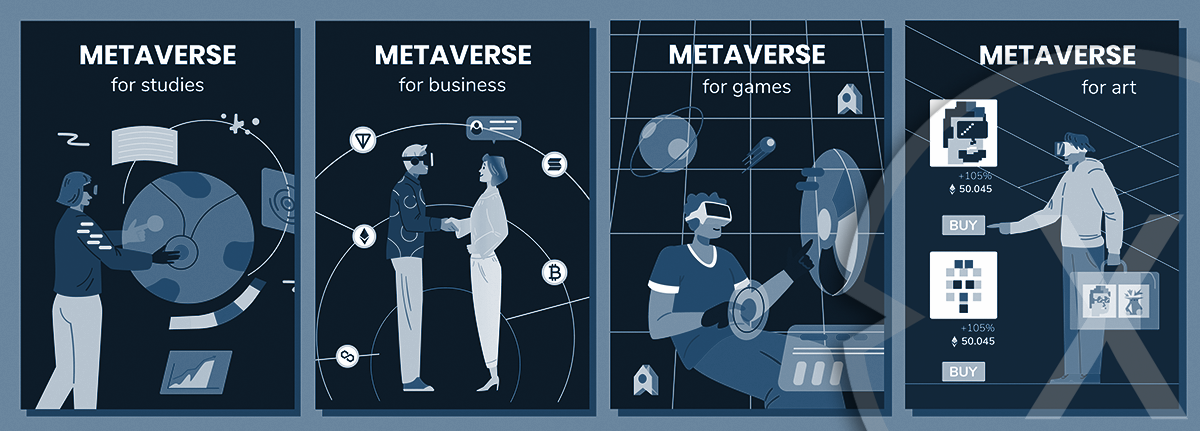
Metaverse Cases – Image: Xpert.Digital / Gvardgraph|Shutterstock.com
➡️ However, it is important to note that developing such a comprehensive metaverse can present technological and infrastructural challenges. Bringing together diverse devices and interfaces requires seamless integration and compatibility to ensure a smooth and consistent user experience. Furthermore, aspects such as data privacy, security, and accessibility must also be considered to create an inclusive and trustworthy metaverse.
The agency's online metaverse configurator
For media professionals, 3D artists, online, media and advertising agencies, and other service providers: Take advantage of the opportunity to offer your clients their own metaverse by leveraging the expertise of Xpert.Digital and its partners. Furthermore, you can integrate our metaverse configurator into your service portfolio as a white-label solution.

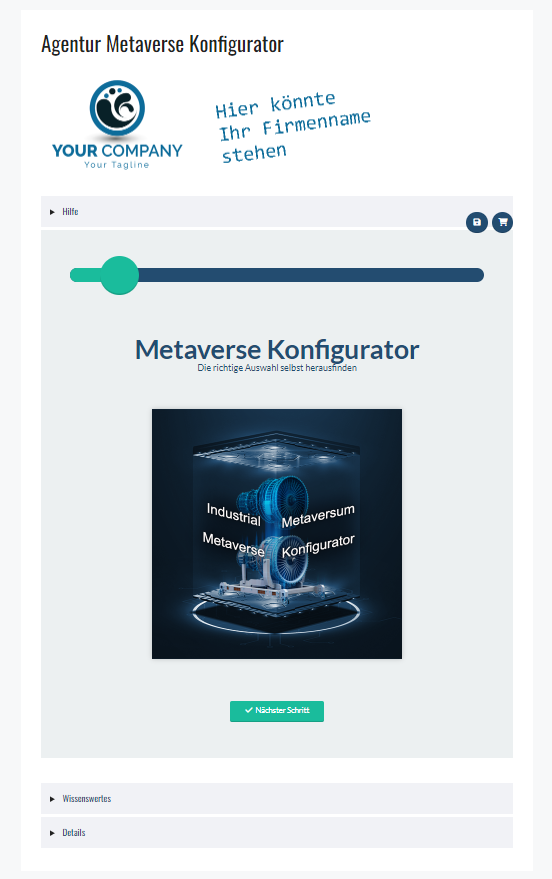
Agency Metaverse Configurator – Image: Xpert.Digital
More information here:
The Metaverse as a collaboration tool for presentations, meetings and events is underdeveloped
The metaverse is often considered a potential future virtual universe, representing an augmented form of reality. It offers an immersive and interactive virtual environment where people can communicate, interact, and engage in various activities. While the metaverse can be viewed as a platform for collaboration and virtual meetings, several factors explain why it may be too limited as a collaboration tool for presentations, meetings, and events:
Limited accessibility
Currently, access to the Metaverse is still limited. It requires special hardware, such as virtual reality headsets, to fully immerse oneself in the virtual environment. Not everyone has access to this technology, and this can restrict participation in virtual meetings and events within the Metaverse.
Technical challenges
The metaverse is a complex technological platform that requires a high-performance infrastructure to function smoothly. This can present challenges regarding connectivity, latency, and stability, especially when many users are participating simultaneously.
Limitations of interaction
Although the metaverse offers an immersive environment, limitations still exist regarding how people can interact. In virtual meetings and presentations, nonverbal communication that occurs in face-to-face meetings, such as gestures or eye contact, can be restricted.
Variety of collaboration tools
There are already numerous established tools and platforms for virtual meetings and presentations that are widely used in the business world. These tools often offer a wide range of features and integrations specifically tailored to the needs of collaboration and communication.
➡️ While the metaverse has the potential to revolutionize the way people collaborate, it's important to consider current technological challenges and limitations. It can be seen as a complementary or alternative tool for specific use cases, but it may not be suitable for all forms of collaboration and communication. It remains to be seen how the metaverse will develop in the future and how it can be integrated into the business world.
If the augmented reality of the metaverse is limited to the virtual world
➡️ In many cases, however, augmented reality in most metaverses focuses primarily on virtual elements and largely neglects the inclusion of the physical world.
A fundamental characteristic of metaverses should be the integration of virtual and physical worldsto offer users a comprehensive and immersive experience. While virtual elements such as avatars, digital environments, and virtual interactions play a central role, it is equally important to include the physical world to create a truly comprehensive metaverse.
Integrating the physical world can be done in various ways. One possibility is to integrate real-world objects and environments into the virtual environment, for example, by using augmented reality technologies. This allows users to see and interact with virtual content in their real-world surroundings.
Another aspect is the consideration of physical actions and interactions within the virtual environment. This could include, for example, the use of gesture control, haptic feedback, or even the integration of physical devices such as VR controllers or other input devices.
Furthermore, aspects such as geographical and spatial information can also be integrated into the virtual world. This enables, for example, the exploration of real places in virtual form or the linking of virtual events with physical locations.
Integrating the physical world into metaverses opens up new possibilities for applications in areas such as education, tourism, e-commerce, and much more. It allows users to bridge the gap between the virtual and real worlds, creating a holistic and multifaceted experience.
It is important to note that integrating the physical world into metaverses can present technological challenges and data privacy concerns. Seamlessly connecting virtual and physical elements requires robust technologies, interoperability, and clear guidelines for protecting user privacy.
Ultimately, it's about finding a balance between virtual and physical elements to create a truly comprehensive metaverse that immerses users in a new dimension of experience and interaction.
The metaverse as a purely virtual communication chat is a flop
The Metaverse, as a virtual communication chat platform, may have certain challenges and limitations that could make it appear less successful. Here are some possible reasons why the Metaverse might be considered a flop as a virtual communication chat platform:
Complexity of use
The metaverse often requires specialized hardware and software to be fully utilized. This can pose a hurdle for many users who may lack the necessary technology or be unwilling to make the extra effort to gain access to the metaverse.
Lack of user-friendliness
The user interface and controls in the metaverse can be complex and require a learning curve. Users may need to familiarize themselves with new features, menus, and settings to use the metaverse effectively. This can lead to user frustration and a loss of interest in using the metaverse as a communication tool.
Limited interaction options
In virtual chats within the metaverse, interaction possibilities can be limited. Communication often takes place via text messages or predefined gestures, which may not allow for the same level of personal interaction and expression as in a physical environment or in traditional chat applications.
Limited user base
The metaverse may not yet have reached a large user base, resulting in a limited number of people with whom one can interact in virtual chats. This can lead users to feel that the metaverse does not offer enough activity or diversity to meet their communication needs.
Competition from established platforms
There are already numerous established communication tools and chat applications that are widely used and have a broad user base. These platforms often offer a simple and user-friendly communication experience with many features and integrations, which can make the Metaverse less attractive as a virtual communication chat.
➡️ It is important to note that the potential of the metaverse and its applications are still being researched and developed. While it may not achieve the desired success as a virtual communication chat, it could offer greater benefits in other areas such as virtual events, collaborative work, or virtual training.
When is a metaverse 'real'?
"Authentic" in the context of the metaverse refers to the fact that the virtual world and the interactions and experiences within it appear authentic and convincing to users. A true metaverse should offer a high degree of immersion and give users the feeling of actually being present in a virtual environment.
This means that the virtual world in the metaverse should feature realistic and vibrant visual effects, sounds, and animations. Users should be able to move freely within the virtual environment and interact with other users as well as with the objects and elements in the environment. This can be achieved, for example, through the use of advanced graphics technology, haptic feedback, and realistic audio effects.
Furthermore, a true metaverse should enable a high degree of social interaction. Users should be able to connect with other users in real time, communicate, and participate in activities together. This can be facilitated through voice and text chat, avatars, and virtual meeting places that foster a shared experience in the virtual world.
A true metaverse should also offer a wide range of applications that go beyond mere entertainment. It can be used for education, business meetings, collaboration, artistic expression, virtual events, and much more. Users should be able to create and share their own content and interact with others to create a dynamic and constantly evolving virtual world.
Ultimately, a true metaverse is about creating an immersive, interactive, and versatile virtual environment that offers users a unique and enriching experience. It should have the potential to foster new forms of collaboration, communication, and creativity, and to blur the boundaries between the real and virtual worlds.
Therefore, a metaverse is only complete and realwhen 2D matrix code, WebAR, virtual and physical trade fairs, events and showrooms, as well as all devices from smartphones to touchscreen tables come together.
Yes, a comprehensive metaverse that includes all the elements you mentioned can be considered a complete and multifaceted metaverse. Here is a summary of the main features that could be included in such a metaverse:
2D matrix codes
The use of 2D matrix codes, such as QR codes, allows users to access information or initiate interactions within the virtual environment. By scanning the code with a device, such as a smartphone, virtual content can be displayed or specific actions can be triggered.
More information here:
WebAR
WebAR stands for Augmented Reality (AR) on websites and allows users to experience AR directly through their web browser without having to download a special app. This enables broader accessibility and interaction with AR content across different devices.
More information here:
Virtual and physical trade fairs, events and showrooms
A comprehensive metaverse can offer the possibility of creating virtual trade fairs, events, and showrooms where users can participate both virtually and physically. Virtual participants can access the virtual spaces and interact with other participants via their devices, while physical participants attend the events on-site.
Related to this:
Integration of all devices
A key feature of a comprehensive metaverse is the seamless integration and support of all devices, from smartphones to touchscreen tables. Users can use their preferred devices to access and interact with the virtual environment, whether it's a handheld device, a VR headset, or a touchscreen table.
➡️ Such a comprehensive metaverse can enhance interactivity, collaboration, and immersion in virtual spaces and expand the possibilities for various use cases. It can offer an enhanced form of communication, learning, marketing, and experience by blending virtual and physical elements and bringing users together in a diverse and immersive environment.
➡️ However, it's important to note that developing a comprehensive metaverse that integrates all these elements can be challenging, as it requires various technologies, platforms, and infrastructures that must interact seamlessly. Providing a smooth user experience, data privacy, and security are also crucial considerations for creating a successful and trustworthy metaverse.
Example: Hybrid measurement – The merging of physical and virtual elements in a metaverse

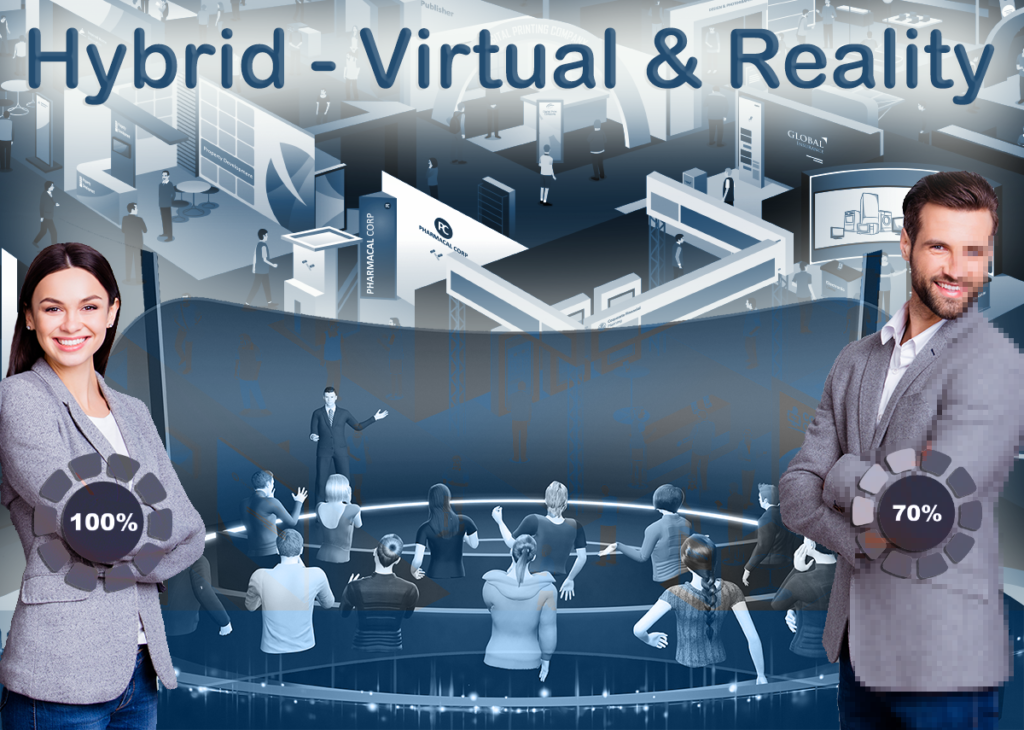
Hybrid trade fairs: Planning and organization of hybrid trade fairs (Virtual & Reality) – Image: Xpert.Digital
Hybrid trade fairs, which take place in combination with metaverses, offer a promising concept for the future of the events industry. By combining physical and virtual elements, they open up new possibilities and expand the reach of trade fairs and events on a global and international level.
Here are some important aspects that make hybrid trade fairs in conjunction with metaverses a promising vision for the future:
Global or cross-border participation
By integrating metaverses, hybrid trade fairs can reach a broad audience, regardless of geographical limitations. Participants from all over the world can attend the fair virtually and access exhibitors, products, and presentations on virtual platforms. This enables global networking and opens up new business opportunities across geographical boundaries.
Enhanced interaction options
Metaverses offer a variety of tools and features that enhance participant interaction and engagement at hybrid trade shows. Virtual avatars allow participants to navigate the virtual environment, communicate with other attendees, and participate in interactive presentations. Virtual chats, video calls, and networking tools foster exchange and collaboration among participants, similar to a physical trade show.
Flexibility and accessibility
Hybrid trade shows combined with metaverses offer flexibility and accessibility for participants. Virtual platforms allow attendees to visit the show 24/7, regardless of time or location. This facilitates participation for people with varying schedules and reduces travel costs and other logistical challenges associated with physical events.
Presentation options
Metaverses enable exhibitors and presenters to find innovative ways to showcase their products and services. Virtual exhibition spaces allow for interactive presentations, 3D product renderings, and immersive experiences for attendees. The integration of 2D matrix codes and WebAR also allows visitors to access information directly on their mobile devices and interact with virtual content.
Cost and resource efficiency

Hybrid trade fair & smart fairs/events – Image: Xpert.Digital
Hybrid trade fairs in metaverses also offer advantages in terms of cost and resource efficiency. Organizers can reduce costs for rental space, stand construction and dismantling, as well as travel and accommodation expenses. At the same time, exhibitors can expand their presence across various trade fairs without having to establish physical locations. This allows for more efficient resource utilization and better cost control.
Related to this:
- Marketing strategy for hybrid trade fairs: Planning and organizing hybrid trade fairs 4.0 – Hybrid = Virtual & Reality
- Hybrid trade fairs & smart fairs/events: The nature and execution of trade fairs are changing
- Hybrid trade fair: Trade fair event digital & in-person – The new trade fair marketing management for event managers
Consulting, planning and implementation of augmented reality, webAR and industrial applications | B2B | Business Metaverse
Xpert.Plus is a project by Xpert.Digital. We have many years of experience in supporting and consulting for (Extended) Augmented Reality and warehouse optimization, which we combine under Xpert.Plus in a large network.

Konrad Wolfenstein
I would be happy to serve as your personal advisor.
You can contact me by filling out the contact form below or simply call me on +49 7348 4088 965 (Munich) .
I'm looking forward to our joint project.
Write to me


Xpert.Digital – Konrad Wolfenstein
Xpert.Digital is a hub for industry focusing on digitalization, mechanical engineering, logistics/intralogistics and photovoltaics.
With our 360° Business Development solution, we support renowned companies from new business to after-sales.
Market intelligence, smarketing, marketing automation, content development, PR, mail campaigns, personalized social media and lead nurturing are part of our digital tools.
You can find more information at: www.xpert.digital – www.xpert.solar – www.xpert.plus
Keep in touch