Innovative solutions with low-code ecosystems and robotics for the electrical and logistics industries – skilled worker shortage? That's a thing of the past! – Image: Xpert.Digital
Addressing the German skills shortage: Innovative solutions with low-code ecosystems and robotics for the electrical and logistics industries
How low-code and robotics can solve Germany's skilled worker shortage
Germany is at a crossroads. The skills shortage, once a quiet warning sign, has grown into a storm threatening the foundations of our economy. The electrical and logistics sectors, the backbone of our prosperity, are particularly struggling under the weight of unfilled positions. But amidst this crisis, hope is emerging – innovative technologies such as low-code ecosystems and robotics promise not just short-term relief, but a fundamental transformation of the world of work. This report reveals how these technologies are driving the digital revolution in logistics, creating new work models, and paving the way out of the skills trap. Discover how Germany can secure its competitiveness and emerge stronger from this challenge. Don't miss these essential insights into the future of work!
The results of this analysis clearly demonstrate that the intelligent integration of low-code platforms and robotics solutions is far more than just a short-term emergency measure. It enables companies to close the gaping skills gap while simultaneously driving comprehensive digital transformation. These technologies not only increase productivity and efficiency but also create entirely new operating models that are less dependent on traditional qualifications and rigid personnel structures. One impressive advantage of low-code platforms lies in their speed: companies report application development that is 10 to 20 times faster compared to conventional programming methods. At the same time, robotics is revolutionizing automation, making it accessible to small and medium-sized enterprises (SMEs) through lower costs and more user-friendly solutions.
The escalating skills shortage in Germany: A challenge for society as a whole
The skilled worker shortage in Germany has developed in recent years from a worrying trend into an acute economic crisis. What was once perceived as a regional or industry-specific problem is now a challenge for society as a whole, affecting all sectors and regions of the country. The figures speak for themselves: According to current survey data from the German Logistics Association (BVL), a staggering 90 percent of logistics companies are feeling the effects of the skilled worker shortage. Almost half (43 percent) even state that this shortage is already having significant negative consequences for their daily operations. To illustrate the dramatic nature of this development: In 2009, just a decade and a half ago, less than 10 percent of companies reported problems related to a lack of skilled workers. By the fourth quarter of 2024, however, around 45 percent of warehousing companies were already reporting business disruptions due to unfilled positions. This rapid increase underscores the speed and extent of the worsening skilled worker shortage.
The logistics industry is particularly hard hit by this trend. Current estimates suggest there are around 50,000 unfilled positions across the entire sector. Within logistics, warehousing and logistics represent a particular problem area. Jobs in this field are often perceived as less attractive because they traditionally offer less added value and are frequently associated with physically demanding work. Furthermore, many logistics companies struggle to adapt their recruitment strategies to the changing conditions of the labor market. They compete not only with each other but also with other sectors that often offer more attractive working conditions and career prospects. This competitive disadvantage makes it even more difficult for logistics companies to attract and retain qualified talent in the long term.
For Germany's small and medium-sized enterprises (SMEs), the backbone of the economy, the shortage of skilled workers poses an existential threat. Nearly three-quarters of SMEs see the lack of qualified employees as the biggest obstacle to their growth and economic development. While large corporations are increasingly relying on technological solutions such as robotics to maintain or even increase their productivity despite staff shortages, many SMEs lack the necessary resources – both financial and technical – to follow suit. This discrepancy threatens to further widen the competitive gap between large corporations and SMEs and to fundamentally alter the structure of the German economy. The danger arises of a two-tier society in which only large, technologically advanced companies can survive in global competition, while SMEs, which stand for innovation and diversity, are left behind.
The causes of the skills shortage are numerous and complex. They range from demographic changes and shortcomings in the education system to shifting societal preferences. Demographic change, particularly the aging population and declining birth rates, leads to a natural decrease in the potential workforce. At the same time, the education system has not adequately adapted to the changing demands of the labor market in some areas. There is often a mismatch between the qualifications graduates possess and the skills companies actually require. Furthermore, the appeal of certain vocational training programs, especially in technical fields, has diminished among young people. Many prefer university studies to dual vocational training, resulting in a shortage of skilled workers in trades and technical professions. Societal trends also play a role. Work-life balance, flexible work arrangements, and meaningful work are becoming increasingly important to many employees. Industries that cannot adequately meet these needs find it more difficult to attract qualified staff.
Related to this:


Critical need for electricians in modern logistics: More than just a profession
Electricians and electronics technicians are among the occupational groups most affected by the skilled worker shortage. Their expertise is of immense importance in modern logistics and at the interface between logistics and energy systems. The demand for skilled electrical installation technicians in the construction industry is enormous. Current figures show a shortage of 18,343 people, with a surplus of almost 80 percent. This means that for every available skilled worker, there are almost five open positions. Electrical installers are therefore among the most sought-after specialists on the German job market. A similar situation exists in the electrical engineering sector, where a shortage of 8,519 positions and a surplus of over 83 percent are recorded. These figures illustrate the critical shortage of electrical engineering professionals.
These highly skilled technical professionals are indispensable for modern logistics companies. Warehouses are evolving rapidly, becoming increasingly automated, digitized, and energy-efficient. Industrial electricians, responsible for the installation, maintenance, and repair of electrical systems in industrial environments, are among the most sought-after specialists in the region. Their expertise is essential for the smooth operation and maintenance of the complex electrical infrastructure of modern warehouses—from state-of-the-art automated sorting systems and conveyor belts to sophisticated energy management solutions and security systems. Without qualified electricians, these systems cannot be operated and maintained efficiently, which can lead to production downtime, delays, and increased costs.
The importance of electricians in logistics extends far beyond traditional warehousing. They are key players in the energy transition and the implementation of ambitious sustainability goals in the sector. A recent report by the Competence Center for Securing Skilled Workers (KOFA) explicitly identifies construction electricians as a "bottleneck for the energy transition." The skills gap in this profession has widened by almost three percentage points compared to the previous year. These specialists are urgently needed to install solar panels on warehouse roofs, connect facilities to renewable energy sources, and integrate innovative energy storage systems. These measures are crucial for increasing operational resilience, reducing dependence on fossil fuels, and significantly lowering the logistics industry's carbon footprint.
Electricians specializing in energy and building technology, particularly those working in the construction industry, also play a crucial role in modern logistics. They focus on installing sustainable energy supply systems and smart building technologies. Their expertise is becoming increasingly important in the logistics sector, as logistics centers are increasingly relying on smart building technologies to optimize energy consumption, reduce operating costs, and improve overall efficiency. Industrial electricians complement this ecosystem by implementing renewable energy systems, seamlessly integrating them into existing power grids, and providing the necessary charging infrastructure for the growing prevalence of electric vehicles in the logistics industry. The transition to more sustainable and electrified logistics is simply not feasible without a sufficient number of qualified electricians.
Low-code ecosystems as a strategic answer to the skills shortage: Democratizing technology
The skills shortage coincides with an unprecedented demand for digital transformation in virtually all sectors of the economy. Digitalization is no longer a trend, but a necessity to remain competitive in the global market and meet the challenges of the 21st century. Paradoxically, however, the number of unfilled IT specialist positions in German companies has more than doubled since 2017. This shortage of IT professionals represents an additional bottleneck, hindering technological progress precisely when it is most urgently needed to address the labor shortage in other areas. This seemingly intractable situation has massively increased interest in innovative solutions such as low-code platforms. Low-code promises to democratize software development and process automation, opening up entirely new possibilities for companies to drive digital transformation.
Related to this:


Low-code refers to a revolutionary approach in software development where specialized platforms enable even those without in-depth programming knowledge to develop complex software applications. Instead of painstakingly writing line after line of code, applications are created using configurable, visual building blocks and drag-and-drop interfaces. This "configure instead of code" method significantly lowers the barrier to entry for developing digital solutions and makes technology accessible to a wider range of users. It allows business users with detailed domain knowledge but limited technical skills to independently create functional applications and optimize their business processes. For logistics companies, which are simultaneously suffering from a shortage of technical specialists in general and IT professionals in particular, this technology offers particularly compelling added value. It makes it possible to reduce dependence on scarce IT resources and strengthen the company's innovative capacity.
The practical applications of low-code in logistics are diverse and constantly expanding. At trade fairs like LogiMAT, companies regularly present innovative low-code solutions for the logistics industry. One example is Engomo GmbH, which, under the motto "Your Warehouse Made Better," demonstrates how companies can comprehensively digitize and optimize warehouse processes using its low-code technology. Its platform enables the rapid and straightforward development of apps that replace formerly paper-based processes with intuitive mobile applications on smartphones, tablets, or rugged industrial scanners. Advanced implementations include solutions for hands-free scanning with smart glasses, pick-by-light systems for order picking optimization, and even the control of complex warehouse robots like AutoStore. The possibilities are virtually limitless and are constantly being expanded through the ongoing development of low-code technology.
The efficiency gains achievable through the use of low-code platforms are impressive. Numerous case studies demonstrate that applications can be developed ten to twenty times faster and more cost-effectively with low-code tools than with traditional software development methods. This enormous acceleration is crucial for logistics companies that need to adapt agilely to changing market conditions, respond quickly to new customer demands, or compensate for acute labor shortages at short notice. Low-code enables companies to implement urgently needed digital solutions in the shortest possible time, without having to wait for scarce IT resources to become available. This agility and responsiveness are invaluable in the fast-paced logistics industry.
Another crucial advantage of modern low-code platforms lies in their outstanding integration capabilities. Pre-built plug-ins and standardized connectors enable solutions like Engomo to seamlessly integrate into existing system landscapes. This is particularly important for logistics companies, which often have complex and heterogeneous IT environments. Low-code platforms ensure that companies benefit from optimized processes and user-friendly application solutions, while simultaneously maintaining a central, up-to-date, and accurate database in the backend. The risk of isolated, isolated solutions or incompatible data silos is minimized. This interoperability is essential for a successful and sustainable digital transformation in logistics. It allows companies to protect their existing IT investments and modernize gradually, rather than having to replace everything at once.

Expert partner in warehouse planning and construction

Increasing efficiency through automation: Solutions for the logistics industry
Robotics and automation: The physical answer to the labor shortage in logistics
While low-code platforms primarily address the software side of the problem and accelerate the development of digital solutions, robotics and automation technologies offer concrete, physical solutions to the pressing labor shortage in logistics and warehousing. They enable companies to automate physically demanding, repetitive, or dangerous tasks, thereby relieving the burden on human workers and allowing for more efficient deployment. Traditionally, however, the hurdles to using robots in logistics have been high. High acquisition costs, complex programming, and extensive maintenance requirements long limited implementation to large companies with corresponding financial and technical resources. Recent developments in the field of "low-cost robotics" and "user-friendly automation" have, however, initiated a paradigm shift. These technologies are becoming increasingly affordable, easier to use, and thus accessible to small and medium-sized enterprises (SMEs).
The convergence of robotics with artificial intelligence (AI), particularly machine learning methods, is driving warehouse automation at an unprecedented pace. AI-based image recognition now enables reliable and robust part identification even under challenging conditions, while maintaining rapid cycle times. Advanced capabilities such as bin picking allow robots to recognize previously unknown objects in chaotic environments, grasp them precisely, and place them optimally within packages or containers to maximize available space. These intelligent technologies offer a direct and effective solution to the skilled labor shortage by automating tasks that traditionally required qualified and experienced human workers. They enable companies to reduce their reliance on human labor in certain areas while simultaneously increasing productivity and efficiency.
Cost reductions in robotics are being systematically driven by technological innovations. One example is the Drylin XXL gantry robot from Igus. While conventional palletizing robots, often developed and integrated in collaboration with external service providers, cost between €85,000 and €120,000, making them simply unaffordable for many smaller businesses, the Drylin XXL, depending on the configuration, costs between €7,000 and €10,000 – a drastic reduction in the investment barrier. This significant cost reduction makes automation accessible to a much broader range of companies and often allows the investment to pay for itself within a few weeks or months instead of years. This is particularly attractive for SMEs, which typically have limited financial resources and require rapid return-on-investment cycles.
The democratization of robotics is further driven by do-it-yourself kits that can be assembled and commissioned by companies without specialized robotics expertise. The Drylin XXL, for example, is supplied as a kit containing all necessary components such as toothed belt axes, rack and pinion axes, and stepper motors. It offers a generous workspace of 2,000 x 2,000 x 1,500 millimeters (expandable up to 6,000 x 6,000 x 1,500 millimeters). Users can assemble these components into a fully functional linear module robot within a few hours – without external assistance, specialized prior knowledge, or lengthy training. This innovative concept significantly lowers the technical and financial barriers to implementing automation, enabling even smaller companies to benefit from the advantages of robotics.
The integration of no-code and low-code solutions with robotics represents a particularly promising development. Platforms such as ArtiMinds RPS or ArtiMinds LAR significantly simplify robot programming, automatically analyze complex processes, and enable the automation of demanding tasks. This integration opens up entirely new application areas for robotics, reduces employee training requirements, and increases both operational flexibility and the innovative capacity of companies. By intelligently combining the physical capabilities of robots with the programming accessibility of low-code platforms, companies can implement comprehensive automation solutions – even with limited technical expertise and IT resources. These synergies are crucial for effectively combating the skills shortage and securing the long-term competitiveness of the German logistics industry.
Related to this:

Integrated approaches: Combining technology with further education and retraining
While technological solutions like low-code and robotics offer significant short-term relief from the skilled worker shortage, sustainable strategies absolutely require their integration with comprehensive training and retraining initiatives. Technology alone cannot completely solve the problem. A majority of logistics experts (over 60 percent) firmly believe that career changers from other industries can make a substantial contribution to alleviating the skilled worker shortage in logistics. This approach recognizes that with suitable training programs and the support of intuitive technologies, skilled workers from adjacent or related fields can successfully transition into logistics professions and quickly establish themselves.
The intelligent combination of further education, low-code, and robotics creates a positive cycle that can sustainably transform the world of work. Increasing automation and the simplification of software development are changing the required qualifications and skill profiles in many professions. Tasks that previously required in-depth technical knowledge and years of experience can be redesigned and adapted so that they can also be performed by employees with different skill sets – supported by user-friendly, intuitive interfaces and automated systems. The focus is shifting from purely technical expertise to overarching skills such as problem-solving, adaptability, and the ability to collaborate with technology.
A concrete example of this integrated approach is the real-time exchange of data between carriers and warehouses. By using modern low-code platforms, logistics companies can develop efficient systems that enable seamless communication and a transparent flow of information between all parties involved. This leads to precise preparation for incoming goods, optimized loading times, and minimized waiting times. Similar efficiency gains and process optimizations result from the use of AI-supported applications for route optimization, intelligent picking systems, and dynamic resource allocation. These technologies not only relieve employees of routine tasks but also allow them to focus on more demanding and value-adding activities.
Related to this:

A multifaceted answer to complex challenges – technology as an enabler
The shortage of skilled electricians with specific experience in logistics and warehousing undoubtedly poses a significant challenge for German industry, and particularly for the logistics sector. However, every crisis also presents an opportunity. The skills shortage acts as a catalyst for technological innovation and the fundamental redesign of operational processes. Companies are forced to think beyond traditional approaches and explore new avenues to maintain their competitiveness and secure their future viability.
The strategic use of low-code ecosystems and robotics solutions offers companies not only the opportunity to react quickly and effectively to the acute labor shortage, but also enables them to build more resilient, agile, and efficient operations in the long term. The intelligent combination of these innovative technologies with targeted training and retraining initiatives represents the most promising path to a future in which the German logistics industry can maintain its leading global position and unleash its innovative potential, despite the skills shortage. Technology is not merely a tool for problem-solving, but an enabler for a fundamental transformation of the working world and the creation of new, attractive jobs in the logistics sector of the future.

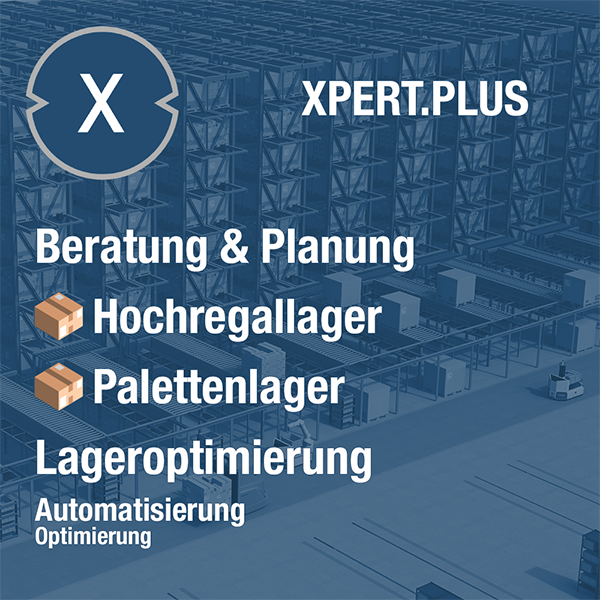
Xpert.Plus Warehouse Optimization - High-bay warehouses and pallet warehouses: Consulting and planning
We are here for you - Consulting - Planning - Implementation - Project Management
☑️ Xpert.Plus - Logistics consulting and logistics optimization
☑️ Industry expert, here with his own Xpert.Digital industry hub with over 1,500 specialist articles

Konrad Wolfenstein
I would be happy to serve as your personal advisor.
You can contact me by filling out the contact form below or simply call me on +49 7348 4088 965 .
I'm looking forward to our joint project.
Write to me


Xpert.Digital - Konrad Wolfenstein
Xpert.Digital is a hub for industry focusing on digitalization, mechanical engineering, logistics/intralogistics and photovoltaics.
With our 360° Business Development solution, we support renowned companies from new business to after-sales.
Market intelligence, smarketing, marketing automation, content development, PR, mail campaigns, personalized social media and lead nurturing are part of our digital tools.
You can find more information at: www.xpert.digital - www.xpert.solar - www.xpert.plus
Keep in touch