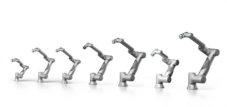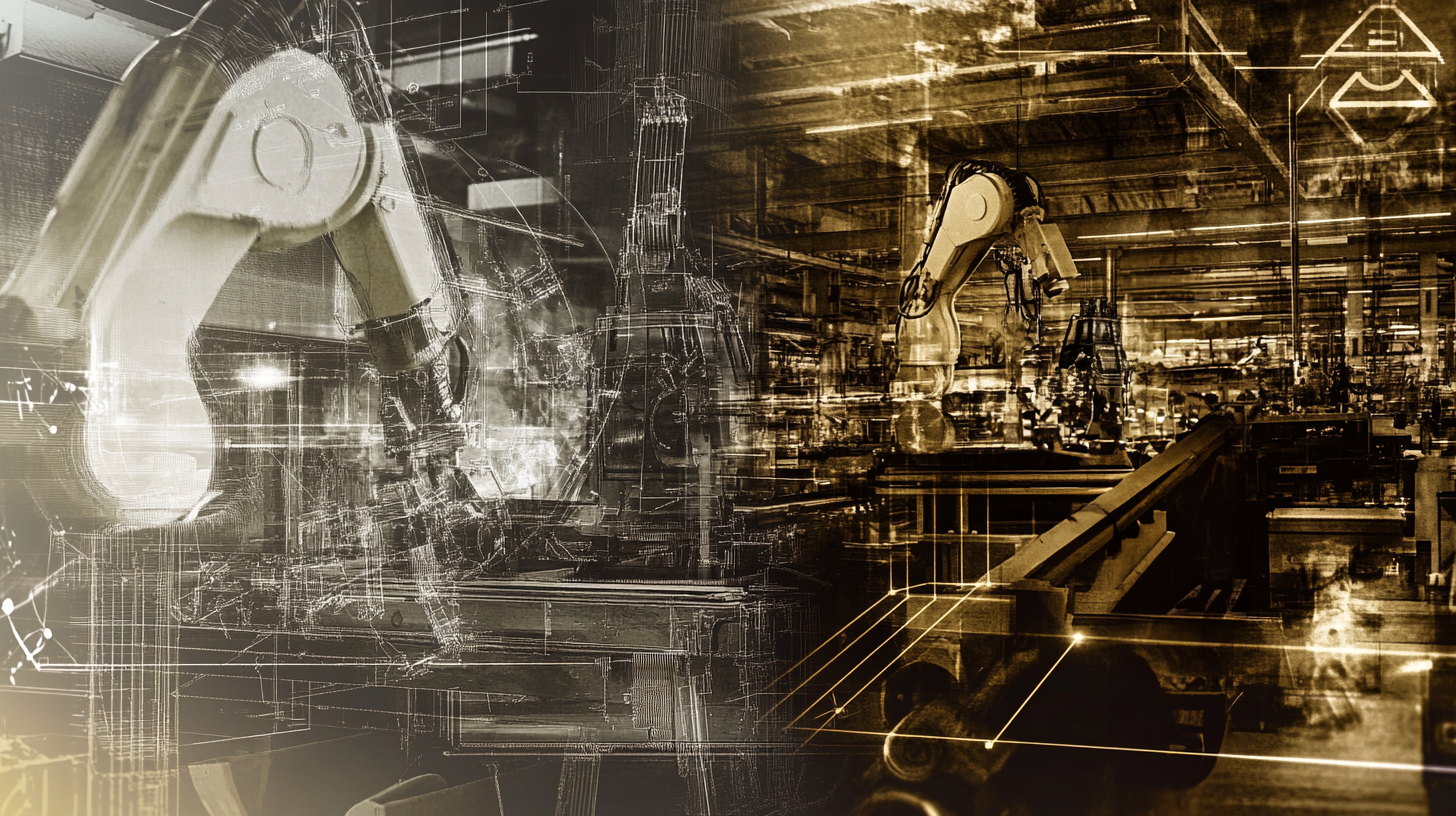
Pioneers of industrial robotics: Kawasaki Robotics – The hidden empire of automation – More than just factory robots – Image: Xpert.Digital
50 years of leading robot technology with Kawasaki Robotics
Kawasaki Robotics: A comprehensive overview of the pioneer of industrial robotics
Since its founding more than 50 years ago, Kawasaki Robotics has become a leading provider of industrial robots and robotic automation solutions. The company combines decades of experience with innovative technology to offer a wide range of robotic solutions used in various industries. This report examines the history, product portfolio, technological innovations, application areas, and future prospects of Kawasaki Robotics, providing a comprehensive overview of this major player in the robotics industry.
Related to this:

The history of Kawasaki Robotics
From the beginning to the present day
The story of Kawasaki Robotics begins in 1968, when Kawasaki Heavy Industries entered into a technical partnership with Unimation, Inc. of the USA, thus becoming a pioneer in robot manufacturing in Japan. Just one year later, in 1969, Kawasaki began manufacturing and selling Japan's first industrial robots, marking a significant milestone in Japanese industrial history. These early steps laid the foundation for the development of a company that today boasts over 50 years of experience in robotics.
Over the years, Kawasaki Robotics has undergone several structural changes. In July 1986, the robot maintenance and service division of Kawasaki Heavy Industries was spun off to form Kawasaki Robotics, Inc. Another significant development followed in April 2012, when the robot maintenance and service division of Kawasaki Machine Systems, Inc. was separated and established as Kawasaki Robot Service Co. At the same time, the robot sales division began operating as the Kawasaki Heavy Industries Robot Business Center.
Corporate structure and global presence
Kawasaki Robotics is an integral part of Kawasaki Heavy Industries, a company with over 100 years of history operating in various sectors, from ships, aircraft, and motorcycles to industrial robots. Kawasaki Robot Service, Ltd. is headquartered in Akashi, Japan, and employs 478 people (as of April 2024). The company recorded sales of 13.5 billion yen (86.5 million euros) in fiscal year 2023.
Kawasaki Robotics EMEA, headquartered in Neuss, Germany, represents the company's European presence. The company operates a network of locations and support services across the EU and Africa. Furthermore, Kawasaki Robotics maintains a presence in India and other global markets, supported by system partners such as Rajat Engineering and Simplifier Group. This global reach enables the company to provide customers worldwide with customized robotics solutions and local support.
The product portfolio of Kawasaki Robotics
General-purpose robot for various payloads
Kawasaki Robotics' product portfolio includes a wide range of robots designed for different payloads and applications. The general-purpose robots for small to medium payloads range from 3 kg to 80 kg and are ideal for precision tasks in electronics manufacturing, packaging, and handling delicate parts. These robots, represented by the RS series, are characterized by high speed and precision without compromising reliability.
For heavier applications, Kawasaki offers universal robots for large payloads from 100 kg to 300 kg, such as the ZX series, designed for spot welding, industrial transport, and handling heavy machinery. Even more robust are the general-purpose robots for oversized payloads, capable of moving more than 300 kg and up to 1,500 kg, making them ideal solutions for particularly demanding industrial applications.
Specific models like the RS025N, with a payload of 25 kg and a reach of 1,885–1,890 mm, are suitable for various tasks in assembly, material handling, and machine operation. The BA006L, a high-precision welding robot, demonstrates the company's ability to offer specialized solutions for specific industrial processes.
Specialized robots for specific applications
In addition to general-purpose robots, Kawasaki Robotics has also developed specialized robots for specific applications. These include palletizing robots for the logistics industry and intralogistics, pick-and-place robots that can pick up and sort small parts or food items at high speed, as well as arc welding robots, explosion-proof painting robots, and wafer transfer robots for semiconductor manufacturing.
Another important area is robots for medical and pharmaceutical applications, which can streamline processes in pharmaceutical and drug research environments. These specialized robots demonstrate Kawasaki Robotics' commitment to developing tailored solutions for specific industry requirements, thereby optimizing a wide range of industrial processes.
Collaborative robots and educational initiatives
A significant advancement in Kawasaki Robotics' product range is the development of collaborative robots capable of working alongside humans. Kawasaki's dual-arm SCARA robots are specifically designed to coexist and cooperate with people. The latest addition to this field is the CL series of intelligent collaborative robots (cobots), developed in partnership with NEURA Robotics and launched in 2024.
The CL series challenges the conventional understanding of collaborative robots by combining industrial performance and speed with maximum safety, without compromising the benefits of human-robot collaboration. These cobots can operate without protective covers in confined and harsh environments that may be unsuitable for other cobots, and feature a zero-gravity function that requires only light guidance and precise manual adjustments.
Furthermore, Kawasaki Robotics has launched Astorino, a new educational robot, at a fraction of the cost of other educational robot platforms. Priced at just $5,000, Astorino is a 6-axis robot with a 1 kg payload capacity that can be used in any classroom, allowing educators and students to access the capabilities of a modern industrial robot at an affordable price. This initiative underscores the company's commitment to training the next generation of manufacturing professionals.
Related to this:


Technological innovations and features
Precision, speed and reliability
Kawasaki robots are characterized by a combination of precision, speed, and reliability, making them suitable for a wide range of industrial applications. Based on 50 years of experience in robotics, Kawasaki robot arms and controllers are equipped with state-of-the-art technologies that ensure high productivity and quality.
The robots offer advanced motion control, ensuring smooth movements and reduced cycle times without jerking, wasted motion, or delay. This precision is particularly important in industries like electronics assembly, where even small deviations can lead to significant quality issues. The RS025N robot, with a repeatability of 0.04 mm, exemplifies this precision, making it an ideal tool for demanding tasks.
Security and integration
Safety is a key aspect of Kawasaki robots, especially in collaborative models that work in close proximity to humans. The robots are equipped with built-in collision detection, force-limiting sensors, and emergency stop switches to prevent accidents. This is particularly important in mixed-use environments where humans and robots work together.
Regarding integration, Kawasaki robots support multiple programming languages, facilitating their integration into existing systems. This flexibility is a significant advantage for companies looking to expand their automation strategy without completely overhauling their existing infrastructure. The robustness of Kawasaki robots is further demonstrated by their IP67 rating for some models, making them water and dust resistant and therefore suitable for demanding industrial environments.
Forward-looking developments
Kawasaki Robotics continuously invests in future-oriented developments to remain at the forefront of robotics technology. The collaborative CL series of cobots exemplifies this innovative spirit, combining industrial performance with collaborative capabilities. The zero-gravity function of these cobots enables intuitive handling and precise adjustments, making them particularly efficient for applications such as machine operation and welding.
Another example of forward-looking developments is the Astorino educational robot, which aims to train the next generation of manufacturing workers. By providing an affordable robot for educational institutions, Kawasaki Robotics is helping to bridge the gap between theoretical education and practical application, preparing students for the demands of modern manufacturing.
Application areas and industries
Automotive industry and manufacturing
The automotive industry is one of the main application areas for Kawasaki robots, with the BX series specifically designed for welding, assembly, and moving automotive parts. The robots' ability to move heavy loads with high precision makes them ideal for automotive assembly, where both power and accuracy are essential.
In general manufacturing, Kawasaki robots are used for a variety of tasks, including machine operation, material handling, assembly, casting, and material removal. The robots' versatility allows companies to automate various aspects of their production processes, thereby improving efficiency and quality.
Electronics, semiconductors and food processing
In the electronics and semiconductor industries, Kawasaki robots are used for precise tasks such as wafer transfer in semiconductor manufacturing. The high precision and reliability of these robots are crucial for these demanding processes, where even small errors can lead to significant losses.
The food processing industry benefits from Kawasaki's pick-and-place robots, which can pick up and sort small food products at high speed. These robots help improve efficiency and hygiene in food processing plants by automating repetitive tasks and reducing human-food contact.
Logistics, aerospace and other industries
In the logistics industry, Kawasaki palletizing robots are used to improve internal logistics and increase the efficiency of material handling. These robots can move heavy boxes and packages with high speed and precision, resulting in faster and more reliable processing.
The aerospace industry, known for its stringent quality and precision requirements, also utilizes Kawasaki robots for various manufacturing processes. Furthermore, these robots are employed in metalworking and foundries, the chemical industry, and the medical and pharmaceutical sectors, highlighting the versatility and adaptability of Kawasaki robotics solutions.
Current developments and future prospects
New product launches and events
Kawasaki Robotics remains at the forefront of robotics technology with the introduction of new products and participation in key industry events. The launch of the CL series of intelligent collaborative robots in 2024 marks a significant step in the evolution of collaborative robotics. These cobots were unveiled at IMTS in Chicago in September 2024 and offer a combination of industrial performance and collaborative flexibility.
Another notable product is the Astorino educational robot, launched in 2024, which aims to train the next generation of manufacturing workers. With its affordable price of $5,000, this 6-axis robot makes advanced robotics technology accessible to educational institutions.
Kawasaki Robotics also plans to participate in MachAuto Expo 2025, a leading event showcasing the latest advancements in automation, robotics, and manufacturing technologies. This event will provide the company with an opportunity to present its innovative solutions and connect with potential customers and partners.
Partnerships and collaboration
Partnerships play a key role in Kawasaki Robotics' strategy. The collaboration with NEURA Robotics on the development of the CL series of cobots demonstrates the company's commitment to working with innovative partners to deliver advanced automation technologies. Kawasaki Robotics President Seiji Amazawa emphasizes, "We are leading the robotics industry by collaborating with innovative partners like AMT, Hurco, Wauseon Machine, and NEURA Robotics, integrating our technology with theirs to harness the best of human ingenuity."
Furthermore, Kawasaki Robotics collaborates with system partners such as Rajat Engineering and Simplifier Group to strengthen its presence in various markets and offer customized automation solutions. These partnerships allow the company to benefit from local expertise while simultaneously expanding its global reach.
Vision for the future: Human-robot coexistence
Kawasaki Robotics' vision for the future focuses on the coexistence of humans and robots. The company aspires to become a fully integrated robot manufacturer, shaping a bright new future where humans and robots can exist side by side. This vision is reflected in the development of collaborative robots that can work safely alongside humans without impacting industrial performance.
With its CL series of cobots, Kawasaki Robotics claims to be entering "a new era of collaborative automation." By providing advanced capabilities along with industrial performance and speed as standard features, the company increases productivity, improves product quality and worker safety, and reduces rework requirements. This completely new and agile approach to collaborative robots allows manufacturers to respond more easily to labor shortages while achieving an excellent return on investment.
Challenges and considerations
Costs and investment aspects
Despite the many advantages of Kawasaki robots, there are also challenges that companies must consider when investing in this technology. Industrial robots require a high initial investment, and Kawasaki models are not inexpensive. While they may save money in the long run, small businesses could struggle to manage the initial investment—especially when installation, programming, and maintenance are factored in.
An example of their pricing is the RS025N robot, which is offered for €42,300 excluding VAT. For small businesses with limited budgets, this could represent a significant investment. However, Kawasaki Robotics offers financing options such as leasing or installment payments, which can reduce the financial burden.
Technical expertise and maintenance
Programming and maintaining Kawasaki robots requires a certain level of technical expertise. Some models demand in-depth programming knowledge, which can be challenging for companies without in-house robotics engineers. In such cases, external support may be necessary to properly commission and program the robots.
Furthermore, the robots require regular maintenance to prevent costly breakdowns. Neglecting wear and tear can lead to expensive repairs and downtime that no one wants. This underscores the importance of a regular maintenance schedule and potentially a service contract with Kawasaki Robotics or authorized partners.
Spatial planning and integration
Not all workplaces are suitable for robots, meaning companies may need to rearrange workflows, install new safety measures, or even expand their workspace to accommodate Kawasaki's larger models. Careful planning and possibly expert consultation are required to ensure the workspace is suitable for robot integration.
Integrating robots into existing production lines can require time, testing, and extensive troubleshooting, depending on the industry. This is an important aspect to consider when planning the implementation of Kawasaki robots, as it is not always a plug-and-play solution.
Progress through robotics: Kawasaki Robotics as a partner of Industry 4.0
Over the more than 50 years since its founding, Kawasaki Robotics has established itself as a pioneer and leading provider in industrial robotics. With a comprehensive product portfolio ranging from small precision robots to heavy-duty industrial robots and collaborative cobots, the company offers solutions for a wide variety of industries and applications. Technological innovation, coupled with a focus on precision, speed, and reliability, has helped Kawasaki Robotics become a trusted name in automation worldwide.
Recent developments, such as the launch of the CL series of collaborative robots and the Astorino educational robot, demonstrate the company's ongoing commitment to innovation and its vision of a future where humans and robots can work together harmoniously. Through partnerships with innovative companies and participation in key industry events, Kawasaki Robotics remains at the forefront of robotics technology.
Despite challenges related to cost, technical expertise, and integration, Kawasaki's robotic solutions offer significant advantages in terms of productivity, quality, and safety. For companies seeking to automate their manufacturing processes, Kawasaki Robotics represents a reliable partner, providing comprehensive support and advanced technology. With its pioneering heritage and forward-looking approach, Kawasaki Robotics is well-positioned to continue playing a leading role in the evolving landscape of industrial robotics.
Our recommendation: 🌍 Limitless reach 🔗 Connected 🌐 Multilingual 💪 Sales power: 💡 Authentic with strategy 🚀 Innovation meets 🧠 Intuition


From local to global: SMEs conquer the world market with a clever strategy - Image: Xpert.Digital
In an era where a company's digital presence determines its success, the challenge lies in creating an authentic, personalized, and far-reaching presence. Xpert.Digital offers an innovative solution that positions itself as the intersection of an industry hub, a blog, and a brand ambassador. It combines the advantages of communication and sales channels in a single platform and enables publication in 18 different languages. Cooperation with partner portals and the ability to publish articles on Google News and a press distribution list with approximately 8,000 journalists and readers maximize the reach and visibility of the content. This represents a crucial factor in external sales and marketing (SMarketing).
More information here:
Advantages of Kawasaki robots compared to other manufacturers - background analysis
Kawasaki Robotics: The key differences compared to FANUC, ABB and KUKA
Since its inception in 1968, Kawasaki Robotics has become a major player in the industrial robotics market. As a pioneer in this field, the company offers a wide range of robotic solutions that offer specific advantages over competitors. This analysis examines the particular strengths and differentiating features of Kawasaki robots compared to other manufacturers such as FANUC, ABB, KUKA, and Yaskawa/Motoman. It considers technical characteristics, application areas, and economic aspects to provide a comprehensive picture of these competitive advantages.
Precision and performance
Exceptional precision and repeatability
Kawasaki robots are distinguished by their exceptional precision and repeatability, making them ideal for demanding manufacturing processes. These robots are particularly renowned for their ability to perform tasks with outstanding accuracy and repeatability, which is crucial in industries such as automotive and electronics manufacturing, where even the slightest inaccuracies can lead to significant quality issues. The advanced motion control of Kawasaki robots ensures smooth movements and reduced cycle times, eliminating jerking or inefficient motion sequences, resulting in optimized production efficiency.
Speed advantages in specific application areas
A notable performance advantage of Kawasaki robots is particularly evident in high-speed palletizing applications. Practical experience from users demonstrates that Kawasaki and Yaskawa robots can achieve slightly better performance in this area than FANUC and ABB. These speed advantages are especially relevant for companies with high production throughput, where even marginal speed improvements can lead to significant productivity gains. The combination of precision and speed makes Kawasaki robots an attractive option for manufacturers seeking both without compromise.
Innovative cobot technology with industrial performance
With the introduction of the CL series of collaborative robots in 2023, Kawasaki Robotics developed a completely new and agile approach to collaborative robotics. Developed in cooperation with the German startup NEURA Robotics, this series combines industrial performance and speed with maximum safety, without compromising the benefits of human-robot collaboration. These cobots can operate without protective covers in confined and harsh environments that may be unsuitable for conventional collaborative robots, thus offering a unique combination of industrial performance and collaborative flexibility.
Related to this:

Specialized application areas and industry expertise
Leading position in the semiconductor industry
Kawasaki Robotics has become a leading provider of integrated atmospheric robotics for the semiconductor industry through extensive collaboration with customers. The company's specialized, high-performance handling robots play a vital role in the automated processing of raw silicon wafers into integrated circuits. These ISO Class 1 cleanroom robots can handle 300 mm and 450 mm wafers in manufacturing without damage or disruption and move wafers from FOUPs to tooling chambers, resulting in reduced defect rates, improved quality, and increased throughput. This specialization gives Kawasaki a significant competitive advantage in this demanding and growing industry.
Solutions for the food and beverage industry
In the food and beverage industry, Kawasaki robots offer automation solutions for cost-effective and flexible process handling and palletizing. These robots can compensate for dramatic fluctuations in raw material costs, product mix, and specifications, making them particularly valuable for this dynamic sector. From soft drink bottling plants to dairy processing facilities, Kawasaki robots meet stringent hygiene requirements and handle a wide range of processes, including bottle positioning, capping, filling, sterilizing, and high-speed picking. This industry-specific expertise sets Kawasaki apart from less specialized competitors.
Expertise in electronics manufacturing
In electronics manufacturing, Kawasaki Robotics' multi-position robots leverage their dexterity to stamp, etch, and press with human-like precision, as well as to handle small, lightweight semiconductor electronic components. Their ability to move between multiple positions along the production line allows them to easily perform component and final assembly tasks for various electronic devices with a precision far exceeding that of human labor. This flexibility and precision in handling small components is a crucial advantage over less agile robotic systems.
Innovative approaches in collaborative robotics
Strategic partnership with ABB
A significant advantage for Kawasaki in the field of collaborative robotics is its strategic partnership with ABB, announced in 2017. This world's first collaboration focused on collaborative robots (cobots) underscores Kawasaki's position as an innovator in this area. While both companies continue to manufacture and market their robots independently, this collaboration enables joint approaches in safety, programming, and communication, as well as the joint education of policymakers, NGOs, and the public about the benefits of collaborative automation.
Future-oriented cobot development
With its CL series of cobots, developed in collaboration with NEURA Robotics, Kawasaki Robotics claims to be entering "a new era of collaborative automation." By providing advanced capabilities along with industrial performance and speed as standard features, the company aims to increase productivity, improve product quality and worker safety, and reduce rework requirements. A key feature of these cobots is their zero-gravity capability, which requires only light guidance and precise manual adjustments, making them particularly efficient for applications such as machine operation and welding.
Educational initiatives for the next generation
Kawasaki Robotics demonstrates its commitment to the future of robotics through innovative educational initiatives like the Astorino educational robot. Priced at just $5,000, this 6-axis robot with a 1 kg payload is significantly more affordable than other educational robot platforms, allowing educators and students to harness the capabilities of a modern industrial robot. This initiative to train the next generation of manufacturing workers underscores Kawasaki's long-term commitment to the industry and differentiates the company from competitors who may invest less in education.
Economic advantages and practical considerations
Cost efficiency through refurbished models
A significant economic advantage of Kawasaki robots lies in the option of using refurbished models. These offer substantial cost savings without compromising performance, making them particularly attractive to smaller companies with limited budgets. Refurbished robots undergo a meticulous reconditioning process to ensure they meet Kawasaki's quality standards, providing a reliable alternative to new equipment. This financial benefit allows companies to strategically allocate resources across different areas while still benefiting from advanced robotics technology.
Fast implementation and reduced downtime
Integrating used, refurbished Kawasaki robots can lead to faster implementation times due to their readily available market availability. Reduced downtime results in a faster return on investment and immediate improvements in production efficiency, enabling businesses to remain agile and responsive. This quicker deployment can provide a significant competitive advantage, especially in situations where implementing new robots can involve lengthy lead times due to manufacturing and supply processes.
Environmental responsibility as an added benefit
Choosing used, refurbished Kawasaki robots also contributes to sustainable practices and environmental responsibility. Reusing and refurbishing these robots extends their lifespan and minimizes electronic waste. By giving these robots a second life, companies actively contribute to reducing their environmental footprint and conserving valuable resources, which aligns with global efforts for a greener future. This aspect of sustainability can be an added benefit for companies with corresponding environmental goals.
Related to this:
Market position and technological innovation
Global market presence and experience
With approximately 110,000 active robots worldwide, Kawasaki has established itself as a key player in the global robotics market. Although the company lags behind the three largest manufacturers—Fanuc (400,000), Motoman/Yaskawa (300,000), and ABB (250,000)—it has positioned itself as an innovative supplier with specific strengths in certain application areas. The more than 50 years of experience since its founding in 1968 are reflected in the technological maturity and reliability of Kawasaki robots.
Continuous innovation and forward-looking developments
Kawasaki Robotics remains at the forefront of robotics technology through the continuous development of innovative products. The launch of the CL series of intelligent collaborative robots and the Astorino educational robot in 2023 demonstrates the company's ongoing commitment to innovation. Through partnerships with innovative companies like NEURA Robotics, Kawasaki integrates advanced technologies into its robotic solutions, ensuring its competitiveness in a rapidly evolving market.
Vision of human-robot coexistence
Kawasaki Robotics' vision for the future focuses on the coexistence of humans and robots. The company aims to become a fully integrated robot manufacturer, shaping a future where humans and robots can exist side by side. This vision is reflected in the development of collaborative robots that can work safely alongside humans without impacting industrial performance, positioning Kawasaki as a forward-thinking company in the robotics sector.
Kawasaki Robotics: Precision and innovation for demanding manufacturing processes
Kawasaki Robotics offers numerous advantages over other robot manufacturers thanks to its many years of experience, technological innovation, and specialized industry expertise. Exceptional precision and repeatability, combined with speed advantages in specific applications such as high-speed palletizing, make Kawasaki robots a compelling choice for demanding manufacturing processes. Its leading position in specialized application areas such as the semiconductor and food processing industries underscores the company's ability to develop customized solutions for specific industry requirements.
Kawasaki's innovative approach to collaborative robotics, exemplified by the CL series and the strategic partnership with ABB, demonstrates its commitment to the future of human-robot collaboration. Economic advantages offered by the option of refurbished models and the associated sustainability benefits further enhance the appeal of Kawasaki robots to a wide range of businesses, from small companies with limited budgets to large industrial enterprises with demanding automation requirements.
Although Kawasaki lags behind the three largest manufacturers in terms of the sheer number of installed robots, the company has achieved a significant position in the global robotics market through continuous innovation and a vision of harmonious human-robot coexistence. This combination of technical excellence, industry expertise, and future-oriented development makes Kawasaki Robotics a compelling alternative to other robot manufacturers, especially for companies with specific requirements in the areas of precision, speed, and collaborative automation.
We are here for you - Consulting - Planning - Implementation - Project Management
☑️ SME support in strategy, consulting, planning and implementation
☑️ Creation or realignment of the digital strategy and digitization
☑️ Expansion and optimization of international sales processes
☑️ Global & Digital B2B trading platforms
☑️ Pioneer Business Development

Konrad Wolfenstein
I would be happy to serve as your personal advisor.
You can contact me by filling out the contact form below or simply call me on +49 7348 4088 965 .
I'm looking forward to our joint project.
Write to me



Xpert.Digital - Konrad Wolfenstein
Xpert.Digital is a hub for industry focusing on digitalization, mechanical engineering, logistics/intralogistics and photovoltaics.
With our 360° Business Development solution, we support renowned companies from new business to after-sales.
Market intelligence, smarketing, marketing automation, content development, PR, mail campaigns, personalized social media and lead nurturing are part of our digital tools.
You can find more information at: www.xpert.digital - www.xpert.solar - www.xpert.plus
Keep in touch