
Green cold chain: Strategies for more environmentally friendly refrigerated and frozen storage facilities – Image: Xpert.Digital
❄️ Green cold chain: Strategies for more environmentally friendly refrigerated and frozen storage
🌐⛄ In today's age, where awareness of environmental protection and sustainability is constantly growing, the development and implementation of a green cold chain plays a crucial role in the future of our world. The green cold chain refers to the use of environmentally friendly, energy-efficient technologies and processes to transport, store, and distribute food and other perishable goods from their point of origin to the consumer, while minimizing the ecological footprint.
The importance of a green cold chain (also known as a refrigerated supply chain) cannot be overstated in our time, where climate change and environmental protection have become top priorities for the global community. Cold chains play a fundamental role in the global food supply by ensuring the safety, quality, and shelf life of food from the point of production to the end consumer. However, their environmentally friendly design and optimization pose a serious challenge. The following provides a comprehensive overview of the measures and strategies that can contribute to the development and implementation of a sustainable, green cold chain.
🌱 The need for a green cold chain
The need for refrigerated and frozen storage is increasing worldwide, driven by population growth, the expansion of international trade, the rising demand for fresh food year-round, and the growth of online grocery shopping. The downside of this development is increased energy consumption and associated CO2 emissions, which contribute significantly to global warming and climate change.
A conventional cold chain is energy-intensive and environmentally damaging. It relies on older refrigeration systems that often use hydrofluorocarbons (HFCs) or other greenhouse gases as refrigerants, which pollute the environment many times more than CO2. Furthermore, the high energy consumption of fossil fuels for electricity generation leads to further greenhouse gas releases.
Therefore, implementing a green cold chain is not only an environmentally friendly alternative, but also an urgent necessity to reduce the negative impacts of the traditional refrigeration industry on our environment.
💡 Strategies for an efficient and environmentally friendly cold chain
❄️ 1. Use of natural refrigerants
One of the most fundamental measures for creating a green cold chain is the switch to natural refrigerants such as CO2, ammonia, or propane. These substances have a significantly lower global warming potential (GWP) compared to conventional refrigerants. Furthermore, their efficiency improves the energy balance of refrigeration systems.
🍃 2. Energy efficiency and renewable energies
Modern refrigeration and deep-freeze systems are increasingly designed to be more energy-efficient. Significant energy savings can be achieved through the use of highly insulating materials, effective heat recovery systems, and the optimization of refrigeration systems. Integrating renewable energy sources, such as solar or wind power, into the operation of cold chains can further reduce the carbon footprint.
🔄 3. Reducing energy consumption through intelligent logistics
Optimizing logistics processes plays a crucial role in implementing a green cold chain. Implementing IT-supported systems for monitoring and controlling cold chain processes can significantly reduce energy consumption. This includes selecting the shortest transport routes, improving loading and unloading planning, and avoiding empty runs.
📚 4. Training and awareness-raising
Training and raising awareness among everyone involved in the cold chain is crucial for its success. Training on energy-efficient practices, the correct handling and maintenance of refrigeration systems, and education about the environmental impact can significantly contribute to reducing energy consumption and environmental pollution.
🔬 5. Innovation and Research
Continuous research and development of new, sustainable cooling technologies is a key component of the green cold chain. Innovations such as cryogenic cooling using liquid nitrogen or the use of thermoelectric cooling methods based on the Peltier effect offer potential for more efficient and environmentally friendly cooling methods in the future.
🌟 Maintaining a green cold chain is a complex challenge
Implementing a green cold chain is a complex challenge requiring the use of modern technologies, process optimization, and strong participation and cooperation from all stakeholders in the supply chain. Nevertheless, given the pressing environmental problems and the need to combat climate change, the transition to more environmentally friendly cold chains is not only desirable but essential.
A sustainable transformation of cold chains can be achieved through a combination of technological innovations, conscious energy management, ongoing research, and close collaboration among all stakeholders. This will not only reduce the environmental footprint but also ensure a long-term, economically viable solution for the global supply of fresh food and other perishable goods. The green cold chain is therefore a crucial factor on the path to a more sustainable future.
📣 Similar topics
- 🌿 Insights into the necessity of green cold chains
- 🌍 Progress in the introduction of sustainable cooling technologies
- 💡 Strategies for an energy-efficient cold chain
- 🌞 Use of renewable energies in the cold chain
- 🔌 Improved energy efficiency through natural refrigerants
- 🔄 Reducing the ecological footprint in logistics
- 🎓 Importance of training and awareness for green cold chains
- 🚛 The role of intelligent logistics in sustainability
- 💥 Innovation and research as drivers for environmental protection
- 🌟 Future prospects for environmentally friendly cold chain innovations
#️⃣ Hashtags: #GreenColdChain #SustainableLogistics #EnergyEfficiency #RenewableEnergies #EnvironmentalProtection

Expert partner in warehouse planning and construction

🧊 Japan, a technology leader in cold chain logistics – Improved working conditions optimize distribution processes

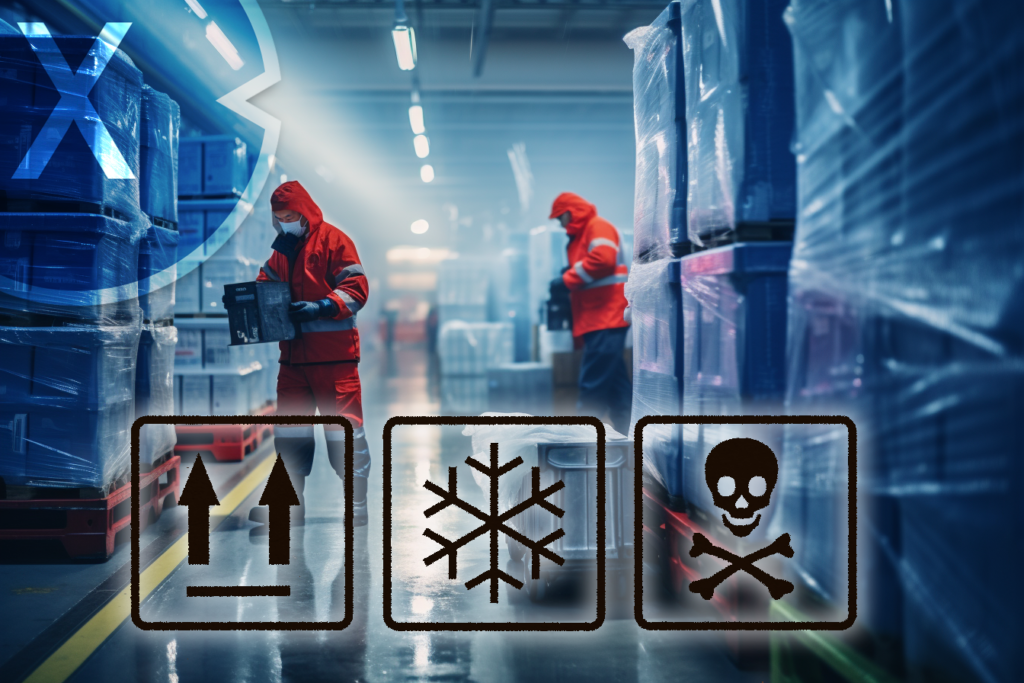
Refrigerated logistics/fresh produce logistics: A refrigerated storage warehouse with automated material flow optimizes distribution processes – Image: Xpert.Digital
Asian countries, especially Japan, are considered pioneers in this area. Tokyo, with over 38 million inhabitants one of the world's largest cities, impressively demonstrates how high population density and quality of life can be reconciled through innovative urban and infrastructure planning. The development of efficient transport and supply systems has been a focus there for decades.
More information here:

Xpert.Plus Warehouse Optimization - High-bay warehouses and pallet warehouses: Consulting and planning
💚🚀 From Smart Cooling to Green Cold Chains: The Path of Technology
📈 The role of technology and innovation
The use of advanced technologies is key to achieving a green cold chain. Continuously improving the energy efficiency of refrigeration equipment and systems through the use of state-of-the-art technologies enables a significant reduction in energy consumption. Modern refrigeration units equipped with intelligent technologies can automatically adjust their operating mode to optimize energy consumption and cooling performance. Similarly, advanced monitoring systems allow for real-time monitoring of temperatures and energy consumption, ensuring product quality while maintaining energy efficiency.
Digitizing the cold chain through the use of IoT (Internet of Things) devices enables the creation of a continuous monitoring network, bringing transparency to the cold chain and minimizing losses. Sensor technologies allow for precise monitoring of temperature and humidity throughout the entire transport and storage process, which is crucial in preventing food waste.
Furthermore, innovative packaging technologies offer opportunities to reduce refrigeration requirements or keep food fresh for longer. Advances in materials science enable the development of packaging that extends food shelf life by, for example, slowing down ripening or regulating gas exchange.
🤝 The importance of cooperation and networking
Implementing a green cold chain is a task that extends far beyond the boundaries of individual companies. Rather, it requires comprehensive collaboration between manufacturers, transport companies, retailers, government agencies, and consumers. By networking all stakeholders and using common standards, synergies can be created and the overall efficiency of the cold chain improved.
Governments and international organizations play a crucial role by creating regulatory frameworks that promote the transition to environmentally friendly cooling technologies. This can be achieved, for example, through subsidies for the use of renewable energies, tax breaks for companies that invest in energy-saving technologies, or by setting minimum standards for the energy efficiency of refrigeration equipment.
🔍 Challenges and Perspectives
Despite significant progress towards a green cold chain, companies and societies worldwide face considerable challenges. These include high initial investments in new technologies, the need to restructure existing cold chain infrastructures, and a lack of knowledge and awareness regarding the importance and benefits of a sustainable cold chain.
Overcoming these challenges requires targeted investments in research and development, the training of skilled workers, raising consumer awareness of the importance of their consumption habits, and political incentives that promote the introduction of environmentally friendly cooling technologies.
🔄 Switching to a green cold chain
The transition to a green cold chain represents one of the most important challenges of our time in reducing the environmental footprint of food supply and other perishable goods. By combining technological innovations, optimizing logistics processes, fostering conscious consumer habits, and promoting education and collaboration, sustainable cold chains can not only contribute to environmental protection but also ensure global food security and create economic benefits for all stakeholders. In a world increasingly challenged by climate change, implementing a green cold chain is therefore not only a matter of environmental responsibility but also a crucial investment in a more sustainable and secure future.
📣 Similar topics
- 🌍 Technology for a more sustainable cold chain
- 💡 Smart cooling appliances: A step into the future
- 🚚 Connected cold chain: The role of the IoT
- 📦 Innovative packaging for longer freshness
- 🤝 Cooperation: The key to a green cold chain
- 🌱 Subsidies & Standards: Policy for Sustainable Cooling
- 💼 Investing in the future: Challenges of a green cold chain
- 🌎 Global transition to green cold chains
- 🔄 The importance of research and education for sustainability
- 🌟 Raising awareness for environmentally friendly consumption
#️⃣ Hashtags: #SustainableTechnology #GreenColdChain #IoTinLogistics #EnergyEfficiency #EnvironmentalAwareness
🌍🌱 Global efforts for green cold chains: Uniform standards and best practices
To further advance efforts to establish a green cold chain, a global perspective is essential. Climate change knows no borders, and food and other cold chains are often internationally oriented. Global cooperation to create uniform standards and promote best practices in the field of green cold chains is therefore fundamental.
🌍 Global initiatives and partnerships
🔗 International Organizations and Partnerships
International organizations such as the United Nations and the World Health Organization, as well as various non-governmental organizations, play a key role in promoting policies and programs aimed at implementing environmentally friendly cold chain technologies. Global initiatives, such as the Kigali Amendment to the Montreal Protocol, which calls for the gradual reduction of the production and consumption of fluorinated hydrocarbons, exemplify the shared commitment to reducing climate-damaging emissions.
Partnerships between countries, particularly between industrialized and developing nations, can promote technology transfer and help expand the knowledge and skills required for implementing and maintaining green cooling technologies. Such collaborations are essential to ensure that countries with fewer resources can also participate in this progress.
📚 Education and awareness
🌱 Education to promote environmental awareness
A sustainable transformation of cold chains also requires a shift in consumer perception and behavior. The demand for environmentally friendly products and processes is a key driver for companies to invest in green technologies. Educational programs and information campaigns that raise awareness about the benefits of sustainable cold chains and the impacts of climate change can increase awareness and have a lasting impact on consumption.
💡 Technological advances as an opportunity
🚀 Innovation and Technology
The future of green cold chains will be significantly shaped by technological innovations. From advanced insulation materials and efficient refrigeration units to intelligent monitoring and control systems – the range of possibilities for reducing the ecological footprint is vast. The development of new, environmentally friendly refrigerants that have no or only minimal impact on the climate remains a key area of research. The integration of big data and artificial intelligence can enable optimizations throughout the entire cold chain, thereby further increasing efficiency and sustainability.
🚧 Implementation challenges
⚙️ Implementation and Challenges
Despite the many advantages of a green cold chain, its implementation also presents challenges. In addition to the aforementioned high initial investments and the need for technical expertise, these include regulatory hurdles and the need for infrastructure improvements, particularly in developing countries. Therefore, developing robust financing models and creating incentives for small and medium-sized enterprises (SMEs) are crucial to enabling widespread adoption.
🔚 Green cold chains
🌟 Vision of a global, green cold chain
The vision of a global, green cold chain is ambitious, but by no means unattainable. The need to reduce greenhouse gas emissions, minimize food waste, and increase energy efficiency demands integrated solutions that ensure both ecological and economic sustainability. The combined efforts of governments, industries, and consumers, coupled with the relentless pursuit of innovation and efficiency, are the path forward to a more sustainable future.
📣 Similar topics
- 🌍 Global unity for a greener future: The importance of international cooperation for sustainable cold chains
- 🌱 From field to plate: How green cold chains can combat climate change
- 🤝 Partnerships across borders: The role of the UN and WHO in promoting sustainable cooling technologies
- 🔄 The Kigali Amendment: A milestone in the reduction of fluorocarbons
- 📚 Education as the key: Raising awareness of the importance of green cold chains
- 💡 Innovations at the forefront: The role of technology in the development of sustainable cold chains
- 🤖 Big Data and AI: Are they revolutionizing green cold chains?
- 💰 Investing in the future: The challenges and opportunities of financing green cold chains
- 🌏 A global vision for local markets: Integrating green cold chains worldwide
- 🚀 From concept to reality: Overcoming the implementation hurdles of green cold chains
#️⃣ Hashtags: #GreenColdChains #SustainableTechnology #GlobalCooperation #CombatingClimateChange #InnovationAndSustainability
🌍🔋 Energy efficiency revolution in cold chains: Paving the way for sustainable food logistics
🌱 Energy efficiency as a key aspect of green cold chains
One of the most effective measures for minimizing the ecological footprint of the cold chain is increasing the energy efficiency of the refrigeration systems used. Modern technologies such as CO2-neutral refrigeration systems or those that utilize renewable energy sources like solar power offer promising approaches in this regard. Furthermore, the use of insulation materials with improved thermal insulation can help reduce the energy required to maintain the necessary temperatures. These measures not only reduce the CO2 footprint but also lower the operating costs of the cold chain.
🚚 Optimizing logistics processes
Another key pillar of a green cold chain is the optimization of logistics processes. Improved route planning and the use of efficient transport modes can significantly reduce energy consumption and thus environmental impact. Intelligent software solutions that provide real-time data and enable dynamic adjustments to logistics processes can also contribute significantly to increased efficiency. This includes improved warehousing and handling techniques that ensure the cold chain is never interrupted.
❄️ More environmentally friendly refrigerants
The use of refrigerants that have a lower impact on the climate is another important aspect in the effort to make the cold chain more environmentally friendly. Traditionally used refrigerants such as hydrofluorocarbons (HFCs) have a high global warming potential. The industry is therefore increasingly focusing on alternatives that have a less harmful impact on the climate, such as natural refrigerants (ammonia, hydrocarbons, or carbon dioxide). While the introduction of these alternative refrigerants involves challenges, such as higher initial investments or necessary safety measures, their potential to contribute to reducing environmental impact is considerable.
🔍 Traceability and transparency
The implementation of systems for traceability of products throughout the entire supply chain makes a crucial contribution to sustainability. These systems enable precise monitoring of temperature and other relevant parameters during transport and storage, which ensures product quality and minimizes food waste due to spoilage. Furthermore, they promote transparency for consumers regarding the environmental impact of products, which in turn raises awareness of the importance of sustainable consumption practices.
♻️ Promotion of circular economy concepts
Circular economy approaches in the cold chain aim to extend the lifespan of products and materials as much as possible and to maximize reuse and recycling at the end of their life cycle. This includes reusing packaging materials or recovering energy from refrigeration equipment at the end of its service life. By minimizing material consumption and optimizing raw material use, the environmental footprint can be further reduced.
📚 Education and awareness
Implementing a green cold chain requires not only technological and logistical adjustments, but also a change in mindset among all stakeholders – from producers and logistics providers to end consumers. Education and awareness programs that inform about the importance and benefits of sustainable cold chains are therefore essential. They can help ensure that more companies and consumers support and demand sustainable practices.
🌱 The development and implementation of a green cold chain
A complex challenge, but one that can be mastered through the interplay of technological innovations, optimized processes, the use of more environmentally friendly materials, and the promotion of sustainability awareness. Efforts to establish a green cold chain are not only significant from an ecological perspective, but also offer economic advantages through increased efficiency and cost savings. Above all, they contribute to making the food supply chain more resilient and future-proof by helping to address the challenges of climate change and contributing to the achievement of global sustainability goals.
📣 Similar topics
- 💡 Innovation in green cold chains: The path to energy efficiency
- 🌞 Solar energy in cold chain logistics: A clean step forward
- 🔄 Optimizing logistics processes for a sustainable future
- 🚚 Intelligent route planning: Fewer emissions, more efficiency
- ❄️ Natural refrigerants: An environmentally friendly alternative to HFCs
- 🌱 Environmental awareness in the cold chain: From production to consumer
- 🔄 Circular economy in the cold chain: Strategies for waste minimization
- 📊 Traceability and transparency: Their importance in sustainable logistics
- 📚 Education for Sustainability: The Key to Green Transformation
- 💼 Economic advantages of green cold chains: An ecological investment
#️⃣ Hashtags: #SustainableColdChains #EnergyEfficiency #GreenLogistics #CircularEconomy #EducationForSustainability
We are here for you - Consulting - Planning - Implementation - Project Management
☑️ Smart City & Factory: Industry expert for energy-efficient 5G buildings and halls, as well as consulting and installation of solar systems
☑️ Xpert.Plus - Logistics consulting and logistics optimization
☑️ Industry expert, here with his own Xpert.Digital industry hub with over 2,500 specialist articles

Konrad Wolfenstein
I would be happy to serve as your personal advisor.
You can contact me by filling out the contact form below or simply call me on +49 7348 4088 965 .
I'm looking forward to our joint project.
Write to me



Xpert.Digital - Konrad Wolfenstein
Xpert.Digital is a hub for industry focusing on digitalization, mechanical engineering, logistics/intralogistics and photovoltaics.
With our 360° Business Development solution, we support renowned companies from new business to after-sales.
Market intelligence, smarketing, marketing automation, content development, PR, mail campaigns, personalized social media and lead nurturing are part of our digital tools.
You can find more information at: www.xpert.digital - www.xpert.solar - www.xpert.plus
Keep in touch

Industrial & B2B Business Metaverse: Reduce costs with XR technology for photorealistic product images (XR 3D rendering machine)


Lathe in photorealistic rendering (3D product presentation) - Image: Xpert.Digital
XR technology offers a superior solution for creating photorealistic images, allowing companies to avoid the expensive fees charged by external media agencies. It's well known that media agencies charge high prices for creating such images, as this requires expertise, specialized software, and collaboration with various specialists.
More information here: