

Published on: January 21, 2026 / Updated on: January 21, 2026 – Author: Konrad Wolfenstein
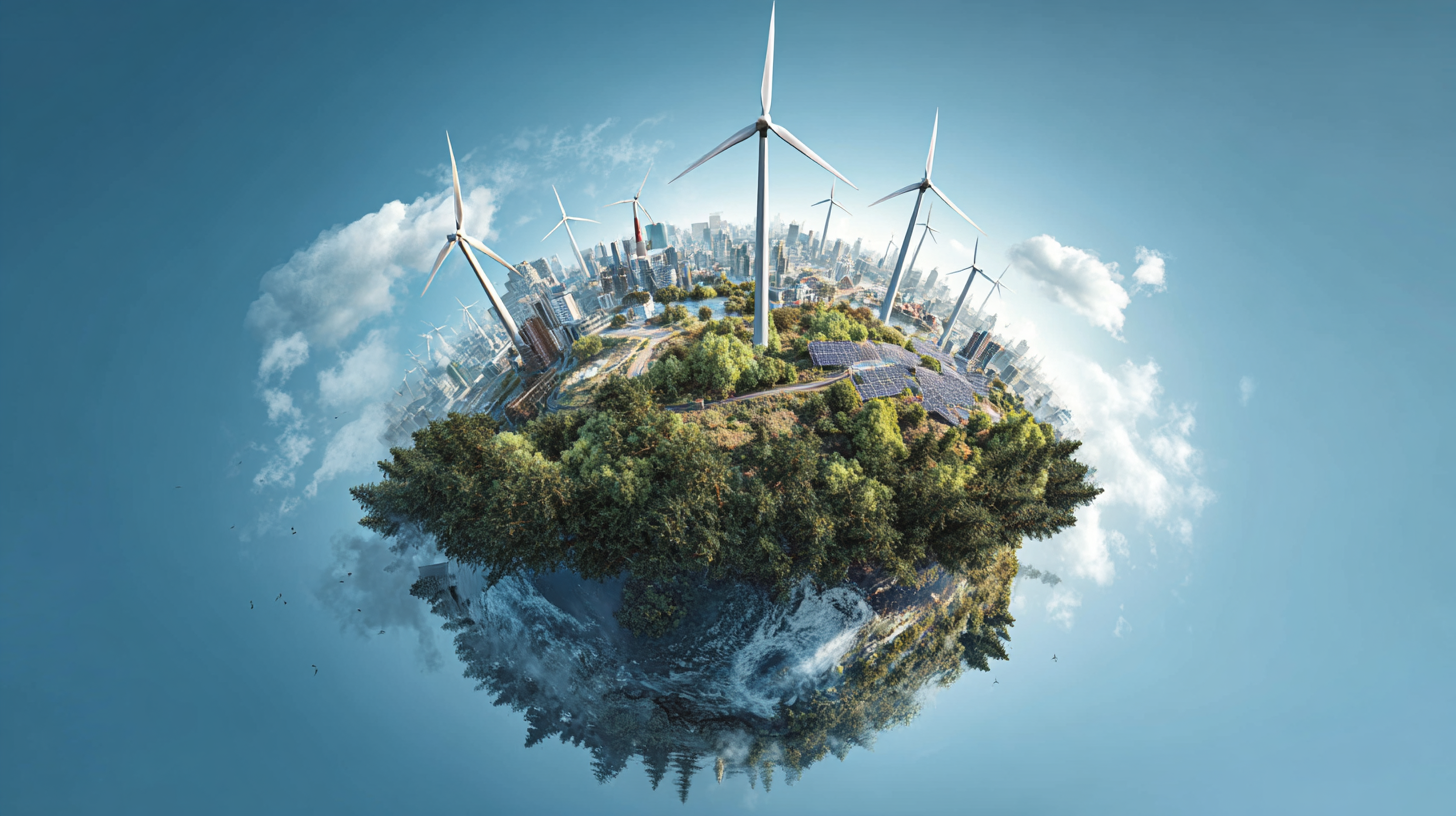
Germany's energy transition: Between global role model and economic stress test – Creative image: Xpert.Digital
The high price of being ahead: When does being a pioneer become an economic risk?
The global energy transition: a data check
Global electricity generation has reached a critical turning point. In 2023, for the first time, 30 percent of global electricity will come from renewable sources. This development marks an epochal structural shift that refutes the predictions of the fossil fuel narrative. Fossil fuels passed their historical peak in the 2010s and have since lost around ten percentage points of market share. At the same time, nuclear power has experienced a continuous decline. Its share of global electricity generation has almost halved and is currently below ten percent. These figures clearly demonstrate that decarbonization is not a special European project, but a global reality. Renewables have grown from 20 to 30 percent, continuing the trend that began in the 2000s. This shift is irreversible and accelerating.
Germany as a pioneer: Myths and realities
Germany was long considered a prime example of a successful energy transition. The renegade role the country assumed through its nuclear phase-out and massive expansion of renewable energies was admired internationally. The figures seem to justify this admiration. The share of renewable energies in the German electricity mix rose from 6.5 percent in 2000 to 58 percent in 2024. This eightfold increase within two decades is impressive. Germany was indeed at the forefront and paved the way for many other economies. The decisions of the 2000s, especially the Renewable Energy Sources Act, were considered bold and far-sighted. But behind these success figures lies a complex economic reality that significantly puts the balance sheet into perspective.
Global electricity supply: The unstoppable rise of renewables
The global perspective shows that Germany is not an isolated case. In 102 countries, the share of renewable energies is 30 percent or higher. 69 countries even exceed the 50 percent mark. China alone produces 32 percent of the world's electricity from renewable sources. The USA follows with 11 percent, and Brazil with 7 percent. Investments in renewable energies reached almost 500 billion dollars in 2022 and accounted for 83 percent of new electricity capacity. Solar and wind power dominate growth. Solar power increased by 23 percent, wind power by almost 10 percent. The costs of solar power fell drastically, a development that Germany significantly helped initiate. German solar subsidies in the 2000s drove global technological development and lowered prices for everyone. This externality is often underestimated. Germany has subsidized the global energy transition.
Nuclear power in decline: A global trend
Nuclear power is losing ground worldwide. Its share fell from 17.5 percent in 1996 to 9.0 percent in 2024. Despite new reactors in China, absolute electricity generation remains below its historical peak. Outside of China, nuclear power has declined by 14 percent compared to the record year. The Chinese market cannot compensate for the global decline. Between 2005 and 2024, 104 reactors were commissioned, but 101 were decommissioned. China built 51 new reactors, while outside China the number shrank by 48. The costs of nuclear power are rising, while renewables are becoming increasingly cheaper. The renaissance of nuclear power remains a myth. Reality shows an accelerating decline. Germany was not a laggard in this regard, but rather a pioneer of a global trend.
Germany's transformation achievement: From niche to mainstream
Germany has transformed the energy transition from a niche idea into a mainstream industrial energy source. By 2024, the country had achieved a 58 percent share of renewable energy in its electricity mix. Wind power supplied 137 TWh, solar 61 TWh, and biomass 46 TWh. The total renewable energy capacity reached 82 gigawatts peak. The German strategy was based on long-term, 20-year contracts and priority grid access. This policy unleashed a wave of investment. Global solar costs fell by 80 percent. Germany contributed to this through early mass grid integration. The economic logic was clear: economies of scale and learning effects would drive prices down. This plan worked. The German EEG surcharge financed the transformation. Industry benefited from lower wholesale prices. Electricity prices fell by 30 percent in two years.
Economic assessment: Role model or warning signal?
The economic impact of Germany's energy transition is mixed. The DIHK study estimates the total costs of the energy transition at €4.8 to €5.4 trillion by 2049. Investments would have to double or triple from €82 billion annually to between €113 and €316 billion by 2035. Grid costs alone amount to €1.2 trillion. Import costs reach €2.0 to €2.3 trillion. Operating costs for generation facilities total €500 billion. These figures call Germany's competitiveness into question. The German economy would have to invest 15 to 41 percent more. The burden on businesses and households would increase massively. Public acceptance is waning. The study proposes a Plan B that could save €530 to €910 billion. Postponing the climate neutrality target by two years would save a further €80 to €220 billion. Total savings could exceed €1 trillion. The question is: Was Germany too fast, too expensive, and too ideological?
The future of the energy transition
Germany wasn't a reckless driver, but a courageous pioneer. The decisions of the 2000s were correct and necessary. They initiated the global reduction in the cost of renewables. However, the economic costs are immense. The study shows that current policies are not financially sustainable. The transformation must become more efficient. Bureaucracy must be reduced. Technological openness must be maintained. Gas networks can transport hydrogen. Biomethane and blue hydrogen are options. Germany has shown the way, but now it must control the costs. This pioneering role carries the risk of becoming a cautionary tale. Balancing climate protection and competitiveness is the central challenge. The energy transition can only succeed with a strong economy. German experience teaches us: visions need economic reality.
Look, this little detail saves up to 40% installation time and reduces costs by up to 30%. It comes from the USA and is patented.

NEW: Ready-to-install solar systems! This patented innovation significantly accelerates your solar construction project
The core of ModuRack 's innovation lies in the departure from conventional clamp fastening. Instead of clamps, the modules are inserted and held in place by a continuous support rail.
More about it here:


