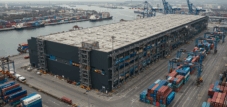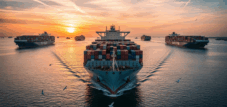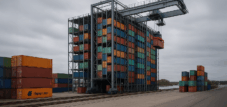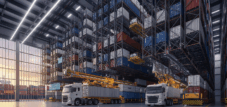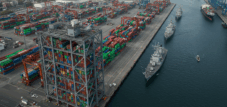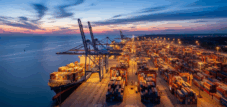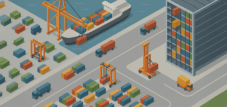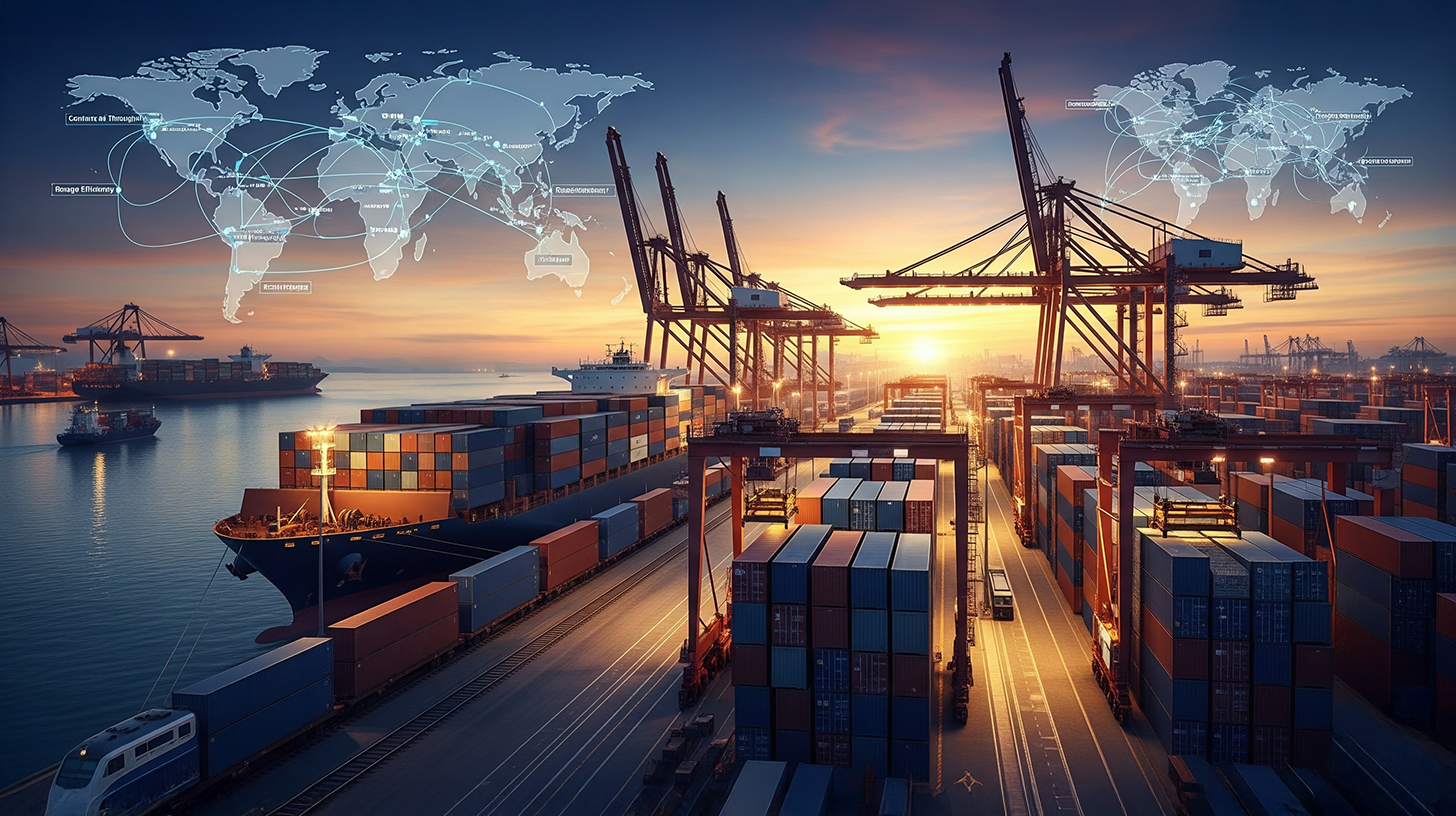
The backbone of global trade: An in-depth analysis of global container logistics and the revolution in port storage – Creative image: Xpert.Digital
The unassuming steel box that changed our world: How a truck driver's ingenious idea made modern globalization possible
### After the Container Revolution: Why Our Supply Chains Are Now at Their Limits and a New German Invention Must Save Them ## From Logistics Nightmare to Global Backbone: The Unknown Story of the Invention That Secures Our Prosperity – and Is Now on the Verge of Collapse ### Forget Stacked Containers: Fully Automated High-Bay Warehouses Are Revolutionizing the World's Ports and Promising the End of Logistics Chaos ### From Suez to Panama: How Geopolitical Bottlenecks and Climate Change Are Shaking the Foundation of Our Global Trade ###
More important than the internet? Why this rusty box is perhaps the most important invention of the 20th century
It is the unsung hero of globalization, an unassuming symbol of our modern prosperity that we see passing by daily without giving it a second thought: the shipping container. But before its invention, global trade was a logistical nightmare. Weeks-long port stays, arduous manual labor, and massive costs due to damage and theft hampered the world economy. It took the vision of a single man, the freight forwarder Malcolm McLean, whose simple yet ingenious idea—to transship not the goods, but the entire container—triggered a quiet revolution that would change everything.
This text takes you on a journey through the history and future of this steel box. It illuminates how McLean's invention created an entire ecosystem of gigantic ships, standardized containers, and global megaports that now handles over 90 percent of world trade. We analyze Asia's undisputed dominance in the port world, the strategic responses of European ports, and the highly complex choreography behind the journey of every container from the factory to our doorstep.
Yet this perfected system is more fragile than ever. Geopolitical crises at bottlenecks like the Suez Canal, the tangible effects of climate change in the Panama Canal, and the unavoidable pressure to decarbonize present global logistics with its greatest challenges yet. On the threshold of a new era, we examine the groundbreaking technologies that will usher in the next revolution: from "smart ports" controlled by artificial intelligence to the most radical change in 70 years—fully automated high-bay container warehouses that could end port chaos forever. The quiet revolution of the steel box is entering its next phase.
Related to this:

The silent revolution of the steel box
The world before the container: A logistical nightmare
Before the mid-20th century, global freight transport was a process of monumental inefficiency, almost unimaginable today. Goods were handled in ports around the world as break bulk cargo. Each item, whether packed in sacks, boxes, barrels, or bales, was moved individually and manually from one mode of transport to the next. A ship's arrival in port triggered a chain of arduous work lasting days, often weeks. Dozens of dockworkers, known as stevedores, had to lift the cargo piece by piece from the ships' holds, stack it on pallets, bring it ashore, and store it temporarily in vast warehouses before it was loaded onto trucks or trains for onward transport.
This process was not only extremely time-consuming and labor-intensive, but also a significant source of costs and risks. The ships' extended stays in port, where they earned no money, drove up transport costs. The multiple handling of each individual crate considerably increased the risk of damage. Furthermore, theft was commonplace, which in turn drove up insurance premiums for maritime transport. Dockwork itself was a fiercely competitive field, controlled by powerful unions and, in some ports, by organized crime, who determined who could unload which cargo, when, and where. This system was rooted in centuries-old traditions and seemed immutable—a logistical nightmare that severely hampered the growth of international trade.
Malcolm McLean's vision: The birth of intermodality
In the midst of this inefficient world, one man had a revolutionary idea that affected not just a product, but an entire system. Malcolm Purcell McLean, born in 1913 in North Carolina, was not a shipowner or port magnate, but a freight forwarder. His career began modestly during the Great Depression, when he transported agricultural products with a secondhand truck. A pivotal moment came in 1937 when McLean had to wait for hours at the port of Hoboken, New Jersey, while his cargo of cotton bales was laboriously unloaded. Observing the inefficient process, he wondered why they couldn't simply lift the entire truck trailer onto the ship instead of transferring each individual crate.
This idea, the foundation of intermodal transport, never left him. McLean realized that the real inefficiency lay at the interfaces between the different modes of transport – truck, ship, train. His genius didn't lie in inventing a steel box per se, as precursors to shipping containers had existed in English coalfields since the 18th century. McLean's true innovation was the conception of a standardized, integrated system in which a loading unit could seamlessly transition from one mode of transport to the next without the goods inside ever having to be handled. To realize this vision, he made a bold entrepreneurial decision: In the early 1950s, after building his trucking company into one of the largest in the US, he sold it to invest in the shipping industry. This was necessary because US antitrust laws at the time didn't allow a trucking company to own a shipping line. He had recognized that he needed to break through the established silos of the transport industry to implement his systemic concept.
The first flight of the Ideal-X and its unstoppable consequences
With a bank loan of $22 million, McLean purchased two surplus T-2 tankers from World War II in 1956 and had them converted. On April 26, 1956, the day finally arrived. On a cold, rainy day, the SS Ideal-X, one of the converted tankers, left the port of Newark, New Jersey, almost unnoticed, bound for Houston, Texas. On deck, she carried an unusual cargo: 58 specially made 35-foot containers, secured to a custom-constructed wooden platform, a so-called spar deck.
The economic impact of this maiden voyage was dramatic and exceeded all expectations. The cost of loading and unloading cargo plummeted from $5.86 per ton for traditional breakbulk to just 16 cents per ton—a reduction of nearly 97 percent. The entire port stay, which would normally have taken days and cost thousands of dollars, was completed in a matter of hours. The reaction from the established port world was one of distrust and open hostility. When a high-ranking official from the International Longshoremen's Association (ILA), the powerful dockworkers' union, was asked what he thought of the new vessel, he replied, "I'd like to sink that son of a bitch." This statement underscored that the innovation threatened not only jobs but an entire power structure. The container not only automated labor but also control over the flow of goods, undermining the unions and criminal organizations that dominated breakbulk shipping. Despite initial resistance, the triumph of the steel box was unstoppable. McLean's experiment laid the foundation for modern globalization and created the backbone of today's world trade, in which over 90 percent of all goods are transported in containers.
The ecosystem of container transport: ships, boxes and standards
The evolution of container ships: From converted tanker to Ultra Large Container Vessel (ULCV)
The introduction of the container triggered a rapid development in shipbuilding, driven by a relentless pursuit of economies of scale. The logic was simple and compelling: the more containers a ship could transport, the lower the transport costs per unit. This principle led to a veritable arms race among shipping companies for ever larger vessels. The modest Ideal-X, with its 58 containers, was quickly overtaken by the very development it had initiated. As early as the 1960s, the first ships specifically designed for container transport were launched. These so-called "fully cellular" container ships, such as the "American Lancer" of 1968, were already designed for 1,200 standard containers and featured cargo holds with cell guides that precisely accommodated the boxes. As ports were increasingly equipped with their own container cranes, onboard cranes became unnecessary, freeing up additional space for cargo.
Ship sizes were classified into generations, often defined by the dimensions of major waterways. The "Panamax" class, which set the standard until the 1980s, was designed to just fit through the locks of the Panama Canal and had a capacity of approximately 3,000 to 4,500 TEU. However, with the growth of global trade, these limits were shattered. The "Post-Panamax" generations followed: the "Very Large Container Ships" (VLCS) and finally today's "Ultra Large Container Vessels" (ULCVs). Ships like the "Ever Ace" reach a length of 400 meters—longer than the Eiffel Tower is tall—and can transport up to 24,000 TEU. This gigantic scaling is the result of a self-reinforcing cycle: the standardization of the container enabled the construction of efficient, specialized ships. The cost reductions achieved through their size fueled world trade, which in turn created demand for even larger ships and a further expanded, standardized port infrastructure.
The language of logistics: TEU and FEU as global units of measurement
With the standardization of the container, a universal unit of measurement was established, becoming the common language of global logistics: the TEU, or "Twenty-foot Equivalent Unit." One TEU corresponds to a standard container with a length of 20 feet. The equally widespread 40-foot container is called a FEU ("Forty-foot Equivalent Unit") and is equivalent to two TEUs. These simple units are of fundamental importance because they make it possible to measure and compare the capacities of ships, the handling volumes of ports, the storage capacities of terminals, and entire trade flows worldwide in a uniform manner. The standardization through ISO 668, based on McLean's original designs, created the foundation for this universal comparability and significantly simplified the planning and execution of transport processes across the globe.
More than just a box: A detailed overview of container types
The true strength of the container system lies not only in its standardization but also in its remarkable versatility. It's no longer just dry general cargo that's transported in these steel boxes. The development of a wide range of specialized containers has made it possible to integrate virtually any type of freight into the system. This marks the maturity of containerization, which has revolutionized entire industries, from food processing to heavy industry, unlocking the advantages of efficient, cost-effective, and secure transport.
Standard and high-cube containers: The workhorses of global trade
The most common container types by far are the standard dry freight container (dry van) and the high-cube container, which is about 30 cm taller. They are the system's workhorses, transporting everything from electronics and textiles to furniture and machine parts. Their robust Corten steel construction makes them weatherproof and stackable, while a sturdy wooden floor allows for loading with forklifts. The exact specifications of these containers are defined in the international standard ISO 668, which ensures worldwide compatibility.
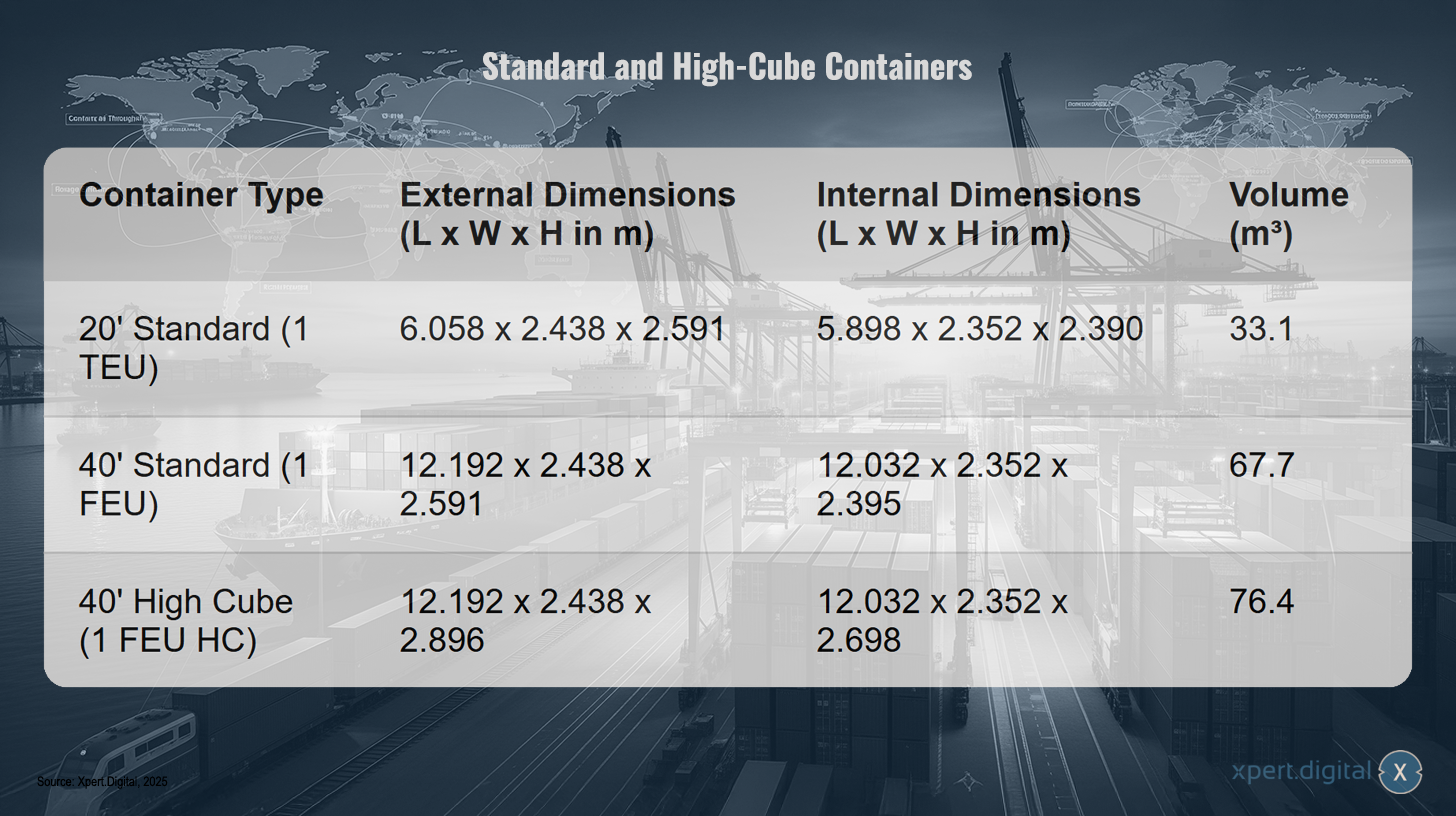
Standard and high-cube containers – Image: Xpert.Digital
Note: The exact internal dimensions and volumes may vary slightly depending on the manufacturer.
Containers are standardized transport receptacles available in various sizes and designs. The most common container types are the 20' standard container, the 40' standard container, and the 40' high cube container. The 20' standard container measures 6.058 x 2.438 x 2.591 meters externally and has an internal volume of 33.1 cubic meters. The 40' standard container is significantly larger, with external dimensions of 12.192 x 2.438 x 2.591 meters, and offers a volume of 67.7 cubic meters. For cargo requiring more space, there is the 40' high cube container, which has a height of 2.896 meters and an internal volume of 76.4 cubic meters. These different container sizes enable flexible and efficient freight transport in international logistics.
Specialists for sensitive cargo: How refrigerated containers (reefers) work
One of the most important innovations in the container sector is the refrigerated container, also known as a "reefer." These specialized containers are essentially mobile cold storage units that enable the transport of temperature-sensitive goods such as fruits, vegetables, meat, pharmaceuticals, or flowers over thousands of kilometers. A reefer is equipped with an integrated refrigeration unit that connects to the power supply of the ship, the terminal, or a truck generator. It can maintain a constant temperature within a range of approximately -30°C to +30°C. The interior is typically lined with stainless steel to meet food hygiene regulations. A crucial component is the T-shaped grating floor, which ensures continuous circulation of chilled air from bottom to top throughout the entire cargo. A microprocessor constantly monitors and records the temperature, humidity, and other parameters to document the integrity of the cold chain. For successful transport, it is crucial that the goods are pre-cooled to the target temperature before being loaded, as the unit is primarily designed for temperature maintenance and not for rapid cooling.
Solutions for oversized containers: Open-top and flat-rack containers
For cargo that doesn't fit into a standard container due to its height or width, there are also specialized solutions. The "open-top container" has solid side walls, but instead of a fixed steel roof, it has a removable tarpaulin held in place by crossbeams. This allows for easy loading from the top with a crane, which is ideal for tall machinery or large crates. The side walls still provide protection for the cargo.
For even bulkier or extremely heavy goods such as construction machinery, large pipes, vehicles, or even boats, the "flat-rack container" is used. This container essentially consists of a heavy-duty base structure with two end walls, but has neither side walls nor a roof. This allows loading from the side or top and the transport of cargo that exceeds the dimensions of a standard container in width and/or height. The load is secured with robust straps and chains at numerous lashing points on the base frame and corner posts.
LTW Intralogistics Solutions
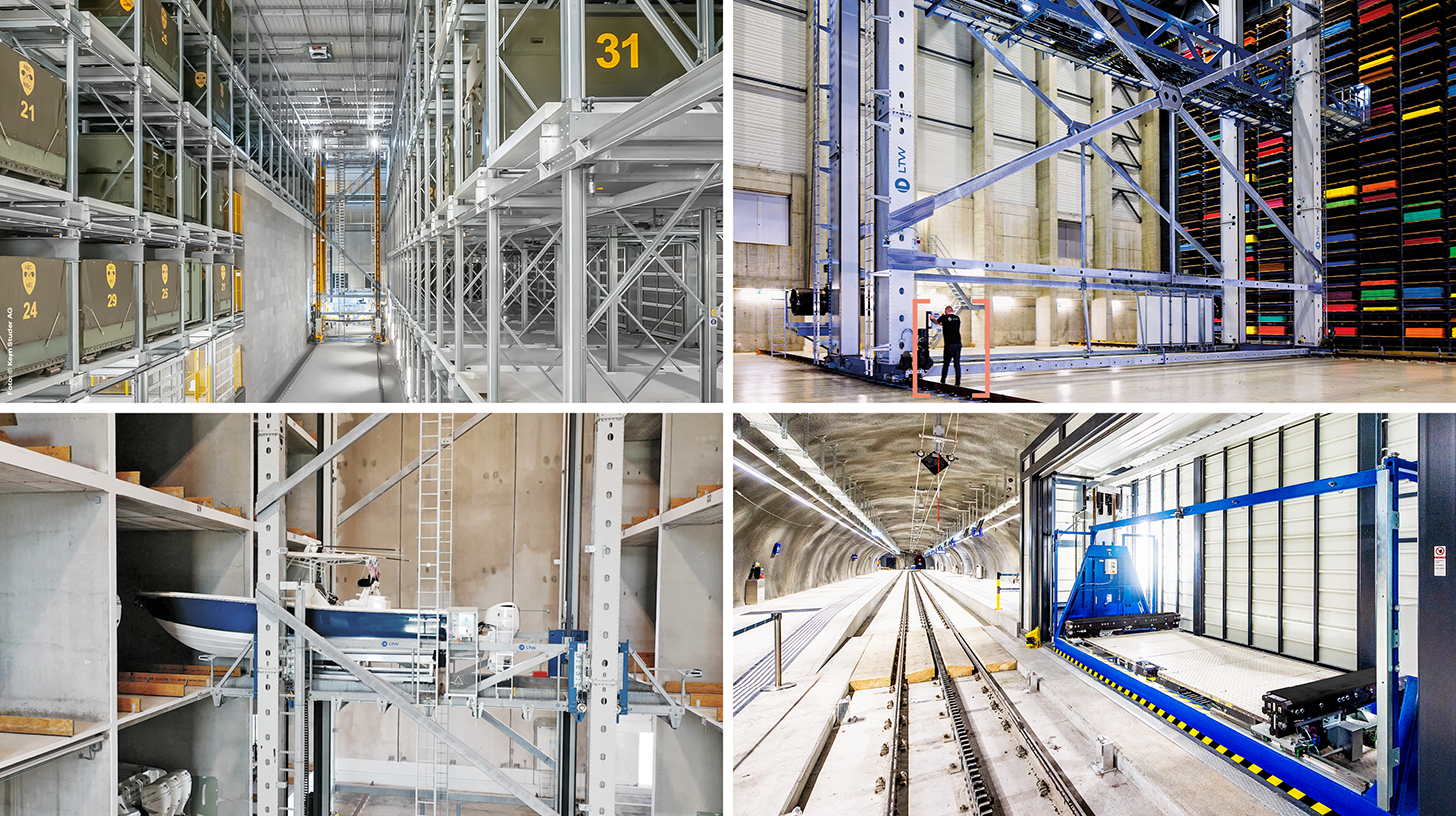
LTW Intralogistics – Engineers of Flow - Image: LTW Intralogistics GmbH
LTW offers its customers not individual components, but integrated complete solutions. Consulting, planning, mechanical and electrotechnical components, control and automation technology, as well as software and service – everything is networked and precisely coordinated.
In-house production of key components is particularly advantageous. This allows for optimal control of quality, supply chains, and interfaces.
LTW stands for reliability, transparency, and collaborative partnership. Loyalty and honesty are firmly anchored in the company's philosophy – a handshake still means something here.
Related to this:
Container ports: The global power architecture of modern trade
Global Hubs: The Power of Container Ports
The new geography of trade: Asia's undisputed dominance
Containerization has not only accelerated the global economy but also redrawn its geography. A glance at the ranking of the world's largest container ports reveals an undeniable reality: the center of global trade has shifted to Asia. Of the world's ten largest ports, nine are located in Asia, seven of them in China alone. This dominance is no accident, but the result of targeted economic policies and massive investments.
Analysis of the top 15 container ports
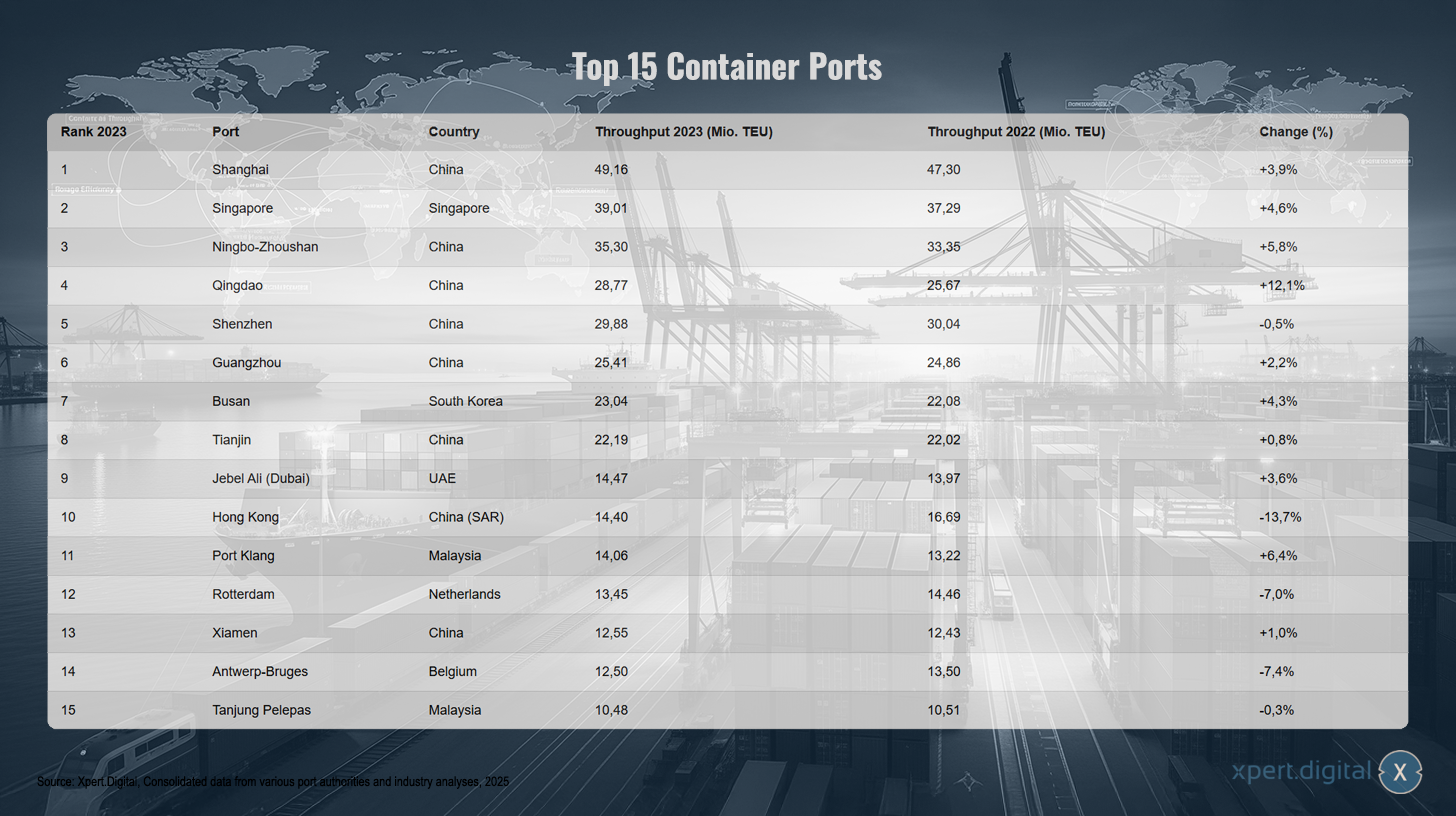
The following table shows the throughput volumes of the world's leading container ports and illustrates the scale of goods moved in global trade today. Shanghai tops the list with a throughput of over 49 million TEU in 2023, a volume that far exceeds the capacity of the largest European ports.
Top 15 container ports – Image: Xpert.Digital
Global container shipping is dominated by Chinese ports, as a recent analysis of the top 15 container ports shows. Shanghai remains unchallenged at the top with 49.16 million TEU in 2023, followed by Singapore with 39.01 million TEU. Other Chinese ports such as Ningbo-Zhoushan (35.30 million TEU), Qingdao (28.77 million TEU), and Shenzhen (29.88 million TEU) also occupy leading positions.
Interesting developments are evident in the cargo handling figures: Qingdao recorded the strongest growth at 12.1%, while Hong Kong experienced a significant decline of 13.7%. International ports such as Rotterdam (-7.0%) and Antwerp-Bruges (-7.4%) also saw declines.
Asian ports dominate the list, with representatives from China, Singapore, South Korea, and Malaysia. The only European port in the top 15 is Rotterdam, ranked 12th. The United Arab Emirates is represented by the Port of Jebel Ali in Dubai, which comes in at number 9.
The data is based on compilations from various port authorities and industry analyses, providing a comprehensive insight into global container throughput figures for 2023.
China's "New Silk Road" (BRI) as a strategic driver
The dominance of Chinese ports is closely linked to China's global economic strategy, particularly the Belt and Road Initiative (BRI), also known as the New Silk Road, launched in 2013. This massive infrastructure project aims to expand land and sea trade routes between Asia, Africa, and Europe. A key component of the Maritime Silk Road is the targeted investment in and operation of port terminals worldwide. For China, this serves several objectives: securing trade routes for its own foreign trade, opening up new markets for Chinese goods, securing access to raw materials, and expanding its geopolitical influence.
Case study: The rise of the port of Piraeus
A prime example of the strategic importance of the Belt and Road Initiative (BRI) is the port of Piraeus in Greece. Amid the Greek financial crisis, the Chinese state-owned company COSCO Shipping acquired a majority stake in the port operator in 2016. Massive investments amounting to hundreds of millions of euros modernized the once dilapidated port and drastically expanded its capacity. Container throughput exploded from 880,000 TEU in 2010 to 5.65 million TEU in 2019, making Piraeus the largest container port in the Mediterranean. For China, Piraeus is not only a profitable investment but also a strategic "gateway" to Europe. The port serves as a central hub for goods from Asia, which can then be quickly transported to Central and Eastern Europe via a rail network also developed with Chinese participation. This success has transformed traditional trade routes in Europe and increased competitive pressure on the established North Sea ports.
Europe's competitive arena: Between tradition and transformation
European ports, especially the major "Northern Range" ports of Rotterdam, Antwerp-Bruges, and Hamburg, are facing a changing global environment. They cannot and do not want to compete with the Asian megaports solely on volume. Instead, they have undergone a strategic realignment: they are positioning themselves as state-of-the-art, efficient, and above all, sustainable "smart" and "green" ports in order to remain competitive globally. This strategy is a direct response to the new geopolitical and economic reality, in which quality, reliability, and environmental responsibility are becoming crucial competitive factors.
Related to this:

Case studies of European strategies
Rotterdam: Europe's Gateway to the Hydrogen Economy: Europe's largest port has set itself the goal of becoming a "zero-emission port" by 2050. A key component of this strategy is the development of a comprehensive hydrogen economy. In cooperation with major energy companies, terminals and pipelines are being built for the import and distribution of green hydrogen, which will serve as a clean energy carrier for industry and heavy-duty transport. At the same time, Rotterdam is massively accelerating digitalization. Platforms like "PortXchange" are optimizing port calls using AI, and the implementation of a quantum communication network is intended to ensure the cybersecurity of critical port infrastructure.
Antwerp-Bruges: Investments in Sustainability and Infrastructure: The merged Port of Antwerp and Bruges is investing heavily in its future viability. A key project was the deepening of the fairway, which now allows access for ships with a draft of up to 16 meters, significantly strengthening its competitiveness. In parallel, numerous sustainability projects are being pursued: the introduction of shore power facilities to reduce emissions in the port, the development of the world's first methanol-powered tugboat ("Methatug"), and the establishment of the "NextGen District," an area for circular economy companies.
Hamburg: The Elbe deepening controversy: The Port of Hamburg, located deep inland, has faced the challenge for decades of keeping pace with the increasing size of ships. The most recent, ninth deepening of the Elbe fairway, completed in 2022, is intended to allow the largest container ships to reach the port with larger cargoes. The port industry argues this is essential for securing jobs and maintaining the port's competitiveness. However, environmental organizations sharply criticize the project. They warn of irreparable damage to the tidal Elbe ecosystem, such as increased siltation and the formation of oxygen-depleted zones ("oxygen holes"), which can lead to massive fish kills. The debate surrounding the Elbe deepening exemplifies the fundamental conflict between economic necessities and ecological limits that many historically developed ports face.
Dynamics in the South
While the North Range ports are adapting their strategies, dynamic developments are also emerging in Southern Europe. The Port of Sines in Portugal, thanks to its favorable geographical location on the Atlantic coast and its deep-water capabilities, has become one of the fastest-growing ports in Europe. It is positioning itself as a key transshipment hub and is investing in expanding its capacity and connecting to the European hydrogen network in cooperation with Rotterdam. In contrast, many Mediterranean ports, such as Valencia and Genoa, faced declining cargo volumes in 2023, reflecting the general economic slowdown in Europe and shifting trade flows.
The journey of a container: From the factory to the end customer
The logistics chain in detail: actors, processes and responsibilities
The journey of a container is a highly complex, globally networked process requiring the precise coordination of numerous stakeholders. This logistics chain can be divided into five main phases: pre-carriage (export transport), transshipment at the port of departure, the main leg (sea transport), transshipment at the port of destination, and on-carriage (import transport). The key players in this process are the shipper, who initiates the goods' journey; the consignee, who receives the goods at the destination; the freight forwarder, who acts as the architect of the transport and organizes the entire chain; and the shipping company or carrier, who carries out the actual sea transport. Customs authorities also play a crucial role, monitoring compliance with all import and export regulations.
A fundamental distinction in container shipping is between FCL (Full Container Load) and LCL (Less than Container Load). With an FCL shipment, a single shipper books an entire container for their goods. The container is loaded and sealed at the shipper's location and only opened again at the recipient's. This is the fastest and safest option, as transshipments are eliminated. With an LCL shipment, several shippers share space in a consolidated container. Their respective shipments are combined (consolidated) at a Container Freight Station (CFS) in the port and separated (deconsolidated) again at the destination port. LCL is more cost-effective for smaller shipment volumes, but the process takes longer due to the additional handling operations and more complex customs clearance for multiple parties. The choice between FCL and LCL is therefore not purely a logistical decision, but a strategic one that impacts a company's entire supply chain and inventory management. Companies that rely on "just-in-time" deliveries prefer the speed and predictability of FCL, while companies with less time-critical goods take advantage of the cost benefits of LCL.
In the heart of the port: Operations at the container terminal
The container terminal is the beating heart of the global logistics chain, a highly automated transshipment hub where different modes of transport converge. When a truck arrives at the terminal with an export container, it first passes through the gate. There, the container and vehicle data are automatically recorded and compared with the booking and customs information transmitted electronically beforehand. After approval, the container is taken to its assigned spot in the Container Yard (CY), a vast storage area where thousands of containers are stacked according to a sophisticated system. The entire planning and control of these complex processes is managed by a Terminal Operating System (TOS), the terminal's brain.
When the ocean-going vessel docks at the quay, the actual transshipment begins. Gigantic ship-to-shore (STS) cranes, also known as container cranes, lift the export containers from the quay and precisely place them in the ship's hold or on deck. Simultaneously, the import containers are unloaded and temporarily stored in the container terminal (CY). The efficiency of this process is largely determined by the quality of the data transmitted beforehand. The earlier and more accurate the information about arriving containers, their contents, and customs clearance is, the more smoothly onward transport can be planned and the dwell time in the port minimized. An error in the documentation can block a container for days and incur significant costs, underscoring the inseparable link between the physical flow of goods and the digital flow of information.
The last mile: The crucial role of hinterland connections
A seaport is only as efficient as its hinterland connections. The onward transport of containers from the quayside to inland economic centers is a critical factor for a port's competitiveness. Three modes of transport compete here: trucks, rail, and inland waterways. The distribution across these modes, the so-called modal split, varies considerably from port to port and is determined by geographical conditions and infrastructure. The ARA ports (Antwerp, Rotterdam, Amsterdam) benefit from their location on the Rhine and traditionally have a high proportion of inland waterway transport, which can transport large quantities cost-effectively and in an environmentally friendly manner. The Port of Hamburg, on the other hand, whose connection to the inland waterway network is more limited, has developed into Europe's largest rail port and relies heavily on rail freight to bridge the long distances to markets in Southern and Eastern Europe. Trucks remain indispensable for flexible last-mile delivery but are increasingly facing challenges such as traffic jams, driver shortages, and environmental regulations. To increase efficiency and relieve the burden on roads, intermodal concepts are gaining in importance, in which containers are transferred from rail or inland waterway to trucks at inland terminals (“dry ports”).
Your container high-bay warehouse and container terminal experts
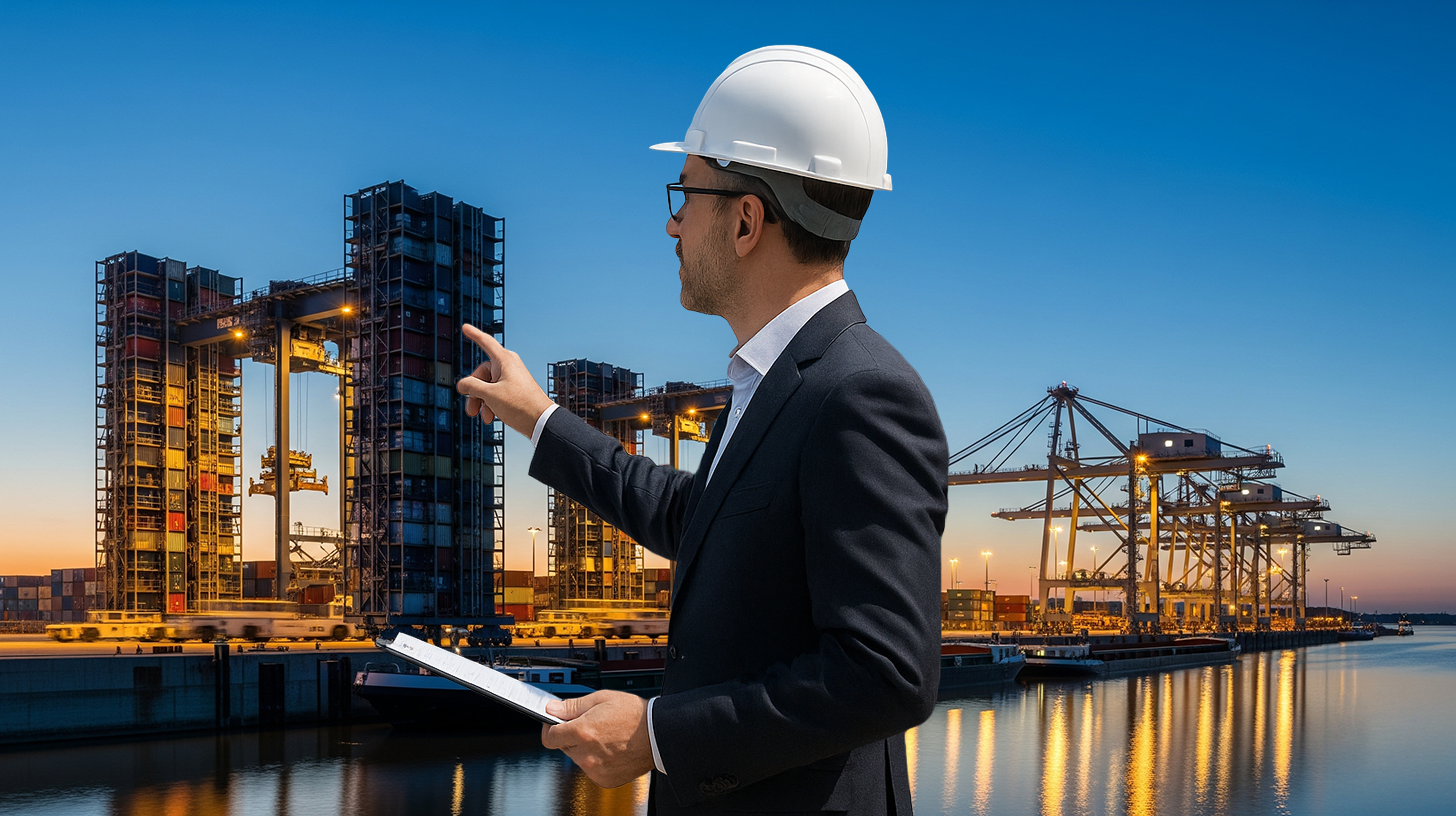
Container terminal systems for road, rail and sea transport in the dual-use logistics concept of heavy-lift logistics - Creative image: Xpert.Digital
In a world marked by geopolitical upheavals, fragile supply chains, and a new awareness of the vulnerability of critical infrastructure, the concept of national security is undergoing a fundamental reassessment. A state's ability to guarantee its economic prosperity, the provision of essential goods and services to its population, and its military capability increasingly depends on the resilience of its logistical networks. In this context, the concept of "dual-use" is evolving from a niche category of export control to a broader strategic doctrine. This shift is not merely a technical adjustment but a necessary response to the "paradigm shift" that demands a profound integration of civilian and military capabilities.
Related to this:
Smart ports and containers of the future: Technologies that are changing our global supply chains
Current challenges and the future of global supply chains
Geopolitical bottlenecks: The risks at the Suez Canal, Panama Canal and in the South China Sea
Global supply chains, which form the foundation of world trade, have become increasingly fragile in recent years. Their vulnerability is most evident at maritime bottlenecks, those strategic waterways through which a large portion of global shipping traffic must flow. The Suez Canal, which handles around 12 percent of world trade, has become a high-risk zone due to the attacks by Houthi rebels in the Red Sea. Many shipping companies are avoiding the route and accepting the weeks-long detour around the Cape of Good Hope, resulting in massive delays, skyrocketing freight rates, and higher insurance costs.
At the same time, the Panama Canal, a vital link between the Atlantic and Pacific Oceans, is suffering the effects of climate change. A historic drought has caused the water level of Gatun Lake, which feeds the locks, to drop so drastically that the number of daily ship passages has had to be reduced. Here, too, the consequences are long waiting times and significant additional costs. Another potential crisis zone is the Strait of Malacca and the South China Sea, through which approximately 40 percent of global trade flows. Increasing geopolitical tensions in this region pose a latent risk to the stability of global trade flows. These events demonstrate how vulnerable the "just-in-time" system of global trade is to geopolitical and climatic shocks.
The path to decarbonization: Alternative fuels and the IMO's ambitious goals for 2050
International shipping, responsible for approximately 3 percent of global greenhouse gas emissions, faces the enormous challenge of decarbonization. The International Maritime Organization (IMO) has presented an ambitious roadmap for this purpose. The strategy, revised in 2023, aims to reduce greenhouse gas emissions by at least 20 percent by 2030 (with a target of 30 percent), and by at least 70 percent by 2040 (with a target of 80 percent) compared to 2008 levels, with the goal of achieving carbon neutrality around 2050.
Achieving these goals requires a radical shift away from fossil fuels such as heavy fuel oil. Liquefied natural gas (LNG) is being discussed as an interim solution; while it emits less CO2 and virtually no sulfur oxides, it also presents the problem of methane slip. In the long term, however, completely carbon-free fuels must be used. Among the most promising candidates are "green" alcohols such as methanol and ammonia, produced using renewable energy, as well as green hydrogen. Each of these options has specific challenges regarding production, onboard storage, safety, and the necessary global infrastructure. Converting the world's shipping fleet and port infrastructure will require trillions of dollars in investment and represents one of the greatest technological and economic challenges facing the industry in the 21st century.
The wave of digitalization: Smart ports, IoT and the vision of the connected port
In response to the increasing complexity and growing risks in global logistics, the world's leading ports are accelerating their digital transformation. The vision is the "Smart Port," a fully networked, data-driven ecosystem that maximizes efficiency, safety, and sustainability. The technological foundation for this is the Internet of Things (IoT), artificial intelligence (AI), and digital twins. IoT sensors on cranes, vehicles, containers, and port infrastructure capture vast amounts of data in real time. This data is analyzed by AI algorithms to optimize processes—from predictive maintenance of facilities and intelligent traffic flow management to the optimized allocation of berths for arriving vessels.
Ports like Singapore and Rotterdam are leading the way in this area. They use digital twins—virtual models of the entire port—to simulate complex logistics scenarios, predict bottlenecks, and test the impact of disruptions, such as extreme weather events. These technologies are not just tools for increasing efficiency; they are fundamental to building resilience. In an increasingly unpredictable world, the ability to respond quickly to disruptions through real-time data and intelligent analytics is becoming a crucial competitive advantage and a survival strategy for global supply chains.
The revolution in the terminal: The future of container high-bay warehouses
The limits of the traditional camp: Why a paradigm shift is necessary
Despite all the advances in the digitalization and automation of port processes, one key area has remained virtually unchanged in its basic operation for decades: the container yard. In conventional terminals, containers are stacked on top of each other using rubber-tired straddle carriers (RTGs). This seemingly simple principle harbors a fundamental inefficiency: To access a container at the bottom of a stack, all the containers above it must first be moved. This process, known as "reshuffling," accounts for 30 to 60 percent of all crane movements, depending on the terminal's workload. These unproductive movements cost time, consume energy, and tie up valuable equipment.
This problem is dramatically exacerbated by the arrival of Ultra Large Container Ships (ULCS). These vessels unload thousands of containers in a very short time, leading to extreme peak loads at the terminal and exponentially increasing the complexity of warehouse management. Traditional, space-intensive storage concepts are reaching their physical limits in most historically developed and spatially constrained ports. A paradigm shift in warehouse technology is therefore not only desirable but essential for the future viability of many ports.
Introduction to BOXBAY technology: How the fully automated high-bay warehouse works
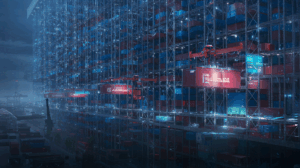
A revolutionary solution to this problem is offered by the BOXBAY system, a joint venture between the global terminal operator DP World and the German plant engineering company SMS group. The technology transfers the proven principle of high-bay warehouses from industry, where it has been used for decades to store heavy steel coils, to the world of container logistics. Instead of stacking containers on top of each other, the BOXBAY system places each individual container in its own compartment within a steel racking structure up to eleven stories high.
The storage and retrieval of containers is fully automated by electrically powered stacker cranes that move within the aisles of the racking system. The key advantage of this concept is the immediate, direct access to every single container without having to move any others. This represents a fundamental paradigm shift: the chaotic, probabilistic puzzle of a traditional container warehouse is replaced by a deterministic, completely predictable storage system. The question is no longer "How do I get to this container?", but simply "Retrieve container from address X, Y, Z". This predictability and predictability is invaluable for the entire downstream logistics chain.
Related to this:
Analysis of the advantages: efficiency, space saving and sustainability
The advantages of the high-bay warehouse system are manifold and address the three central challenges of modern ports: space, speed, and sustainability.
Space: The BOXBAY system triples storage capacity on the same footprint compared to a conventional RTG warehouse. Alternatively, the same capacity can be accommodated on less than a third of the area. This is a crucial advantage for land-constrained ports and can eliminate the need for expensive and environmentally damaging land reclamation measures.
Speed: By completely eliminating unproductive handling, efficiency is drastically increased. Direct access to each container enables consistent and predictable performance, regardless of the warehouse's fill level. This leads to faster overall terminal operations, up to 20 percent higher container crane throughput at the quayside, and a significant reduction in truck turnaround times, often less than 30 minutes.
Sustainability: The system is fully electrified and features energy recovery systems that feed energy generated when containers decelerate or lower back into the grid. The large roof area of the facility can be completely covered with solar panels, enabling CO2-neutral or even CO2-positive operation, where more energy is generated than consumed. Furthermore, noise and light emissions are significantly reduced compared to an open container depot, increasing acceptance in port areas near cities.
More space, less cost: The future of port infrastructure
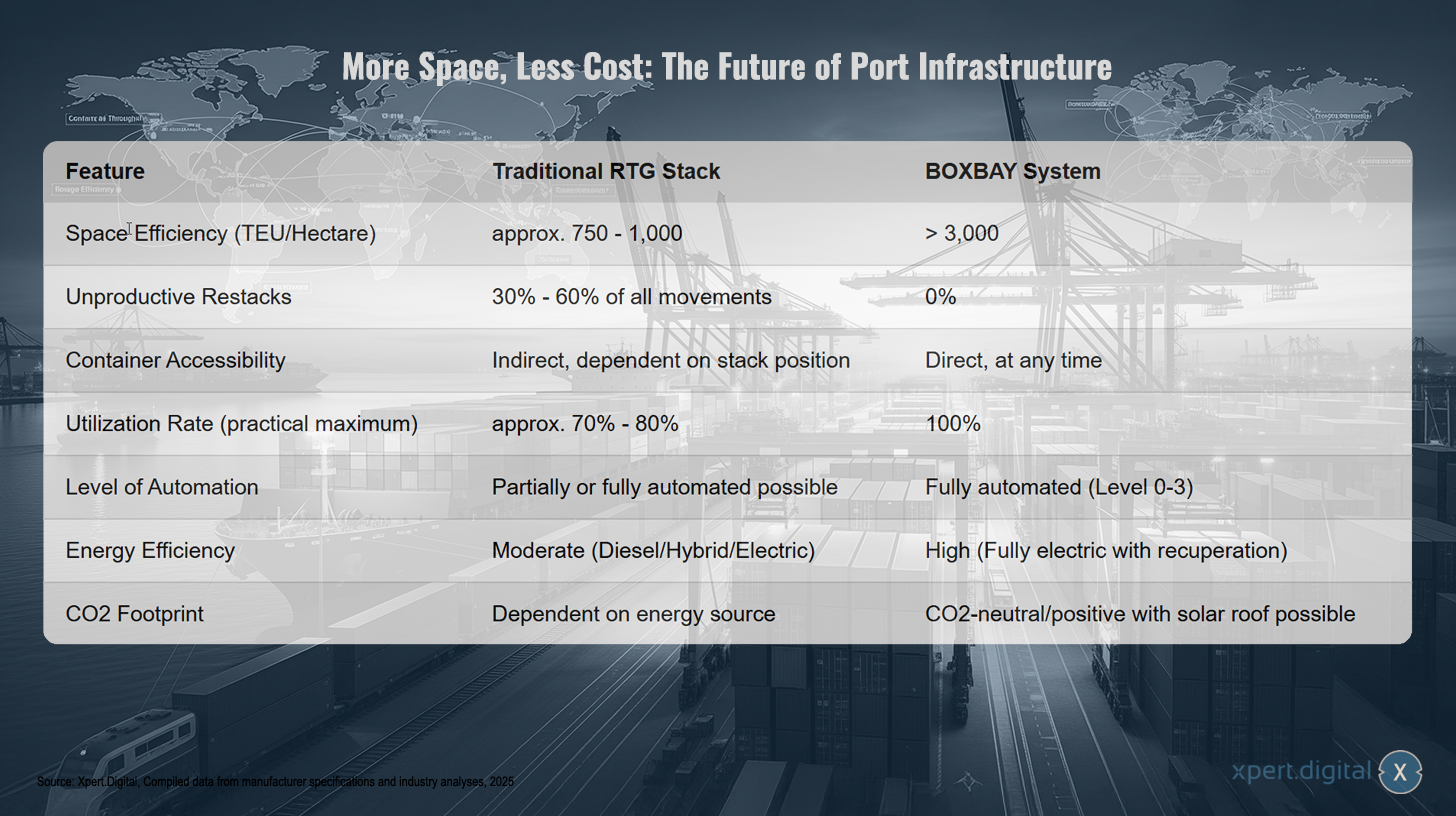
More space, lower costs: The future of port infrastructure – Image: Xpert.Digital
The future of port infrastructure reveals a revolutionary shift in container logistics. Traditional RTG warehouses with a space efficiency of 750 to 1,000 TEU per hectare are being challenged by innovative systems like BOXBAY, which can achieve more than 3,000 TEU per hectare.
A key difference lies in the movement patterns: While conventional systems require 30 to 60 percent unproductive relocations, the BOXBAY system enables zero percent unnecessary movements. Container accessibility is also fundamentally improved – from indirect, position-dependent access to direct, immediate retrieval.
The utilization rates are particularly impressive: Where traditional warehouses achieve a maximum of 70 to 80 percent, the new system utilizes its full potential of 100 percent. Automation progresses from semi-automated solutions to fully automated systems (Level 0-3).
Another crucial aspect is sustainability. BOXBAY impresses with its energy efficiency through highly efficient, all-electric technologies with recuperation capabilities. The CO2 footprint can even be made neutral or positive through solar roof options – a significant improvement over conventional systems dependent on diesel energy.
This data is based on a careful analysis of manufacturer specifications and industry reports and highlights the immense potential of modern port infrastructure.
Economic implications: Cost-benefit analysis
The implementation of a high-bay warehouse system represents a significant investment (CAPEX). However, this is offset by substantial savings in other areas. The most important factor is land costs. In many port regions, building land is extremely expensive. By massively reducing the space requirement, savings of tens of millions of euros can be achieved in land costs alone. Operating costs (OPEX) also decrease significantly due to lower energy consumption, reduced maintenance of standardized components, and minimized personnel requirements in fully automated operation. Increased throughput and improved service quality, such as faster handling times, can also lead to higher revenues. The areas freed up by the increased density of the warehouse can be used for other value-adding activities such as logistics centers or industrial parks, further increasing the port's profitability and diversifying its business models.
Implementation in Busan and the future of port automation
Following successful testing and market readiness in a large-scale pilot plant at the Jebel Ali port in Dubai, the next step is now underway: the first commercial implementation of the BOXBAY system is being realized at the Busan Newport Company (PNC) terminal in South Korea, one of the world's largest ports. This step marks the transition from a proof of concept to a real, industrial application and is being followed with great interest by the entire industry. If the system proves itself in the demanding daily operations of a top global port, it could trigger a wave of investment in similar technologies worldwide. The high-bay warehouse has the potential to fundamentally transform the physical appearance and operational logic of container terminals in the 21st century and could prove to be the next major leap in efficiency in the history of logistics since the invention of the container itself. This technology is more than just a logistics upgrade; it is an urban development tool that enables port cities to achieve growth without destroying valuable coastal ecosystems through land reclamation and to better integrate the port into the urban environment.
The next stage of globalization
The journey from Malcolm McLean's simple yet ingenious idea to today's highly complex global logistics network is a story of relentless pursuit of efficiency. The steel box has connected the world, reduced costs, and enabled unprecedented trade. Today, container logistics stands on the cusp of its next major transformation, driven by a triad of unavoidable challenges and groundbreaking technological opportunities.
First, the need for sustainability is forcing the industry to undergo a fundamental realignment. The IMO's ambitious climate targets require a move away from fossil fuels and the development of a completely new generation of ships and fuel infrastructure. Second, digitalization is accelerating the integration of supply chains. The "smart port" is no longer a distant vision but is becoming an operational reality, where data flows in real time and AI-powered systems increase efficiency and, above all, resilience to growing geopolitical and climatic disruptions.
Third, automation, with technologies like high-bay container warehouses, is ushering in a paradigm shift in physical operations. It removes the last major efficiency bottlenecks in the system, enabling ports to expand in limited space while drastically reducing their environmental footprint. These three megatrends—sustainability, digitalization, and automation—are not isolated developments. They are deeply intertwined and mutually dependent. A smart, data-driven port can optimize energy consumption; a fully automated high-bay warehouse powered by solar energy is an integral component of a climate-neutral port. Together, they form the foundation for the next stage of globalization: a logistics system that is not only faster and cheaper, but also smarter, more sustainable, and more resilient. The quiet revolution of the steel box continues.
Consulting - Planning - Implementation

Markus Becker
I would be happy to serve as your personal advisor.
Head of Business Development
Consulting - Planning - Implementation
Konrad Wolfenstein
I would be happy to serve as your personal advisor.
You can contact me at wolfenstein∂xpert.digital or
Just call me on +49 7348 4088 965 .