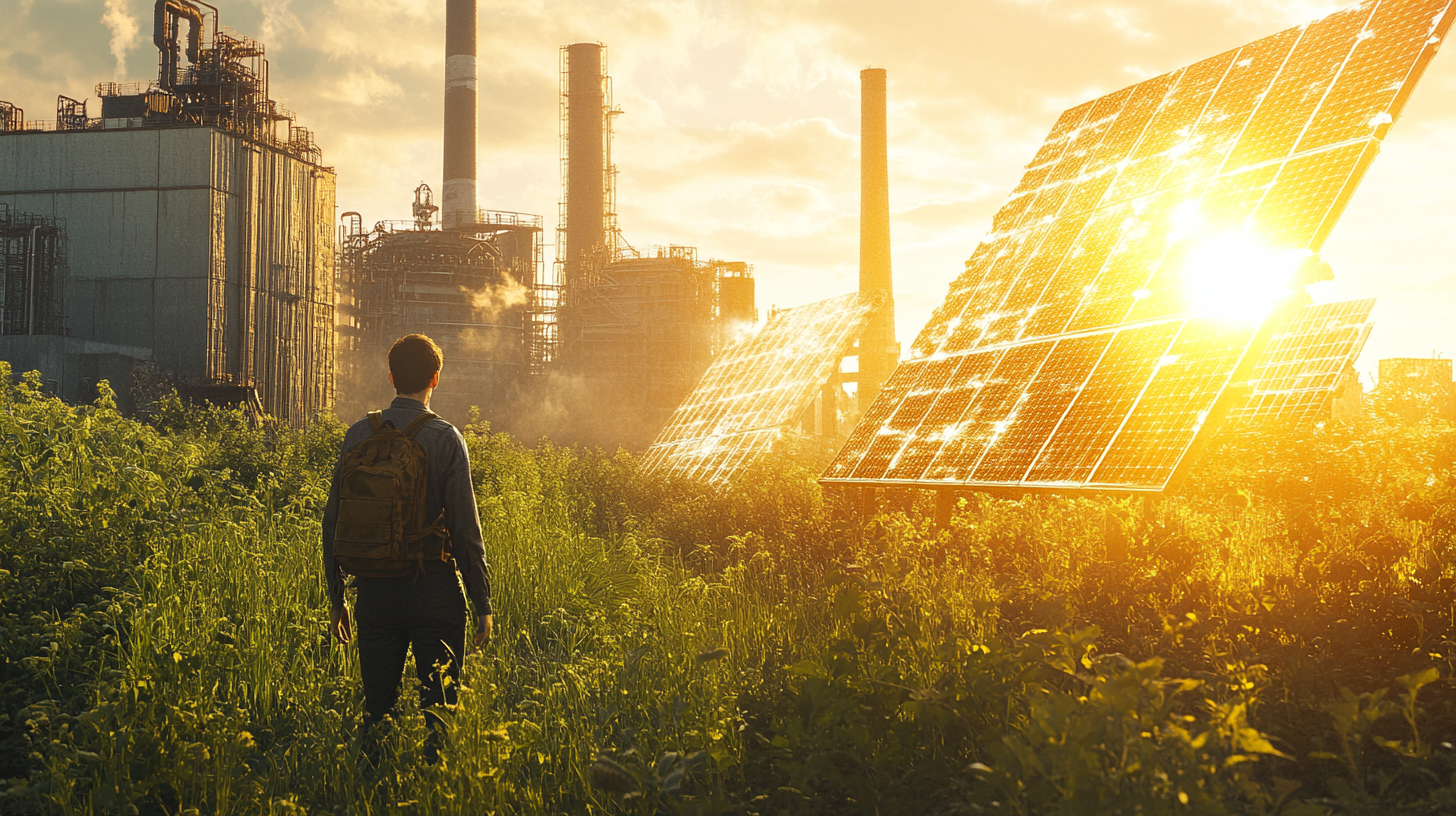
Deutschlands Energiewende: Mehr Erfolg als gedacht? Solarstrom und Wärmepumpen treiben Erneuerbare Energien voran – Bild: Xpert.Digital
Deutschlands Weg zur CO₂-Reduktion: Fortschritte bei Solar und Wärmepumpen
Klimaziele im Blick: Die Rolle von Solarenergie und Wärmepumpen in Deutschland
Im Zuge der Energiewende hat sich in Deutschland in den vergangenen Jahren ein bemerkenswerter Wandel vollzogen, der nicht nur die Energieerzeugung, sondern auch den gesamten Energiesektor nachhaltig verändert. Insbesondere der Ausbau von Solarstrom und Wärmepumpen spielt dabei eine zentrale Rolle, denn sie tragen maßgeblich dazu bei, fossile Energieträger zu ersetzen und den CO₂-Ausstoß deutlich zu reduzieren. Der folgende Text beleuchtet die aktuellen Entwicklungen, die Erfolge und Herausforderungen des Ausbaus erneuerbarer Energien in Deutschland und ergänzt den ursprünglichen Bericht um weiterführende, interessante Aspekte, die einen umfassenden Überblick über die Thematik geben.
Passend dazu:


Erneuerbare Energien: Eine Erfolgsgeschichte in Bewegung
Im Jahr 2024 ist der Anteil erneuerbarer Energien am Gesamtenergieverbrauch – also in den Bereichen Strom, Wärme und Verkehr – auf 22,4 Prozent angestiegen. Bereits im Vorjahr lag dieser Wert bei 21,6 Prozent, was einen kontinuierlichen Fortschritt dokumentiert. Besonders bei der Erzeugung von grünem Strom zeigt sich eine dynamische Entwicklung, die sich in immer höheren Produktionszahlen widerspiegelt. Diese positive Tendenz ist jedoch nicht nur das Resultat staatlicher Förderprogramme, sondern auch einer stetigen Innovationskraft in der Energiebranche. Es sind Technologien wie Windkraft, Photovoltaik und Wärmepumpen, die im Zusammenspiel einen ausgewogenen Energiemix ermöglichen und gleichzeitig den Weg in eine nachhaltigere Zukunft ebnen.
Erneuerbarer Strom als Motor der Energiewende
Der Stromsektor ist das Herzstück der Energiewende in Deutschland. Im Jahr 2024 wurde eine Rekordmenge von 284 Terawattstunden (TWh) an erneuerbarem Strom erzeugt, was einem Zuwachs von rund drei Prozent im Vergleich zu 2023 entspricht. Bei gleichzeitig moderat steigendem Stromverbrauch (+1 Prozent) stieg auch der Anteil erneuerbarer Energien am Bruttostromverbrauch auf 54,4 Prozent. Diese beeindruckende Entwicklung verdeutlicht, dass der Ausbau erneuerbarer Energien nicht nur voranschreitet, sondern bereits maßgeblich zur Deckung des nationalen Strombedarfs beiträgt.
Ein wesentlicher Erfolgsfaktor in diesem Bereich ist die Windenergie, die an Land und auf See den Löwenanteil des grünen Stroms liefert. Mit etwa 138,9 TWh repräsentiert sie den wichtigsten Baustein des deutschen Strommixes. Trotz durchschnittlicher Witterungsbedingungen, die zu einem leichten Rückgang der Windstromerzeugung um zwei Prozent führten, konnte diese Technologie ihre führende Position behaupten. Windenergieanlagen profitieren von einer hohen Verfügbarkeit und stetigen technologischen Verbesserungen, was sie zu einem zuverlässigen und kosteneffizienten Energieträger macht.
Parallel dazu verzeichnet auch die Photovoltaik einen kräftigen Zubau. Dank starker Investitionen und einer deutlichen Steigerung der installierten Kapazität – innerhalb der letzten 12 Monate wurde der PV-Anlagenpark um etwa 20 Prozent erweitert – erreichte die installierte Gesamtleistung Ende 2024 nahezu 100 Gigawatt (GW). Die daraus resultierende Solarstromerzeugung stieg um 16 Prozent auf 74,1 TWh. Die kontinuierliche Erweiterung der Photovoltaik-Anlagen trägt nicht nur zur dezentralen Stromerzeugung bei, sondern stärkt auch das regionale Wirtschaftswachstum, da viele Projekte vor Ort realisiert werden.
Neben Wind und Sonne konnten auch andere erneuerbare Quellen wie Wasserkraft einen Beitrag leisten. Ein überdurchschnittlich niederschlagsreiches Jahr führte zu einem Anstieg der Wasserkraftproduktion um zwölf Prozent, was sich in einer Stromerzeugung von 22,2 TWh widerspiegelt. Allerdings zeigen sich hier regionale Unterschiede: Während in Gebieten mit hohen Niederschlagsmengen und bergigem Terrain das Potenzial optimal ausgeschöpft wird, bleiben in anderen Regionen noch Ausbaupotenziale ungenutzt. Biomasse und Geothermie spielen im Vergleich eine eher untergeordnete Rolle. So sank die Stromerzeugung aus Biomasse um etwa zwei Prozent auf 48,6 TWh, und die geothermische Stromproduktion lag weiterhin auf einem niedrigen Niveau von 0,2 TWh.
Diese Zahlen unterstreichen, dass der Ausbau der Photovoltaik und die Effizienzsteigerung in der Windenergie auf einem guten Weg sind, gleichzeitig jedoch weitere Maßnahmen notwendig sind, um die ehrgeizigen Ziele des Erneuerbare-Energien-Gesetzes (EEG) und der europäischen Renewable Energy Directive (RED) zu erreichen. Ein ausgewogener Mix aller erneuerbaren Energieträger ist dabei von zentraler Bedeutung, um den steigenden Elektrifizierungsbedarf in den Bereichen Wärme und Verkehr zu bedienen.
Passend dazu:
Erneuerbare Wärme: Biomasse, Wärmepumpen und Solarthermie
Im Wärmesektor dominiert weiterhin die Biomasse als primäre erneuerbare Wärmequelle. Mit einem Anteil von 81 Prozent, was einer erzeugten Wärmemenge von 159,1 TWh entspricht, ist sie unangefochten die wichtigste Technologie. Biomasse-Anlagen, die Holz, landwirtschaftliche Abfälle oder andere organische Materialien nutzen, bieten eine flexible und zuverlässige Möglichkeit, Wärme zu erzeugen. Gleichzeitig wird die Umweltfreundlichkeit durch die nachhaltige Bewirtschaftung der Rohstoffquellen gewährleistet.
Ein weiterer bedeutender Fortschritt im Wärmesektor ist der zunehmende Einsatz von Wärmepumpen. Diese Technologie nutzt die in der Umwelt gespeicherte Erdwärme oder Umweltwärme, um Gebäude effizient zu beheizen. Im Jahr 2024 stieg die nutzbare Wärmemenge aus Erdwärme und Umweltwärme um 14,2 Prozent. Dies ist vor allem auf den stark wachsenden Absatz von Wärmepumpen in den letzten zwei Jahren zurückzuführen. Wärmepumpen sind nicht nur energieeffizient, sondern auch flexibel einsetzbar – sowohl im Neubau als auch bei der Nachrüstung älterer Gebäude. Durch ihre hohe Effizienz tragen sie erheblich zur Reduzierung des Primärenergieverbrauchs und zur Senkung der CO₂-Emissionen bei.
Auch die Solarthermie leistet einen Beitrag zur erneuerbaren Wärmeversorgung. Mit 8,8 TWh steuerte sie etwa 4,5 Prozent zur gesamten erneuerbaren Wärme bei. Allerdings geht die durch Solarthermieanlagen erzeugte Wärmemenge leicht zurück, da ältere Anlagen zunehmend ihr Lebensende erreichen und durch neuere, effizientere Technologien ersetzt werden müssen. Die Entwicklung zeigt, dass es wichtig ist, kontinuierlich in die Modernisierung der Anlagen zu investieren, um langfristig stabile und zuverlässige Wärmequellen zu sichern.
Insgesamt stieg die produzierte erneuerbare Wärmemenge im Vergleich zum Vorjahr um knapp zwei Prozent auf 197,2 TWh, während der gesamte Wärmebedarf ebenfalls moderat anstieg. Diese positive Entwicklung verdeutlicht, dass die Erneuerbaren auch im Wärmesektor zunehmend an Bedeutung gewinnen – ein entscheidender Schritt, um den gesamten Energiemix nachhaltiger zu gestalten.
Passend dazu:

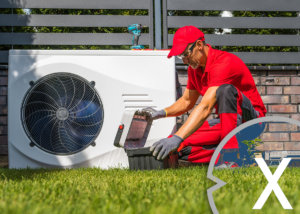
Herausforderungen und Entwicklungen im Verkehrssektor
Während der Ausbau erneuerbarer Energien im Strom- und Wärmesektor beeindruckende Fortschritte verzeichnet, stellt der Verkehrssektor weiterhin eine besondere Herausforderung dar. Im Jahr 2024 gingen die im Verkehr eingesetzten Biokraftstoffe um etwa elf Prozent zurück, was zu einer geringeren Nutzung erneuerbarer Energien in diesem Bereich führte. Zwar stieg der Verbrauch von Bioethanol leicht um ein Prozent, während Biodiesel aufgrund einer Änderung der Bundesimmissionsschutzverordnung (BImSchV) um 21 Prozent zurückging. Diese Regelung hat unter anderem dazu geführt, dass Mineralölunternehmen ihre angesparten Emissionsminderungen nur noch in bestimmten Jahren anrechnen lassen konnten. Für die kommenden Jahre wird jedoch ein deutlicher Anstieg im Verbrauch von Biokraftstoffen erwartet, da die Rechtslage angepasst wird und Unternehmen wieder vermehrt auf erneuerbare Treibstoffe zurückgreifen können.
Trotz des Rückgangs bei den Biokraftstoffen stieg der Anteil erneuerbarer Energien im Verkehrssektor durch den Einsatz von grünem Strom. So wuchs der Verbrauch von grünem Strom im Verkehr um 14 Prozent, was einer rechnerisch ermittelten Menge von 9,2 TWh entspricht. Dennoch reichte dieser Zuwachs nicht aus, um den Rückgang bei den Biokraftstoffen vollständig auszugleichen. Der Anteil erneuerbarer Energien am Endenergieverbrauch im Verkehr sank von 7,6 auf 7,2 Prozent. Diese Entwicklung zeigt, dass im Verkehrssektor weiterhin intensiver gefordert wird, alternative Antriebstechnologien wie Elektro- oder Wasserstofffahrzeuge stärker zu fördern und die Infrastruktur für Lade- und Betankungssysteme weiter auszubauen.
Umweltwirkungen und Klimaschutz: Die Vermeidung von Treibhausgasen
Ein zentraler Aspekt der Energiewende ist die Verringerung der Treibhausgasemissionen. Im Jahr 2024 konnten durch den verstärkten Einsatz erneuerbarer Energien insgesamt 256 Millionen Tonnen CO₂-Äquivalente vermieden. Der Großteil dieser Emissionseinsparungen – rund 205 Millionen Tonnen – entfiel auf den Stromsektor, gefolgt von 41 Millionen Tonnen im Wärmesektor und etwa 10 Millionen Tonnen im Verkehrssektor. Diese Zahlen unterstreichen, dass der konsequente Ausbau der erneuerbaren Energien einen entscheidenden Beitrag zum Klimaschutz leistet.
Die Reduktion der Treibhausgase hat weitreichende positive Effekte: Sie verbessert die Luftqualität, reduziert die negativen Gesundheitsauswirkungen durch Luftverschmutzung und leistet einen wichtigen Beitrag zur Erreichung der Klimaziele, die im Pariser Abkommen festgelegt wurden. Die kontinuierliche Senkung der Emissionen zeigt auch, dass der Wandel hin zu einer klimafreundlichen Energieversorgung nicht nur ökologisch sinnvoll, sondern auch wirtschaftlich attraktiv ist.
Technologische Innovationen und zukünftige Perspektiven
Die Entwicklung der erneuerbaren Energien in Deutschland ist untrennbar mit kontinuierlichen technologischen Innovationen verbunden. Forscher, Ingenieure und Unternehmen arbeiten gemeinsam daran, bestehende Technologien zu optimieren und neue Ansätze zu entwickeln, die sowohl die Effizienz steigern als auch die Integration erneuerbarer Energien in das bestehende Netz erleichtern. So wird beispielsweise an intelligenten Energiemanagementsystemen geforscht, die eine flexible Steuerung der Energieflüsse ermöglichen und die schwankende Erzeugung aus Wind und Sonne besser ausgleichen können.
Ein weiterer Innovationsschwerpunkt liegt in der Weiterentwicklung der Wärmepumpentechnologie. Moderne Wärmepumpen zeichnen sich durch einen noch höheren Wirkungsgrad aus, was sie besonders attraktiv für den Neubau und die energetische Sanierung von Gebäuden macht. Darüber hinaus wird verstärkt an Systemen gearbeitet, die Wärmepumpen mit anderen Technologien – wie der Solarthermie – kombinieren, um eine noch effizientere und nachhaltigere Wärmeversorgung zu ermöglichen. Diese hybriden Systeme bieten das Potenzial, auch in kälteren Klimazonen eine zuverlässige und umweltfreundliche Heizlösung bereitzustellen.
Auch die Speicherung von Energie gewinnt zunehmend an Bedeutung. Energiespeichertechnologien, etwa Batteriespeicher oder Power-to-Gas-Anlagen, sind unverzichtbar, um die Diskrepanz zwischen Energieerzeugung und -verbrauch auszugleichen. Sie ermöglichen es, überschüssigen Strom aus Photovoltaik- oder Windkraftanlagen zwischenzuspeichern und in Zeiten geringer Erzeugung wieder ins Netz einzuspeisen. Diese Flexibilität ist ein entscheidender Faktor, um die Stabilität des Stromnetzes zu gewährleisten und den Ausbau erneuerbarer Energien weiter voranzutreiben.
Politische Rahmenbedingungen und wirtschaftliche Chancen
Die Energiewende wird in Deutschland durch ein eng verzahntes Netz aus gesetzlichen Vorgaben, Förderprogrammen und politischen Zielen unterstützt. Das Erneuerbare-Energien-Gesetz (EEG) bildet hierbei einen zentralen Pfeiler, indem es den Ausbau der erneuerbaren Energien fördert und den Markt schrittweise liberalisiert. Auf europäischer Ebene setzt die Renewable Energy Directive (RED) ambitionierte Ziele, die von den Mitgliedstaaten umgesetzt werden müssen. Diese Rahmenbedingungen schaffen nicht nur Planungssicherheit für Investoren, sondern tragen auch dazu bei, dass technologische Innovationen vorangetrieben werden.
Die wirtschaftlichen Chancen, die sich aus der Energiewende ergeben, sind enorm. Der Ausbau erneuerbarer Energien schafft zahlreiche Arbeitsplätze – von der Planung über den Bau bis hin zur Wartung der Anlagen. Auch regionale Wirtschaftskreisläufe werden gestärkt, da viele Projekte dezentral organisiert sind und somit lokale Zulieferer und Dienstleister einbinden. Unternehmen, die in den Bereichen erneuerbare Energien, Energiespeicherung und Energieeffizienz tätig sind, profitieren von einem stetig wachsenden Markt und einer erhöhten Nachfrage nach nachhaltigen Technologien.
Gleichzeitig stehen Politik und Wirtschaft vor der Herausforderung, den Ausbau erneuerbarer Energien mit sozialen und ökologischen Aspekten in Einklang zu bringen. Dies betrifft vor allem den Flächenverbrauch, den Umweltschutz und die Akzeptanz in der Bevölkerung. Innovative Konzepte wie integrierte Agrar-Photovoltaik oder die Nutzung von Brachflächen für Windenergieanlagen bieten Lösungsansätze, um diese Herausforderungen zu bewältigen. Ziel ist es, eine nachhaltige Energiewende zu gestalten, die nicht nur ökologisch, sondern auch sozialverträglich und wirtschaftlich tragfähig ist.
Planen Sie Ihre Solaranlage für die häufigsten Anwendungen ganz bequem online mit unserem Solaranlagen-Planer!
Mit unserem benutzerfreundlichen Solaranlagen-Planer können Sie Ihre individuelle Solaranlage online planen. Egal, ob Sie eine Solaranlage für Ihr Eigenheim, Ihr Unternehmen oder für landwirtschaftliche Zwecke benötigen, unser Planer bietet Ihnen die Möglichkeit, Ihre spezifischen Anforderungen zu berücksichtigen und eine maßgeschneiderte Lösung zu entwickeln.
Der Planungsprozess ist einfach und intuitiv. Sie geben einfach relevante Informationen ein. Unser Planer berücksichtigt diese Angaben und erstellt eine maßgeschneiderte Solaranlage, die Ihren Bedürfnissen entspricht. Sie können verschiedene Optionen und Konfigurationen ausprobieren, um die optimale Solaranlage für Ihre Anwendung zu finden.
Darüber hinaus können Sie Ihren Plan speichern, um ihn später zu überprüfen oder mit anderen zu teilen. Unser Kundenservice-Team steht Ihnen auch für Fragen und Unterstützung zur Verfügung, um sicherzustellen, dass Ihre Solaranlage optimal geplant wird.
Nutzen Sie unseren Solaranlagen-Planer, um Ihre individuelle Solaranlage für die häufigsten Anwendungen zu planen und den Übergang zu sauberer Energie voranzutreiben. Starten Sie jetzt und machen Sie einen wichtigen Schritt in Richtung Nachhaltigkeit und Energieunabhängigkeit!

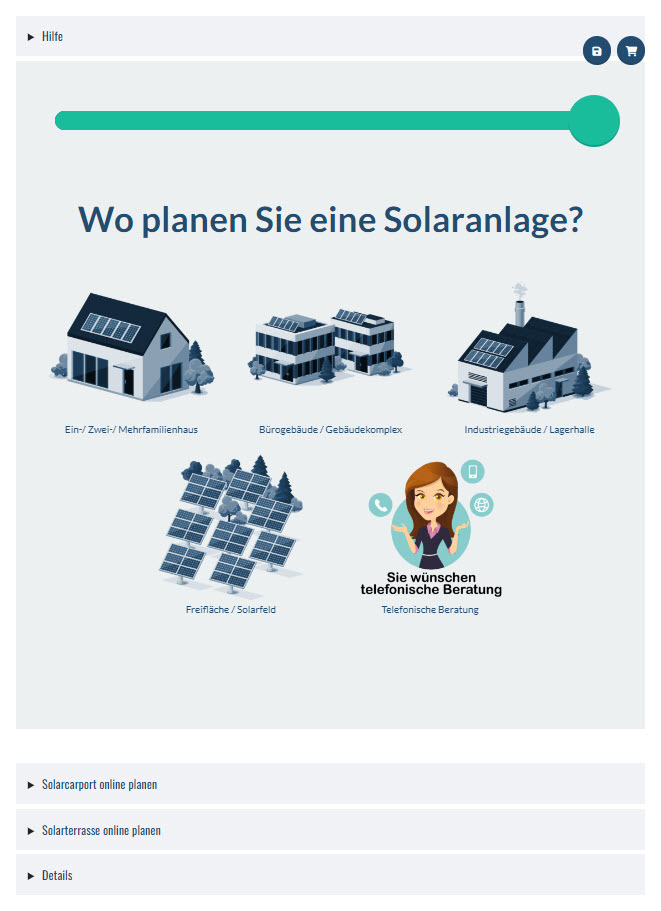
Der Solaranlagen-Planer für die häufigsten Anwendungen: Die Solaranlage hier online planen - Bild: Xpert.Digital
Mehr dazu hier:
Regionale Unterschiede und internationale Zusammenarbeit
Maßgeschneiderte Lösungen für erneuerbare Energien vor Ort
Die Nutzung erneuerbarer Energien zeigt in Deutschland auch regionale Unterschiede. In windreichen Regionen wie Schleswig-Holstein und Niedersachsen spielt die Windenergie eine dominierende Rolle, während in sonnenreichen Gebieten wie Süddeutschland die Photovoltaik verstärkt zum Einsatz kommt. Auch bei der Biomasse und der Nutzung von Wärmepumpen ergeben sich regionale Besonderheiten, die sich an den lokalen klimatischen und geologischen Bedingungen orientieren. Diese regionalen Unterschiede bieten einerseits Herausforderungen, andererseits aber auch Chancen für maßgeschneiderte Lösungen, die die jeweiligen Standortvorteile optimal nutzen.
Auf internationaler Ebene wird die deutsche Energiewende zunehmend als Vorbild angesehen. Viele Länder orientieren sich an den erfolgreichen Konzepten und politischen Rahmenbedingungen, die in Deutschland etabliert wurden. Gleichzeitig ist die Zusammenarbeit über Ländergrenzen hinweg von großer Bedeutung, um globale Herausforderungen wie den Klimawandel gemeinsam anzugehen. Internationale Projekte und Forschungskooperationen im Bereich erneuerbarer Energien fördern den Wissensaustausch und tragen dazu bei, dass technologische Fortschritte schneller in die Praxis umgesetzt werden können.
Wirtschaftliche und gesellschaftliche Auswirkungen der Energiewende
Die Umstellung auf erneuerbare Energien hat weitreichende wirtschaftliche und gesellschaftliche Auswirkungen. Neben der Schaffung von Arbeitsplätzen werden durch den verstärkten Einsatz erneuerbarer Technologien auch regionale Wirtschaftskreisläufe gestärkt und innovative Geschäftsmodelle entwickelt. Unternehmen investieren vermehrt in Forschung und Entwicklung, um effizientere Technologien und neue Lösungen zu realisieren. Dies führt nicht nur zu einer Steigerung der Wettbewerbsfähigkeit, sondern auch zu einer langfristigen Senkung der Energiekosten, da die Abhängigkeit von fossilen Brennstoffen reduziert wird.
Für die Gesellschaft bedeutet die Energiewende eine Chance, die Umweltbelastungen zu reduzieren und die Lebensqualität zu verbessern. Eine nachhaltige Energieversorgung trägt zur Verringerung der Luftverschmutzung bei, was sich positiv auf die Gesundheit der Bevölkerung auswirkt. Zudem wird durch den Ausbau dezentraler Energieanlagen die Versorgungssicherheit erhöht und die regionale Selbstbestimmung gestärkt. Die Bürgerinnen und Bürger können selbst zu Akteuren der Energiewende werden – sei es durch die Installation von Photovoltaik-Anlagen auf dem eigenen Dach, die Beteiligung an Bürgerenergieprojekten oder durch den Einsatz energieeffizienter Technologien im Haushalt.
Besonders erwähnenswert ist der Einfluss der Wärmepumpen auf die Energiewende im Wärmesektor. Diese Geräte sind in der Lage, auch in Zeiten niedriger Außentemperaturen effizient zu arbeiten und bieten somit eine verlässliche Alternative zu herkömmlichen Heizsystemen. Durch die Kombination mit anderen erneuerbaren Technologien, wie der Solarthermie, können hybride Systeme entstehen, die den Wärmebedarf in Gebäuden noch effektiver decken. Der Trend geht eindeutig in Richtung einer ganzheitlichen Betrachtung der Energieversorgung, bei der Strom, Wärme und Mobilität miteinander vernetzt sind und synergetisch zusammenwirken.
Herausforderungen auf dem Weg zur vollständigen Energiewende
Trotz der beeindruckenden Fortschritte stehen Deutschland und andere Industrieländer vor erheblichen Herausforderungen. Eine der größten Hürden ist der Ausbau der notwendigen Infrastruktur. Der verstärkte Einsatz erneuerbarer Energien erfordert nicht nur neue Anlagen, sondern auch intelligente Netze, die in der Lage sind, Schwankungen in der Erzeugung auszugleichen. Energiespeicher spielen dabei eine zentrale Rolle, denn sie ermöglichen es, überschüssige Energie zu speichern und bei Bedarf wieder abzurufen. Ohne eine entsprechende Speichertechnologie könnten die fluktuierenden Erzeugungswerte aus Wind und Sonne zu Netzinstabilitäten führen.
Ein weiteres Problemfeld ist der Flächenverbrauch. Insbesondere Wind- und Photovoltaikanlagen benötigen große Flächen, was in dicht besiedelten Regionen zu Konflikten führen kann. Hier sind innovative Konzepte gefragt, die es ermöglichen, erneuerbare Energien effizient zu integrieren, ohne dass es zu Beeinträchtigungen von Natur und Umwelt kommt. Ansätze wie die Kombination von Agrar- und Photovoltaiknutzung oder die Errichtung von Offshore-Windparks sind Beispiele dafür, wie Herausforderungen kreativ gelöst werden können.
Nicht zuletzt spielt auch die gesellschaftliche Akzeptanz eine entscheidende Rolle. Trotz des breiten Konsenses über die Notwendigkeit der Energiewende gibt es immer wieder Widerstände, sei es aufgrund von Bedenken hinsichtlich der Landschaftsbildveränderung, des Lärms oder anderer negativer Effekte. Eine transparente und partizipative Kommunikation, die die Vorteile und Chancen der erneuerbaren Energien in den Vordergrund stellt, ist daher unerlässlich. Nur so kann eine breite gesellschaftliche Unterstützung erzielt und langfristig der Erfolg der Energiewende sichergestellt werden.
Zukunftsperspektiven und innovative Ansätze
Blickt man in die Zukunft, so eröffnen sich zahlreiche spannende Perspektiven. Die fortschreitende Digitalisierung des Energiesektors bietet beispielsweise neue Möglichkeiten, den Energieverbrauch zu optimieren und die Integration erneuerbarer Energien weiter zu verbessern. Smart Grids, also intelligente Stromnetze, ermöglichen eine Echtzeitsteuerung der Energieflüsse und können so dazu beitragen, die Versorgungssicherheit zu erhöhen und die Netzstabilität zu gewährleisten. Auch die Kombination von erneuerbaren Energien mit innovativen Speicherlösungen und flexiblen Lastmanagementsystemen wird in den kommenden Jahren eine immer größere Rolle spielen.
Ein weiterer vielversprechender Bereich ist die Sektorenkopplung, bei der verschiedene Energiesektoren – Strom, Wärme und Verkehr – miteinander vernetzt werden. Hierbei können Überschüsse aus der Stromerzeugung beispielsweise zur Produktion von grünem Wasserstoff genutzt werden, der wiederum in der Industrie oder im Verkehrssektor eingesetzt werden kann. Diese ganzheitliche Betrachtung des Energiesystems eröffnet neue Möglichkeiten, die Energieeffizienz zu steigern und die Abhängigkeit von fossilen Brennstoffen weiter zu reduzieren.
Die Weiterentwicklung von Wärmepumpentechnologien und die Kombination mit anderen erneuerbaren Wärmequellen bieten zusätzlich Potenzial, die Dekarbonisierung des Wärmesektors voranzutreiben. Insbesondere in älteren Gebäuden, die häufig energieintensiv beheizt werden, können moderne Wärmepumpen eine kosteneffiziente und umweltfreundliche Alternative darstellen. Neben der energetischen Sanierung von Bestandsgebäuden gewinnen auch innovative Heizkonzepte, die auf intelligente Vernetzung und Steuerung setzen, zunehmend an Bedeutung. Diese Entwicklungen sind Teil eines umfassenden Modernisierungsprozesses, der sowohl den Wohnkomfort als auch die Energieeffizienz verbessert.
Passend dazu:
Die Rolle von Solarstrom und Wärmepumpen in der Energiewende
Solarstrom und Wärmepumpen stehen sinnbildlich für den Wandel, den die deutsche Energiewende vollzieht. Während Solarstrom als dezentrale und nahezu emissionsfreie Energiequelle den Stromsektor revolutioniert, ermöglichen Wärmepumpen eine effiziente Nutzung der in der Umwelt gespeicherten Wärme. Beide Technologien ergänzen sich optimal und tragen dazu bei, dass fossile Energieträger zunehmend ersetzt werden. Es ist dieser integrierte Ansatz, der den Übergang zu einem nachhaltigen Energiesystem vorantreibt und Deutschland auf den Weg in eine klimafreundliche Zukunft bringt.
Die zunehmende Verbreitung von Photovoltaik-Anlagen auf privaten Dächern, öffentlichen Gebäuden und in großtechnischen Anlagen macht deutlich, dass erneuerbare Energien nicht mehr nur in großen Energieparks konzentriert sind. Vielmehr wird die Energieerzeugung immer dezentraler organisiert, was zu einer höheren Resilienz des gesamten Systems führt. Diese Dezentralisierung hat auch positive soziale und wirtschaftliche Effekte, da sie die lokale Wertschöpfung stärkt und den Bürgerinnen und Bürgern die Möglichkeit gibt, aktiv an der Energiewende teilzunehmen.
Wärmepumpen spielen in diesem Kontext eine Schlüsselrolle, da sie dazu beitragen, den Wärmebedarf von Gebäuden auf eine nachhaltige Art zu decken. Vor allem in Kombination mit moderner Dämmung und energieeffizientem Gebäudedesign können Wärmepumpen dazu beitragen, den Energieverbrauch deutlich zu senken. Dadurch entsteht ein Mehrwert, der sich nicht nur in reduzierten Betriebskosten, sondern auch in einem verbesserten Wohnkomfort und einer erhöhten Unabhängigkeit von fossilen Brennstoffen niederschlägt.
Passend dazu:

Wirtschaftliche Chancen und Innovationskraft
Die Energiewende bietet nicht nur ökologische, sondern auch erhebliche wirtschaftliche Chancen. Der Ausbau der erneuerbaren Energien hat bereits jetzt zu einem dynamischen Wachstumsmarkt geführt, der zahlreiche Arbeitsplätze schafft und regionale Wirtschaftskreisläufe stimuliert. Unternehmen, die in diesem Sektor tätig sind, investieren verstärkt in Forschung und Entwicklung, um ihre Technologien weiter zu verbessern und an internationale Märkte zu expandieren. Diese Innovationskraft ist ein wesentlicher Motor für den wirtschaftlichen Erfolg und trägt dazu bei, dass Deutschland auch in Zukunft eine führende Rolle im globalen Energiesektor spielen kann.
Neue Geschäftsmodelle entstehen, die auf dem Zusammenspiel von Produktion, Speicherung und intelligenter Steuerung basieren. Beispielsweise ermöglichen Contracting-Modelle, bei denen Unternehmen komplette Energielösungen anbieten, auch kleineren Akteuren den Zugang zu modernster Technologie. Solche Modelle fördern die Zusammenarbeit zwischen kommunalen Versorgungsunternehmen, privaten Investoren und Forschungseinrichtungen und tragen dazu bei, dass Innovationen schneller in die Praxis umgesetzt werden.
Gesellschaftliche Veränderungen und Umweltbewusstsein
Die Transformation des Energiesektors wirkt sich auch auf das gesellschaftliche Bewusstsein aus. Immer mehr Menschen erkennen die Notwendigkeit, den eigenen Energieverbrauch zu hinterfragen und nachhaltigere Lösungen zu unterstützen. Bürgerenergiegenossenschaften und lokale Projekte, bei denen die Bevölkerung direkt in die Planung und den Betrieb erneuerbarer Energieanlagen eingebunden wird, gewinnen an Bedeutung. Diese partizipativen Modelle stärken das Vertrauen in die Energiewende und tragen dazu bei, dass Akzeptanz und Verständnis in der Bevölkerung wachsen.
Darüber hinaus fördert die Energiewende auch einen Kulturwandel, bei dem Umweltschutz und Nachhaltigkeit nicht mehr als Nischenphänomene, sondern als zentrale gesellschaftliche Werte gelten. Durch den verstärkten Einsatz erneuerbarer Energien und die damit verbundene Reduktion der Luftverschmutzung wird die Lebensqualität in vielen Regionen nachhaltig verbessert. Dies hat positive Effekte auf die Gesundheit der Bevölkerung und reduziert langfristig die sozialen Kosten, die mit Umweltschäden und klimatischen Veränderungen einhergehen.
Herausforderungen in der Netzstabilität und Energiespeicherung
Trotz aller Fortschritte bleibt die Integration der erneuerbaren Energien in das bestehende Stromnetz eine technische und organisatorische Herausforderung. Die schwankende Verfügbarkeit von Wind- und Solarstrom erfordert innovative Lösungen im Bereich der Energiespeicherung und Netzsteuerung. Batteriespeicher, Pumpspeicherkraftwerke und Power-to-Gas-Technologien bieten hier vielversprechende Ansätze, um die Netzstabilität zu gewährleisten. Diese Speicherlösungen ermöglichen es, überschüssigen Strom zu speichern und in Zeiten geringer Erzeugung wieder abzurufen – ein entscheidender Faktor, um die Versorgungssicherheit in Zeiten hoher Einspeisung aus erneuerbaren Quellen zu sichern.
Ein integriertes Energiemanagement, das den Verbrauch flexibel an die aktuelle Erzeugung anpasst, ist ein weiterer Schlüssel, um die Herausforderungen der Netzstabilität zu meistern. Intelligente Steuerungssysteme und die Vernetzung von Haushalten, Unternehmen und Energieversorgern schaffen ein dynamisches Gleichgewicht, das es ermöglicht, Energieflüsse in Echtzeit zu optimieren. Diese Ansätze zeigen, dass technologische Innovation und Digitalisierung eng miteinander verknüpft sind und gemeinsam einen wichtigen Beitrag zur Weiterentwicklung des Energiesystems leisten.
Passend dazu:
Deutschlands Energiewende: Fortschritte, Herausforderungen und neue Chancen
Die Fortschritte in der Erzeugung von grünem Strom und der Wärmeversorgung durch erneuerbare Energien in Deutschland sind beeindruckend und zeigen, dass der eingeschlagene Kurs in die richtige Richtung weist. Die kontinuierliche Steigerung der erzeugten erneuerbaren Strommenge, die dynamische Entwicklung im Photovoltaik-Sektor und der verstärkte Einsatz von Wärmepumpen sind entscheidende Faktoren, die den Weg in eine nachhaltige Zukunft ebnen. Gleichzeitig verdeutlichen die Herausforderungen in den Bereichen Netzstabilität, Flächenkonkurrenz und gesellschaftliche Akzeptanz, dass weiterhin ein integrierter Ansatz notwendig ist, der technische, wirtschaftliche und soziale Aspekte gleichermaßen berücksichtigt.
Blickt man in die Zukunft, so ist es unabdingbar, den Ausbau aller erneuerbaren Energieträger weiter voranzutreiben und gleichzeitig in intelligente Speicher- und Managementsysteme zu investieren. Die zunehmende Digitalisierung des Energiesektors und die Integration von Sektoren wie Strom, Wärme und Verkehr bieten dabei neue Chancen, um eine ganzheitliche und nachhaltige Energieversorgung zu realisieren. Gleichzeitig wird die internationale Zusammenarbeit immer wichtiger, um globale Herausforderungen wie den Klimawandel gemeinsam zu bewältigen und technologische Fortschritte weltweit zu verbreiten.
Die Energiewende ist in Deutschland nicht nur ein technologischer und wirtschaftlicher Wandel, sondern bringt auch einen tiefgreifenden gesellschaftlichen Umbau mit sich. Die Bürgerinnen und Bürger, Unternehmen und Politik arbeiten gemeinsam daran, ein zukunftsfähiges Energiesystem zu schaffen, das den Herausforderungen des Klimawandels begegnet und zugleich wirtschaftliche Chancen eröffnet. Der Umstieg auf erneuerbare Energien führt zu einer nachhaltigeren, umweltfreundlicheren und sozial gerechteren Energieversorgung – eine Entwicklung, die auch in den kommenden Jahren maßgeblich gestaltet und vorangetrieben werden muss.
Solarstrom und Wärmepumpen als symbolträchtige Technologien der Energiewende bieten nicht nur innovative Lösungen, sondern auch den Weg zu einer dezentralen, sicheren und umweltfreundlichen Energieversorgung ebnen. Ihre zunehmende Verbreitung und der daraus resultierende Ausbau des gesamten Energiesektors sind Ausdruck eines tiefgreifenden Wandels, der weit über technische Verbesserungen hinausgeht. Es handelt sich um einen gesellschaftlichen Transformationsprozess, der uns alle betrifft und zu einer nachhaltigeren Zukunft führt – für die Umwelt, die Wirtschaft und die Gesellschaft insgesamt.
Mit Blick auf die kommenden Jahre wird deutlich, dass der Erfolg der Energiewende maßgeblich davon abhängt, wie es gelingt, die zahlreichen Herausforderungen – von der Netzstabilität über den Flächenverbrauch bis hin zur Akzeptanz in der Bevölkerung – zu meistern. Nur durch einen ganzheitlichen Ansatz, der technologische Innovation, politische Weitsicht und gesellschaftlichen Zusammenhalt vereint, kann der Übergang zu einer vollständig nachhaltigen Energieversorgung gelingen. Es bleibt spannend zu beobachten, wie sich diese Entwicklungen in den nächsten Jahren weiter entfalten und welche neuen Technologien und Konzepte den Weg in eine klimafreundliche Zukunft ebnen werden.
Wir sind für Sie da - Beratung - Planung - Umsetzung - Projektmanagement
☑️ Bau und Beratung von Photovoltaik Freiflächenanlagen
☑️ Solarpark Planung ☑️ Agri-Photovoltaik Umsetzungen
☑️ S️olar Freilandanlagen mit Doppelnutzung Lösungen
Xpert.Solar ist Ihr idealer Partner für die Planung, Beratung und Bauumsetzung von Photovoltaik-Freiflächenanlagen sowie Agri-Photovoltaik-Projekten aufgrund unserer langjährigen Erfahrung und Expertise in der Solarenergiebranche. Xpert.Solar verfügt über ein erfahrenes Team von Fachleuten, das Landwirten und Investoren maßgeschneiderte Lösungen bietet. Von der Standortanalyse über die finanzielle und rechtliche Beratung bis hin zur technischen Umsetzung und dem Monitoring begleitet Xpert.Solar seine Kunden professionell und zuverlässig, um eine erfolgreiche und nachhaltige Umsetzung zu gewährleisten.

Konrad Wolfenstein
Gerne stehe ich Ihnen als persönlicher Berater zur Verfügung.
Sie können mit mir Kontakt aufnehmen, indem Sie unten das Kontaktformular ausfüllen oder rufen Sie mich einfach unter +49 7348 4088 965 an.
Ich freue mich auf unser gemeinsames Projekt.
Schreiben Sie mir


Xpert.Digital - Konrad Wolfenstein
Xpert.Digital ist ein Hub für die Industrie mit den Schwerpunkten, Digitalisierung, Maschinenbau, Logistik/Intralogistik und Photovoltaik.
Mit unserer 360° Business Development Lösung unterstützen wir namhafte Unternehmen vom New Business bis After Sales.
Market Intelligence, Smarketing, Marketing Automation, Content Development, PR, Mail Campaigns, Personalized Social Media und Lead Nurturing sind ein Teil unserer digitalen Werkzeuge.
Mehr finden Sie unter: www.xpert.digital - www.xpert.solar - www.xpert.plus
In Kontakt bleiben