Worse than expected? The truth behind the criticism of the German economy
### Germany's forgotten superpower: Our critics completely overlook this strength ### The crumbling facade: How the US and China hide their real problems from the world ### Germany's ingenious counter: How we use our strengths against US protectionism and AI dominance ###
More than just AI: Why Europe's mechanical engineering is the secret foundation of the digital world
Germany is facing international criticism: weakening economic growth, crumbling infrastructure, and a sluggish energy transition seem to paint a picture of a nation in decline. But while these problems are real and must be addressed, public perception only scratches the surface. This critical view from the outside is often part of a larger geopolitical narrative deliberately fueled by global competitors like the US and China – two superpowers grappling with their own massive and often concealed problems, from a struggling Chinese real estate sector to an aggressively protectionist US trade policy.
What is often overlooked in this debate, however, are the fundamental strengths of Europe, and Germany in particular, which are frequently dismissed as “old-fashioned.” While the world watches the US with bated breath as it strives for AI dominance, Europe’s physical infrastructure—above all its unparalleled mechanical engineering—forms the true backbone without which digitalization would be inconceivable. This analysis uncovers the hidden weaknesses of the global superpowers, illuminates Europe’s strategic advantages, and outlines a clear path for how Germany can solve its real-world problems while confidently leveraging its unique position as a bridge between proven engineering expertise and digital sovereignty for the future.
Germany in the international spotlight: Challenges and strengths in a complex world
Why is Germany being criticized internationally?
Indeed, criticism of Germany and its economic situation is frequently found in many international media outlets. But is this criticism justified, or does it present a distorted picture? Current figures paint a mixed picture of the German economy. Gross domestic product is projected to grow by only 0.2 percent in 2025, while other major economies are experiencing significantly stronger growth rates. Deutsche Bahn is struggling with punctuality problems, exacerbated by external factors such as arson attacks, extreme weather, and technical malfunctions. While the energy transition is showing progress, with over 50 percent of electricity generation coming from renewable sources, it still faces major challenges.
These problems are real and certainly warrant criticism. Nevertheless, the question remains whether the international portrayal reflects the whole picture or whether certain actors have an interest in portraying Germany as weaker than it actually is.
Are China and the USA hiding their own problems?
China likes to present itself as a success story, but behind the official figures lie significant structural problems. Independent experts doubt China's projected economic growth of five percent for 2024, estimating actual growth at only 2.4 to 2.8 percent. The People's Republic is struggling with weakening consumer demand, a struggling real estate sector, and high levels of local government debt. Falling producer prices, stagnant consumer prices, and youth unemployment at 16 percent point to serious economic difficulties. Economic institutions forecast average growth of only 4.4 percent for 2025 and a mere 4.1 percent for 2026.
The US pursues an aggressive trade policy with an average tariff rate of 17.6 percent – the highest level since 1934. This protectionist stance demonstrates that the American economy is also under pressure and that external markets are perceived as a threat to domestic industry. The trade conflict with Europe and other partners suggests that the US must maintain its global dominance through economic pressure.
Suitable for:
How aggressive is US trade policy towards Europe?
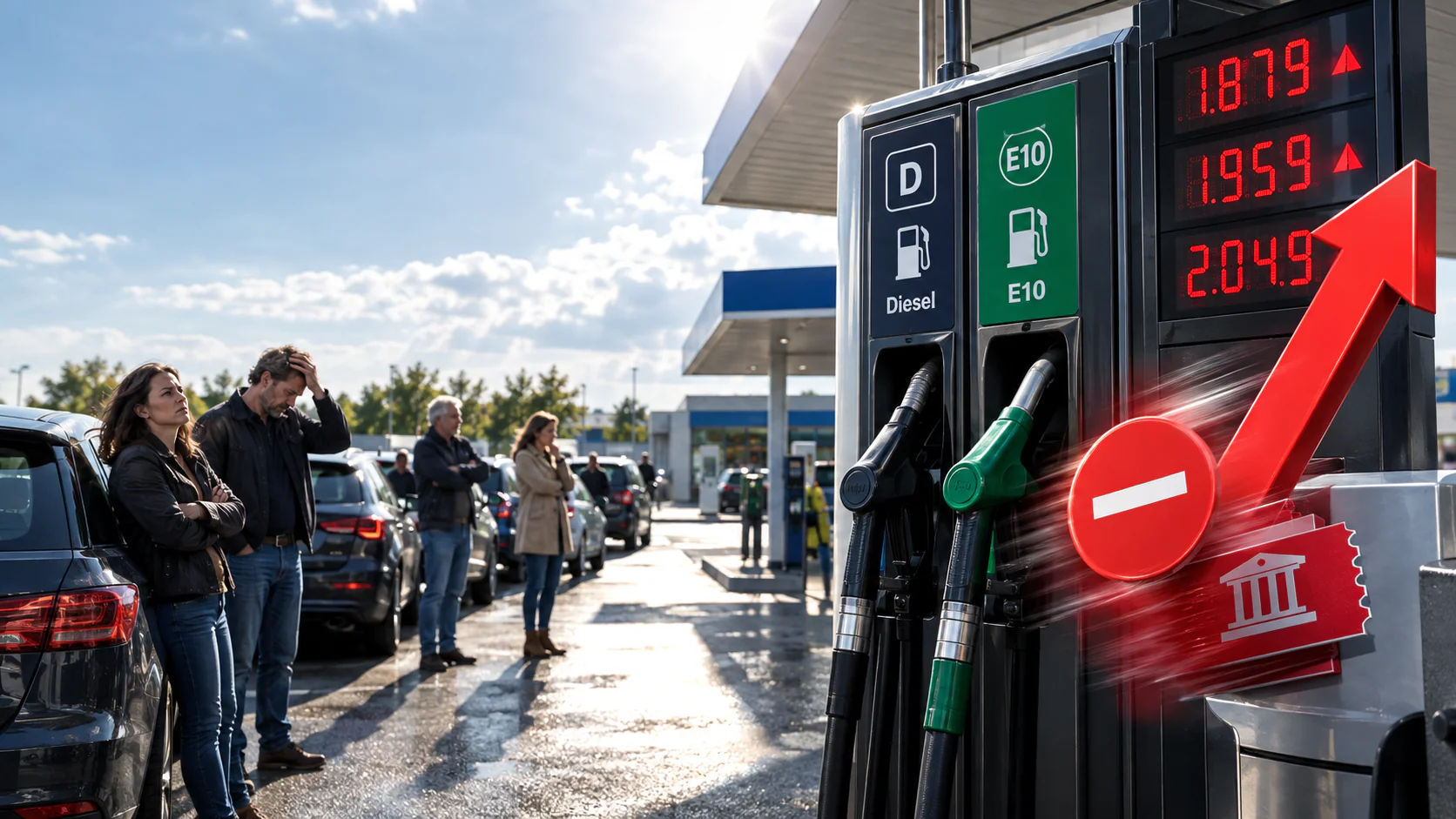
US trade policy under President Trump has been particularly aggressive towards Europe. The initially threatened 30 percent tariffs on all EU goods from August 2025 did not materialize. Instead, a trade agreement between the US and the EU was reached in July 2025, stipulating a 15 percent tariff on most EU exports to the US. While this is higher than the previous 10 percent, it is significantly lower than the originally threatened 30 percent.
The 50 percent tariffs on steel and aluminum, which have been in place since June 2025, remain in effect. These tariffs had previously been increased from 25 percent. However, the US and EU are working on a quota system that would reduce these tariffs for historical export volumes.
Trade balances: Reality vs. representation
The EU's trade surplus with the US in 2024 was actually €198.2 billion for goods, not the claimed "almost €200 billion". However, a more nuanced picture emerges when considering the overall trade deficit (goods and services): The US trade deficit with the EU amounted to only $58 billion in 2024, as the US had a substantial services surplus of $88.6 billion (other sources estimate up to €112 billion) with the EU.
Suitable for:
- In truth, the Magnificent 7, according to estimates, ensure a US trade surplus of EUR 112 billion (2023) to the EU
- Unequal trade balance USA-EU? Digital US services are missing-Revaluation of transatlantic trade is necessary!
German steel industry: Limited direct impact
The claim that Germany exports “about 20 percent of its total crude steel to the USA” is a gross exaggeration. In fact, the USA accounted for just over 6 percent of German iron and steel exports and ranked as the sixth-largest export market. In 2024, Germany exported steel and related products worth €1.9 billion to the USA, representing a relatively small share of Germany's total steel exports of €20.7 billion.
Complexity of trade relations
The interconnectedness of economic relations is far more complex. Approximately 30 percent of the EU's trade surplus with the US involves trade between European subsidiaries of US multinational corporations. This means that tariffs also affect US companies that produce in Europe.
Current developments and tensions
Despite the trade agreement, tensions remain. In August 2025, Trump threatened “significant additional tariffs” against countries that enact laws targeting American technology companies. The EU defended its sovereign right to regulate and warned that such measures could undermine the trade agreement.
Economic impact and criticism
The 15 percent tariff agreement was criticized by leading European politicians. German Chancellor Friedrich Merz described it as causing “considerable damage,” while French Prime Minister François Bayrou called it a “black day” for the EU. EU Trade Commissioner Maroš Šefčovič, however, called it “the best agreement under very difficult circumstances.”.
US trade policy under Trump has proven to be protectionist. While the actual trade agreement, with its 15 percent tariffs on most EU goods, represents a deterioration compared to the status quo ante, it avoids the more drastic measures that were originally threatened. However, the 50 percent tariffs on steel and aluminum remain a significant burden for the affected industries.
How are the US trying to leverage its AI dominance against Europe?
The US AI strategy is clearly aimed at expanding its global tech dominance. With AI investments of $67.2 billion in 2023 – 8.7 times higher than in China – the US dominates the global AI ecosystem. While private AI investments declined in China and the EU, they rose by 22.1 percent in the US.
This dominance is being strategically used to push Europe into a position of dependency. Approximately three-quarters of listed companies in Europe rely on American technology firms for their business operations. This dependency is particularly evident in cloud services, where US providers control over 70 percent of the European market. Countries like Iceland, Norway, Ireland, Finland, and Sweden are more than 90 percent reliant on US tech companies.
Suitable for:
- The digital dependence on the USA: cloud dominance, distorted trading balance sheets and lock-in effects
The US is exploiting this dependency to construct a doomsday scenario for Europe if it doesn't adopt American cloud, AI, and IT solutions. This is a deliberate marketing strategy to undermine European autonomy and strengthen its own market position.
Suitable for:
What hidden strengths does Europe have in its physical infrastructure?
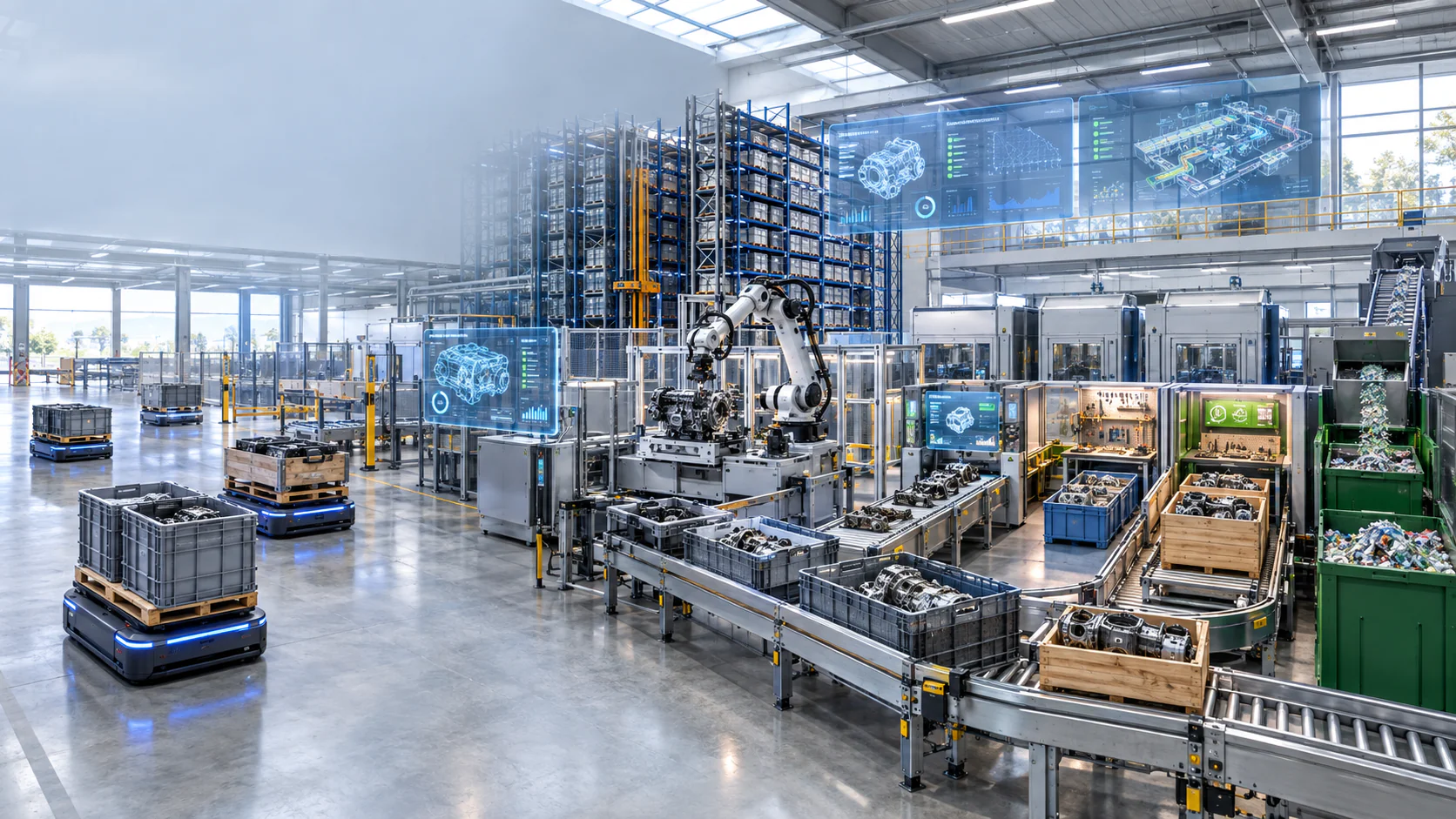
While attention is focused on digital technologies, Europe possesses fundamental strengths in physical infrastructure that are often overlooked. European mechanical engineering generated a turnover of €867 billion in 2024 and employs approximately three million people. Germany alone exported machinery worth €200 billion and accounts for one-third of EU machinery exports.
This physical infrastructure forms the true backbone of digitalization. Without functioning mechanical engineering, precise manufacturing facilities, and robust production infrastructure, AI and digitalization cannot reach their full potential. Digital transformation is fundamentally based on physical structures such as data centers, manufacturing plants, and transportation infrastructure.
Europe, and Germany in particular, has built up tremendous stability in this sector. The EU's mechanical engineering industry maintains a foreign trade surplus of €165 billion. This strength in actual production can be further enhanced through digitalization, rather than weakened by foreign dependencies.
🎯🎯🎯 Benefit from Xpert.Digital's extensive, five-fold expertise in a comprehensive service package | BD, R&D, XR, PR & Digital Visibility Optimization
Benefit from Xpert.Digital's extensive, fivefold expertise in a comprehensive service package | R&D, XR, PR & Digital Visibility Optimization - Image: Xpert.Digital
Xpert.Digital has in-depth knowledge of various industries. This allows us to develop tailor-made strategies that are tailored precisely to the requirements and challenges of your specific market segment. By continually analyzing market trends and following industry developments, we can act with foresight and offer innovative solutions. Through the combination of experience and knowledge, we generate added value and give our customers a decisive competitive advantage.
More about it here:
Europe versus the USA: The secret infrastructure strategy
Why are the US weak in productive infrastructure?
While the US dominates the digital sphere, it exhibits significant weaknesses in its physical production infrastructure. American mechanical engineering accounts for only 13 percent of global machinery sales, compared to 27 percent for the EU. For decades, the US has shifted its production capacity abroad, focusing instead on services and digital technologies.
This strategy is now backfiring, as the US realizes it has become dependent on other countries for critical infrastructure and production facilities. The aggressive trade policy is also an attempt to close these production gaps by force, instead of building up its own capacity.
Suitable for:
- Understand the USA better: a mosaic of the state states and EU countries in comparison-analysis of the economic structures
How can Europe develop digital sovereignty?
Europe has recognized that digital sovereignty is crucial for its future. With initiatives like GAIA-X, the EU is working on a European data infrastructure involving over 300 companies. The EU strategy "A Europe Fit for the Digital Age" includes a European data strategy and measures for artificial intelligence.
Digital sovereignty does not mean isolation, but rather the ability to shape and control digital infrastructures, data, and technologies autonomously. Europe can build on existing alternatives in many areas, such as cloud infrastructure, communication, and collaboration. The key lies in combining European values like data protection and democracy with technological innovation.
What are Europe's strategic advantages?
Europe possesses several strategic advantages that are often underestimated. The European single market, with its 450 million consumers, offers enormous potential for digital services. The GDPR's stringent data protection standards can become a competitive advantage, as trust is increasingly important in the digital economy.
Europe's physical production infrastructure is not only stable but also highly developed. Building Information Modeling (BIM) and digital twins demonstrate how European engineering expertise can be combined with digitalization. Sustainable infrastructure development and the energy transition can make Europe a pioneer in green technologies.
Suitable for:
- A high song in Germany and the EU - why they need themselves to be able to survive against the USA and China
What role does the physical base play in digitalization?
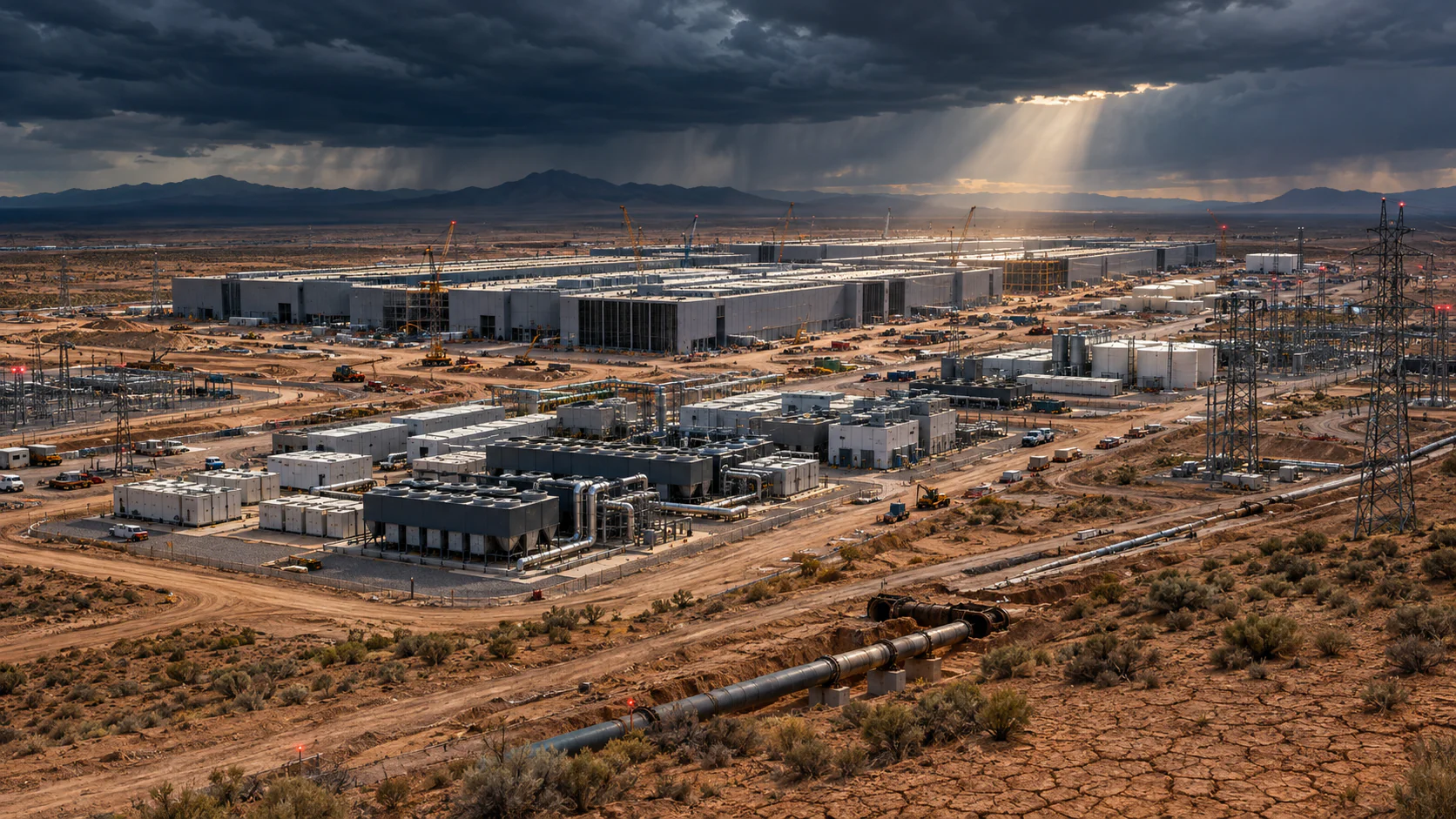
Digitalization is not an abstract phenomenon, but is based on very real, physical foundations. Data centers require precise climate control and a stable power supply. AI training requires specialized hardware and chips. Autonomous vehicles need precise sensors and mechanical components.
Europe and Germany hold a strong position in these fundamental technologies. The German mechanical engineering industry produces the equipment necessary for chip manufacturing, data centers, and automation. This physical expertise is harder to replicate than software and offers long-term competitive advantages.
Should Europe remain calm and work on the problems?
The response to international criticism and challenges should not be panic or hasty reactions, but rather a sober analysis of one's own strengths and weaknesses. Europe and Germany certainly have problems that need to be addressed. The infrastructure problems of Deutsche Bahn, the slow economic recovery, and the challenges of the energy transition are real and require decisive action.
At the same time, Europe's fundamental strengths should not be overlooked. Its strong production base, leading position in mechanical engineering, and the ongoing digitalization of its infrastructure provide a solid foundation for the future. Instead of being intimidated by foreign narratives, Europe should confidently set its own standards and build on its strengths.
What concrete steps can Germany take?
Germany and Europe should take several strategic steps. First, they should accelerate infrastructure modernization, particularly in the rail and digital infrastructure sectors. The new German government's planned investments in infrastructure and defense can provide important impetus in this regard.
Secondly, the consistent further development of digital sovereignty. The German administrative cloud and European cloud initiatives must be promoted. Companies should conduct dependency analyses and gradually switch to European alternatives where this makes sense.
Thirdly, strengthening the physical production base through digitalization. Building Information Modeling (BIM), digital twins, and intelligent automation can further increase the efficiency of European production. The combination of proven engineering expertise and digital innovation is a unique selling point that should be expanded.
How should Europe react to US protectionism?
The EU-US tariff deal of July 2025 demonstrates that Europe can respond pragmatically to American protectionism. While critics may view the decision to forgo retaliatory tariffs as a weakness, it protects European consumers from rising prices. More important is the long-term strategy of strengthening Europe's own competitiveness rather than becoming embroiled in destructive trade wars.
Europe should keep its markets open, but at the same time develop strategic autonomy in critical areas. This does not mean autarky, but rather the ability to remain capable of acting in times of crisis and to set its own standards.
What role does trust play in the digital economy?
An often overlooked advantage of Europe is the growing distrust of American and Chinese tech giants. Data privacy scandals, fears of surveillance, and geopolitical tensions are leading many companies and governments to seek more trustworthy alternatives.
Europe can win this trust through transparent, democratic, and privacy-friendly technologies. A “Made in EU” brand for digital products and services, based on European values, could develop into a real competitive advantage.
What does this mean for the future?
International criticism of Germany and Europe is partly justified, but also driven by self-serving motives. China and the USA have their own significant problems, which they are trying to conceal while portraying Europe as weaker than it actually is.
Europe possesses fundamental strengths in physical infrastructure and production, which form the very foundation of digitalization. These strengths can be further enhanced through intelligent digitalization strategies and the development of digital sovereignty.
The challenge lies in tackling real problems without being intimidated by foreign narratives. Europe should work calmly but resolutely on modernizing its infrastructure, strengthening its digital autonomy, and combining its proven strengths in physical production with digital innovation.
Success will not be measured by whether Europe resembles the US or China, but by whether it finds its own path and can assert its values and interests in an increasingly digitalized world. The foundations for this are there – it's a matter of using them intelligently.
We are there for you - advice - planning - implementation - project management
☑️ SME support in strategy, consulting, planning and implementation
☑️ Creation or realignment of the digital strategy and digitalization
☑️ Expansion and optimization of international sales processes
☑️ Global & Digital B2B trading platforms
☑️ Pioneer Business Development
I would be happy to serve as your personal advisor.
You can contact me by filling out the contact form below or simply call me on +49 89 89 674 804 (Munich) .
I'm looking forward to our joint project.
Xpert.Digital - Konrad Wolfenstein
Xpert.Digital is a hub for industry with a focus on digitalization, mechanical engineering, logistics/intralogistics and photovoltaics.
With our 360° business development solution, we support well-known companies from new business to after sales.
Market intelligence, smarketing, marketing automation, content development, PR, mail campaigns, personalized social media and lead nurturing are part of our digital tools.
You can find out more at: www.xpert.digital - www.xpert.solar - www.xpert.plus