



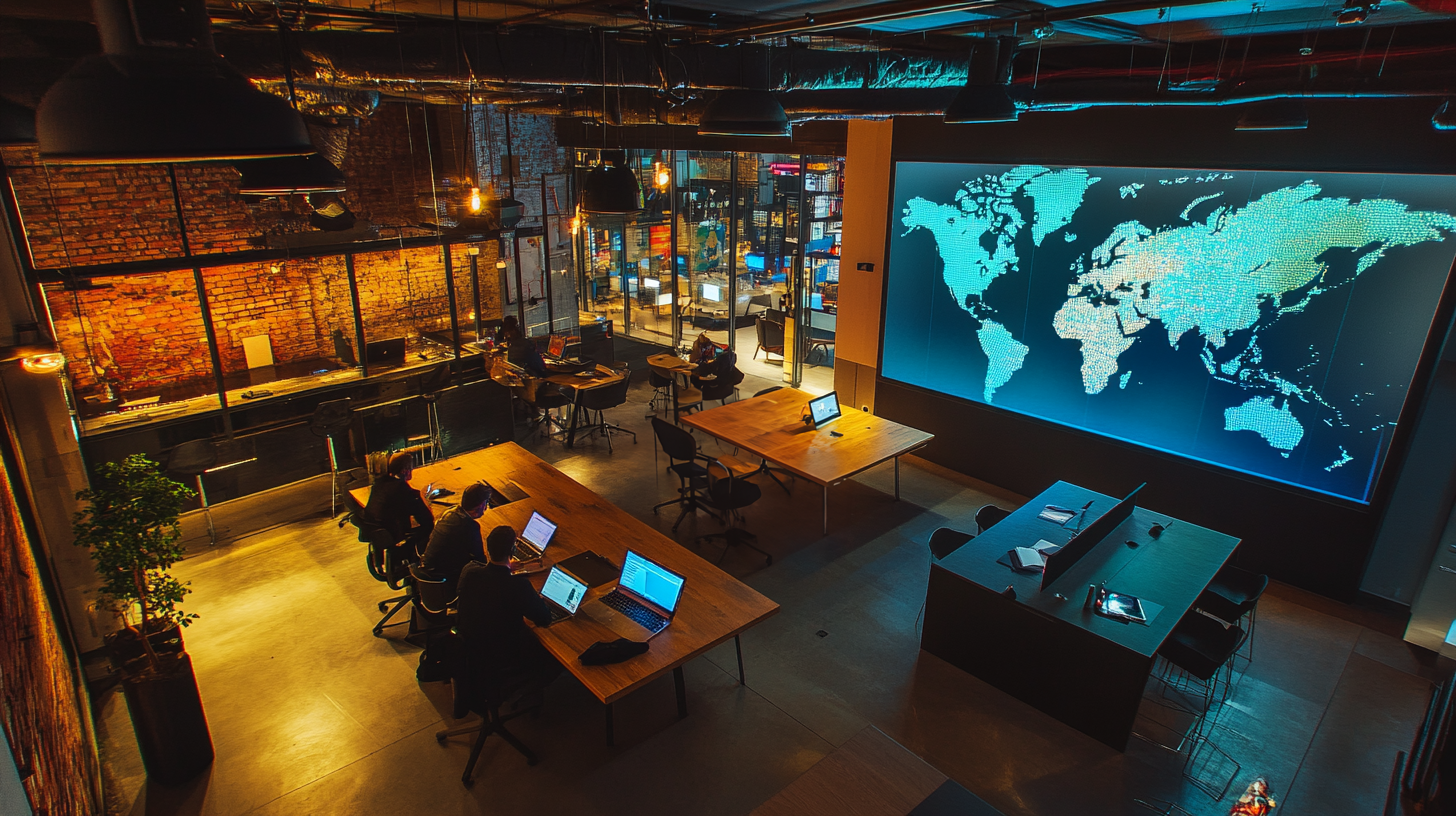
Of interest to foreign startups and SMEs: Access to the EU's European single market via Germany – Image: Xpert.Digital
Seizing Europe's opportunities: How Germany is becoming the key to international business success
Germany as a gateway to the European single market: Opportunities for foreign start-ups and SMEs
Germany offers foreign startups and small to medium-sized enterprises (SMEs) an ideal starting point for gaining access to the European Single Market. With its central location in Europe, a strong economy, and a stable legal environment, Germany is an attractive location for international companies looking to expand their business in Europe. But it's not just Germany itself; the European Single Market as a whole opens up virtually unlimited business opportunities. The following explains why Germany and the EU are so attractive to foreign companies and what advantages they offer.
Germany: Economic Heart of Europe
With over 83 million inhabitants, Germany is not only the most populous country in Europe, but also the largest economy in the European Union (EU). The German economy is characterized by stability, innovation, and the high purchasing power of its population. These factors make the German market particularly attractive for companies in the consumer goods, services, and technology sectors.
Another advantage of Germany is its global reputation as a trading and production location. German products are internationally synonymous with quality and reliability. This makes Germany an ideal location for companies that value a strong brand identity and want to benefit from the positive perception of the "Made in Germany" label.
International trade fairs as a platform
Germany is renowned for its leading international trade fairs, which offer companies an excellent opportunity to present their products and services to a global audience. Events such as the Hannover Messe – one of the world's largest industrial trade fairs – or the IFA in Berlin – a major consumer electronics trade fair – attract hundreds of thousands of visitors from around the world every year. These platforms enable companies to establish business contacts, tap into new markets, and showcase technological innovations.
Access to highly qualified professionals
Germany boasts an excellent education system and a strong research and development landscape. Universities, universities of applied sciences, and research institutes collaborate closely with industry, facilitating access to highly qualified specialists. For startups and SMEs, this means not only access to talent but also the opportunity to benefit from technological advancements and innovation networks.
The European Single Market: A huge economic area
Besides the advantages of Germany, the European single market as a whole offers enormous opportunities for international companies. The EU single market comprises 27 member states with a total population of over 450 million people, making it one of the world's largest economic blocs.
Free movement of goods, services, capital and persons
The European single market is based on the four fundamental freedoms: the free movement of goods, services, capital, and people. For businesses, this means fewer bureaucratic hurdles and lower costs for cross-border trade. One example of this is the abolition of customs duties within EU member states, which significantly facilitates trade.
Furthermore, companies benefit from harmonized standards within the EU. Products approved in one member state can generally be sold in other EU countries without further testing or approval. This significantly reduces administrative burdens and allows companies to expand into new markets more quickly.
A single currency is an advantage
The introduction of the euro as a common currency in 20 EU member states further facilitates trade. Companies no longer need to consider exchange rate risks and benefit from greater price transparency. This is particularly advantageous for SMEs, which often lack the resources to implement complex currency hedging strategies.
EU funding programs: Support for innovation and growth
The European Union offers numerous funding programs to support companies in their development. These programs cover various areas such as research and development (R&D), digitalization, and sustainability. Small and medium-sized enterprises (SMEs) and start-ups, in particular, benefit from these initiatives.
Horizon Europe: Funding for research and innovation
Horizon Europe is one of the world's largest research and innovation programs, with a budget of approximately €95 billion (2021–2027). It supports projects in areas such as climate protection, health, and digitalization. The program offers specific funding opportunities for SMEs to strengthen their innovative capacity.
European Innovation Council Accelerator
The European Innovation Council (EIC) Accelerator is specifically aimed at innovative startups and SMEs with high growth potential. Its goal is to support these companies in bringing their technologies to market and becoming globally competitive. In addition to financial support, the EIC Accelerator also offers access to investor networks and mentoring programs.
Start-up Europe: Special support for young companies
The "Start-up Europe" program aims to connect startups across Europe and provide them with access to financing opportunities and international markets. It particularly supports young technology companies and helps them expand their business models globally.
Promoting sustainability
The EU places great emphasis on sustainability and supports companies in implementing environmentally friendly business models. Initiatives such as the Green Deal and the LIFE Programme offer financial incentives for projects in the areas of climate protection, resource efficiency, and renewable energies. This presents interesting opportunities for start-ups to develop innovative sustainability solutions and simultaneously benefit from funding.
Why choose Germany as a starting point?
Germany offers itself as an ideal entry point into the European single market – not only because of its economic strength, but also due to its central location in Europe. From Germany, companies can quickly reach other important markets such as France, Italy, or Poland. Furthermore, Germany boasts excellent infrastructure with a dense network of highways, rail connections, and international airports.
Another advantage of Germany is its political stability and a legally secure environment for investors. The German government actively supports foreign companies through advisory services and funding programs at the national level.
Of interest to international startups: The transformation of startups into an economic factor and pillar of German infrastructure – Image: Xpert.Digital
"The landscape of German startups has fundamentally changed in recent years. At one time, new business formations and funding were at a historic high: within a single year, over 3,200 startups were launched, and investments of more than 17 billion euros flowed into young companies. These figures marked record highs that reflected the optimism and dynamism of the industry."
Related to this:
Overcoming challenges: What foreign companies should consider
Despite all these advantages, there are also challenges when expanding into Germany or Europe. These include, among others:
- Language barriers: Although English is widely spoken, it can be helpful to develop German language skills.
- Bureaucracy: Despite the reduction of many obstacles within the single market, bureaucracy remains complex in some areas.
- Competition: The European market is highly competitive; therefore, companies should be well prepared and clearly position themselves.
However, with careful planning and support from local partners, these challenges can be overcome.
A worthwhile step for regional and international companies alike
Germany, together with the European Single Market, offers enormous potential for international startups and SMEs. The combination of Germany's strong economy, access to highly qualified professionals, and the advantages of the EU Single Market creates ideal conditions for entrepreneurial success. With numerous funding programs at both the EU and national levels, small businesses in particular have excellent opportunities to further develop their business models.
For foreign companies, choosing Germany as a base for accessing the European market is therefore not only economically but also strategically worthwhile in the long term – a step with great potential for sustainable growth!
Related to this: