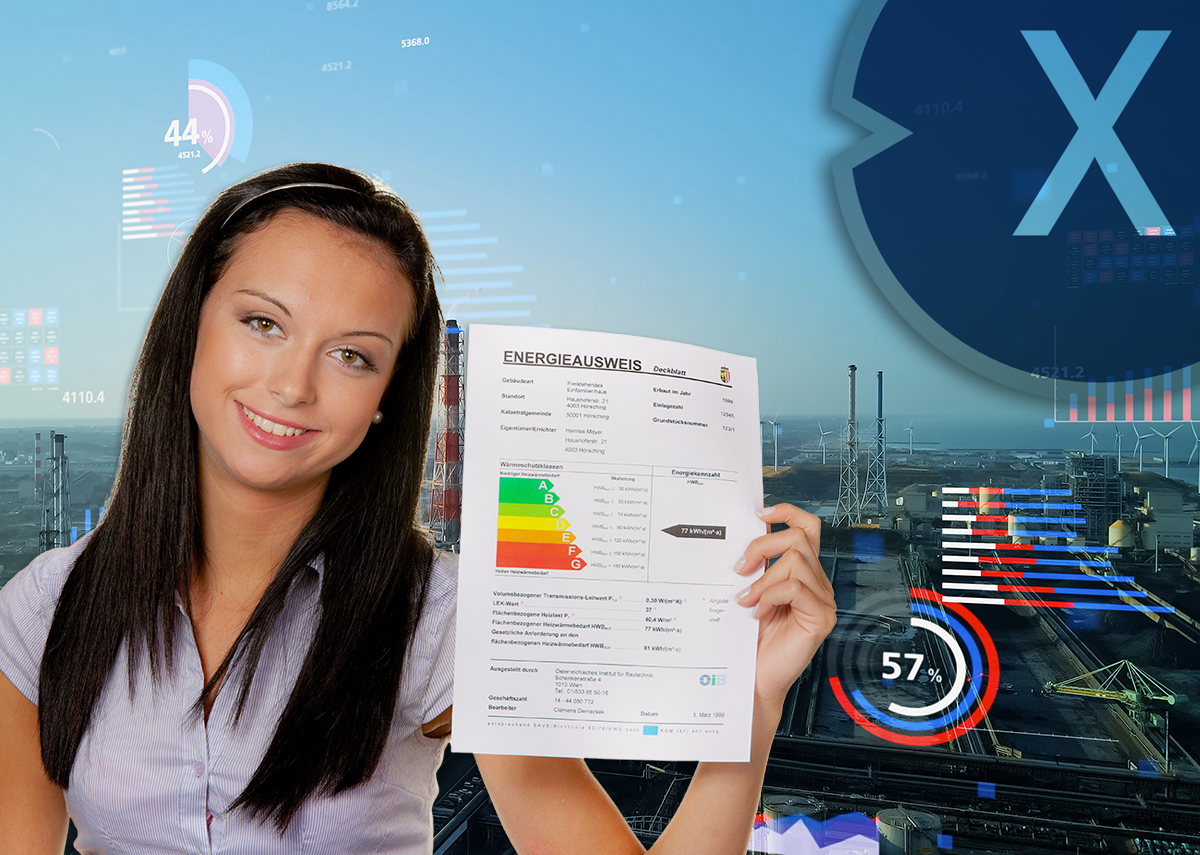
CO2 tax, energy efficiency and why companies, firms and manufacturing businesses must act now – Image: Xpert.Digital
The missed potential of the Energy Efficiency Act: Why clear regulations are crucial for companies
The carbon tax represents a significant financial burden for companies whose business models do not rely on renewable energy. It is not only an economic challenge but also a regulatory one, as it necessitates a change in business models to address the long-term environmental impacts of CO2 emissions. The tax is a direct response to global pressure to reduce human-induced global warming.
A 2023 study by the World Economic Forum showed that companies that do not invest in renewable energy could be less competitive in the long run. The cost increases resulting from the carbon tax could even further enhance the competitive advantage of companies that invest in renewable energy. This is because these companies can avoid not only the costs of the carbon tax but also the rising costs of fossil fuels.
Despite clear business interest in investing in renewable energies, companies' willingness to invest in energy-efficient building renovations and new construction is currently at an all-time low. This is due to both the current economic situation and political uncertainties. In particular, the failed attempt to pass the Energy Efficiency Act through the Bundestag has unsettled companies.
The political turmoil surrounding the energy efficiency law shortly before the parliamentary summer recess has further increased the uncertainty for businesses. The failed attempt to pass the law has demonstrated the current lack of a clear political direction for energy policy. This back-and-forth is causing companies to hesitate to invest in energy efficiency measures, as they are unsure what requirements will apply in the future.
The current draft of the Energy Efficiency Act would have been an important step towards anchoring efficiency standards in German industry. With this law, the government would have given companies a clear mandate to save energy. Such a step would be crucial for achieving Germany's climate goals and would provide companies with clarity and direction for their investments.
The failure to pass the Energy Efficiency Act before the summer recess has rightly prompted regret among environmental organizations. Without clear and binding energy efficiency requirements, the energy transition, and thus climate protection, will hardly progress. Focusing on energy efficiency is crucial for reducing dependence on fossil fuels and promoting a sustainable economy.
To achieve long-term and sustainable change, German companies must recognize the political will for the energy transition and the implementation of climate protection measures. This requires political leadership that sets clear and binding targets while simultaneously providing incentives for companies to invest in energy efficiency and renewable energies.
Plan your solar system for the most common applications conveniently online with our solar system planner!
With our user-friendly solar system planner, you can design your individual solar system online. Whether you need a solar system for your home, your business, or for agricultural purposes, our planner allows you to consider your specific requirements and develop a customized solution.
The planning process is simple and intuitive. You simply enter the relevant information. Our planner takes this information into account and creates a customized solar system that meets your needs. You can try out different options and configurations to find the optimal solar system for your application.
Furthermore, you can save your plan to review it later or share it with others. Our customer service team is also available to answer any questions and provide support to ensure your solar system is optimally planned.
Use our solar system planner to design your individual solar system for the most common applications and accelerate the transition to clean energy. Get started now and take an important step towards sustainability and energy independence!

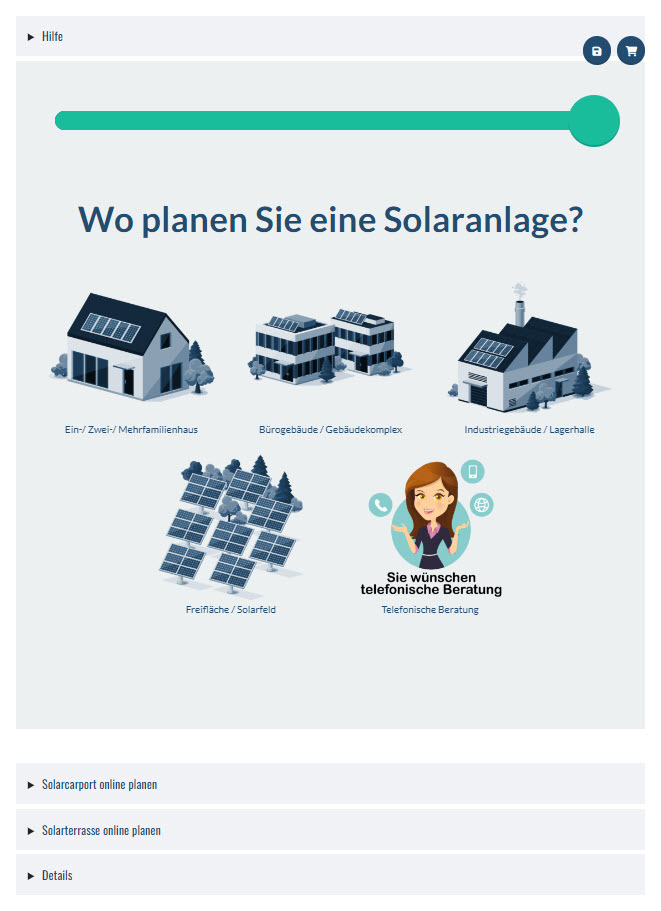
The solar system planner for the most common applications: Plan your solar system online here - Image: Xpert.Digital
More information here:
📣 Energy-efficient renovation and new construction, consulting, planning and implementation for industry, retail and municipalities

Our experienced team supports you in optimizing your buildings to reduce energy consumption and promote sustainable energy use with photovoltaics. We analyze your individual needs and develop customized concepts that are both economically and ecologically sound. Whether it's the energy-efficient renovation of existing buildings or the construction of new, energy-efficient structures, we are here to help. Industrial plants, retail buildings, and municipal facilities can reduce their energy costs, minimize their environmental impact, and simultaneously improve the comfort and efficiency of their buildings with our tailored solutions.
👨🏻 👩🏻 👴🏻 👵🏻 Energy-efficient renovation and new construction, consulting, planning and implementation for private households
We offer comprehensive support for private households in the energy-efficient renovation and new construction of buildings with photovoltaics. Our experienced team is at your side to assist you with consulting, planning, and implementing your sustainable energy solutions. We analyze your energy consumption, identify potential savings, and develop customized concepts to improve your energy efficiency. From improving building insulation and installing energy-efficient windows and doors to installing photovoltaic and solar thermal systems – we guide you step by step to make your home more energy-efficient and environmentally friendly. Trust in our expertise and benefit from the numerous advantages that energy-efficient renovation and the use of renewable energies offer. Together, we'll create a sustainable future for your home.
What impact will the CO2 tax have on companies in the coming years if they do not reduce their CO2 emissions?


Fatal impact of the CO2 tax without a reduction in CO2 emissions – Image: Xpert.Digital / BigBlueStudio|Shutterstock.com
More information here:
Energy efficiency law places obligations on companies
The importance of energy efficiency and climate protection is increasingly coming into focus. Companies face the challenge of reducing their energy consumption and implementing efficient measures. With the Energy Efficiency Act, the German Federal Government has taken an important step to hold companies accountable and provide them with clear guidelines. The Energy Efficiency and Climate Protection Networks initiative has presented various short-term measures.
Background of the Energy Efficiency Act
The Energy Efficiency Act aims to oblige companies to implement energy or environmental management systems and to develop and publish concrete plans for energy-efficient measures. These measures are intended to achieve ambitious targets that contribute to climate protection and reduce energy consumption.
Potential for energy savings in companies
Despite progress already made, there is still untapped potential for further reducing energy consumption in companies. The Energy Efficiency and Climate Protection Networks initiative has therefore developed a series of short-term measures to support companies in implementing energy-efficient practices. These measures are not only quick to implement but also economically viable.
Short-term measures to save energy
Insulation of heat pipes
An effective way to save energy is to insulate heating pipes. Improved insulation minimizes heat loss, leading to reduced energy consumption. This measure is easy to implement and can quickly result in noticeable savings.
Raising the cooling temperature in the server room
Another approach to saving energy lies in raising the cooling temperature in the server room. Server rooms are often cooled unnecessarily, leading to high energy consumption. By moderately increasing the cooling temperature, companies can reduce their energy needs without compromising operational reliability.
Sealing leaks in compressed air networks
Leaks in compressed air systems are a common source of energy loss. Regular leak detection and repair can significantly reduce energy consumption for businesses. This measure is cost-effective and offers substantial savings potential.
Practical examples and calculation examples
The Energy Efficiency and Climate Protection Networks initiative provides various fact sheets on its website, containing practical examples and concrete steps for implementing short-term measures. These fact sheets offer companies valuable support in implementing energy-efficient measures. Furthermore, the fact sheets present calculation examples that illustrate the potential savings in energy, CO2 emissions, and costs.
Criticism of the Energy Efficiency Act
Despite positive developments in energy efficiency, the Energy Efficiency Act has also faced criticism. Some experts argue that the law has been significantly weakened by amendments proposed by the governing coalition. This weakening could lead to Germany failing to meet its 2030 climate targets.
Relaxations in requirements for the states
The requirements for the federal states regarding their energy-saving obligations have also been weakened. This could lead to the total contribution from the federal and state governments required by the EU not being met. It remains questionable whether this reduction of requirements complies with EU law and whether it meets the objectives of the Energy Efficiency Directive.
Opportunities and barriers in the energy services market
Experts criticize the fact that the draft energy efficiency law does not include genuine equality provisions for energy services. Barriers still exist that hinder market-based solutions for implementing and financing energy transition measures. Unleashing the energy services market would be a crucial step in advancing the energy transition.
Long-term goals and willingness to invest
The long-term targets of the Energy Efficiency Act are of great importance for achieving long-term primary energy targets and implementing Germany's climate neutrality goal for 2045. However, it has been criticized that these targets have been significantly downgraded in the current amendment. The binding nature of the targets and investment security play a crucial role in motivating companies to implement efficiency measures.
➡️ The Energy Efficiency Act and the short-term measures of the Energy Efficiency and Climate Protection Networks initiative are important instruments for encouraging companies to implement energy-efficient measures. It is the responsibility of companies to seize these opportunities and contribute to climate protection. Targeted energy savings can not only reduce costs but also free up capacity for investment. Implementing energy-efficient measures is an investment in the future.
FAQs
Which companies are affected by the Energy Efficiency Act?
The Energy Efficiency Act applies to companies whose annual energy consumption exceeds a certain threshold. The exact criteria are defined in the law.
How can companies benefit from the short-term measures?
The short-term measures offer companies concrete recommendations for implementing energy-efficient measures. The resulting savings can reduce costs and free up capacity for investment.
Where can I find more information about the short-term measures?
Find advice and solutions here 👈🏻
What role does the Energy Efficiency Act play in climate protection?
The Energy Efficiency Act is an important instrument for achieving Germany's climate goals. By reducing energy consumption, the law contributes to climate protection.
Why is the Energy Efficiency Act controversial?
The energy efficiency law is controversial because some amendments have weakened it. This could cause Germany to miss its 2030 climate targets.
What does the current energy efficiency law stipulate and what obligations does it impose on companies?
The current Energy Efficiency Act obliges companies, depending on their annual energy consumption, to implement energy or environmental management systems or to develop and publish concrete plans for measures. This law sets ambitious targets that require both large and small companies to make additional efforts to save energy, avoid waste heat, or utilize it effectively.
How much energy consumption in Germany is attributable to manufacturing companies and industry?
Manufacturing companies in Germany account for more than a quarter of total energy consumption. For natural gas, industry even accounts for around 37 percent of consumption.
What short-term measures has the Energy Efficiency and Climate Protection Networks initiative compiled?
The Energy Efficiency and Climate Protection Networks initiative has compiled a series of short-term measures to help companies further reduce their energy consumption. These measures include, for example, insulating heat pipes, increasing the cooling temperature in server rooms, and sealing leaks in compressed air systems. The fact sheets on their website offer practical recommendations, concrete implementation steps, and calculation examples of potential energy, CO2, and cost savings.
How does the German Business Initiative for Energy Efficiency (DENEFF) react to the weakening of the Energy Efficiency Act?
DENEFF criticizes the weakening of the Energy Efficiency Act as economically damaging. It emphasizes that the amendments to the draft law do not offer long-term investment security and could ultimately lead to Germany's failure to meet its 2030 climate targets. According to DENEFF, the coalition government is only taking a short-term approach to energy conservation and is not implementing the necessary measures to achieve the set goals.
Why are long-term and binding goals crucial for companies and the efficiency economy?
The long-term nature and binding nature of targets are crucial for the investment security of companies and for an efficient economy. They make it possible to redirect expenditures on energy imports into efficiency investments and to strengthen the economy through higher energy productivity. Particularly in times when companies' willingness to invest in efficiency measures is at a historic low, long-term and binding targets are of great importance.
The impact of the CO2 tax on companies
It is undisputed that the CO2 tax has profound effects on the economy and especially on businesses. Not only are the direct cost increases a burden, but it also creates significant competitive disadvantages for those who are unwilling or unable to invest in renewable energies.
The importance of investing in renewable energies
The impact of the CO2 tax on competitiveness
Companies that fail to invest in renewable energy risk falling behind. The carbon tax is a regulation that forces companies to rethink their energy practices and operate more efficiently. Otherwise, they face increased costs and a loss of competitiveness.
Consequences of not investing in renewable energies
If companies fail to improve their energy efficiency, they can expect additional costs in the form of carbon taxes. This will ultimately reduce their profitability and could jeopardize their survival.
The low point of investment readiness – Energy-efficient building renovation and new energy-efficient construction
Despite the looming risks, it is evident that the willingness to invest in energy-efficient building renovation and new energy-efficient construction has reached a low point.
It is crucial that companies invest in energy efficiency to be economically successful in the long term. Spending on energy imports could be redirected to efficiency investments, thereby strengthening the economy through increased energy productivity.
Political uncertainty and the Energy Efficiency Act – The collapse of the vote on the Energy Efficiency Act
The recent political uncertainty surrounding the energy efficiency law offers no prospect of business planning security; quite the opposite. The planned vote on the law was cancelled just before the parliamentary summer recess.
The impact on business planning
This political uncertainty makes it difficult for companies to make long-term plans and invest in energy efficiency. This leads to a hesitant investment climate.
The future without an energy efficiency law – The need for systematic energy saving
Without the Energy Efficiency Act, the state would have, for the first time, given companies a clear mandate to systematically address energy conservation. Because without greater efficiency and conservation, the energy transition, and therefore greater climate protection, will not be possible.
The importance of energy efficiency for climate protection
Energy efficiency plays a crucial role in climate protection. Companies must reduce their energy consumption and switch to renewable energy sources to lower emissions and achieve climate protection goals.
➡️ It is clear that both the CO2 tax and the current political uncertainty surrounding the energy efficiency law have significant implications for businesses and the economy as a whole. It is hoped that companies will recognize the importance of investing in energy efficiency and act accordingly to mitigate the negative effects of the CO2 tax.
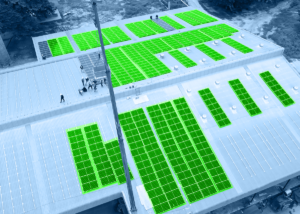


- Planning photovoltaics on warehouses, commercial buildings and industrial buildings
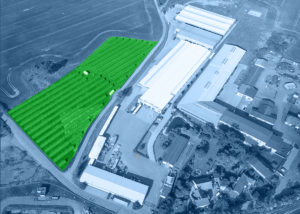
- Industrial plant: Planning a photovoltaic open-field system or open-area system
- Planning solar power systems with photovoltaic solutions for freight forwarding companies and contract logistics
- B2B Solar Systems and Photovoltaic Solutions & Consulting
Expert advice on energy-efficient renovation and new construction with Xpert.Plus

Konrad Wolfenstein
I would be happy to serve as your personal advisor.
You can contact me by filling out the contact form below or simply call me on +49 7348 4088 965 .
I'm looking forward to our joint project.
Write to me


Xpert.Digital – Konrad Wolfenstein
Xpert.Digital is a hub for industry focusing on digitalization, mechanical engineering, logistics/intralogistics and photovoltaics.
With our 360° Business Development solution, we support renowned companies from new business to after-sales.
Market intelligence, smarketing, marketing automation, content development, PR, mail campaigns, personalized social media and lead nurturing are part of our digital tools.
You can find more information at: www.xpert.digital – www.xpert.solar – www.xpert.plus
Keep in touch