

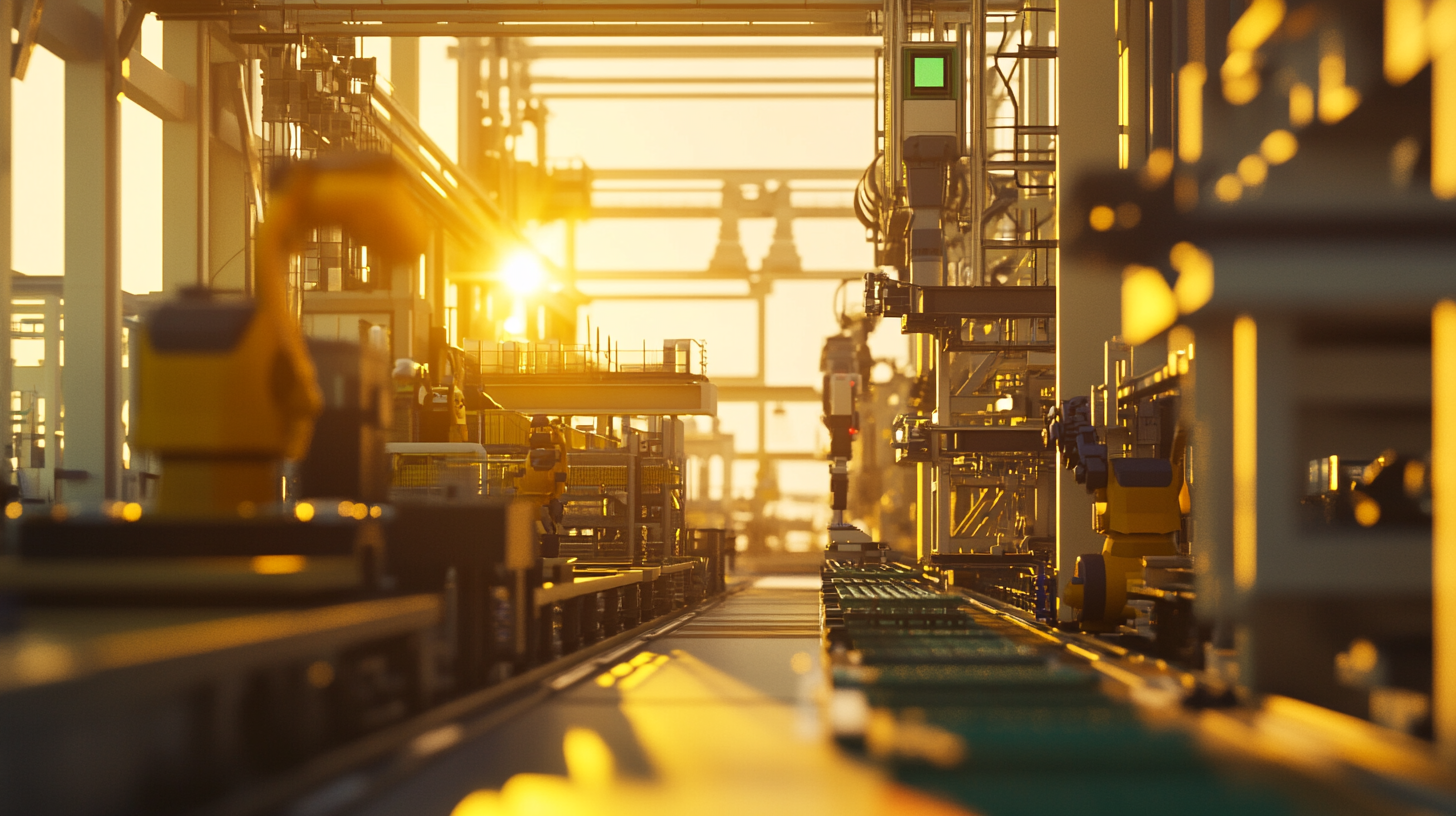
The German economy in transition: Challenges and opportunities for administration, the service sector and manufacturing – Image: Xpert.Digital
Staying competitive: The key role of innovation in German industry
Industry meets service sector: Why cross-industry collaboration is crucial
The German economy has had to reinvent itself repeatedly over the past few decades. Globalization, digitalization, climate protection, and demographic change are just some of the factors that pose challenges for both businesses and the government. "The future of Germany as a production location is being decided now"—this is how leading business representatives describe the current situation. Public administration, the service sector, and manufacturing play a crucial role in this. They are closely intertwined and mutually influential. A stable and competitive manufacturing sector has a positive impact on the service sector, which is also undergoing transformation and increasingly relying on digital technologies. In turn, public administration lays the foundation for innovation, growth, and social equity through legislation, regulation, and infrastructure projects.
Despite this close interrelationship, all three sectors face numerous challenges. The following section explains the current developments and challenges in the interaction of these sectors. It also addresses potential opportunities for Germany as a business location – always with a focus on how the manufacturing sector can be strengthened and how the public and service sectors can contribute. This interplay is by no means static, but rather subject to constant change. "Those who miss the changes will lose competitiveness in the long run," warns a business owner from the manufacturing sector. For this reason, it is worthwhile to take a closer look at the multifaceted aspects of this transformation and to analyze how the interaction of the three sectors can be successful.
Importance of the interplay between administration, the service sector and the manufacturing industry
The German economy is often described as an "export-driven industrial powerhouse." Indeed, a significant portion of the overall economic value creation still relies on the manufacturing sector. Mechanical engineering, the automotive industry, chemicals, and electrical engineering are just a few examples of sectors that have made Germany world-renowned. They act as drivers of innovation and technological development, ensuring that Germany is considered a strong industrial location.
At the same time, the service sector has developed into a stable pillar of the German economy. "The service sector has long been the backbone of our modern society," explains an analyst from a consulting firm. More and more companies are outsourcing activities that are not part of their core business, such as IT services or marketing, thereby creating new jobs in this sector. Furthermore, the boundaries between manufacturing and the service industry are becoming increasingly blurred, for example, when industrial companies not only focus on physical products but also offer digital services.
The public administration plays a central role, creating the framework for both sectors. It provides infrastructure, regulates competition, levies taxes and subsidies, and sets standards through environmental and labor laws. "Without a functioning administration, the foundation of our economy would crumble," emphasizes a high-ranking administrative official. At the same time, the administration exerts a significant influence on economic development through regulation and support: it incentivizes investment, supports sustainable projects, and ensures compliance with regulations.
Current challenges in the manufacturing industry
The manufacturing sector in Germany has been grappling with structural change in recent years. Rising energy costs, international competition, high investment requirements for climate-friendly technologies, and increasing automation are transforming the landscape. A key development is the digitalization of production, known as Industry 4.0: machines, products, supply chains, and customers are digitally interconnected. "We are in the midst of a period of upheaval in which digitalization is fundamentally transforming even traditional industrial sectors," says an expert in digitalization within the mechanical engineering industry.
Automation and the use of robotics have led companies to streamline their processes. While this increases productivity, it can also cost jobs, especially when certain tasks are eliminated or outsourced. "The industrial sector needs to restructure and provide its employees with the necessary qualifications," warns a union representative. Where companies cannot withstand international competition, this sometimes results in plant closures or massive job cuts.
Furthermore, geopolitical tensions, as well as rising wages and production costs in Germany, are prompting some companies to relocate parts of their production to lower-cost regions. Such outsourcing weakens Germany's position as a business location, as local value creation and jobs are lost. At the same time, new markets offer opportunities for companies that operate successfully on a global scale: They reach a broader customer base and benefit from international value chains. However, those who want to be present in international markets need sufficient capital, innovative strength, and the right strategy.
Related to this:
- What accounts for the current success of some companies in the mechanical engineering sector despite the economic crisis in Germany?
- Successful mechanical engineering companies in Germany include Bosch, CLAAS, Dürr, Exyte, Festo, Krones, Voith, Zeiss and others
Service sector between growth and new demands

Service sector between growth and new demands and the role and challenges of public administration – Image: Xpert.Digital
The service sector in Germany has steadily gained importance over the past decades. The shift of activities from manufacturing to specialized service sectors is just one aspect of this development. Added to this is the growth in sectors such as IT, consulting, finance, real estate, and tourism. New technologies and business models are making services increasingly diverse while simultaneously linking them more closely to industrial processes.
“We are experiencing a surge in innovation triggered by digitalization in the service sector,” explains a manager at an IT company. Big data, artificial intelligence, and cloud computing enable service providers to better understand their customers, develop new solutions, and optimize processes. So-called platform companies are particularly successful in this area, building large networks through which they broker or simplify services.
At the same time, many service providers must adapt to changing customer needs. A growing number of consumers and companies are demanding sustainable and environmentally sound offerings. This development is leading companies to engage more deeply with issues such as climate neutrality, energy efficiency, and responsible resource consumption. "Sustainable services are no longer a niche topic, but are becoming a key competitive factor," emphasizes a consultant for sustainable business practices. This is also creating new job profiles in the service sector that are more strongly aligned with ecological and social objectives.
Role and challenges of public administration
Public administration not only performs regulatory tasks but also actively shapes the framework for the economy. This includes tax policy, infrastructure projects, and research funding. At the same time, public administrations themselves are facing major structural changes. Digital transformation requires comprehensive modernization of government agencies and administrations to make processes more efficient and provide citizens and businesses with faster and more reliable services. "We must boldly drive digital change forward in our public authorities," warns a senior official from a state agency.
The impact of opaque or slow administrative processes is particularly evident when it comes to permits for new industrial plants or investment projects. Lengthy processing times, bureaucracy, and a lack of resources in government offices stifle entrepreneurial initiatives. This is especially true for small and medium-sized enterprises (SMEs), which lack the same capacity to handle legal and administrative requirements as large corporations. One owner of a medium-sized business explains: “Our time and costs associated with bureaucracy have increased dramatically. This hinders innovation and the expansion of our capabilities.”
Policymakers also face the challenge of actively managing structural change. This includes investments in education and research, the promotion of new technologies, and support for affected regions, for example, when traditional industries collapse. The federal and state governments have established various funding programs for this purpose, ranging from innovation vouchers to comprehensive investment packages. It is crucial that these measures are implemented consistently and effectively so that they actually reach companies and increase their competitiveness.
Employment trends and dealing with job cuts
The debate surrounding job cuts in the manufacturing sector demonstrates the immense pressure this sector is under. "We cannot stand idly by while today's key industries may no longer be competitive tomorrow," warns a representative of the industrial union. Beyond the immediate social consequences—unemployment and loss of income—a decline in industrial production also has macroeconomic repercussions, such as lower tax revenues and reduced export earnings.
Nevertheless, a decline in employment in the manufacturing sector can be partially offset by growth in the service sector. New jobs are frequently created in this sector, for example in areas such as IT, research, or logistics. However, a simple transfer of workers is often not possible, as the requirements for knowledge, skills, and qualifications vary considerably. Consequently, the need for further training and retraining is increasing, opening up prospects for those affected in promising industries.
Qualification initiatives by policymakers and businesses can mitigate the effects of structural change. This applies to both the promotion of digital skills and the acquisition of new technical abilities. "Continuing education is not optional, but essential in a rapidly changing market environment," says a human resources director at an automotive supplier. Crucially, companies, unions, and government agencies must work together and offer needs-based programs so that as many employees as possible can adapt to the evolving world of work.
Impact of imports and international supply chains
Globalization has led to highly interconnected international supply chains. Many companies in Germany source raw materials, intermediate products, or specific components from abroad. On the one hand, they benefit from lower purchase prices, for example, when buying from countries with lower labor or energy costs. On the other hand, this also increases dependencies that can prove problematic in times of crisis. "The recent supply bottlenecks have only just made us realize how vulnerable our supply chains are," cautions a purchasing expert from the automotive industry.
While cheaper imports lead to lower prices for consumers, they can put a strain on the manufacturing sector, especially when competition from cheaper foreign products is fierce. In some cases, companies shift parts of their value chain abroad to produce under more favorable conditions. This has the aforementioned negative effects on Germany as a business location. At the same time, this step is vital for some companies to survive in international competition. "We had to relocate part of our production abroad to remain competitive. It wasn't an easy decision, but it was an economic necessity," explains the managing director of a medium-sized company.
On the other hand, globalized supply chains also offer opportunities: Access to worldwide markets enables innovative companies to grow rapidly and reach international customers. Furthermore, German companies gain access to technologies and intermediate products through imports that they cannot (yet) produce themselves. This combination of local expertise and international resources can lead to new products and business models. "Globalization is both an opportunity and a challenge for us," summarizes an export manager at a technology company.
Economic consequences of a weak manufacturing sector
If the manufacturing sector experiences a long-term downturn, the consequences will be far-reaching. Traditionally, the German economy is heavily reliant on the export of industrial goods. Products "Made in Germany" enjoy an excellent international reputation, meaning that fluctuations in this sector have a significant impact on the gross domestic product. A weak manufacturing sector also means less investment in research and development. This is particularly critical because innovations often originate in the industrial sector and only spread to the service sector later.
Furthermore, the country's innovative capacity suffers when core industrial sectors lose importance. "Our experience shows that a strong industrial base forms the backbone for technological progress and societal prosperity," emphasizes a renowned economist. Without such impetus, Germany and its companies risk falling behind in the global innovation race. This could trigger a negative spiral: lower investment, reduced competitiveness, even less production, and consequently higher unemployment and declining government revenue.
Furthermore, many industrial jobs are comparatively well-paid and contribute to a stable middle class. A decline in this sector could exacerbate social inequality. High social costs resulting from unemployment simultaneously strain public finances. For the service sector, reduced purchasing power also means less demand for its services. All of this underscores the importance of a stable manufacturing sector for the overall economic health of Germany.
Measures to strengthen the manufacturing sector
In recent years, policymakers have developed various instruments to support Germany's industrial base and prepare it for the future. These include tax cuts for companies, reductions in electricity taxes for certain sectors, and improved depreciation allowances for investments. The aim is to relieve the burden on companies and give them more financial flexibility for research, development, and modernization.
“We need significantly stronger investment incentives so that our companies can invest in climate-friendly and digital technologies,” demands a representative of a German industry association. The goal of making industry more climate-friendly, in particular, requires enormous investments in new production processes, materials research, and energy supply. Therefore, the government is also promoting promising projects in the areas of electromobility, hydrogen technology, and energy storage to support companies in building new value chains.
Further measures include expanding research allowances to incentivize companies to increase their research activities, as well as improving financing options for startups and young companies. This will allow innovative ideas to establish themselves on the market more quickly and provide new impetus for established industries. Making energy cost compensation schemes permanent and creating a national raw materials fund are also steps to reduce procurement risks and make costs more predictable for businesses.
Digitalization as a key for administration, the service sector and manufacturing
Digitalization is a central theme for all three sectors. For companies in the manufacturing industry, the networking of machines and processes offers great opportunities to make their production more efficient. "Using modern sensor technology and big data analytics, we can detect and correct even the smallest errors in production at an early stage," explains a production manager at an automotive supplier. At the same time, new business models emerge when companies not only sell products but also offer digital services or data-based services.
In the service sector, digitalization is increasing the diversity of offerings. Online platforms, IT security, cloud solutions, and AI-based services have become indispensable. At the same time, competition is growing – especially as international technology companies penetrate traditional service sectors. Therefore, the ability to quickly develop new applications and adapt them to changing customer needs is a crucial competitive advantage.
Public administration is also facing a surge in digitalization. Digital citizen services, online approval processes, central data registers, and the automation of routine procedures are intended to simplify interactions with authorities and reduce processing times. "If we consistently expand digital administrative processes, the entire German economy will benefit," emphasizes a senior administrative official. While there are numerous political programs for digital modernization, practical implementation often still suffers from a lack of personnel and technical resources.
Related to this:
Globalization, trade conflicts and geopolitical risks
Globalization is a driving force behind change in administration, the service sector, and manufacturing. Companies no longer export only to neighboring EU countries, but also to Asia, North and South America, and Africa. They often establish subsidiaries or production facilities locally to better serve these markets. "Those who want to think globally must also act locally," explains a manager of a globally operating mechanical engineering company.
At the same time, geopolitical risks have intensified in recent years: trade conflicts, sanctions, and political instability can quickly restrict supply chains and export opportunities. This becomes apparent, for example, when new tariffs are imposed on imports or when political tensions block important transport routes. In such situations, much depends on the diplomatic skill and negotiating power of German and European policymakers. "We need a strategic foreign economic policy that doesn't make us dependent on individual regions of the world," warns one economic policy expert.
Companies are responding to these uncertainties with diversified supply chains to reduce the risk of production disruptions. Nearshoring—the relocation of production steps to geographically closer regions—is also frequently considered to shorten and reduce the vulnerability of supply routes. At the same time, the question remains how future crises will affect global trade. While governments can facilitate companies' entry into or exit from markets, ultimately, companies themselves must develop long-term strategies that prioritize resilience and adaptability.
Sustainability and climate protection as drivers of innovation
Climate change demands a sustainable transformation of the economy and society. This affects all three sectors equally. Industrial companies must reduce CO₂-intensive processes, use more environmentally friendly energy sources, and rethink their entire value chain. Service companies also have a responsibility to develop ecologically sound models, whether in logistics, tourism, finance, or consulting. And public authorities must provide targeted incentives to ensure the adoption of sustainable technologies and processes.
“Our goal is a climate-neutral industry by mid-century,” emphasizes a representative of the German Federal Government. This ambition opens up opportunities for companies that want to tap into new markets for sustainable technologies: For example, wind turbines, solar technology, energy storage, and environmentally friendly transportation systems can secure jobs and become new export successes. At the same time, however, significant investments in research and development are required. The interplay with the service sector is also crucial here, as services such as maintenance, financing, and sales need to be redesigned to achieve the sustainability goals.
Specifically, this means that investments in cleaner processes are needed not only in the manufacturing sector, but also in software solutions and consulting services that can manage and monitor the transformation. "Climate protection can be an engine for innovation if we set the right course," says a sustainability expert. Accordingly, it is crucial that public authorities accelerate their permitting processes when companies invest in green technologies, and that policymakers do not create legal uncertainties that hinder investment decisions.
Small and medium-sized enterprises (SMEs) as the backbone of the German economy
In the context of the German economy, large corporations, such as those in the automotive or chemical industries, are often discussed. However, a large portion of value creation and innovation actually lies in the Mittelstand, that is, in small and medium-sized enterprises (SMEs). "The Mittelstand is the heart of the German economy," is a common refrain in politics and the media. These companies are characterized by high flexibility, close customer relationships, and specialized niche expertise.
But small and medium-sized enterprises (SMEs) in particular feel the pressure from digitalization, skills shortages, and international competition. Many lack the resources of large corporations to quickly invest in new technologies or to counteract fluctuations in the global market. "We depend on reliable framework conditions to avoid jeopardizing our long-term projects," explains a mechanical engineering company from a rural area. It is therefore crucial that government funding programs and tax breaks reach SMEs as well.
Securing skilled workers is also essential for small and medium-sized enterprises (SMEs). As demographic change in Germany intensifies, it is becoming increasingly difficult to find well-trained employees. Additional pressure arises because more and more young people want to pursue academic careers, while vocational training in industry or skilled trades tends to be less popular. "We need to strengthen the image of vocational training so that SMEs have enough young talent," demands one education policy expert.
Digitalization of the working world: Home office, AI and new qualifications
The COVID-19 pandemic has had a lasting impact on the way we work. Many companies across all sectors have learned that working from home and flexible work arrangements are viable. This trend isn't limited to the service sector. In industry, too, administrative tasks, design, and engineering services are increasingly being performed remotely. "We restructured our IT within a very short time, enabling efficient work from home in our development department as well," says a project manager in the automotive industry.
Artificial intelligence (AI) is also a game-changer for all sectors. Algorithms can recognize patterns in massive amounts of data, generate forecasts, and support decision-making processes. In manufacturing, this enables predictive maintenance, i.e., the proactive servicing of machines, thus minimizing downtime. In the service sector, chatbots, automated customer analytics, and AI-based marketing strategies are being used. In public administration, AI could enable faster processing of citizen requests and the automation of routine tasks.
All these developments lead to a need for new qualifications and skills. Employees must be prepared to continuously develop their skills and engage with new technologies. Companies need talent management strategies that not only focus on traditional job profiles but also integrate digital experts, data analysts, and AI specialists. "Despite all the digitalization, people remain the crucial element in every company," emphasizes a human resources manager from the IT sector.
Opportunities and risks for the future
The German economy is at a crossroads. On the one hand, the public sector, the service sector, and manufacturing are called upon to actively shape change and adapt to new market conditions. On the other hand, the importance of traditional values such as quality, reliability, and innovation must not be forgotten. "Germany must continue to stand for excellent products and services," is a frequently heard credo in the business world.
While service providers increasingly operate in digital ecosystems and develop new business models, the manufacturing sector will need to continue focusing on technological and process innovations. Partnerships between industry and service companies can generate valuable synergies here. For example, when mechanical engineering companies collaborate with software providers to develop smart production facilities, or when logistics providers offer customized services for industrial supply chains.
The administration, in turn, faces the task of guiding and shaping this transformation. It must create the legal and infrastructural prerequisites, promote the development of new technologies, and maintain Germany's attractiveness as a business location. This also means digitizing administrative processes and reducing bureaucracy so that companies can invest and expand without hindrance. "Only by fostering entrepreneurial spirit will we secure prosperity," emphasizes a high-ranking government official.
The goal must be to keep Germany attractive as a business and production location
The public sector, the service sector, and the manufacturing industry are undergoing a period of profound transformation, shaped by digitalization, globalization, climate protection requirements, and demographic changes. For the German economy to remain among the leading industrial nations in the coming decades, it is essential that all three sectors collaborate closely and mutually reinforce each other. "We are a strong economy, but we cannot rest on our laurels," says a representative of a leading business association.
The manufacturing sector remains of central importance to Germany. It produces high-quality products, innovations, and a large share of exports. However, comprehensive investments in research, development, and sustainable technologies are needed to remain internationally competitive. The service sector can support this path by providing ideas and services, including digital solutions, consulting, and specialized services. At the same time, public administration is called upon to ensure reliable and efficient framework conditions, whether through the digitalization of government agencies, the rapid expansion of infrastructure, or targeted funding programs.
A key success factor will be the qualification of the workforce. Skilled workers for Industry 4.0, AI experts, software developers, but also skilled tradespeople are in demand to maintain and expand value creation in Germany. Continuing education and strengthening vocational training will help create the conditions for a flexible and competitive labor market. "We need an education initiative that promotes innovation, creativity, and lifelong learning," demands one education researcher.
Last but not least, businesses, as well as policymakers and society, should be prepared to take risks when it comes to trying out new technologies and business models. This includes a certain degree of tolerance for failure, which is essential for genuine innovation. Only in this way can a culture of progress and experimentation emerge, in which new solutions can be rapidly scaled and successful ideas further developed.
All these efforts ultimately serve the goal of keeping Germany an attractive business and production location, securing jobs, and ensuring the prosperity of broad segments of the population. "The German economy in transition is not a crisis, but an opportunity – if we shape it boldly and with foresight," concludes one economic expert. This includes the courage to change, a willingness to invest, social cohesion, and a shared understanding that innovation and tradition are not mutually exclusive, but rather mutually enriching.
Ultimately, the realization is that administration, the service sector, and manufacturing can only succeed through collaboration. Digitalization creates new opportunities in all areas, from government agencies to high-tech factories. Globalization opens up new markets but also requires a rethinking of supply chains and business models. Climate change demands sustainable solutions that can only be achieved with the help of new technologies and innovative strategies.
Germany would be well advised to strengthen its industrial core while simultaneously exploiting the opportunities in the service sector. At the same time, it remains the responsibility of public administration to guide and support this process and to intervene where market mechanisms lead to undesirable social or environmental consequences. The pace of change should not be underestimated: "We must set the right course today to be successful tomorrow," as one industry executive aptly put it.
If these decisions are made responsibly, the German economy can continue to be among the leading players in the globalized world. In this way, change can become the engine of dynamic, innovative, and sustainable development. It is up to politics, business, and society to work together on a future-proof strategy and thus give future generations in Germany a perspective based on prosperity, security, and progress.
Related to this:
We are here for you - Consulting - Planning - Implementation - Project Management
☑️ Our business language is English or German
☑️ NEW: Correspondence in your native language!

Konrad Wolfenstein
I and my team are happy to be available to you as your personal advisor.
You can contact me by filling out the contact form here wolfenstein@xpert.digital:or simply call me at +49 7348 4088 965. My email address is
I'm looking forward to our joint project.