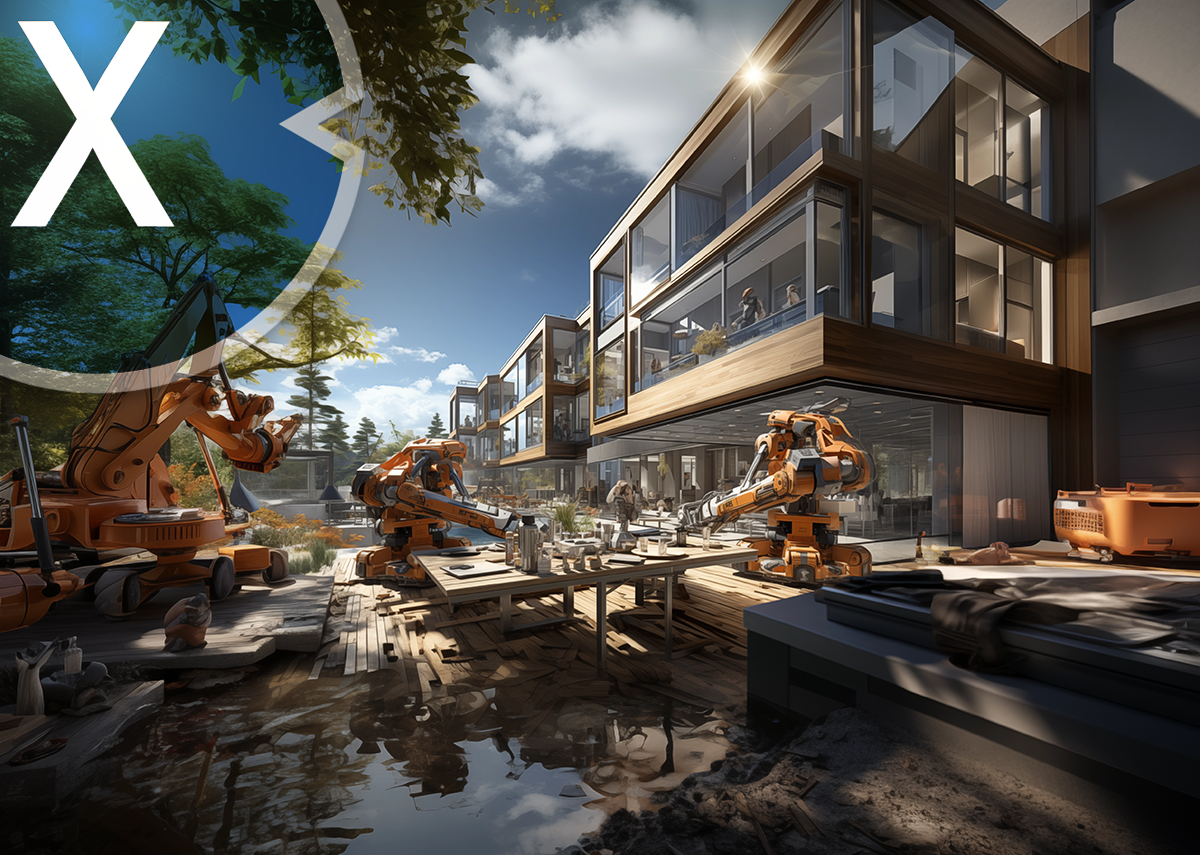
AI & XR 3D Rendering Machine – Symbolic image: Construction industry – Addressing labor and housing shortages with automation and robotics – Image: Xpert.Digital
🏗️ The construction industry faces numerous challenges.
The construction industry faces numerous challenges affecting both its cost structure and access to labor and housing. Rising labor costs are a direct consequence of the skilled labor shortage, exacerbated by an aging population, lower entry rates into skilled trades, and migration trends. The lack of available and affordable housing further intensifies these problems, as it has become a central social issue for both workers and end customers.
🤖 Automation in the construction industry
Automation in the construction industry can take many forms, from using drones for surveying to automated construction machinery that moves and processes materials precisely and efficiently. Robots, for example, can be used for repetitive tasks such as bricklaying or pipe laying. These technologies can not only speed up work but also increase safety on construction sites, as fewer workers are needed for hazardous tasks.
📊 Digitalization through Building Information Modeling (BIM)
Furthermore, digitalization through Building Information Modeling (BIM) enables better planning and coordination of construction projects. BIM software helps to virtually visualize and analyze construction projects before the first sod is turned. This leads to a reduction in errors and thus to cost savings.
🏗️ Use of 3D printing technologies
Another aspect is the use of 3D printing technologies, which make it possible to produce components and even entire buildings faster and more cost-effectively. 3D printing also offers the opportunity to experiment with new materials that are more environmentally friendly and sustainable.
🏙️ Automation and housing shortage
Automation and robotics could also help combat the housing shortage by reducing construction time and enabling the erection of more buildings in less time. This is particularly important in urban areas where space is scarce and the demand for housing is high.
🤔 Challenges of automation
However, the introduction of automation and robotics in the construction industry is not without its challenges. One of the main problems is the high initial investment required for purchasing and implementing these technologies. Furthermore, automated systems and robots require specialized maintenance and servicing, which incurs additional costs and necessitates trained personnel.
🔧 Acceptance of new technologies
Another obstacle is the acceptance of new technologies in the traditionally conservative construction industry. The shift to automated processes requires a realignment of working methods and often also further training for employees. Human labor is not completely replaced, but new roles emerge that require the use of these technologies.
🌟 Advantages of automation
Despite these challenges, automation offers significant advantages in the construction industry. It can contribute to increased efficiency, cost reduction, and improved construction quality. Furthermore, it has the potential to enhance workplace safety and mitigate the effects of the skilled labor shortage.
🌍 Sustainable building methods
In the long term, automated solutions could also contribute to the creation of more sustainable and environmentally friendly construction methods. The integration of renewable energies and environmentally friendly materials into automated construction processes can lead to a reduction in the ecological footprint of the construction industry.
🏗️ The future of the construction industry
The construction industry is on the cusp of a fundamental technological shift that presents both challenges and enormous opportunities. The successful integration of automation and robotics could significantly contribute to overcoming the industry's current and future challenges.
📣 Similar topics
- 💡 The future of construction: Automation and robotics
- 🏗️ The construction industry in transition: Opportunities and challenges
- 🤖 Robots in construction: Increased efficiency and safety
- 🌐 Digitalization and BIM: Construction projects of the future
- 🏢 3D printing in construction: Fast, cost-effective, sustainable
- 💰 Reduce costs and increase quality: Automation in the construction industry
- 🏙️ Urban housing shortage: Solutions through automation
- 💲 Investing in the future: Automation in the construction industry
- 🔄 Changes in the world of work: New roles through automation
- 🌱 Sustainable building: Environmentally friendly construction processes
#️⃣ Hashtags: #ConstructionAutomation #Robotics #Digitalization #3DPrinting #SustainableBuilding
🌆 Housing shortage and skilled labor shortage in the construction industry: A challenge for the construction sector 🏗️
The shortage of skilled workers in the construction industry poses a significant challenge, exacerbating the existing housing shortage in many countries, including the United States and Germany. This is particularly evident given the projected deficit of nearly four million homes in the US and the expectation that 35 German cities will face a housing shortage by 2030.
🌍 Limitations of traditional building methods
Traditional methods in construction are increasingly reaching their limits, both in terms of the speed of construction activity and with regard to environmental standards and efficiency. Sustainability is becoming ever more important, as the construction industry faces the challenge of minimizing material transport to construction sites and improving the management of waste and unneeded materials – which can account for up to a quarter of the volume transported to construction sites.
🏗️ Innovation through modular construction
Modular construction offers innovative solutions by reducing material waste and making the construction process less dependent on weather conditions. Factory manufacturing could increase workplace safety and enhance the attractiveness of construction professions, especially given the high risk of injuries and accidents in the industry.
💡 Advantages of modular construction
The advantages of modular construction are numerous, ranging from cost efficiency and time savings to design flexibility. Prefabrication of modules in factories significantly reduces construction time and standardizes workflows, ultimately leading to increased productivity. Furthermore, modular construction enables high quality assurance, as the components are manufactured under controlled conditions.
♻️ Sustainability in modular construction
Furthermore, modular construction contributes to a more sustainable building industry, as it offers the possibility of recycling building components and making it easier to dismantle and reuse buildings at a later date. This approach is closely linked to the concept of the circular economy, which aims to keep resources in circulation and minimize waste.
🌱 Contribution to climate protection and resource efficiency
In light of climate change and increasing urbanization, it is becoming ever more important for buildings to be energy-efficient and resource-conserving. Modular construction can contribute to this by reducing energy consumption during the construction phase and throughout a building's entire life cycle.
🤖 Automation and robotics in the construction industry
With increasing automation and the use of robotics in modular construction, new opportunities for innovation and efficiency improvements are emerging. Companies like ABB Robotics and Porsche Consulting are already working on automating the construction industry, which could increase production speed and further reduce construction costs.
🔄 Future of the construction industry
It is clear that the construction industry is facing a period of change, in which traditional methods will be supplemented and replaced by modern, efficient, and environmentally friendly approaches. Modular construction is at the heart of a movement that both increases productivity and improves working conditions, thus making an important contribution to solving the housing crisis.
📣 Similar topics
- 🚧 Housing shortage and labor shortage: A modern challenge
- 💼 Construction industry faces the problem of skilled labor shortage
- 🏡 Housing shortage in the USA: A look at the numbers
- ♻️ Sustainable building as an answer to the housing shortage
- 🌍 Construction industry in transition: Digitalization and automation
- 🧱 Efficient building technologies to address the housing shortage
- 👷♂️ More skilled workers in the construction industry: Training programs and incentives
- 🤝 Joint solutions for housing needs and environmental protection
- 🏗️ Construction industry faces new challenges: material consumption and disposal
- ⏳ Faster construction times through innovation and technology
#️⃣ Hashtags: #HousingShortage #SkillsShortage #ConstructionIndustry #SustainableBuilding #Digitalization #TrainingPrograms #EnvironmentalProtection #Innovations #FasterConstructionTimes #HousingNeeds
🏗️ The construction industry is changing: Robotics and automation 🤖
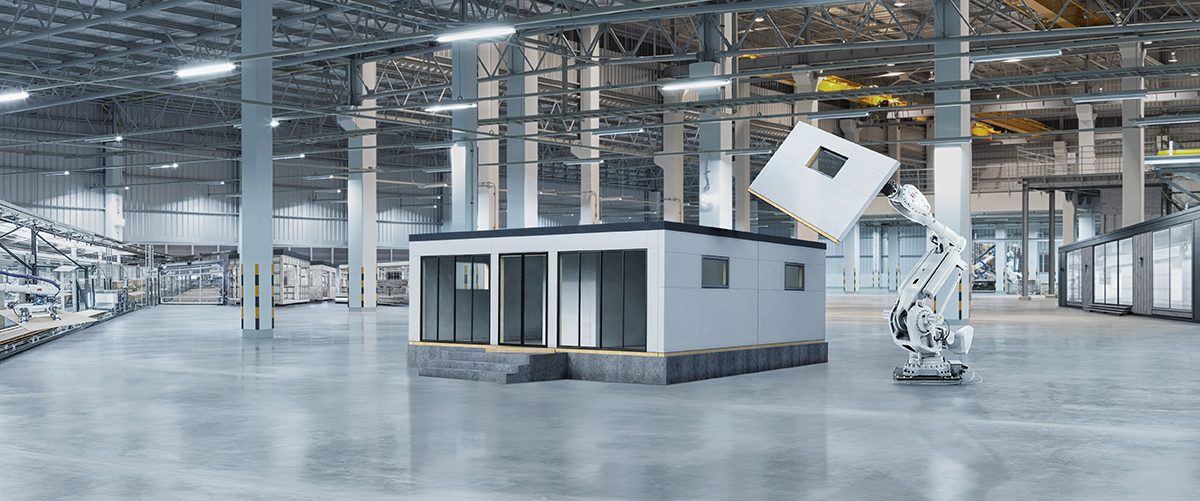
ABB Robotics and Porsche Consulting are transforming modular construction – Image: ABB Robotics & Porsche AG
The construction industry, one of the oldest and most fundamental sectors of human civilization, is facing a paradigm shift. For centuries, construction was based on manual labor and the skilled craftsmanship of workers. But the technological advancements that other industries have already undergone are now knocking on the door of the construction industry.
🤖 The use of robotics in the construction industry is still not widespread. A survey conducted by ABB shows that only 55 percent of the construction companies surveyed in Europe, the US, and China use robots. In comparison, 84 percent of companies in the automotive industry and 79 percent in manufacturing already use robot technology. This highlights a significant discrepancy between the construction industry and other sectors. However, 81 percent of construction companies indicate that they plan to begin or increase their use of robots and automation in the next ten years.
🌱 The benefits of technology transfer to the construction industry are numerous and significant. Sustainable housing is a global concern, and the use of robots could help meet the growing demand for housing efficiently and in an environmentally friendly way. Eberhard Weiblen of Porsche Consulting emphasizes the importance of this transfer and the expected positive effects, similar to those observed in other industries.
“We know how important sustainable housing is, and we are convinced that the transfer of technology and know-how to the construction sector will have the same positive effects as we have seen in other industries,” said Eberhard Weiblen of Porsche Consulting.
🏠 ABB's Marc Segura highlights the advantages of robots in modular housing construction. Modular construction offers the possibility of manufacturing parts of the building in a controlled factory environment, which can lead to higher quality, efficiency, and sustainability.
“We will implement our plans and demonstrate how the use of robots in modular housing construction can help support the socially necessary changes. The joint approach will raise modular construction to a new level in terms of quality, efficiency, construction and sustainability,” said Marc Segura of ABB.
🤖 Technological advancements make it possible to automate complex construction processes and deliver more precise results. Robots can be deployed in dangerous or hard-to-reach areas, increasing safety on construction sites. With the help of artificial intelligence, robots can learn to optimize tasks, thus saving time and resources.
🏢 Another aspect is the integration of Building Information Modeling (BIM), a digital representation of the physical and functional characteristics of buildings. BIM and robotics together could revolutionize the way buildings are designed, constructed, and maintained.
🧩 However, there are also challenges. The high investment required in the initial phase, workforce training, and integration into existing processes are not trivial. Furthermore, there are concerns about job losses due to automation, although many experts argue that technology transforms jobs rather than eliminating them.
🤝 It is important that the construction industry sees these technological developments not only as tools, but as partners in a symbiotic relationship where humans and machines work together to create better, safer and more sustainable buildings.
🏗️ The future of construction could be a combination of traditional techniques and advanced robotics working together to increase efficiency and unlock new architectural possibilities. This requires a reorientation in how the construction industry thinks, plans, and builds—a change that is not only technical but also cultural.
🌟 The construction industry is at the beginning of a new era in which robotics and automation will play a central role. It's an exciting time for everyone involved, with the opportunity to transform the industry and shape it for future generations.
📣 Similar topics
- 🤖 Robot revolution in the construction industry: A change is imminent
- 🏗️ Automation meets tradition: The future of construction
- 📈 Increased efficiency through robotics in residential construction
- 🏠 Sustainable building: The role of robotics technology
- 💡 From manual labor to high technology: The paradigm shift in the construction industry
- 🧠 Artificial intelligence in construction: Optimizing construction processes
- 🚀 The symbiosis of man and machine: Reorientation in the construction industry
- 🔍 BIM and Robotics: A Revolution in Design and Maintenance
- 🤝 The path to safer and more affordable housing through robotics
- 🌍 Global Challenges: The Construction Industry's Response
#️⃣ Hashtags: #RoboticsInConstruction #TechnologicalChange #SustainableBuilding #FutureOfTheConstructionIndustry #HumanMachineSymbiosis
🏗️ ABB Robotics and Porsche Consulting: Revolution in construction 🤖🚗
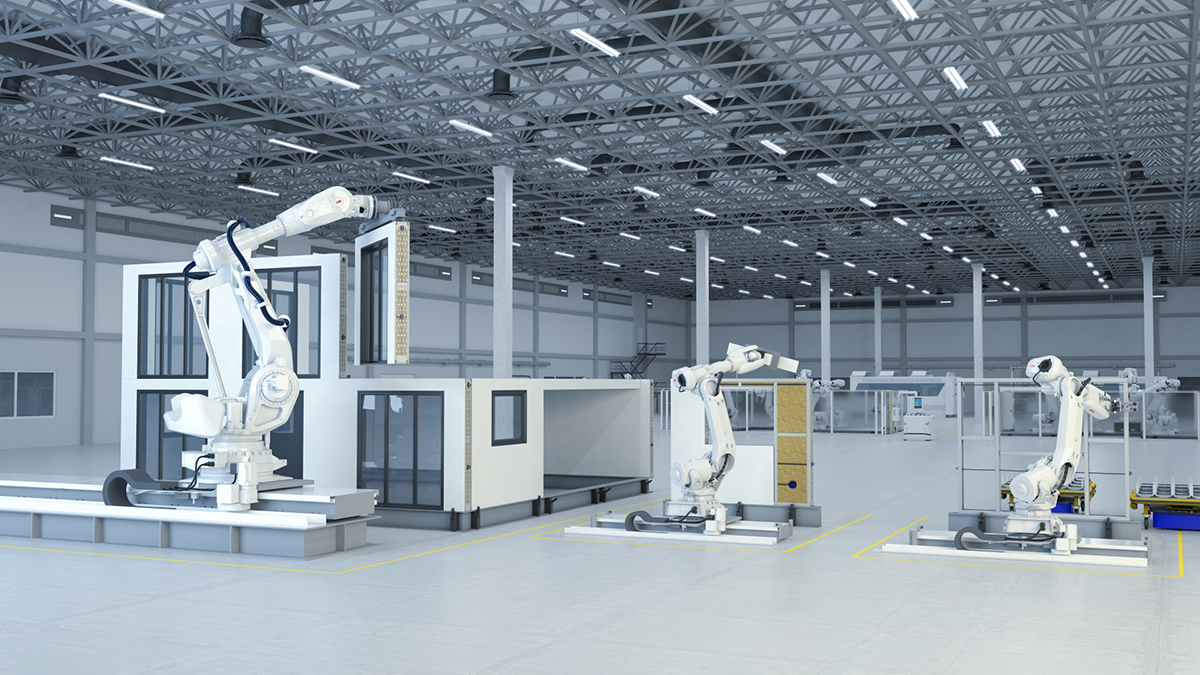
ABB Robotics and Porsche Consulting: Factory for modular construction – Image: ABB Robotics & Porsche AG
ABB Robotics and Porsche Consulting, two pioneers in their respective industries, have joined forces to revolutionize the construction industry. Their goal is to strengthen automation in construction, a pressing need given the acute shortage of skilled workers. A pilot project will be launched to develop advanced methods in modular housing construction.
🏘️ Affordable and environmentally friendly housing
This partnership aims to make housing more affordable and environmentally friendly. Highly automated factories could improve the quality and availability of housing while simultaneously reducing costs. The combination of ABB's cutting-edge robotics and Porsche Consulting's expertise in designing efficient manufacturing processes promises to fundamentally change the way buildings are constructed.
🤖 Automation as the key to the solution
Eberhard Weiblen, Chairman of the Management Board of Porsche Consulting, emphasizes the importance of automation for the construction of high-quality and affordable housing:
"The construction industry faces numerous challenges. Highly automated building factories are well-suited to delivering higher-quality and more affordable housing. By combining ABB's leading robotic solutions with Porsche Consulting's expertise in the planning and operation of state-of-the-art factories, we aim to contribute to the transformation of this important sector."
Marc Segura, head of ABB's Robotics Division, sees increased and intelligent automation as the solution to the skilled worker shortage and a way to increase productivity while promoting more individualized, sustainable and efficient construction methods:
“We clearly see the opportunity to transform this sector and the way housing is built by automating the manufacturing process for modular components. More intensive, intelligent automation is the answer to the growing labor shortage, and this collaboration will increase productivity, enable more individualization, and allow for more sustainable and efficient construction.”
📣 Similar topics
- 🤖 Robot revolution: ABB and Porsche Consulting automate residential construction
- 🏗️ Efficiency meets sustainability: A new approach to affordable housing
- 🏠 Modular living dreams: Pilot project for advanced housing construction begins
- 🌿 Green construction industry: ABB and Porsche focus on environmentally friendly automation
- 💡 Innovative construction processes: Reshaping the future of housing construction
- 💼 Expertise combined: Porsche Consulting and ABB's robots are revolutionizing construction
- 🚀 Highly automated factories: A paradigm shift in the construction industry
- 🔧 Goodbye skilled worker shortage: Automation as the key to increasing productivity
- 🛠️ Individual & sustainable: Intelligent automation is changing residential construction
- 📈 Productivity and personalization: ABB and Porsche Consulting lead the way
#️⃣ Hashtags: #RoboticsRevolution #ModularConstruction #SustainableBuilding #AutomationInConstruction #EfficientHousing


Industrial & B2B Business Metaverse: Reduce costs with XR technology for photorealistic product images (XR 3D rendering machine)

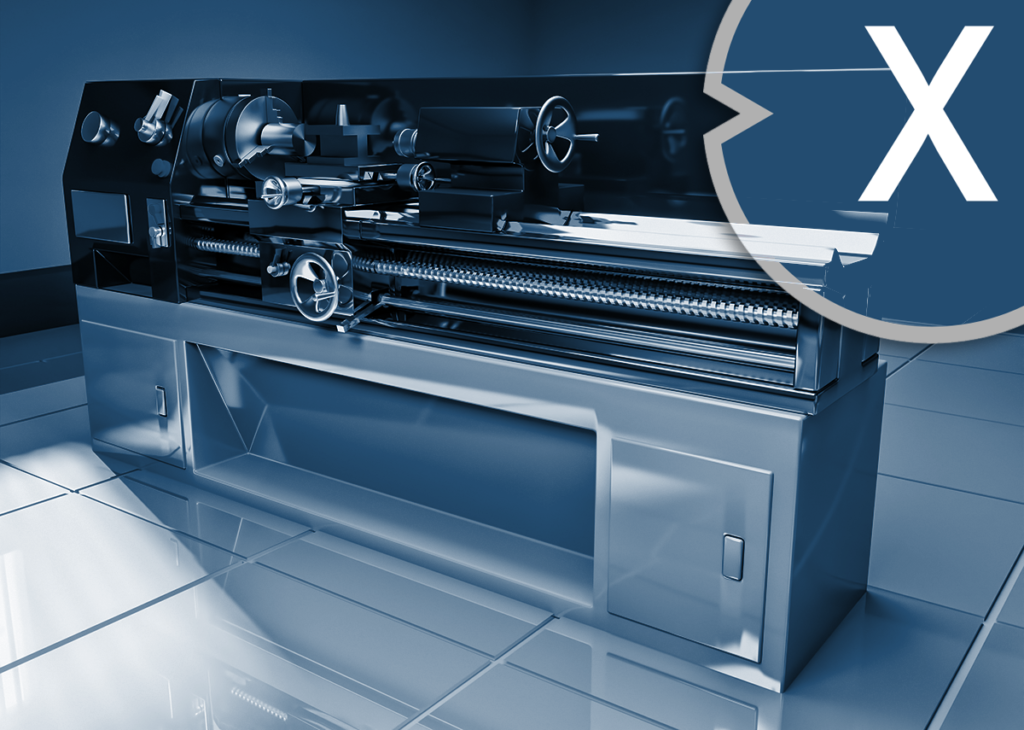
Lathe in photorealistic rendering (3D product presentation) - Image: Xpert.Digital
XR technology offers a superior solution for creating photorealistic images, allowing companies to avoid the expensive fees charged by external media agencies. It's well known that media agencies charge high prices for creating such images, as this requires expertise, specialized software, and collaboration with various specialists.
More information here:
Plan your solar system for the most common applications conveniently online with our solar system planner!
With our user-friendly solar system planner, you can design your individual solar system online. Whether you need a solar system for your home, your business, or for agricultural purposes, our planner allows you to consider your specific requirements and develop a customized solution.
The planning process is simple and intuitive. You simply enter the relevant information. Our planner takes this information into account and creates a customized solar system that meets your needs. You can try out different options and configurations to find the optimal solar system for your application.
Furthermore, you can save your plan to review it later or share it with others. Our customer service team is also available to answer any questions and provide support to ensure your solar system is optimally planned.
Use our solar system planner to design your individual solar system for the most common applications and accelerate the transition to clean energy. Get started now and take an important step towards sustainability and energy independence!

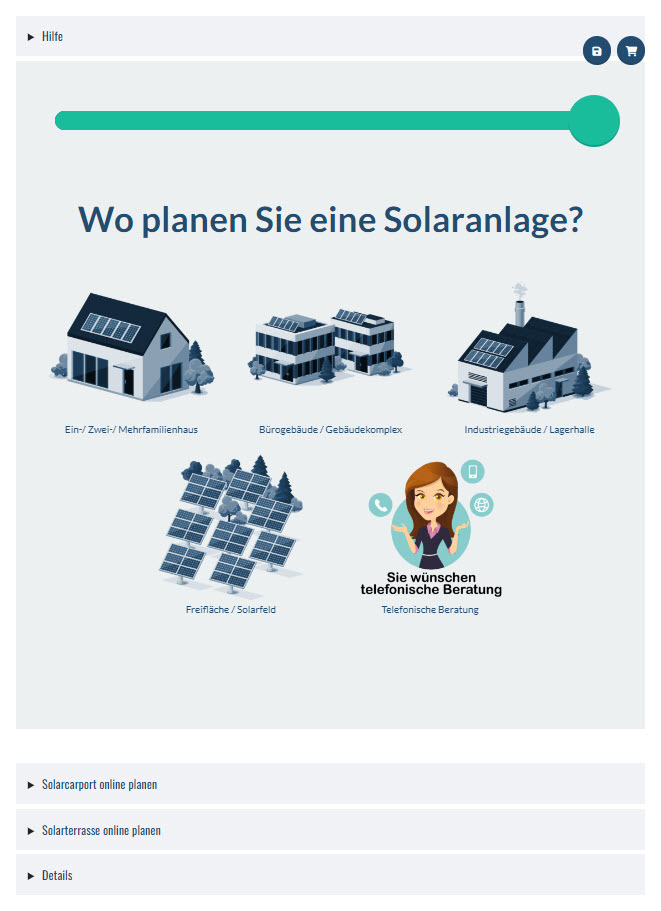
The solar system planner for the most common applications: Plan your solar system online here - Image: Xpert.Digital
More information here:
We are here for you - Consulting - Planning - Implementation - Project Management
☑️ Smart City & Factory: Industry expert for energy-efficient 5G buildings and halls, as well as consulting and installation of solar systems
☑️ Xpert.Plus - Logistics consulting and logistics optimization
☑️ Industry expert, here with his own Xpert.Digital industry hub with over 1,500 specialist articles

Konrad Wolfenstein
I would be happy to serve as your personal advisor.
You can contact me by filling out the contact form below or simply call me on +49 7348 4088 965 .
I'm looking forward to our joint project.
Write to me


Xpert.Digital - Konrad Wolfenstein
Xpert.Digital is a hub for industry focusing on digitalization, mechanical engineering, logistics/intralogistics and photovoltaics.
With our 360° Business Development solution, we support renowned companies from new business to after-sales.
Market intelligence, smarketing, marketing automation, content development, PR, mail campaigns, personalized social media and lead nurturing are part of our digital tools.
You can find more information at: www.xpert.digital - www.xpert.solar - www.xpert.plus
Keep in touch