


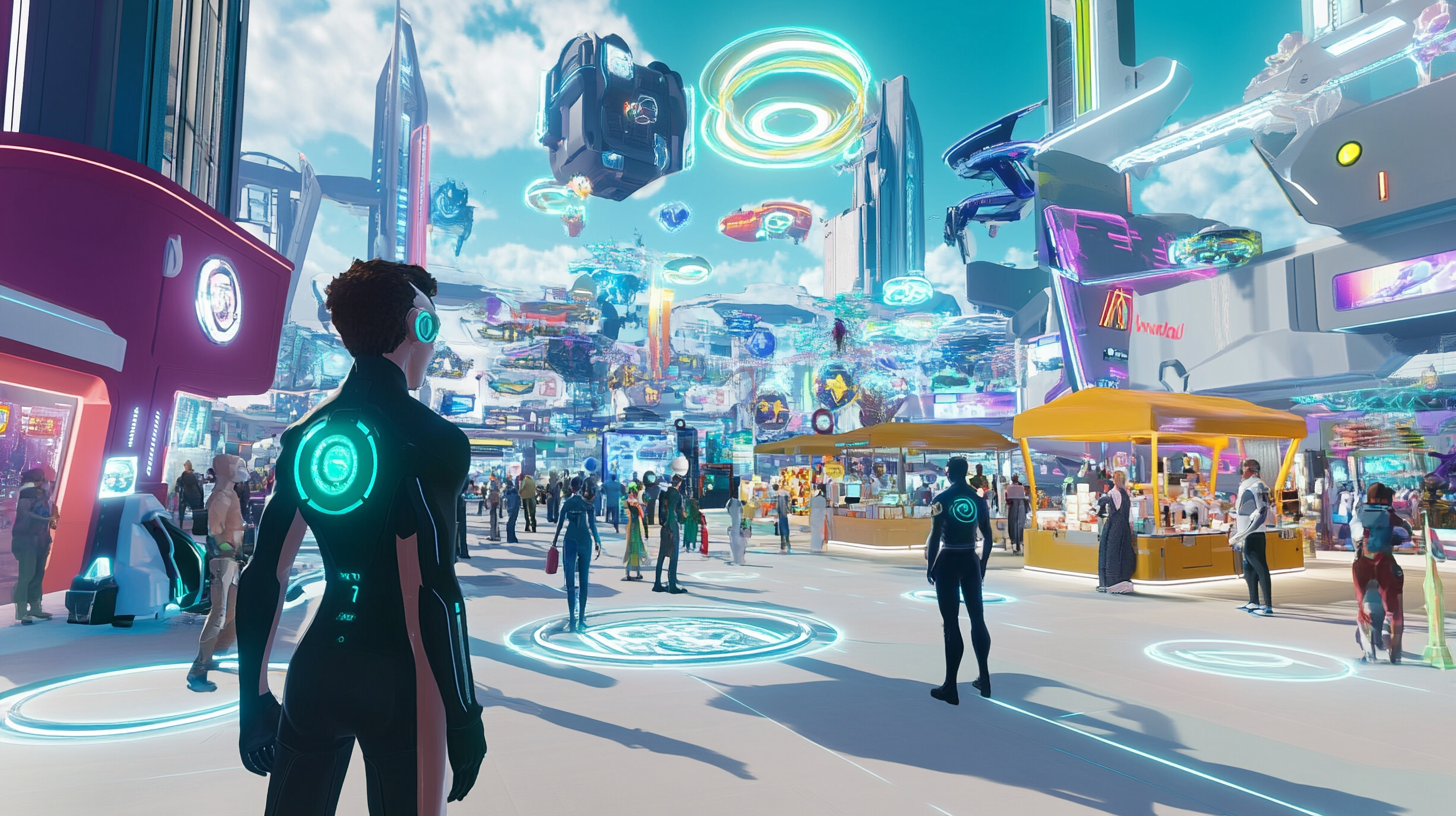
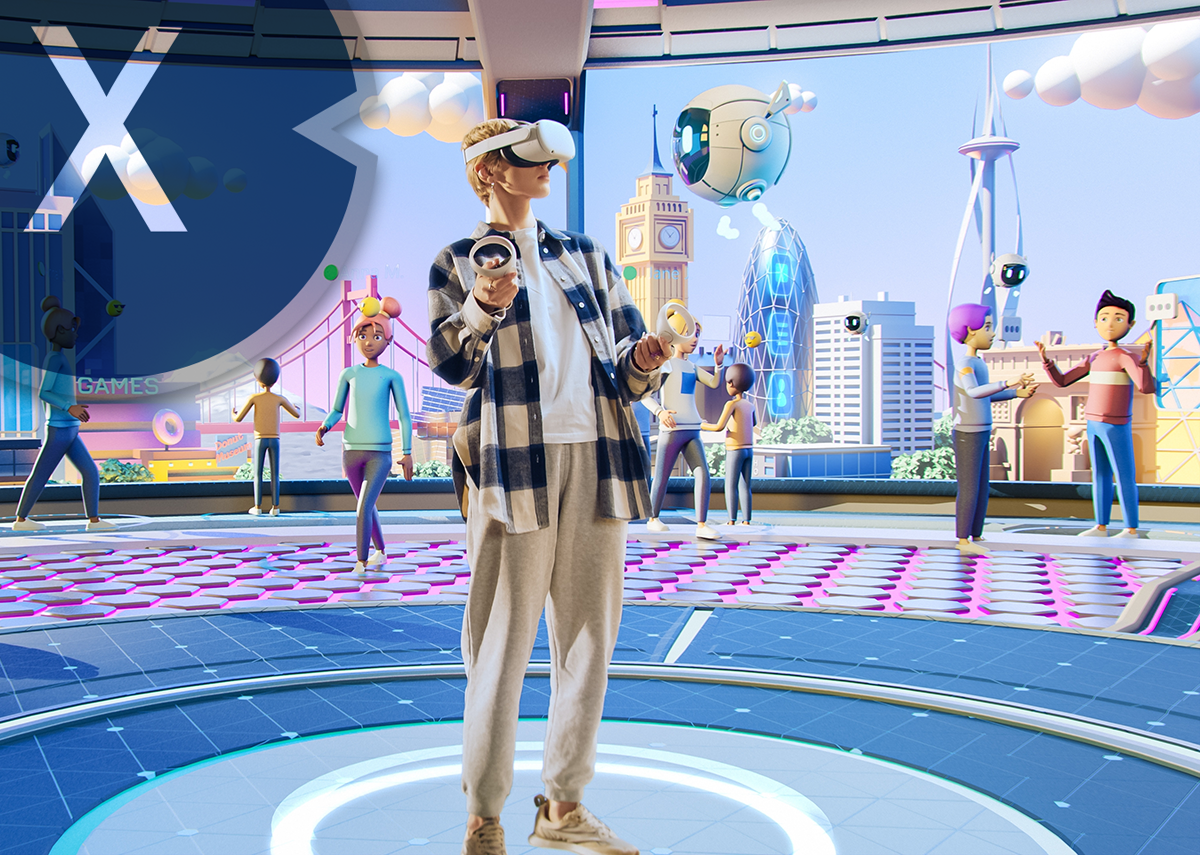
Metaverse platforms compared: A comprehensive analysis – From Roblox to Horizon: Where is it worth getting started? – Image: Xpert.Digital
Virtual Future: An Overview of the Most Exciting Metaverse Platforms
Games, art, and economics: The new possibilities of metaverse worlds
Metaverse platforms are increasingly seen as places where people come together to play, work, acquire digital goods, and socialize. Although the term "metaverse" was long associated with science fiction, it has become increasingly tangible in recent years. The fascination of these virtual worlds lies primarily in their diversity: from action-packed online games to immersive 3D environments where art, music, and social interaction merge, metaverse platforms offer a new form of digital presence. The following sections will examine the most important platforms, their unique features, and potential future developments. The focus will be on the characteristics they possess to be considered a metaverse or "proto-metaverse," how they address criteria such as persistence, social interaction, avatars, virtual economies, and digital property rights, and what opportunities and challenges they present for the future.
"Welcome to a world where everything seems possible and the boundaries between reality and virtuality are becoming increasingly blurred." This vision of the metaverse is already motivating many companies and individuals to actively participate in the creation of new virtual worlds. Alongside classic community-focused gaming platforms, decentralized concepts are increasingly coming to the fore, where users can leverage blockchain technology for digital ownership rights. The following overview illustrates the diversity of this field and how specific platforms focus on different aspects of the metaverse.
What is the metaverse?
The metaverse is often described as a progressive evolution of the internet. While websites and apps primarily rely on 2D interfaces, the metaverse moves into immersive 3D spaces. Users can interact in real time, inhabit different worlds, purchase digital goods, and even lead virtual lives represented by avatars. The metaverse thus combines various technologies such as virtual reality (VR), augmented reality (AR), blockchain, artificial intelligence, and social networks.
Key features of the metaverse include:
- Persistence: The virtual world exists continuously, regardless of whether you are currently logged in or not. Events take place in real time and cannot simply be "reset".
- Avatars: Users slip into digital roles that can be customized and designed in a variety of ways.
- Social interaction: Shared experiences with other real people in virtual spaces are the main focus. This creates a sense of community and sometimes even its own social structures.
- Virtual economic system: Many metaverse platforms already have their own currencies and markets for digital goods such as clothing, art, or real estate. These transactions mostly take place within the system, creating a self-contained economic cycle.
- Interoperability: Ideally, worlds and platforms would be interconnected. In a fully developed metaverse, an avatar could visit different platforms without losing important data or constantly having to switch to new technologies.
Related to this:
Overview and comparison of metaverse platforms
1. Roblox
Roblox is known for its focus on gaming and the ability to create custom game worlds. Millions of people come together to experience adventures or try out various minigames. Roblox incorporates metaverse elements such as a persistent world, avatars, social interaction, and an internal economy. The latter is powered by its own currency, Robux. The community is central: users can not only consume content but also create it themselves. This fosters creativity and strengthens the feeling of being part of a large, vibrant world. However, although Roblox fulfills numerous criteria of a metaverse, the focus is clearly on fun. Vast parallel worlds, complex economic systems, and highly immersive experiences are developed by the community itself rather than dictated by the platform.
“The world of Roblox,” many young users say, “is like a giant construction kit where everyone can create and experience anything they want.” Roblox boasts a wide range of genres: fighting games, virtual theme parks, role-playing games, racing games, and much more. Teams of players often work for months on a new world before making it available to everyone. This strong user-centricity is a key characteristic, which is why many consider Roblox a pioneer in community creation within a metaverse.
Related to this:
2. Minecraft
Minecraft demonstrated early on just how creative people can be in a virtual world. The gameplay revolves primarily around building, exploring, and surviving in an open, mostly blocky world. Over the years, a huge community has developed, setting up its own servers with individual rules and thus offering players a wide range of experiences. Minecraft is excellent for learning teamwork and planning when creating large buildings or complex mechanisms. From a metaverse perspective, Minecraft fulfills several criteria: it features persistent worlds in which avatars can move freely and offers the possibility of interacting with each other in multiplayer mode.
However, Minecraft's main focus is less on sophisticated social platform features or its own currency. Instead, it's all about creativity and the individual "survival" experience. But the openness and diversity of user-created servers, with their own rule sets and economies, certainly gives Minecraft an important role in the realm of virtual worlds. Some project groups are even developing their own educational servers where children and teenagers can explore school subjects virtually.
3. Fortnite
Fortnite is widely known as an action-packed battle royale game. But beyond the competitive aspect, where 100 players fight each other in a shrinking arena, the platform has expanded its metaverse elements in recent years. Fortnite regularly hosts concerts, film premieres, and other virtual events. Gigantic music events, watched by millions of people simultaneously in the virtual world, have become particularly famous. "It feels like you're standing at a concert with thousands of other fans, only from your own home," is how participants describe the experience.
This establishes Fortnite, at least in part, as a social platform where interaction extends beyond the pure gameplay aspect. However, it's clear that the action-packed gameplay remains central, and Fortnite can therefore be classified more as a game with metaverse elements. Nevertheless, it demonstrates the immense potential inherent in combining entertainment with shared experiences.
4. The Sandbox
The Sandbox is a blockchain-based platform that utilizes a sophisticated economic system with digital property rights. Users acquire virtual land using NFTs (Non-Fungible Tokens). This land can be developed, designed, and populated with interactive content. Monetization is a key aspect: users can sell or rent their own games, artwork, or virtual assets. "The idea behind such platforms is to give people control over their virtual goods," many blockchain technology enthusiasts emphasize.
The Sandbox emphasizes its decentralized structure, where a central operator doesn't solely control content. Instead, owners and the community determine how the world evolves. In the long run, such platforms could give rise to a new form of digital economy and art scene, where creators connect directly with their audiences and conduct economic transactions. Even concerts, exhibitions, or fairs could be organized within The Sandbox, with each plot of land becoming an interactive space.
5. Decentraland
Decentraland is another decentralized platform where users can buy virtual land. Here, too, NFTs are central. Ownership of digital land is recorded on the blockchain, which is intended to ensure security and transparency. Unlike some purely gaming platforms, Decentraland is more focused on creating a digital parallel world. "This world is governed by the community and can constantly evolve without being tied to a single developer," many users explain, describing the core principle.
Decentraland hosts social events, exhibitions, shows, and other community activities that create the feeling of being in a real city. Economically, Decentraland is closely linked to cryptocurrencies and allows users to trade avatars, clothing, and other digital goods. This makes Decentraland one of the most exciting platforms for people interested in the metaverse, blockchain, and NFTs, and who are looking for new ways to express themselves creatively.
Related to this:
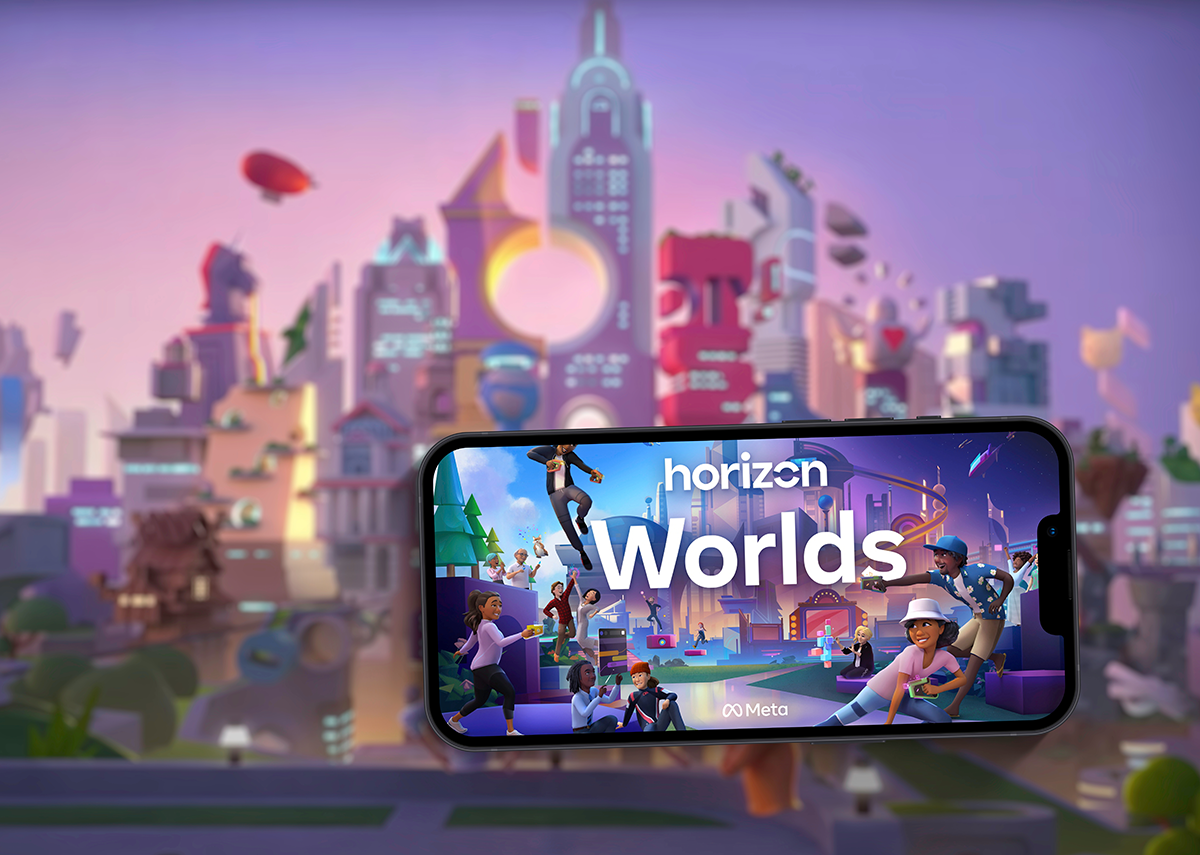
6. Horizon Worlds
Horizon Worlds is a platform developed by Meta (formerly Facebook) that focuses on social interaction and avatars in virtual spaces. A few years ago, Meta invested enormous sums to develop its own metaverse. Among its stated goals was to completely redesign communication and work environments. Meetings, events, and social gatherings were to increasingly take place in VR. "We want to create a world where people can come together naturally, no matter where they are," was their credo.
However, in the following years, there were repeated reports of high costs and operating losses. For this reason, starting in 2023, Meta increasingly shifted its focus towards artificial intelligence. Nevertheless, Horizon Worlds continues to exist and demonstrates what a social VR metaverse can look like. The platform offers avatars, some of which are based on real people, and various worlds that can be explored collaboratively. Games, creative tools, and interactions are central to the experience. Horizon Worlds is particularly interesting for people seeking the most realistic VR experience possible, as it provides an approach to how future versions of digital community interactions could function.
Related to this:
7. Somnium Space
Somnium Space is a VR platform based on the concept of a persistent world. Here, users can acquire and develop digital land, made possible by blockchain technology. The world is continuously available in real time, creating the feeling of a continuous living space. The project is still under development, which is precisely what makes it so appealing to early adopters: "We are creating a world that is truly shaped by the users. Everyone can be a pioneer and contribute their ideas," is how many participants see it.
The goal is to create a seamlessly functioning VR environment where users can meet friends, shop, attend concerts, develop properties, and enjoy other activities. The focus is on the experience: those who enter Somnium Space are transported to an immersive world where both free exploration and business transactions are possible. Somnium Space thus combines different approaches: it's about fun and community as well as monetization and ownership.
8. Cryptovoxels
Cryptovoxels, like Decentraland and The Sandbox, focuses on digital property rights and virtual land. Its pixelated aesthetic is reminiscent of art projects or a digitally minimalist world. Users who have purchased land can construct buildings, exhibit artwork, or open businesses. Events where people meet with avatars are also possible. One of Cryptovoxels' distinguishing features is its strong connection to the crypto scene, as virtually all transactions are blockchain-based.
"Creatives and artists come together here to present and sell their work in virtual galleries." Many see the platform as a kind of innovative art marketplace where new forms of digital expression can flourish. Those who participate immerse themselves in an unusual world at the intersection of art, technology, and community.
9. Axie Infinity
Axie Infinity is primarily known as a play-to-earn game where players breed, collect, and battle digital creatures called Axies. Here, too, NFTs are used to secure ownership of the Axies. This mechanic led to Axie Infinity becoming, at times, one of the most lucrative blockchain gaming platforms, where players could actually earn money.
Axie Infinity certainly incorporates some metaverse elements: an active community, virtual items with real-world value and persistence. However, the overall system is more focused on gameplay and collecting digital creatures than on creating a comprehensive virtual world. Nevertheless, Axie Infinity is considered an important pioneer in combining blockchain technology, gaming, and its own economy.
10. VRChat
VRChat is a social VR platform that isn't limited to a specific use case. Instead, it focuses on interaction in diverse worlds created by the community. Users can create their own avatars, often reflecting their imagination or personal preferences. There are no set limits to avatar design possibilities.
VRChat offers discussion groups, karaoke nights, improvisational theater, dance events, and many other formats that would be difficult to implement in physical spaces. "If you feel like participating in a poetry slam as a robot, mythical creature, or cartoon character, you can," say long-time VRChat users. This freedom is one of its main attractions. VRChat thus fulfills numerous criteria of a metaverse: social interaction, ongoing community events, the opportunity to live out a different identity, and even an internal economy (albeit less pronounced than in some blockchain-based worlds).
Other platforms and proto-metaverses
Besides well-known names like Roblox, Minecraft, or Decentraland, there is a wealth of other platforms, often referred to as proto-metaverses. This conceptual distinction shows that not every virtual world yet offers the full scope of a metaverse, but all contain important elements.
- Second Life: Often referred to as the "first metaverse," it offered numerous aspects of a virtual social space from its early days. Avatars, its own currency, plots of land, and creative tools for content creation made Second Life a pioneer. Even though it has been overshadowed by more modern platforms, Second Life still has a loyal community and was groundbreaking in many ways.
- IMVU: A social platform focused on avatars and virtual goods. Users meet in chat rooms that can be customized with virtual items. Here, too, mostly cosmetic objects are traded.
- Sansar: Developed by the creators of Second Life, Sansar was intended to be a more modern and, above all, VR-optimized platform. The goal was to create detailed environments for events and social interactions.
- High Fidelity: An open-source platform that allows users to build their own virtual worlds. It is primarily aimed at developers who want to delve deeper into the technology.
- Upland: This is where virtual land is traded, linked to real-world locations. This concept connects the physical world with the virtual one, with NFTs and crypto transactions playing a role.
All these platforms demonstrate how rapidly the topic of the metaverse is gaining importance. More and more companies and individuals are interested in digital identities, virtual real estate, and ways to digitize real-world products. The boundaries between digital and real life are blurring, for example, when concerts or product presentations in digital environments attract large crowds.
Related to this:
- The Top 15 Metaverse Games in 2024 from fgfactory.com (English)
- 20 popular metaverse platforms from shardeum.org (English)
Economy and digital property rights
A central theme for many platforms is the question of digital ownership. What does it mean to "own" land or artwork in a virtual world? Blockchain-based solutions rely on the principle of NFTs: Ownership of a digital asset is cryptographically and uniquely assigned. Owners can then trade or exhibit their assets. In The Sandbox, Decentraland, and Cryptovoxels, entire properties are traded via NFTs and sometimes sold at high prices.
“We believe in a future where virtual goods have the same value as physical goods,” say proponents of this technology. Skeptics, on the other hand, warn of speculative bubbles and unstable market conditions, as the value of cryptocurrencies can fluctuate wildly. Nevertheless, it is undeniable that this trend toward digital ownership is seen by many as key to building a sustainable metaverse.
Social and psychological aspects
Beyond its technical and economic aspects, the metaverse is also significant from a societal perspective. Virtual worlds enable people to connect regardless of geographical distance and offer space for identity development. Young people, in particular, often grow up in digital environments where they can develop a sense of community just as strong as in the real world.
However, challenges also emerge: issues such as data privacy, cyberbullying, mental health, and addictive behavior are becoming important factors. "When virtual life becomes a priority, some users forget to establish a foothold in real life," is a recurring criticism. On the other hand, metaverse platforms can offer a community to people who feel isolated in physical life or reduce barriers (for example, physical limitations).
Future prospects and potential
The rapid pace of technological advancement suggests that the metaverse will increasingly permeate our everyday lives. VR headsets are becoming cheaper, lighter, and more comfortable. Augmented reality technologies could seamlessly overlay the real world with digital content. At the same time, faster networks and improved graphics engines are enabling increasingly realistic visuals and immersive experiences.
In the future, the metaverse could become a place where companies build entire business models. Virtual stores, digital educational institutions, showrooms for new products, and international work environments would be accessible at any time. Instead of video conferences, people would meet in virtual meeting rooms where they could view projections and prototypes together.
Especially in education, the metaverse could bring about a revolution: Instead of memorizing dry theory, students learn in virtual labs where they can safely conduct chemistry experiments or explore historical sites interactively. Many platforms already use gamification elements to make complex topics interesting and accessible.
Competition and cooperation
While many platforms still occupy a niche existence, increasing competition is becoming apparent. Large tech companies are investing heavily to develop their own metaverse products, while blockchain companies are pushing ahead with decentralized alternatives. This raises the question of whether multiple metaverse ecosystems will coexist in the future, or whether a kind of standard will emerge that enables interoperability between them.
Some experts predict a consolidation in which only a few metaverse platforms will remain highly relevant, similar to today's social media giants. Others, however, hope for a vibrant diversity of decentralized worlds in which users can act autonomously.
The role of artificial intelligence
In 2023, the company behind Facebook, now Meta, shifted its focus back to artificial intelligence. This development exemplifies how, while the metaverse remains a major trend, it exists in a dynamic interplay with other technologies. AI models could significantly shape the metaverse in the future by making avatars, NPCs (non-player characters), and environments more dynamic.
Imagine an AI in the background generating realistically reacting characters, or the architecture of a metaverse city being designed based on AI recommendations, resulting in urban planning that takes the avatars' behavior into account in real time. "Artificial intelligence can help bring virtual worlds to life," explain enthusiasts, pointing to automated content generation, smart translation functions, or individually tailored experiences.
Challenges for the Metaverse
Despite all the opportunities, the challenges must not be overlooked. Data security and privacy must be guaranteed when people share personal information on a large scale in digital spaces. Handling user data becomes even more critical once biometric data (such as motion data from VR headsets) is involved, allowing inferences to be drawn about emotional states and health aspects.
“We need regulations to protect citizens’ digital self-determination,” demand voices from the consumer protection sector. In a digital world that is so realistic, manipulation and abuse are just as dangerous as in real life. Added to this are economic risks: those who speculate in virtual real estate must expect that a platform will lose popularity or be overtaken by a new technology.
Last but not least, technological hurdles stand in the way: Creating a truly immersive metaverse that can accommodate millions of users simultaneously requires enormous server capacity, high bandwidth, and a stable infrastructure. While the technology is advancing rapidly, it remains to be seen when a metaverse will be accessible, affordable, and secure for everyone on a large scale.
Identity and Culture in the Metaverse
An intriguing aspect is the question of digital identity. Avatars can be consciously chosen to reflect a particular appearance, personality, or culture. This has led to the development of entirely unique subcultures within these worlds, where fashion, art, and music find new forms of expression. Concerts in Fortnite, galleries in Cryptovoxels, and virtual parties in VRChat are just a few examples of cultural events that have garnered a large online following.
“In the metaverse, I can be myself, or someone completely different—and that’s liberating,” say many enthusiasts who create a new identity for themselves in these spaces. However, this also raises philosophical questions: Will the virtual self eventually become so prevalent that the physical self fades into the background? What are the ethical implications of behaving in a digital world in ways one would never consider in reality? These discussions will likely become even more pressing as the metaverse continues to spread.
Metaverse is not a unified concept
The platforms mentioned at the beginning, such as Roblox, Minecraft, Fortnite, The Sandbox, Decentraland, Horizon Worlds, Somnium Space, Cryptovoxels, Axie Infinity, and VRChat, demonstrate that the metaverse is not a unified concept, but rather has different focuses and manifestations. While Roblox and Minecraft excel in community-based gaming, The Sandbox and Decentraland rely on decentralized structures and digital ownership rights. Platforms like Horizon Worlds and VRChat place a strong emphasis on social interaction in VR environments.
Related to this:
Even though some concepts focus on a single core feature – be it creativity, economics, or social aspects – they all share the vision of a virtual world that is gaining in importance and becoming increasingly intertwined with the real world. In addition, proto-metaverses such as Second Life, IMVU, Sansar, High Fidelity, and Upland exist, expanding the field and demonstrating the multifaceted nature of virtual spaces.
Looking to the future is both promising and challenging. Businesses and consumers must grapple with issues of data privacy, regulation, interoperability, and social implications. An ideal metaverse would be a networked world where technologies work together seamlessly and every user has the freedom to create their own spaces, build businesses, or simply enjoy themselves. Whether and how quickly this vision becomes reality depends on many factors: technological progress, social acceptance, political regulation, and, not least, the will of those who actively shape the metaverse.
One thing is certain: the metaverse is not a fleeting trend, but a profound development that is already disrupting and redefining industries such as gaming, art, education, real estate, and social media. Given its rapid growth, we can expect further platforms, innovations, and mergers in the coming years. It's possible that a metaverse standard will eventually emerge, consisting of various seamlessly interconnected "islands.".
Many enthusiasts are convinced that "the metaverse will shape our digital lives just as much as the smartphone did in the past." However, whether this prediction will come true remains to be seen. What is certain is that people have a need to express themselves digitally, to network, and to have new experiences. Virtual worlds offer a space where creativity, social interaction, and economic activity can flourish in new ways.
The race to shape this future space is in full swing, and the various metaverse platforms are already offering exciting insights into different concepts. While some focus more on games and entertainment, others are dedicated to art, commerce, or social networking. Ultimately, a coexistence will likely emerge in which users themselves decide where they feel virtually at home.
Although many technical, legal, and cultural hurdles remain, everything indicates that the journey into the metaverse has only just begun. And while established platforms like Second Life impressively demonstrate how long-lasting this kind of virtual existence can be, new platforms are captivating audiences with their innovative use of blockchain, AI, and VR. For anyone open to immersive experiences, social interaction, and digital ownership, the metaverse already offers countless opportunities. And these are likely to grow and evolve even further in the coming years—leading to a world where virtual and real life increasingly merge, together shaping a new form of digital society.
Related to this:
We are here for you - Consulting - Planning - Implementation - Project Management
☑️ Our business language is English or German
☑️ NEW: Correspondence in your native language!

Konrad Wolfenstein
I and my team are happy to be available to you as your personal advisor.
You can contact me by filling out the contact form here wolfenstein@xpert.digital:or simply call me at +49 7348 4088 965. My email address is
I'm looking forward to our joint project.