

Published on: November 22, 2024 / Updated on: November 22, 2024 – Author: Konrad Wolfenstein
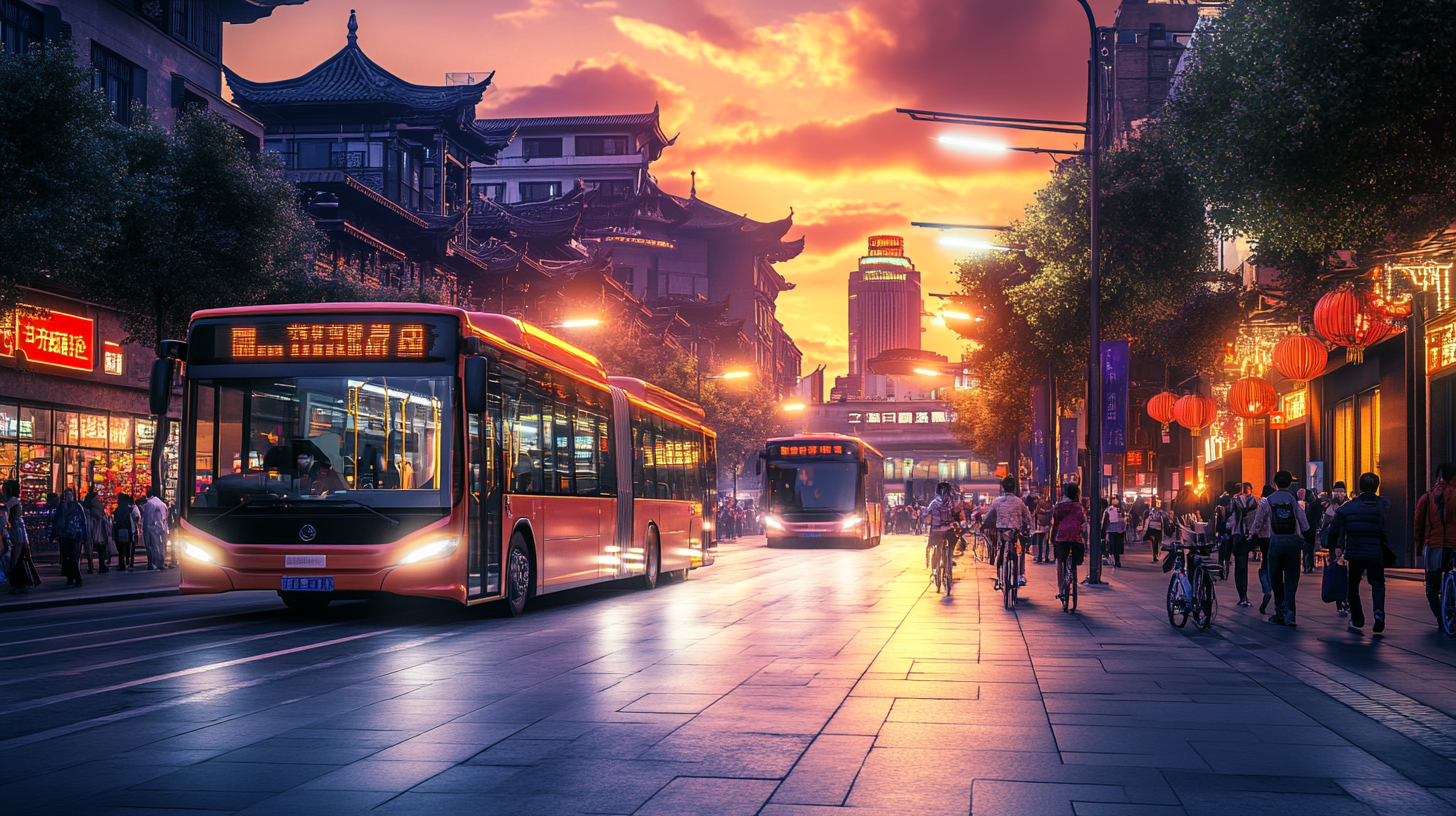
German Idealism and Chinese Pragmatism: China's Decarbonization between Strategic Calculus and Global Influence – Creative Image: Xpert.Digital
China's energy transition: Between strategic calculation and global influence
China is at the center of an impressive energy transition that stems less from pure environmental awareness and more from strategic and economic interests. With the aim of consolidating its position as a leading global economic power, the country is using the transformation of its energy sector not only for decarbonization but also as a tool to strengthen geopolitical power and technological dominance.
China's ambitious climate goals and progress
China's climate goals are ambitious: the country aims to become carbon neutral by 2060. To achieve these goals, China is undertaking a massive restructuring of its energy supply, characterized by a remarkable expansion of renewable energies. In 2023, an impressive 400 gigawatts (GW) of new solar and wind power capacity was installed, reducing its reliance on coal by 7%. Forecasts indicate that by 2035, approximately 65% of electricity generation could come from clean energy sources.
In parallel, nuclear power plays a crucial role in China's energy mix. The country currently has 58 GW of installed nuclear power capacity but is planning a drastic expansion. By 2030, China is expected to overtake France and the USA as the leading producer of nuclear power. Around ten new reactors are to be built annually, meaning that more than 150 new plants could be built in the next 15 years. This strategy allows China not only to further reduce its reliance on coal-fired power generation but also to ensure the stability of its energy system. Nuclear energy provides a reliable baseload supply that compensates for fluctuations in renewable energy sources.
Nevertheless, the focus remains clearly on renewable energies. The share of nuclear power in electricity generation is currently around 5%, but is expected to increase in the coming years. This combination of solar, wind, and nuclear energy is part of a comprehensive approach to achieving both climate neutrality and ensuring energy security.
While the West debates, China takes off – The rise to electric car superpower
In recent years, China has consistently established itself as a global leader in the field of electromobility. This is the result of a strategic industrial policy, massive investments, and a clear vision for the future of the automotive industry. While Germany and other Western countries are still debating the advantages and disadvantages of electric cars, China has already taken decisive steps to accelerate the transition to electric vehicles.
While we're still debating the pros and cons of electric cars and predicting economic decline with the demise of combustion engines, China is fully committed to electric vehicles and is already implementing this strategy consistently. Why doesn't anyone want to see this?
China's focus on electromobility
1. Market penetration and sales figures
In July 2024, electric cars (including plug-in hybrids) reached a market share of over 50% of new registrations in China for the first time. In total, almost five million so-called New Energy Vehicles (NEVs) were sold in the first half of 2024 alone, an increase of 32% compared to the previous year.
Domestic brands like BYD and Li Auto dominate the market and are setting new sales records. German manufacturers, on the other hand, are struggling to maintain their market share.
2. Political support
The Chinese government promotes electromobility through subsidies, tax breaks, and preferential registration policies for electric cars in major cities. These measures have continued to boost demand despite the discontinuation of central subsidies at the end of 2022.
The goal is to have at least half of all cars sold be electric by 2025, a goal that was originally planned for 2035.
3. Technological Leadership
China is not only a leader in the production of electric cars, but also in the manufacture of batteries and the development of software solutions for vehicles. This technological strength gives Chinese manufacturers a competitive advantage over their Western rivals.
4. Infrastructure
China dominates the global electric bus market and has established itself as a pioneer in the electrification of public transport. As early as 2021, approximately 60% of the roughly 700,000 city and intercity buses in Chinese cities were fully electric, and the government plans to achieve complete electrification by 2030. With over 420,000 electric buses, representing about 99% of the global fleet, China is setting the standard. This development has been made possible by government subsidies, strict environmental regulations, and the construction of a comprehensive charging infrastructure. Cities like Shenzhen have already completely converted their bus fleets to electric propulsion, a result of a phased rollout since 2009.
This extensive expansion not only offers environmental benefits but also strengthens the domestic economy. Companies like BYD, NIO, and Xpeng are leading players in the global market and benefit from government support. China's dominance in this sector gives the country a decisive competitive advantage at a time when electromobility is considered a key technology worldwide.
In comparison, Germany lags significantly behind. According to the 2023 E-Bus Radar, only 1,884 electric buses were in operation in Germany, representing a share of 2.2% of the total bus fleet. German transport companies plan to procure approximately 6,600 additional electric buses by 2030, potentially bringing the total number of electric buses on German roads to nearly 8,500. However, this would still only constitute a fraction of the German bus fleet.
A key difference lies in the speed and consistency of implementation: While China puts around 9,500 new electric buses on the road every week, only 6,354 e-buses were delivered in Europe in all of 2023. Germany's progress is also hampered by insufficient funding and a lack of political clarity, which makes the expansion of electromobility in public transport more difficult.
Why is this often ignored or viewed critically in Germany?
1. Technological restraint
In Germany, there is a deep-rooted skepticism towards new technologies, often referred to as “German Angst”. This is also reflected in reservations about electric cars, for example regarding range, charging infrastructure or environmental impact.
2. Dependence on internal combustion engines
The German automotive industry has relied on combustion engines for decades and now faces the challenge of radically transforming its production processes and business models. This is leading to uncertainty and resistance to change.
3. Discussion about environmental impact assessment
Critics often highlight the CO₂-intensive production of batteries. Although electric cars offset these emissions during operation through emission-free driving, the debate remains emotionally charged.
4. Political Disunity
While China sets clear political guidelines, the measures in Germany are less consistent. For example, the purchase premium for electric cars was abolished, which led to a decline in new registrations.
Strategic motives behind the energy transition
China's energy transition is driven less by environmental idealism than by clear strategic considerations. Several key motives shape China's approach:
1. Secure market leadership
Through massive investments in renewable energies and electromobility, China is strengthening its industrial base. Companies like BYD, CATL, and Yutong already dominate their markets worldwide, securing the country a long-term technological lead.
2. Increase energy independence
The expansion of renewable energies reduces China's dependence on energy imports, especially fossil fuels. This is not only advantageous from an economic perspective, but also an important geopolitical lever.
3. Geopolitical influence
China's technological leadership enables the country to strengthen its influence in emerging and developing countries. This is achieved, for example, through the export of solar panels, electric vehicles, and the associated infrastructure. Projects under the Belt and Road Initiative (BRI) also contribute to the dissemination of Chinese technology.
Comparison with Germany: Two different approaches
While China pursues a strategic and pragmatic approach, Germany's energy transition is strongly value-oriented and driven by climate protection concerns. Germany prioritizes sustainability, transparency, and dialogue with society, but progress is often slower compared to China. Structural obstacles such as bureaucracy, inadequate infrastructure, and lengthy planning processes hinder implementation.
A particularly striking difference is evident in the area of electromobility. While in China almost 100% of bus fleets in cities like Shenzhen are electrically powered, the figure for Germany in 2023 was only 2.2%. This discrepancy illustrates the challenges Germany faces when it comes to putting ambitious goals into practice.
Furthermore, China is often viewed as a systemic rival in German political discourse. This complicates cooperation and reinforces a competitive mindset. At the same time, German policymakers could learn from China's pragmatism to accelerate processes without compromising their own values.
Pragmatism as the key to success
China's energy transition demonstrates that a strategic and pragmatic approach can lead to impressive results. However, this should not be seen as a mere model. China pursues clear self-interests and uses its progress to strategically strengthen its global position. The country is therefore an actor that presents both opportunities and challenges for other countries, such as Germany.
German politics faces the challenge of making its own processes more efficient without abandoning its principles of sustainability and democracy. A nuanced approach is necessary: it is essential to learn from China's successes while simultaneously recognizing the long-term risks of an authoritarian model.
Future prospects: opportunities and challenges
The global energy transition is one of the central issues of the 21st century, and China plays a key role in it. The question remains whether the country can achieve its goals without creating new dependencies – be it through the massive demand for rare earth elements or through the environmental and social costs of its large-scale projects.
At the same time, China's energy transition also offers opportunities for cooperation. Germany and other countries could, for example, benefit from China's experience in infrastructure development while contributing their own technologies and approaches. A balanced mix of competition and cooperation could be the key to successfully addressing the global challenges of the climate crisis.
State action instead of endless emotional debates
China impressively demonstrates how a consistent strategy can accelerate the transition to electromobility. The combination of government support, technological innovation, and a clear vision has made the country a global leader. In Germany, however, the transition is often hampered by skepticism and political disagreement. China's success could serve as a wake-up call: those who miss the boat on electromobility risk their long-term competitiveness in the global automotive market.
Related to this: