China's Path to Carbon Neutrality

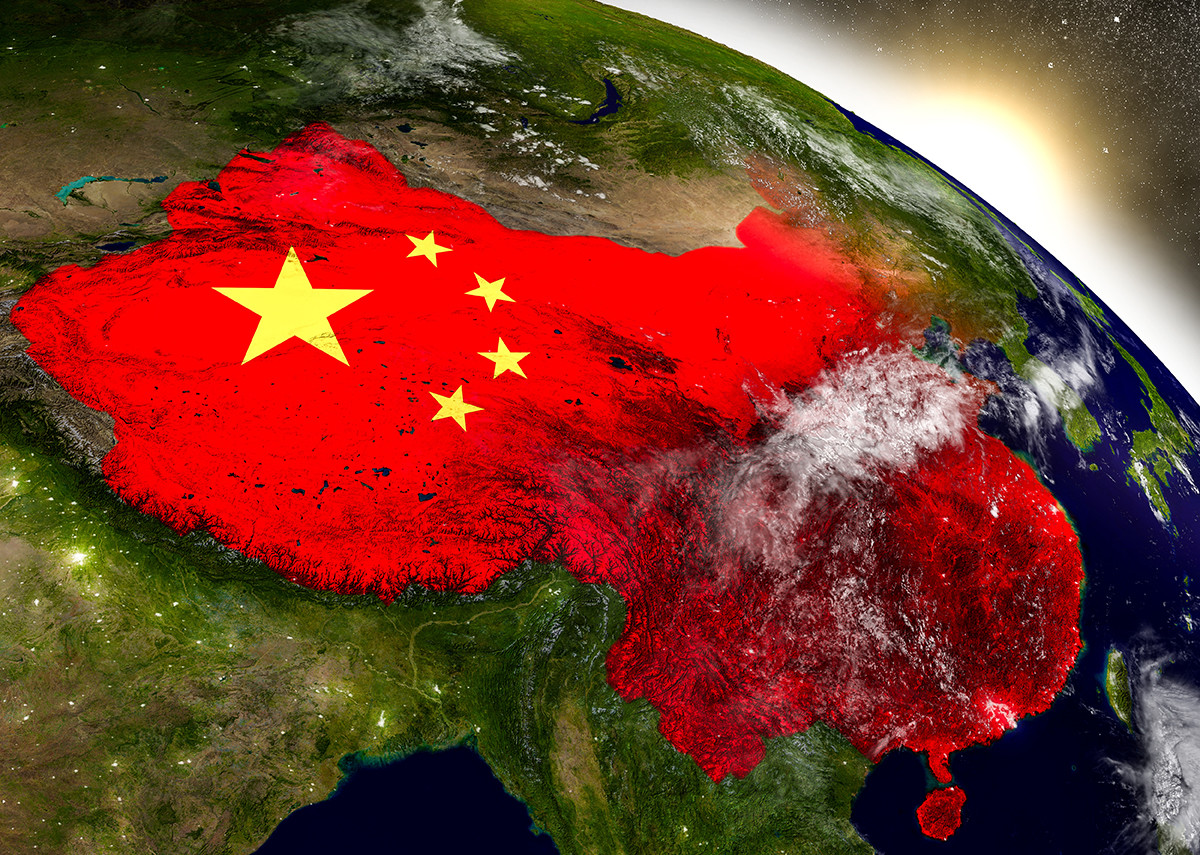
China plans to achieve climate neutrality by 2060 – Image: @shutterstock|Harvepino
China has officially established a plan to become carbon neutral by 2060, making it the largest climate plan ever conceived. The plan calls for a reduction in the production and consumption of fossil fuels—primarily coal—and a greater focus on clean energy and electric vehicles over the next four decades. The data associated with the plan reveals the extent to which China is prepared to go toward cleaner energy production in the coming decades.
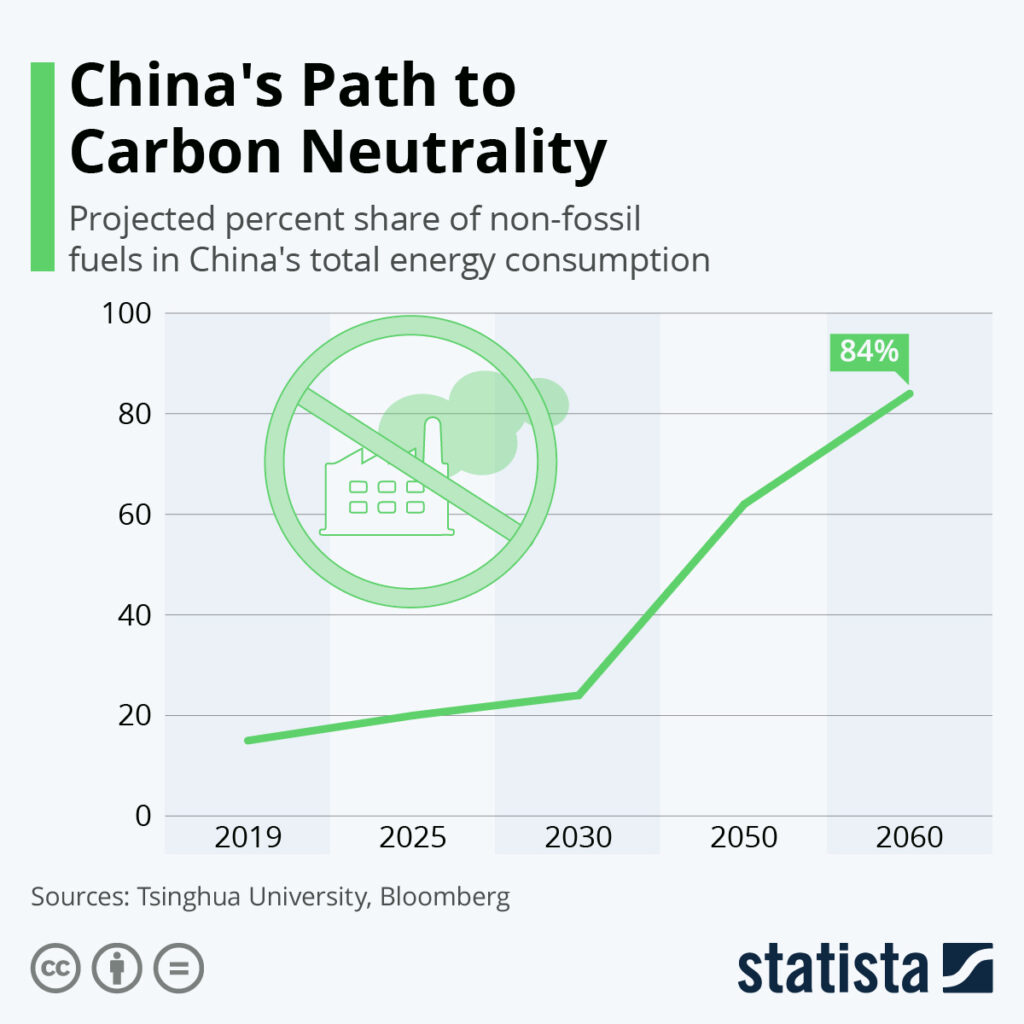
According to data on the plan presented by the Institute of Energy, Environment and Economics at Tsinghua University, China has stipulated that 84 percent of its total energy sources should come from non-fossil fuels. This is a huge increase from the current level, as China's non-fossil fuel production was only 15 percent last year. Tsinghua University shows how the massive shift to cleaner energy will start slowly but gain momentum after 2030.
Currently, China is the world's leading consumer and producer of coal-fired power generation, with an estimated 2.86 billion tons projected for 2025. According to Bloomberg, reducing this fossil fuel China's top priority for clean energy production, and it hopes to generate only 110 million tons of coal-fired power by 2060 – a 96 percent reduction. Other fossil fuels in the country, including natural gas and oil, account for only half of what is generated from coal. What China loses in coal, it intends to replace with a near-equal mix of wind, solar, and nuclear power.
China has officially set a plan to become carbon neutral by 2060, making it the largest climate plan yet conceived in the world. The plan includes cutting back on fossil fuel production and consumption – most necessarily coal – as well as an increased focus on clean energy and electric vehicles over the next four decades. Data related to the plan shows just how far China is willing to go for cleaner energy production in the coming decades.
In data about the plan provided by Tsinghua University's Institute of Energy, Environment and Economy, China plans to have 84 percent of their total energy sources be from non-fossil fuels. That's an enormous increase from the current level, as China's production of non-fossil fuels was just 15 percent last year. Tsinghua University shows how the massive switch to cleaner energies will start slowly at first but pick up steam after 2030.
Right now, China is the leading coal consumer and producer in the world, with an estimated 2.86 billion tons of coal-fired electricity produced in 2025. According to Bloomberg, cutting down on this fossil fuel is China's number one priority in producing cleaner energy, and by 2060, they hope to be relying on just 110 million tons of coal-fired electricity – a 96 percent reduction. Other fossil fuels in the country, including natural gas and oil, make up just half of what is produced by coal. What China loses in coal it plans to gain back with a near-equal mixture of wind, solar and nuclear energy.
China's Path to Carbon Neutrality
Projected percentage share of non-fossil fuels in China's total energy consumption

You can find more infographics at Statista.
Related to this:
- Renewable energies: Global investment has increased
- Who is driving investment in renewable energies?
Renewable energy in China
English version – To view the PDF, please click on the image below
.

Renewable energy in China – PDF download
Sustainable investments in the energy sector
German version – To view the PDF, please click on the image below
.
Sustainable Investments in the Energy Sector – PDF Download
Keep in touch