Bigscreen Beyond 2 – The smallest VR headset, the most compact and lightest VR glasses – Perspectives and applications – Image: Bigscreen Beyond
Premium VR: What makes Bigscreen Beyond unique? (Reading time: 33 min / No ads / No paywall)
Bigscreen Beyond – A paradigm shift in the VR market?
the Bigscreen Beyond has established itself as a product that not only attracts attention but also redefines the boundaries of what's possible. This VR headset is more than just another pair of glasses on the market; it embodies a philosophy focused on uncompromising quality and deep immersion in virtual worlds. The Bigscreen Beyond primarily targets a discerning audience: VR enthusiasts and power users who are willing to invest in an unparalleled visual experience and maximum comfort.
Bigscreen initially made a name for itself with its eponymous social VR platform, which allows users to watch movies together, play games, and interact in virtual spaces. The move from a pure software company to a hardware manufacturer surprised many in the industry, but it revealed a clear vision: Bigscreen wanted to more comprehensively control and optimize the user experience within its ecosystem. This strategic decision allows Bigscreen to serve a very specific segment of the VR market that prioritizes visual brilliance and physical comfort over universal accessibility and mass-market appeal.
This development could mark a turning point in the VR industry. Instead of focusing solely on mass-market products, a trend is emerging toward specialized hardware solutions tailored to the needs of specific user groups. The Bigscreen Beyond is a pioneer of this movement, demonstrating that there is a market for uncompromising VR experiences where innovation and quality are paramount. Bigscreen's bold move into hardware development, after already establishing itself as a successful VR software company, shows that they have identified a significant market gap for ultra-lightweight, high-resolution VR headsets that can elevate their existing software and the entire VR experience to a new level. This step could serve as inspiration for other specialized VR software companies to develop their own hardware perfectly tailored to their specific user base and its needs.
This comprehensive report aims to provide an in-depth analysis of the Bigscreen Beyond. First, it examines the claim that it is indeed the smallest and lightest VR headset on the market. Furthermore, it explores the future prospects and diverse applications of this groundbreaking technology in detail. A thorough analysis of its strengths and weaknesses in terms of technology, usability, design, and pricing will provide a comprehensive and nuanced picture of the Bigscreen Beyond. The report will also draw a detailed comparison with other current and announced VR headsets on the market to accurately assess the Bigscreen Beyond's competitive position within the dynamic VR ecosystem. To gain a holistic understanding of the Bigscreen Beyond's capabilities and potential, opinions from industry experts and users will also be gathered and analyzed. Finally, it considers potential future trends in VR technology that could significantly influence the further development and applications of compact and lightweight VR headsets like the Bigscreen Beyond in the coming years.
Bigscreen Beyond's deliberate focus on "enthusiasts" and "power users" signals a precise targeting of early adopters and discerning users willing to pay a premium for specific, high-quality features such as minimal weight, maximum visual clarity, and immersive experiences. This strategy implies a clear market segmentation, with Bigscreen not directly competing with mass-market headsets like the Meta Quest or PlayStation VR. Instead, the company focuses on a premium segment where quality, innovation, and an uncompromising VR experience are paramount. The emphasis on this niche market focus on enthusiasts underscores Bigscreen's prioritization of quality and specialized features over affordability and mass appeal. This strategic decision fundamentally distinguishes Bigscreen from companies that target the broader consumer market and must make compromises to reach a wider audience. Bigscreen, on the other hand, has chosen not to compromise and has opted to create a product that sets the standard in its niche.
Related to this:

Technical data and specifications of the Bigscreen Beyond: A detailed look
To objectively verify the Bigscreen Beyond's claim to be the smallest and lightest VR headset on the market, a detailed look at its technical specifications and a comprehensive comparison with other VR models is essential. This analysis will highlight not only its physical attributes but also the technological innovations and design choices that make the Bigscreen Beyond so unique.
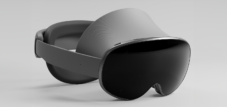
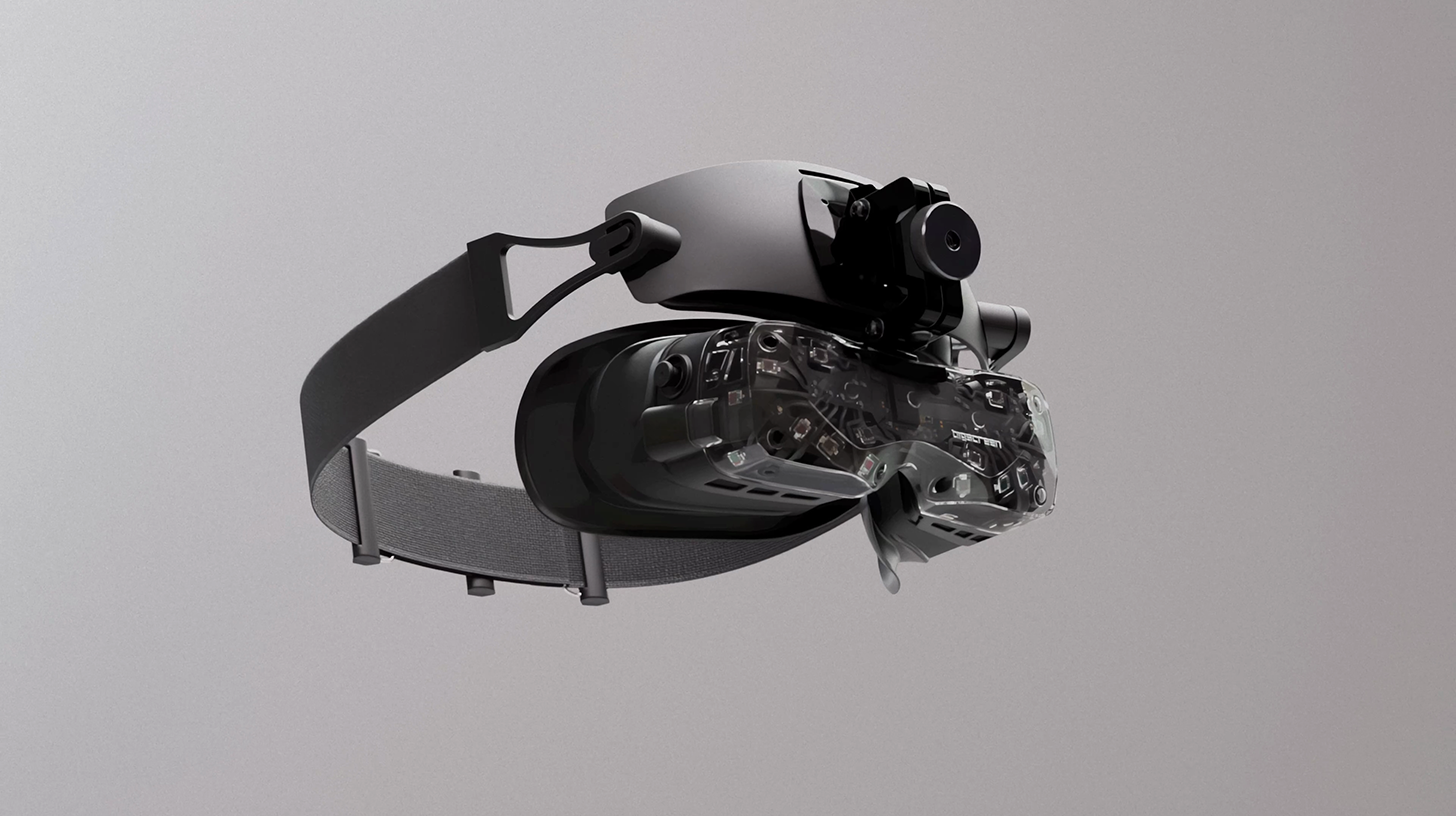
The first generation of the Bigscreen Beyond already set standards in terms of compactness and light weight. It weighed a mere 127 grams (without the headband) and approximately 155 grams with the standard headband. Its dimensions were also extremely compact at 143.1 x 52.4 x 24-49.2 mm (without the headband). Bigscreen confidently advertised it as the "world's smallest VR headset." With the second generation, the Bigscreen Beyond 2, the weight was reduced even further to a significant 107 grams (without the headband). This represents an impressive weight reduction of 16% compared to the already lightweight first generation. While the optional Halo Strap increases the weight of the Beyond 2 to approximately 250 grams, even with this accessory, it remains a lightweight compared to many competitors.
In direct comparison with other VR headsets, the weight advantage of the Bigscreen Beyond becomes particularly clear. The Meta Quest 3, a popular standalone headset, weighs 515 grams in its standard configuration, or 397 grams without the side strap arms. The Apple Vision Pro, another high-end headset, tips the scales at 650 grams or 478 grams, respectively. Even lighter competitors like the Shiftall MeganeX Superlight 8K, which also aims for low weight, weigh 179 grams (HMD) or 185 grams including the halo strap. Other models, such as the HTC Vive Flow (189 grams), the HTC Vive XR Elite (270 grams without the rear battery), and the Valve Index (807 grams), are also significantly heavier. While the PlayStation VR2 is perceived by many users as one of the most comfortable headsets, its exact weight is not explicitly stated in publicly available sources. However, it can be assumed that it is also heavier than the Bigscreen Beyond.
In summary, it's clear that the Bigscreen Beyond, especially the second generation, is significantly lighter than the vast majority of VR headsets on the market. This is particularly true compared to standalone headsets, which tend to be heavier due to their integrated processing power and battery. The Bigscreen Beyond's extremely compact dimensions further support its claim to be the world's smallest VR headset. Only the Shiftall MeganeX Superlight 8K might offer comparable lightness in terms of weight, especially when configured with the Halo Strap, but the Bigscreen Beyond remains unsurpassed in most weight configurations.
The significant weight difference between the Bigscreen Beyond and standalone headsets like the Meta Quest 3 and the Apple Vision Pro is a direct result of Bigscreen's fundamental design philosophy. The Bigscreen Beyond is primarily designed for a PC-based VR experience and therefore doesn't require an integrated battery or complex, self-contained tracking hardware. This design choice allows Bigscreen to drastically reduce the headset's weight and size, but it comes at the cost of dependence on an external PC and external tracking solutions. This approach highlights a fundamental trade-off between portability and weight on the one hand, and autonomy and all-in-one functionality on the other.
The introduction of the Halo Strap for the Bigscreen Beyond 2, which slightly increases the weight, demonstrates Bigscreen's commitment to user feedback and its efforts to further optimize comfort and stability, even if this results in a minor weight increase. The Halo Strap potentially offers better weight distribution and a more secure fit, which can be crucial, especially for extended VR sessions and dynamic movements within virtual worlds. This development showcases Bigscreen's dedication to finding the optimal balance between minimal weight and maximum comfort, always prioritizing user needs and preferences.
To clarify the Bigscreen Beyond's market positioning and present its key technical specifications in comparison to selected competitors, the following overview provides a detailed comparison: The Bigscreen Beyond 2 has a resolution of 2560 x 2560 per eye, while the Meta Quest 3 offers a resolution of 2064 x 2208, the Apple Vision Pro 3660 x 3200, and the Shiftall MeganeX Superlight 8K an impressive 3840 x 3840. The horizontal field of view (FOV) is approximately 108° for the Bigscreen Beyond 2 and 110° for the Meta Quest 3, while specifications for the Apple Vision Pro and the Shiftall MeganeX Superlight 8K are not explicitly stated. Comparing the headsets' weight, the Bigscreen Beyond 2 leads the pack at just 107g, followed by the Shiftall MeganeX Superlight 8K at 179g, the Apple Vision Pro at 478g, and the Meta Quest 3 at 515g. Regarding refresh rates, the Bigscreen Beyond 2 offers 90Hz and 75Hz, the Meta Quest 3 90Hz and 120Hz, the Apple Vision Pro up to 100Hz, while no exact specifications are available for the Shiftall MeganeX Superlight 8K. As for tracking, the Bigscreen Beyond 2 uses SteamVR, while the other models rely on inside-out tracking. The Bigscreen Beyond 2 is priced at around $1019, while the Meta Quest 3 starts at $499 (for the 128GB version), the Apple Vision Pro is significantly more expensive at $3499, and no price information is available for the Shiftall MeganeX Superlight 8K.
The Bigscreen Beyond's visual capabilities are achieved through state-of-the-art dual 1-inch Micro-OLED displays with an impressive resolution of 2560 x 2560 pixels per eye. These displays utilize a precise RGB subpixel array, ensuring excellent color reproduction and sharpness. The refresh rate can reach up to 90Hz, with an optional 75Hz mode available to optimize compatibility with various PC systems and applications. However, it's important to note that when using the 90Hz setting, the image is upscaled from a native resolution of 1920x1920, which may result in a slight loss of image sharpness compared to the native resolution. The OLED technology used in the Bigscreen Beyond's displays enables extremely high contrast and deep blacks, contributing to a vibrant and immersive visual experience. However, some users have noted that the maximum brightness of the displays is perceived as comparatively low compared to some LCD-based headsets, which could be a disadvantage in very bright environments.
For its optics, Bigscreen relies on advanced pancake lenses (tri-element), which significantly contribute to the headset's compact design. The second generation (Beyond 2) features improved clarity from the center of the image to the edges and a larger sweet spot, the area of optimal sharpness within the field of view. Furthermore, glare has been significantly reduced in the Beyond 2 compared to the first generation, resulting in a more comfortable viewing experience, especially in high-contrast scenes. The field of view (FOV) of the first generation is up to 102° diagonally and has been expanded in the Beyond 2 to an impressive 116° diagonally, 108° horizontally, and 96° vertically. This expanded field of view is comparable to that of the MetaQuest 3 and contributes significantly to a more immersive VR experience.
While the first generation of the Bigscreen Beyond had a fixed IPD (interpupillary distance) that was custom-made after an individual face scan, the Beyond 2 now offers an adjustable IPD ranging from 48mm to 75mm. This flexibility allows for better adaptability to different users and thus also increases the possibility of sharing the headset with people who have different interpupillary distances. For users with visual impairments, diopter correction is possible via optional, magnetically attached lens inserts, which can be purchased separately. These lens inserts are also individually fitted and ensure sharp and comfortable vision for eyeglass wearers.
The Bigscreen Beyond's precise tracking is based on the proven SteamVR tracking system (6DOF – Six Degrees of Freedom). It is fully compatible with SteamVR 1.0 and 2.0 base stations, which are not included and must be purchased separately. SteamVR controllers (such as the Valve Index controllers) and full-body trackers (such as HTC Vive Trackers or Tundra Trackers) are also supported and are available separately. Unlike many modern VR headsets that use inside-out tracking, the Bigscreen Beyond does not have an integrated inside-out tracking system. However, the Beyond 2e offers an optional integrated eye-tracking system designed to further enhance interaction in virtual worlds.
The consistent use of micro-OLED displays in combination with pancake lenses is a key factor in the Bigscreen Beyond's small size and extremely low weight. Micro-OLEDs enable extremely high pixel density in a minimal space, while pancake lenses allow for a shorter optical path, resulting in a more compact and lighter design. This technological approach points to a clear trend in the VR industry, where these advanced technologies are increasingly being used to develop lighter, more compact, and simultaneously high-resolution headsets.
The compromise regarding the refresh rate (90Hz only with upscaling) due to the bandwidth limitations of the DisplayPort 1.4 standard highlights a current technical limitation that could significantly influence future developments in display and connectivity technology. This limitation could be a strong incentive for the rapid adoption of newer DisplayPort standards (such as DisplayPort 2.0 or higher) or alternative, higher-bandwidth connectivity technologies (such as optical data transmission) in future VR generations, enabling native 90Hz or even higher refresh rates at maximum resolution without upscaling.
While the need for external base stations for SteamVR Lighthouse tracking offers unparalleled precision and reliability in spatial positioning, it simultaneously limits the mobility and ease of deployment of the Bigscreen Beyond. SteamVR tracking requires careful setup and calibration of the base stations within the room and is less flexible than inside-out tracking systems that don't require external infrastructure. This design decision reflects a clear prioritization of maximum tracking precision and accuracy over maximum user-friendliness in terms of mobility and flexibility. However, for users primarily seeking stationary VR experiences in a dedicated VR room and who demand the highest level of tracking performance, SteamVR tracking remains the preferred choice.
🎯🎯🎯 Benefit from Xpert.Digital's extensive, five-fold expertise in one comprehensive service package | BD, R&D, XR, PR & Digital Visibility Optimization

Benefit from Xpert.Digital's extensive, five-fold expertise in a comprehensive service package | R&D, XR, PR & Digital Visibility Optimization - Image: Xpert.Digital
Xpert.Digital possesses in-depth knowledge across various industries. This allows us to develop tailored strategies precisely aligned with the requirements and challenges of your specific market segment. By continuously analyzing market trends and monitoring industry developments, we can act proactively and offer innovative solutions. The combination of experience and expertise generates added value and provides our clients with a decisive competitive advantage.
More information here:
Lighter, smarter, more powerful: How the Beyond 2 is redefining the VR world
Lighter, smarter, more powerful: How the Beyond 2 is redefining the VR world – Image: Bigscreen Beyond
Future prospects and further developments: Bigscreen Beyond 2 and beyond
With the announcement of the Bigscreen Beyond 2 and the Beyond 2e, Bigscreen has presented a clear and ambitious roadmap for the continuous development of its VR technology and product line. These new models impressively demonstrate Bigscreen's commitment to innovation and the constant improvement of the VR experience.
The Beyond 2, scheduled to begin shipping in April 2025, offers a number of significant improvements and advancements over the first generation. Key innovations include improved, next-generation pancake lenses that provide an even wider diagonal field of view of 116° while offering greater image sharpness, improved color reproduction, and reduced glare. Another crucial feature of the Beyond 2 is the now integrated adjustable IPD (interpupillary distance) ranging from 48mm to 75mm. This flexibility allows for optimal adaptation to different users, making the headset more appealing to a wider user base and for shared use. Despite these extensive enhancements and improvements, the weight of the Beyond 2 has been further reduced compared to the first generation to an impressive 107g.
In addition to the Beyond 2, a new Halo Strap accessory is expected in the third quarter of 2025, offering a comfortable and user-friendly alternative to the existing custom-fit face cushion. The Halo Strap is designed to provide a universal fit for a wide range of head shapes and sizes, further enhancing the headset's usability and shareability. The Beyond 2 will be available in attractive new color options, including Crystal Clear and Nuclear Orange, further enhancing the headset's visual appeal. Reassuringly, the Beyond 2 remains fully compatible with first-generation accessories, allowing existing users to easily transition and continue using their current equipment.
The Beyond 2e, scheduled to begin shipping in May 2025, builds upon the Beyond 2 and expands it with a state-of-the-art, integrated eye-tracking system. This advanced system utilizes AI-powered computer vision algorithms for low-latency and privacy-friendly tracking of the user's eye movements. An exclusive beta program for this innovative eye-tracking feature is slated to launch in summer 2025 to gather early user feedback and further refine the technology. Furthermore, comprehensive support for foveated rendering is planned in close collaboration with industry leaders Nvidia and Valve, with implementation expected throughout 2025. Foveated rendering is a rendering technique that drastically reduces the computational load in VR applications by rendering only the area of the image the user is currently focusing on at full resolution and detail, while rendering peripheral areas at a reduced quality. By using eye-tracking, the system can precisely detect where the user is looking and dynamically adjust the rendering, resulting in significant performance improvements and more efficient use of PC resources. At 108g, the Beyond 2e weighs only slightly more than the Beyond 2, remaining extremely lightweight.
The new models are priced at $1019 for the Beyond 2 and $1219 for the Beyond 2e, excluding SteamVR tracking base stations and controllers. It's important to note that the original Bigscreen Beyond is being completely replaced by these new models and will no longer be available. This move underscores Bigscreen's focus on evolving and improving its product line and concentrating on the latest technologies.
The introduction of the Beyond 2 and 2e demonstrates a significant evolution of Bigscreen's product line, with a clear focus on continuously improving visuals, enhancing usability, and integrating future-oriented technologies. This strategic direction underscores Bigscreen's unwavering commitment not only to remaining competitive in the high-end PC VR segment but also to taking the lead in innovation and setting new standards. The planned support for foveated rendering in the Beyond 2e, developed in close collaboration with industry giants like Nvidia and Valve, highlights Bigscreen's dedication to continuously optimizing the performance and efficiency of its headsets and elevating the VR experience to a new level. Foveated rendering has the potential to significantly reduce rendering load, which can lead to higher frame rates, improved graphics quality, or both.
The introduction of the Halo Strap as an optional alternative to the custom-fit face cushion addresses one of the biggest criticisms and weaknesses of the original Bigscreen Beyond – its limited shareability and universal usability due to individual customization. This move suggests that Bigscreen is actively trying to increase the appeal of its headsets to a wider audience and also for professional applications where the ability to share and flexibly adapt to different users is crucial.
Future trends in VR technology clearly point to further rapid development towards even more compact and lightweight headsets. In the coming years, significant improvements in display technology (even higher resolution, increased brightness, faster refresh rates, the breakthrough of micro-LED displays) as well as groundbreaking advances in optics (even larger FOV, improved clarity across the entire field of view, more effective reduction of aberrations and distortions) are to be expected. The seamless integration of eye-tracking and face-tracking will continue to accelerate, forming the basis for improved social interaction in virtual worlds and the widespread application of foveated rendering. Although not explicitly mentioned for Bigscreen, the development of ultra-low-latency wireless VR solutions is a pervasive trend across the entire VR industry. Advances in wireless transmission technology (such as WiGig or 60GHz radio transmission) could also enable wireless options for high-end PC VR headsets like the Bigscreen Beyond in the future.
The increased use of pancake lenses in mainstream headsets will continue in the coming years, as this technology is crucial for reducing the size and weight of VR headsets. At the same time, the potential of aspherical lenses as a promising alternative to pancake lenses is being intensively explored. Aspherical lenses could offer advantages in terms of light efficiency and image quality in certain applications, but they are more complex and expensive to manufacture. The repeated mention of pancake lenses in the context of more compact designs underscores that this technology plays a key role in miniaturizing and reducing the weight of VR headsets and will significantly shape future developments. However, the inherent challenges of pancake lenses, such as lower light efficiency and potential glare issues, will continue to drive intensive research and development efforts in display and optics technology. The comparison between pancake and aspherical lenses suggests that there is no clear "winner" and that the optimal choice of lens technology depends heavily on the specific design goals, desired performance parameters, and accepted trade-offs. This implies that future VR headsets may use different lens technologies depending on the intended use case, target audience, and desired price range.
Related to this:
Application areas of Bigscreen Beyond: Diversity and potential
The Bigscreen Beyond opens up a wide range of application possibilities, from immersive gaming and entertainment experiences to professional applications in design, education, and social interaction. Its unique features, such as its extremely light weight, high resolution, and precise tracking, make it a versatile tool for a variety of uses.
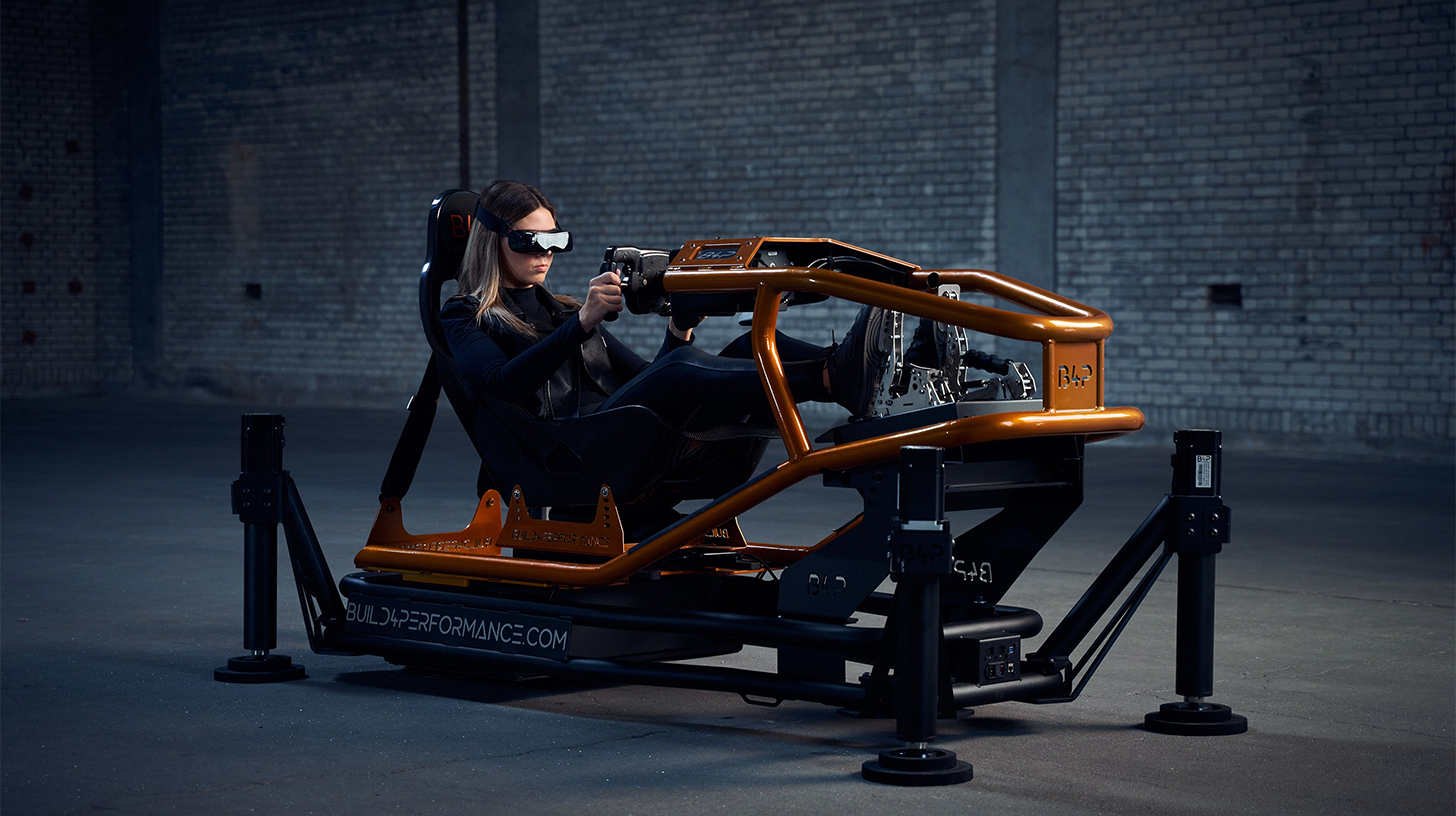
In the gaming and entertainment sector, the Bigscreen Beyond is fully compatible with all VR games and applications on Windows PCs running the SteamVR platform. It is particularly well-suited for demanding simulation games, such as racing and flight simulations, as the high resolution of the Micro-OLED displays and the extremely precise SteamVR tracking can truly shine in these environments. In racing simulations like Assetto Corsa Competizione or iRacing, the Bigscreen Beyond's high level of detail enables an even more realistic depiction of vehicles, tracks, and environments, while in flight simulations like Microsoft Flight Simulator 2020 or X-Plane, the sharp and high-contrast rendering of cockpits and landscapes intensifies the immersion in the virtual world. The Micro-OLED displays, with their deep black levels, ensure exceptionally high immersion, which is particularly effective in atmospheric games and dark scenes, such as horror or space games.
The Bigscreen Beyond is also ideally suited for social VR experiences on platforms like VRChat or Rec Room, thanks to its high level of comfort and excellent image quality. The optional eye-tracking feature of the Beyond 2e has the potential to further enhance avatar interactions in social VR environments by enabling more realistic eye movements and nonverbal communication. The Bigscreen Beyond's high resolution, excellent contrast, and deep blacks make watching movies and videos together in VR a potentially cinematic experience at home. The immersive display and comfortable fit allow users to enjoy even long VR movies or series without the headset feeling intrusive. Recommended games and applications for the Bigscreen Beyond include: Assetto Corsa Competizione, Microsoft Flight Simulator 2020, iRacing, VRChat, Half-Life: Alyx, Beat Saber, Elite Dangerous, DCS World, and many more.
The strong emphasis on simulation games and social VR applications as the primary use cases for the Bigscreen Beyond makes it clear that the target group consists primarily of VR enthusiasts and discerning users who value immersive and detailed visual experiences as well as intensive social interaction in virtual worlds. The integration of eye-tracking in the Beyond 2e aims to perfect social interaction in VR applications like VRChat through even more realistic and natural avatar eye movements, thereby increasing social presence and the feeling of connection in virtual environments.
The Bigscreen Beyond also offers significant potential for professional applications in fields such as design, architecture, engineering, medicine, and education. The high resolution and clarity of the displays can be extremely beneficial for detailed design visualizations, realistic representations of architectural models, precise product displays, and the visualization of complex datasets. In architecture and product design, the Bigscreen Beyond enables immersive walkthroughs and interactive manipulation of 3D models, which can significantly improve design review and decision-making. In engineering, complex designs and simulations can be visualized and analyzed in VR to identify errors early and optimize development processes. In medicine, detailed anatomical models can be used in VR for student education or surgical planning. Precise SteamVR tracking can be advantageous for professional training simulations in fields such as medicine, aviation, the military, or industry, as it enables realistic motion capture and interaction in virtual training environments. The reduced weight of the Bigscreen Beyond could enable longer usage sessions in professional environments without fatigue, which is particularly important for time-consuming design or training applications.
However, the initial limited shareability of the first-generation Bigscreen Beyond, due to its custom-fit face cushion, could complicate its use in certain professional scenarios where the headset is intended for multiple users. The Halo Strap for the Beyond 2 could effectively address this issue, making the Bigscreen Beyond more accessible and attractive for professional applications. The reliance on external SteamVR base stations could make setting up and using the Bigscreen Beyond in professional environments somewhat more complex compared to standalone solutions with integrated inside-out tracking, especially where mobility and flexibility at the deployment location are important factors. For stationary professional applications where the highest precision and image quality are paramount, however, the advantages of the Bigscreen Beyond outweigh the disadvantages.
In the realm of social interactions, the Bigscreen Beyond excels with its exceptional comfort, which allows for extended VR sessions, and its clear, high-quality microphones, making it ideally suited for social VR platforms like VRChat, Rec Room, or Bigscreen itself. The optional eye-tracking feature of the Beyond 2e has the potential to elevate nonverbal communication in social VR environments to a new level, significantly enhancing social presence and the sense of connection in virtual interactions. The improved shareability of the headset, thanks to the optional Halo Strap, could facilitate social VR experiences with friends and family, as the headset can now be more flexibly adjusted to different users. The clear focus on social VR platforms and immersive social interactions suggests that a significant portion of the Bigscreen Beyond user base values high-quality social experiences in virtual worlds and considers the Bigscreen Beyond the ideal tool for this purpose.
Our recommendation: 🌍 Limitless reach 🔗 Connected 🌐 Multilingual 💪 Sales power: 💡 Authentic with strategy 🚀 Innovation meets 🧠 Intuition


From local to global: SMEs conquer the world market with a clever strategy - Image: Xpert.Digital
In an era where a company's digital presence determines its success, the challenge lies in creating an authentic, personalized, and far-reaching presence. Xpert.Digital offers an innovative solution that positions itself as the intersection of an industry hub, a blog, and a brand ambassador. It combines the advantages of communication and sales channels in a single platform and enables publication in 18 different languages. Cooperation with partner portals and the ability to publish articles on Google News and a press distribution list with approximately 8,000 journalists and readers maximize the reach and visibility of the content. This represents a crucial factor in external sales and marketing (SMarketing).
More information here:
Bigscreen Beyond vs. the competition: What does the premium VR headset offer?
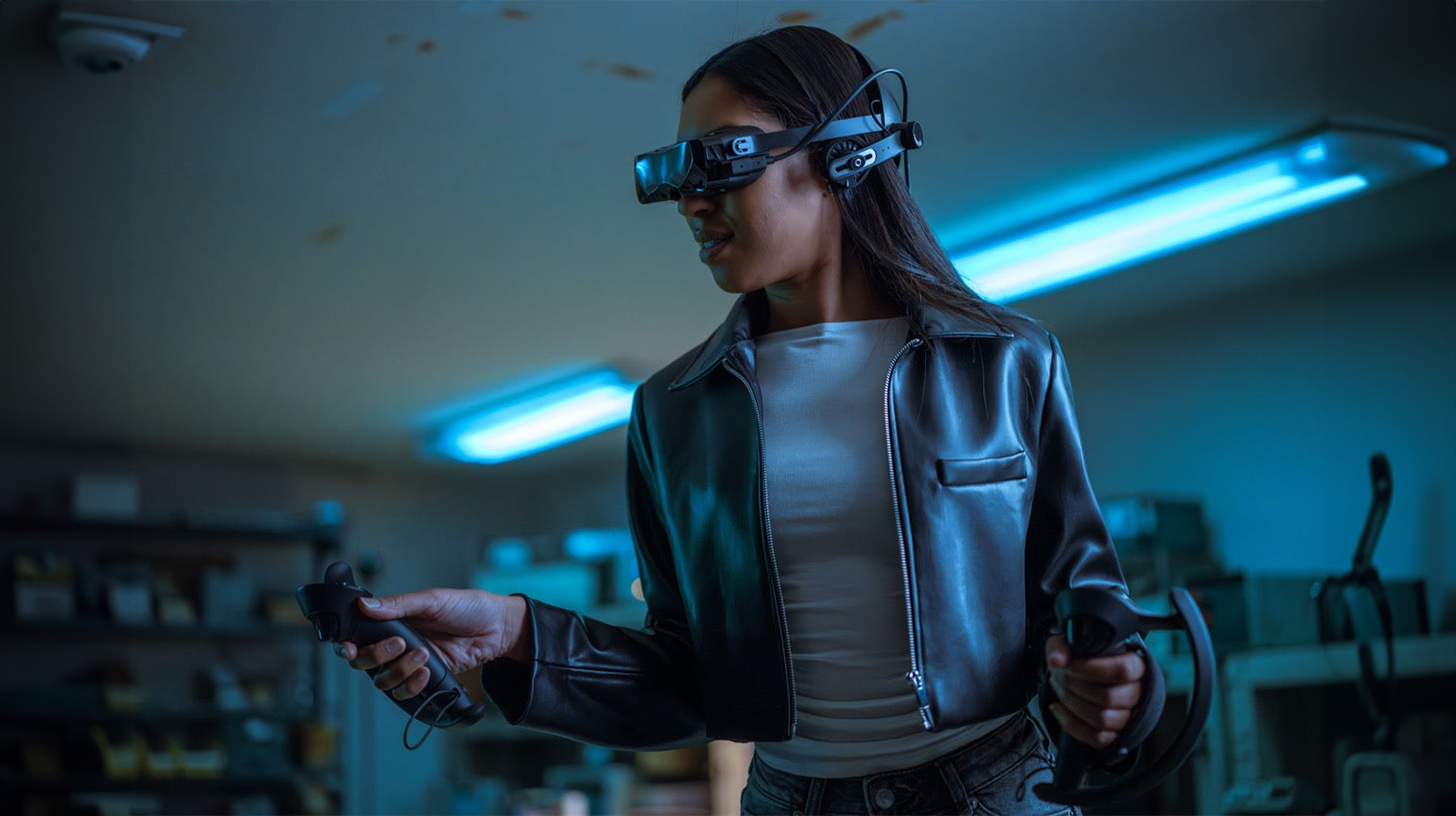
Bigscreen Beyond vs. the competition: What does the premium VR headset offer?
Strengths and weaknesses of Bigscreen Beyond: A comprehensive review
The Bigscreen Beyond boasts a number of outstanding strengths, but also exhibits some weaknesses that potential buyers should carefully consider before making their purchase decision. A detailed analysis of its strengths and weaknesses is crucial for positioning the Bigscreen Beyond within the broader VR market and in relation to individual user needs.
Among the undeniable strengths of the Bigscreen Beyond are its extremely light weight and the resulting exceptional comfort, allowing for hours of VR sessions without fatigue. The high-resolution Micro-OLED displays offer excellent image quality with impressive contrast, deep blacks, and vibrant colors, contributing to an immersive and captivating visual experience. The advanced pancake lenses enable a slim and compact headset design while simultaneously providing enhanced image clarity and sharpness, especially in the Beyond 2, which has been further improved in this regard. The SteamVR tracking system is renowned for its precision and reliability, enabling accurate and low-latency positional tracking in virtual environments. The quality of the integrated microphones is rated as good to very good by both users and experts, ensuring clear and intelligible communication in multiplayer games and social VR applications. A screen-door effect, where the individual pixels of the display become visible, is barely noticeable on the Bigscreen Beyond due to the high pixel density of the Micro-OLED displays, thus contributing to an even more immersive visual experience. The customizable face insert (on the Beyond 1) ensured an optimal fit and effective light blocking, further enhancing immersion in virtual worlds. The Beyond 2 now also offers adjustable IPD, improving adaptability for different users.
On the downside, the Bigscreen Beyond requires a powerful PC, SteamVR base stations, and controllers, which are not included and must be purchased separately. This significantly increases the overall cost of a complete VR system and requires a certain level of investment and technical expertise. The fixed IPD of the first-generation Bigscreen Beyond was a common criticism, but this was addressed with the Beyond 2 and its adjustable IPD. There is no integrated audio system, although an optional audio strap is available for separate purchase. The lack of built-in speakers or headphones may be a drawback for some users, as it necessitates additional peripherals. The maximum brightness of the micro-OLED displays is perceived as lower compared to some LCD-based headsets, which could be a disadvantage in very bright environments. Pancake lenses can exhibit glare issues in high-contrast scenes, which can be perceived as distracting halos or reflections, although Bigscreen is said to have improved this problem in the Beyond 2. The field of view (FOV), especially in the first generation, was limited compared to some competitors like the Valve Index, but it was noticeably expanded in the Beyond 2. The 90Hz refresh rate of the Bigscreen Beyond is achieved only through upscaling, which can potentially lead to a slight loss of image sharpness. The first generation's customizable face cushion made it difficult to share the headset with other users, but this is addressed in the Beyond 2 by the optional Halo Strap. Furthermore, the Bigscreen Beyond is a wired VR headset, which can restrict freedom of movement compared to wireless standalone headsets. Finally, the Bigscreen Beyond is an overall expensive VR system, especially when considering the additional costs for a powerful PC, SteamVR base stations, controllers, and optional accessories such as an audio strap and lens inserts.
The Bigscreen Beyond's strengths clearly lie in the areas crucial for an uncompromising and immersive PC VR experience: minimal weight for maximum comfort, high-resolution OLED displays for excellent image quality, and precise SteamVR tracking for accurate positional tracking. Its weaknesses stem primarily from the deliberate design choice to create an extremely lightweight, PC-based headset, inevitably leading to compromises in standalone functionality, integrated audio, and overall cost. The evolution from the Beyond 1 to the Beyond 2 addresses some of the first generation's significant shortcomings, particularly the fixed IPD and potentially limited FOV. The introduction of the optional Halo Strap aims to improve the headset's usability and shareability, making it more appealing to a wider user base. The pricing of the Bigscreen Beyond clearly positions it as a premium product for demanding VR enthusiasts who are willing to pay a higher price for an extremely lightweight, high-resolution and uncompromising PC VR experience and who already have the necessary infrastructure (powerful PC, SteamVR Tracking) or are willing to purchase it separately.
Comparison with other VR headsets on the market: Competition and differentiation
The competitive position of the Bigscreen Beyond must be considered within the context of the diverse and constantly evolving landscape of other available and announced VR headsets. A detailed comparison with relevant competitors is crucial to precisely define the unique strengths, weaknesses, and specific target audience of the Bigscreen Beyond.
The Meta Quest 3 is a versatile standalone headset offering wireless operation, mixed reality functionality, integrated inside-out tracking, and integrated audio at a significantly lower price than the Bigscreen Beyond. The Meta Quest 3 appeals to a broader audience, making it attractive to both casual users and experienced VR enthusiasts. However, the Bigscreen Beyond boasts a significantly lighter weight, higher resolution per eye, and superior black levels thanks to its micro-OLED displays. Some users and experts, however, rate the lens quality and sweet spot of the Meta Quest 3 as potentially better than the first-generation Bigscreen Beyond, with the Beyond 2 promising improvements in these areas.
The Apple Vision Pro is a high-end standalone headset focused on mixed reality applications, extremely high resolution, advanced eye and hand tracking, and seamless integration into the Apple ecosystem. Positioned in the absolute premium segment of the VR market, the Vision Pro targets discerning users willing to pay a premium for innovative technology and a comprehensive mixed reality experience. The Bigscreen Beyond, in comparison to the Apple Vision Pro, is significantly lighter, considerably less expensive (excluding accessories), and offers a direct DisplayPort connection for an uncompromising PC VR experience with maximum bandwidth and minimal latency. While the Apple Vision Pro may offer potential advantages in terms of lens quality, HDR performance, and the integration of mixed reality features, it is primarily geared towards standalone and mixed reality applications, whereas the Bigscreen Beyond clearly focuses on PC-based VR.
The Shiftall MeganeX Superlight 8K is also a very lightweight PC VR headset, aiming for minimal weight and maximum compactness, much like the Bigscreen Beyond. The MeganeX Superlight 8K boasts an extremely high resolution of 3840 x 3840 pixels per eye and utilizes pancake lenses. Its weight, when configured with the Halo Strap, is comparable to that of the Bigscreen Beyond 2. Availability, pricing, and detailed technical specifications of the Shiftall MeganeX Superlight 8K are not yet fully established, but it potentially represents a direct competitor to the Bigscreen Beyond in the ultra-lightweight, high-resolution PC VR headset segment.
The older Valve Index is an established PC VR headset, distinguished by its wide field of view (FOV), high-quality controllers, and mature ecosystem. The Bigscreen Beyond offers higher resolution, lighter weight, and a more compact design compared to the Valve Index. However, the Valve Index still boasts a wider FOV and the outstanding Valve Index controllers, which are considered the benchmark for ergonomics and finger tracking.
The PlayStation VR2 focuses primarily on gaming in conjunction with the PlayStation 5 console, offering an immersive VR experience at a more attractive price for PlayStation owners. It features OLED displays, eye tracking, and headset haptics, and is tightly integrated into the PlayStation ecosystem. However, the PS VR2 is tied to the PlayStation 5 platform and is not compatible with PCs, whereas the Bigscreen Beyond, as a PC VR headset, offers greater flexibility and compatibility with a wider range of VR content and applications.
The Bigscreen Beyond's competitive position is strongly influenced by its clear focus on a specific user segment (demanding PC VR enthusiasts) and its core features (extremely light weight, high resolution, uncompromising PC VR performance). It doesn't directly compete with standalone headsets in the mainstream market, but rather consciously positions itself as a premium option for users willing to pay a higher price for these specific advantages and accept the associated limitations (cables, external hardware, higher overall costs). Comparisons with the Shiftall MeganeX Superlight 8K point to a growing trend in the PC VR market towards ultra-lightweight headsets with high-resolution displays and pancake lenses. This trend could increase competitive pressure on Bigscreen in the future, but with the Beyond 2 and 2e, Bigscreen has already demonstrated its readiness to evolve and solidify its position in the high-end PC VR segment.
Related to this:


Expert and user opinions on Bigscreen Beyond: A snapshot of public sentiment
The opinions of industry experts and users regarding the Bigscreen Beyond paint a multifaceted and predominantly positive picture of its performance, innovative spirit, and potential. Feedback from the VR community provides valuable insights into the headset's strengths and weaknesses from the perspective of actual user experience.
The outstanding image quality, achieved through the combination of high-resolution micro-OLED displays and advanced pancake lenses, is repeatedly highlighted as a positive feature, as is the incredible comfort thanks to the extremely light weight and individual adjustability (in the case of the Beyond 1). The high level of immersion, resulting from the complete light sealing and excellent image quality, is also praised by many users and experts. The precise SteamVR tracking system is perceived as reliable and responsive, and the good microphone quality contributes to clear and intelligible communication in multiplayer games and social VR applications. The near-complete absence of a distracting screen-door effect is cited as another significant advantage that considerably enhances the visual experience. Both users and experts agree that the Beyond 2 offers significant improvements in terms of adjustable IPD, extended FOV, improved optics, and ease of use, further building upon the strengths of the first generation.
Some users have noted the comparatively lower brightness of the Micro-OLED displays compared to some LCD-based headsets as a negative or critical point, as well as potential glare issues that can occur with pancake lenses in high-contrast scenes. The field of view (FOV), especially on the first generation, was perceived as limited by some users in direct comparison to headsets like the Valve Index, although the Beyond 2 offers a significant improvement in this area. The reliance on external hardware (PC, base stations, controllers) and the associated additional costs are criticized by some, as is the lack of an integrated audio system. Some users report initial comfort issues with the custom-fit face cushion of the first generation, with the introduction of the Halo Strap for the Beyond 2 aiming to improve usability. The 90Hz upscaling is mentioned as a potential drawback by some technically savvy users, although the visual quality is generally perceived as very good in practice.
The overwhelmingly positive feedback regarding the comfort, image quality, and immersive VR experience of the Bigscreen Beyond indicates that Bigscreen has achieved its core objectives in these areas and created a product that sets standards in its niche. However, the aforementioned criticisms and areas for improvement also highlight areas where future developments would be both possible and desirable to make the Bigscreen Beyond even more attractive and versatile. The fact that many users view the Bigscreen Beyond as a significant upgrade to existing PC VR systems like the Valve Index underscores its positioning as a premium product for discerning VR enthusiasts within the PC VR ecosystem.
Specific use cases and partnerships: Bigscreen in the VR ecosystem
Over time, Bigscreen has established several specific use cases and strategic partnerships that further clarify its position in the VR ecosystem and its future applications. These collaborations and focus areas underscore Bigscreen's ambitions and its commitment to advancing VR technology and offering innovative solutions for various application areas.
Bigscreen has a remarkable partnership with NZXT, a renowned manufacturer of high-end gaming PCs and PC components. Together, Bigscreen and NZXT offer recommended PC configurations that are optimally tailored to the performance requirements of the Bigscreen Beyond, ensuring a smooth and immersive VR experience. This partnership aims to lower the barrier to entry for new users by providing them with pre-configured and tested PC systems that work perfectly with the Bigscreen Beyond. Bigscreen regularly showcases its products at relevant VR events and trade shows and conducts demos with prominent game developers such as Owlchemy Labs to demonstrate the capabilities and potential of the Bigscreen Beyond to a wider audience and the VR developer community.
Bigscreen is placing a particular focus on VR chat and sim racing/flight simulations as the primary use cases for the Bigscreen Beyond. This focus reflects the headset's strengths, especially its high image quality, comfort, and precise tracking, which are particularly relevant in these applications. For the Beyond 2e, a close collaboration and partnership with Nvidia and Valve has been announced to optimize support for foveated rendering and advance the integration of this technology into the SteamVR platform. This strategic partnership with industry leaders Nvidia and Valve underscores Bigscreen's commitment to continuously improving the performance and efficiency of its headsets and optimizing their integration into the existing SteamVR platform.
The partnership with NZXT indicates that Bigscreen is actively seeking to reduce complexity and effort for new users by offering recommended and validated PC configurations. The collaboration with Nvidia and Valve on foveated rendering is a strategically important step to maximize the performance of the Beyond 2e and ensure seamless integration into the established SteamVR ecosystem. These partnerships and focus areas demonstrate that Bigscreen is not just a hardware manufacturer, but an active player in the VR ecosystem, committed to advancing VR technology and developing innovative solutions for various applications.
Bigscreen Beyond – A pioneer in the high-end PC VR market
The Bigscreen Beyond has undoubtedly established itself as an innovative and groundbreaking VR headset, setting new standards in the VR market with its extremely light weight, high-resolution micro-OLED displays, and focus on uncompromising PC VR performance. It primarily targets a demanding niche segment of PC VR enthusiasts and power users who are willing to pay a premium price for these specific advantages and accept the need for external hardware and a wired connection. The continuous development with the Beyond 2 and 2e demonstrates a clear commitment to ongoing improvements in areas such as optics, usability, flexibility, and the integration of future-oriented technologies like eye-tracking and foveated rendering.
Despite its undeniable strengths, the Bigscreen Beyond also has some compromises, particularly regarding the maximum brightness of the displays, potential glare issues with pancake lenses, and its reliance on a powerful PC and external tracking solutions. However, the introduction of the optional Halo Strap on the Beyond 2 could improve usability, portability, and comfort, thereby increasing the headset's appeal to a wider audience, including potential professional users.
Bigscreen's future market opportunities will depend significantly on the acceptance of its high-end products by VR enthusiasts and its ability to minimize existing weaknesses through continuous technological advancements, innovative design approaches, and further improvements. Competition in the lightweight, high-resolution VR headset market is steadily increasing, as demonstrated by the Shiftall MeganeX Superlight 8K and other upcoming competitors. Therefore, it will be crucial for Bigscreen to continue differentiating itself through unique features, consistent product development, and strong community engagement. Future trends in VR technology, such as improved display technologies (micro-LED, higher resolution, HDR), more advanced optics (aspherical lenses, waveguide technology), wireless solutions for PC VR, and the integration of even more advanced tracking systems, could significantly influence Bigscreen's positioning in the dynamic VR market in the coming years, creating new opportunities and challenges for the company. Bigscreen Beyond has the potential to establish itself as a pioneer in the high-end PC VR market and to significantly advance the development of compact, lightweight and high-performance VR headsets.
We are here for you - Consulting - Planning - Implementation - Project Management
Xpert.Digital - Pioneer Business Development
Smart Glasses & AI - XR/AR/VR/MR industry expert
Consumer Metaverse or Metaverse in general
If you have any questions, require further information or advice, please feel free to contact me at any time.

Konrad Wolfenstein
I would be happy to serve as your personal advisor.
You can contact me by filling out the contact form below or simply call me on +49 7348 4088 965 .
I'm looking forward to our joint project.
Write to me



Xpert.Digital - Konrad Wolfenstein
Xpert.Digital is a hub for industry focusing on digitalization, mechanical engineering, logistics/intralogistics and photovoltaics.
With our 360° Business Development solution, we support renowned companies from new business to after-sales.
Market intelligence, smarketing, marketing automation, content development, PR, mail campaigns, personalized social media and lead nurturing are part of our digital tools.
You can find more information at: www.xpert.digital - www.xpert.solar - www.xpert.plus
Keep in touch