Amazon's escalating logistics costs – @shutterstock | Sundri Photography
Last year, Amazon launched a new service called Amazon Day, allowing Prime members to have all their orders delivered on the same day of any given week. While the company Amazon Day as another Prime benefit that helps customers take control of deliveries and reduce packaging, the new delivery option could also help the e-commerce giant achieve its ultimate goal of carbon-neutral deliveries and conveniently save the company a significant amount of money.
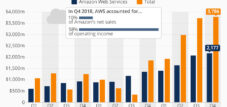
As the following chart shows, Amazon's shipping and fulfillment costs have skyrocketed over the past decade, with total logistics costs increasing more than twentyfold between 2009 and 2019. Last year alone, the company's shipping costs totaled $37.9 billion. With fulfillment costs (such as the costs of operating and staffing fulfillment centers), another $40.2 billion is added to a hefty logistics bill. Although Amazon's revenue has also increased more than tenfold since 2009, this has not been enough to offset the rise in logistics costs. In 2009, shipping and fulfillment costs represented 15.6 percent of net sales. By 2019, this figure had risen to 27.9 percent.
Amazon launched a new service called Amazon Day last year, which enables Prime members to have all their orders delivered on the same day of any given week. While the company is publicly selling Amazon Day as yet another Prime perk that will help customers take control of deliveries and reduce packaging, the new delivery option could also help the e-commerce giant achieve its ultimate goal of carbon-neutral shipments and, conveniently, save the company a ton of money.
As the following chart shows, Amazon's shipment and fulfillment costs have skyrocketed over the past decade, with total logistics costs growing more than 20-fold between 2009 and 2019. Last year alone, the company's shipping costs amounted to $37.9 billion, with fulfillment costs (eg costs of operating and staffing fulfillment centers) adding another $40.2 billion to a hefty logistics bill. While Amazon's revenue also grew more than 10-fold since 2009, that wasn't enough to offset the growth in logistics costs. In 2009, shipping and fulfillment costs amounted to 15.6 percent of net sales. By 2019, that share had risen to 27.9 percent.


Keep in touch