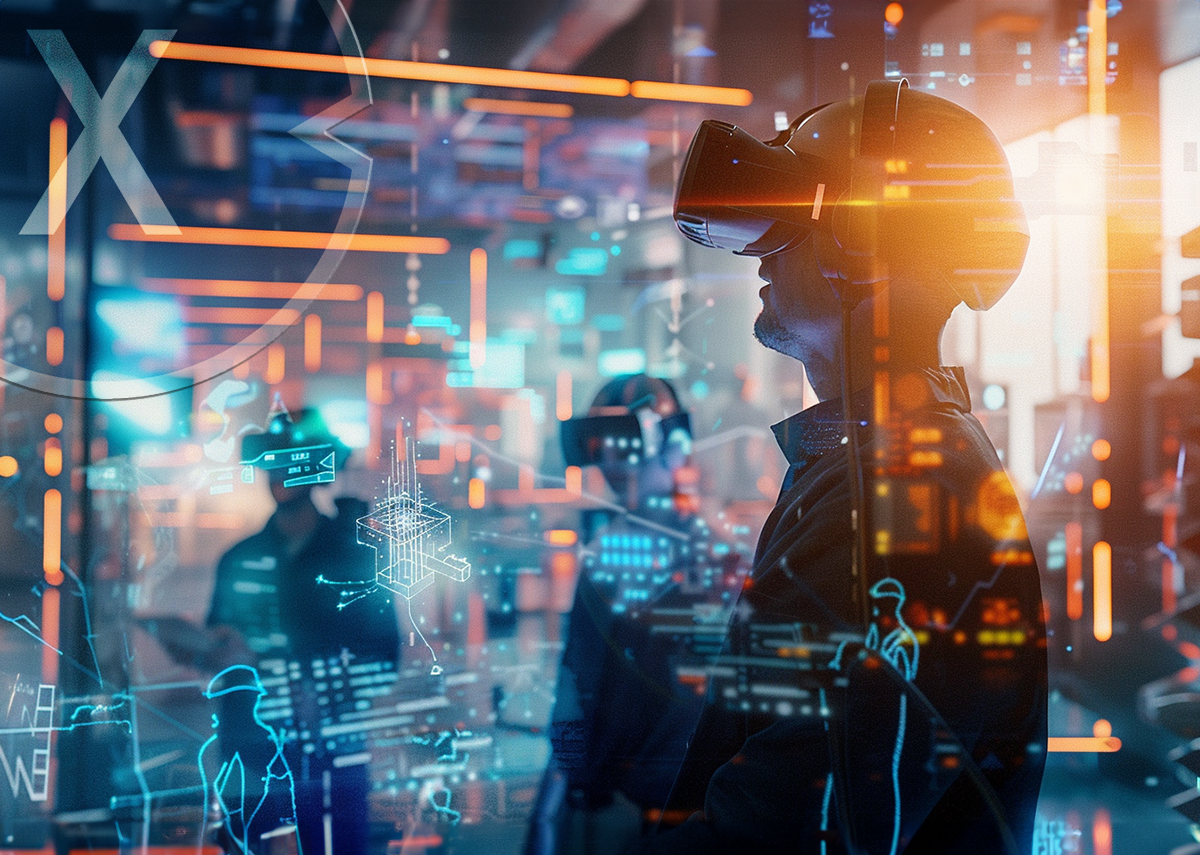
Extended Reality as a cross-cutting technology – Innovative and future-oriented: Extended Reality for small and medium-sized enterprises – Image: Xpert.Digital
🚀 Extended Reality (XR): The future technology for the sustainable transformation of the German economy
🌟 Extended Reality (XR) is far more than just an emerging technology; it represents a revolutionary advancement with the potential to sustainably transform the German economy. The immense significance of this high-tech development extends across numerous industries, offering opportunities that go far beyond what is currently imaginable.
A versatile cross-cutting technology 🌍
Extended Reality encompasses the entire spectrum of Virtual Reality (VR), Augmented Reality (AR), and Mixed Reality (MR). These technologies allow for the seamless integration of digital and real worlds, creating entirely new possibilities for interaction and visualization. In industry, construction, medicine, and even national security, XR is no longer a future scenario but already a reality.
For example, in industry, XR enables the simulation of complex machine processes through digital twins. These digital representations of real-world objects and systems allow engineers to test prototypes and optimize production processes before a physical model even exists. This not only reduces costs but also minimizes the risk of errors and delays.
In the construction industry, XR is revolutionizing the planning phase of building projects. Architects and clients can visually experience different design options through virtual tours, which significantly simplifies decision-making. Errors and changes can be identified and corrected early on, increasing the efficiency of the entire construction process.
The versatility of XR is particularly impressive in medicine. Three-dimensional anatomical representations allow doctors to better inform their patients about upcoming procedures. Furthermore, XR supports complex, invasive surgeries by enabling surgeons to precisely plan their movements and anticipate potential complications.
XR is also playing an increasingly important role in the area of national security. Virtual training simulates real-world threat scenarios, allowing emergency responders to hone their responses without exposing themselves to actual dangers. These realistic exercises are crucial for being prepared for unforeseen events.
Unlocking the potential of small and medium-sized enterprises (SMEs) 💼
Although XR has already been successfully integrated into many large companies, a study by the vbw (Association of Bavarian Businesses)that small and medium-sized enterprises (SMEs) in particular still largely underestimate the potential of this technology. Actual application in this sector has so far fallen short of its potential. Yet SMEs could benefit considerably from XR, be it in production optimization, employee training, or customer service.
To seize these opportunities, knowledge and technology transfer must be further promoted. It is essential that not only large corporations but also SMEs have access to these technologies. These companies must be supported in recognizing and implementing the potential applications of XR for their specific needs.
A concrete step in this direction could be the increased provision of training and further education programs specifically tailored to SMEs. These measures would not only improve the understanding of XR technologies but also promote their acceptance and practical application.
Challenges and future prospects 🔍
Despite all the opportunities XR offers, there are also challenges that cannot be ignored. These include, in particular, the high acquisition costs for the necessary hardware and the complex integration of XR solutions into existing IT infrastructures. Furthermore, the development and adaptation of XR applications requires specialized expertise that is still lacking in many companies.
Another aspect is security. Since XR applications are often operated over the internet, they must be protected against cyberattacks. The risk of sensitive data falling into the wrong hands or applications being manipulated is real and should not be underestimated.
Nevertheless, the advantages of XR far outweigh the challenges. The technology will continue to evolve in the future, and the associated costs are expected to decrease. Furthermore, increasingly user-friendly XR platforms are emerging, enabling even smaller companies to benefit from augmented reality without having to make extensive investments.
The role of politics and economics 🤝
To further promote the adoption of XR technologies in Germany, both policymakers and businesses have a role to play. It is essential to create the right framework, promote research and development in this area, and facilitate access to funding. In particular, the focus should be on supporting startups and SMEs that can contribute to the further development of the technology through innovative approaches.
Cooperation between companies and research institutions should also be intensified. Joint projects and the exchange of know-how can accelerate the development of new XR applications and help them reach market maturity more quickly.
Extended Reality as a driver of digital transformation 🚀
In an increasingly digital world, Extended Reality will play a key role. It has the potential to revolutionize entire industries and create new business models. By integrating XR into everyday work processes, companies can not only increase their efficiency but also develop innovative products and services that give them a competitive edge.
Furthermore, XR will play a crucial role in the further education and training of the workforce. Virtual training makes it possible to convey complex topics clearly and interactively. This is particularly advantageous in industries where practical experience and rapid response capabilities are essential.
A key component of digital transformation 📈
Extended reality is far more than a technological trend. It is a key component of digital transformation and offers enormous potential for the German economy. However, to fully realize this potential, existing obstacles must be overcome and the technology made accessible to everyone – especially SMEs, which form the backbone of the German economy.
The future of extended reality is promising. With the right support and a willingness to invest in new technologies, Germany can take a leading role in this dynamic and forward-looking sector. It is now up to businesses, policymakers, and society to seize the opportunities and set the course for a successful digital future.
📣 Similar topics
- 🌐 The future of the German economy: Extended Reality
- 🏭 XR Revolution: Innovations in Industry and Construction
- 🏥 Medical Miracles: Extended Reality in the Healthcare Sector
- 🏢 XR: A must for small and medium-sized enterprises
- 🔧 Digital Twins: Redefined Production Processes
- 🚧 Construction Planning 2.0: Virtual Tours and Efficiency
- 🛡️ National Security: Virtual Training for Real-World Challenges
- 📊 Challenges and opportunities of XR for SMEs
- 🎓 Continuing Education 4.0: Interactive and practical training courses
- 🚀 Extended Reality: The Driver of Digital Transformation
#️⃣ Hashtags: #AugmentedReality #GermanEconomy #Innovation #Digitalization #SMEs
🗒️ Xpert.Digital: A pioneer in the field of Extended and Augmented Reality

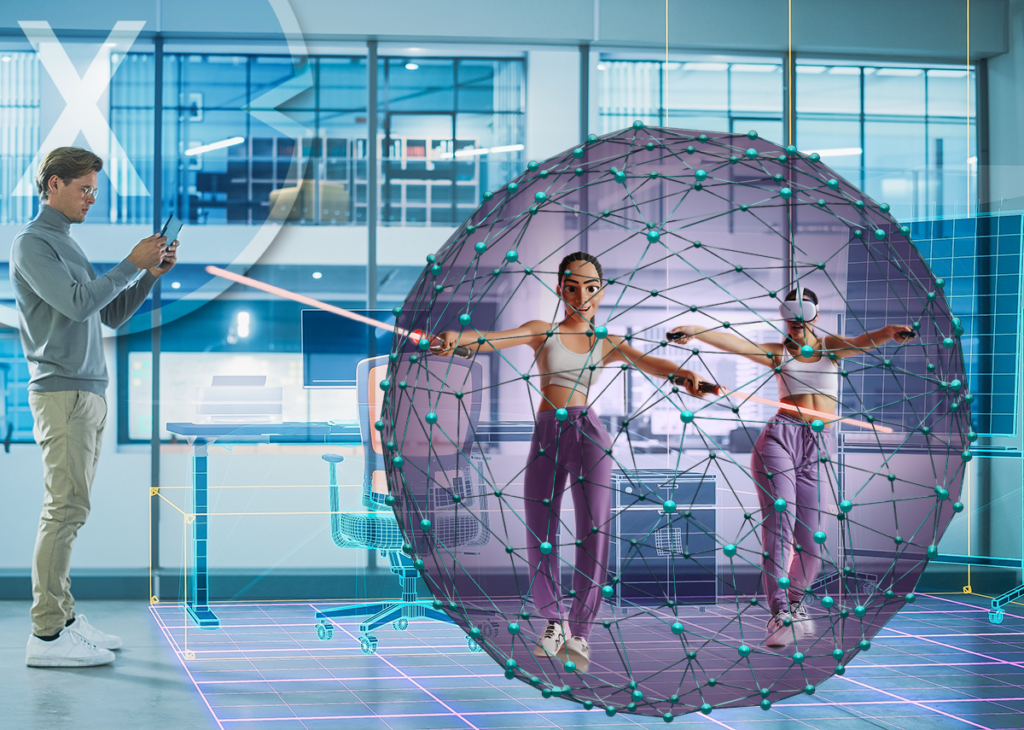
Finding the right Metaverse agency, planning office, or consulting firm - Image: Xpert.Digital
🗒️ Finding the right Metaverse agency, planning office, or consulting firm – Search and search: Top Ten Tips for Consulting & Planning
More information here:
🌟🌐 Survey on Digital Technologies in Companies
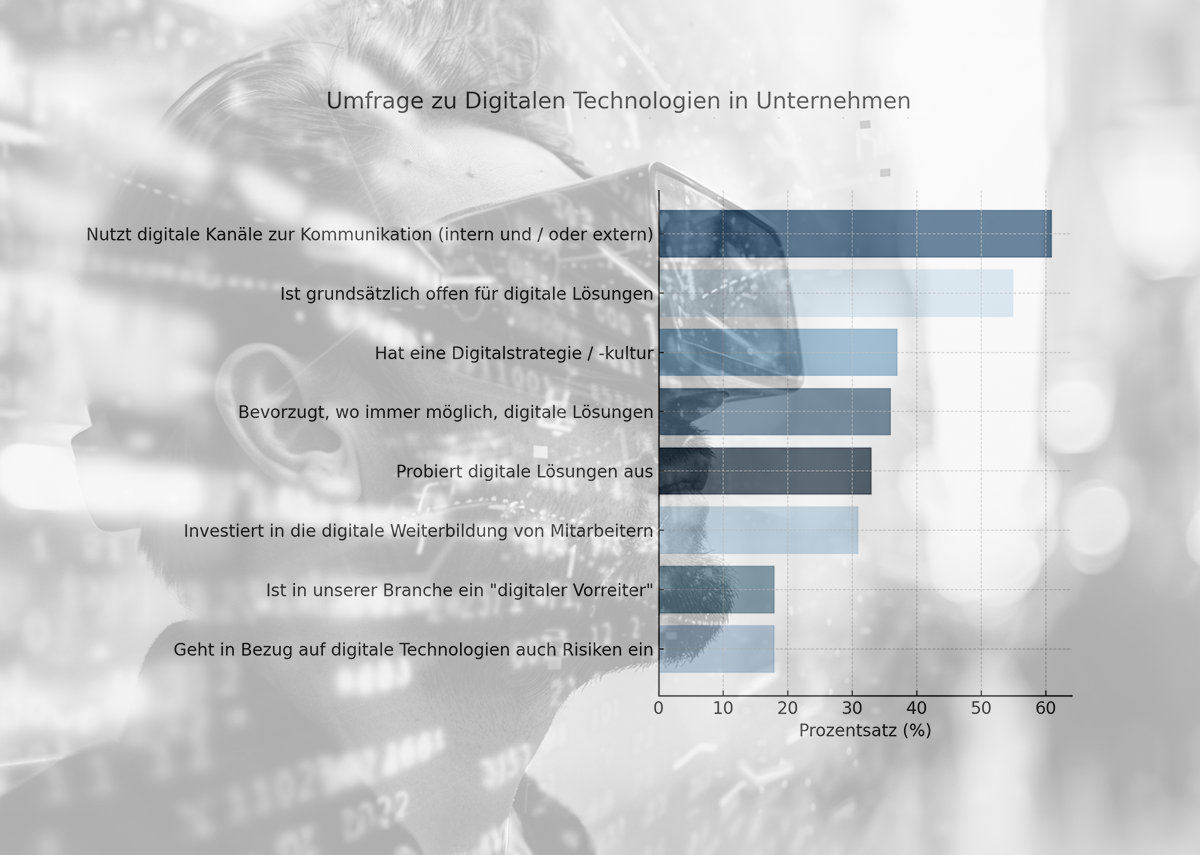
Survey on Digital Technologies in Companies – Image: Xpert.Digital
🌐📊 The figures shown in the graphic illustrate the different levels of digitalization in companies and their willingness to integrate digital technologies. These figures provide important insights into the current situation and the challenges companies face in their digital transformation.
✉️ Digital channels for communication (61%)
At 61%, the use of digital channels for communication (internal and/or external) is the most widespread aspect of digitalization in companies. This shows that most companies have already firmly integrated digital communication tools such as email, instant messaging, video conferencing, and collaboration tools like Slack or Microsoft Teams into their workflows. Using these technologies enables companies to communicate more efficiently, especially in a globalized world where teams are often distributed across different locations. Digital communication also contributes to a more flexible working environment by supporting remote work and hybrid work models.
💡 Openness to digital solutions (55%)
With 55% expressing openness to digital solutions, over half of companies are generally receptive. This figure signals a positive attitude towards digitalization, which is a crucial step for businesses that want to remain competitive in the digital age. Openness to digital solutions is a prerequisite for the successful adoption of new technologies, as it fosters a culture of innovation and encourages a willingness to explore new avenues. However, this openness does not automatically translate into effective use of these technologies; a clear strategy and the necessary resources are also required for successful implementation.
🚀 Digital Strategy and Culture (37%)
Only 37% of companies report having a digital strategy and culture. This is a crucial point, as a well-defined digital strategy is necessary to establish the direction and priorities for digital initiatives. A digital culture, on the other hand, fosters the acceptance and use of new technologies throughout the entire organization. This comparatively low figure indicates that many companies are still at the beginning of their digital transformation and that there is significant potential for developing a comprehensive digital strategy that encompasses all aspects of the business.
🎯 Preference for digital solutions (36%)
Only about a third of companies (36%) prefer digital solutions whenever possible. This figure suggests that many companies are still stuck in traditional ways of working and do not consistently consider digital solutions as a preferred option. It also indicates that companies may still be hesitant to fully transition to digital processes, whether due to fear of risks, a lack of trust in the technologies, or insufficient resources. However, a preference for digital solutions is an indicator of a forward-thinking corporate culture that recognizes the efficiency and flexibility of digital technologies.
🧪 Experimenting with digital solutions (33%)
33% of companies are trying out digital solutions. This figure suggests that a third of companies are willing to test and experiment with new technologies before considering full implementation. This willingness to experiment is important for discovering innovative solutions and assessing their suitability for the business. However, the figure also shows that a large proportion of companies are still hesitant to conduct such experiments, indicating a certain degree of uncertainty or reluctance towards digital innovations.
📚 Investments in digital training of employees (31%)
Only 31% of companies invest in the digital training of their employees. This low figure suggests that many companies may not yet have recognized the need to prepare their staff for the challenges of digital transformation. However, training is a key factor for the success of digitalization, as new technologies often require specialized knowledge. Companies that invest in their employees' skills are better equipped to use digital technologies effectively and remain competitive in the long term.
🔝 Digital pioneers in the industry (18%)
Only 18% of companies see themselves as digital pioneers in their industry. This figure illustrates that the majority of companies are lagging behind when it comes to adopting and using digital technologies. Digital pioneers often set standards and drive innovation from which the entire industry can benefit. However, the low percentage of pioneers shows that many industries still have considerable catching up to do when it comes to integrating and using digital technologies to differentiate themselves from the competition.
⚠️ Dealing with the risks of digital technologies (18%)
Similarly, only 18% of companies report consciously taking risks when using digital technologies. This is a critical point, as innovation and the use of new technologies are always associated with a certain degree of uncertainty and risk. Companies willing to take these risks can gain significant competitive advantages by implementing new technologies early and leveraging their potential. However, the low number indicates that many companies tend to avoid risks and may miss opportunities to drive digital transformation.
Related to this:
📈 Developing a digital strategy
The figures in the graphic illustrate that many companies are still in the early stages of digital transformation. While the use of digital communication channels is widespread, there is still considerable room for improvement in other areas such as developing a digital strategy, providing further training for employees, and being willing to take risks.
Companies that position themselves as digital pioneers and invest in a comprehensive digital strategy have the opportunity to strengthen their market position and achieve long-term success. The figures underscore the need not only to be open to digital solutions but also to proactively invest in their implementation and cultural transformation in order to fully leverage the potential of digitalization.
📣 Similar topics
- 📊 Degree of digitalization in companies
- 📣 Digital Communication: The Leading Aspect of Business Transformation
- 🚀 Pioneers of digital transformation: Who is leading the industry?
- 💡 Openness to innovation: Digital solutions in companies
- 📈 Strategies and cultural change: Why a digital strategy is crucial
- 🔍 Challenges of the digital age: Risks and opportunities
- 💼 Preference for digital technologies: One third of companies
- 📘 Professional development in the digital age: Investing in employees
- ⚡ Willingness to experiment in companies: Testing digital solutions
- 🌐 The future of digital communication and collaboration
#️⃣ Hashtags: #Digitalization #BusinessTransformation #DigitalStrategy #DigitalCommunication #Innovation
Our recommendation: 🌍 Limitless reach 🔗 Connected 🌐 Multilingual 💪 Sales power: 💡 Authentic with strategy 🚀 Innovation meets 🧠 Intuition


From local to global: SMEs conquer the world market with a clever strategy - Image: Xpert.Digital
In an era where a company's digital presence determines its success, the challenge lies in creating an authentic, personalized, and far-reaching presence. Xpert.Digital offers an innovative solution that positions itself as the intersection of an industry hub, a blog, and a brand ambassador. It combines the advantages of communication and sales channels in a single platform and enables publication in 18 different languages. Cooperation with partner portals and the ability to publish articles on Google News and a press distribution list with approximately 8,000 journalists and readers maximize the reach and visibility of the content. This represents a crucial factor in external sales and marketing (SMarketing).
More information here:
💼🚀 The Importance of Digital Transformation
🌐 Digital transformation is more than just a buzzword today; it's a necessity for businesses that want to thrive in an increasingly competitive market. It's not just about implementing new technologies, but also about changing the corporate culture to use those technologies effectively. Companies that leverage digital channels for communication and other business processes are often more flexible, responsive, and better able to adapt to market changes. Therefore, openness to digital solutions is a key characteristic of successful businesses in the digital age.
🛠️🔧💡 Challenges in implementing digital technologies
Despite the obvious advantages offered by digital technologies, many companies face significant challenges in their implementation. One of the biggest hurdles is developing a clear digital strategy that considers not only the technical but also the cultural aspects. Without such a strategy, companies risk only superficially integrating digital solutions without realizing their full potential.
Another critical point is the willingness to take risks. The introduction of digital technologies, especially innovative approaches like extended reality, often requires significant investment and a high degree of uncertainty. Companies must be prepared to take these risks while simultaneously ensuring they have the necessary expertise to use these technologies effectively.
Related to this:
🌟🔍👓 The role of Extended Reality in businesses
Extended Reality (XR) offers numerous opportunities to optimize business processes, improve employee training, and revolutionize customer interactions. In the manufacturing industry, for example, AR glasses can be used to support maintenance work or display work instructions directly in the workers' field of vision. In the real estate sector, VR allows potential buyers to view properties without having to be physically present. These technologies can not only increase efficiency but also create new business models.
Nevertheless, many companies struggle to fully integrate XR technologies. They often lack the necessary skills or the willingness to invest in the required infrastructure. This is exacerbated by the fact that XR technologies are still relatively new and therefore lack established best practices.
📚🎓🔧 The importance of employee training
Another important aspect of digital transformation is employee training. Technologies like XR require specialized knowledge, and companies must ensure their employees develop the necessary skills to use these technologies effectively. This can be achieved through training courses, workshops, or by collaborating with specialized providers. Companies that invest in their employees' training are better equipped to leverage the benefits of new technologies and gain a competitive edge.
🌟⚙️🏆 Digital pioneers in the industry
Some companies have already established themselves as digital pioneers, demonstrating what successful integration of digital technologies can look like. These companies not only utilize XR, but also other advanced technologies such as artificial intelligence (AI), big data, and the Internet of Things (IoT) to optimize their processes and unlock new business opportunities. They are often leaders in their industry and set standards that other companies follow.
⚠️🔍🔒 Risks and challenges of using digital technologies
While the benefits of digital transformation are undeniable, there are also risks that cannot be ignored. These include not only the aforementioned financial risks, but also security concerns. The increasing interconnectedness of devices and systems raises the risk of cyberattacks, and companies must ensure they have robust security measures in place to protect their data.
Furthermore, there is a risk that companies that rely too heavily on digital technologies will lose their flexibility. In a rapidly changing technological landscape, this can lead to difficulties for companies adapting to new developments.
🔮🚀🛠️ The Future of Digital Transformation
Digital transformation will continue to play a central role in corporate strategy. Companies that want to be successful must not only be prepared to invest in new technologies, but also adapt their corporate culture accordingly. This requires an open attitude towards innovation, a clear digital strategy, and a willingness to invest in the further training of their employees.
Extended reality is just one of many technologies with the potential to fundamentally change the way businesses operate. While the challenges are significant, the opportunities these technologies offer are even greater. Companies that engage with these technologies early on and are prepared to take the necessary risks will be able to gain a competitive advantage and strengthen their market position.
📝🔧💡 Integration of digital technologies
The integration of digital technologies, particularly extended reality, presents a significant opportunity for companies to optimize their processes, tap into new business areas, and strengthen their competitiveness. At the same time, they must address the associated challenges and develop a holistic digital strategy that considers both technological and cultural aspects. Companies that master these challenges will be able to solidify their position in the digital economy and benefit from the enormous potential these technologies offer.
The key to success lies in the combination of openness to digital solutions, a clear strategy, a willingness to take risks, and continuous employee training. Only in this way can companies ensure that they not only keep pace with technological developments but also actively shape the future.
📣 Similar topics
- 📣 The importance of digital transformation for companies
- 📊 Challenges in implementing digital technologies
- 🚀 Extended Reality: Opportunities and Challenges
- 👩🏫 Employee training in the digital age
- 🏆 Digital Pioneers: Successful Examples from Practice
- 🔒 Security risks when using new technologies
- 🔍 Clarity and strategy in digital transformation
- 🤖 Artificial Intelligence and Big Data: Key Technologies of the Future
- ⚙️ The role of IoT in corporate digitalization
- 🔮 The Future of Digital Transformation: Trends and Forecasts
#️⃣ Hashtags: #DigitalTransformation #ExtendedReality #ArtificialIntelligence #EmployeeTraining #SecurityRisks
We are here for you - Consulting - Planning - Implementation - Project Management
Xpert.Digital - Pioneer Business Development
Smart Glasses & AI - XR/AR/VR/MR industry expert
Consumer Metaverse or Metaverse in general
If you have any questions, require further information or advice, please feel free to contact me at any time.

Konrad Wolfenstein
I would be happy to serve as your personal advisor.
You can contact me by filling out the contact form below or simply call me on +49 7348 4088 965 .
I'm looking forward to our joint project.
Write to me


Xpert.Digital - Konrad Wolfenstein
Xpert.Digital is a hub for industry focusing on digitalization, mechanical engineering, logistics/intralogistics and photovoltaics.
With our 360° Business Development solution, we support renowned companies from new business to after-sales.
Market intelligence, smarketing, marketing automation, content development, PR, mail campaigns, personalized social media and lead nurturing are part of our digital tools.
You can find more information at: www.xpert.digital - www.xpert.solar - www.xpert.plus
Keep in touch