Anyone in Germany who installed a photovoltaic system before 2001 now faces a difficult decision: What should happen to the electricity generated from next year onwards? These systems will then no longer be eligible for feed-in tariffs under the Renewable Energy Sources Act (EEG). The consumer advice center of North Rhine-Westphalia recommends that those affected carefully review initial offers from energy suppliers and wait for the upcoming legal regulations.

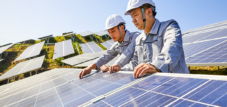
What to do? Subsidies for old photovoltaic systems are expiring – Image: @shutterstock|alaj
Anyone in Germany who installed a photovoltaic system before 2001 now faces a difficult decision: What should happen to the electricity generated from next year onwards? These systems will then no longer be eligible for feed-in tariffs under the Renewable Energy Sources Act (EEG). The consumer advice center of North Rhine-Westphalia recommends that those affected carefully review initial offers from energy suppliers and wait for the upcoming legal regulations.
The guaranteed feed-in tariff under the Renewable Energy Sources Act (EEG) for electricity from photovoltaic systems expires on December 31, 2020, and the grid operator is no longer obligated to purchase the energy. However, a follow-up regulation, particularly for small systems older than 20 years, has not yet been decided and is still being negotiated in the German Bundestag. Nevertheless, a deadline of November 30th applies – by then, the grid operator must be informed how electricity will continue to be fed into the grid in 2021.
What should I do with my photovoltaic system?
Above all, the motto is: stay calm. There are initial offers from energy suppliers to purchase the electricity in the future. Currently, these offers are mostly only available for preliminary registration. Those affected should carefully review the terms and conditions and wait for the upcoming legal regulations. Nothing bad will happen – at worst, operators can simply switch off their system themselves temporarily on New Year's Eve using the switch in the fuse box.
Should I have my photovoltaic system inspected for continued operation?
Is the system even fit for continued use, meaning safe and efficient? This question should be answered before making a decision. A safety inspection by a specialist company costs approximately 250 to 300 euros. If the inspection results are unsatisfactory, a new system for self-consumption could be an alternative. This would then again qualify for feed-in tariffs under the Renewable Energy Sources Act (EEG) for 20 years – although at around 9 cents per kilowatt-hour, this is significantly less than before.
Is my photovoltaic insurance still worthwhile?
What's no longer worthwhile is a dedicated photovoltaic insurance policy. Operators can cancel existing policies at the end of the insurance year and, for a minimal additional premium, include the system in their building insurance.
Is self-consumption of the electricity from my photovoltaic system an option?
Using the electricity generated on your roof yourself reduces your electricity bill. However, converting from feeding all the electricity into the grid to self-consumption can be complex, and the additional costs aren't always worthwhile. High household electricity consumption and an older system with a capacity of at least 3.5 kW are good prerequisites for a profitable outcome. Ultimately, though, each individual case needs to be carefully examined to determine what makes financial sense.
Should I sell the electricity from my photovoltaic system?
The currently legally mandated direct marketing, the only option for feeding electricity from older systems into the grid, is not economically viable for small systems. As an alternative, some energy suppliers are offering to purchase the electricity for a few cents per kilowatt-hour, provided a power purchase agreement is signed with them. This sounds convenient, but it also means being tied to the company and its tariffs. In any case, system operators should wait for the new legal regulations before making a decision.
Suitable for:
- 97 percent of solar entrepreneurs warn of a decline in demand for solar roofs
- Solar tax: The solar industry demands its abolition and a solar acceleration law
- Planned solar brake: EEG and the Federal Cabinet
Keep in touch