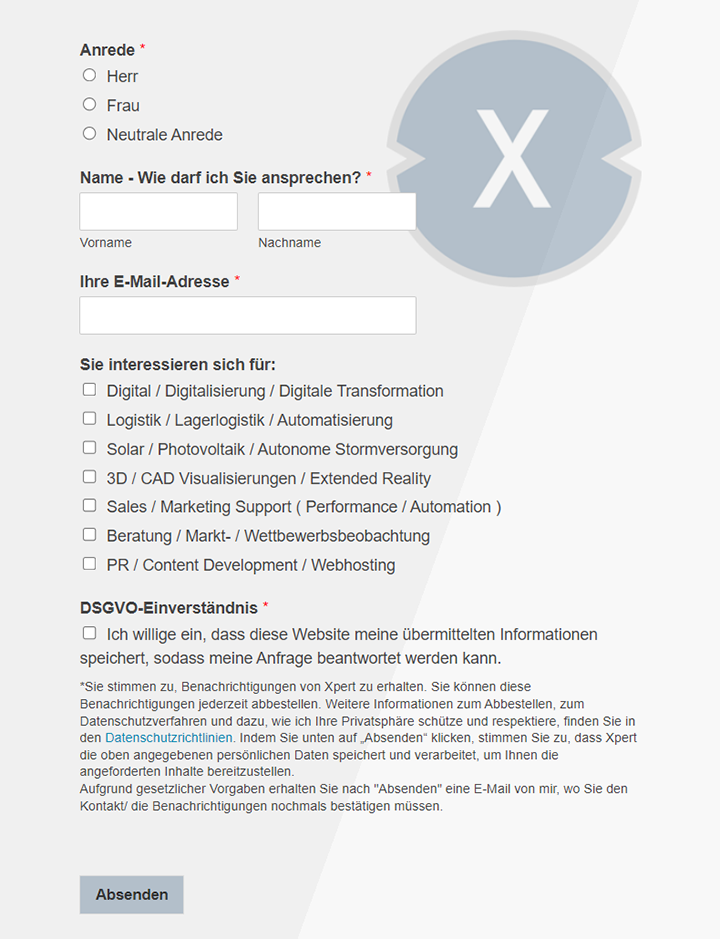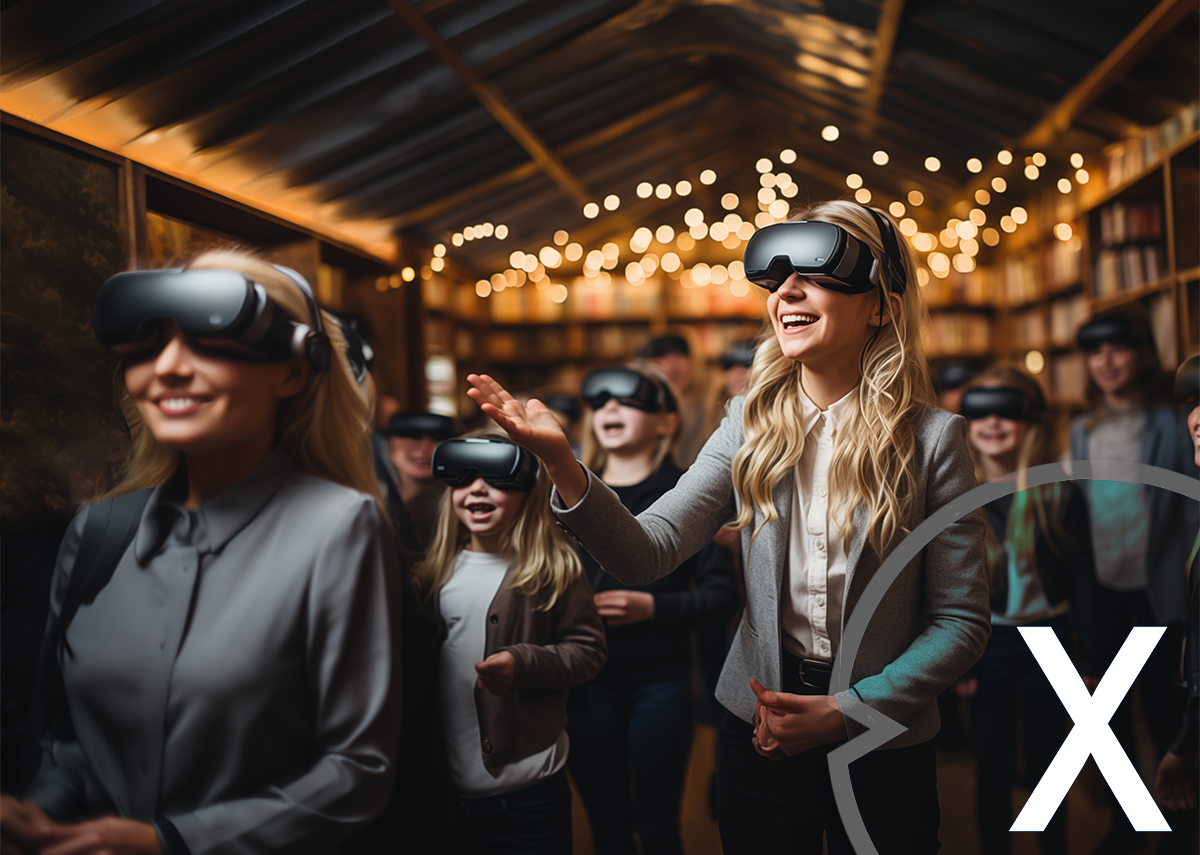
AI & XR 3D Rendering Machine: Virtual Reality in the Classroom – Image: Xpert.Digital
📚 Virtual Reality in Teacher Training: A Revolution in the Classroom - The Power of VR in North Rhine-Westphalia 🌌🕹️
📚 The use of virtual reality (VR) in teacher training in North Rhine-Westphalia represents a progressive development in education. Following the successful pilot project, the plan is now to test this technology more broadly and integrate it into everyday classroom practice. Future teachers will work with VR headsets during their training to explore and utilize their potential for interactive and multidimensional teaching.
🔍👩🏫 The experiences from the pilot project "Virtual Reality in Teacher Training" were already very promising in 2021. The then Minister of Education, Yvonne Gebauer, was impressed by the new possibilities that VR offers for modern and engaging lessons. She emphasized the importance of the multisensory approach made possible by VR, which allows students to immerse themselves in virtually created realities.
"Virtual reality offers fascinating new possibilities for exciting and modern lessons that engage students with multiple senses simultaneously. Teachers can use this technology to implement innovative teaching and learning scenarios in which students can immerse themselves in computer-generated realities."
🏫 At the centers for practical teacher training in Aachen and Münster, a two-year study tested whether VR technologies could improve teacher training by supporting learning processes and helping prospective teachers acquire the media literacy required by the core curriculum. The study evaluated not only pedagogical aspects but also technical aspects such as compatibility and user-friendliness of the support.
🌐 Various applications of VR were demonstrated in Aachen in 2021. For example, students were able to gain 3D insights into the workings of the human heart or explore the streets of ancient Rome virtually. A complex VR learning environment was specifically developed for teacher training, enabling collaboration in virtual spaces, such as on repair tasks in a simulated engine room or during discussions in a virtual classroom.
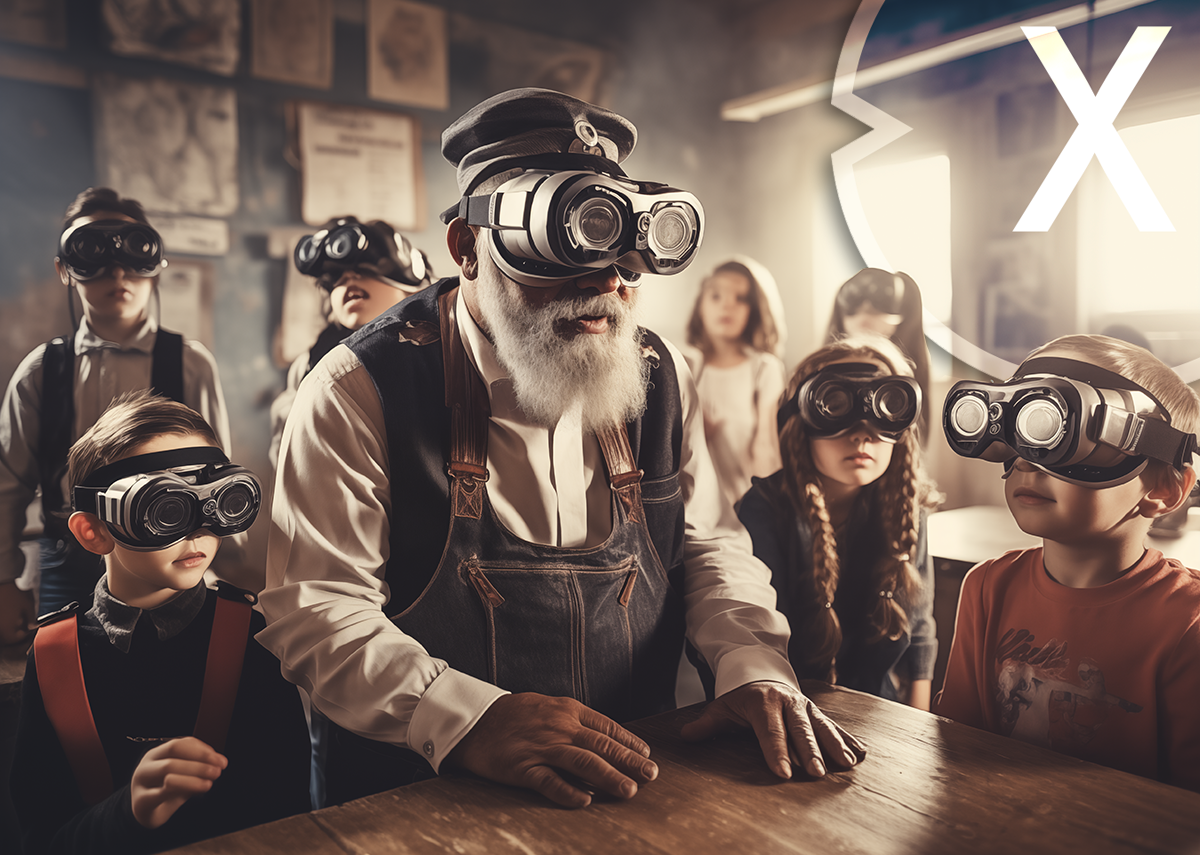
AI & XR 3D Rendering Machine: Experience different historical periods up close with virtual reality – Image: Xpert.Digital
📊 The results of the pilot project were so convincing that it was decided to make them available to all 33 centers for practical teacher training in North Rhine-Westphalia. VR is seen as an enrichment for teacher training and teaching, especially in the fields of science, geography, and history, where it opens up new didactic and pedagogical possibilities.
💰 In 2021, the state government had already invested €11.5 million in IT infrastructure to equip the school-based teacher training centers for modern training. An additional €300,000 was planned at that time to develop individual concepts for VR projects. This aligns with the state government's goal of leading schools into a digital future and fulfills its promise of a comprehensive equipment initiative.
🎓 The Virtual Reality in Teacher Training project is just one part of a larger initiative that aims to sustainably transform teaching and learning with digital media. Teachers are trained in the use of VR to effectively introduce students to this advanced technology and equip them for the digital future.
🌟 These developments mark a turning point in educational technology. The ability to convey complex concepts and historical events through interactive VR experiences opens new horizons for learning. With VR, teachers can bring the curriculum to life and motivate students by allowing them to learn through direct experience—an approach that goes far beyond traditional teaching methods. This immersive technology is revolutionizing teacher training and student learning, leading to deeper understanding and increased engagement. It is a crucial step toward an inclusive and innovative educational environment tailored to the needs of today's digital and globalized world.
📣 Similar topics
- 🚀 Revolutionary teacher training with virtual reality
- 🎓 VR technology in education: A new era begins
- 🌐 Virtual Classroom: The Future of Teaching
- 🔍 Explore, Learn, Inspire: VR in Teacher Training
- 💡 Innovative teaching methods: VR glasses in use
- 📊 VR in education: Successes and potential
- 🌟 The magic of virtual reality in the classroom
- 🔬 VR applications in the natural sciences
- 🗺️ Historical journeys in VR: Experience ancient Rome anew
- 🎯 Educational Transformation: VR and the Future of Learning
#️⃣ Hashtags: #VirtualReality #TeacherTraining #EducationalTechnology #InnovationInTheClassroom #DigitalEducation
🏙️ The future of learning: VR technology in the classroom 📚
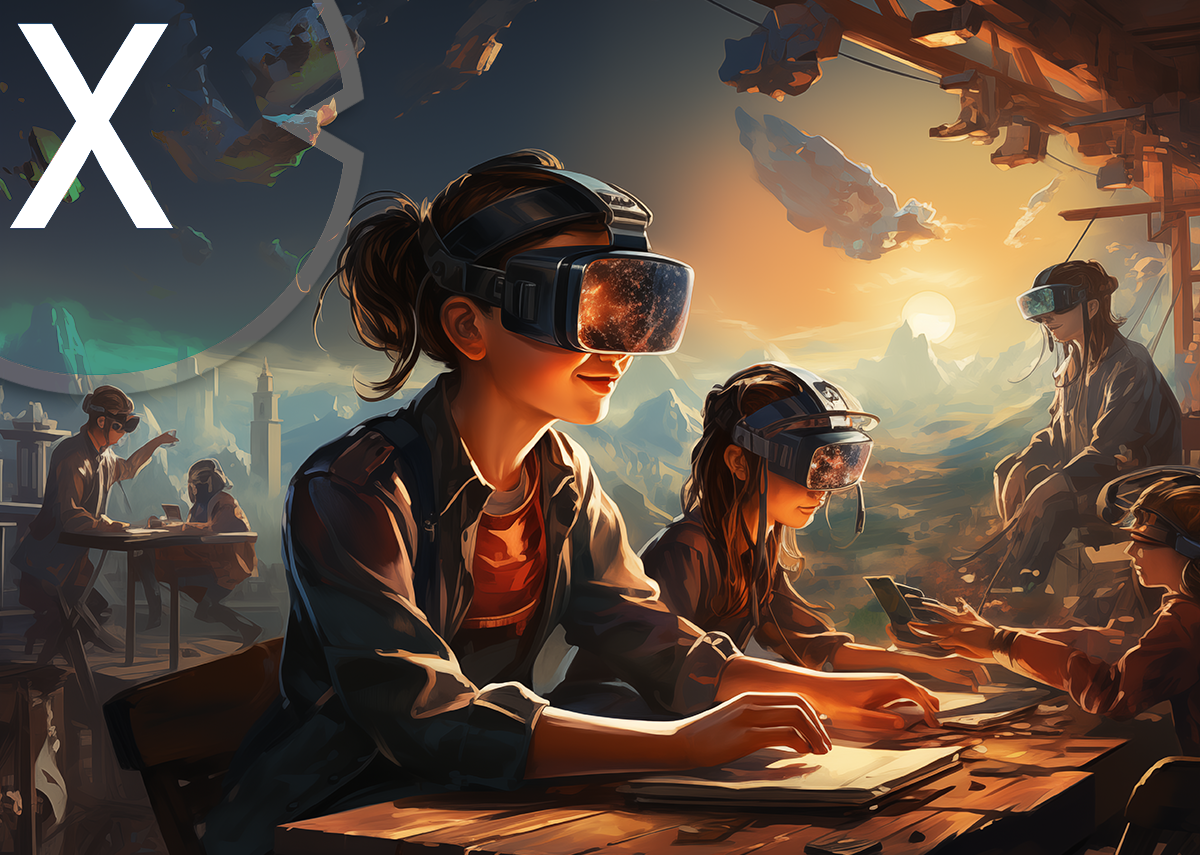
AI & XR 3D Rendering Machine: Virtual Reality – VR for Schools and Education – Interactive Learning in 3D – Image: Xpert.Digital
📚 Virtual Reality (VR) technology has evolved from a futuristic vision to a practical tool in many fields, including education. In 2021, the Ministry of Schools and Education in North Rhine-Westphalia launched the development of a Virtual Reality (VR) application for subject-specific instruction. This reflects the commitment to providing students with an immersive and interactive learning experience.
🌍 This innovative VR application, specifically designed for geography lessons, allows learners to enter virtual environments and explore complex urban development scenarios. These scenarios encompass not only historical and contemporary aspects of urban landscapes but also prospective designs for future "smart cities." This immersive technology is expected to revolutionize learning and enrich the cognitive processing of information through direct experience.
“To create contemporary teaching methods, it is essential to fully utilize the potential of new digital opportunities and test innovative concepts for classroom instruction. The virtual reality application for geography is a prime example of the diverse opportunities that digital learning tools offer for subject-specific teaching. In this new learning environment, students can engage with the curriculum in a more multifaceted and active way and approach topics from a different perspective.” – Yvonne Gebauer, Minister of Education and Cultural Affairs (2017-2022)
🌆 The core of the application is a simulation of an ideal city, developed in collaboration with the Geomatics Working Group of the Geographical Institute at Ruhr University Bochum. This digital city is designed as a three-dimensional model that covers various topics such as demographic change, social dynamics, mobility concepts, and the economic and ecological implications of digitalization. Through this VR environment, students can experience the complexity and interconnectedness of urban development processes and sharpen their critical thinking skills by analyzing and reflecting on possible future scenarios.
🔍 The VR application is modularly designed to support a wide range of learning scenarios, tailored to the four main pillars of smart city concepts: "Smart Mobility," "Smart Economy," "Smart Living," and "Smart Environment." Each module will be designed to integrate both current and future perspectives to provide students with a holistic view of the development of sustainable cities.
🌐 To ensure broad accessibility and flexibility, the VR application can be used both in a web browser and with VR headsets. In addition, a supplementary learning course is provided, allowing for flexible content delivery. This course covers current and relevant topics and aims to encourage students to conduct their own research and analysis.
📊 The development and implementation of the VR learning environment was accompanied and evaluated by the University of Cologne in close cooperation with the Düsseldorf District Government.
🌟 Introducing VR technology into classroom teaching is an ambitious undertaking that could fundamentally change the way students learn. By creating virtual learning environments that allow students to grasp complex concepts in an intuitive and engaging way, education is entering uncharted territory.
🔗 Yvonne Gebauer emphasized the importance of this development:
"Supporting this virtual reality project is an essential step towards expanding the spectrum of teaching and learning in our digital world and thus creating future-proof learning environments for our students."
📣 Similar topics
- 🌍 Virtual Reality in Education: Discovering New Horizons
- 🏙️ Urban learning in virtual reality
- 🚀 The future of school lessons: VR in use
- 🔍 Cities in Transition: VR Exploration for Students
- 🌆 Virtual city maps: Education reimagined
- 🏫 Digital Learning: VR Technology in the Classroom
- 📊 Experience Smart Cities up close: VR in geography lessons
- 🧠 Immersive education: VR is revolutionizing learning
- 🏞️ Virtual Excursions: The World of Geography in VR
- 💡 VR for students: The future of teaching
#️⃣ Hashtags: #VirtualReality #Education #VRinClassroom #SmartCities #GeographyLessons
📚🌐 Now North Rhine-Westphalia wants to provide thousands of virtual reality glasses for teachers and students
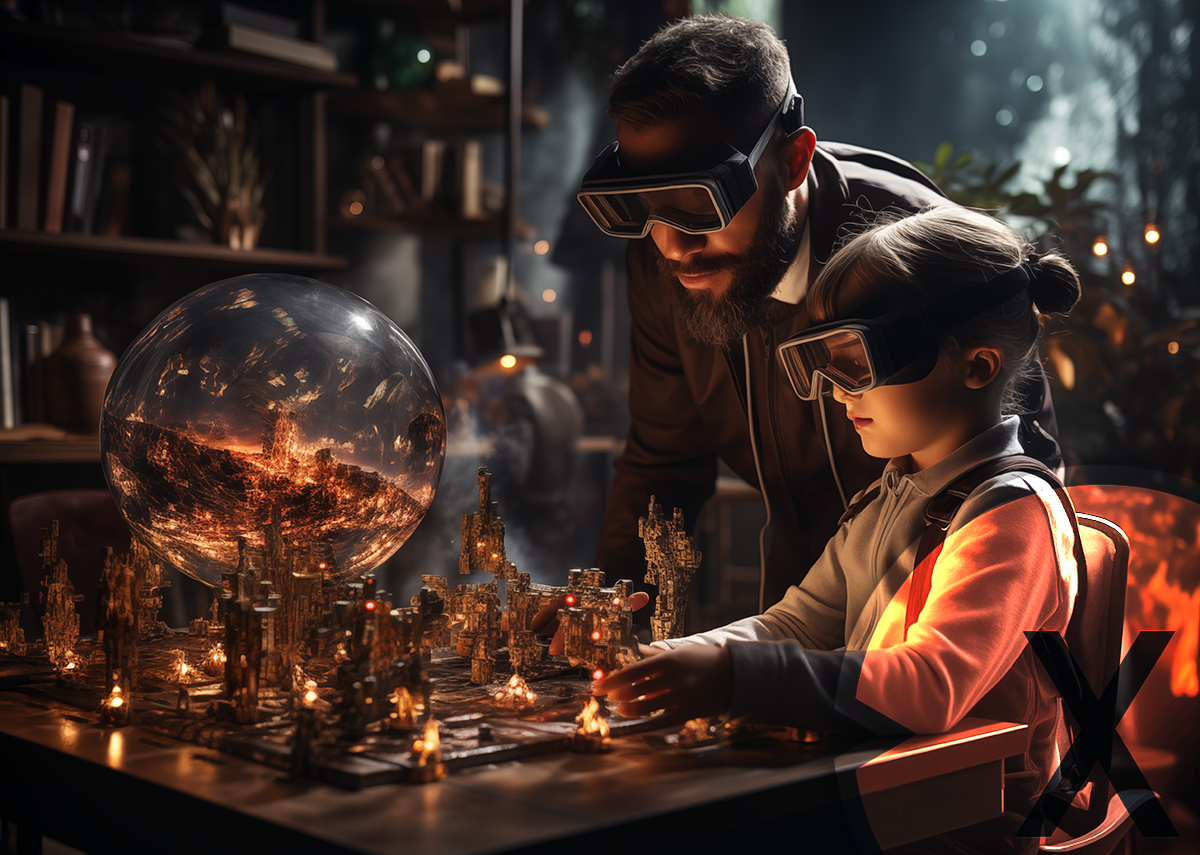
AI & XR 3D Rendering Machine: Educational Potential – Virtual Reality in Schools – Image: Xpert.Digital
📚 North Rhine-Westphalia (NRW) is taking another innovative step towards digital education: providing thousands of virtual reality (VR) headsets for teachers and students. This plan to procure up to 3,400 VR headsets marks significant progress in integrating modern technologies into the education system.
🏫 According to the Ministry of Education of North Rhine-Westphalia, these glasses are intended for the Centers for Practical Teacher Training (ZfsL) and Municipal Media Centers (KMZ). They can be borrowed for classroom use and employed in various teaching situations. This approach allows teachers to test new teaching methods and offer students an immersive learning experience.
🌐 Virtual reality technology offers numerous advantages for education. Through immersive experiences, students can better understand complex concepts and processes. For example, in biology, they can explore the human body in 3D, or in geography, they can take virtual field trips to distant locations. This not only increases student engagement and interest but also fosters a deeper understanding of the subject matter.
👩🏫 Another important aspect is the application of VR in teacher training. Trainee teachers can use VR headsets to simulate teaching situations and test different pedagogical approaches in a controlled environment. This better prepares them for real classroom situations and increases their confidence and competence in dealing with diverse learning scenarios.
🎓 Furthermore, the use of VR headsets in schools enables more individualized and differentiated teaching methods. Students with different learning styles and abilities can be better reached and supported through adapted VR content. VR can be a particularly helpful support for students with learning difficulties or special educational needs.
💻 However, integrating VR technology into schools also requires appropriate technical equipment and training for teaching staff. Teachers need to be trained in using the technology to fully utilize its potential. Creating suitable conditions for the use of VR headsets in the classroom is equally important to ensure effective and safe use.
🚀 The acquisition of VR headsets by North Rhine-Westphalia is therefore more than just an investment in new technologies; it is a step towards a more comprehensive and modern education. This development has the potential to fundamentally change and enrich learning and teaching.
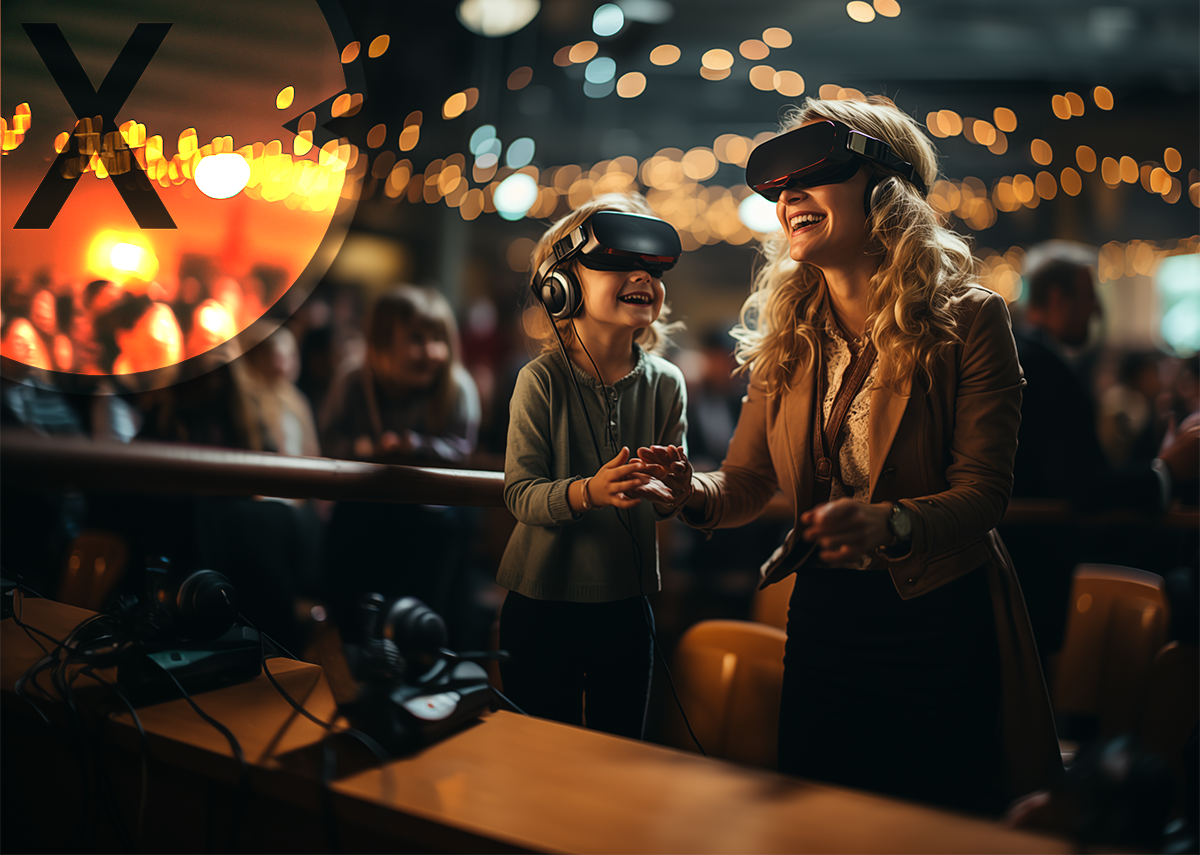
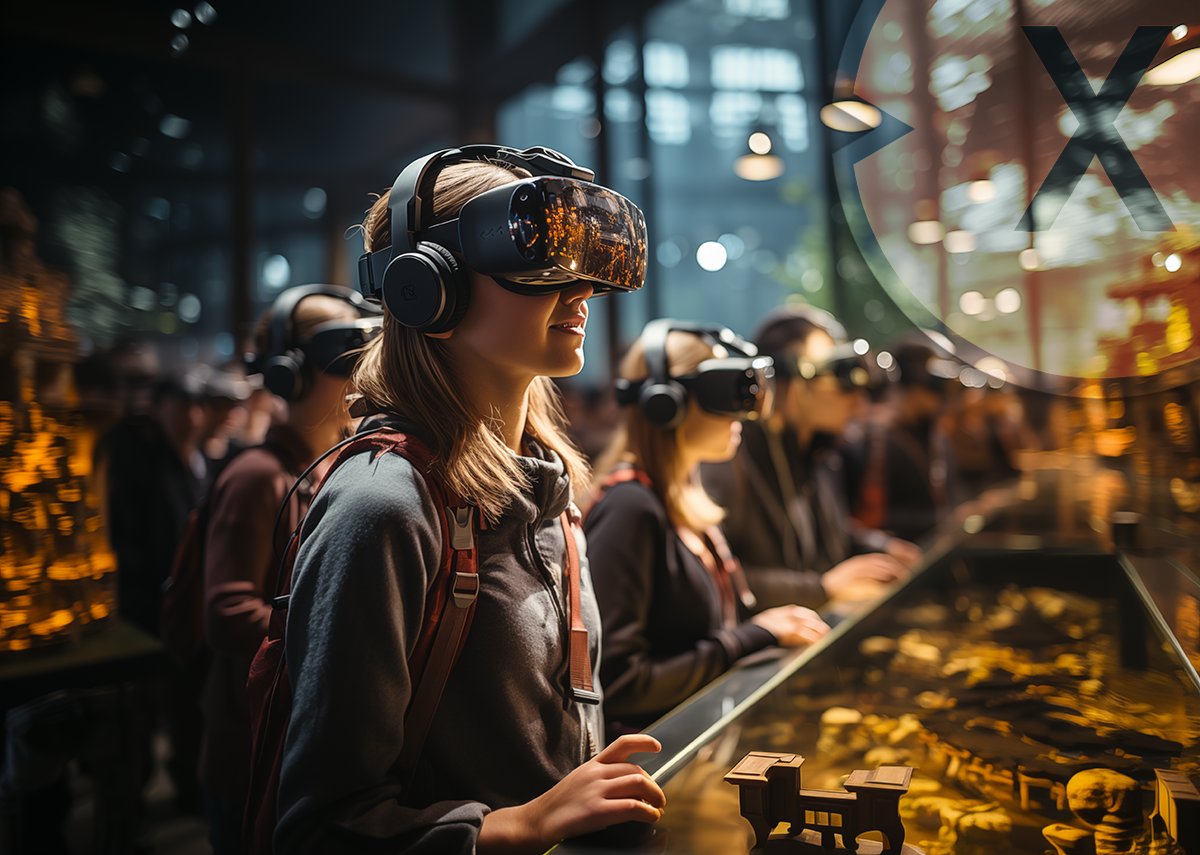
🔍 The initiative from North Rhine-Westphalia represents an exciting experiment exploring the possibilities of using virtual reality in education. It demonstrates that the state of North Rhine-Westphalia is willing to break new ground and seek innovative solutions to improve the quality of education and equip students and teachers for the challenges of the 21st century.
📣 Similar topics
- 🌟 Innovative education with virtual reality
- 👓 VR glasses for teachers and students in North Rhine-Westphalia
- 🏫 Digital Revolution in the Classroom
- 🎮 Learning in 3D: VR glasses for education
- 🔍 Enhanced learning experience with VR technology
- 👩🏫 Educational Revolution: VR in Teacher Training
- 💡 New ways of teaching: VR in the classroom
- 🧩 Differentiated learning with VR glasses
- 🔧 Technical equipment for VR in schools
- 🚀 NRW's vision for education: VR glasses for all
#️⃣ Hashtags: #InnovativeEducation #VRGlasses #DigitalRevolution #EducationalRevolution #DifferentiatedLearning
📚 Virtual Reality: VR glasses in the classroom - information & top ten tips for virtual worlds
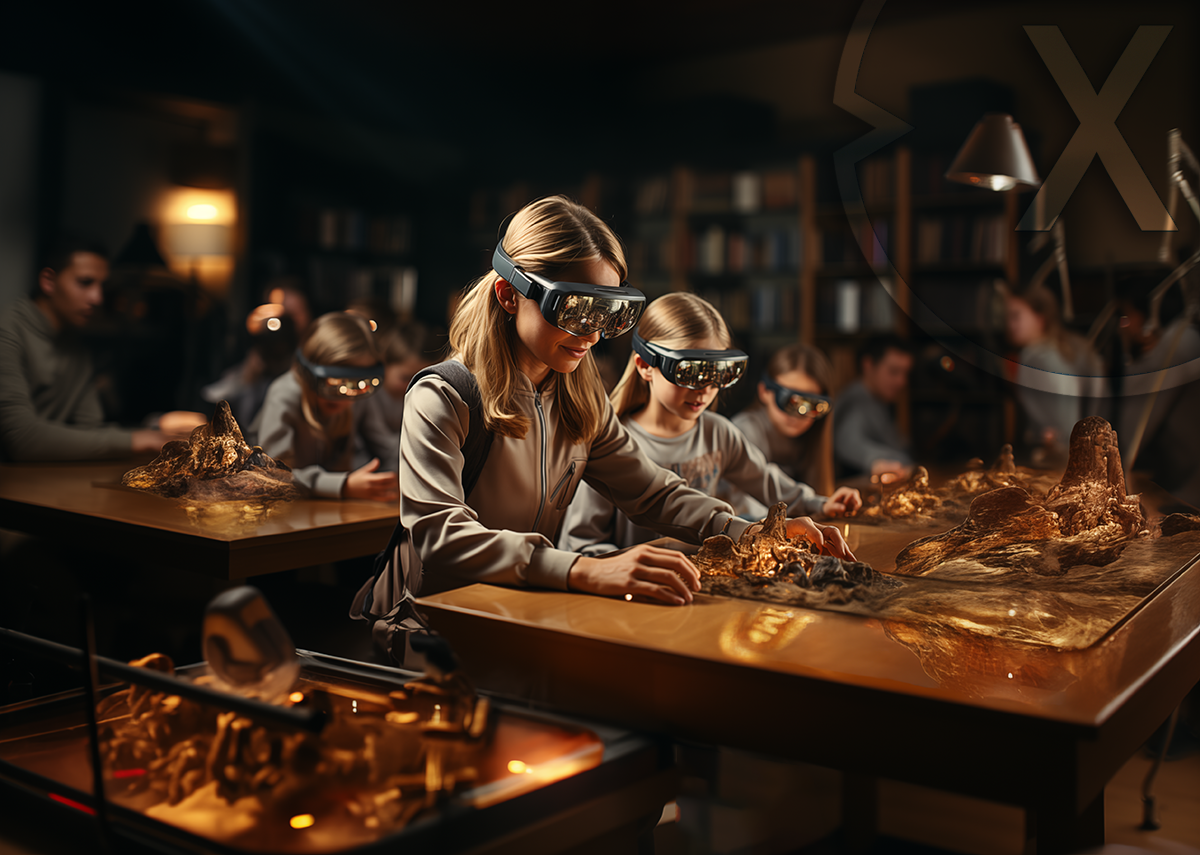
AI & XR 3D Rendering Machine: Innovative Education – How Virtual Reality is Changing Teaching – Image: Xpert.Digital
The use of virtual reality (VR) headsets in the classroom opens up exciting new possibilities for teaching. With VR headsets, students can immerse themselves in fascinating virtual worlds and enjoy an interactive learning experience. In this article, we will explain everything you need to know about VR in education and give you ten important tips on how to successfully use VR in the classroom.
🌍 What is Virtual Reality?
Virtual reality is a computer-generated environment that allows users to immerse themselves in and interact with a simulated world. Wearing VR glasses, users can see and move freely within this virtual world. The VR glasses track head movements and adjust the virtual environment accordingly to create an immersive experience.
🎓 VR glasses in education
The use of VR headsets in the classroom opens up entirely new dimensions of learning. Students can experience historical events firsthand, dive into the depths of the ocean, or explore distant lands without leaving the classroom. This immersive experience brings learning content to life and allows students to better understand complex concepts.
VR also offers advantages for teacher training. Teachers can use VR headsets to simulate teaching situations and test different pedagogical approaches. This better prepares them for real classroom situations and allows them to optimize their teaching methods.
🔝 Top Ten (and more) tips for using VR in the classroom
📚 1. Choose suitable VR glasses
There are various types of VR headsets on the market. Choose a headset that meets your needs and is suitable for school use.
🏫 2. Make sure the classroom has enough space
VR requires freedom of movement. Please ensure there is enough space in the classroom to move around freely.
🔎 3. Select suitable VR content
There is a wide variety of VR content available for education. Select content that aligns with the learning objectives and content.
🎓 4. Prepare the students
Give the students an introduction to VR technology and explain to them how to use the VR glasses correctly.
🤝 5. Offer support during the VR experience
While the students explore the virtual worlds, ensure that they receive support and can overcome any difficulties they may encounter.
📅 6. Integrate VR into the curriculum
Plan the use of VR into the lesson plan and ensure that sufficient time is allocated for the VR experience.
👥 7. Enable collaborative learning
VR can also be used for collaborative learning. Students can work together on projects and share their experiences.
💡 8. Reflect on the VR experience
After the students have experienced VR, take time to reflect on it together and discuss the insights gained.
📚 9. Use additional materials
Supplement the VR experience with other materials such as books, worksheets, or discussions to deepen the learning.
🚀 10. Stay up-to-date with the latest technology
VR is constantly evolving. Stay informed about new developments and use regular updates to fully exploit the potential of VR.
📚 11. Involve the parents
Inform parents about the use of VR in the classroom and involve them in the process to promote support and understanding.
🎯 12. Set clear learning goals
Define clear learning objectives for the use of VR and ensure they align with the curriculum.
👩🔬 13. Encourage experiential learning
Use VR to encourage students to learn through experimentation and to discover new concepts in innovative ways.
📝 14. Encourage interaction
Use interactive elements in the VR content to encourage students to actively participate and collaborate.
🌍 15. Broaden your horizons
Use VR to introduce students to new places and cultures and broaden their perspective.
🧠 16. Foster critical thinking
Ask students targeted questions during the VR experience to encourage their critical thinking and problem-solving skills.
🔄 17. Evaluate progress
Regularly monitor students' progress in using VR and adjust the lessons accordingly.
💻 18. Use online resources
Explore online platforms and resources to find VR content and connect with other educators.
🔊 19. Celebrate successes
Acknowledge the progress and achievements of students using VR to boost their motivation and engagement.
🙌 20. Stay flexible
Adapt the use of VR to the needs of your students and be prepared to make adjustments to ensure an optimal learning experience.
🌍 Unique learning experience
VR headsets offer an exciting way to enrich lessons and provide students with a unique learning experience. With the right tips and careful planning, teachers can successfully integrate VR into the classroom and boost their students' learning outcomes.
Whether it's visiting faraway lands, exploring the human body, or traveling through time – VR opens up fascinating possibilities that bring learning to life. Harness the potential of VR in the classroom and immerse yourself in virtual worlds!
📣 Similar topics
- 🌐 Digitization of the education system: The role of technology in the classroom
- 🏫 Virtual Learning: How VR Glasses Are Revolutionizing Teaching
- 📚 Immersive Education: The Potential of Virtual Reality in Schools
- 🎓 Teacher training of the future: VR glasses as innovative learning tools
- 🔍 Virtual Reality in Education: Challenges and Opportunities
- 🔬 Immerse yourself in science: VR glasses and exploring the invisible
- 🌍 Virtual travel: Learning through virtual excursions and cultural exchange
- 💡 Innovative learning methods: VR glasses as a creative tool for engaging lessons
- 🧠 Rethinking the learning process: How VR glasses promote students' understanding
- 📊 Effectiveness of VR in education: Research overview and case studies
#️⃣Hashtags: #VRinEducation #DigitalEducation #NewLearningWorlds #VRGlassesInTheClassroom #InnovativeTeachingMethods
🗒️ Xpert.Digital: A pioneer in the field of Extended and Augmented Reality

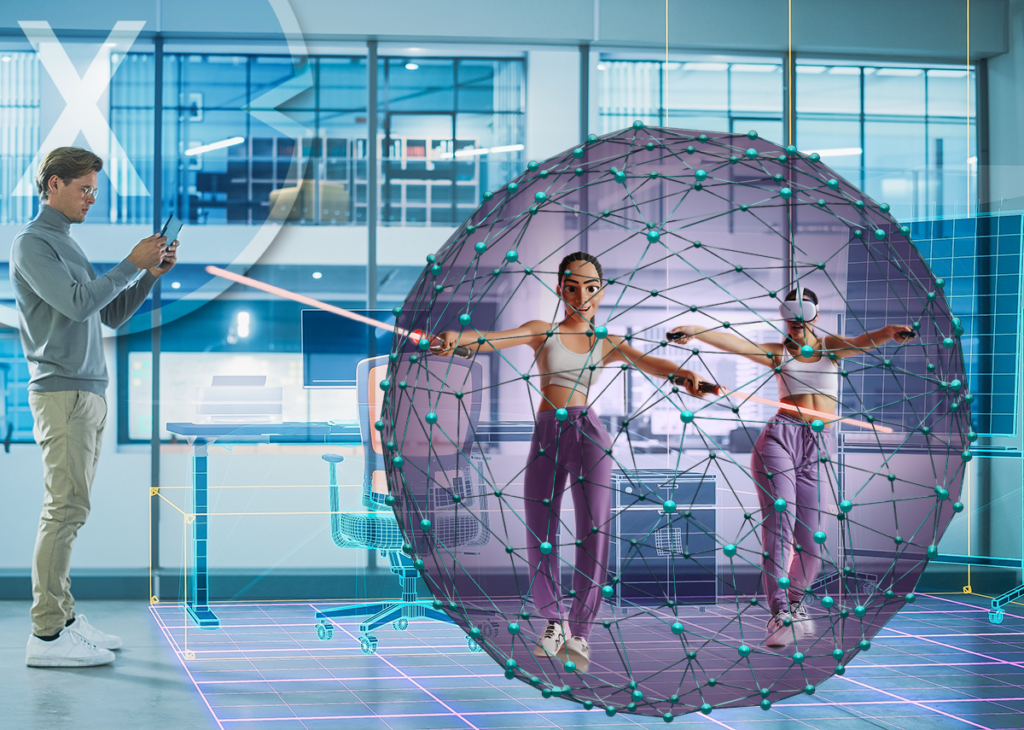
Finding the right Metaverse agency, planning office, or consulting firm - Image: Xpert.Digital
🗒️ Finding the right Metaverse agency, planning office, or consulting firm – Search and search: Top Ten Tips for Consulting & Planning
More information here:

Industrial & B2B Business Metaverse: Reduce costs with XR technology for photorealistic product images (XR 3D rendering machine)
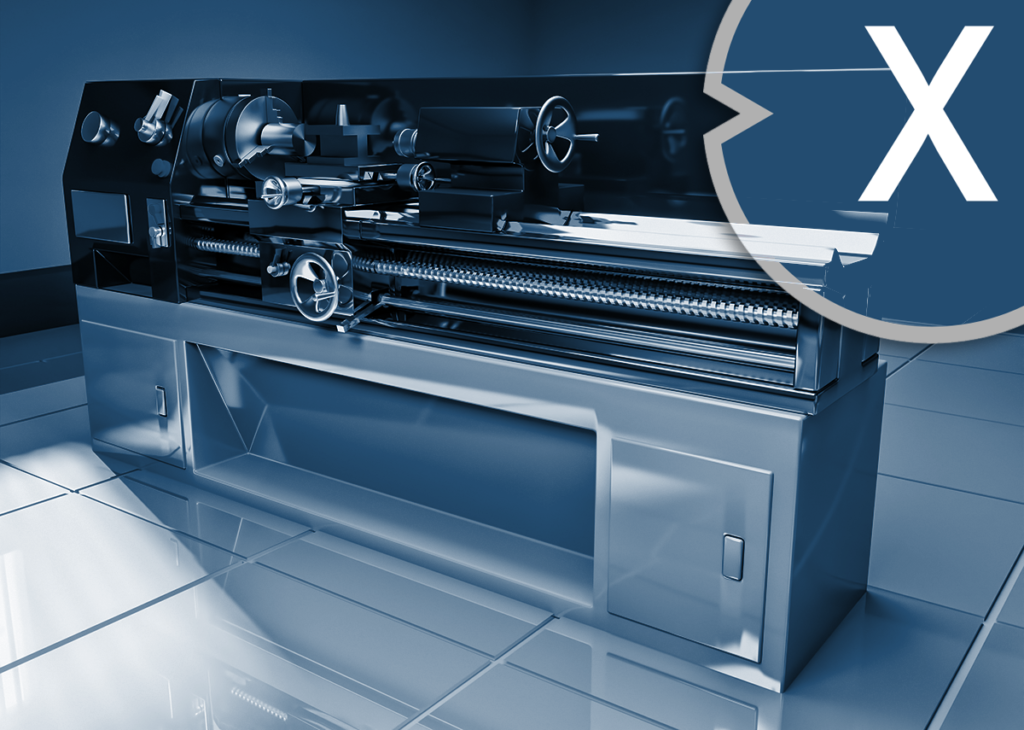
Lathe in photorealistic rendering (3D product presentation) - Image: Xpert.Digital
XR technology offers a superior solution for creating photorealistic images, allowing companies to avoid the expensive fees charged by external media agencies. It's well known that media agencies charge high prices for creating such images, as this requires expertise, specialized software, and collaboration with various specialists.
More information here:
We are here for you - Consulting - Planning - Implementation - Project Management
Xpert.Digital - Pioneer Business Development
Smart Glasses & AI - XR/AR/VR/MR industry expert
Consumer Metaverse or Metaverse in general
If you have any questions, require further information or advice, please feel free to contact me at any time.

Konrad Wolfenstein
I would be happy to serve as your personal advisor.
You can contact me by filling out the contact form below or simply call me on +49 7348 4088 965 .
I'm looking forward to our joint project.
Write to me


Xpert.Digital - Konrad Wolfenstein
Xpert.Digital is a hub for industry focusing on digitalization, mechanical engineering, logistics/intralogistics and photovoltaics.
With our 360° Business Development solution, we support renowned companies from new business to after-sales.
Market intelligence, smarketing, marketing automation, content development, PR, mail campaigns, personalized social media and lead nurturing are part of our digital tools.
You can find more information at: www.xpert.digital - www.xpert.solar - www.xpert.plus
Keep in touch