Virtual Reality when buying a car (Source: Volvo)
Potential for online shopping
Whether in gaming, entertainment, or marketing: since 2016, virtual reality has been making its way into a wide variety of areas of digital and real life. With the medium's growing popularity, more and more companies are now asking themselves what role virtual reality technology will play in online business in general, and in e-commerce in particular, in the near future
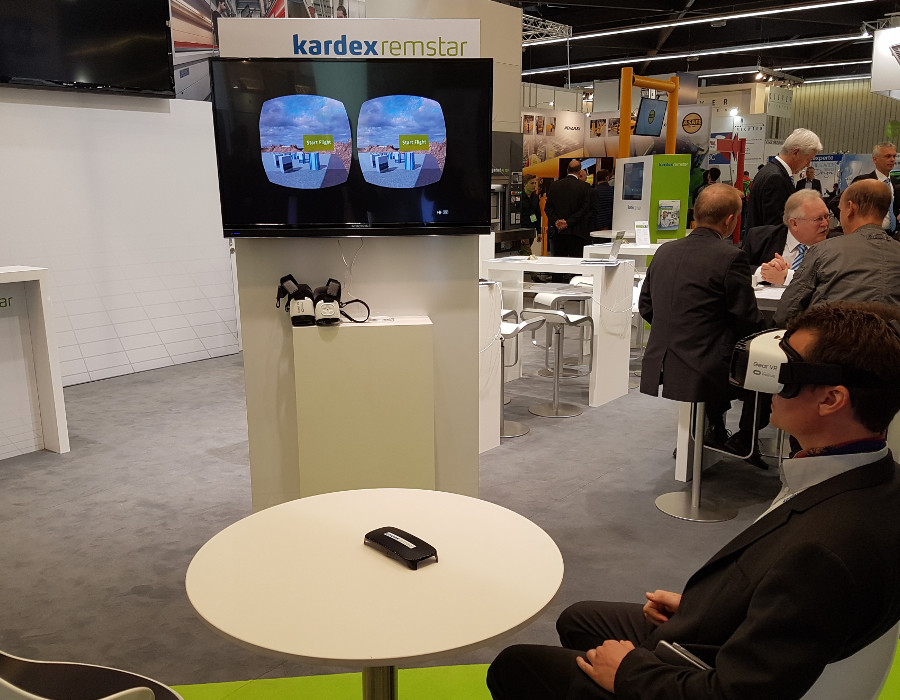
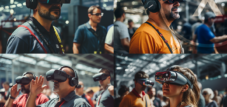
VR use at trade fairs
will be played. Currently, many companies are using virtual reality as a marketing tool. For example, the use of VR devices at trade fairs a good way to bring visitors closer to the exhibitor's presented product.
In pure e-commerce, implementation is still lagging somewhat. This is partly because many sectors (technology, books, white goods) are less suited to the new technology – although perhaps all that's missing is THE brilliant idea for presenting such items. The use of virtual reality components becomes significantly more exciting and promising when it comes to products or services related to entertainment, fashion, lifestyle, or travel. The question of whether VR is a short-lived hype that will quickly fade away, or whether the technology will permanently change consumer shopping behavior, promises to be an interesting one.
VR brings reality to online shopping
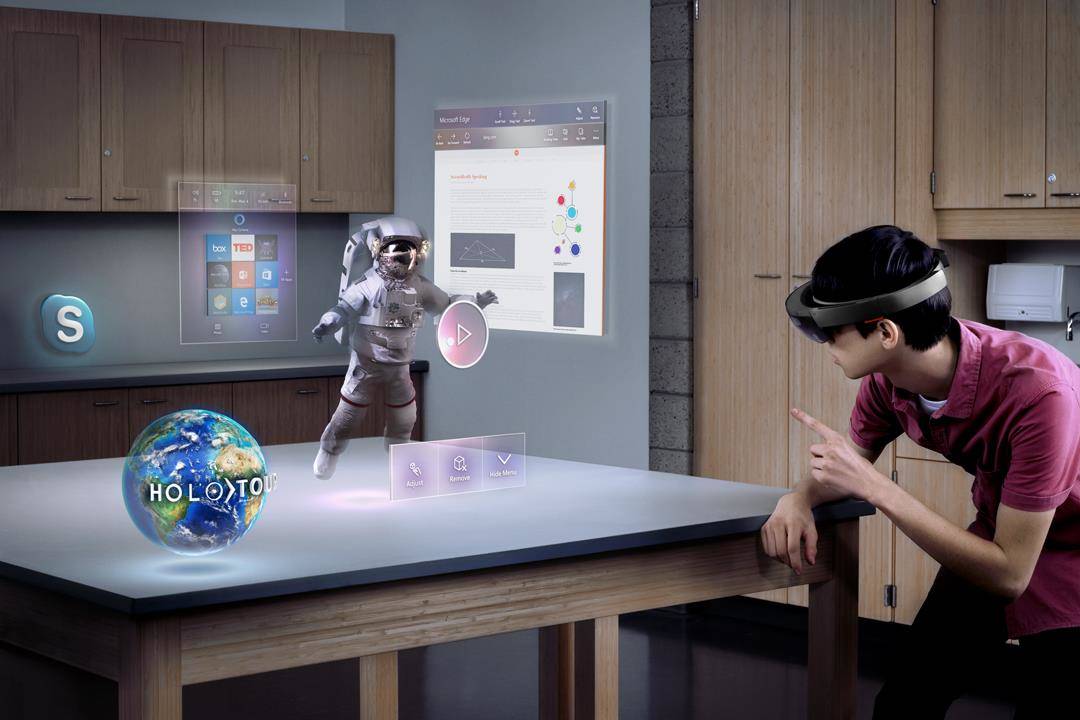
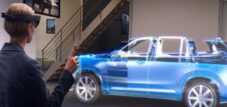
VR glasses HoloLens (Source: Microsoft)
There are many arguments in favor of the latter, as virtual technology is bringing online retail closer to its counterpart in physical stores. The technology has already arrived in the latter. Since the beginning of December , Microsoft's HoloLens has enabled virtual reality shopping at the Saturn electronics store in Hamburg. Microsoft opened its largest sales area to date there, where the HoloLens brings the products to life by displaying images, videos, and additional information such as accessories or special features for the displayed Xbox and other devices as customers walk through the store .
There are also developments in this direction when it comes to furniture buying. For example, the US furniture chain Lowe's offers visitors an interactive shopping experience using the HoloLens augmented reality headset, allowing them to virtually design their dream kitchen on-site.
In e-commerce, virtual reality offers the opportunity to at least partially compensate for a disadvantage compared to brick-and-mortar retail: the inherent distance between the online customer and the product. Virtual reality can reduce this distance and offer the consumer a quasi-real shopping experience. This is also the reason why some of the major online retailers are already experimenting with the technology or are already using it.
Potential customers appreciate such efforts. According to a survey by the Ipsos , over fifty percent of Germans are interested in virtual reality solutions for shopping.
Brands like The North Faceby sending their customers on a virtual journey with VR image films. But this is still too short-sighted, because especially in the fashion sector, many customers feel the desire to try on the merchandise or at least examine it closely. This is difficult to achieve with product photos, no matter how detailed. This is where virtual reality can help. Virtual fitting rooms already exist, allowing users to better test items online. Companies like Otto, Zalando , and Adidas are already experimenting with systems where customers can try on garments with VR assistance and then view them in a 360-degree perspective. Ideally, the item, examined in such detail, is purchased immediately, so the retailer only needs to retrieve it from the automated warehouse and ship it to the customer.
Online application in virtual shops
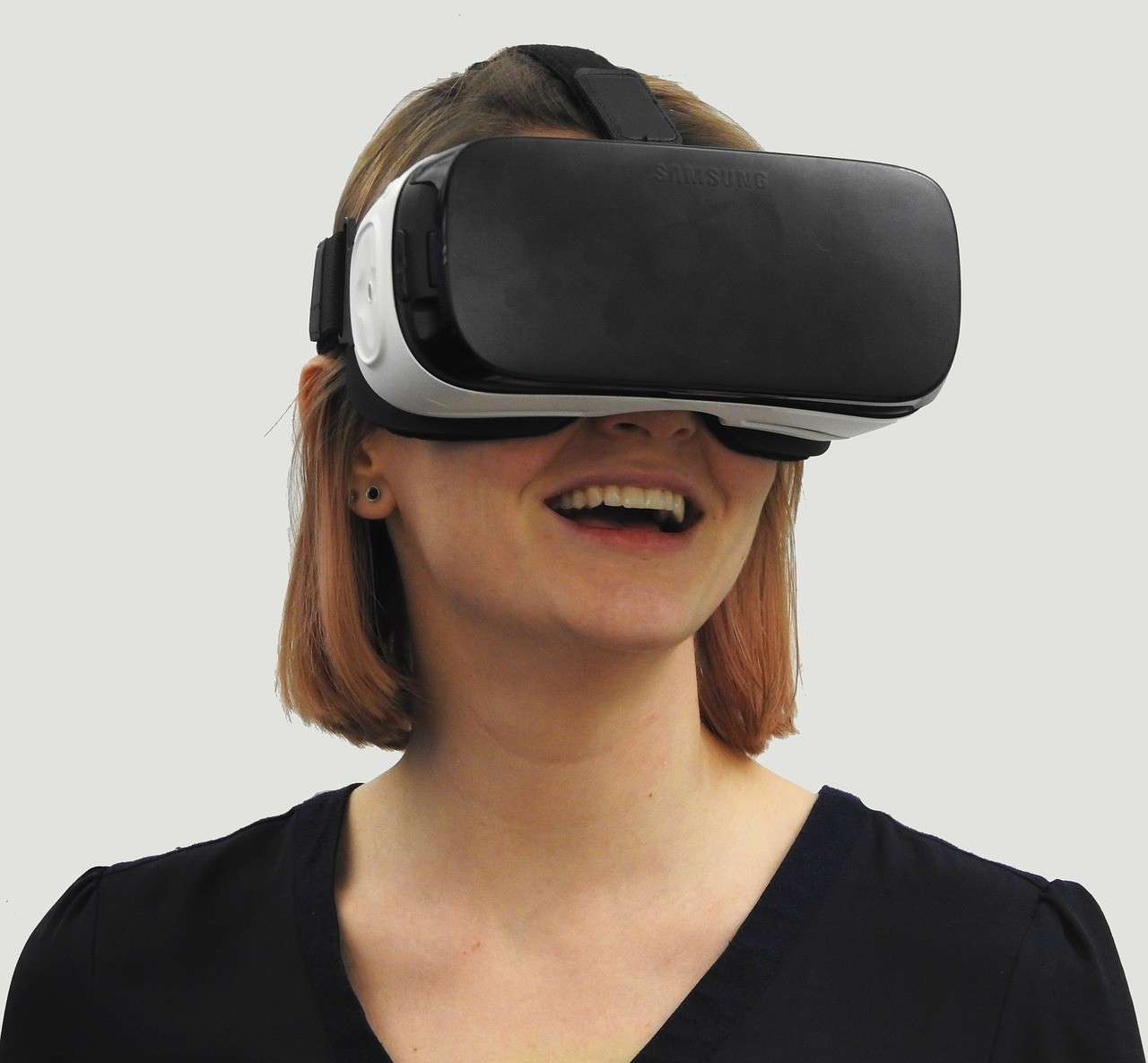
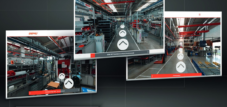
Online shopping with VR (Source: Pixabay)
Some retailers are taking this a step further by offering virtual stores: Users navigate the online shop using VR glasses, just like in a physical store. Compared to traditional online shops, this approach offers significantly more opportunities for cross-selling and upselling, as items can be presented much more clearly and effectively side-by-side. Algorithms handle the sorting, predicting customer demand based on the customer journey and previous purchases, and thus presenting each individual user with the items most likely to sell.
Even the industry leader has recognized the potential of VR for e-commerce, as rumors suggest that Amazon to build a virtual reality platform.
eBay with VR in Australia
Rival eBay is already further ahead. In Australia, the internet giant, in collaboration with the department store chain Myer, a virtual warehouse where users can view and purchase a wide variety of products. Unlike the expensive HoloLens solution, users here only need a VR headset for their smartphone to immerse themselves in the virtual experience and make purchases directly. Various options are available for the headset: either a dedicated VR headset like Samsung Gear VR, or simpler solutions like Google Cardboard and others.
Thanks to integrated "Sight Search" technology, eBay customers can visually select, examine, or add products directly to their shopping cart. The shop features more than 12,500 items, with the 100 best-selling products in each category even displayed in 3D. Various personalization features ensure that the shop perfectly matches each customer's individual taste, allowing for customized product selection with every visit. Currently, the service is only available in Australia.
Combination of VR and interaction in the online shop
From mid-2017, the Japanese online retailer Kabuki is expected to expand its shop with a virtual reality section that also includes voice chat. Using an app, users can browse the selection while wearing a VR headset and chat with friends. Just like in a physical store, customers will be able to consult with each other before making a purchase and add any number of additional items to their selection. This social interaction feature is intended to ultimately make it easier for customers to choose a product.
Sportswear provider Moosejaw aims to foster interaction with its app by allowing customers to experience virtual outdoor activities, climb through a national park, or explore running trails within its VR app . Along these courses, users can discover products or answer quiz questions to win prizes. The company hopes to strengthen customer relationships through this interactive approach. Naturally, items can be purchased directly within the app.
Car Sales 5.0
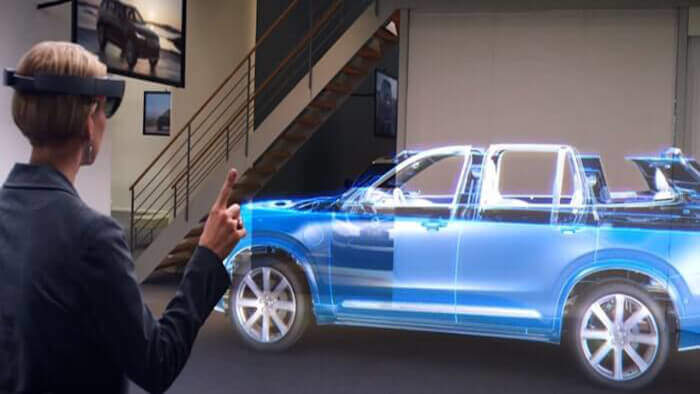
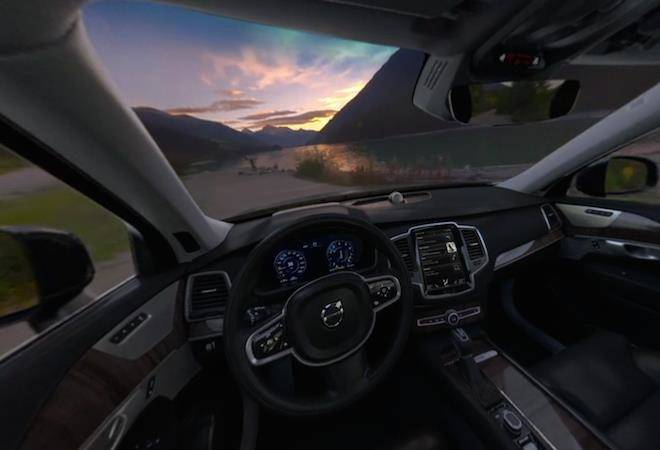
Buying a car via VR (Source: Volvo)
Why go to a car dealership when I can experience all models in every imaginable color and trim level realistically from home using VR glasses and configure my desired model right away? Volvo already offers an app that allows customers to embark on a virtual discovery tour. The American startup Vroom is pursuing a similar approach, planning to sell used cars through virtual showrooms – complete with three-dimensional representations of all vehicles and the option of virtual test drives. Instead of endlessly going to appointments, potential buyers can conveniently test drive up to five different cars from the comfort of their own homes within ten minutes.
Conclusion
The use of virtual reality can be quite profitable for online retailers. The topic has become increasingly interesting for the e-commerce sector, and not just since Microsoft's HoloLens. However, given the high purchase price of over €5,000, demand for this product is likely to remain limited. But with the spread of more affordable solutions, its use is expected to increase rapidly.
Of course, the technology must make sense in relation to the products offered (for example, from the fashion or lifestyle segment). The target audience should also be reachable via this channel. However, if both of these conditions are met, VR will transform online shopping into a completely new experience for users. In turn, online retailers will be able to increase their conversion rate, because the realistic experience minimizes a major reason for abandoned purchases (and subsequent returns).
Keep in touch