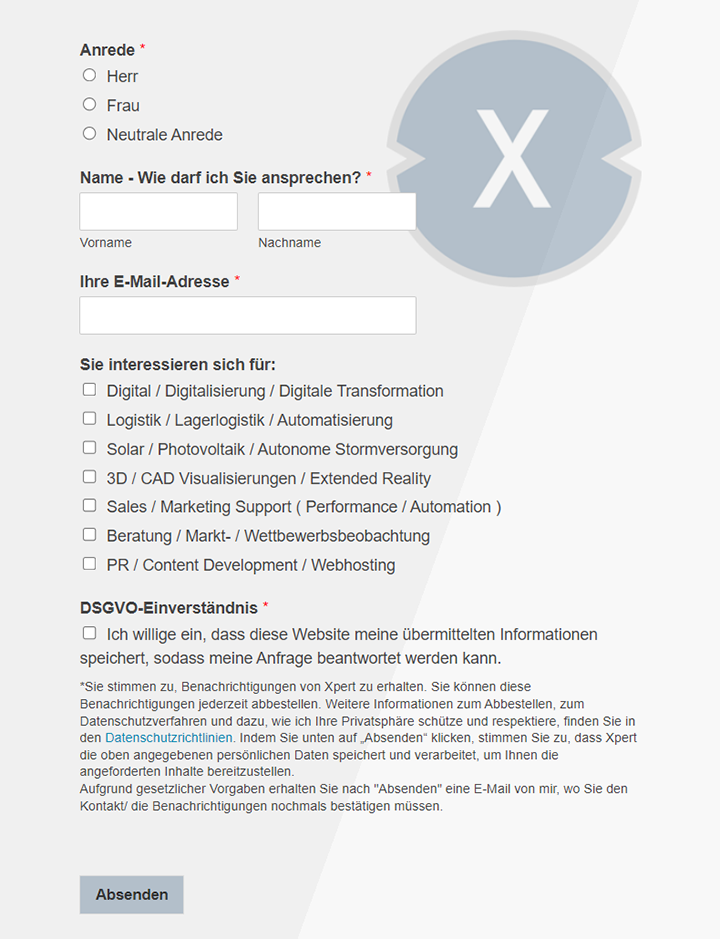
Photovoltaic system underwater: What happens to the inverter and battery storage when the basement floods? – Image: Xpert.Digital
☀️🌊🔌🏊♂️ Flooding for PV systems: What happens to the inverter and battery storage during floods? Measures and protection options
🌧️💦 After the rain – Flooded energy: What happens to PV systems underwater
Photovoltaic systems (PV systems) are one of the most popular ways to generate clean and renewable energy. These systems consist of several essential components, such as solar modules, inverters, and in many cases, battery storage, all working together to convert solar energy into usable electricity for homes and businesses. But how does a PV system behave during extreme weather events like floods or inundations? And what protective measures are necessary to prevent costly damage?
One of the biggest challenges facing owners of photovoltaic (PV) systems during floods is the potential for water to penetrate the basement or other areas of the house where the inverter and battery storage are installed. These devices are essential for the functionality of the entire PV system, but they are also vulnerable to water damage. A flooded basement can have serious consequences for the safety and functionality of the PV system. But what impact do these situations have on the technical equipment, and how can you protect yourself?
🔌 The inverter and its role
The inverter is the heart of every photovoltaic (PV) system. Its job is to convert the direct current (DC) generated by the solar panels into alternating current (AC) that can be used in the home. If the inverter is damaged by flooding, the PV system can no longer function. Electrical components inside the inverter can corrode or even fail completely due to water ingress. Water-damaged electronics are often irreparable, and replacing an inverter can be expensive.
If the inverter is located in a basement-like area prone to flooding, there is a high risk. Even a small amount of water can be enough to reach critical components and cause lasting damage to the electronics. Therefore, it is crucial that when installing the PV system, the inverter is installed in a location that is as high as possible and, above all, dry.
💧 The battery storage and its sensitivity to moisture
Besides the inverter, the battery storage system plays an equally important role. Battery storage systems make it possible to store excess electricity generated by the PV system and use it later – for example, in the evenings or during power outages. These storage systems are often large and are also installed in the basement, where they should be protected from the elements.
However, especially during floods or high water, the basement is the first area to fill with water. Battery storage systems are extremely sensitive to water because they store electricity and contain electrical connections. If water gets into the battery storage system, there is a risk of a short circuit or even an electric shock. Furthermore, the water can trigger chemical reactions inside the storage system, which in the worst-case scenario could lead to an explosion.
A damaged battery storage system is not only expensive to replace, but also poses a significant safety risk. Therefore, protecting the storage system from flooding is crucial.
🛡️ Flood protection measures
To prevent damage to inverters and battery storage systems from flooding, there are some basic protective measures that homeowners and operators of PV systems can take:
1. Location selection
The simplest and most effective way to prevent flood damage is to choose the right installation location. Inverters and battery storage systems should never be installed in an area that could potentially be flooded. Instead, these devices should be installed in elevated rooms or on platforms to ensure they do not come into contact with water, even during extreme weather conditions.
2. Flood protection measures for buildings
There are numerous structural measures that can be taken to prevent water from entering basements or other low-lying areas. These include watertight doors and windows, sealing, and installing barriers that can contain the water in the event of flooding. Pumping systems can also be helpful in quickly removing any water that has entered the building.
3. Electrical fuses
In addition to structural measures, it is also advisable to take technical safety precautions. These include, for example, special residual current devices (RCDs) that automatically interrupt the power supply in the event of water contact, thus minimizing the risk of a short circuit or even an electric shock.
4. Regular maintenance
Regular inspection and maintenance of the PV system and its components can help identify potential weaknesses early and take appropriate measures. Especially in flood-prone areas, it is advisable to regularly check the condition of the system and make adjustments if necessary.
🚨 What to do if the basement floods?
Should a flood occur despite all precautions and the basement become flooded, it is important to act quickly and carefully to avoid major damage:
Immediate shutdown
As soon as it becomes apparent that water is entering the basement, the entire electrical system, including the solar panels, should be switched off. This can be done using the main switch in the house. It is important to minimize the risk of electric shock or a short circuit.
Professional inspection
After the water has been pumped out, the system should be inspected by a qualified professional before being put back into operation. This professional can determine whether the inverter or battery storage system has been damaged and whether it is necessary to replace any parts of the system.
Caution when attempting repairs yourself
Even though it may be tempting to inspect or repair the PV system or electrical components yourself after a flood, this should only be done by a qualified professional. Electrical systems can be extremely dangerous after water damage.
✅ Special precautions in flood and inundation areas
A photovoltaic system is a great way to generate environmentally friendly energy while saving on electricity costs. However, in flood-prone areas, special precautions must be taken to protect inverters and battery storage from damage. Choosing the right location, implementing structural protection measures, and regular maintenance can significantly minimize the risk. Should flooding occur, however, quick and careful action is required to prevent major damage and ensure safety. PV systems offer many advantages, but here too, caution and preparation are the best protection against unforeseen events.
📣 Similar topics
- ⚠️ PV systems during flooding: Risks and protective measures
- 🏠 Protection for inverters and battery storage systems during floods
- 💧 How does your PV system survive a flood?
- 🔋 The correct handling of battery storage systems during floods
- 🌊 Floods: Protection strategies for PV components
- 🌞 Photovoltaic systems and flooding: Getting through the flood safely
- 🏗️ Site selection and protective measures for PV systems
- 🛠️ Emergency plan for PV systems in case of flooded basement
- 🛑 Preventing water damage to PV systems
- 🌀 Safety for your PV system in flood-prone areas
#️⃣ Hashtags: #PVSystem #Floods #Inverter #BatteryStorage #ProtectiveMeasures
💧🔋⚠️ Solar power systems and flooding: Risks, prevention and measures for inverters and energy storage systems – advice and tips


Solar power systems and flooding: Risks, prevention and measures for inverters and energy storage systems – advice and tips – Image: Xpert.Digital
With increasingly frequent extreme weather events and the growing popularity of photovoltaic systems, many homeowners are wondering how to protect their solar installations from floods and high water. Components installed in basements, such as inverters and battery storage systems, are particularly vulnerable in such events. This article examines the risks, preventative measures, and necessary steps to take in an emergency.
More information here:
We are here for you - Consulting - Planning - Implementation - Project Management
☑️ Industry expert, here with his own Xpert.Digital industry hub featuring over 2,500 specialist articles

Konrad Wolfenstein
I would be happy to serve as your personal advisor.
You can contact me by filling out the contact form below or simply call me on +49 7348 4088 965 .
I'm looking forward to our joint project.
Write to me


Xpert.Digital - Konrad Wolfenstein
Xpert.Digital is a hub for industry focusing on digitalization, mechanical engineering, logistics/intralogistics and photovoltaics.
With our 360° Business Development solution, we support renowned companies from new business to after-sales.
Market intelligence, smarketing, marketing automation, content development, PR, mail campaigns, personalized social media and lead nurturing are part of our digital tools.
You can find more information at: www.xpert.digital - www.xpert.solar - www.xpert.plus
Keep in touch