



Identifying and eliminating bottlenecks in logistics and order picking methods – Image: Xpert.Digital
How to efficiently eliminate logistics bottlenecks
The efficiency of logistics, and especially order picking processes, is crucial for a company's success. Bottlenecks can lead to delays, increased costs, and customer dissatisfaction. Therefore, it is of utmost importance for logistics managers to identify potential obstacles early and implement effective solutions.
The importance of bottleneck identification in logistics
Logistics bottlenecks can occur at various points: in warehousing, transportation, or order picking. They not only lead to internal inefficiencies but also impact the supply chain and ultimately customer satisfaction. A systematic approach to identifying and eliminating these bottlenecks is therefore essential.
Steps for effectively identifying bottlenecks
1. Gather employee feedback
Employees are the heart of every logistics process. Regular meetings and feedback sessions provide valuable insights. Employees experience daily operations firsthand and are often best positioned to identify bottlenecks. Open communication also fosters trust and motivation within the team.
2. Data analysis and key performance indicators
Collecting and analyzing data is crucial. By analyzing lead times, error rates, inventory levels, and other relevant key performance indicators (KPIs), patterns can be recognized and specific bottlenecks identified. Modern software solutions enable this data to be captured and analyzed in real time.
3. On-site process observation
Theoretical analyses are important, but nothing replaces direct observation. By observing order picking processes on-site, inefficient workflows, waiting times, or unnecessary steps can be identified. Gemba Walks, a concept from Lean Management, emphasize the importance of going where the value creation takes place.
4. Use of technological aids
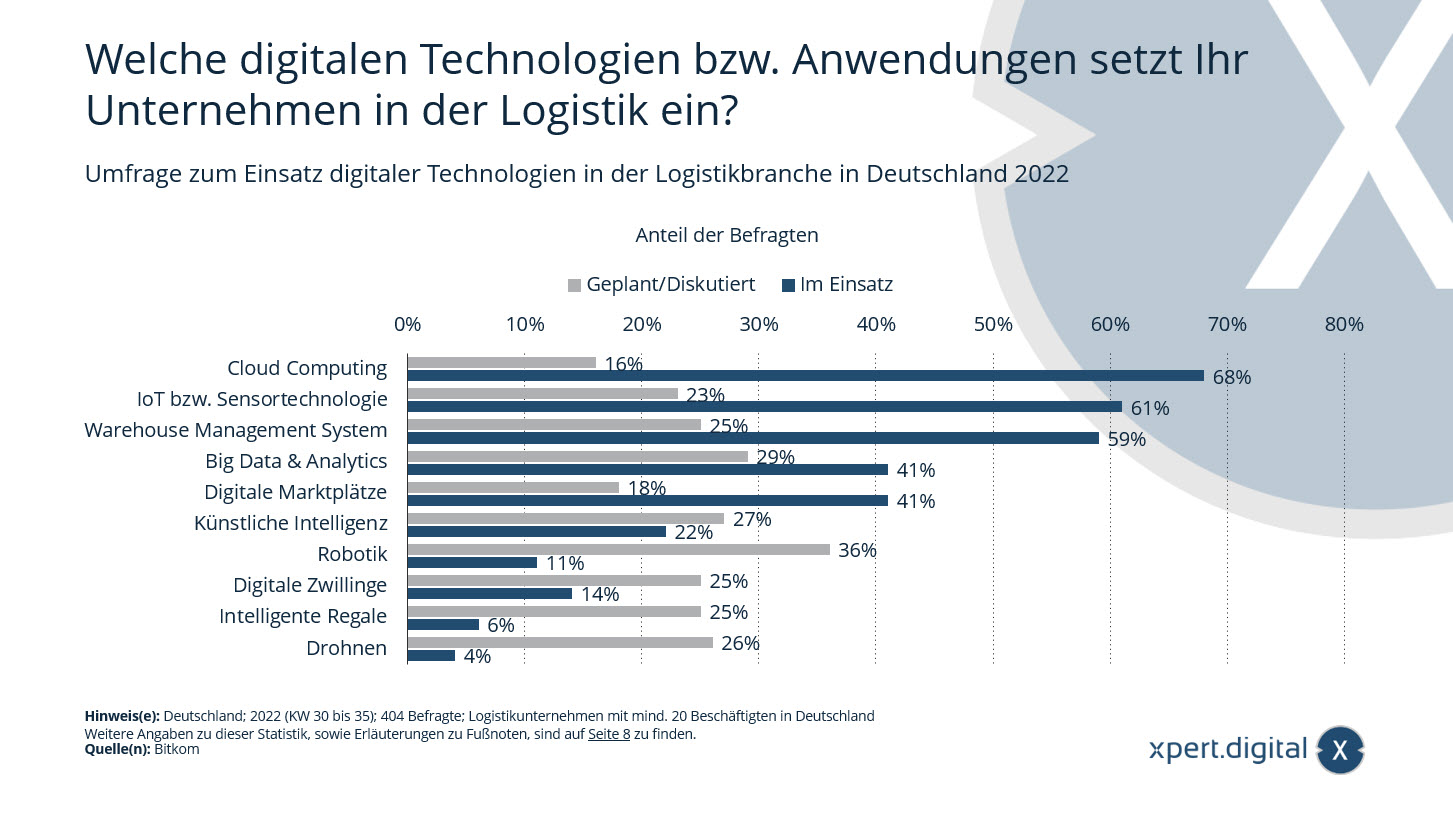
Technologies such as warehouse management systems (WMS) or warehouse execution systems (WES) provide real-time data on inventory levels and picking activities. They not only help identify bottlenecks but also eliminate them through optimized workflows.
5. Consider customer feedback
Customer complaints or suggestions can indicate internal problems. Delayed deliveries or incorrect orders are often symptoms of deeper bottlenecks in the logistics process.
Strategies for improving order picking methods
1. Optimizing warehouse placement
The arrangement of goods in the warehouse plays a crucial role. Placing frequently used items near picking stations can shorten distances and increase efficiency. Methods such as ABC analysis help to categorize products according to their turnover rate.
2. Implementation of modern order picking methods
Technologies such as pick-by-light, pick-by-voice, or augmented reality can significantly speed up the order picking process and reduce errors. They support employees with visual or auditory instructions and enable hands-free work.
3. Training and continuous professional development
Well-trained employees are more efficient and make fewer mistakes. Regular training ensures that staff are familiar with the latest technologies and procedures. Furthermore, continuing education promotes employee satisfaction and reduces turnover.
4. Automation of processes
The use of conveyor belts, automated racking systems, or picking robots can increase efficiency and minimize human error. Automation is particularly beneficial in areas with high volumes and repetitive tasks.
5. Process standardization and Lean Management
Standardized work instructions ensure consistency and quality. By applying Lean principles, waste can be identified and eliminated. Methods such as Kaizen promote a culture of continuous improvement.
6. Integration of Supply Chain Management Systems
Seamless integration of all links in the supply chain enables a smooth flow of information. Advanced Planning and Scheduling (APS) systems help optimize production and delivery schedules, which can prevent bottlenecks in advance.
The role of technology in modern logistics
In today's digital age, technology plays an increasingly important role. The Internet of Things (IoT) enables the networking of devices and systems and the acquisition of real-time data. Artificial intelligence (AI) and machine learning can improve forecasting and support decision-making processes. Blockchain technology offers transparency and security in the supply chain.
Related to this:
Employee engagement and corporate culture
A culture that fosters openness and innovation is crucial. Employees should be encouraged to contribute ideas and critically examine processes. Incentive programs can help motivate employees and increase productivity.
Sustainability and environmental awareness
Bottlenecks are not only economically but also ecologically relevant. Inefficient processes lead to increased energy consumption and waste. By optimizing logistics processes, companies can reduce their ecological footprint and contribute to sustainability.
It is an ongoing process
Identifying and eliminating bottlenecks in logistics and order picking methods is an ongoing process that requires commitment, technology, and an open company culture. By taking a systematic approach and using modern technologies, logistics managers can not only solve existing problems but also proactively address future challenges. Ultimately, this leads to more efficient processes, cost savings, and increased customer satisfaction.




Expert partner in warehouse planning and construction

Summary: Identification of bottlenecks in logistics and order picking methods
To identify bottlenecks in logistics, especially in order picking methods, and to make improvements, the logistics manager should consider a few important steps:
Steps to identify bottlenecks
Gather employee feedback
Hold regular meetings or feedback sessions with employees to hear their observations and suggestions. Employees are often best informed about where problems arise in day-to-day operations.
Data analysis
Collecting and analyzing data on lead times, error rates, and other relevant key performance indicators. This helps to identify patterns and pinpoint specific bottlenecks.
Process observation
Direct observation of the order picking processes on site to identify inefficient processes or waiting times.
Use of technological aids
Use of technologies such as warehouse management systems (WMS) to obtain real-time data on stock levels and picking activities.
Possible improvements
Optimizing warehouse placement
Place frequently used items closer to the picking stations to shorten walking distances.
Related to this:
Training and further education
Offer regular training for employees to increase their efficiency and accuracy.
automation
Use of automation technologies such as conveyor belts or picking robots to increase efficiency.
Process standardization
Develop standardized work instructions to improve the consistency and quality of order picking.
These measures enable the logistics manager not only to identify existing bottlenecks but also to achieve long-term improvements in order picking methods.
Related to this: