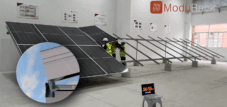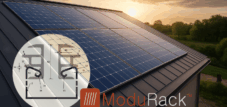
Solar systems/solar park Click package solution: Coordinated components as a package, faster installation and up to 30% cheaper – Image: Xpert.Digital
The parallel to the development of satellite technology
From the panel era to the system era: How modular solar systems are revolutionizing photovoltaic installations
Forget screws and clamps: Why this new click solar panel mounting system is safer and more durable
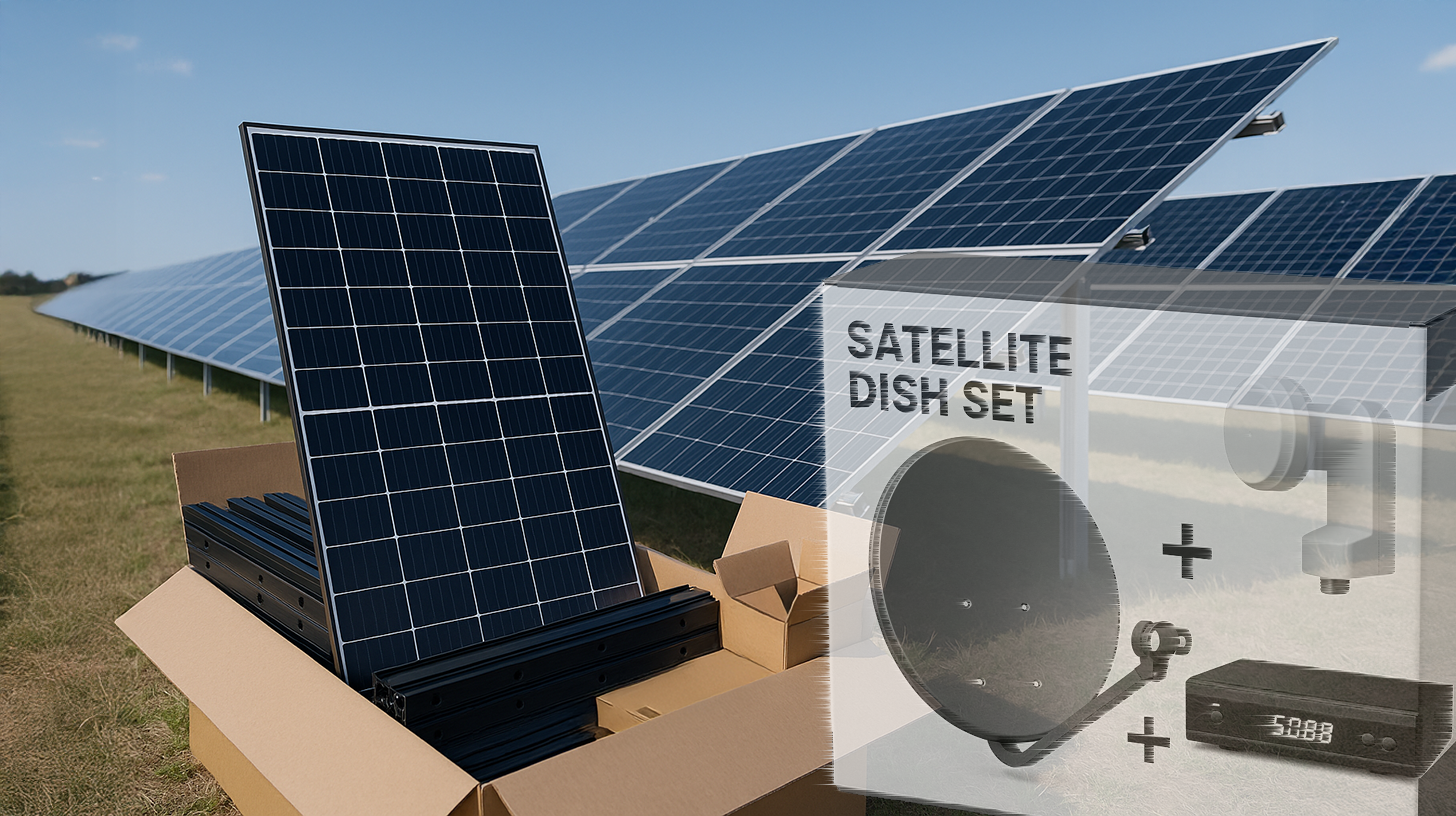
The development of satellite systems in Germany shows remarkable similarities to the current situation with photovoltaic systems. In the early years of satellite reception, consumers and installers had to painstakingly assemble their systems from individual components. This changed fundamentally when companies like Hirschmann, Kathrein, Wisi, and Fuba began offering complete satellite systems as package solutions.
The breakthrough came in the 1980s, when satellite reception gained momentum in Germany. While initially only a few enthusiasts were willing to install the complex technology, complete solutions made it accessible to a wider audience. These packages contained all the necessary components: the satellite dish, the LNB (Low Noise Block), and the satellite receiver – all perfectly matched and ready for installation.
The traditional German antenna manufacturers Hirschmann, Kathrein, Wisi, and Fuba recognized that success lay not in the production of individual components, but in the integration and coordination of all parts into a functioning overall system. This realization revolutionized the market and made satellite television a mass phenomenon.
The problem of sourcing individual components for solar power systems
Today, the solar industry faces the same challenge that once defined satellite technology. Photovoltaic systems require a multitude of components that must be procured individually and meticulously coordinated. This complexity begins with the substructure and extends through the solar modules, suitable clamps, inverters, energy storage systems, and all the necessary accessories.
The challenges of procuring individual components are manifold. Installers and plant operators must ensure that all parts are not only technically compatible but also work together optimally. This requires comprehensive expertise in electrical engineering, structural engineering, and building regulations. Without the necessary expertise, the risk of errors increases significantly, which can jeopardize not only the safety but also the efficiency of the entire system.
The complexity becomes particularly apparent when selecting suitable components. Solar modules must be compatible with the chosen inverter, which in turn must be compatible with the energy storage system. Each component has its own technical specifications that must be taken into account. Furthermore, the requirements vary depending on the type of installation – whether rooftop or ground-mounted – and the local conditions.
ModuRack: The Paradigm Shift to the System Era
ModuRack represents the decisive shift from the component-oriented panel era to system-oriented installation. The company recognized that the greatest leverage no longer lies in optimizing individual modules, but in the intelligent integration of all system components. This realization led to the development of the MagicSolar system, which enables a completely new approach to photovoltaic installation.
The core of the innovation lies in the assemble-ready concept, where components are prefabricated at the factory and optimized for extremely fast on-site installation. While traditional systems are often complex, time-consuming, and prone to errors, the MagicSolar system offers a consistently optimized solution from manufacturing to final installation.
Factory prefabrication ensures consistently high quality and significantly reduces the risk of installation errors. This is particularly important because installation errors can not only compromise safety but also impair the long-term performance of the system. The ModuRacksystem eliminates many typical sources of error through its precise manufacturing technology and the optimal coordination of all components.
The MagicFrame technology as a core innovation
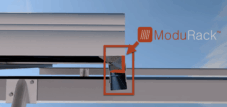
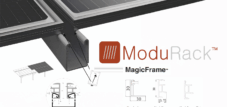
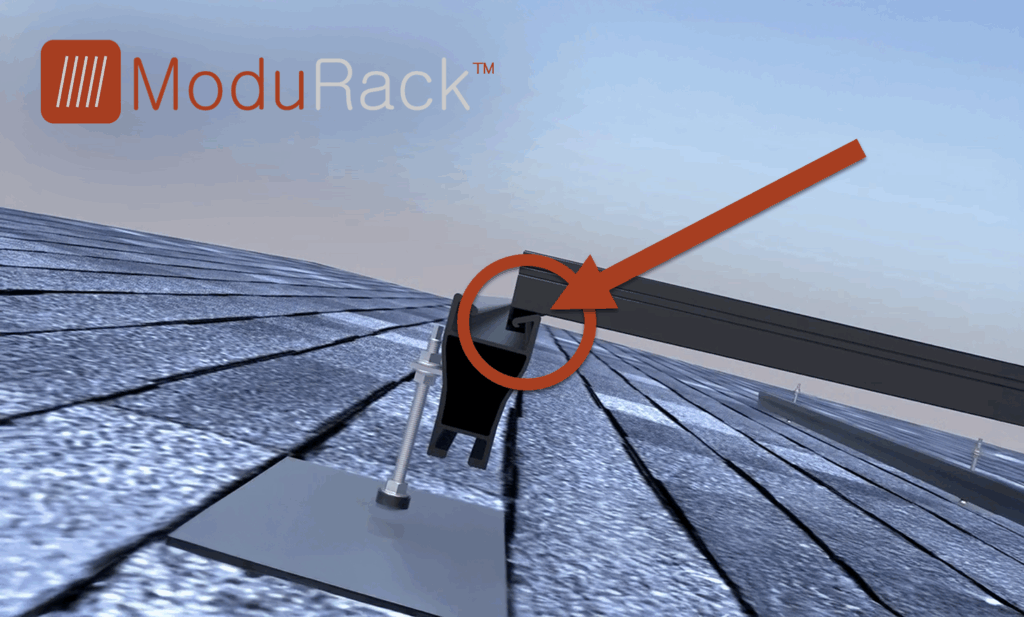
The MagicFrame version of the solar modules represents a fundamental innovation. In this variant, the solar modules have an additional frame extension underneath, which serves as a functional interface between the module and the mounting rail. This extension is not merely a static component, but enables a revolutionary installation method.
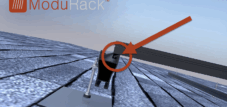
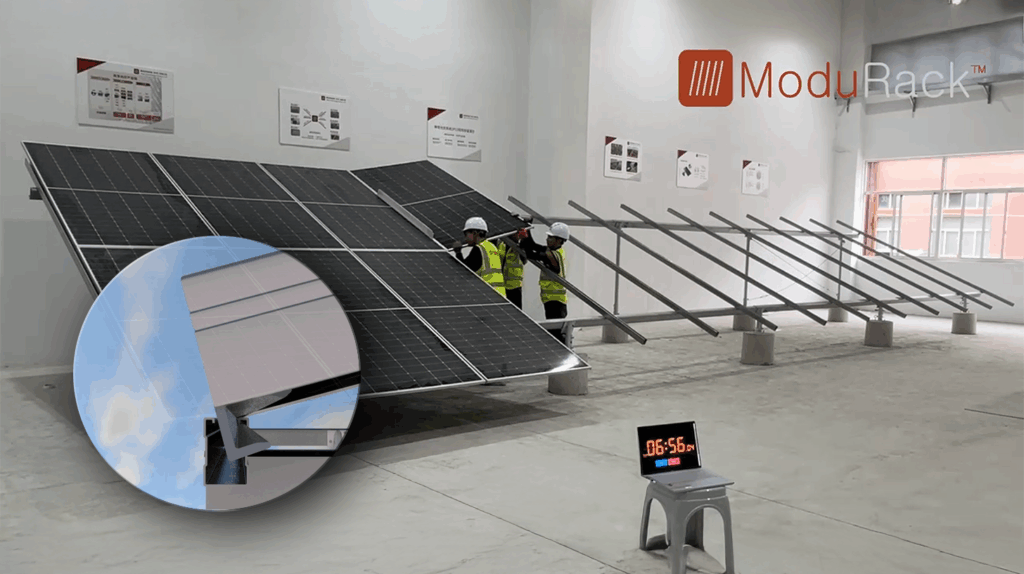
Instead of being attached with conventional clamps and screws, the MagicFrame modules can simply be placed on the rail and snapped into place. This process, described as a "clip-in installation," eliminates several typical problems of conventional mounting. There are no screws that could loosen, no clamps that could damage the module edges, and no time-consuming adjustments that could lead to misalignment.
The result is an installation that is not only faster, but also safer and more resistant to errors. The even distribution of force across the entire module frame prevents the formation of microcracks in the glass and cells, which can occur under point loads from conventional clamps. These microcracks are often invisible to the naked eye, but lead to a gradual reduction in performance and shorten the effective lifespan of the modules.
Rail-integrated fastening versus point loading
ModuRack's innovative rail-integrated mounting system represents a fundamental shift in solar panel installation. Conventional methods place point loads on modules using clamps, which can cause microcracks in both the glass and the solar cells. This point loading generates high mechanical stresses, which become particularly problematic under weather conditions such as wind or snow loads.
The rail-integrated system utilizes a precisely engineered geometry that allows the solar modules to snap optimally into the mounting rail. The rails are made of high-quality, corrosion-resistant aluminum, ensuring durability and stability in all weather conditions. Integrating the mounting mechanism directly into the rail eliminates the need for additional fasteners, thus reducing both material and installation costs.
This technology is based on advanced materials science and precision manufacturing techniques to ensure a perfect fit between the module and the rail. The result is a design that distributes forces evenly along the entire length of the module frame. Stress peaks that cause microcracks are thus eliminated from the outset, preserving the module's mechanical integrity and ensuring consistently high performance for decades.
Drastic reduction in installation time
The impact of the new mounting technology on installation time is impressive. Compared to conventional mounting systems with screws and clamps, the assemble-ready solar system saves up to 43 percent of installation time. This means that a solar installation that traditionally required a full work week for assembly can now be completed in a significantly shorter time of two to three days.
The time savings result from the intelligent click mechanisms, which replace the time-consuming screwing of individual clamps. This can reduce the pure installation effort on the roof by up to fifty percent. This enormous time saving leads to significantly lower labor costs, which represent one of the largest cost factors in the installation of solar power systems.
Furthermore, the accelerated and straightforward assembly process simplifies coordination between the various trades working on the construction site. Since the roofing work is completed more quickly, friction points and waiting times for subsequent work, such as by electricians, are minimized. This leads to a smoother overall project flow and reduces the risk of costly delays.
Economic benefits and cost reduction
The technical and logistical advantages of the ModuRacksystem translate directly into remarkable cost-effectiveness. The sum of these optimizations enables a reduction in overall project costs of up to 30 percent, significantly increasing the attractiveness of solar investments. This cost reduction results from several synergistic factors.
The reduced material and storage requirements resulting from fewer individual parts not only ease logistics but also directly reduce material costs and the capital tied up in inventory. The modular design means fewer different components, leading to less confusion on the construction site and simpler warehousing. Installers can focus on the actual installation process instead of wasting time sorting and matching various small parts.
The simplified handling also has a positive impact on the training of installation personnel. Since the systems are more intuitive to use, less specialized training is required, which in turn reduces personnel costs and increases the availability of qualified installers. This is particularly important given the shortage of skilled workers in the solar industry.
Improvement of system reliability
The ModuRacksystem not only offers economic advantages but also significantly improves the long-term reliability of solar power systems. The even distribution of force prevents the formation of microcracks, which are common with traditional mounting methods. These cracks, especially in the sensitive silicon solar cells, are primarily caused by improper installation or wind vibrations during operation.
The rail-integrated mounting system completely eliminates this problem area. The even load distribution across the entire module frame prevents local overloads, which is particularly important because silicon cells are very sensitive to mechanical stress due to their crystal structure. The result is a longer module lifespan and consistently high energy yield throughout their operating time.
The improved mechanics also lead to greater operational reliability. Since there are no screws that could loosen and no point loads that could cause fatigue, maintenance intervals are longer and the risk of unplanned downtime is lower. This contributes to the overall economic efficiency of the system and significantly reduces life cycle costs.
Consulting - Planning - Implementation

Konrad Wolfenstein
I would be happy to serve as your personal advisor.
You can contact me at wolfenstein∂xpert.digital or
Just call me on +49 7348 4088 965 .
Reduce construction time, not lifespan – Click. Done. Solar.
More information here:
- New: Patent from the USA – install solar parks up to 30% cheaper and 40% faster and easier – with explanatory videos!
- ModuRack is leading the solar industry from the “panel era” to the “system era”
- Substructure & Mounting – Solar Systems without Clamps: The ingenious trick for faster and more cost-effective installation
Solar systems reimagined: Less effort, more efficiency
Ready-to-install solar power systems as a vision for the future
The development of ready-to-install solar power systems, also ‚assemble-ready solar systemsknown as "system-based" systems, marks the transition from the panel era to the system era in photovoltaics. This development precisely reflects the paradigm shift that satellite technology underwent decades ago. What was once the satellite system package is now the ready-to-install solar power system.
The concept of ready-to-install systems goes beyond mere component integration. It encompasses a holistic view of the installation process, taking ease of assembly, system compatibility, and long-term operational reliability into account as early as the development phase. This results in products that are not only technically sophisticated but also deliver convincing performance in practical applications.
The trend towards complete solutions is also fueled by increasing demands for energy efficiency and the growing complexity of energy management systems. Modern solar systems must not only generate electricity, but also integrate intelligently into home energy management, communicate with storage systems, and coordinate with other consumers such as heat pumps or electric vehicles.
Impact on the German solar market
As one of the largest and fastest-growing photovoltaic markets in Europe, Germany offers enormous potential for these innovative installation technologies. With over 100 gigawatts of installed capacity and a market share of a quarter of the EU market, Germany is leading the way in European solar development. In 2024 alone, over one million new solar installations were started, adding an additional 17 gigawatts of capacity.
The country aims for a target of 215 gigawatts by 2030, with annual increases of approximately 22 gigawatts. The German market is particularly attractive, as the majority of new systems installed in 2024 were smaller than 30 kilowatts peak, making Germany by far the largest residential customer market in Europe. Self-consumption segments are the driving force behind the future photovoltaic market in Germany.
The potential of rooftops alone in Germany allows for an installed capacity of around 200 gigawatts peak. This development is driven by ambitious political goals at the EU and national levels, technological advances, and the increasing demand for energy independence. Innovative installation technologies like the ModuRacksystem can help achieve these ambitious goals by making installation faster, more cost-effective, and more accessible.
Overcoming challenges: Innovative solutions for solar installations
Despite the obvious advantages of prefabricated solar systems, there are also challenges that need to be overcome. One of the biggest hurdles is the conversion of established installation companies to new technologies and working methods. Many installers are familiar with traditional methods and need to be trained on new systems.
Quality assurance in the mass production of ready-to-assemble components requires precise manufacturing processes and rigorous controls. Any deviation in manufacturing can affect the fit and, consequently, the installation speed. Manufacturers must therefore invest in high-precision manufacturing technologies and implement comprehensive quality management systems.
Standardization is another important aspect. Uniform standards are necessary to enable different manufacturers to offer compatible components. This would accelerate market penetration and promote competition, ultimately benefiting end users. Industry associations and standards bodies are already working on corresponding guidelines.
Impact on installers and skilled workers
The introduction of prefabricated solar systems has far-reaching implications for the structure of the installation industry. Simplified installation allows less specialized installation teams to operate, thus alleviating the skilled labor shortage. At the same time, this creates new requirements for the training and certification of installers.
The intuitive operation of the new systems does not mean that specialist knowledge is no longer required. Rather, the requirements are shifting from technical skill to system understanding and quality control. Installers must understand how the various components interact and how to identify and correct errors.
The time saved during installation allows installation companies to complete more projects and thus increase their revenue. At the same time, the reduced labor costs enable them to offer more competitive prices. This creates a positive cycle that further fuels the demand for solar systems and accelerates the energy transition.
Sustainability and environmental impact
The development of ready-to-install solar systems also contributes to the sustainability of the solar industry. Precise factory manufacturing and optimized fit reduce material waste and rejects. The longer lifespan of the modules, achieved through gentler mounting, further improves the environmental footprint of the systems.
Reduced transport costs due to more compact systems and fewer different components lower the installation's carbon footprint. Fewer trips to the construction site and optimized logistics chains contribute to overall efficiency. This is particularly important because the environmental impact of solar power systems encompasses not only the operational phase but also manufacturing and installation.
The recyclability of the systems is already considered during the development phase. The use of single-material components and the avoidance of composite materials facilitates their later recycling. This is an important aspect for the circular economy and the long-term sustainability of the solar industry.
Smart solar systems: How technology is accelerating the energy transition
The development of prefabricated solar power systems is only the first step towards fully automated and digitized solar installations. Future developments could include robot-assisted installation systems that further increase installation speed and reduce reliance on human labor.
Integrating Internet of Things (IoT) technologies into assembly systems could enable continuous monitoring and optimization of plant performance. Smart modules could autonomously transmit performance data and provide early warnings of potential problems. This would simplify maintenance and further increase the overall efficiency of the plants.
The combination of prefabricated systems with digital planning tools and augmented reality applications could revolutionize installation planning. Installers could use digital tools on-site to determine the optimal placement and orientation of the modules and identify potential problems even before installation.
The evolution of photovoltaic installations from individual components to intelligent, integrated systems reflects the natural maturation of a technology. Like satellite systems decades ago, solar power plants are undergoing a transformation from component-based to system-oriented approaches. This shift not only makes solar technology more efficient and cost-effective, but also more accessible to a broader audience – a crucial element for the success of the energy transition.
Your partner for business development in the fields of photovoltaics and construction
From industrial rooftop PV to solar parks and larger solar parking lots
☑️ Our business language is English or German
☑️ NEW: Correspondence in your native language!
Konrad Wolfenstein
I and my team are happy to be available to you as your personal advisor.
You can contact me by filling out the contact form here wolfenstein@xpert.digital:or simply call me at +49 7348 4088 965. My email address is
I'm looking forward to our joint project.