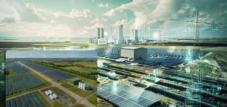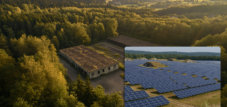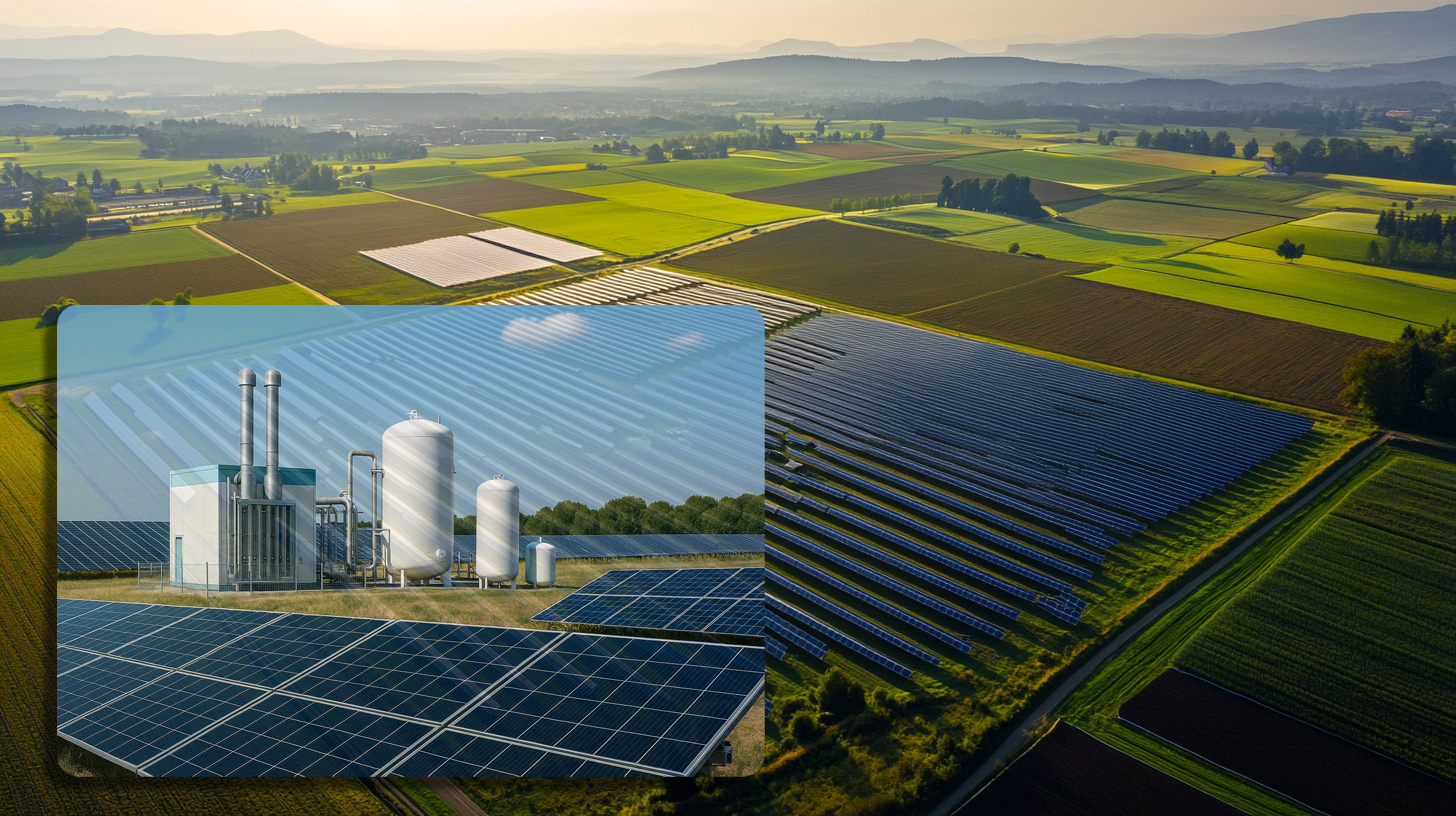
Solar park and electrolysis in Booßen: An innovative hydrogen project in Frankfurt/Oder – Creative image: Xpert.Digital
Energy transition in Booßen: Solar energy and hydrogen production combined
Green hydrogen from solar energy: Frankfurt (Oder) sets standards
The city of Frankfurt (Oder) is planning to develop an integrated energy project in its Booßen district, combining a solar park with an electrolysis plant for hydrogen production. This project joins the growing number of hydrogen projects in eastern Germany and represents an important component of the regional energy transition. The project promises not only the local generation of renewable energy but also its conversion into storable green hydrogen, which can be used as a versatile energy carrier.
Related to this:

Hydrogen production by electrolysis: Fundamentals and technology
Green hydrogen is produced through a process called electrolysis, in which water is split into its components, hydrogen and oxygen, using an electric current. This process takes place in an electrochemical cell, where the electrical charge causes the conversion of water into hydrogen and oxygen. Crucially, for hydrogen to be classified as "green," it must be generated using electricity from renewable energy sources such as solar or wind power.
Electrolysis technology makes it possible to store surplus renewable energy and thus counteract the highly fluctuating electricity supply from wind and photovoltaic plants throughout the day and year. The hydrogen produced can be stored in high-pressure tanks and later used for various applications, for example as fuel for heavy-duty vehicles or for industrial processes.
Comparison of different electrolysis methods
Several technologies are available for electrolysis. While PEM (Proton Exchange Membrane) technology offers high current densities, it requires expensive precious metals and achieves only moderate efficiencies. An alternative approach is the use of membranes for alkaline electrolytes in combination with less expensive nickel electrodes, which can reduce production costs.
The planned hydrogen project in Booßen
The planned project in Booßen envisions the construction of a solar park to provide renewable energy for the electrolysis plant. The electrolysis plant will split water into hydrogen and oxygen, with the hydrogen then being compressed and stored.
Integration into regional hydrogen infrastructures is a key component of the project. Booßen is mentioned in connection with the development of regional hydrogen networks, suggesting its involvement in overarching infrastructure projects. Its proximity to the Frankfurt/Rhine-Main metropolitan region, for which a dedicated regional hydrogen distribution network called "Rh2ein-Main Connect" is planned, could play a role in this.
The city of Frankfurt (Oder) has already adopted a PV action strategy that sets the framework for the development of solar parks. This strategy is likely also relevant for the project in Booßen and defines criteria for site selection and implementation.
Regional integration: Hydrogen projects in Eastern Germany
The Booßen project is part of a broader initiative to establish a hydrogen economy in eastern Germany. A key element is the "Eastern German Electrolysis Corridor," which is being developed within the framework of the IPCEI collaborative project "doing hydrogen." This project connects innovative individual projects in eastern Germany and forms an important building block for the implementation of the German and European hydrogen strategies.
Two electrolysis plants with a total capacity of 185 megawatts are being built in Brandenburg and Mecklenburg-Western Pomerania, which are expected to produce 17,000 tons of hydrogen annually starting in 2028. The total installed capacity of these electrolyzers is distributed across two locations and forms a cross-state corridor.
Other hydrogen projects in the region
In Osterweddingen near Magdeburg, the company Enertrag is building a 10-megawatt electrolysis plant, which is scheduled to begin operation at the end of 2025. The plant will have an annual production capacity of 900 tons of green hydrogen, with the electricity sourced exclusively from the company's onshore wind farms.
EnBW, together with VNG and ONTRAS, is planning to establish a complete value chain for green hydrogen in the Lusatia region. This will involve building wind and solar farms that produce green electricity in the region and feed it into the public grid. A regionally constructed electrolyzer will draw the generated green electricity from the grid and produce hydrogen through electrolysis.
Challenges and potential of local hydrogen production
The implementation of hydrogen projects like the one in Booßen is associated with various challenges. These include technical aspects such as the efficiency of electrolysis and hydrogen storage, but also economic factors such as production costs and competitiveness.
Related to this:
Acceptance and land use
An important aspect is the local acceptance of such projects. In Brandenburg, there is some resistance to the expansion of solar parks, as the example in Sydower Fließ shows. Residents fear disadvantages such as declining property values or visual impairments. At the same time, municipalities hope for higher tax revenues from such projects.
Land use is another critical point. Solar parks require considerable areas that are then no longer available for other uses such as agricultural production. Alternative locations such as former landfills or the integration of PV systems into existing structures can reduce conflicts.
Innovation potential: From the laboratory to practice
Research into smaller, more efficient electrolysis plants is progressing. At Frankfurt University of Applied Sciences, for example, researchers are working on a "smart hydrogen refueling unit" designed to simplify the production of green hydrogen to such an extent that it can be used in private homes or small businesses. Such innovations could also improve the efficiency of larger plants like the one planned in Booßen in the future.
In the second phase of this research project, an innovative compressor station for green hydrogen will be built as a prototype in the laboratory, based on the results achieved so far, in collaboration with industrial partners. The findings from such projects can also be relevant for larger plants like the one planned in Booßen.
Booßen as part of the hydrogen strategy
The planned solar park project with an electrolysis plant in Booßen (Frankfurt/Oder) fits into the broader strategy for developing a hydrogen economy in eastern Germany. It combines the local generation of renewable energy with the production of green hydrogen, which can be used as a versatile energy carrier for various applications.
Integration into regional and supra-regional hydrogen networks enables the transport of the produced hydrogen to consumers in industry, mobility, and municipal utilities. The project thus contributes to achieving climate protection goals and supports structural change in the region.
However, successful implementation requires consideration of local interests and transparent communication with residents. Only in this way can the necessary acceptance for the expansion of renewable energies and the associated hydrogen production be achieved. At the same time, the project offers opportunities for local value creation and can contribute to strengthening the regional economy.
Related to this:
Your partner for business development in the fields of photovoltaics and construction
From industrial rooftop PV to solar parks and larger solar parking lots
☑️ Our business language is English or German
☑️ NEW: Correspondence in your native language!

Konrad Wolfenstein
I and my team are happy to be available to you as your personal advisor.
You can contact me by filling out the contact form here wolfenstein@xpert.digital:or simply call me at +49 7348 4088 965. My email address is
I'm looking forward to our joint project.