The Solar City Pergola as an alternative solar roof in cities – Image: Xpert.Digital
Innovation in shade-providing architecture: The rising importance of solar pergolas
A pergola is a versatile and aesthetically pleasing structure used in both private gardens and public spaces. It is typically made of wood or metal and consists of columns connected by crossbeams. The open design allows light and air to flow through the pergola while providing shade and protection from direct sunlight.
An interesting evolution of the pergola is the solar pergola, which integrates solar energy into its structure. Similar to solar terraces or solar parking lots, the solar pergola uses photovoltaic technology to convert sunlight into electricity. It can be equipped with either conventional solar panels or special semi-transparent, light-transmitting solar panels. These transparent panels allow sunlight to partially pass through the pergola, generating energy at the same time.
In urban areas, larger pergolas are often erected to beautify and enhance public squares, pedestrian zones, or parks. These large pergolas can serve as shady canopies, protecting passersby from sun or light rain. They offer a pleasant outdoor space that can be used for relaxing, lounging, or as a meeting place.
Regarding the integration of solar technology into pergolas, the concept of solar pergolas is still in its infancy compared to rooftop solar installations such as solar terraces or solar parking lots. However, the potential and possible expansion of this technology are promising. The use of semi-transparent solar modules in solar pergolas could contribute to generating renewable energy while simultaneously creating aesthetic value and a pleasant outdoor living space.
Advances in solar technology and the increasing demand for environmentally friendly solutions will lead to a greater use of solar pergolas in cities. They will become an important part of the urban landscape, combining sustainable energy generation with pleasant, shaded outdoor spaces.
Solar pergolas therefore offer an exciting opportunity to generate renewable energy while providing aesthetic and functional benefits. Integrating solar technology into pergolas opens up new avenues for harnessing solar energy and reducing dependence on conventional energy sources.
The use of semi-transparent solar panels in solar pergolas is particularly interesting because they allow light to partially pass through the structure. This creates a pleasant and inviting atmosphere while simultaneously generating solar energy. The semi-transparent solar panels can be designed to provide the desired level of light transmission and energy production without compromising the pergola's aesthetic appeal.
Solar pergolas can be used in various urban areas. They can be installed in parks and public squares to provide visitors with shaded seating areas while simultaneously generating renewable energy. Pedestrian zones and shopping streets could be equipped with solar pergolas to protect passersby from the sun's rays and enhance the visual appeal of the streets and sidewalks.
Another interesting aspect of solar pergolas is their potential role in promoting electromobility. By integrating charging stations for electric vehicles into the pergola structure, solar pergolas can become sustainable energy hubs. Visitors could park their vehicles under the pergola (solar carport/solar parking space) and simultaneously use clean energy to charge them. This would encourage the use of electric vehicles and contribute to reducing CO2 emissions.
To fully realize the potential of solar pergolas, several challenges still need to be overcome. These include optimizing the energy generation efficiency of the semi-transparent solar modules, integrating energy storage solutions, and considering planning and permitting processes in urban environments. Nevertheless, initial pilot projects and research demonstrate that solar pergolas are a promising technology that can contribute to making cities more sustainable and energy-efficient.
Solar pergolas offer an interesting way to harness solar energy while creating attractive and functional outdoor spaces. Their versatility and potential allow them to make a significant contribution to implementing sustainable urban development strategies and promoting renewable energy. With further research and development, solar pergolas could become a more common sight in our urban landscapes in the near future.
Optimization of the planning and installation of AC/DC or purely DC-side systems - Our comprehensive service for cities, municipalities, companies and external partners
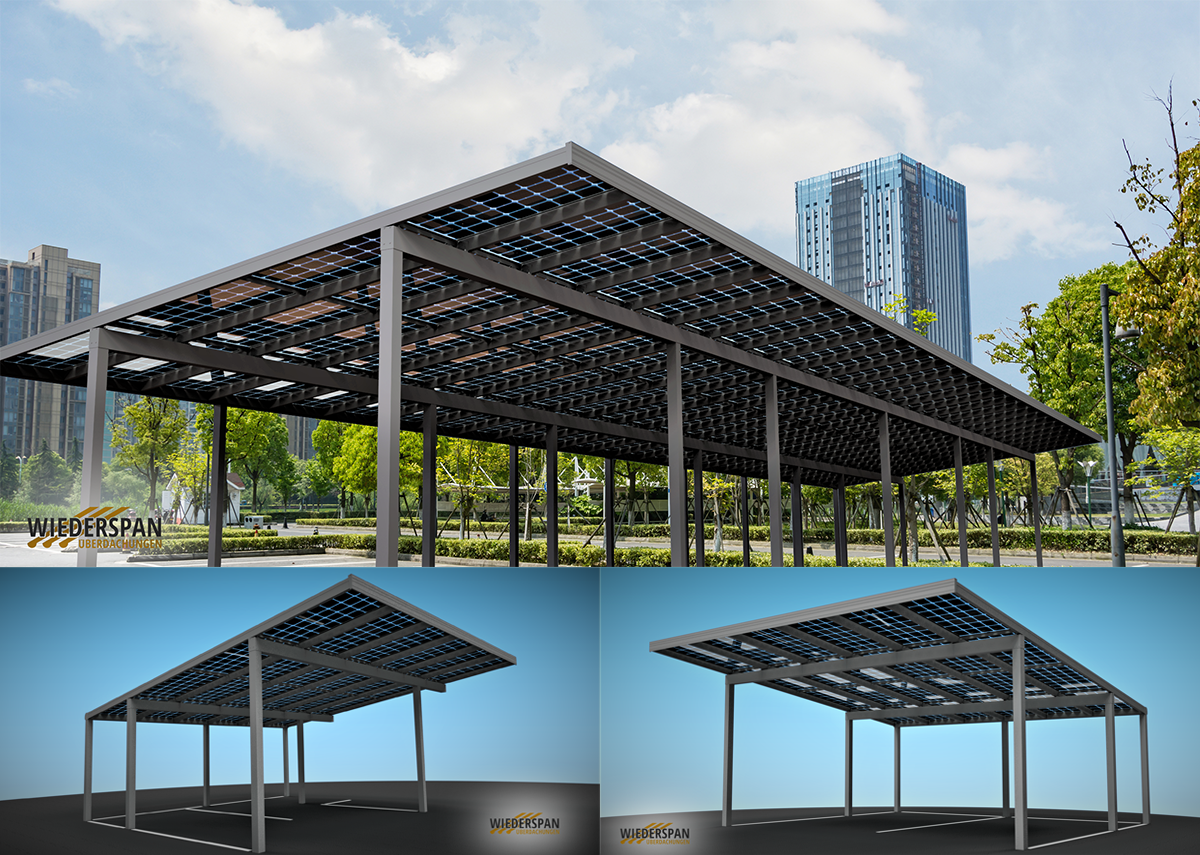
Solar canopy: Solar-covered parking lot – Image: Wiederspan.Solar
More information here:
Plan your solar system for the most common applications conveniently online with our solar system planner!
With our user-friendly solar system planner, you can design your individual solar system online. Whether you need a solar system for your home, your business, or for agricultural purposes, our planner allows you to consider your specific requirements and develop a customized solution.
The planning process is simple and intuitive. You simply enter the relevant information. Our planner takes this information into account and creates a customized solar system that meets your needs. You can try out different options and configurations to find the optimal solar system for your application.
Furthermore, you can save your plan to review it later or share it with others. Our customer service team is also available to answer any questions and provide support to ensure your solar system is optimally planned.
Use our solar system planner to design your individual solar system for the most common applications and accelerate the transition to clean energy. Get started now and take an important step towards sustainability and energy independence!

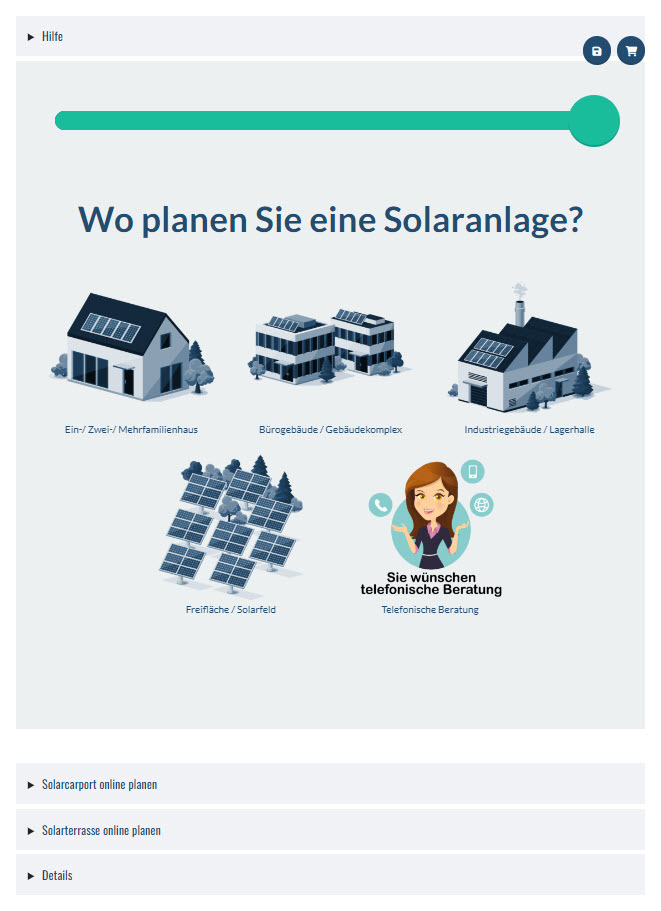
The solar system planner for the most common applications: Plan your solar system online here - Image: Xpert.Digital
More information here:
Solar potential: How building-integrated photovoltaics are changing our cities
From solar pergolas to solar parking lots: The diverse applications of GIPV technology
Building-integrated photovoltaics (BIPV) is an innovative technology that combines renewable energy generation with urban architecture. It allows solar modules to be seamlessly integrated into the building structure and opens up diverse applications such as solar pergolas, solar terraces, and solar parking lots.
Solar pergolas are structures equipped with solar panels that function as a roof. They not only provide sun protection but also generate clean energy. Such pergolas are often used in parks, shopping centers, or public squares, where they contribute to energy supply and offer aesthetic value.
Solar terraces are another form of building-integrated photovoltaics (BIPV) and are used in buildings such as office complexes, residential buildings, or hotels. Solar modules are integrated into the terrace surface, allowing the terrace area to be used for energy generation. Solar terraces thus offer a smart way to generate renewable energy without requiring additional space.
Solar parking lots are a particularly innovative application of building-integrated photovoltaics (BIPV). They combine the need for parking spaces with the possibility of energy generation. The parking spaces are covered with solar modules, so they not only provide protection from the elements but also produce clean energy. Such solar parking lots are often used in urban areas to meet the energy needs of surrounding buildings or to serve as charging stations for electric vehicles.
The integration of GIPV into urban architecture contributes to the development of smart cities and significantly changes the future of urban architecture. Smart cities are characterized by the integration of technology and data into urban infrastructure to improve efficiency, sustainability, and quality of life.
Commonalities between GIPV and Smart City concepts lie in their pursuit of sustainability and the use of renewable energies. Both GIPV and Smart Cities promote the use of clean energy sources and contribute to reducing greenhouse gas emissions. Furthermore, they improve the energy efficiency of buildings and urban infrastructure.
Another common aspect is the integration of technology. Both GIPV and smart cities utilize innovative technologies such as sensors, intelligent control systems, and real-time data to optimize energy generation and consumption. This integration makes it possible to design more efficient energy generation and distribution and to control energy consumption.
Differences between GIPV and Smart City concepts lie in their focus and scope of application. GIPV concentrates specifically on integrating solar modules into the building structure to generate renewable energy. It offers energy generation solutions that utilize existing building surfaces such as pergolas, terraces, and parking lots.
Smart cities, on the other hand, encompass a broader range of concepts and technologies aimed at making cities more sustainable, efficient, and livable. In addition to energy generation, smart cities also include aspects such as intelligent traffic management, optimized waste management, networked infrastructure, and digital services for citizens.
➡️ GIPV and Smart Cities share common goals such as sustainability and energy efficiency. However, while GIPV focuses on integrating solar panels into building structures to generate renewable energy, Smart Cities encompass a broader range of concepts and technologies aimed at holistically transforming cities and improving people's quality of life.
Building-integrated photovoltaics: Solar pergolas, solar terraces and solar parking lots compared
From shade-providing pergolas to energy-generating parking lots: The diversity of GIPV applications
Solar pergolas, solar terraces, and solar parking lots are different applications of building-integrated photovoltaics (BIPV), which differ in their functionality and area of application. Nevertheless, they also share commonalities, particularly regarding their use of renewable energy sources and their contribution to sustainable development.
Solar pergolas are structures equipped with solar panels that function as a roof. They offer protection from the sun and weather while simultaneously generating clean energy. Solar pergolas are frequently used in public areas such as parks, squares, or shopping centers. They not only serve as an energy source but also offer aesthetic value and create a pleasant public space.
Solar terraces, on the other hand, refer to the integration of solar panels into the surface of terraces in buildings such as office complexes, residential buildings, or hotels. These solar panels serve as an energy source and utilize the available space efficiently. Solar terraces offer a smart way to generate renewable energy without requiring additional space. They can contribute to the power supply of buildings and thus reduce energy consumption.
Solar parking lots are a particularly innovative application of building-integrated photovoltaics (BIPV). In solar parking lots, solar modules are installed as roofs over parking spaces. They not only provide protection from the elements but also generate clean energy. Solar parking lots are often used in urban areas to meet the energy needs of surrounding buildings or to serve as charging stations for electric vehicles. They utilize available space efficiently and contribute to the promotion of electromobility.
The differences between the three applications lie primarily in their functionality and area of use. Solar pergolas primarily serve as a roof and create a shaded space for the public. They are primarily designed to generate renewable energy while also offering added value in terms of aesthetics and comfort.
Solar terraces, on the other hand, are specifically designed for buildings and serve both to generate energy and to utilize the available terrace space. They make it possible to generate renewable energy in residential and commercial buildings and to reduce energy consumption.
Solar parking spaces serve a dual purpose: they provide shelter for vehicles and simultaneously generate energy. They are often used in urban environments to make optimal use of limited space and improve energy supply near buildings or transport hubs.
Despite these differences, solar pergolas, solar terraces, and solar parking lots also share commonalities. All three applications utilize solar panels for energy generation and thus contribute to reducing greenhouse gas emissions. They are part of a sustainable infrastructure and promote the use of renewable energies in urban areas. Furthermore, they make efficient use of available space and contribute to improved energy efficiency.
➡️ Solar pergolas, solar terraces, and solar parking spaces can be considered different solutions in the field of building-integrated photovoltaics. While solar pergolas serve as roofing and offer aesthetic added value, solar terraces enable the use of terrace surfaces for energy generation. Solar parking spaces combine vehicle shelters with the production of renewable energy. Despite their differences, all three applications contribute to promoting sustainability and renewable energy in urban environments.
Where does Pergola come from?
The word "pergola" originally comes from Italian and has its origin in the Latin term "pergula." "Pergula" means "projection," "small roof," or "covered walkway." The Latin word "pergula," in turn, derives from the verb "pergere," which means "to advance" or "to go further.".
The pergola as a structure has a long history and was already known in antiquity. In ancient Rome, pergolas were used as shady canopies, often covered with grapevines or other climbing plants. They served as shaded passageways or outdoor seating areas.
Over time, pergolas have evolved and become a popular architectural structure in gardens and outdoor spaces. Today, pergolas are often used as freestanding or attached shelters made of wood, metal, or other materials, and are frequently covered with climbing plants such as vines, roses, or other climbing plants.
The pergola is known for its open structure, which provides shade while creating an airy atmosphere. It is frequently used to design terraces, garden areas, or outdoor seating areas, offering a pleasant space to enjoy nature.
➡️ The correct plural form for "pergola" is "pergolen". However, "pergolas" is also widely used colloquially.
Where are pergolas used in cities?
Pergolas are used in various urban areas to create a pleasant and shaded outdoor environment. Here are some places where pergolas are commonly found in cities:
Parks and gardens
In public parks and gardens, pergolas are often used as structuring elements. They serve as shaded passageways, seating areas, or as roofs for playgrounds, quiet zones, or picnic areas.
Cafes, restaurants and bars
Many cafes, restaurants, and bars in urban areas use pergolas to extend their outdoor seating areas and offer additional outdoor space. Pergolas create a cozy atmosphere and protect guests from the sun and light rain.
Pedestrian zones and shopping streets
Pergolas are often installed in busy pedestrian zones or shopping streets to provide shade and increase the comfort of passersby. They also offer opportunities to hang flower baskets or decorative elements to create an attractive environment.
City centers and squares
In some city centers and public squares, pergolas are used as architectural elements to create seating areas, meeting points, or viewpoints. They can also be used as part of art installations or temporary events.
Schools and universities
Educational institutions sometimes use pergolas to design outdoor areas such as courtyards or break areas. They offer pupils and students a shaded space for relaxing, studying, or social activities.
Urban residential areas
In some residential areas or housing complexes, pergolas are used as private patio covers or carport roofs. They create shaded outdoor areas for residents and offer protection for vehicles.
➡️ These are just a few examples of the use of pergolas in urban areas. The versatility of pergolas allows them to be used in many locations throughout the city to provide shade, aesthetic appeal, and a pleasant outdoor atmosphere.
The Solar City Pergola: Aesthetic design and clean energy for a livable city
Solar City Pergola: Combining shade and solar energy in the smart city for green urbanization
The concept of the green Smart City relies on sustainable and environmentally friendly solutions to make cities more efficient, livable, and energy self-sufficient. An important component of this concept is the integration of solar energy. The Solar City Pergola plays a significant role in this as an urban solar roof.
The Solar City Pergola is an innovative solution that seamlessly integrates solar panels into urban areas while providing shade. It combines function and aesthetics by creating a pleasant and shaded environment while simultaneously generating clean energy.
The Solar City Pergola is suitable for various urban areas and offers numerous advantages. In parks and gardens, it serves as a covered seating area or shaded walkway. The integrated solar panels generate electricity that can be used to illuminate pathways, irrigate plants, or power playgrounds. This combination of functionality and sustainable energy production contributes to the environmentally friendly design of public green spaces.
In urban pedestrian zones and shopping streets, the Solar City Pergola not only offers protection from sun and rain, but also generates energy that can be used for lighting or operating shops. It thus creates a pleasant and energy-efficient environment for pedestrians and promotes a sustainable shopping experience.
The Solar City Pergola also plays an important role in city centers and squares. It can serve as a covered meeting place while simultaneously supplying energy for lighting the square or for art installations. This combination of architecture, energy generation, and public space creates an attractive and sustainable environment for the city's residents and visitors.
Furthermore, schools and universities can benefit from the Solar City Pergola. It provides shaded outdoor areas for pupils and students, while the solar panels can supply electricity to power classrooms, laboratories, or other facilities. This not only promotes a sustainable learning environment but also serves as an example of renewable energy and environmental awareness.
The Solar City Pergola can also play an important role in urban residential areas. It can serve as a roof for private patios or carports while simultaneously supplying clean energy to residents. This contributes to the energy self-sufficiency of residential areas and allows residents to generate and use their own electricity.
The Solar City Pergola is therefore a central element of the solar concept for the green smart city. It combines sustainable energy generation with urban design, creating pleasant and functional urban spaces. By integrating solar modules into the pergola, the Solar City Pergola becomes an innovative solution for meeting the city's energy needs while simultaneously creating a green and livable environment.
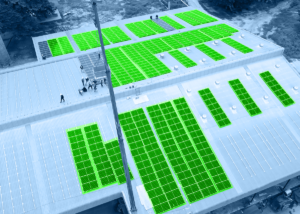

- Planning photovoltaics on warehouses, commercial buildings and industrial buildings
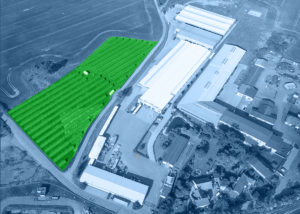
- Industrial plant: Planning a photovoltaic open-field system or open-area system
- Planning solar power systems with photovoltaic solutions for freight forwarding companies and contract logistics
- B2B Solar Systems and Photovoltaic Solutions & Consulting
From simple solar roofs to large-scale projects: Xpert.Solar offers individual solar system consultation

Konrad Wolfenstein
I would be happy to serve as your personal advisor.
You can contact me by filling out the contact form below or simply call me on +49 7348 4088 965 .
I'm looking forward to our joint project.
Write to me


Xpert.Digital – Konrad Wolfenstein
Xpert.Digital is a hub for industry focusing on digitalization, mechanical engineering, logistics/intralogistics and photovoltaics.
With our 360° Business Development solution, we support renowned companies from new business to after-sales.
Market intelligence, smarketing, marketing automation, content development, PR, mail campaigns, personalized social media and lead nurturing are part of our digital tools.
You can find more information at: www.xpert.digital – www.xpert.solar – www.xpert.plus
Keep in touch