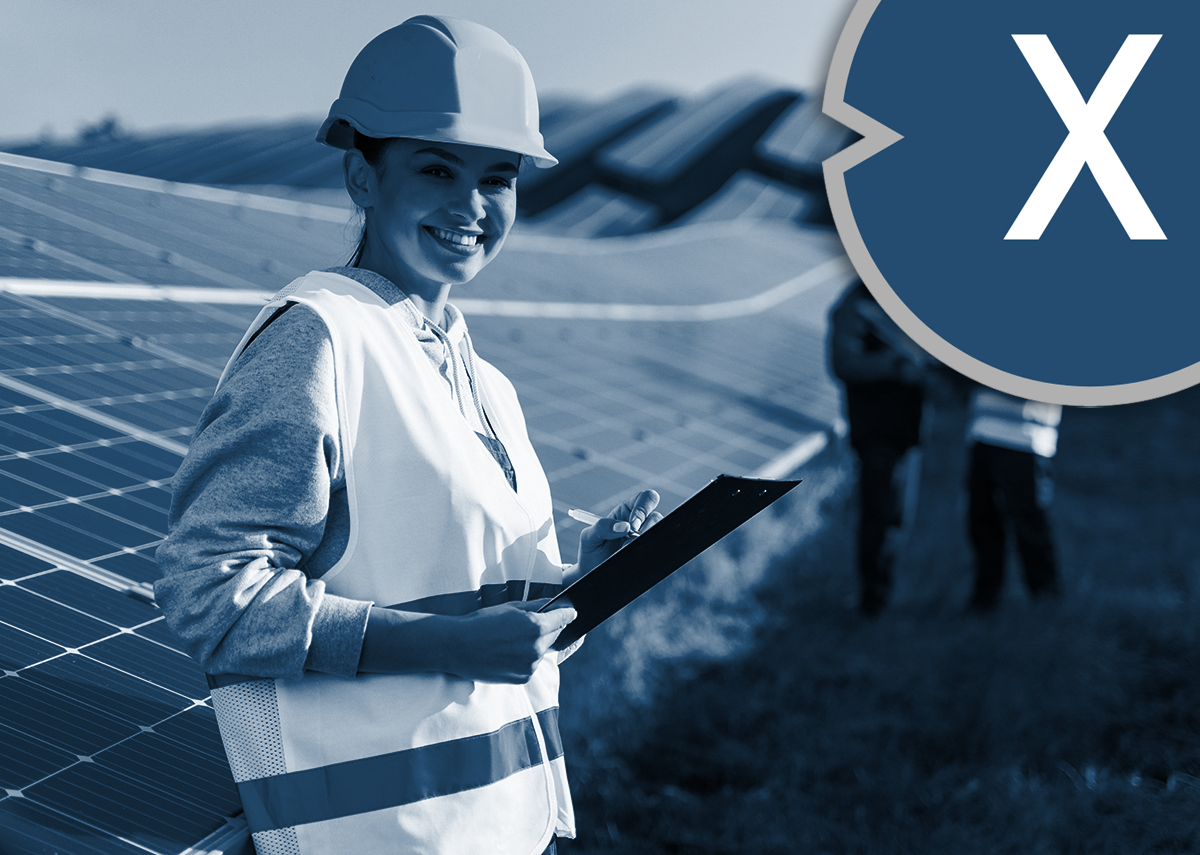
Solar company for ground-mounted PV systems and solar parks – Image: Xpert.Digital
Solar parks in Berlin and Brandenburg: Innovative, environmentally friendly and future-oriented with our solar company
Our solar company is an experienced top-ten partner for the planning, development, and implementation of ground-mounted photovoltaic systems, open-field installations, and solar parks in Berlin and Brandenburg. We specialize in sustainable energy generation and are proud to contribute to the energy transition.
Efficient project development for ground-mounted PV systems in Berlin and Brandenburg
We embrace the challenge of developing customized solutions for ground-mounted photovoltaic (PV) systems. In doing so, we consider the specific requirements of the site, such as soil composition, solar irradiance, and topographical features. Our experienced experts carefully analyze the potential of the area and optimize the layout to ensure maximum energy production.
Sustainable energy generation: Success factors for solar parks in urban areas
As pioneers in the implementation of solar parks in urban areas, we understand the challenges and opportunities this presents. We rely on close collaboration with local authorities to ensure seamless integration into the urban landscape. In doing so, we ensure that our solar parks not only generate sustainable energy but are also aesthetically pleasing.
Technological innovations for ground-mounted PV systems: Potentials and trends
Our solar company is constantly striving to implement the latest technological innovations to maximize the efficiency and performance of our ground-mounted PV systems. We rely on high-quality solar modules with high energy yields and continuously research new approaches such as bifacial modules or optimization techniques to further increase energy production.
Environmentally sound site selection for solar parks in Berlin and Brandenburg
Protecting the environment is very important to us. When selecting locations for our solar parks in Berlin and Brandenburg, we carefully consider environmental aspects such as nature reserves, water resources, and biodiversity. Through a comprehensive environmental impact assessment, we ensure that our solar parks have no negative impact on the local flora and fauna.
Grid integration and feed-in management in solar parks: Challenges and solutions
The seamless integration of our solar parks into the existing power grid is of paramount importance to us. We work closely with local grid operators to ensure a stable feed-in and optimal utilization of the generated energy. Intelligent feed-in management systems allow us to compensate for fluctuations in the grid and guarantee a reliable power supply.
Financing options for ground-mounted PV systems and solar parks in the region
We understand the financial challenges our clients face. Therefore, we offer comprehensive advice on various financing options, such as grant programs, loans, and investor participation. Together with our partners, we develop tailored financing concepts to ensure the success of projects.
Environmental impacts of solar parks: Sustainability assessment and life cycle assessment
Our solar company places great importance on a comprehensive sustainability assessment and life cycle analysis of our solar parks. We analyze the entire life cycle of the plants, taking into account factors such as CO₂ emissions, energy savings, and environmental impact. Through continuous optimization, we contribute to ensuring that our solar parks have a positive environmental footprint.
Job creation potential and local added value through solar parks in Berlin and Brandenburg
The development of our solar parks not only generates sustainable energy but also creates jobs in the region. We rely on local suppliers and service providers to strengthen local value creation. Furthermore, we offer training and qualification programs to train local workers for the installation and maintenance of the solar power plants.
Legal and permitting aspects of realizing solar parks
Compliance with all legal and regulatory requirements is of utmost priority for us. We have extensive experience in handling permitting procedures and work closely with the relevant authorities to ensure a smooth permitting process.
Operating and maintenance strategies for ground-mounted PV systems: Efficient performance maintenance
To ensure the long-term performance of our ground-mounted PV systems, we implement efficient operating and maintenance strategies. Regular inspections, cleaning, and maintenance work are carried out by our trained specialists to guarantee optimal system operation and to detect potential malfunctions early.
Advantages and challenges of scaling solar parks to a large scale
Scaling up solar parks to a large scale brings both advantages and challenges. We have the necessary expertise to realize solar parks of various sizes. We ensure that efficiency, sustainability, and economic viability are guaranteed, even for larger installations.
Solar parks as a contribution to the energy transition: Potential for regional energy supply
Our solar parks play a vital role in decentralized energy generation and contribute to reducing CO₂ emissions. They offer potential for regional energy supply by generating renewable electricity directly on site. This reduces dependence on fossil fuels and strengthens the resilience of the region's energy supply.
Innovative technologies for cleaning and maintaining solar modules in solar parks
To maintain the efficiency and performance of our solar parks, we rely on innovative technologies for cleaning and maintaining the solar modules. These include, for example, robot-controlled cleaning systems that operate efficiently and conserve resources, ensuring optimal cleaning of the modules.
Monitoring and performance tracking of ground-mounted PV systems: Efficiency improvement and fault detection:
Through continuous monitoring and precise performance tracking, we can optimize the efficiency of our ground-mounted PV systems. We rely on innovative monitoring systems that record energy yield in real time and detect potential errors or malfunctions early on. This allows us to react quickly and maximize the performance of the systems.
Collaboration and cooperation models between solar companies and local communities for solar parks in Berlin and Brandenburg
Our solar company places great importance on close collaboration with local communities in Berlin and Brandenburg. We maintain an open dialogue to understand the concerns and needs of these communities and incorporate them into our planning and implementation. Together, we develop cooperation models that consider local interests and build long-term partnerships. Through this collaboration, we create solar parks that not only generate sustainable energy but also make a positive contribution to local development and the community.
Plan your solar system for the most common applications conveniently online with our solar system planner!
With our user-friendly solar system planner, you can design your individual solar system online. Whether you need a solar system for your home, your business, or for agricultural purposes, our planner allows you to consider your specific requirements and develop a customized solution.
The planning process is simple and intuitive. You simply enter the relevant information. Our planner takes this information into account and creates a customized solar system that meets your needs. You can try out different options and configurations to find the optimal solar system for your application.
Furthermore, you can save your plan to review it later or share it with others. Our customer service team is also available to answer any questions and provide support to ensure your solar system is optimally planned.
Use our solar system planner to design your individual solar system for the most common applications and accelerate the transition to clean energy. Get started now and take an important step towards sustainability and energy independence!

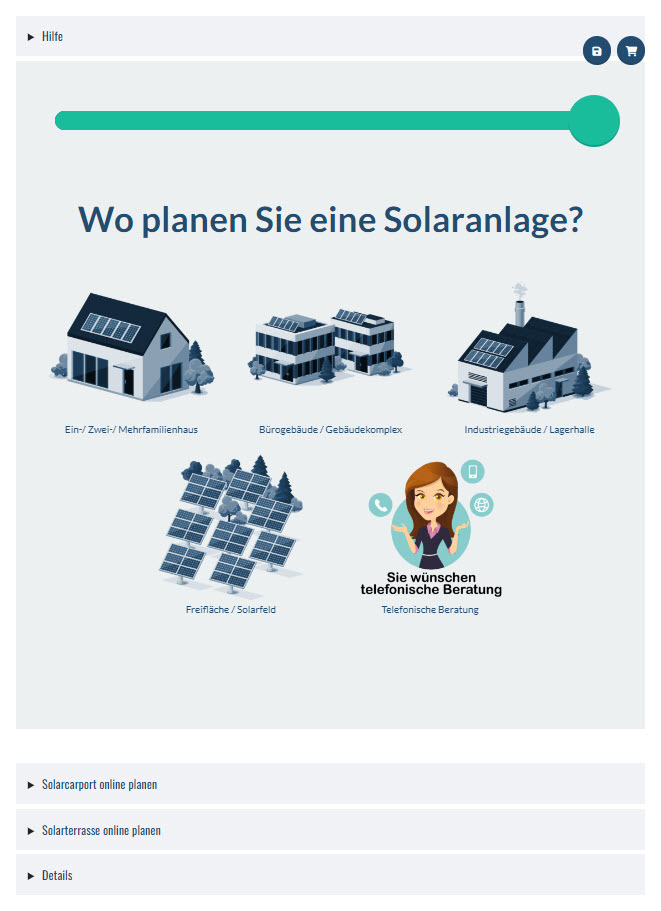
The solar system planner for the most common applications: Plan your solar system online here - Image: Xpert.Digital
More information here:
Legal and permitting aspects of realizing solar parks
The realization of solar parks requires a comprehensive consideration of legal and permitting aspects. These aspects play a crucial role in the planning, construction, and operation of such facilities.
Location selection
Choosing the right location for a solar park is crucial. Various factors must be considered, such as solar irradiance, land availability, proximity to the power grid, and potential environmental impacts. Furthermore, regional regulations or restrictions may apply and influence the site selection.
Spatial planning and land use plan
The construction of a solar park must comply with applicable spatial planning and land-use plans. These plans stipulate which uses are permitted in specific areas and what regulations must be observed. It may be necessary to apply for corresponding amendments or special permits to enable the realization of a solar park.
Building permit
A building permit is generally required for the construction of a solar park. All relevant building regulations, such as distance requirements to neighboring properties or structural requirements for the installations, must be observed. Extensive documentation may be required, detailing the planned construction and demonstrating compliance with all applicable regulations.
Nature conservation
Solar parks can have an impact on the surrounding environment, particularly on flora and fauna. Therefore, environmental impact assessments are often required to evaluate potential impacts and identify necessary protective measures. In some cases, it may be necessary to plan compensatory or replacement measures to offset the environmental impact.
Network connection
Successful implementation of a solar park requires a reliable connection to the electricity grid. This necessitates meeting technical requirements to ensure a stable feed-in of the generated solar power. It may be necessary to conclude contracts with local grid operators and comply with connection conditions.
Permits and approval procedures
In addition to the building permit, further permits may be required, depending on local regulations and rules. These could include, for example, water permits for the use of water resources or permits for the use of chemicals. Applying for and completing such permitting processes often requires time and adherence to specific requirements.
Feed-in tariff and billing
To be economically successful, it is crucial that a solar park is integrated into the existing energy supply system. This includes applying for and processing feed-in tariffs or other compensation mechanisms that feed the generated solar power into the grid. Legal aspects related to electricity sales and billing with energy suppliers may also need to be considered.
Contracts and insurance
The development of solar parks requires various contracts and insurance policies. These can include, for example, lease or purchase agreements for the land on which the solar park is built, or insurance policies to protect against operational risks or environmental damage. It is important that these contracts are carefully drafted and that all relevant risks are adequately covered.
➡️ These aspects illustrate the complexity and scope of the legal and permitting requirements involved in the development of solar parks. To be successful, it is essential to involve experts and lawyers who possess the necessary expertise and can provide support in complying with all relevant regulations and procedures.
📣 Energy-efficient renovation and new construction, consulting, planning and implementation for industry, retail and municipalities
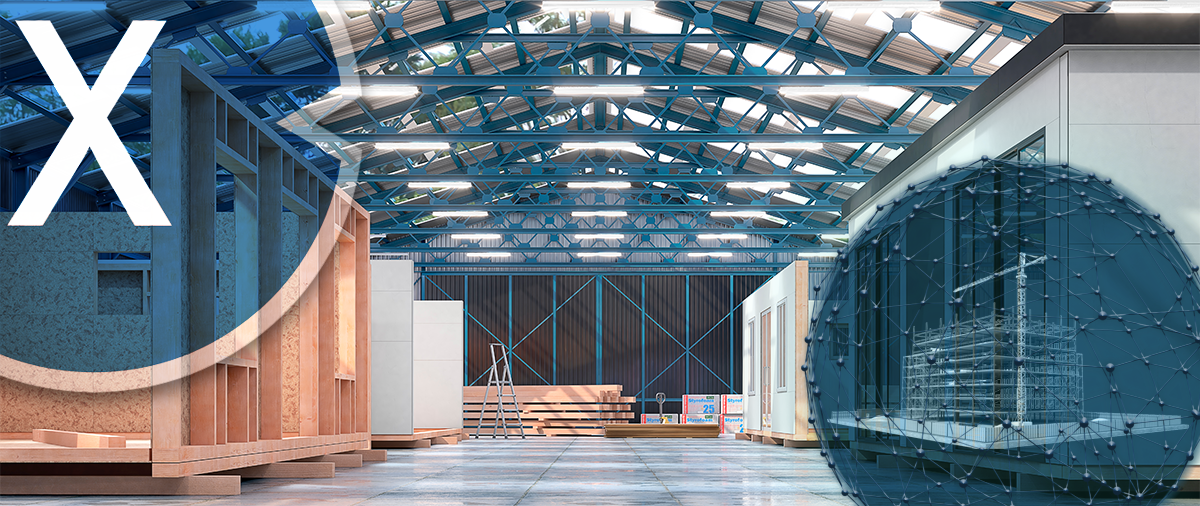
Our experienced team supports you in optimizing your buildings to reduce energy consumption and promote sustainable energy use with photovoltaics. We analyze your individual needs and develop customized concepts that are both economically and ecologically sound. Whether it's the energy-efficient renovation of existing buildings or the construction of new, energy-efficient structures, we are here to help. Industrial plants, retail buildings, and municipal facilities can reduce their energy costs, minimize their environmental impact, and simultaneously improve the comfort and efficiency of their buildings with our tailored solutions.
👨🏻 👩🏻 👴🏻 👵🏻 Energy-efficient renovation and new construction, consulting, planning and implementation for private households
We offer comprehensive support for private households in the energy-efficient renovation and new construction of buildings with photovoltaics. Our experienced team is at your side to assist you with consulting, planning, and implementing your sustainable energy solutions. We analyze your energy consumption, identify potential savings, and develop customized concepts to improve your energy efficiency. From improving building insulation and installing energy-efficient windows and doors to installing photovoltaic and solar thermal systems – we guide you step by step to make your home more energy-efficient and environmentally friendly. Trust in our expertise and benefit from the numerous advantages that energy-efficient renovation and the use of renewable energies offer. Together, we'll create a sustainable future for your home.
Environmental impacts of solar parks: Sustainability assessment and life cycle assessment
Solar parks are considered one of the most important sources of renewable energy and make a significant contribution to reducing greenhouse gas emissions and combating climate change. Nevertheless, it is crucial to carefully assess the environmental impact of solar parks and analyze their sustainability and ecological footprint.
Life cycle analysis
The sustainability assessment of solar parks requires a comprehensive analysis across the entire life cycle of the facilities. This includes raw material extraction for the production of solar modules, the transport of components, the construction and commissioning of the park, its operation and maintenance, and its disposal at the end of its service life. Each of these steps can have environmental impacts that must be assessed.
Life cycle assessment
A life cycle assessment (LCA) allows for the quantitative evaluation of the environmental impacts of solar parks. This analysis considers various environmental categories such as greenhouse gas emissions, energy consumption, resource use, air and water pollution, and land-use changes. The results provide important information about how environmentally friendly and sustainable a solar park is compared to other energy sources.
Greenhouse gas emissions
Solar parks do not produce direct greenhouse gas emissions during operation. The greenhouse gas emissions that can be associated with solar parks stem primarily from the manufacturing of the solar modules and infrastructure, as well as from energy consumption throughout their entire life cycle. The use of environmentally friendly materials, the use of renewable energy in the manufacturing and operation of the facilities, and the efficient use of resources can reduce greenhouse gas emissions.
Resource use
The production of solar modules requires the use of specific raw materials such as silicon, aluminum, copper, and rare earth metals. The extraction and processing of these raw materials can be associated with environmental impacts, such as land-use changes, water consumption, and waste production. It is important to pursue sustainable procurement strategies and optimize resource consumption to minimize these environmental impacts.
Land use and biodiversity
Solar parks require land for the installation of solar panels. This can lead to land-use changes and impacts on local biodiversity. It is crucial to assess the impacts on ecosystems and habitats and to implement appropriate measures to protect biodiversity. This can include integrating green spaces, protecting natural habitats, and promoting biodiversity.
Water consumption
Solar parks typically do not require large quantities of water during operation. Compared to fossil-based energy sources such as coal or gas-fired power plants, the water consumption of solar parks is generally low. This is advantageous in regions with limited water resources, as it minimizes water pollution.
Waste management
Various types of waste are generated during the life cycle of solar parks, such as defective or decommissioned solar modules. Effective waste management is crucial to minimizing the environmental impact. This can include reusing materials, safely disposing of hazardous substances, and using environmentally friendly recycling processes.
Social impacts
When assessing the sustainability of solar parks, their social impacts must not be overlooked. This includes considering the effects on local communities, jobs, education, and health. Solar parks can have positive social effects by creating local employment opportunities and improving access to clean energy.
➡️ Assessing the environmental impact of solar parks requires a holistic approach and the use of appropriate assessment methods such as sustainability assessment and life cycle assessment. Through continuous improvements in technology, material procurement, and operational practices, solar parks can contribute to generating clean and sustainable energy while minimizing their environmental impact.
Job creation potential and local added value through solar parks in Berlin and Brandenburg
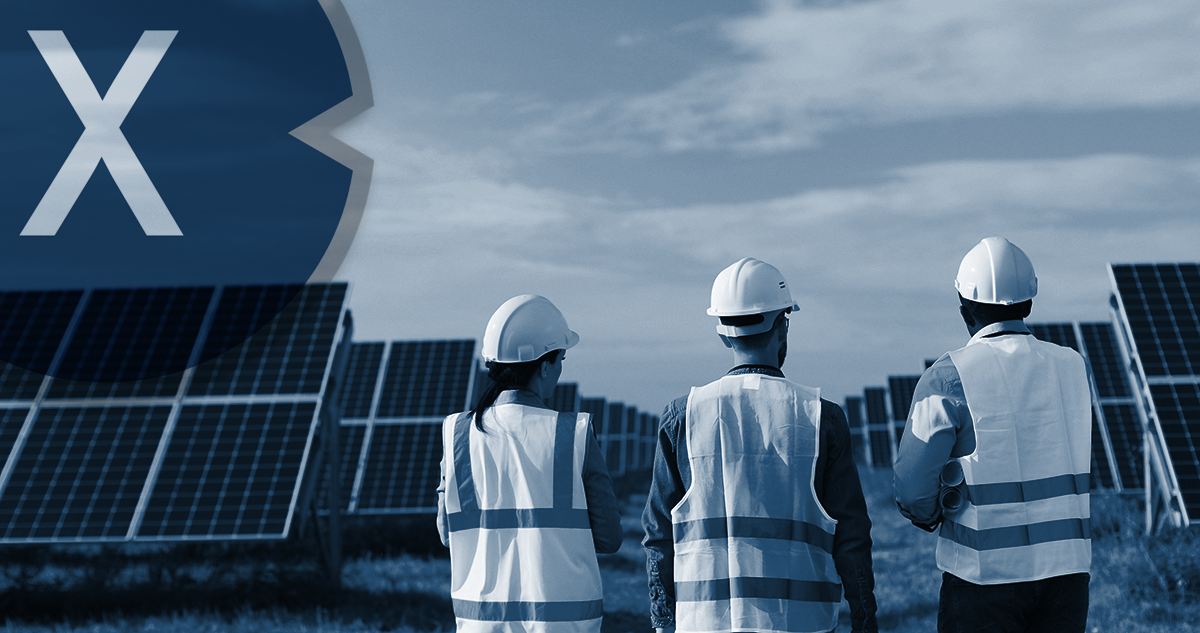
Efficient project development for ground-mounted PV systems in Berlin and Brandenburg – Image: Xpert.Digital
Solar parks in Berlin and Brandenburg not only make a positive contribution to the energy transition and the reduction of greenhouse gas emissions, but also offer significant job potential and create local added value.
Jobs during the construction phase
The construction of a solar park requires extensive building work, including the installation of solar panels, the construction of mounting systems, and the laying of cables. This creates temporary jobs for skilled workers from various trades, such as electricians, construction workers, engineers, and logistics experts. The construction phase thus offers an opportunity for local businesses and workers to benefit from the projects.
Workplaces in operations and maintenance
Once a solar park is commissioned, long-term jobs are created for its operation and maintenance. This includes regular inspections, cleaning, upkeep, and performance monitoring. Technicians, electricians, and other skilled workers are needed to ensure the solar park operates efficiently and reliably. These jobs are often long-term and provide stability to the region.
Skilled worker development and training
The development of solar parks in Berlin and Brandenburg opens up opportunities for the training and qualification of skilled workers in the renewable energy sector. Local educational institutions can offer training courses to prepare people for jobs in the solar industry. This contributes to the development of skilled workers and the strengthening of the regional economy.
supplier industry
The development of solar parks also creates demand for various products and services provided by the supply industry. This includes the need for solar modules, mounting systems, cables, inverters, monitoring technologies, and other components. Local companies have the opportunity to manufacture these products or act as suppliers, which in turn contributes to local value creation.
service sector
Solar parks often require support services such as engineering, financial and legal advice, insurance, marketing, and communications. Operating solar parks necessitates a variety of services that can be provided by local companies. This creates additional jobs and strengthens the service sector in the region.
Regional value chain
The development of solar parks creates a regional value chain that stimulates the local economy. Local companies have the opportunity to secure contracts for construction, operation, maintenance, and services, which in turn generates income and tax revenue for the region. This supports economic activity and contributes to sustainable local development.
Tourism and improved image
Solar parks can also be tourist attractions, drawing visitors interested in renewable energy and sustainable technologies. This can lead to additional revenue streams for the local economy, such as through tourism services, accommodation, and restaurants. Furthermore, solar parks can enhance the region's image as a leader in renewable energy and sustainability.
➡️ The development of solar parks in Berlin and Brandenburg thus offers a multitude of jobs and opportunities for local value creation. By promoting renewable energies, the regions can benefit from the social and economic advantages that accompany the transition to clean energy sources. It is important that local policymakers and businesses work together to create the best possible conditions for job creation and strengthening the regional value chain.
Advantages and challenges of scaling solar parks to a large scale
Scaling up solar parks to a large scale offers numerous advantages, but there are also challenges that need to be addressed. The following explains important and interesting details on this topic:
Advantages of scaling solar parks to a large scale
1. Cost efficiency
Scaling up solar parks can lead to cost savings. Larger projects allow for the purchase of solar modules and other components in bulk, resulting in lower prices. Furthermore, operating and maintenance costs can be reduced through the centralization and standardization of processes.
2. Economies of scale
Large-scale solar parks enable more efficient use of available resources. By combining large areas and installing a large number of solar modules, a higher overall output can be achieved. This leads to better utilization of available sunlight and higher energy production per unit area.
3. Grid stability and energy supply
Large-scale solar parks can contribute to stabilizing the electricity grid, especially in regions with high solar irradiance. The decentralized distribution of large solar parks allows energy generation to take place closer to the points of consumption, leading to improved grid stability and a reduction in transmission losses.
4. Reduction of greenhouse gas emissions
Scaling up solar parks enables a significant reduction in greenhouse gas emissions. Large solar capacities help to replace fossil fuels and increase the share of renewable energies in the energy mix. This is an important contribution to climate protection and reducing dependence on non-renewable energy sources.
5. Job creation potential
The scaling up of solar parks creates jobs along the entire value chain. This includes the planning, construction, operation, and maintenance of the plants, as well as the manufacturing and distribution of solar modules and other components. The solar industry thus offers a wide range of employment opportunities and contributes to regional economic development.
Challenges in scaling solar parks to a large scale
1. Availability of suitable areas
Identifying and acquiring sufficiently large areas for the installation of solar parks can be challenging. Land availability and compliance with spatial planning and environmental regulations can hinder the scaling of solar projects. Close cooperation with local authorities and consideration of environmental aspects are crucial for finding suitable locations.
2. Network integration and network connectivity
Scaling up solar parks requires careful grid integration and a reliable grid connection. The electricity grid infrastructure must be capable of absorbing and distributing the generated solar energy. Bottlenecks or incompatibilities in the grid can hinder scaling and necessitate additional investments in grid infrastructure.
3. Financing
Large solar parks require substantial investments. Securing financing for such projects can be challenging, particularly regarding capital procurement and demonstrating economic viability. A sound business model, clear financial planning, and investor engagement are essential prerequisites for scaling solar parks.
4. Technical Challenges
Scaling up solar parks also presents technical challenges. Managing large installations requires advanced monitoring and control systems to optimize solar panel performance and minimize downtime. The use of storage technologies may also be necessary to compensate for the intermittent nature of solar energy and ensure a continuous power supply.
5. Environmental impacts
Although solar parks are generally considered environmentally friendly, large projects can still have certain environmental impacts. Scaling up solar parks therefore requires a thorough environmental impact assessment to evaluate potential effects on local flora and fauna, water resources, and landscape alteration. Implementing measures to protect the environment and minimize impacts is essential.
➡️ Scaling up solar parks to a large scale offers significant advantages in terms of cost efficiency, energy production, and job creation potential. However, overcoming challenges such as land availability, grid integration, financing, and environmental sustainability is also crucial. A holistic approach to these aspects will enable the successful large-scale implementation of solar parks, driving a sustainable and renewable energy future.
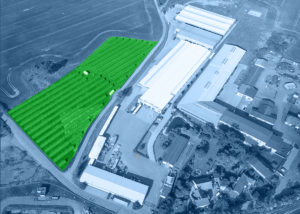
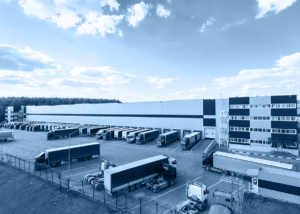
- Planning photovoltaics on warehouses, commercial buildings and industrial buildings
- Industrial plant: Planning a photovoltaic open-field system or open-area system
- Planning solar power systems with photovoltaic solutions for freight forwarding companies and contract logistics
- B2B Solar Systems and Photovoltaic Solutions & Consulting
Xpert.Solar offers you individual photovoltaic planning & solar solution including installation

Konrad Wolfenstein
I would be happy to serve as your personal advisor.
You can contact me by filling out the contact form below or simply call me on +49 7348 4088 965 .
I'm looking forward to our joint project.
Write to me


Xpert.Digital – Konrad Wolfenstein
Xpert.Digital is a hub for industry focusing on digitalization, mechanical engineering, logistics/intralogistics and photovoltaics.
With our 360° Business Development solution, we support renowned companies from new business to after-sales.
Market intelligence, smarketing, marketing automation, content development, PR, mail campaigns, personalized social media and lead nurturing are part of our digital tools.
You can find more information at: www.xpert.digital – www.xpert.solar – www.xpert.plus
Keep in touch