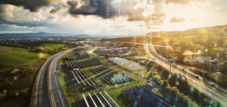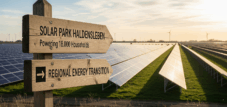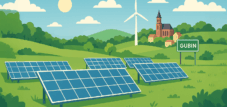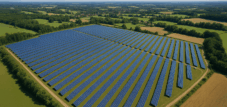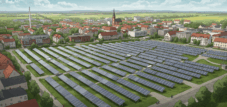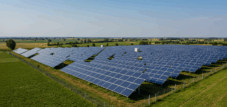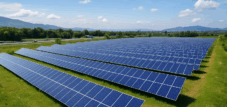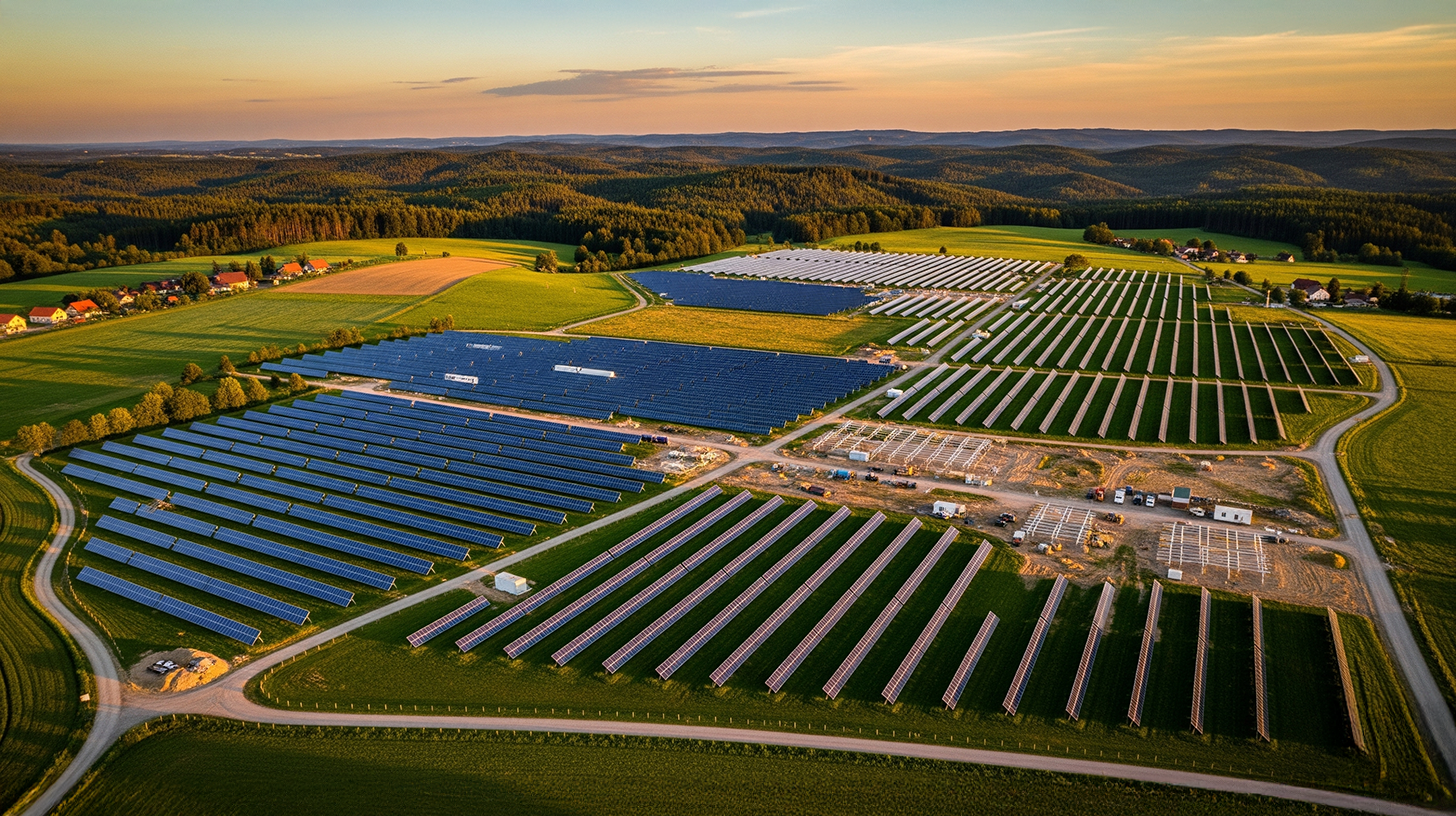
The solar park project in Frankenblick on the Effelder district, more precisely on the Blatterndorf cadastral area – Creative image: Xpert.Digital
Solar initiative in Frankenblick: Millions invested in green energy on 15 hectares
Frankenblick Solar Park: Major project in Effelder drives the energy transition forward in Thuringia
The development of renewable energies in Germany has gained considerable importance in recent years, with photovoltaic projects playing a central role in achieving climate goals. A significant example of this development is the planned solar park project in the municipality of Frankenblick, which reflects both local conditions and nationwide energy targets. The municipality of Frankenblick in the Sonneberg district has decided to make a significant contribution to Germany's energy transition and is planning to construct a ground-mounted photovoltaic system in its district of Effelder.
Overview of the municipality of Frankenblick
The municipality of Frankenblick was formed on January 1, 2012, through the merger of the municipalities of Effelder-Rauenstein and Mengersgereuth-Hämmern and is located in the southwestern part of the Sonneberg district in the Free State of Thuringia. The municipality is strategically situated in the Sonneberg hinterland and borders directly on Bavaria to the south, thus serving as a bridge between Thuringia and Franconia. This geographical location also explains the name Frankenblick (Franconian View), as one can indeed see into Franconia from here.
The municipality comprises a total of nine districts, including Döhlau, Effelder with Blatterndorf, Grümpen, Meschenbach, Rabenäußig, Rauenstein, Rückerswind, Seltendorf, and Mengersgereuth-Hämmern with its associated areas. The municipality is home to nearly 6,000 residents and is characterized by an attractive low mountain landscape, shaped by parts of the Thuringian Slate Mountains, a Muschelkalk (shell limestone) plateau, and a Bunter sandstone plateau.
The municipal administration is based in Effelder, with a branch office in Mengersgereuth-Hämmern. The region is characterized by its historical significance as part of the Franconian-influenced area and its location on the former German-German border, where the Green Belt has now developed, home to rare bird and plant species.
Current photovoltaic situation in Frankenblick
The municipality of Frankenblick already has a certain basic infrastructure of photovoltaic systems, although the existing potential is far from being fully utilized. According to available data, 35 photovoltaic systems with a total installed capacity of 440.53 kilowatt-peak are in operation in Frankenblick. These systems produce approximately 274,343 kilowatt-hours of electricity annually, which corresponds to a share of only 2.99 percent of the total electricity consumption of all residents.
The installed capacity per capita is currently only 0.07 kilowatt-peak, which is significantly below the average of comparable municipalities. These figures illustrate the considerable potential for expanding solar energy in the region. Annual solar irradiance in Frankenblick is approximately 1,055.86 kilowatt-hours per square meter of global radiation, providing excellent conditions for the economically viable operation of photovoltaic systems.
In Thuringia as a whole, the number of solar power systems has increased significantly in recent years. By the end of 2024, around 100,000 solar power systems were already in operation in the state, with the number increasing by approximately 30,000 within twelve months. However, the Sonneberg district, which includes Frankenblick, ranks last among Thuringia's districts with only 2,326 systems, highlighting the particular need for improvement in this region.
The solar park project in Effelder
The specific solar park project in Frankenblick focuses on the district of Effelder, more precisely on the cadastral area of Blatterndorf. On April 10, 2024, the municipal council of Frankenblick passed resolution no. 724/42/2024 to establish the project-specific development plan "Solar Park Blatterndorf" OT Effelder in accordance with Section 2 Paragraph 1 of the German Federal Building Code (BauGB).
The project developer is Aracari Solar GmbH from Suhl, an established renewable energy project developer from Thuringia. Aracari Solar has already gained recognition through various projects in Germany and possesses comprehensive expertise in all areas of the solar park value chain, from development and financing to construction, operation, and maintenance.
The planned solar park project covers a total area of approximately 8.1 hectares, with potential expansion to up to 15.7 hectares, and is to be built south of the Blatterndorf district. The area of application encompasses the Blatterndorf cadastral district, parcel 0, plot 98/2. The facility is to be designated as a special-use area for open-space photovoltaic systems, thereby creating the necessary planning permissions for the construction of the solar power plant.
Project development and approval process
The development of the solar park project in Frankenblick follows the standard legal procedures for ground-mounted photovoltaic systems. The resolution to prepare the project-specific development plan was published locally in accordance with Section 2 Paragraph 1 Sentence 2 of the German Federal Building Code (BauGB). As part of the process, early public and agency participation must be carried out in accordance with Section 3 Paragraph 1 and Section 4 Paragraph 1 of the German Federal Building Code (BauGB).
The project's financing is fully secured by the developer. Aracari Solar GmbH will bear the entire cost of preparing the development plan, planning and implementing the infrastructure development measures, and implementing compensatory and replacement measures. The mayor has been tasked with preparing a development agreement with the developer in accordance with Section 12 of the German Federal Building Code (BauGB), which will regulate the complete cost coverage.
The project was not without political debate, however. At the municipal council meeting in August 2025, the solar park project received a narrow majority. This was partly due to the fact that a municipal election had taken place between the initial resolution in April 2024 and the continuation of the process, resulting in changes to the council's composition.
Technical design and environmental aspects
The planned photovoltaic system will be designed as a modern ground-mounted PV system that meets current technical standards. Ground-mounted photovoltaic systems offer the advantage over rooftop systems that they can be optimally oriented towards the sun and are not restricted by existing building structures. The optimal roof pitch for photovoltaic systems in Frankenblick is 33 degrees with a south-facing orientation of 0 degrees.
Environmental impact and landscape protection are key aspects of the planning process. The development plan must consider various protected assets, including people, animals and plants, soil, water, climate, landscape, and cultural and material assets. Modern solar parks are designed to be compatible with agricultural use and can even lead to ecological improvements in the land they serve.
With regard to emissions control, particular attention must be paid to glare protection and electromagnetic radiation. Modern photovoltaic systems are designed to minimize these aspects and do not cause significant disturbances for local residents.
Economic importance for the region
The solar park project in Frankenblick brings significant economic benefits to the region. Photovoltaic projects not only create jobs during the construction phase, but also generate long-term revenue for the municipality through business taxes and other levies. The construction of solar parks typically involves investments in the millions, which benefit the local economy.
Landowners can find attractive income opportunities by leasing their land for solar parks. Compared to conventional agricultural use, leasing land for photovoltaic projects can generate up to ten times higher returns, often with lease terms of up to 30 years. This provides farmers with a long-term and predictable source of income.
The photovoltaic industry in Thuringia has gained considerable importance in recent years. In 2023 alone, 21,762 new solar power systems were commissioned in the state, representing a significant increase compared to previous years. The solar power generated covers approximately 20 percent of Thuringia's total electricity consumption.
Energy policy classification
The solar park project in Frankenblick aligns with Germany's overarching energy and climate policy goals. The German government has set the target of covering at least 80 percent of gross electricity consumption with renewable energy sources by 2030, with solar energy playing a key role. Specifically, 215 gigawatts of solar energy capacity are to be installed by 2030, representing a significant increase compared to current levels.
Germany already exceeded its solar energy expansion targets in 2024, reaching the 88 gigawatts of installed solar capacity set for the end of 2024 as early as May. Nevertheless, achieving the long-term goals by 2030 requires a further significant acceleration of expansion, which is why every single project, like the one in Frankenblick, makes an important contribution.
At the state level, Thuringia supports the expansion of solar energy through various measures. The Free State is increasingly focusing on the use of land along highways for the construction of solar parks and promotes the combination of photovoltaics and agriculture. Municipalities play a crucial role in designating areas for photovoltaic systems and can strategically guide the expansion of renewable energies.
New: Patent from the USA – install solar parks up to 30% cheaper and 40% faster and easier – with explanatory videos!

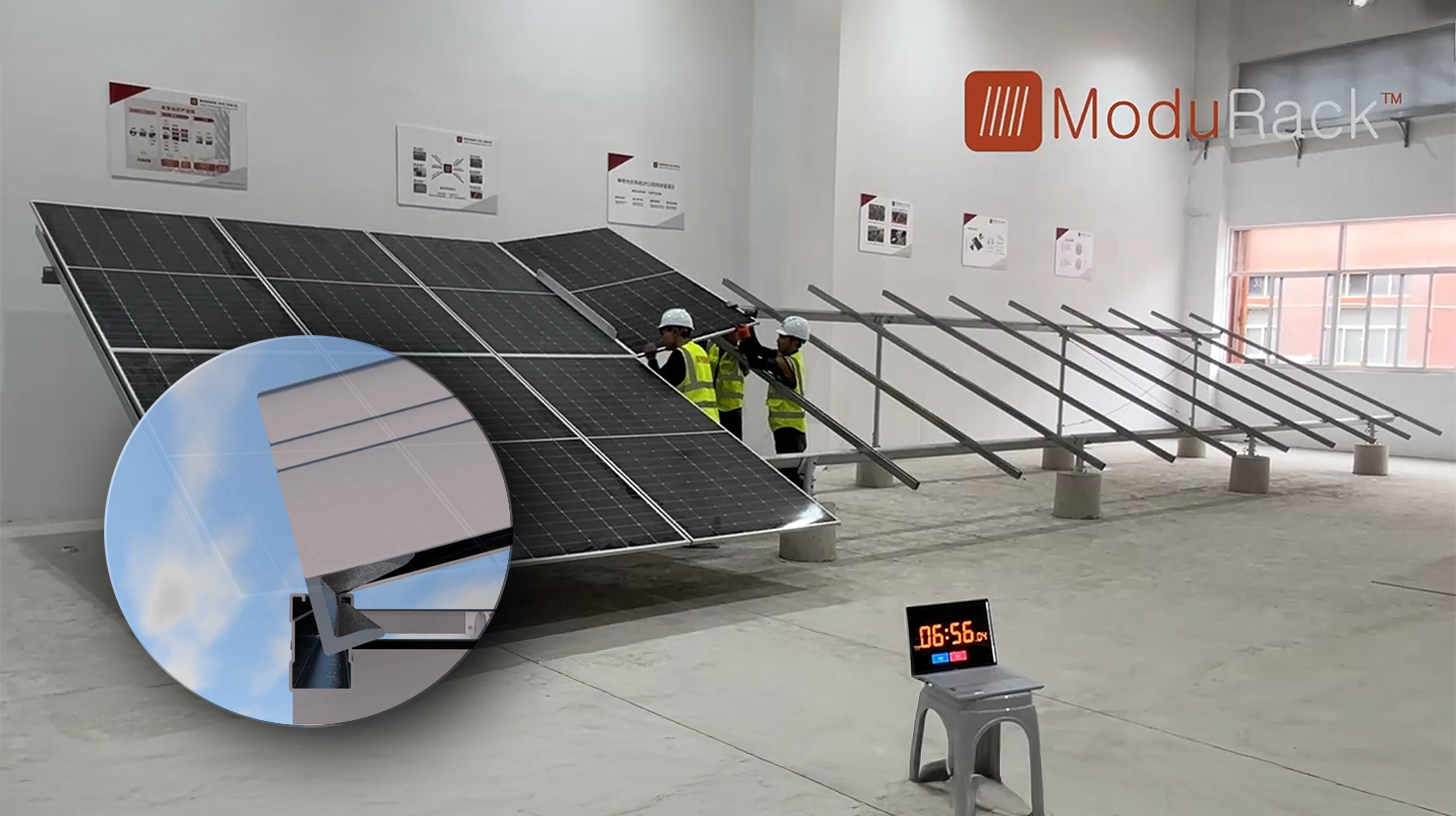
New: Patent from the USA – Install solar parks up to 30% cheaper and 40% faster and easier – with explanatory videos! - Image: Xpert.Digital
The core of this technological advancement is the deliberate departure from conventional clamp mounting, which has been the standard for decades. The new, more time- and cost-effective mounting system addresses this with a fundamentally different, more intelligent concept. Instead of clamping the modules at specific points, they are inserted into a continuous, specially shaped support rail and held securely in place. This design ensures that all forces – whether static loads from snow or dynamic loads from wind – are distributed evenly across the entire length of the module frame.
More information here:
Solar parks as a model for the future: Efficient agriculture and sustainable energy production
Double efficiency: How solar parks support agriculture
The implementation of solar park projects like the one in Frankenblick presents several challenges. A key issue is the competition for land between energy production and agricultural use. Rising lease prices for agricultural land due to demand for photovoltaic projects can lead to conflicts.
An innovative solution is agri-photovoltaics, which combines agricultural production and electricity generation on the same land. With agri-PV systems, electricity generation requires a maximum of 15 percent of the agricultural land, leaving at least 85 percent available for agricultural use. This technology enables efficient dual use and significantly reduces competition for land.
Grid expansion and integration present further technical challenges. The generated solar energy must be efficiently fed into the electricity grid and transported, which requires appropriate grid infrastructure. The responsible grid operator for Frankenblick is TEN Thüringer Energienetze GmbH, and the transmission system operator is 50Hertz Transmission GmbH.
Bureaucratic aspects and simplifications
The expansion of solar energy is being promoted through various legal simplifications. The German government's solar package includes comprehensive measures to accelerate approval processes and reduce bureaucratic hurdles. Areas within a 200-meter corridor of highways or railway lines are given special priority, as a simplified building permit procedure suffices for these areas.
Integrating ground-mounted photovoltaics into the Thuringian landscape requires careful planning to ensure both nature conservation and tourist appeal. Modern planning concepts consider these aspects from the outset and develop solutions that meet both energy-related and landscape planning requirements.
The approval processes for photovoltaic projects have been significantly simplified in recent years. The elimination of value-added tax (VAT) on photovoltaic systems since January 2023 has created additional economic incentives. This measure applies to both the systems themselves and battery storage, making solar energy projects considerably more economical.
Technological developments and future prospects
Photovoltaic technology has made significant progress in recent years, positively impacting the economic viability of projects like the Frankenblick solar park. Modern solar modules achieve considerably higher efficiencies than previous generations and simultaneously have longer lifespans. This leads to better yield prospects and improved profitability over the entire operating period.
Energy storage technology is developing in parallel with photovoltaics, making the integration of battery storage into solar park projects increasingly attractive. Such storage systems can improve grid stability and optimize the utilization of the generated solar power. Aracari Solar GmbH has already announced its intention to develop high-quality solar power plants incorporating new concepts such as energy storage.
Digitalization is playing an increasingly important role in the monitoring and optimization of solar parks. Modern plants have comprehensive monitoring systems that enable continuous monitoring of plant performance and provide early warnings of potential problems. This contributes to maximizing yields and minimizing operating costs.
Funding and financing
Today, solar park projects are largely financed through market-based models, as photovoltaics has become one of the most cost-effective forms of electricity generation. The Renewable Energy Sources Act (EEG) continues to offer a feed-in tariff of up to 8.2 cents per kilowatt-hour for smaller installations, while larger projects are increasingly financed through direct electricity marketing or long-term power purchase agreements.
The KfW banking group offers low-interest loans for photovoltaic systems and battery storage through its "Renewable Energies 270" program. These subsidized loans have terms of between five and 30 years, with the effective annual interest rate depending on the fixed interest period and the applicant's creditworthiness.
The former Thuringian state funding program "SolarInvest" expired on December 31, 2022. However, the Thuringian Ministry of the Environment is considering relaunching the program with a revised focus, specifically on promoting photovoltaic systems on building facades.
Regional value creation and jobs
Solar park projects like the one in Frankenblick contribute significantly to regional economic development. During the planning and construction phases, local companies from various sectors are contracted, ranging from civil engineering firms and electrical contractors to engineering offices. These contracts strengthen the local economy and create jobs in the region.
Even during the operational phase, which typically lasts 20 to 30 years, permanent jobs are created for the maintenance, monitoring, and management of the plants. While modern solar parks require less personnel than conventional power plants, they still create skilled jobs in the region.
Business tax revenues from solar park projects can represent an important additional source of income for municipalities like Frankenblick. These revenues can be invested in local infrastructure projects, educational institutions, or other charitable purposes, thus benefiting all citizens.
Environmental and climate protection aspects
Solar parks make a direct contribution to climate protection by generating CO2-free electricity. A typical photovoltaic system amortizes its manufacturing CO2 emissions after about two years of operation and then produces completely climate-neutral electricity for the remaining operating life of at least 20 years.
Besides their direct impact on climate protection, solar parks can also have positive effects on local biodiversity. Natural habitats can develop between and beneath the rows of modules, providing refuge for various animal and plant species. This is particularly relevant in intensively farmed areas where such refuges are often lacking.
Extensive grazing of solar parks with sheep or other animals is a proven practice that allows for both maintenance of the facilities and agricultural use. This form of dual use will also be considered in the Frankenblick project.
Citizen participation and acceptance
Public acceptance of solar park projects is generally high, as the advantages of solar energy are widely recognized. Nevertheless, transparent communication and citizen participation are crucial for project success. The expansion of renewable energies is supported by 81 percent of Germans, with regional economic benefits playing a significant role in local acceptance.
Thuringia has already developed a system with its "Fair Wind Energy in Thuringia" seal, which enables transparency and financial participation for municipalities and citizens. Similar approaches can also be applied to solar park projects to strengthen local acceptance and offer fair participation opportunities to all stakeholders.
The Thuringian State Parliament's Wind Energy Participation Act of June 2024 guarantees municipalities financial benefits from renewable energy plants. For wind turbines, communities within a 2.5-kilometer radius receive 0.2 cents per kilowatt-hour generated. Similar models could be developed for solar parks in the future.
Integration into the energy infrastructure
Integrating the Frankenblick solar park into the existing energy infrastructure requires careful grid connection planning. The generated energy must be efficiently fed into the grid and transported to consumers. This may require investments in the local grid infrastructure, which are, however, part of the overall plan.
Decentralized solar power generation contributes to security of supply and reduces dependence on centralized power plants and long transmission lines. This is particularly advantageous in rural areas like Frankenblick, where decentralized energy generation can strengthen local energy security.
Smart grid technologies enable the optimized integration of solar power into the energy system. These intelligent grids can automatically balance supply and demand, taking into account fluctuating solar power production. The development of such technologies is being driven forward by projects like the Frankenblick solar park.
Future developments
The solar park project in Frankenblick is part of a larger development that has swept across Germany. The expansion of solar energy will need to be further accelerated in the coming years to achieve the climate targets by 2030. Germany must increase its installed capacity from approximately 90 gigawatts to 215 gigawatts by 2030, which will require a considerable effort.
Technological advancements will continue to lead to more efficient and cost-effective photovoltaic systems. New materials, improved manufacturing processes, and innovative system designs will further enhance the economic viability of solar parks. This also makes smaller projects like the one in Frankenblick increasingly attractive.
The combination of different renewable energy technologies will become increasingly important in the future. Hybrid solutions that combine photovoltaics with wind energy or energy storage can enable a more stable and efficient energy supply. Such innovative approaches could also be used in future expansions of the project in Frankenblick.
The European and international interconnectedness of energy systems will further increase the importance of local projects like the Frankenblick solar park. Within the framework of the European Green Deal and similar international initiatives, decentralized energy projects will play a crucial role in achieving global climate goals.
The solar park project in the municipality of Frankenblick exemplifies the comprehensive transformation of the German energy system towards renewable energies. It demonstrates how local initiatives, supported by experienced project developers and favorable political frameworks, can make a significant contribution to the national energy transition. At the same time, it highlights the opportunities that the energy transition offers rural communities, both economically and ecologically.
Look, this little detail saves up to 40% installation time and reduces costs by up to 30%. It comes from the USA and is patented.

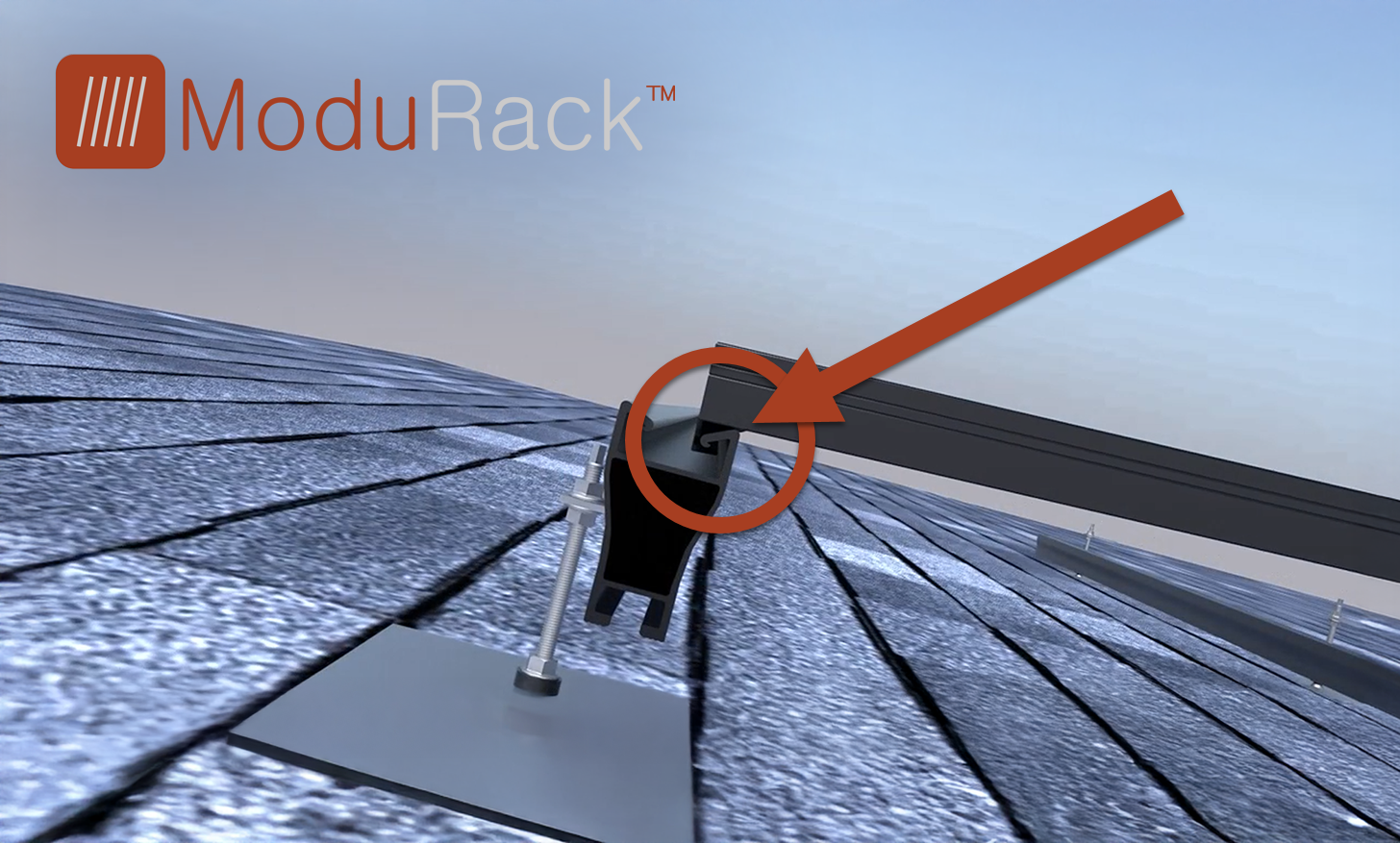
NEW: Ready-to-install solar systems! This patented innovation significantly accelerates your solar construction project
The core of ModuRack 's innovation lies in the departure from conventional clamp fastening. Instead of clamps, the modules are inserted and held in place by a continuous support rail.
More information here:
Your partner for business development in the fields of photovoltaics and construction
From industrial rooftop PV to solar parks and larger solar parking lots
☑️ Our business language is English or German
☑️ NEW: Correspondence in your native language!

Konrad Wolfenstein
I and my team are happy to be available to you as your personal advisor.
You can contact me by filling out the contact form here wolfenstein@xpert.digital:or simply call me at +49 7348 4088 965. My email address is
I'm looking forward to our joint project.