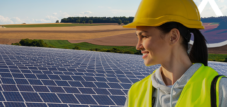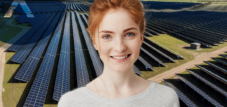
Solar park company in Saxony and Saxony-Anhalt, offering consulting, planning, implementation, construction and installation – Image: Xpert.Digital
From planning to assembly: How solar parks in Saxony and Saxony-Anhalt are driving the energy transition forward
Solar parks have become an important component of renewable energy in Saxony and Saxony-Anhalt. Both states have numerous solar companies specializing in consulting, planning, implementation, construction, and installation of ground-mounted photovoltaic (PV) systems. These companies play a crucial role in the energy transition and make a significant contribution to sustainable energy production.
Solar companies in Saxony and Saxony-Anhalt offer their customers comprehensive consulting services to ensure the optimal use of available land for solar parks. Aspects such as geographical location, land orientation, soil conditions, and potential shading are carefully considered. Through a precise analysis of these factors, the solar companies can provide well-founded recommendations for the optimal placement of photovoltaic systems.
Planning solar parks requires detailed technical expertise. Solar companies ensure that the systems are efficiently sized to maximize the yield from solar energy. They also take local conditions into account, such as the grid's feed-in capacity. Furthermore, they consider the environmental impact and ensure that the solar parks are harmoniously integrated into the landscape.
The implementation of ground-mounted photovoltaic (PV) systems requires close cooperation between solar companies and authorities. The companies ensure that all permits and regulations are properly met to guarantee the smooth realization of the solar parks. They are also responsible for procuring the necessary materials and components to construct high-quality and durable solar power plants.
The construction and installation of the solar parks are carried out by experienced teams with the necessary expertise and equipment. They work according to strict quality standards and ensure that the systems are installed safely and efficiently. Modern installation techniques are used to increase productivity and optimize costs.
The ground-mounted photovoltaic (PV) plants in Saxony and Saxony-Anhalt make a significant contribution to the generation of clean energy. They utilize the natural resource of solar energy to generate electricity for households, businesses, and public institutions. The solar parks reduce greenhouse gas emissions and help to decrease dependence on fossil fuels.
In addition to energy generation, the solar parks offer further advantages. They create jobs in the regions of Saxony and Saxony-Anhalt and boost the local economy. The solar companies are also committed to the training and further education of skilled workers in order to expand expertise in the solar industry.
Solar companies play a significant role in Saxony and Saxony-Anhalt in the development and implementation of ground-mounted and open-field photovoltaic (PV) systems. They contribute to a sustainable energy supply and create economic opportunities in the region. Through their expertise and commitment, they make an important contribution to the energy transition and to reducing the environmental impact of electricity generation.
Plan your solar system for the most common applications conveniently online with our solar system planner!
With our user-friendly solar system planner, you can design your individual solar system online. Whether you need a solar system for your home, your business, or for agricultural purposes, our planner allows you to consider your specific requirements and develop a customized solution.
The planning process is simple and intuitive. You simply enter the relevant information. Our planner takes this information into account and creates a customized solar system that meets your needs. You can try out different options and configurations to find the optimal solar system for your application.
Furthermore, you can save your plan to review it later or share it with others. Our customer service team is also available to answer any questions and provide support to ensure your solar system is optimally planned.
Use our solar system planner to design your individual solar system for the most common applications and accelerate the transition to clean energy. Get started now and take an important step towards sustainability and energy independence!

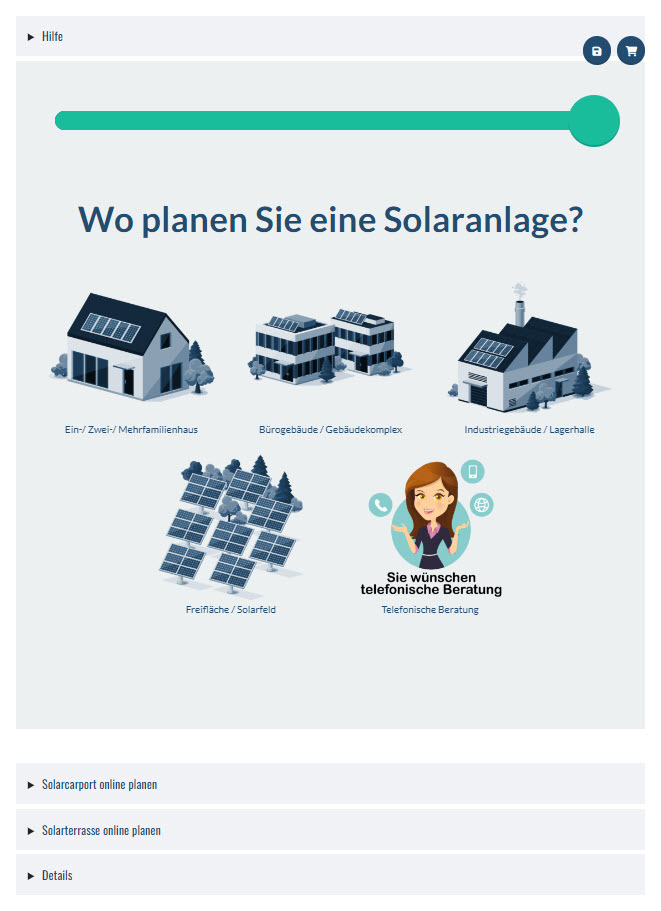
The solar system planner for the most common applications: Plan your solar system online here - Image: Xpert.Digital
More information here:
Solar park company in Saxony and Saxony-Anhalt for PV ground-mounted systems
A revolution in energy production through solar parks
The importance of renewable energies is constantly increasing in our modern world. Solar energy is a particularly effective method for generating clean energy. Solar parks are a key component of the energy transition and offer great potential for a sustainable future. Saxony and Saxony-Anhalt are home to several outstanding solar companies specializing in ground-mounted photovoltaic (PV) systems. This article takes a closer look at the development, advantages, and locations of such solar parks in these two states.
The importance of solar energy today
The use of solar energy has developed rapidly in recent years. More and more people are recognizing the advantages of renewable energies and are relying on solar energy as a sustainable option for energy generation. Compared to conventional energy generation from fossil fuels, solar energy offers numerous advantages.
Why solar energy is a sustainable option
Solar energy is a renewable energy source supplied by the sun. Unlike fossil fuels, which are finite and release climate-damaging emissions when burned, solar energy is virtually inexhaustible and environmentally friendly. By using solar energy, we can reduce our carbon footprint and contribute to combating climate change.
The challenges of conventional energy production
Conventional energy production is primarily based on the combustion of fossil fuels such as coal, oil, and gas. These methods are not only environmentally damaging but also present various challenges. The increasing demand for energy, limited resources, and the associated price increases are making conventional energy production increasingly unprofitable. Furthermore, it burdens our environment and health through air pollution and greenhouse gas emissions.
Ground-mounted PV systems: An efficient solution
PV ground-mounted solar system company in Saxony and Saxony-Anhalt, offering consulting, planning, implementation, construction and installation – Image: Xpert.Digital
Ground-mounted photovoltaic (PV) systems, also known as open-field systems, are a particularly efficient method for generating solar energy. Unlike rooftop systems, which are installed on existing buildings, ground-mounted systems are built on open land.
What are ground-mounted photovoltaic systems?
Ground-mounted photovoltaic (PV) systems consist of solar modules mounted on specially designated areas. These areas can be unused agricultural land, former industrial sites, or purpose-built solar parks. By orienting the solar modules towards the sun, ground-mounted PV systems can achieve maximum solar energy yield.
Why are ground-mounted PV systems more efficient than rooftop systems?
Ground-mounted photovoltaic (PV) systems offer several advantages over rooftop systems. First, they are not dependent on the orientation or tilt of a building, allowing for optimal alignment of the solar panels. Furthermore, ground-mounted systems can utilize larger areas and thus install more solar panels, resulting in higher energy production. Additionally, ground-mounted PV systems can be cooled more effectively, which increases the efficiency of the solar panels.
The advantages of ground-mounted PV systems
Ground-mounted photovoltaic (PV) systems offer numerous advantages. Their high efficiency and larger surface areas allow them to generate significantly more energy compared to rooftop systems. Furthermore, they enable the use of unused agricultural land, thus contributing to sustainable land use. By using ground-mounted PV systems, we can reduce our dependence on fossil fuels and create a clean energy future.
📣 Energy-efficient renovation and new construction, consulting, planning and implementation for industry, retail and municipalities
Our experienced team supports you in optimizing your buildings to reduce energy consumption and promote sustainable energy use with photovoltaics. We analyze your individual needs and develop customized concepts that are both economically and ecologically sound. Whether it's the energy-efficient renovation of existing buildings or the construction of new, energy-efficient structures, we are here to help. Industrial plants, retail buildings, and municipal facilities can reduce their energy costs, minimize their environmental impact, and simultaneously improve the comfort and efficiency of their buildings with our tailored solutions.
👨🏻 👩🏻 👴🏻 👵🏻 Energy-efficient renovation and new construction, consulting, planning and implementation for private households
We offer comprehensive support for private households in the energy-efficient renovation and new construction of buildings with photovoltaics. Our experienced team is at your side to assist you with consulting, planning, and implementing your sustainable energy solutions. We analyze your energy consumption, identify potential savings, and develop customized concepts to improve your energy efficiency. From improving building insulation and installing energy-efficient windows and doors to installing photovoltaic and solar thermal systems – we guide you step by step to make your home more energy-efficient and environmentally friendly. Trust in our expertise and benefit from the numerous advantages that energy-efficient renovation and the use of renewable energies offer. Together, we'll create a sustainable future for your home.
FAQs (Frequently Asked Questions)
Solar parks, and especially ground-mounted photovoltaic (PV) systems, play a crucial role in the transition to renewable energies. Solar companies in Saxony and Saxony-Anhalt, with their innovative strength and expertise, have contributed to making the region a major center for solar energy. The development of solar parks in these two states not only offers economic and environmental benefits but also represents an important step towards a sustainable and climate-friendly future.
How does a solar park work?
A solar park consists of a large number of solar panels that convert sunlight into electrical energy. The solar panels are arranged in rows and connected to each other by cables. The energy generated is converted into alternating current and fed into the power grid.
How large is a typical solar park?
The size of a solar park can vary greatly. Some solar parks are only a few hectares in size, while others cover several hundred hectares. The size depends on various factors, such as the available land and the planned capacity of the solar park.
What impact does a solar park have on the environment?
Solar parks have a significantly lower environmental impact compared to conventional energy generation methods. They produce no direct emissions and therefore do not contribute to air pollution or the greenhouse effect. However, the construction of a solar park can have temporary environmental impacts, such as the clearing of trees or changes to the landscape.
How long does it take for a solar park to become profitable?
The profitability of a solar park depends on various factors, such as investment costs, electricity prices, and government subsidies. The amortization period for a solar park is typically between 7 and 12 years.
Can a solar park also generate electricity at night?
Solar parks generate electricity exclusively during the day when sunlight is available. At night or in poor weather conditions, when there is no sunlight, no electricity is produced. To ensure a continuous power supply, solar parks are often combined with other energy generation systems such as battery storage or conventional power plants.
What factors influence the performance of a solar power system?
The performance of a solar power system can be influenced by several factors, including solar irradiance, the tilt angle of the solar modules, the orientation to the sun, and shading.
Are solar parks only useful in sunny regions?
Although solar parks benefit from high levels of sunshine, they can also be profitable in regions with moderate sunshine. The efficiency of the solar modules and the size of the installation play an important role.
How long does it take for a solar power system to pay for itself?
The payback period for a solar power system can vary depending on the system size, location, solar irradiance, and local electricity prices. It typically ranges between 5 and 10 years.
What happens to a solar power system in bad weather?
A solar power system can generate electricity even in cloudy weather, although the output may be reduced. However, power generation can be impaired during prolonged darkness or heavy rain.
How are solar power systems maintained?
Solar power systems generally require minimal maintenance. Regular cleaning of the solar panels and checking of the electrical components are recommended to maintain the system's efficiency and performance.
What is the difference between a solar park, a ground-mounted PV system, a solar open-field system, and a solar field?
The use of renewable energies is becoming increasingly important today. Among the various renewable energy sources, solar energy holds a special place. However, there are different types of solar energy systems that are often confused with one another. In this article, we will clarify the differences between a solar park, a ground-mounted PV system, a solar open-field system, and a solar field, and highlight their respective characteristics, functions, and applications.
What is a solar park?
A solar park is a large-scale facility for generating electricity from solar energy. It consists of numerous solar panels installed over a large area. A solar park can comprise hundreds or even thousands of solar modules, all interconnected to generate electricity. A solar park is typically built in a location that receives sufficient sunlight to ensure high energy production.
Advantages of a solar park
The advantages of a solar park lie in its size and scalability. By installing a large number of solar panels, a solar park can generate significant amounts of solar energy. This contributes to reducing dependence on fossil fuels and lessens the environmental impact of conventional power generation. Solar parks are also flexible in terms of their application and can be used in both rural and urban areas.
What is a ground-mounted photovoltaic system?
A ground-mounted photovoltaic (PV) system is a solar energy system where solar modules are installed in open terrain. Unlike a solar park, a ground-mounted PV system is often a smaller system designed for self-consumption or for connection to the electricity grid.
Advantages of a ground-mounted PV system
Ground-mounted photovoltaic (PV) systems offer similar advantages to solar parks, but are generally smaller and easier to install. They are well-suited for agricultural land or other undeveloped areas. A ground-mounted PV system can help increase self-consumption of solar power and reduce the need for conventional power generation.
What is a solar open-field system?
A ground-mounted solar power plant is a solar energy system where solar modules are installed in open terrain. Unlike a solar park or a ground-mounted PV system, ground-mounted solar power plants often place emphasis on integration into the surrounding landscape.
Advantages of a solar open-field system
A ground-mounted solar power plant offers similar advantages to a solar park or a ground-mounted PV system. However, it can also offer aesthetic benefits, as the surrounding environment is taken into account during the planning and design of the plant. Ground-mounted solar power plants can be used in urban and rural areas and contribute to the local energy supply.
What is a solar field?
A solar field is a collective term for larger areas where solar modules are installed for electricity generation. The term "solar field" can be used for various types of solar energy installations, including solar parks, ground-mounted PV systems, and open-field solar installations.
Application areas of solar parks, PV ground-mounted systems, solar open-field systems and solar fields
Solar parks, ground-mounted photovoltaic (PV) systems, solar open-field installations, and solar fields are used in a variety of applications. They can supply electricity to private households, businesses, industrial areas, and public facilities. Furthermore, they can also be used to support agricultural operations, water treatment plants, or other infrastructure projects. The potential applications are diverse and depend on the specific requirements and local conditions.
Environmental impact
Solar parks, ground-mounted photovoltaic (PV) systems, and solar farms have a positive impact on the environment compared to conventional methods of electricity generation. They utilize a renewable energy source that produces no harmful emissions. By using solar energy, CO2 emissions are reduced and climate change is combated. Furthermore, solar energy systems can help reduce the consumption of water and other natural resources, as they do not require a continuous supply of fuel.
Economic aspects
Solar parks, ground-mounted PV systems, and solar fields also offer economic advantages. They create jobs in the solar industry and contribute to economic development. By installing solar energy systems, businesses and individuals can reduce their energy costs and save money in the long run. Furthermore, solar energy systems can decrease dependence on imported energy sources and increase energy security.
The future of solar power plants
The future of solar power looks promising. Advances in solar technology will continue to reduce the cost of solar modules while increasing efficiency and output. This will promote the widespread adoption of solar power and make it an even more attractive option for electricity generation. The expansion of solar energy will help accelerate the transition to a sustainable and low-carbon energy supply.
➡️ There are distinct differences between a solar park, a ground-mounted PV system, a solar open-field system, and a solar field. Each of these solar energy installations has its own characteristics, functions, and applications. Solar parks are large and designed for electricity generation, while ground-mounted PV systems and solar open-field systems are often smaller and used for self-consumption or grid feed-in. A solar field is a generic term encompassing various types of solar energy installations. Despite the differences, all these installations share the common feature of using solar modules to generate electricity from solar energy and contributing to reducing the environmental impact of conventional power generation.
Differences and similarities
Differences between solar park, PV ground-mounted system, solar open-field system and solar field
The main difference between a solar park, a ground-mounted PV system, a ground-mounted solar array, and a solar field lies in their size, installation, and use. A solar park is generally larger than a ground-mounted PV system or a ground-mounted solar array and is specifically designed for generating electricity from solar energy. A ground-mounted PV system often serves for self-consumption or feeding electricity into the grid. A ground-mounted solar array can fulfill similar functions but places particular emphasis on integration into the landscape. A solar field is a generic term encompassing various types of solar energy installations.
Similarities between solar park, PV ground-mounted plant, solar open-field plant and solar field
Although there are differences between the various types of solar energy systems, they also share some commonalities. All of these systems use solar panels to generate electricity from solar energy. They contribute to reducing dependence on fossil fuels and minimizing environmental impact. Furthermore, they can be deployed in diverse environments to generate renewable energy and contribute to local energy supply.
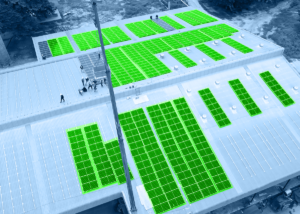
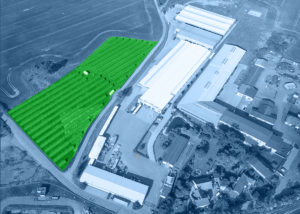

- Planning photovoltaics on warehouses, commercial buildings and industrial buildings
- Industrial plant: Planning a photovoltaic open-field system or open-area system
- Planning solar power systems with photovoltaic solutions for freight forwarding companies and contract logistics
- B2B Solar Systems and Photovoltaic Solutions & Consulting
Xpert.Solar offers you an individual solar system solution, expert advice, and installation

Konrad Wolfenstein
I would be happy to serve as your personal advisor.
You can contact me by filling out the contact form below or simply call me on +49 7348 4088 965 .
I'm looking forward to our joint project.
Write to me



Xpert.Digital – Konrad Wolfenstein
Xpert.Digital is a hub for industry focusing on digitalization, mechanical engineering, logistics/intralogistics and photovoltaics.
With our 360° Business Development solution, we support renowned companies from new business to after-sales.
Market intelligence, smarketing, marketing automation, content development, PR, mail campaigns, personalized social media and lead nurturing are part of our digital tools.
You can find more information at: www.xpert.digital – www.xpert.solar – www.xpert.plus
Keep in touch