
Published on: November 10, 2024 / Updated on: November 10, 2024 – Author: Konrad Wolfenstein
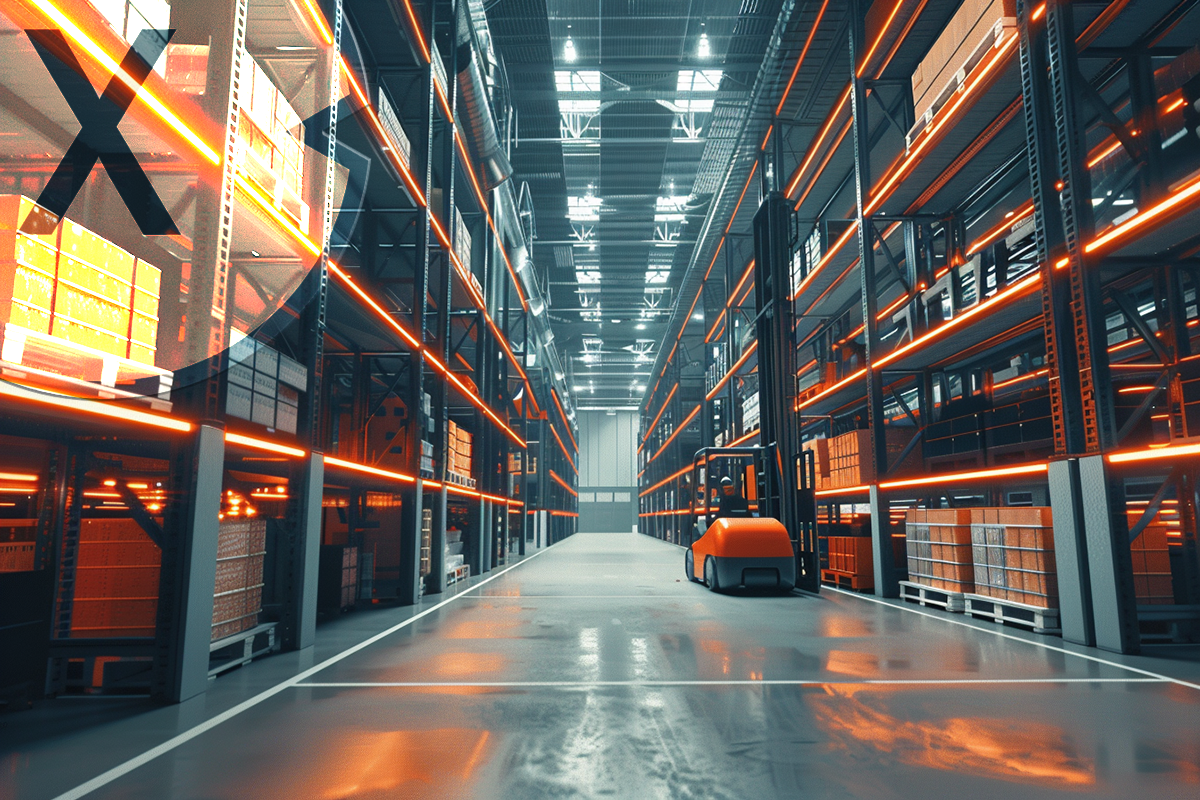
What is intralogistics and why is it so important for SMEs? The advantages of automation – Image: Xpert.Digital
Efficient intralogistics: Automation solutions for small and medium-sized enterprises
In today's business world, the logistics industry faces significant challenges. On the one hand, the need for fast and flexible supply chains is growing, while on the other hand, the demands for efficiency and precision are increasing. Optimizing internal logistics processes is particularly crucial for small and medium-sized enterprises (SMEs), as they often operate with limited resources and therefore rely on cost-effective yet high-performance solutions. In this context, the automation of intralogistics is gaining importance and opens up new opportunities, especially for SMEs, to sustainably improve the efficiency and profitability of their operations.
What is intralogistics and why is it so important for SMEs?
Intralogistics encompasses all logistical processes within a company that relate to the transport, storage, and handling of goods. The importance of intralogistics lies primarily in its role as a link between different departments, processes, and systems. Optimized intralogistics can reduce operating costs, shorten lead times, and increase overall productivity.
For small and medium-sized enterprises (SMEs), efficient intralogistics offers the opportunity to increase their competitiveness while conserving resources. Automation solutions can play a key role here, helping companies standardize recurring tasks, minimize errors, and maximize operational efficiency. The challenge, however, lies in finding automation solutions that are flexible, cost-effective, and meet the specific needs of SMEs.
Advantages of automation in intralogistics
Automation technologies offer SMEs numerous advantages that extend far beyond simply streamlining workflows. One of the most significant achievements of automation is the reduction of manual labor, which not only lowers costs but also minimizes potential sources of error. Intralogistics automation can be implemented in various areas, from warehousing and internal material flow to order picking and packing.
1. Increased efficiency
Automated systems enable the precise and rapid movement of large quantities of goods. The introduction of automated conveyor systems, storage and retrieval machines, and picking robots can accelerate processes and simultaneously reduce costs. This optimizes waiting times and warehouse movements, which in turn improves material flow.
2. Error minimization
Manual errors in intralogistics can have costly consequences, especially in order picking and packing. Automated systems can operate with high precision and virtually eliminate human error. For example, the use of RFID systems or automatic scanners allows shipments to be tracked reliably and quickly, thereby reducing errors in inventory and delivery.
3. Cost savings
Even though the initial investments in automation technology often seem high, these costs are usually quickly recouped through efficiency gains. Reduced labor costs, improved productivity, and lower error rates ensure that automation can lead to significant savings in the long run. Furthermore, automated systems are often more energy-efficient, further reducing operating costs.
4. Scalability
Another advantage is the ability to scale. Automation solutions can often be flexibly adapted to the company's needs. Whether requirements increase or vary seasonally, a well-implemented automated system can be expanded or adapted without significant effort to meet current demands.
Challenges in implementing automation solutions
Despite its advantages, the automation of intralogistics also presents challenges. Investment costs are often high, and careful planning and coordination are necessary to ensure that the solutions meet the company's needs. For small and medium-sized enterprises (SMEs) in particular, the technological and financial investment can be a significant obstacle.
1. High initial investments
The costs of acquiring and implementing automated systems represent a significant hurdle for many SMEs. Financing such projects therefore requires careful planning. Subsidies or leasing models can help lower the investment barrier and increase the cost-effectiveness of such measures.
2. Integration into existing systems
Another challenge lies in integrating automated systems into existing processes and structures. Adapting and modifying existing systems is often time-consuming and costly. Here, it is important to rely on flexible and modular systems that can be more easily integrated into existing infrastructures.
3. Employee training
The introduction of new technologies also requires appropriate employee training. The workforce must be familiarized with the new systems to ensure smooth operation and to fully exploit the potential of automation. This requires investment in further training, which often poses a challenge for SMEs.
4. Security and data protection
In an automated environment, security and data protection play an increasingly important role. Networked systems and the use of digital technologies make companies more vulnerable to cyberattacks. Therefore, security protocols and data protection measures must be strengthened to protect sensitive company data.
Automation technologies for intralogistics: An overview
Various technologies help SMEs to make their intralogistics more efficient. Among the most important are automated guided vehicles (AGVs), robotics and automation in the warehouse, and innovative software solutions for inventory and warehouse management.
1. Automated Guided Vehicles (AGVs)
These systems operate without human drivers and transport goods autonomously through the warehouse. Especially in large logistics halls, AGVs are an efficient solution for faster and more cost-effective transport. They help to increase productivity and optimize internal material flow.
2. Robotics and Automation in the Warehouse
In modern warehouses, robots are increasingly taking over tasks such as picking, sorting, and packing goods. These robots are able to perform repetitive tasks faster and more accurately than humans, relieving employees of physically demanding duties. This allows companies not only to reduce error rates but also to increase productivity and employee satisfaction.
3. Software solutions for inventory and warehouse management
A modern warehouse management system (WMS) can simplify the overview of inventory and storage locations. Real-time data on stock levels and optimized warehouse space organization help avoid bottlenecks and overstocking. Modern software solutions also offer analytics functions that enable companies to continuously monitor and improve their logistics processes.
4. IoT and Smart Logistics
The Internet of Things (IoT) enables the digital networking and real-time monitoring of physical objects. Intelligent sensors on machines, transport vehicles, and storage units facilitate comprehensive data analysis and help optimize material flow. IoT solutions can help SMEs identify failures and bottlenecks early and respond more quickly.
Suitable for:
Strategies for the successful implementation of automation solutions in SMEs
Introducing automation in SMEs requires a well-thought-out strategy tailored to the company's individual needs. Clear planning and a phased approach can help to successfully integrate automation.
1. Needs analysis and planning
Before implementing an automation solution, operational requirements and objectives should be precisely determined. A comprehensive analysis of existing processes and infrastructure helps identify the areas where automation offers the greatest potential for improvement.
2. Step-by-step implementation
Automation is often costly and complex. Therefore, a phased implementation is recommended. By initially automating individual subprocesses, companies can test how the new systems affect the overall workflow and make adjustments before making further investments.
3. Involve and train employees
Successful automation depends heavily on employee acceptance. Employee training and involvement in the change process are crucial to reducing resistance and maximizing automation efficiency. Only when the workforce understands and accepts the systems can their full potential be realized.
4. Choose flexible and scalable systems
Especially for SMEs, it is important to rely on flexible and scalable solutions that can grow with the company. A modular automation solution makes it possible to expand the systems as needed without requiring major restructuring.
5. Consider sustainability and environmental aspects
Sustainability is becoming increasingly important in many industries. Intralogistics, too, sustainable benefits can be achieved through energy-efficient systems and resource-saving processes. Efficient automation not only contributes to reducing operating costs but also supports the company's environmental goals.
Automation as the key to greater efficiency and competitiveness
Automating intralogistics offers small and medium-sized enterprises (SMEs) a multitude of opportunities to increase efficiency, reduce costs, and enhance their competitiveness. Through careful planning, employee involvement, and the selection of suitable, scalable systems, SMEs can successfully overcome the challenges of automation and reap long-term benefits. Automation is not a replacement for human labor, but rather a complement that enables companies to optimize their resources and strengthen their market position.
Suitable for: