

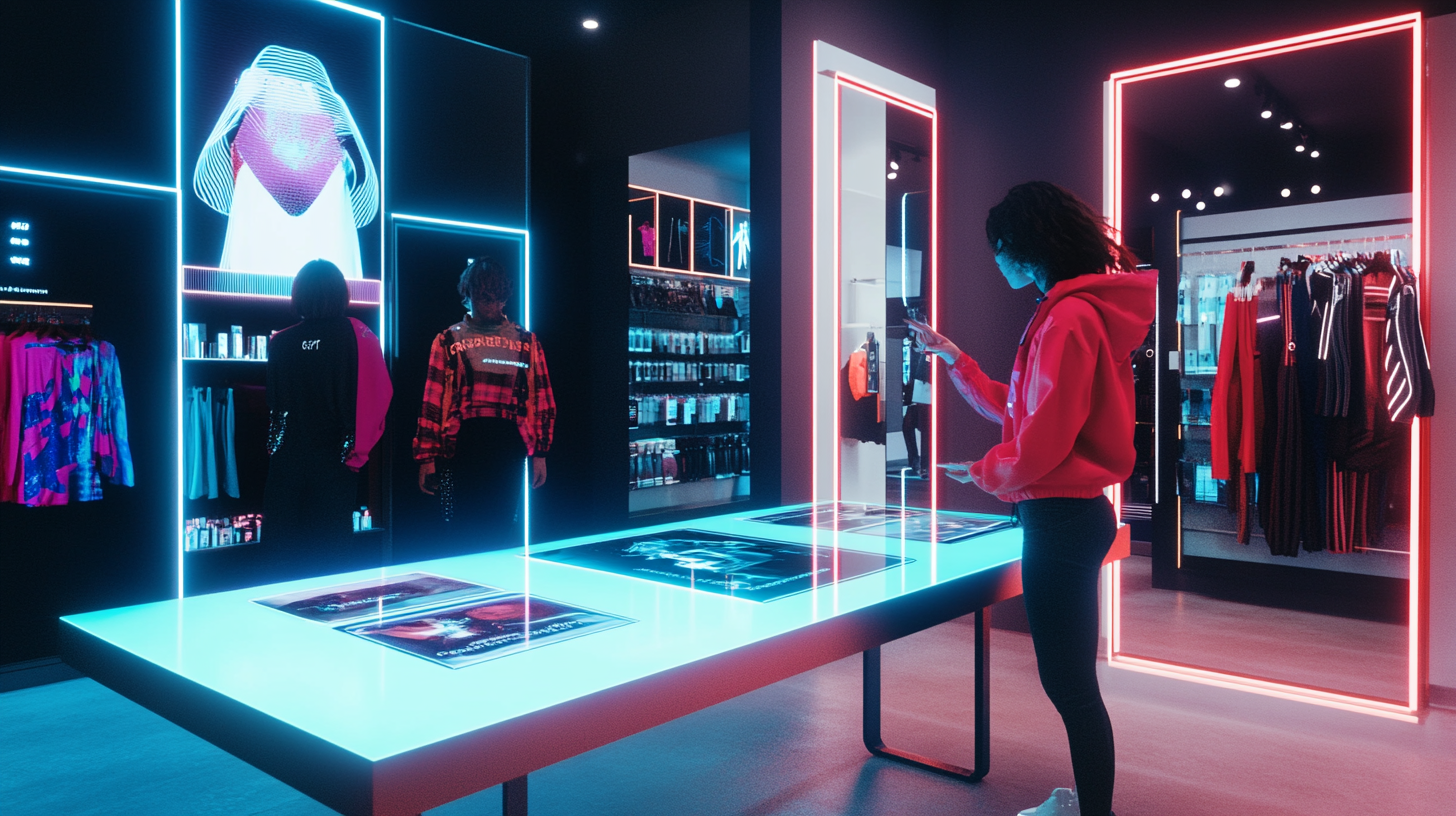
Smart Retail: How interactive displays and touchscreens are further developing sales promotion in retail – Image: Xpert.Digital
Customer Experience 2.0: Why Touchscreens Are the Future of Retail
Innovative change in retail: Interactive displays as a success factor
In an increasingly digital world, the retail sector is changing rapidly. Customers expect more than just a simple shopping experience – they are looking for convenience, innovation, and personalization. Interactive displays and touchscreens have emerged as key elements in meeting these expectations. They enrich the shopping experience, strengthen customer loyalty, and sustainably boost sales. But how exactly does this work, and what opportunities does it create for brick-and-mortar retailers?
Related to this:
Advantages of interactive displays in retail
1. More intensive customer engagement and tailored experiences
Interactive displays offer the opportunity to present products in a captivating and innovative way. For example, customers can use touchscreens to discover personalized offers based on their previous purchasing behavior. Furthermore, interactive product configurators allow customers to customize items to their own preferences, creating a stronger emotional connection to the product. This level of personalization not only sparks interest but can also significantly increase the likelihood of a purchase.
For example, in a fashion store, customers can use a virtual mirror to "try on" clothes without having to enter the fitting room. This experience saves time and adds a playful element that enhances the shopping trip.
2. Promoting impulse purchases
Moving images, dynamic animations, and interactive elements are real eye-catchers. They not only attract attention but also stimulate impulsive purchasing decisions. Especially at the point of sale (POS), strategically placed content can encourage spontaneous purchases by appealing to emotions or highlighting time-limited offers.
For example, displays placed directly next to the checkouts could advertise small, inexpensive add-ons with the message "Get it now – today only!". Such measures are particularly effective in increasing the average shopping cart value.
3. Improving the shopping experience
Retailers using interactive displays create a seamless and enjoyable shopping experience. From product information and ordering options to virtual try-ons, these technologies make shopping not only easier but also more entertaining. At the same time, they help reduce waiting times. For example, customers can check an item's availability directly on the display or order it online if it's not in stock.
4. Promoting brand loyalty
A creative and personalized shopping experience strengthens customers' emotional connection to the brand. Interactive displays can help communicate a brand's values and vision in an original way. Customers feel valued when they enjoy a unique experience tailored specifically to their needs.
For example, a brand that focuses on sustainability can provide interactive content that shows a product's journey from manufacturer to store. Such transparency builds trust and increases loyalty.
5. Data as the key to optimization
Interactive displays capture valuable data about customer behavior. This information—such as which products were viewed or configured most frequently—can be used to refine marketing strategies and tailor future content more effectively. By analyzing this data, retailers gain a deeper understanding of their customers' needs and preferences.
Versatile applications of interactive displays
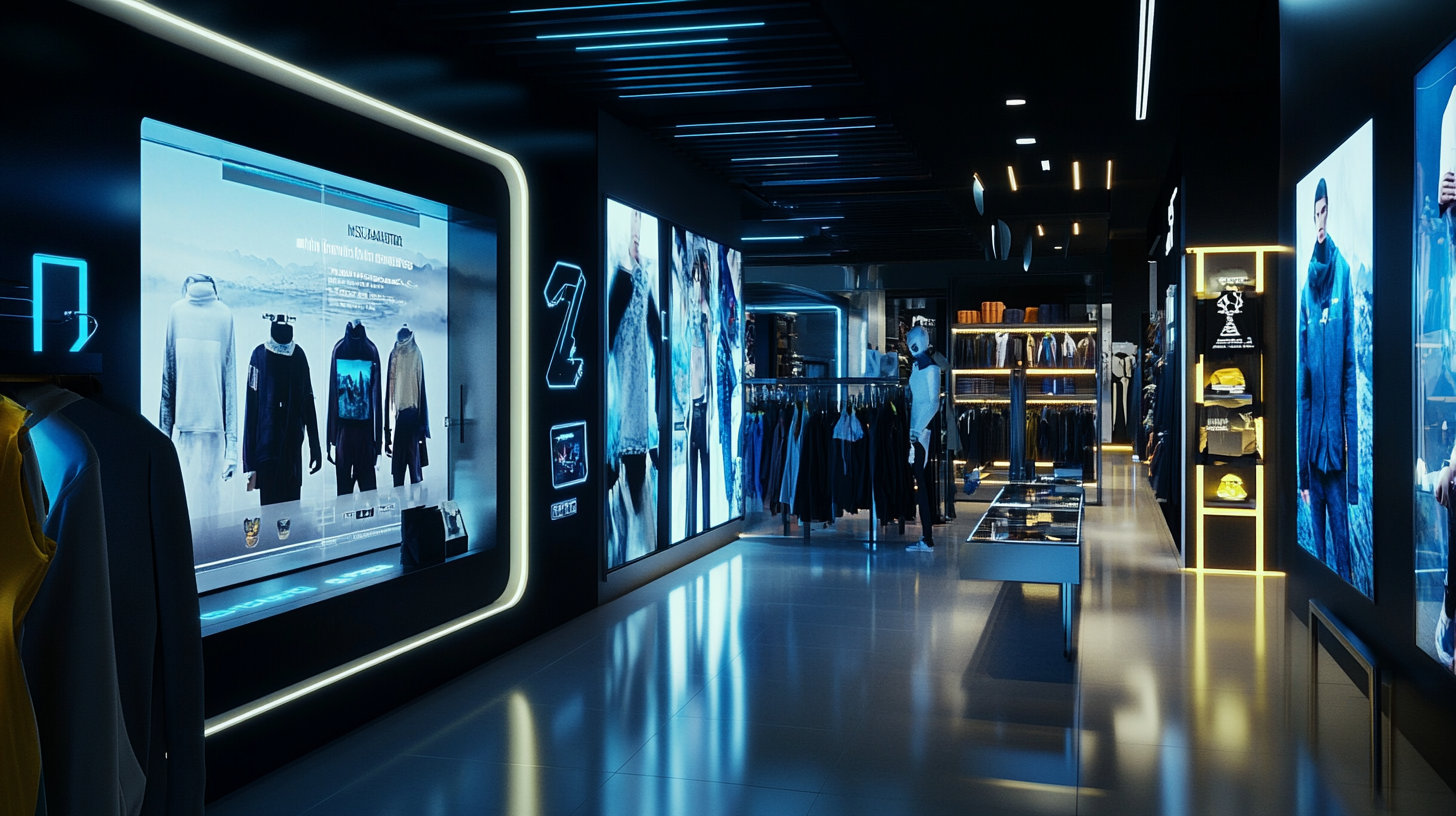
Delighting customers: Interactive displays for customized product presentations - Image: Xpert.Digital
1. Virtual product presentation and customization
Customers can experience products digitally and customize them. This is particularly advantageous in industries such as furniture, fashion, or automotive. For example, customers in a furniture store can use a tablet to view a sofa in different colors or with various fabrics, thus making the best choice.
2. Integration of Social Media
Social walls or other forms of social media integration allow customers to share their experiences directly. Photos or reviews can be displayed on in-store screens, which not only increases brand awareness but also builds trust. Studies show that customers often trust other customers more than traditional advertising messages.
3. Purchase support through digital sales assistants
Displays can assist sales staff by guiding customers through the decision-making process. This is particularly helpful in sectors like electronics or household appliances, where customers often require specific information. An interactive screen could answer questions such as, "What are the differences between these two washing machine models?"
4. Attractive promotions
Whether it's contests, discounts, or special offers – interactive displays make advertising tangible and engaging. One possible application would be a wheel of fortune on a touchscreen where customers can win prizes or discounts. Such promotions add a playful element and increase the time customers spend in the store.
5. Immersive virtual experiences
Technologies like VR and LED walls create unique shopping experiences. A travel agency, for example, could offer virtual tours of popular destinations to convince customers to book their next vacation. Such immersive approaches leave a lasting impression and make the shopping experience unforgettable.
The perfect combination: e-commerce and brick-and-mortar retail
Interactive displays bridge the gap between the advantages of e-commerce and the traditional shopping experience. While online shopping scores points with convenience and a wide product selection, brick-and-mortar stores offer the opportunity to physically experience products. Interactive technologies combine these strengths and create a hybrid approach.
For example, a customer could reserve a product online and pick it up or further customize it at an interactive kiosk in the store. This seamless transition between channels strengthens customer loyalty and increases efficiency.
The future of retail with interactive displays
The introduction of interactive displays in retail is more than just a trend – it's a necessity for survival in a highly competitive industry. They allow retailers not only to optimize sales promotions but also to create a unique and memorable customer experience. Investing in such technologies pays off in the long run, as it increases both customer satisfaction and sales.
"In a world where innovation makes the difference, interactive displays are the key to differentiation in retail." This quote highlights the importance of standing out from the crowd as a brand – not only through the products, but also through the experience offered to customers.
The retail sector of tomorrow is interactive, digital, and customer-centric. Let's seize the opportunities available today to shape the future.
Related to this: