Sector coupling is a key element of the energy transition – Image: Xpert.Digital
🌍✨ Sector coupling: The path to a sustainable future
🔄🌐 Networked Power: The Paradigm Shift Through Sector Coupling in Energy Generation
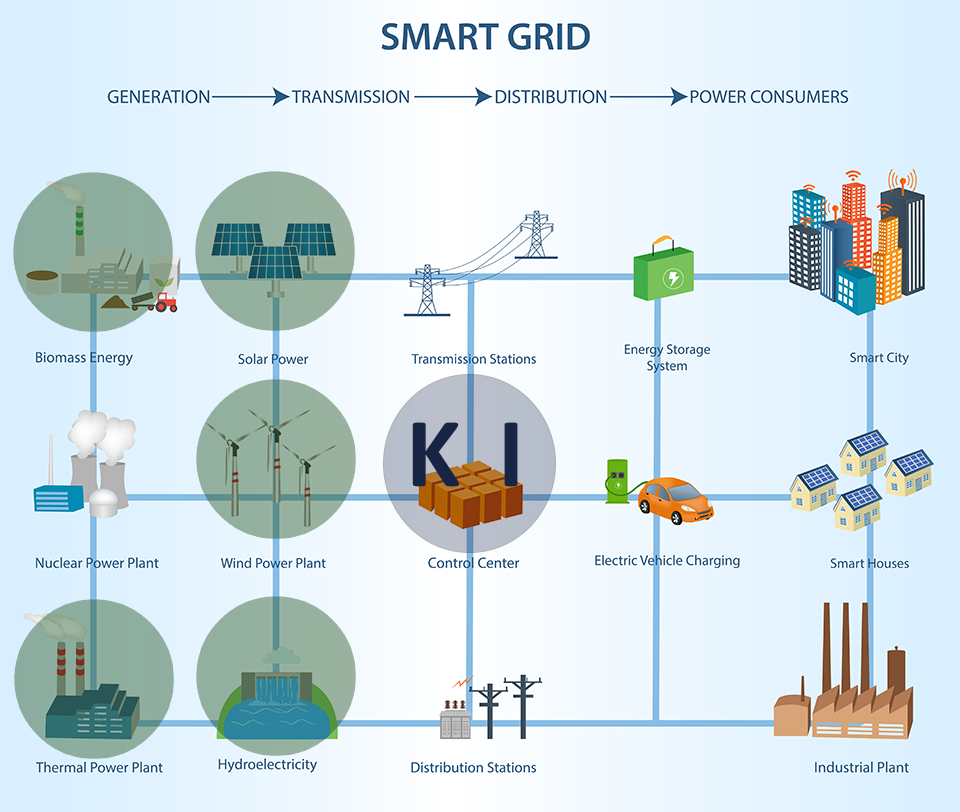
In today's world, where the urgency of combating climate change is becoming increasingly evident, sector coupling is emerging as a key pillar of a comprehensive energy transition. This strategic networking – the intelligent integration of energy sectors such as electricity, heat, industry, and transport, as well as the use of innovative technologies like photovoltaics, hydrogen, wind power, district heating networks, energy storage, electromobility, and, last but not least, artificial intelligence in smart grids – marks a turning point towards a more sustainable, lower-emission energy system.
The necessity of this transformation arises from a growing global consensus that replacing fossil-based energy sources with renewable alternatives is essential to significantly reduce humanity's ecological footprint. This paradigm shift must be neither rushed nor underestimated.
🌱 The role of sector coupling in the energy transition
The energy transition, which requires a comprehensive restructuring and decarbonization of the existing energy system, has broadened from its initial focus on the electricity sector to a holistic approach. In this context, sector coupling is proving to be a critical lever for success. It is no longer just about meeting energy demand with renewable sources, but also about ensuring the flexible and efficient integration and use of this energy across different sectors.
The use of green hydrogen, produced through the electrolysis of water using electricity from renewable energy sources, exemplifies the ambition to bridge previously isolated energy systems. This hydrogen can serve as a fuel for industrial processes, in the transportation sector, and for energy storage and transport. Furthermore, power-to-X technologies offer transformative pathways to convert renewable energy into various energy forms such as ammonia, methanol, or synthetic fuels, thus making it more widely usable.
💡 Integration through smart networks and storage solutions
One of the biggest challenges in a system dominated by renewable energies is its inherent volatility. Wind and solar power, as primary energy sources, are subject to natural fluctuations that make a continuous energy supply difficult. This is where smart grids come into play, using artificial intelligence to create precise forecasts of energy demand and supply, thus enabling efficient energy exchange between sectors. Furthermore, innovative storage solutions – from battery storage and thermal storage to power-to-gas plants – provide an essential buffer function, storing surplus energy and releasing it when needed.
🚗 Electromobility as a cornerstone of the transport revolution
In the transport sector, one of the main sources of carbon dioxide emissions, electromobility plays a central role in reducing the ecological footprint. The integration of electric vehicles exemplifies the connection between mobility and the energy sector. These vehicles not only function as emission-free means of transport, but can also serve as decentralized storage units in a smart, networked energy system, absorbing surplus energy and feeding it back into the grid when needed.
🌍 The economic and social dimensions of sector coupling
Beyond technological feasibility and ecological necessity, the energy transition also has a socio-economic component. The creation of sustainable, future-proof jobs in renewable energy, grid infrastructure, and innovative mobility solutions is just as important as social justice and the prevention of energy poverty. The decentralized availability of renewable energy and the use of smart technologies will allow rural and structurally weak regions to benefit and make an active contribution to the energy transition.
⚙️ Strategic networking
The integration of different energy sectors through sector coupling is undoubtedly one of the keys to achieving a comprehensive energy transition. However, this strategic networking requires not only innovative technological solutions and political decisions, but also a shift in societal thinking. The transformation of the energy system is a collective task that affects everyone and to which everyone can contribute.
Sector coupling is the key element for the transformation of the energy system from fossil fuels to renewables – Norman Gerhardt, Head of the Energy Economics and Systems Analysis Research Focus at the Fraunhofer Institute
It is time to set the course for the future and to implement a sustainable, resilient and inclusive energy system that meets the demands of the 21st century.
📣 Similar topics
- 🌍 Rethinking the Future: Sector coupling as the key to sustainability
- 💡 Innovations for the energy of the future: Photovoltaics, hydrogen & more
- 🔄 Transformative technologies: How smart grids are driving the energy transition
- 🚗 On the road to green mobility: The role of electromobility in the energy transition
- ☀️ From sun to electricity: Photovoltaics in the age of sector coupling
- 💨 Wind power: An inexhaustible energy source for the connected future
- 💧 Green hydrogen: Bridging the gap between industry, mobility and energy
- 🔋 Innovative storage solutions: The invisible heroes of the energy transition
- 🌿 For a green tomorrow: Social and economic perspectives of the energy transition
- ⚙️ Together for the future: The societal dimension of sector coupling
#️⃣ Hashtags: #SectorCoupling #EnergyTransition #Sustainability #GreenTechnologies #FutureEnergies
📌 More related topics







🌐 Smart Grid: 🤖 Artificial Intelligence in the Renewable Energy Sector

Artificial intelligence in the field of renewable energies – @shutterstock | monicaodo
While centralized power generation has dominated electricity grids to date, the trend is shifting towards decentralized generation facilities. This is particularly true for renewable energy sources such as photovoltaic systems, solar thermal power plants, wind turbines, and biogas plants. This leads to a significantly more complex structure, primarily in the areas of load control, voltage regulation in the distribution network, and maintaining grid stability. Smaller, decentralized generation facilities, unlike medium to large power plants, also feed directly into lower voltage levels such as the low-voltage or medium-voltage networks.
More information here:
🎯🎯🎯 Benefit from Xpert.Digital's extensive, five-fold expertise in one comprehensive service package | BD, R&D, XR, PR & Digital Visibility Optimization


Benefit from Xpert.Digital's extensive, five-fold expertise in a comprehensive service package | R&D, XR, PR & Digital Visibility Optimization - Image: Xpert.Digital
Xpert.Digital possesses in-depth knowledge across various industries. This allows us to develop tailored strategies precisely aligned with the requirements and challenges of your specific market segment. By continuously analyzing market trends and monitoring industry developments, we can act proactively and offer innovative solutions. The combination of experience and expertise generates added value and provides our clients with a decisive competitive advantage.
More information here:
🌞 German companies and the development of photovoltaics
Sector coupling is a strategy to offer an ecosystem of products and solutions that optimizes the use of renewable energies in all areas of life and drives the energy transition.
🔄 Under the microscope: Sector coupling and sustainable energy concepts
German companies in the photovoltaic sector have strongly focused their activities and products on sector coupling and the integration of renewable energies into various areas of life and the economy. Sector coupling refers to the interaction of different energy sectors such as electricity, heat, and mobility with the aim of using energy more efficiently and making the overall energy supply more sustainable.
🌱 Key aspects of sector coupling:
1. ⚡ Photovoltaic systems
High-quality solar panel systems are now known for their ability to generate green electricity in both private households and industry. These systems form the basis for a decentralized and renewable energy supply, allowing users to make a direct contribution to the energy transition.
2. 🔋 Storage solutions
To fully utilize the potential of photovoltaics, various storage solutions have been developed that increase energy efficiency. These battery storage systems make it possible to store the solar power produced during the day and use it at a later time, thus reducing dependence on the public power grid and ensuring a more stable and self-sufficient energy supply.
3. 🌐 Energy management systems
Intelligent control and management of energy flows within a household or business are crucial for maximizing efficiency. German companies offer solutions that network and optimize various energy sources and consumers, for example by maximizing self-consumption of solar power and minimizing the need for external energy sources.
4. 🚗 E-mobility
Another important sector is mobility. In Germany, several products and solutions enable the integration of electric vehicles into the home energy management system. This can be achieved, among other things, through smart charging stations connected to the household storage system and the photovoltaic system, allowing for optimized use of self-generated solar power for charging electric vehicles.
🔑⚡ Sector coupling: Key to the energy transition
🔌🔄 Sector coupling is a term that repeatedly comes up in discussions about the energy transition. But what exactly does it mean, and why does it play such a crucial role in the endeavor to achieve a sustainable energy supply? These questions are central if we want to tackle the challenges of climate change and create a more environmentally friendly future.
🔗 The importance of sector coupling
The importance of sector coupling stems from the need to link different energy consumption sectors – such as transport, industry, heating and cooling, and electricity generation. This linkage enables the exchange and optimal use of energy between sectors. In this way, surplus energy produced in one sector can be efficiently used in another, instead of going unused. This is particularly important given the increasing feed-in of volatile renewable energy sources such as wind and solar power.
💡 Challenges and solutions
One of the biggest challenges of the energy transition is ensuring a reliable energy supply at all times and under all conditions. Renewable energies depend on weather conditions and are therefore not always available when demand is highest. Sector coupling offers innovative solutions here: energy can be stored, for example, in the form of heat, hydropower, or batteries, and then released when needed. This helps to balance fluctuations in the energy supply and contributes to a stable and secure energy supply.
✅ Increased efficiency and reduced emissions
Another important point is efficiency. By combining different energy systems and leveraging synergies between sectors, resources can be used more efficiently and emissions reduced. For example, waste heat from industrial processes can be used to heat residential areas, reducing the need for additional energy production and thus leading to a reduction in overall emissions.
🌍 Integration of renewable energies
Furthermore, sector coupling enables the integration of a higher share of renewable energies into the overall system. For example, by using surplus solar or wind-based energy to produce hydrogen, it can serve as an energy-rich carrier for sectors that are difficult to electrify, such as heavy-duty transport or steel production. This green hydrogen can play a key role in the decarbonized economy of the future.
🛠️ Technology and Investments
However, achieving successful sector coupling also requires substantial investments and innovative technologies. Digital technologies play a crucial role, as they enable efficient monitoring, control, and optimization of energy flows between sectors. Intelligently networked systems can balance supply and demand in real time, thereby maximizing energy efficiency.
📈 Political framework and social engagement
Furthermore, a political framework is needed that supports the transformation of the energy infrastructure and creates incentives for investment in renewable energies and innovative technologies. Regulation must be designed to promote the use of renewable energies while simultaneously increasing market flexibility to facilitate the integration of different energy sources into the overall system.
The transformation to a climate-neutral society is one of the greatest challenges of our time. Sector coupling is a key concept in this process, not only increasing the efficiency of energy supply and reducing emissions, but also laying the foundation for the comprehensive use of renewable energies. This approach makes a significant contribution to reducing dependence on fossil fuels and paving the way for a sustainable, climate-friendly economy.
To fully exploit the potential of sector coupling, a joint commitment from policymakers, businesses, and society is essential. By promoting research and development, creating incentives for renewable energies, and implementing innovative technologies, the foundations for a successful energy transition can be laid. This is a task that extends far beyond technical solutions and requires a fundamental rethinking of all aspects of energy consumption. Only in this way can we ensure that future generations live in a world that is not only energy-efficient but also economically viable and socially just.
📣 Similar topics
- 🔄Sector coupling: An introduction to the energy transition
- 🔋 The role of renewable energies in sector coupling
- 🌞 Solar energy and wind power: Pillars of the renewable energy source
- 💾 Digital technologies: Catalysts for energy efficiency
- 🏭 Industrial waste heat: An untapped potential?
- 🔌 Smart grids in the age of sector coupling
- 🚗 Green hydrogen: A bridge to the electrification of heavy goods transport
- 💡 Innovations and investments as the key to the energy transition
- 🌱 Political framework for a sustainable energy future
- 🌍 The path to a climate-neutral society with sector coupling
#️⃣ Hashtags: #SectorCoupling #EnergyTransition #RenewableEnergies #EnergyEfficiency #ClimateNeutrality
We are here for you - Consulting - Planning - Implementation - Project Management
☑️ Smart City & Factory: Industry expert for energy-efficient 5G buildings and halls, as well as consulting and installation of solar systems
☑️ Xpert.Plus - Logistics consulting and logistics optimization
☑️ Industry expert, here with his own Xpert.Digital industry hub with over 2,500 specialist articles

Konrad Wolfenstein
I would be happy to serve as your personal advisor.
You can contact me by filling out the contact form below or simply call me on +49 7348 4088 965 .
I'm looking forward to our joint project.
Write to me



Xpert.Digital - Konrad Wolfenstein
Xpert.Digital is a hub for industry focusing on digitalization, mechanical engineering, logistics/intralogistics and photovoltaics.
With our 360° Business Development solution, we support renowned companies from new business to after-sales.
Market intelligence, smarketing, marketing automation, content development, PR, mail campaigns, personalized social media and lead nurturing are part of our digital tools.
You can find more information at: www.xpert.digital - www.xpert.solar - www.xpert.plus
Keep in touch