


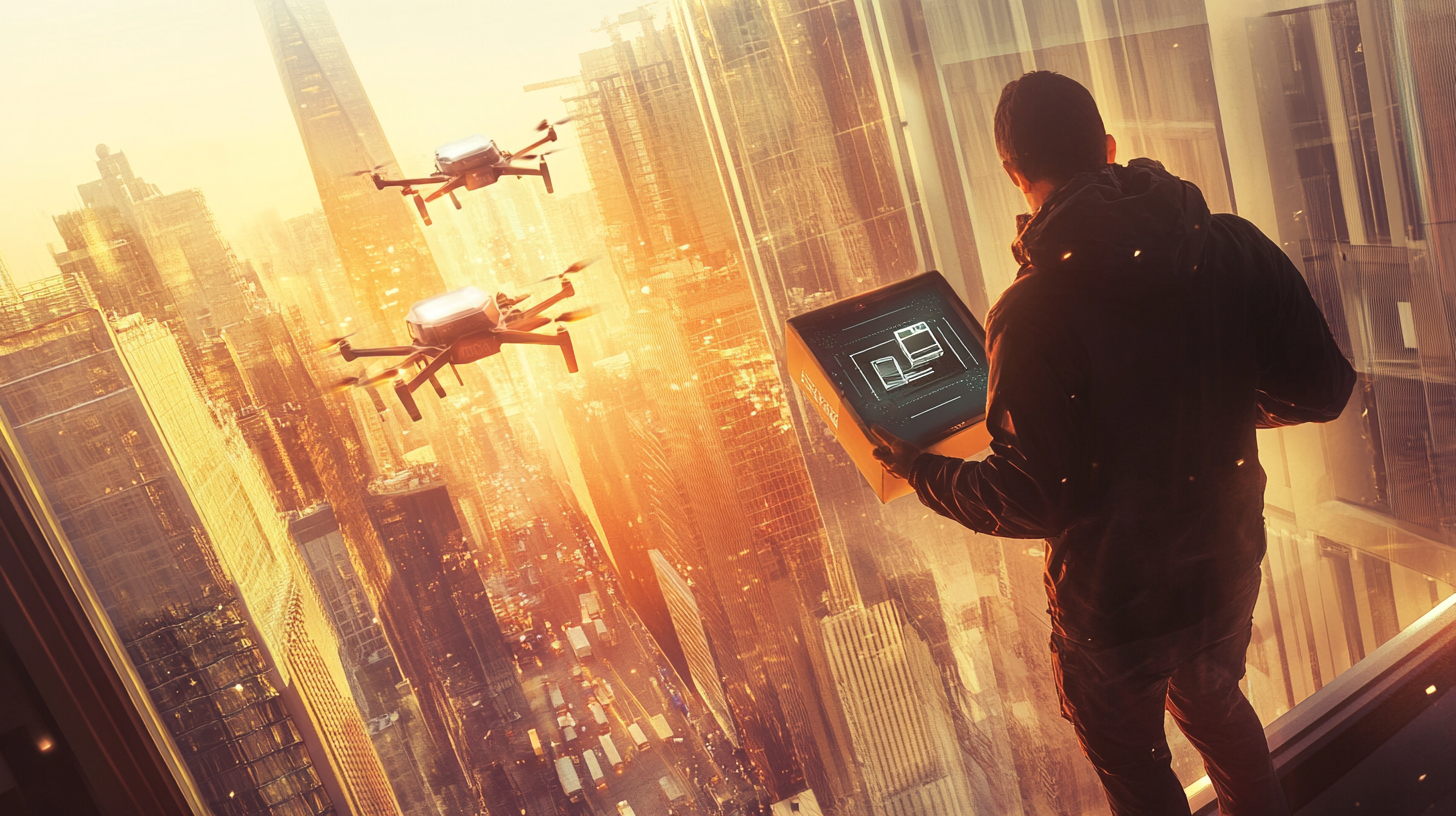
From 2014's top topic to today: Same-Day Delivery (SDD) – How have delivery times developed compared to 2024? – Image: Xpert.Digital
Faster than ever before: How same-day delivery has changed logistics
From 2014 to 2024: The development of Same-Day Delivery (SDD) – status quo and future prospects
Same-day delivery (SDD) was a much-discussed trend in the logistics industry in 2014, driven by growing consumer expectations for faster delivery times. Within a decade, this service has evolved from a niche offering to a central component of modern e-commerce logistics. Today, SDD is no longer just a competitive advantage, but a fundamental requirement for many retailers to meet evolving consumer demands. But how exactly has SDD developed? What challenges remain, and what does the future hold for this service?
The development of same-day delivery since 2014
In 2014, same-day delivery was still in its infancy. Technology giants like Amazon, Google, and Uber were driving its development, aiming to challenge brick-and-mortar retail and maximize the convenience of online shopping. The goal was to offer customers near-instant satisfaction of their needs. However, despite these ambitious visions, the adoption of SDD was initially limited. High costs, logistical complexity, and what was then still manageable demand hindered widespread adoption.
Related to this:
The years between 2014 and 2018 were characterized by rapid growth. The market's average annual growth rate (CAGR) during this period was an impressive 154%. Companies invested heavily in urban warehouses, real-time tracking systems, and route optimization algorithms. These technologies not only made SDD more efficient but also more economically viable. At the same time, more and more retailers began integrating SDD into their business models to remain competitive in the highly competitive e-commerce market.
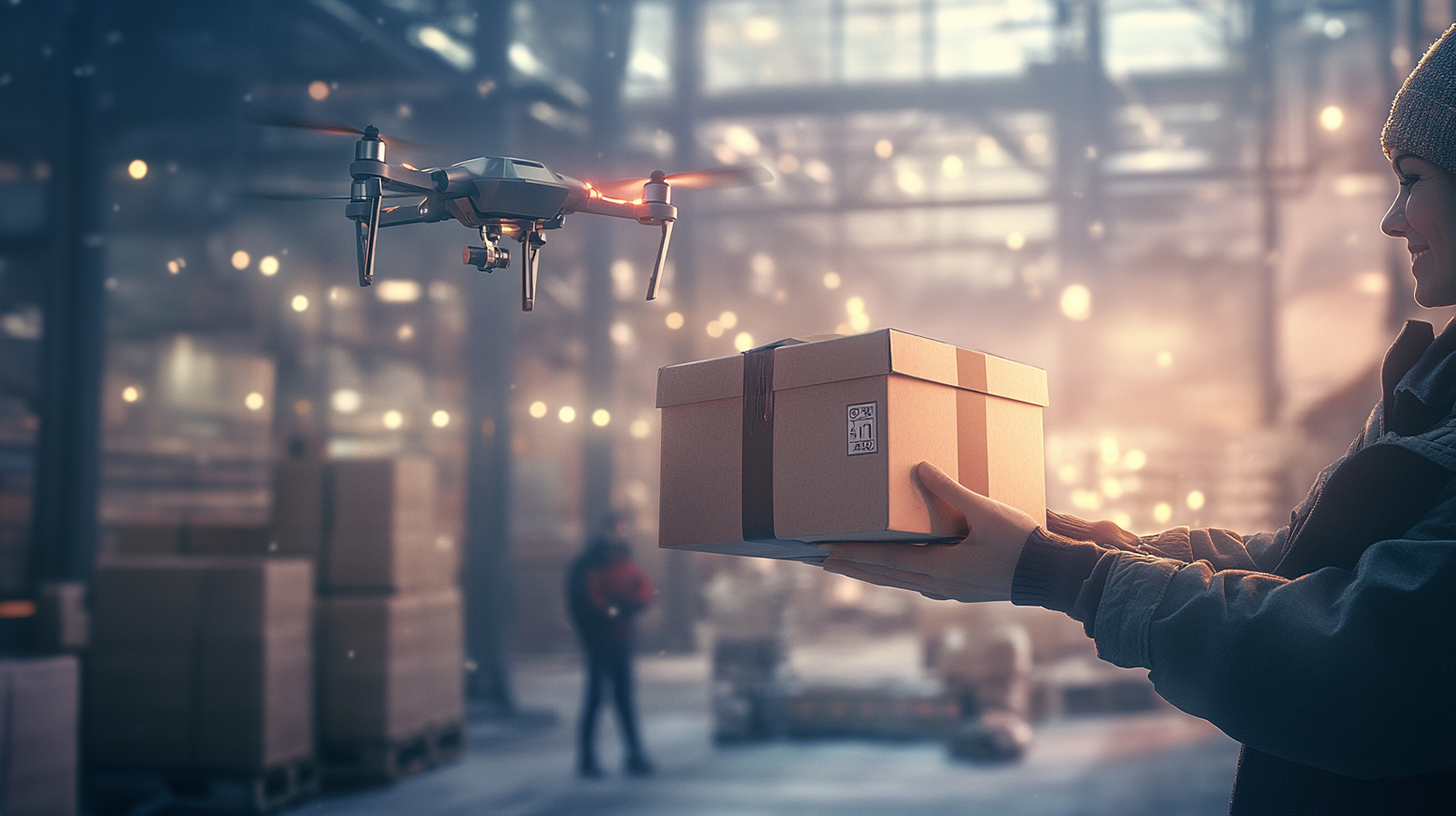
Delivery time – THE logistics topic in 2014 – The trend that is redefining delivery times – Image: Xpert.Digital
Status Quo: Same-Day Delivery in 2024
By 2024, same-day delivery has become a standard service, especially in urban areas. The most important developments can be summarized in five key areas:
1. Market growth and economic importance
The global same-day delivery market continues to grow rapidly. Its value is estimated at approximately US$9.55 billion in 2024, with forecasts predicting growth to over US$40 billion by 2032. This increase is primarily driven by rising demand for instant gratification and technological innovation.
2. Technological advances
Technology plays a key role in the further development of Sustainable Delivery (SDD). Autonomous vehicles and drones are increasingly being used for deliveries, while AI-powered systems for route optimization and warehouse management further increase efficiency. Micro-fulfillment centers—small warehouses located near metropolitan areas—also enable companies to deliver products to customers more quickly.
3. Consumer expectations
What was once considered a luxury is now taken for granted by many consumers: Over half of all online retailers now offer SDD (Sunset Delivery Day) options. Customers expect not only fast deliveries, but also flexibility in choosing time slots or delivery locations.
4. Sustainability
Sustainability has become a key issue. Companies are increasingly relying on electric delivery vehicles, bicycle deliveries, and sustainable packaging to reduce the environmental footprint of their supply chains. Despite the focus on speed, many providers are trying not to lose sight of environmental compatibility.
5. Competitive landscape
Market leaders like Amazon Prime Now, Walmart, and Instacart dominate the market with sophisticated logistics networks. At the same time, smaller retailers are entering the market through partnerships with third-party providers like DoorDash or Postmates.
Challenges for Same-Day Delivery
Despite its successes, SDD still faces significant challenges:
- High operating costs: The cost structure remains a hurdle for many companies, especially smaller retailers without access to extensive logistics resources.
- Last mile: The so-called "last mile" – i.e., delivery to the customer's doorstep – remains the most expensive and complex part of the delivery process.
- Sustainability vs. speed: Balancing fast delivery times with environmentally friendly practices remains difficult. While consumers demand both, this requires significant investment in green technologies.
- Infrastructure problems: In rural areas or regions with poor transport infrastructure, it is often difficult to implement SDD efficiently.
Future prospects: What's next?
The future of same-day delivery will be significantly shaped by technological innovations and a stronger focus on sustainability:
1. Advances in technology
The use of drones and autonomous vehicles is expected to increase further and contribute to reducing the costs of SDD (Strategic Delivery Distribution). At the same time, AI systems are becoming increasingly powerful, enabling even more precise planning of delivery routes and better prediction of demand peaks.
2. Personalized delivery options
The future also lies in personalization: customers could, for example, choose whether they want to receive their delivery within a few hours or at a specific time – depending on their individual needs.
3. Development of new markets
While SDD is currently widespread primarily in urban areas, this could soon change. Improved infrastructure projects could lead to rural regions and emerging economies also gaining access to this service.
4. Sustainable Innovations
Companies will continue to need to invest in green logistics solutions – whether through expanding electric vehicle fleets or through the use of reusable packaging.
A success story with potential
Same-day delivery has evolved from a vision in 2014 to an indispensable part of modern commerce. By 2024, SDD is no longer just an add-on service; it has become a necessity for businesses that want to succeed in e-commerce. Nevertheless, there is still plenty of room for improvement – particularly regarding cost-efficiency and sustainability.
The next few years will be crucial: companies must leverage innovative technologies while simultaneously embracing environmental responsibility to meet increasing demands. If they succeed, same-day delivery could not only revolutionize the way we shop, but also make a significant contribution to creating more sustainable logistics.
Related to this: