
Published on: February 9, 2025 / update from: February 9, 2025 - Author: Konrad Wolfenstein
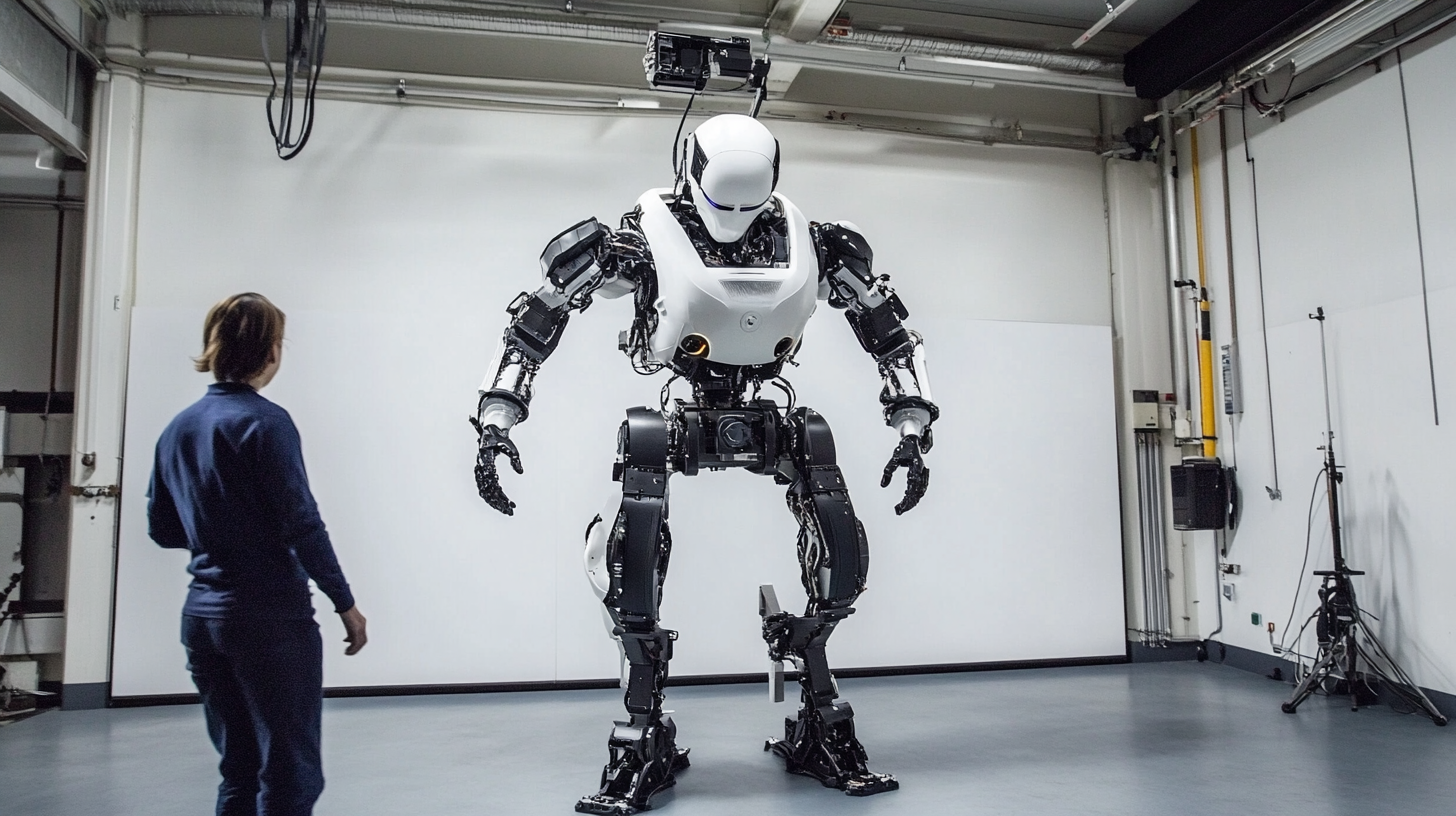
Robotics hype or sustainable boom? Market opportunities and challenges on the test - Image: Xpert.digital
The future is now: how the robotics boom changes our lives (and its chances)
The boom of robotics: market opportunities, innovations and challenges
The robotics industry is currently experiencing an unprecedented growth phase and attracts massive investments. This underlines the strong trust between investors and companies in the immense potential of this technology. Driven by technological innovations, economic factors and the increasing demand for automation, the robotics sector is developing into one of the most dynamic branches of the future.
Increasing stock prices and market capitalizations
Several robotics companies have recorded impressive price increases in recent months. This development shows the growing interest of investors and the increasing market capitalization of the industry.
- RealBotix: The share has increased by 88% since the beginning of the year, and even over 750% in European markets ( Wallstreet online ).
- Rainbow Robotics: Samsung has increased his participation to 35% - a clear signal for trust in the company ( Heise ).
- Aerovironment: The company, which specializes in autonomous aircraft and unmanned systems, recorded a price increase of almost 50 percent in the course of the year and lists at around 163 euros ( computer picture ).
These developments show that robotics companies are increasingly competing with established technology companies and exceed their market capitalization.
Massive investments of technology groups
Large technology groups are increasingly investing in the robotics sector to secure their market position and take on technological leadership roles.
- Samsung: Participation in Rainbow Robotics was increased to 35% to force humanoid robotics.
- LG: Strong focus on service robots, including cleaning robots and robot waiter.
- Hyundai: Ambitious goal of generating 20% of corporate sales from robotics by 2030. Buying Boston Dynamics was a strategic milestone.
- SK Group: Investments in robotics battery technologies to improve autonomy and efficiency.
Market potential and growth forecasts
The global robotics market is growing rapidly and harbors enormous economic potential.
- Current market value: 48 billion euros
- Forecast for 2030: 192 billion euros
- Annual growth rate (CAGR): 26%
Humanoid robots in particular have a huge future market that could reach a volume of 23 trillion euros in the long term.
Technological innovations as a growth driver
Technological advances are the key to the expansion of the robotics industry. They enable new fields of application and increase the efficiency of robots.
Artificial Intelligence (AI)
AI plays a central role in modern robotics:
- Analytical AI processes sensor data and improves decision -making.
- Image processing systems with AI optimize work processes.
- Physical AI allows robots to learn autonomous learning in virtual simulations.
Advanced sensors
Improved sensors enable more precise ambient perception, which means that robots can act more flexibly and more safely.
Cloud and edge computing
These technologies support real-time data processing, which enables faster and more efficient robot systems.
Wireless networking
With 5G and advanced wireless communication technologies, the control and networking of robots significantly improves.
New materials and lightweight components
Innovative materials increase energy efficiency, reduce resource consumption and make robots more powerful.
Collaborating robots and mobile manipulators
The integration of collaborative robot systems in production lines and logistics processes ensures more flexibility and productivity.
Challenges and risks
Despite the promising market development, there are some challenges that have to be overcome.
- Market saturation in certain areas: there is already a high penetration, especially in industrial automation.
- Dependence on certain industries: Many robotics companies are strongly focused on the automotive and electronics industry.
- Regulatory hurdles: Data protection and security issues must be solved, especially in the area of AI-controlled robots.
- Energy requirements and sustainability: robot systems have to become more energy -efficient to minimize environmental pollution.
- A shortage of skilled workers: The need for highly qualified engineers and AI specialists is steadily increasing, which could slow down the development.
Future outlook: The next era of robotics
Robotics will play an even bigger role in the coming decades. Important trends that could revolutionize the market are:
- Humanoid robots in everyday life: Companies such as Tesla, Boston Dynamics and Samsung work on human-like robots for the household and care sector.
- Autonomous delivery robots: The logistics industry increasingly relies on robots for the last mile to reduce costs and increase efficiency.
- Medical robotics: robots are increasingly supporting surgery, care and diagnostics.
- Agricultural robots: Automated harvest machines and drones revolutionize agriculture.
The combination of AI, sensors and advanced materials will help to ensure that robots will become even more autonomous, flexible and efficient in the future. While some challenges have to be mastered, the overall picture is clear: the robotics sector will be a central component of the future and the way we work and live.
Suitable for:
Your global marketing and business development partner
☑️ Our business language is English or German
☑️ NEW: Correspondence in your national language!

Konrad Wolfenstein
I would be happy to serve you and my team as a personal advisor.
You can contact me by filling out the contact form or simply call me on +49 7348 4088 965 (Munich) . My email address is: wolfenstein ∂ xpert.digital
I'm looking forward to our joint project.