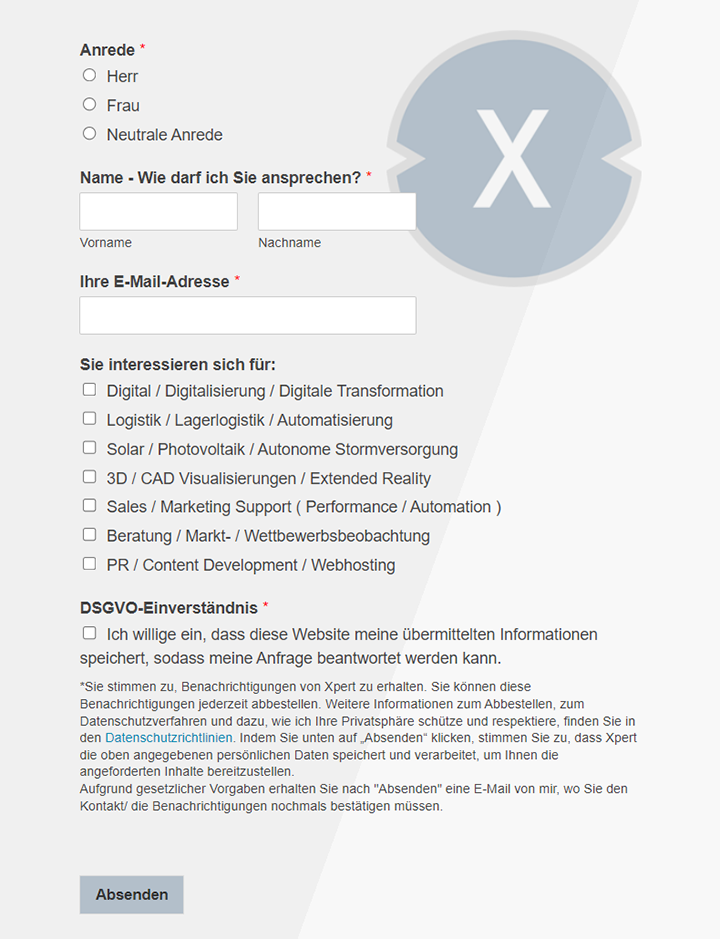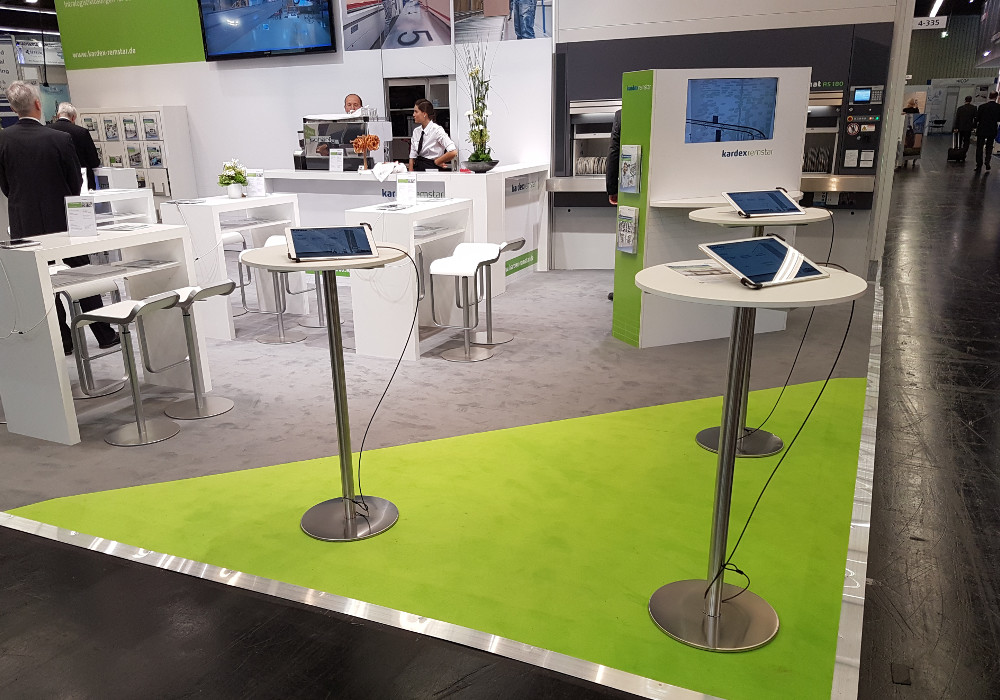
Ready-to-use tablets for augmented reality presentations at the trade fair booth
Trade fair exhibitors know the problem all too well: huge crowds, packed aisles, and a constant hustle and bustle. Capturing visitors' attention is one of the most difficult, yet also most important, goals of a trade fair appearance. This is especially true at large trade fairs that span multiple halls with hundreds of companies. Companies with substantial budgets therefore often invest in the largest possible exhibition stands, designed to attract attention and reflect the company's financial resources. But there is another, more cost-effective approach: presentations using augmented reality technology.
The use of augmented reality is currently one of the most promising options for trade fair appearances, as this technology provides exhibitors with an innovative tool to draw visitors' attention to their products and services. Instead of the time-consuming process of setting up displays at the booth, AR technology allows exhibitors to present their product range to visitors in an animated and interactive 3D format. In addition to saving space and costs, a further advantage lies in the diverse design options available, which allow content to be accessed in a customer-specific manner.
The presentation can be delivered on desktop computers, mobile tablets, or visitors' smartphones. This provides interested parties with a level of realistic insight into the offerings that would be impossible with conventional methods. Instead of simply observing, participation and interaction generate a high degree of engagement. As a result, exhibitors stand out from the crowd, impress their visitors, and leave a lasting impression.
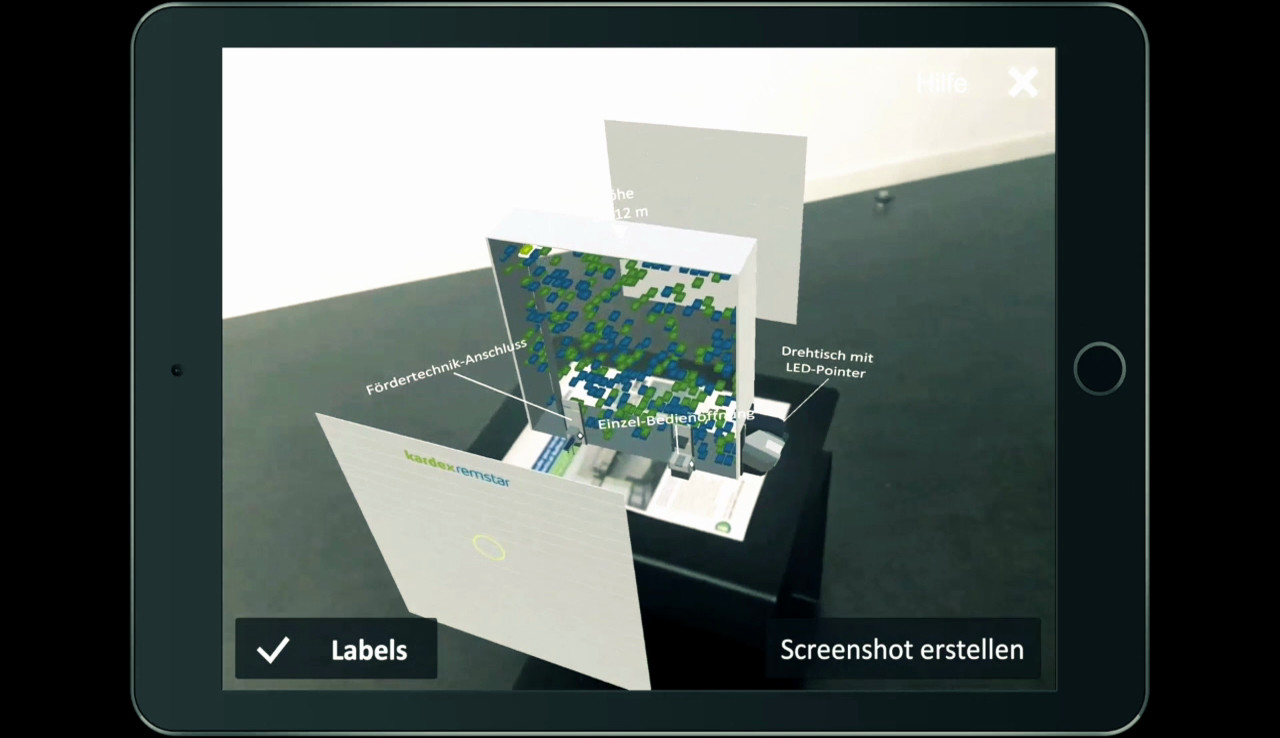
Animated view inside the device with a click (Source: Phaenom GmbH)
Space-efficient presentation at trade fairs
Many manufacturers offer products that are far too large to be displayed at a trade fair. With AR, however, it's possible to visualize entire machines or systems in detail, even on a small exhibition stand. Views, features, and functionalities can be clearly presented to customers, and entire workflows can be demonstrated using 3D animations. It's also possible to make the outer shell of a machine disappear and take visitors on a tour of the product's interior to optimally showcase its advantages.
To ensure that not only visitors benefit from their virtual journey, the AR animations can be shown via livestream on larger screens to visitors positioned further away who might otherwise have walked past the booth. Technical support is essential for the project's success, guaranteeing the smooth operation of the systems on-site. Nothing is more frustrating and damaging to an exhibitor's image than presentation technology that doesn't function flawlessly.
AR apps for even better performance at the trade fair
A dedicated app offers companies additional interaction possibilities. Through finger gestures or movements of the playback device, the user can independently access different animation scenarios and additional information. The advantage of this function: By controlling the sequence, the user experiences the content much more intensely than with passive viewing, thus engaging more deeply with the product or process being presented.
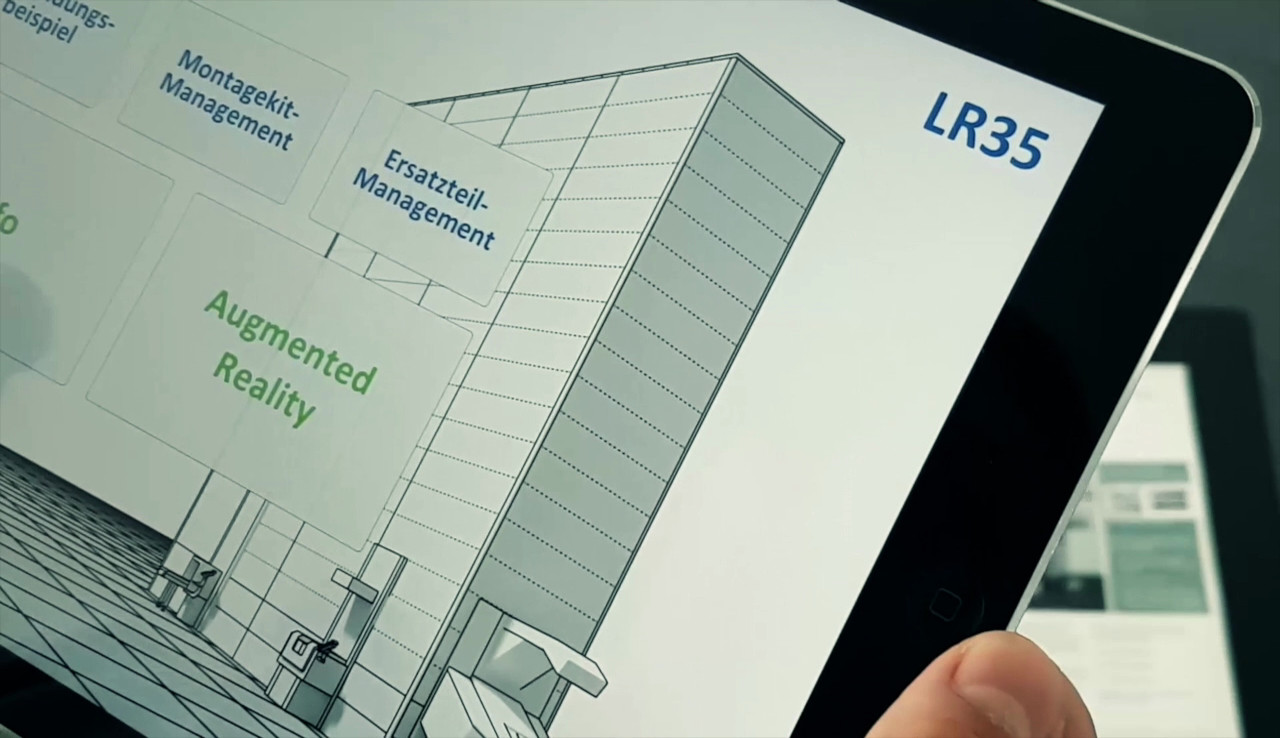
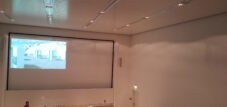
Presentation via AR app (Source: Phaenom GmbH)
Kardex Remstar , a manufacturer of automated storage systems , provides an example of successful technology integration . Since 2016, they have been using augmented reality at trade fairs. Phaenom GmbH , a provider of innovative software solutions, developed a method for this purpose, using a specially developed app to familiarize interested parties with the logistics expert's product range. With the help of three different apps, visitors can now virtually create 3D models of Kardex Remstar 's three product lines using various iPad tablets provided or their own smartphones . This simply requires scanning an image of the respective device, which then generates the three-dimensional view on the display. With a tap of the finger, the view of the machine can be rotated as desired, and details can be zoomed in on. Another tap on the housing makes the system's casing disappear, giving the viewer a detailed look at the storage processes inside the device.
Updates & Location Independence
Compared to flyers and other printed materials, the app has another crucial advantage: the ability to update its content. While a printed brochure ends up in the trash with every new information, a quick app update is all it takes to bring the latest information up to date
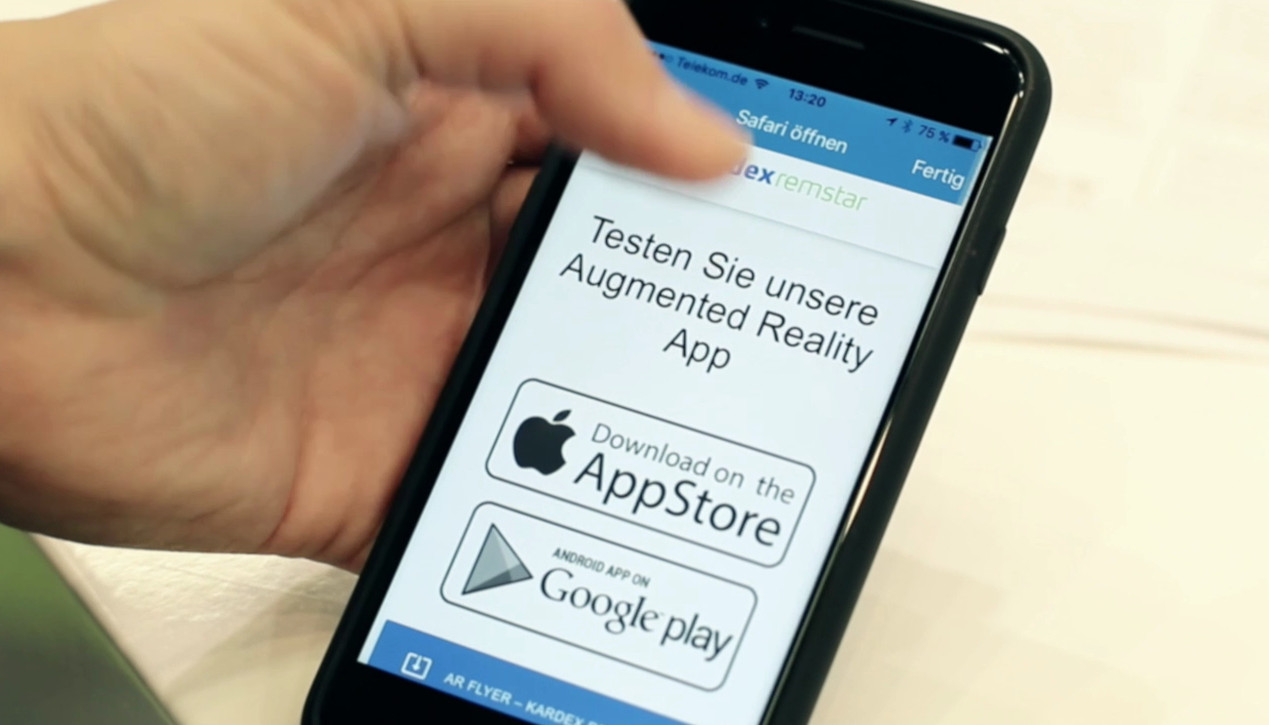
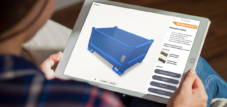
AR app for mobile download
This is supplemented with new content. New solutions even allow for continuous background updates, so the user doesn't even have to download an update. In this way, the modern app essentially becomes a perpetual catalog, always presenting the user with the manufacturer's latest offerings.
An app also has the advantage of providing interested parties with access to animated content regardless of location or occasion. For example, an app designed for a trade fair appearance can be made available to a broad user base by uploading it to the app stores. Furthermore, the app with its AR content has a much more lasting impact on visitors than traditional trade fair flyers and brochures. While these often gather dust in drawers and much of the information gained is quickly forgotten by visitors, a customized AR app allows them to take the experiential aspect of the trade fair home with them and demonstrate the technology to their colleagues. The fact that the app also reduces the consumption of flyers and brochures, thus saving costs and space, is a welcome side effect of this technology that captivates trade fair visitors.
The advantages of augmented reality at a glance:
- Interactivity sparks the visitor's interest
- Better memory thanks to emotional appeal
- Innovative brand presence
- Increasing brand awareness
- Higher information content of the statements
- Savings on stand rental
- Archiving and updating content via app
Keep in touch