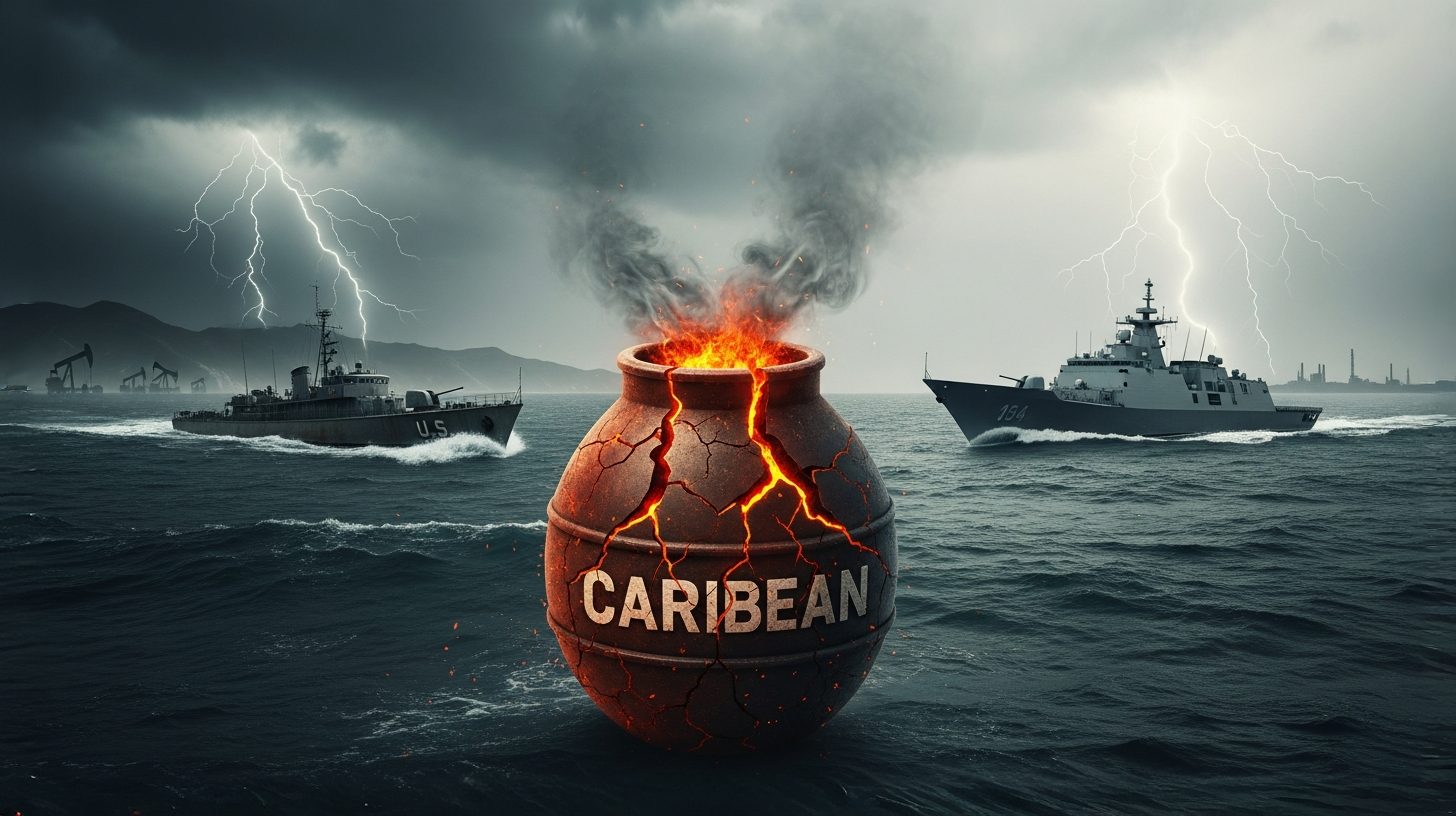
Pulverfass Karibik: Droht eine US-Invasion? Das Ende der Geduld: Warum China sich aus Venezuela zurückzieht und der Iran die Lücke füllt – Bild: Xpert.Digital
Wenn die Drogenkarte nur das Vorwand ist – ein Blick hinter die offiziellen Narrative
Schattenkrieg in der Karibik: Zwischen militärischer Drohkulisse und dem Kampf um die Weltordnung
Die Karibik ist erneut zum Schauplatz einer geopolitischen Machtdemonstration geworden, wie sie die Region seit Jahrzehnten nicht mehr erlebt hat. Mit der Entsendung der USS Gerald R. Ford, dem modernsten Flugzeugträger der Welt, und einem massiven Marineverband vor die Küste Venezuelas, setzen die Vereinigten Staaten unter der Trump-Administration ein unmissverständliches Signal. Offiziell deklariert Washington diesen Aufmarsch als notwendigen Schlag gegen „Narco-Terroristen“ und den internationalen Drogenhandel. Doch wer hinter die Kulissen der offiziellen Verlautbarungen blickt, erkennt ein weit komplexeres Schachspiel, bei dem es um weit mehr geht als beschlagnahmtes Kokain.
Die wahre Triebfeder dieser Eskalation liegt in einer fundamentalen Neuordnung der Einflusssphären. Es geht um die Wiederbelebung der Monroe-Doktrin in einer aggressiveren Form, intern bereits als „Donroe-Doktrin“ bezeichnet. Ziel ist es, die Hegemonie der USA in der westlichen Hemisphäre gegen die wachsende Präsenz externer Mächte wie China, Russland und den Iran kompromisslos zu verteidigen. Gleichzeitig rücken die immensen, aber brachliegenden Ölreserven Venezuelas – die größten der Welt – wieder in den Fokus strategischer US-Interessen, um die globalen Energiemärkte langfristig zu dominieren.
Der folgende Artikel analysiert die tiefgreifenden Hintergründe dieses Konflikts. Er beleuchtet den tragischen wirtschaftlichen Absturz Venezuelas vom wohlhabendsten Land Südamerikas zum „Failed State“, die bröckelnde Allianz mit China, die gefährliche militärische Annäherung an den Iran und die Diskrepanz zwischen dem Drogen-Narrativ und den tatsächlichen geopolitischen Motiven Washingtons. Wir stehen an einem Punkt, an dem sich entscheidet, ob Venezuela isolierter Paria bleibt oder zum Zündfunken einer neuen imperialen Strategie der USA wird.
Venezuela im geopolitischen Fokus: Die wahren Motive hinter dem amerikanischen Militäraufgebot
Die aktuelle Konfrontation zwischen den Vereinigten Staaten und Venezuela wird durch eine komplexe Überlagerung von Motiven geprägt, die weit über die von der Trump-Regierung offiziell kommunizierten Drogenbekämpfungsziele hinausgehen. Mit dem Aufgebot des mächtigsten Flugzeugträgers der Welt, der USS Gerald R. Ford, und einer Vielzahl weiterer Kriegsschiffe hat Washington eine militärische Präsenz in der Karibik aufgebaut, die seit der Operation Uphold Democracy in Haiti im Jahr 1994 ohne Beispiel ist. Diese Eskalation wird mit dem Kampf gegen Drogenterroristen begründet, doch die ökonomischen und geopolitischen Realitäten erzählen eine andere Geschichte.
Die Propagandierung einer neuen Monroe-Doktrin, intern als Donroe-Doktrin bezeichnet, macht deutlich, dass es der Trump-Administration um die Wiederherstellung einer exklusiven amerikanischen Einflusssphäre in Lateinamerika geht. Diese Strategie zielt nicht nur auf Venezuela ab, sondern auf eine umfassende Neuordnung der regionalen Machtverhältnisse, bei der die Vereinigten Staaten ihre historische Dominanz gegen aufstrebende Konkurrenten, allen voran China und Russland, zu behaupten suchen.
Passend dazu:

Die verschwundene Ölproduktion: Vom Petro-Staat zum gescheiterten Staat
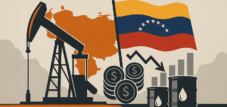
Um die gegenwärtige Lage Venezuelas adäquat verstehen zu können, ist es essentiell, sich die dramatische Deindustrialisierung des Landes vor Augen zu führen. Venezuela verfügt mit geschätzten 303 Milliarden Barrel über die weltweit größten nachgewiesenen Ölreserven. Diese Reserven bestehen überwiegend aus Schweröl, das nur mit speziellen technologischen Verfahren gewonnen und raffiniert werden kann. Ein Land, das bis in die 1990er Jahre hinein eines der wohlhabendsten der lateinamerikanischen Region war, hat sich in nur zwei Jahrzehnten in einen Failed State verwandelt.
Die Ölproduktion, die im Jahr 1997 einen historischen Höchststand von etwa 3.453 Tausend Barrel pro Tag erreichte, ist auf gerade einmal 1.132 Tausend Barrel pro Tag im Oktober 2025 geschrumpft. Dies entspricht einem Rückgang von etwa zwei Dritteln der Produktion. Im Jahr 2013, als Nicolás Maduro nach dem Tod Hugo Chávez die Macht übernahm, betrug die Produktion noch 2,5 Millionen Barrel pro Tag. Die Gründe für diesen Kollaps liegen nicht in der Ressourcenverfügbarkeit, sondern in einer fundamentalen Verfallsserie von staatlicher Steuerungsfähigkeit, systematischer Misswirtschaft und später durch externe Sanktionen verstärkte Krisen.
Der Ursprung dieses Niedergangs reicht bis zum Jahr 2002 zurück, als der damalige Präsident Hugo Chávez in Reaktion auf einen Streik etwa 19.000 Fachleute und Techniker aus dem staatlichen Ölkonzern Petróleos de Venezuela S.A. (PDVSA) entließ. Sie wurden durch politische Gefolgsleute ersetzt, die nicht über die notwendige Expertise für die hochkomplexe Ölförderung und -raffinerie verfügten. Diese personelle Sabotage der Ölindustrie markierte den Beginn eines langen Abstiegs. Die mit dem Ölverkauf erwirtschafteten Einnahmen wurden nicht reinvestiert, um die technische Infrastruktur zu modernisieren, sondern flossen in soziale Leistungen und prestigeträchtige Projekte, die kurzfristig ein hohes politisches Profil boten, aber keine nachhaltigen Grundlagen für wirtschaftliche Entwicklung schufen.
Mit dem massiven Ölpreisverfall von 2014 bis 2016 brach dann die primäre Einnahmequelle des Staates systematisch ein. Venezuela verfügte nicht mehr über die Devisenreserven, um notwendige Importe zu sichern. Die Mangelwirtschaft verschärfte sich dramatisch. Lebensmittel, Medikamente und Grundversorgungsgüter wurden zur Mangelware. Stromausfälle wurden an der Tagesordnung. Parallel dazu führten die USA ab 2015 und verstärkt ab 2019 unter Donald Trumps erster Amtszeit Sanktionen gegen den Ölsektor, einzelne Personen und Unternehmen ein. Diese Sanktionen unterbanden die Finanzierung von notwendigen Ersatzteilen und technischen Upgrades und verschärften die Abwärtsspirale erheblich.
Ein besonders bemerkenswerter Aspekt ist die langfristige Abhängigkeit, die Maduro gegenüber externen Partnern aufgebaut hat. Das Bruttoinlandsprodukt Venezuelas ist von etwa 372,6 Milliarden US-Dollar im Jahr 2012 auf geschätzte 97,1 Milliarden Dollar im Jahr 2023 zusammengebrochen. Dies bedeutet, dass das reale Einkommen pro Kopf sich um über 70 Prozent verringert hat. Die Armutquote ist bis auf etwa 96 Prozent der Bevölkerung angewachsen, während die Hyperinflation, die 2018 kurzzeitig 130.000 Prozent betrug, zwar in den letzten Jahren gesunken ist, aber 2024 immer noch bei etwa 49 Prozent lag und für 2025 auf 71,65 Prozent prognostiziert wird.
China als stille Kraft: Von Investition zu strategischem Rückzug
Die Rolle Chinas in Venezuela ist einer der faszinierendsten ökonomischen Aspekte dieser Krise. China hat sich zu Venezuelas größtem Gläubiger und primärem Käufer von Rohöl entwickelt. In den Hochzeiten der chinesisch-venezolanischen Zusammenarbeit verband Peking strategische Infrastrukturinvestitionen mit Rohstoffabnehmerverträgen. China National Petroleum Corp. (CNPC), ein bedeutender staatlicher Konzern, wurde zum direkten Investor in venezolanischen Ölprojekten. Auch China Aerospace Science and Industry Corp. (CASIC) beteiligt sich indirekt am Ölhandel durch einen grünen Zollkanal nach China.
Die venezolanische Staatsschuld gegenüber China ist erheblich. Im Jahr 2020 einigten sich die Regierung Maduro und chinesische Banken auf eine tilgungsfreie Zeit für Verbindlichkeiten in Höhe von etwa 19 Milliarden Dollar. Diese Abkommen waren Ausdruck einer umfassenden strategischen Partnerschaft, die Xi Jinping als All-Wetter-Allianz bezeichnete. China bot nicht nur Kreditlinien, sondern auch technische Unterstützung bei der Raffination des schweren venezolanischen Schweröls.
Doch diese chinesische Großzügigkeit hat Grenzen. Mit der Verschärfung der Sanktionen und dem massiven Rückgang der Ölproduktion hat China schrittweise seine Investitionen zurückgefahren. Beijing hat 2023 die Lieferung von Militärtechnik nach Venezuela eingestellt, wie das Stockholm International Peace Research Institute dokumentierte. Das Land bezieht weiterhin venezolanisches Öl, aber über Zwischenhändler, die das Öl als malaysischer Herkunft deklarieren, um die US-Sanktionen zu umgehen. Im September 2025 signalisierte China zwar Unterstützung für Venezuela, aber diese beschränkt sich auf verbale Solidarität und Handelsabkommen für etwa 400 Produktkategorien, ohne substantielle militärische oder finanzielle Hilfe.
Die chinesische Zurückhaltung ist strategisch berechnet. China hat erkannt, dass eine militärische Konfrontation mit den USA über Venezuela unverhältnismäßig teuer wäre und dass Peking geografisch zu weit entfernt ist, um effective Militärhilfe bereitzustellen. Stattdessen setzt China auf wirtschaftliche Soft Power. Dies ist ein Zeichen für die globalen Grenzen der chinesischen Macht: trotz aller wirtschaftlichen Stärke kann China nicht das militärische Übergewicht der USA in deren traditioneller Einflusssphäre ausgleichen. Die Tatsache, dass Chinas Gläubiger-Position in Venezuela schwächer wird und dass Peking keine Einigung auf ein umfassendes neues Schuldenmoratorium erzielen konnte, zeigt, dass auch China aus Venezuela schrittweise wirtschaftlich abdankt.
Der iranische und russische Hebel: Militärische Präsenz statt Kapital
Während China sich eher zunehmend zurückzieht, haben der Iran und Russland eine militärische Allianz mit Venezuela aufgebaut. Im Jahr 2022 schloss Venezuela ein zwanzigjähriges Militärpartnerschaftsabkommen mit dem Iran. Dieses Abkommen umfasst den Transfer von Drohnen, Raketentechnik und operative Ausbildung. Auf der El Libertador Air Base in Maracay werden unter direkter iranischer Aufsicht Shahed-131-Kampfdrohnen montiert und gefertigt. Diese Drohnen sind dieselben Modelle, die Russland in der Ukraine und der Iran bei Angriffen auf Israel einsetzt.
Die venezolanische Marine hat zudem iranische CM-90-Anti-Schiffs-Raketen und Raketenboote der Zolfaghar-Klasse erhalten. Unter iranischer Leitung arbeiten Hisbollah-Netzwerke mit venezolanischen Geheimdiensten zusammen, um logistische Unterstützung, paramilitärische Rekrutierung und Sanktionsumgehung zu koordinieren. Dies zeigt, dass der Iran, trotz seiner eigenen wirtschaftlichen Schwächen, an Venezuela als einer Operationsbasis zur Projektion von Macht nur wenige Stunden vom US-amerikanischen Festland entfernt interessiert ist.
Russland spielt eine ähnliche Rolle, bietet aber technische Expertise und intellektuelle Unterstützung. Einzelne russische Politiker haben öffentlich über die Stationierung von Atomwaffen in Venezuela spekuliert. Doch Russlands Fähigkeit, Venezuela materiell zu unterstützen, wird durch den Ukraine-Krieg erheblich eingeschränkt. Während Moskau und Peking beide den Bau einer Militärbasis an der venezolanischen Küste planen, sind dies eher langfristige strategische Projekte als unmittelbare Antworten auf die gegenwärtige Krise.
Insgesamt bedeutet dies, dass Venezuela eine Art von Allianzlinien-Spiel zwischen konkurrierenden Mächten spielt, wobei die Machtverhältnisse dramatisch zugunsten der Vereinigten Staaten verzerrt sind. Der Iran bietet militärische Kapazität, China bietet wirtschaftliche Unterstützung (in abnehmendem Maße), und Russland bietet Rückendeckung durch Veto-Macht im UN-Sicherheitsrat. Doch keine dieser Mächte kann die unmittelbare militärische Überlegenheit der USA in der Karibik ausgleichen.
Unsere USA-Expertise in Business Development, Vertrieb und Marketing
Unsere USA-Expertise in Business Development, Vertrieb und Marketing - Bild: Xpert.Digital
Branchenschwerpunkte: B2B, Digitalisierung (von KI bis XR), Maschinenbau, Logistik, Erneuerbare Energien und Industrie
Mehr dazu hier:
Ein Themenhub mit Einblicken und Fachwissen:
- Wissensplattform rund um die globale wie regionale Wirtschaft, Innovation und branchenspezifische Trends
- Sammlung von Analysen, Impulsen und Hintergründen aus unseren Schwerpunktbereichen
- Ein Ort für Expertise und Informationen zu aktuellen Entwicklungen in Wirtschaft und Technologie
- Themenhub für Unternehmen, die sich zu Märkten, Digitalisierung und Brancheninnovationen informieren möchten
Monroe-Doktrin 2.0: Trumps Plan zur Rückeroberung Lateinamerikas und der venezolanischen Ölfelder
Der Drogenhandel: Ein Symptom, kein Verursacher
Die Trump-Administration rechtfertigt ihre Militärpräsenz und die aggressiven Operationen gegen vermeintliche Drogenschmuggler-Boote mit der Bekämpfung des Kokainhandels. Dies ist eine glaubhafte Rechtfertigung aus innenpolitischer Perspektive, da der Kampf gegen Drogen in den USA eine breite politische Unterstützung genießt. Es ist jedoch wichtig, die objektive Rolle Venezuelas im globalen Drogenhandel realistisch einzuschätzen.
Venezuela produziert selbst kein Kokain im großen Maßstab. Das Land baute auch nicht nennenswert Koka an. Der Kokainfluss durch Venezuela besteht vielmehr darin, dass kolumbianisches Kokain über die Landgrenze nach Venezuela transportiert wird und dann über die längere Karibikküste exportiert wird. Laut Vereinten Nationen Drogenbüro war der primäre Kokainfluss in den USA in den Jahren 2023 bis 2024 hauptsächlich über pazifische Routen durch mexikanische Kartelle, nicht über Venezuela.
Allerdings haben Venezuela und der Iran tatsächlich eine bedeutendere Rolle bei der Kokainvermittlung nach Europa entwickelt. Die europäische Kokain-Lieferkette ist in den letzten Jahren massiv angewachsen, und Westafrika ist zu einem kritischen Transitkorridor geworden. Hier spielen venezuelanische und iranische Akteure tatsächlich eine Rolle. Die von Insight Crime dokumentierte Rolle des Tren de Aragua Kartells ist dabei relevant: diese kriminelle Organisation, die aus einer Eisenbahn-Gewerkschaft hervorgegangen ist, hat sich international ausgebreitet und ist für eine breite Palette krimineller Aktivitäten verantwortlich, nicht nur Drogenhandel, sondern auch Menschenhandel, Erpressung und Prostitution.
Der US-Geheimdienst gibt an, dass mindestens 76 Menschen bei 19 Angriffen auf vermeintliche Drogenschmuggler-Boote seit September 2025 getötet wurden. Doch es wurden bislang keine Beweise dafür erbracht, dass die beschossenen Boote tatsächlich Drogen transportierten. Dies ist bemerkenswert, denn es deutet darauf hin, dass die Drogenbekämpfungs-Narrative teilweise auch der Rechtfertigung von Operationen dient, deren primäres Ziel nicht die Drogenbekämpfung ist.
Kolumbiens Präsident Gustavo Petro hat signalisiert, dass es sein Land zu weit treibt und hat den Austausch von Geheimdienstinformationen mit Washington ausgesetzt. Dies deutet auch auf kritische lateinamerikanische Stimmen hin, die erkennen, dass die US-Operationen über Drogenbekämpfung hinausgehen.
Passend dazu:
- Die Wirtschaftsordnung Südamerikas im Umbruch und die strategische Allianz mit Europa durch Mercosur

Öl als strategische Ressource: Die wahrere Geschichte
Die substantielle Wahrheit hinter der Konfrontation ist geopolitisch und ökonomisch. Venezuela kontrolliert mit etwa 303 Milliarden Barrel die Welt größten Ölreserven. Nur Saudi-Arabien verfügt über vergleichbare Mengen, und die Ölreserven der USA selbst betragen gerade mal etwa 45 Milliarden Barrel, etwa 15 Prozent der venezolanischen Reserven. Der Großteil des venezolanischen Öls liegt in Form von Schweröl vor, das insbesondere für die Raffinerien an der US-Golfküste optimal geeignet ist.
Nach Maduros Wahlbetrug im Juli 2024 bot der venezolanische Präsident Trump über einen Vermittler an, alle gegenwärtigen und zukünftigen Öl- und Goldprojekte unter vorteilhaften Bedingungen für US-Unternehmen zu öffnen. Dies ist ein bemerkenswerter Punkt: Maduro erkannte offensichtlich die Brüchigkeit seiner Position und versuchte, Trump durch ökonomische Konzessionen zu besänftigen. Zugleich sollten venezolanische Ölexporte von China in die USA umgelenkt werden, und die Anzahl venezolanischer Verträge mit chinesischen, iranischen und russischen Unternehmen sollte signifikant verringert werden.
Trump lehnte diese Angebote ab und verschärfte stattdessen die Sanktionen. Im März 2025 entzog Trump dem US-Ölkonzern Chevron die Lizenz zur Ölförderung in Venezuela und kündigte Sekundärsanktionen für Länder an, die venezolanisches Öl kaufen. Dies war ein dramatischer Schritt, da Chevron über vier Joint Ventures mit dem venezolanischen Staatsunternehmen PDVSA verfügt und etwa ein Viertel der derzeitigen venezolanischen Ölproduktion verantwortlich ist.
Doch in einem überraschenden Sinneswandel erteilte Trump später im Jahr 2025 erneut eine Speziallizenz für Chevron, zunächst nur für Wartungsarbeiten, dann in erweiterte Betriebserlaubnis. Im Oktober 2025 erhielt Chevron erneut die Genehmigung zur Ölproduktion. Analysten erkennen in dieser Strategie eine doppelte Absicht: Einerseits soll China nicht die Chance erhalten, noch mehr Kontrolle über venezolanische Ölressourcen zu gewinnen; andererseits signalisiert dies, dass auch unter fortgesetztem Regime-Druck wirtschaftliche Kooperationen möglich sind.
Die strategische Logik ist transparent: Ein US-Regime Change in Venezuela würde es den Vereinigten Staaten erlauben, die Ölproduktion massiv hochzufahren. Nach der kurzfristigen Preis-Spike, die eine militärische Intervention verursachen würde, würde ein stabiles Pro-US-Regime mit Unterstützung durch amerikanische Investitionen dazu führen, dass das globale Ölangebot erheblich ausgeweitet wird. Dies würde langfristig die Ölpreise drücken und damit die globale energetische Abhängigkeit von OPEC-Ländern wie dem Iran und Saudi-Arabien mindern.
Die Monroe-Doktrin als imperiales Zurückweisen
Die neue Trump-Sicherheitsstrategie artikuliert klar, dass die Vereinigten Staaten die Monroe-Doktrin, eine seit 200 Jahren bestehende Doktrin der US-Dominanz in der westlichen Hemisphäre, wiederherstellen wollen. Die Doktrin stammt aus dem Jahr 1823 und war zunächst eine defensive Strategie, um neuunabhängig gewordene lateinamerikanische Staaten vor europäischen Rekolonialisierungsversuchen zu schützen. Im Laufe des 20. Jahrhunderts wurde sie jedoch missbraucht, um US-Interventionen in Lateinamerika zu rechtfertigen, etwa in Kuba, Haiti, Nicaragua und der Dominikanischen Republik.
Unter Trump wird die Monroe-Doktrin explizit als Strategie genutzt, um China und Russland aus der westlichen Hemisphäre auszuschließen. In der Strategiedokumentation heißt es wörtlich: Wir werden außerkontinentalen Wettbewerbern die Fähigkeit verwehren, Streitkräfte oder andere bedrohliche Fähigkeiten zu stationieren oder strategisch wichtige Vermögenswerte in unserer Hemisphäre zu besitzen oder zu kontrollieren.
Dies ist eine explizit imperiale Strategie. Sie betrifft nicht nur Venezuela, sondern richtet sich gegen jeden Staat in Lateinamerika, der nicht unter die exklusive Kontrolle der USA fallen kann. Trumps Modell für gelungene regionale Domination ist die Zusammenarbeit mit rechtsgerichteten Pro-US-Führungspersonen wie Nayib Bukele in El Salvador oder Javier Milei in Argentinien. Bukeles autoritärer Regierungsstil wird von Washington toleriert, solange dieser sich als Verbündeter gegen die linksorientierte Opposition präsentiert. Milei erhielt von Washington massiv Unterstützung in Form von 40 Milliarden Dollar an Krediten und wurde mit umfassenden Handelsabkommen belohnt.
Die Strategie beinhaltet auch aktive Einmischung in Wahlkämpfe anderer Länder. Trump hat explizit gewarnt, dass er Wahlkampfunterstützung je nach Wahlausgang anpassen wird. Trumps Regierung hat auch damit gedroht, Finanzierung zu streichen, wenn Präsidenten nicht der Trump-Politik folgen. Dies ist eine Umkehrung der Logik multilateraler Ordnung und ein Rückfall in klassische Großmacht-Klientelismus.
Das politische Regime und innere Legitimität
Nicolás Maduro kontrolliert Venezuela durch autoritäre Mittel. Die Präsidentschaftswahl vom 28. Juli 2024 war massiv manipuliert. Die Wahlen zeigten einen offensichtlichen Wahlsieg für den Oppositionskandidaten Edmundo González. Laut der Oppositionsführerin María Corina Machado zeigten über 80 Prozent der Wahlprotokolle einen Sieg Gonzálezes. Doch Maduros Regierung weigert sich, die vollständigen Wahlergebnisse zu veröffentlichen, und erklärt stattdessen Maduro zum Sieger. Die Antwort des Regimes auf die Protestbewegung war brutale Repression mit Unterstützung kubanischer paramilitärischer Einheiten.
Maduros Legitimitätskrise ist also gegenwärtig und dramatisch. Das Regime verfügt über interne Unterstützung nur unter dem Militär und der Sicherheitsapparatur. Eine breite Bevölkerungsmehrheit steht gegen die Regierung, wurde aber durch Repression zum Schweigen gebracht. Dies ist einer der Gründe, warum Trump erkannt hat, dass ein militärisches Manöver gegen Venezuela nicht auf massiven regionalen Widerstand treffen würde. Das Regime ist regional isoliert und internal delegitimiert.
Gleichzeitig ist eine US-Invasion Venezuelas nicht kostengünstig und bringt erhebliche völkerrechtliche Probleme mit sich. Eine unilaterale Invasion würde einen Vorwand an Ländern wie Brasilien und anderen südamerikanischen Staaten zeigen, dass auch diese nicht vor US-Interventionen sicher sind. Dies könnte zu regionaler Destabilisierung führen, die auch US-Interessen schadet.
Die Ölpreis-Logik und globale Energiemärkte
Relevant auch für die gegenwärtige Situation ist die Lage der globalen Ölmärkte. Der Brent Crude Oil lag im Dezember 2025 bei etwa 71,83 US-Dollar pro Barrel. Dies ist nicht besonders hoch im historischen Vergleich. Die Marktlage ist gekennzeichnet durch ein Überangebot. Die OPEC+ hält erhebliche Überkapazitäten bereit, etwa 6,5 Millionen Barrel pro Tag. Die USA haben ihre eigene Ölproduktion massiv erhöht, etwa unter der Trump-Administration.
Ein militärischer Konflikt mit Venezuela würde kurzfristig Ölpreise in die Höhe treiben, da ein Risikoprämienzuschlag auf den Preis aufgebracht würde. Doch mittelfristig würde eine erfolgreiche US-Intervention, die eine Destabilisierung des Maduro-Regimes zum Ergebnis hätte, zu einer massiven Ausweitung des globalen Ölangbots führen, wenn die neue Pro-US-Regierung mit Hilfe amerikanischer Investitionen die Produktion hochfährt. Dies würde die Preise wieder drücken.
Aus dieser Perspektive ist Venezuelas Ölschatz für die Trump-Administration eine entscheidende Ressource zur Sicherung des globalen Energiesystem-Übergewichts. Eine Pro-US-Regierung in Venezuela würde die Energieabhängigkeit anderer Staaten von Saudi-Arabien und dem Iran verringern und damit auch die geopolitische Dominanz dieser Länder schwächen.
Die Anatomie eines Interventionsszenarios
Die gegenwärtige Konfrontation zwischen den USA und Venezuela ist also nicht primär ein Kampf gegen Drogenhandel, sondern ein klassisches Intervetnionszenario, das sich auf drei ökonomische und geopolitische Säulen stützt. Erstens, die Sicherung von Ölressourcen, die für globale wirtschaftliche und militärische Macht zentral sind. Zweitens, die Verdrängung chinesischer und russischer Einflussnahme aus der westlichen Hemisphäre durch die Wiederherstellung einer exklusiven US-Dominanz. Drittens, die Schwächung des iranischen Geopolitischen Einflusses durch Sanktionierung seiner Aktoren wie Venezuela.
Die derzeitige Trump-Administration verwendet die Drogenbekämpfung als legitimen Vorwand für militärische Operationen, deren primäres Ziel die Erzwingung eines Regimewechsels ist. Doch die Kosten einer Invasion sind erheblich, sowohl wirtschaftlich als auch geopolitisch. Das Maduro-Regime ist wirtschaftlich schwach, aber militärisch mit iranischen und russischen Waffen ausgestattet. Eine direkte Invasion würde regionalen Widerstand provozieren und das internationale Völkerrecht verletzen.
Stattdessen setzt Trump auf graduelles Drücken durch Sanktionen, Blockade und militärische Drohkulisse. Das Szenario könnte sich eskalieren, muss es aber nicht. Maduro könnte zu internen Zugeständnissen gezwungen werden oder sogar aus dem Amt austreten. Die neue Sicherheitsstrategie macht klar, dass Washington entschlossen ist, die Monroe-Doktrin unter neuen Bedingungen durchzusetzen. Dies hat Implikationen weit über Venezuela hinaus und signalisiert eine Rückkehr zu klassischen imperialen Strategien nach einer Phase vergleichsweise liberalerer internationaler Ordnung.
Beratung - Planung - Umsetzung

Konrad Wolfenstein
Gerne stehe ich Ihnen als persönlicher Berater zur Verfügung.
Sie können mit mir unter wolfenstein∂xpert.digital Kontakt aufnehmen oder
mich einfach unter +49 7348 4088 965 anrufen.
🎯🎯🎯 Profitieren Sie von der umfangreichen, fünffachen Expertise von Xpert.Digital in einem umfassenden Servicepaket | BD, R&D, XR, PR & Digitale Sichtbarkeitsoptimierung

Profitieren Sie von der umfangreichen, fünffachen Expertise von Xpert.Digital in einem umfassenden Servicepaket | R&D, XR, PR & Digitale Sichtbarkeitsoptimierung - Bild: Xpert.Digital
Xpert.Digital verfügt über tiefgehendes Wissen in verschiedenen Branchen. Dies erlaubt es uns, maßgeschneiderte Strategien zu entwickeln, die exakt auf die Anforderungen und Herausforderungen Ihres spezifischen Marktsegments zugeschnitten sind. Indem wir kontinuierlich Markttrends analysieren und Branchenentwicklungen verfolgen, können wir vorausschauend agieren und innovative Lösungen anbieten. Durch die Kombination aus Erfahrung und Wissen generieren wir einen Mehrwert und verschaffen unseren Kunden einen entscheidenden Wettbewerbsvorteil.
Mehr dazu hier: