

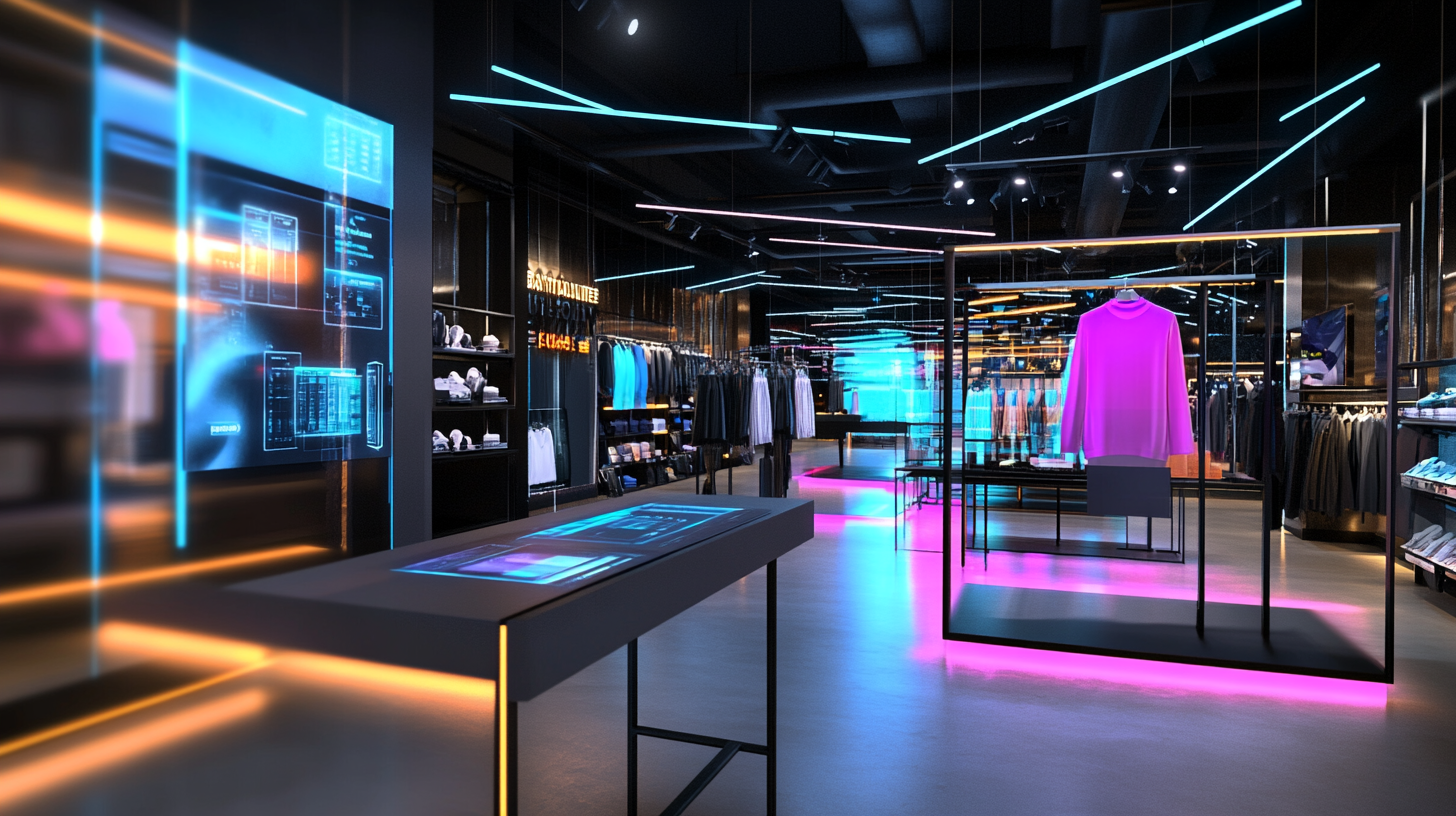
The phygitalization of commerce: How innovative technologies are revolutionizing retail – Image: Xpert.Digital
Rethinking shopping: Phygitization as the key to customer loyalty and innovation
Immersive shopping trends: Augmented Reality & Co. are conquering the retail sector
The phygitalization of commerce, a fusion of physical and digital elements, is increasingly shaping the future of retail. Innovative technologies such as augmented reality (AR), virtual reality (VR), mixed reality (MR), and interactive displays are at the heart of this development. The goal of these technologies is to create a seamless and immersive shopping experience that not only strengthens customer loyalty but also increases the efficiency and innovative capacity of retailers.
The importance of Extended Reality (XR) in retail
The umbrella term Extended Reality (XR) refers to technologies that combine virtual and real worlds, including VR, AR, and MR. These technologies enable numerous practical applications that enhance and optimize the purchasing process:
1. Virtual product try-ons
Customers can virtually test products like clothing, accessories, or furniture before making a purchase decision. A well-known example is IKEA's AR app, which simulates furniture in a customer's own home. The luxury brand Rolex takes a similarly innovative approach, allowing customers to virtually try on watches. Such features reduce uncertainty during the buying process and increase customer satisfaction.
2. Virtual Showrooms
Virtual showrooms offer immersive shopping experiences where customers can browse and interact in virtual spaces. This can take place both online and in physical stores. Particularly in industries such as automotive, fashion, and real estate, this technology opens up new possibilities for product presentation.
3. Digital Twins
Digital twins are highly detailed 3D models of products or retail spaces. They enable retailers to plan sales areas and present products interactively to customers. This not only enhances presentation but also simplifies internal processes such as inventory management and store layout optimization.
The use of XR personalizes and makes the shopping experience interactive, increasing the likelihood of a purchase. Customers feel more involved in the process thanks to these innovative approaches.
Related to this:
Interactive touchscreens and displays: The new era of POS
Interactive displays and touchscreens have established themselves as indispensable tools in modern retail. They offer versatile applications that make shopping not only more efficient but also more exciting:
1. Digital product presentation
Touchscreen systems, such as smart shelves or kiosk terminals, allow customers to scan products (e.g., via NFC or QR code) and instantly access multimedia product information. This increases transparency and helps customers make informed purchasing decisions.
2. Endless Aisle
Another advantage is the so-called "endless aisle," a concept where customers can access the retailer's entire product range via touchscreens, even if products are not physically available in the store. This model reduces storage costs, expands the product range, and provides a better shopping experience.
3. Personalized offers
Interactive displays allow retailers to show personalized content based on a customer's previous purchasing behavior. This tailored approach makes customers feel more personally addressed, which significantly increases customer loyalty.
4. Gamification and Interaction
Displays can also be used for interactive promotions such as contests or games, which keep customers in the store longer and create an emotional connection to the brand. Such approaches not only boost purchase intent but also ensure a memorable experience.
5. Data analysis
An additional advantage of interactive displays is the ability to collect valuable data about customer behavior. This information can be used to optimize marketing strategies and improve the customer experience.
Related to this:
The symbiosis of XR and interactive displays
The combination of extended reality and interactive displays opens up entirely new perspectives for the retail sector. Retailers can thus link physical and digital elements even more closely and further personalize the shopping experience.
1. Augmented Reality on Displays
Semi-transparent displays allow physical products to be overlaid with digital information. For example, a customer can view a physical product while simultaneously seeing additional information, usage instructions, or compatible accessories on the display.
2. Immersive environments
The integration of XR into interactive systems enables the creation of virtual worlds. Customers can thus take a virtual tour of a property, test a vehicle in a virtual environment, or place a piece of furniture in different rooms.
3. Hybrid shopping environments
By combining these technologies, brick-and-mortar stores can function as experience centers. Customers can see and touch physical products while simultaneously experiencing virtual enhancements that support their decision-making.
Advantages for retailers and customers
The phygitalization of trade brings numerous advantages for both traders and customers:
For retailers:
- Cost efficiency: Digital solutions like the Endless Aisle reduce storage costs and minimize the need for large staffs.
- Innovative brand presentation: Companies can present their products in a completely new way, which strengthens brand perception and sets them apart from the competition.
- Data-driven decisions: Analyzing user behavior at the point of sale enables data-based optimizations in real time.
- Stronger customer loyalty: Immersive and personalized experiences create a deeper connection between customer and brand.
Related to this:
For customers:
- Personalized experiences: Customers enjoy tailored offers and interactive content that are adapted to their individual needs.
- Comfort and flexibility: Technologies such as AR and digital catalogs make the shopping process easier and more convenient.
- Entertainment and added value: Gamification and immersive experiences provide fun and increase the entertainment value of shopping.
Challenges and Outlook
Despite the many advantages, retailers face challenges in integrating these technologies. Costs, technical expertise, and customer acceptance are crucial factors influencing success. Data protection and the use of customer data must also be carefully handled in accordance with legal requirements.
The future of retail, however, clearly lies in the combination of physical and digital elements. Technologies such as XR and interactive displays will play an increasingly central role and fundamentally transform the retail industry. Retailers who invest in these innovations early on will not only secure a competitive advantage but also actively shape the future of commerce.
The digital transformation of retail is more than just a trend – it's a transformative development that is revolutionizing the industry. By combining physical and digital experiences, a new dimension of shopping is emerging that excites both customers and retailers.
Related to this: