


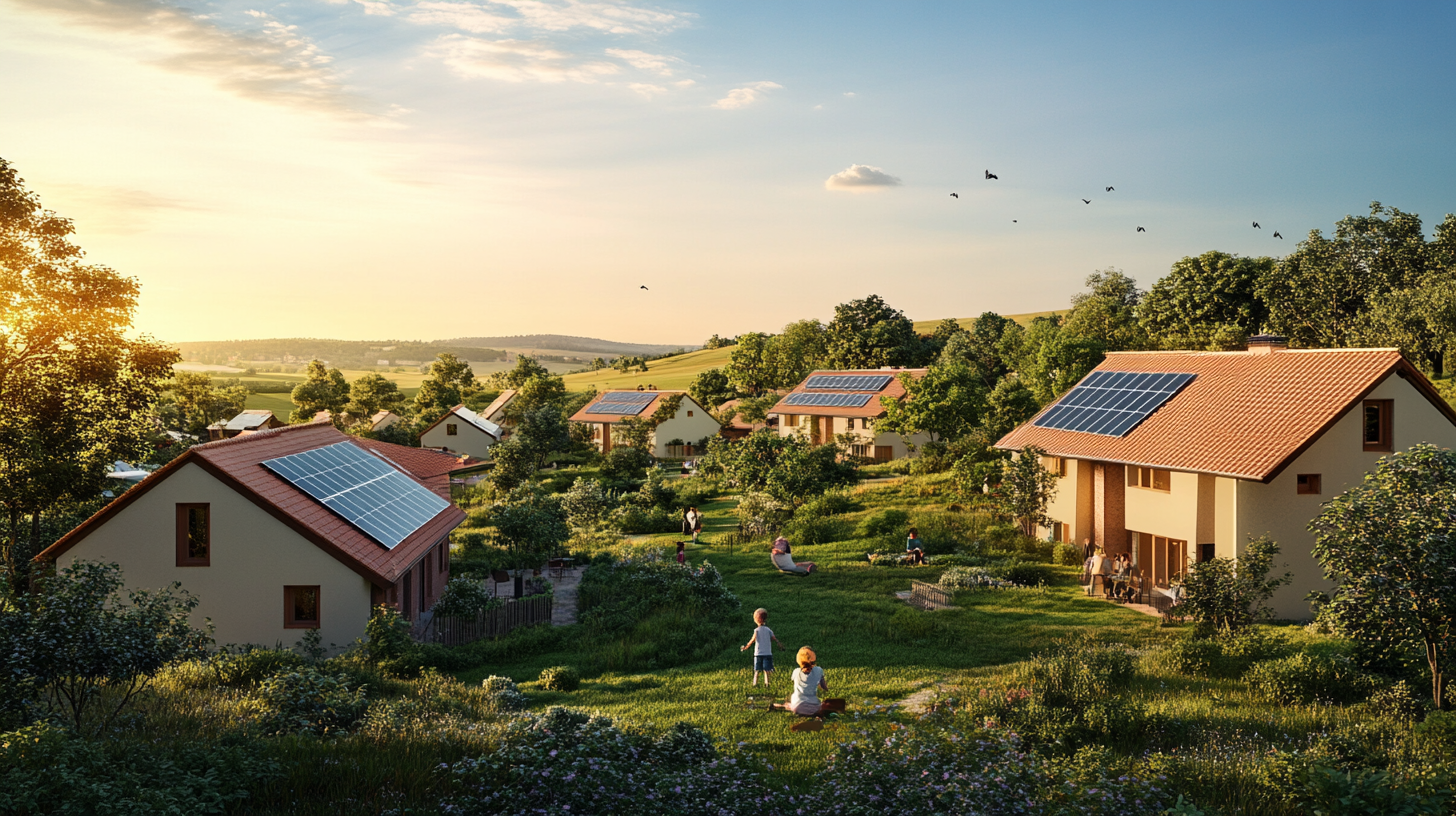
Current development of photovoltaic expansion in Germany – Image: Xpert.Digital
Dynamic growth: How solar energy is shaping the future
Further development of photovoltaics in Germany: Fuel for the energy transition
The expansion of photovoltaics in Germany is in a dynamic growth phase and is a key component of the energy transition. The figures impressively demonstrate the progress and potential of this key technology for renewable energies.
Installation figures and milestones
At the turn of the year 2024/2025, the total installed capacity of all solar power systems in Germany exceeded the historic mark of 100 gigawatts for the first time. In 2024 alone, around one million new photovoltaic systems with a total capacity of approximately 17 gigawatts were installed. This represents an impressive increase of 10% compared to the previous year. It is particularly noteworthy that both rooftop and ground-mounted systems contributed equally to this growth.
Smaller plug-in solar devices, the so-called balcony power plants, are also enjoying increasing popularity. Their installation numbers are approaching those of newly installed rooftop systems, thus contributing to the decentralization of electricity generation.
Electricity generation and share of public supply
In 2024, photovoltaic systems in Germany generated a total of 72.2 terawatt-hours of electricity, which corresponds to approximately 14% of net public electricity generation. This puts photovoltaics significantly ahead of hydropower and almost on par with wind power, which remains the main source of renewable energy in Germany.
Goals for the future
The German solar industry is confident that the target of 215 gigawatts of installed photovoltaic capacity by 2030 is achievable. Provided that market growth continues in recent years, this target could even be reached ahead of schedule. The German government supports this ambitious plan through a combination of subsidies, legal planning certainty, and investment incentives.
Drivers of growth and new opportunities
Several factors contribute to the dynamics of the solar market:
- Funding programs and legal reforms: The amendment to the Renewable Energy Sources Act (EEG) has made photovoltaic projects more attractive for private and commercial investors.
- Falling costs for solar modules: Prices for solar modules and installations have fallen continuously in recent years, making it easier for new investors to enter the market.
- Technological innovations: Advances in storage technology and the efficiency of solar modules increase the profitability of systems and create new fields of application.
An additional growth spurt results from the increasing demand related to electromobility. More and more households are connecting their solar power systems to a wallbox for electric cars in order to build a self-sufficient and cost-effective charging infrastructure.
Related to this:
Challenges and obstacles
Despite the positive trend, there are also challenges that could slow down the expansion of photovoltaics in Germany:
- Regulatory hurdles: The approval process for larger open-field solar installations is often lengthy and complex. Harmonizing planning procedures could significantly accelerate expansion.
- Grid integration: The increasing share of photovoltaic electricity places new demands on the stability and controllability of the electricity grids. Flexible storage options and a modernization of the grid structure are essential.
- Skilled worker shortage: The booming market needs qualified specialists for installation and maintenance. Training programs and retraining initiatives could provide a solution.
Feed-in tariff 2025: Changes and effects
The feed-in tariff for photovoltaic systems will remain an important instrument for promoting renewable energies in 2025. However, it will be gradually adjusted to promote a stronger market orientation and reduce costs for the general public.
Remuneration rates 2025
Partial feed-in (with self-consumption):
- Up to 10 kWp: 7.94 cents/kWh (from February 2025)
- From 10 to 40 kWp: 6.88 cents/kWh
- From 40 to 100 kWp: 5.62 cents/kWh
Full feed-in (without self-consumption):
- Up to 10 kWp: 12.60 cents/kWh
- From 10 to 100 kWp: 10.56 cents/kWh
The remuneration is determined upon commissioning of a plant and guaranteed for 20 years.
Degression of remuneration rates
The feed-in tariff will continue to be reduced by 1% every six months, which promotes competition in the electricity market and ensures cost efficiency in the long term.
New regulations
- Direct marketing obligation: From 2025, a direct marketing obligation will be introduced for installations with a capacity of 25 kWp or more (previously 100 kWp). This means that operators must sell the electricity they generate directly on the market.
- Negative electricity prices: When electricity prices are negative, the feed-in tariff for new installations is completely eliminated. This serves as an incentive to make electricity production more flexible and to avoid surpluses.
- Investment cost subsidies: A new one-off subsidy for acquisition costs is being introduced, which is primarily intended to support smaller operators.
Related to this:
- What is the difference between a fixed feed-in tariff and direct marketing?
- Forget the feed-in tariff: Discover the secret of direct PV marketing (and get the maximum return!)
Perspectives for the future
Technological innovations and market trends
The development of photovoltaics extends far beyond electricity generation. Future technologies such as integrated solar systems in building facades and transparent solar cells for windows could open up new markets.
Furthermore, the combination of photovoltaics and storage technologies is gaining in importance. With the increasing prevalence of battery storage systems, households and businesses can optimize their self-consumption and better protect themselves against fluctuations in electricity prices.
Integration with other technologies
The coupling of photovoltaics with heat generation (e.g., heat pumps) and electromobility will become a further growth driver. This sector coupling creates synergies that will make the energy transition in Germany even more efficient.
Germany on the path to the energy transition
Photovoltaics in Germany is experiencing impressive growth, driven by both technological advancements and political support. Despite existing challenges, the expansion of this key technology remains a central component of German energy policy. Adjustments to feed-in tariffs and the introduction of new support measures demonstrate that the course for the future has been set.
Germany is well on track to achieve its ambitious target of 215 gigawatts of installed capacity by 2030. With a combination of innovative technologies, regulatory support, and societal engagement, photovoltaics will continue to play a key role in the transformation of the energy system.
Related to this: