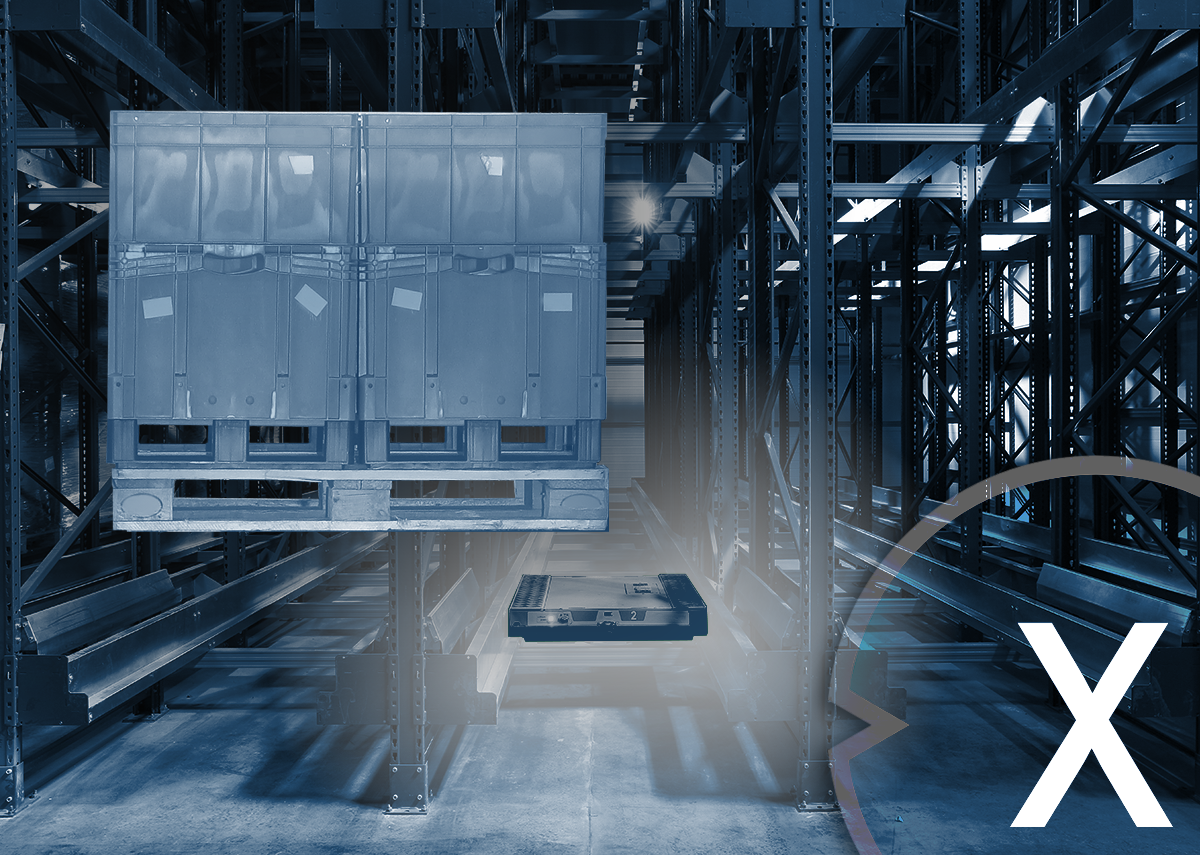
Automated pallet shuttle system for fully automated pallet warehouse racking system – Image: Xpert.Digital
Efficient and innovative automatic pallet shuttle system for fully automated pallet storage racking system
An automated pallet shuttle system is an efficient solution for storing pallets in a fully automated pallet storage racking system. This state-of-the-art system revolutionizes the way pallets are stored and transported.
The automated pallet shuttle system consists of specially developed shuttles that operate independently in the aisles. These shuttles are capable of transporting pallets horizontally and placing them in the designated racking compartments. They work in close coordination with a warehouse management system (WMS), which controls and monitors the shuttles.
The shuttles are equipped with sensors that allow them to detect the position of the pallets and precisely move them to the desired shelf position. This ensures optimal space utilization and maximum storage capacity. Furthermore, the shuttles can transport the pallets at high speed, resulting in efficient storage and retrieval.
Another major advantage of the automated pallet shuttle system is its flexibility. It can be integrated into existing warehouse systems and is scalable, allowing it to meet the requirements of different warehouse sizes and types. Furthermore, the system enables high throughput, as multiple shuttles can operate simultaneously in the aisles.
The automated pallet shuttle system also offers significant advantages in terms of workplace safety. Because the pallets are stored and transported automatically, employees no longer need to move heavy loads manually. This reduces the risk of injury and improves health and safety in the workplace.
Furthermore, the automated pallet shuttle system enables improved warehouse management and control. The WMS ensures precise inventory tracking and allows for quick and accurate pallet identification. This allows for more efficient inventory management, avoids overstocking or shortages, and optimizes inventory control.
Another interesting detail of the automated pallet shuttle system is its energy efficiency. The shuttles are equipped with high-performance batteries that enable long operating times. Furthermore, the shuttles can recover kinetic energy during braking and downward travel and feed it back into the batteries. This reduces energy consumption and contributes to sustainability.
➡️ The automated pallet shuttle system is a state-of-the-art and efficient warehouse system that optimizes the storage and transport of pallets. With its numerous advantages, such as high throughput, flexibility, workplace safety, improved warehouse management, and –
With its focus on control and energy efficiency, it is an ideal solution for companies that want to automate and optimize their warehouse processes.
The difference between an Automated Pallet Shuttle System (PSS) and an Automated Guided Vehicle (AGV)
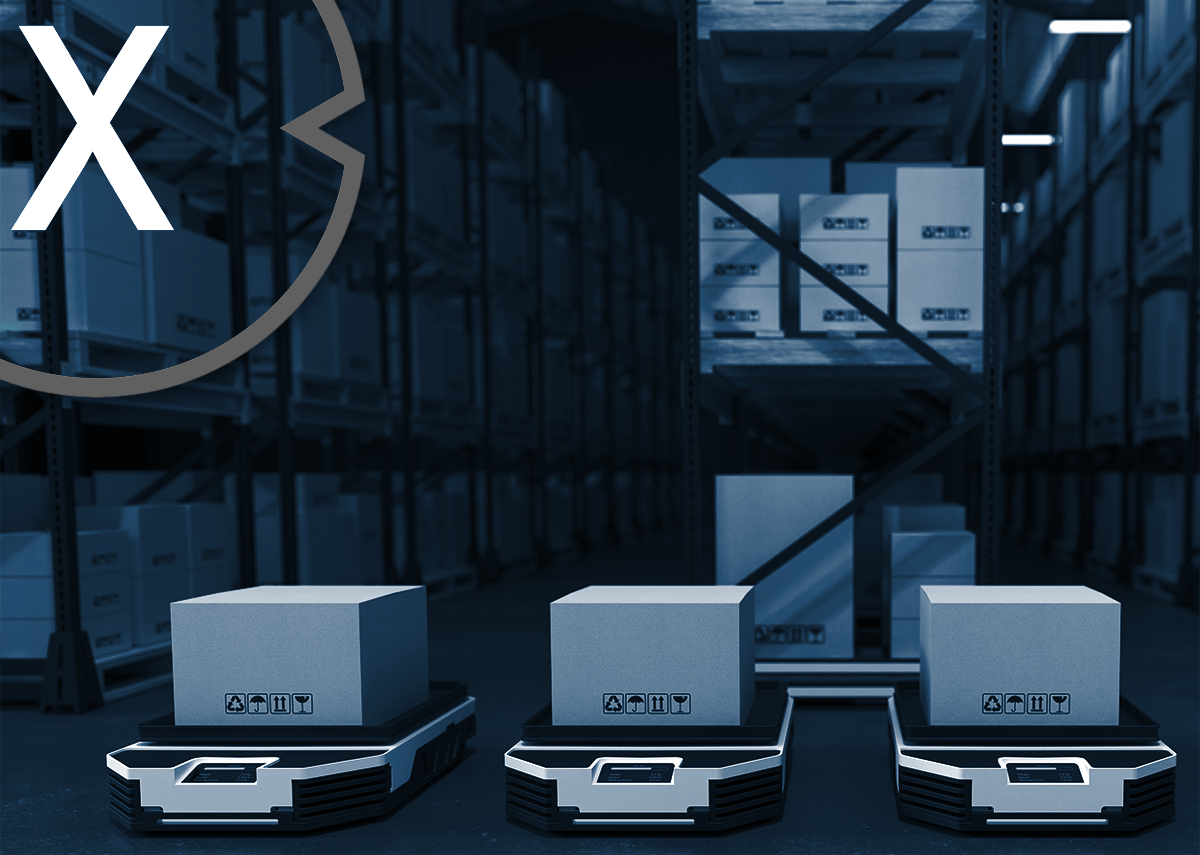
Automated Guided Vehicle (AGV) – Image: Xpert.Digital
An automated pallet shuttle system (PSS) and an automated guided vehicle (AGV) are two distinct solutions for automating warehouse and logistics processes. Although they pursue similar goals, there are some key differences between the two systems.
An automated pallet shuttle system (PSS) is specifically designed for the efficient storage of pallets in a fully automated pallet racking system. It consists of shuttles that operate independently in the racking aisles, transporting pallets horizontally. The shuttles are controlled and monitored by a warehouse management system (WMS). They are designed to work in close coordination to ensure optimal space utilization. The PSS offers high throughput, flexibility, and improved warehouse management and control.
On the other hand, Automated Guided Vehicles (AGVs) are autonomous vehicles used to transport goods and materials in warehouse and production environments. AGVs can transport both pallets and other types of load carriers. Unlike PSS (Personal Storage Systems), AGVs move on the ground and can cover various routes and areas. They are equipped with sensors and navigation devices to avoid obstacles and perform their tasks efficiently. AGVs are generally more versatile and can be used in different areas of a facility.
A key difference between PSS and AGVs lies in their application. Automated pallet shuttle systems (ASS) focus specifically on the efficient storage of pallets in racking systems. They optimize space, increase throughput, and improve inventory control. AGVs, on the other hand, are more flexible and can be used for various transport tasks in different areas of a facility. They can support material flow in warehouses, production lines, or even shipping areas.
Another difference lies in how the two systems operate. The automated pallet shuttle system is designed for specific racking structures and uses specialized shuttles to transport pallets horizontally. AGVs, on the other hand, move freely on the floor and can adapt to various environments and tasks. They can be equipped with different grippers or modules to handle various types of load carriers.
➡️ Both automated pallet shuttle systems (PSS) and AGVs offer advantages in terms of efficiency, workplace safety, and automation. The choice between the two systems depends on a company's specific requirements and circumstances. If efficient pallet storage in an automated racking system is required, the PSS is the optimal choice. However, if flexible transport across different areas of the operation is needed, AGVs offer a versatile solution.
The difference between an Automated Pallet Shuttle System (PSS) and an Automated Guided Vehicle (AGV)
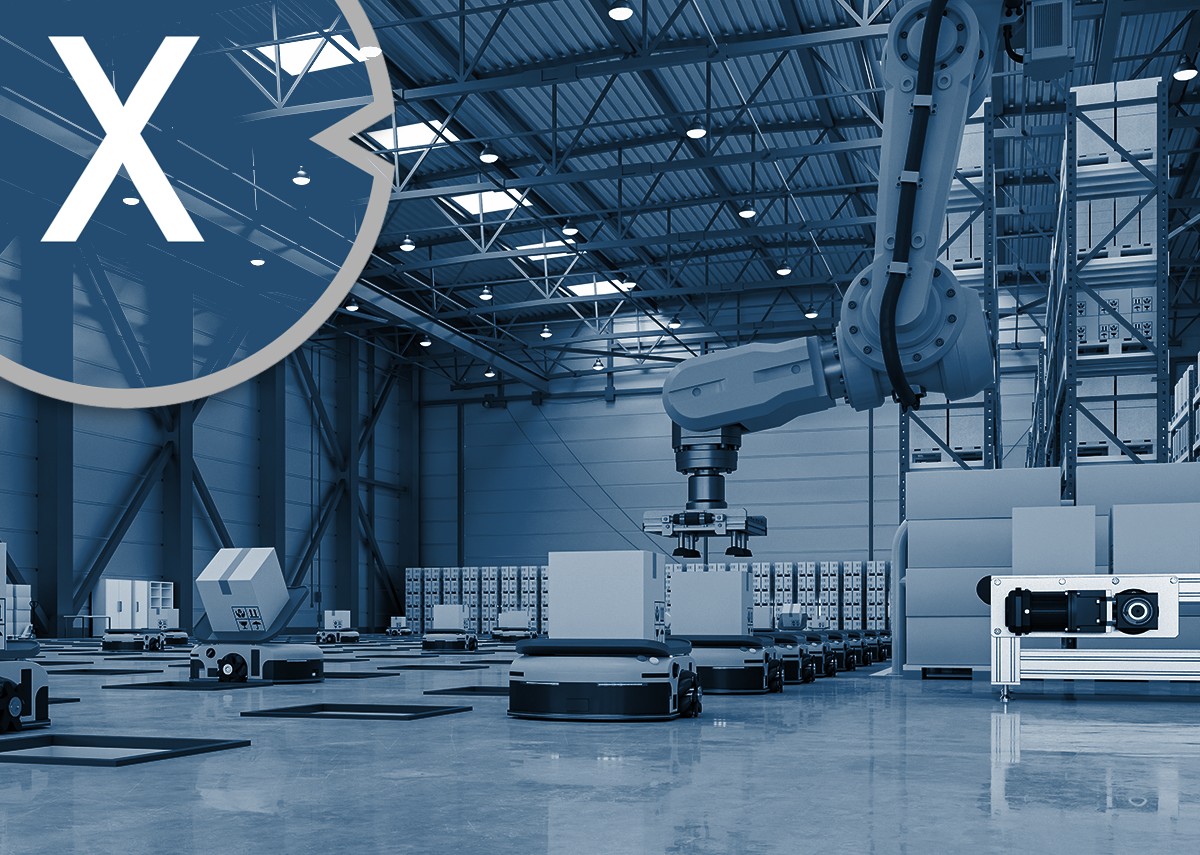
High-bay warehouses with automated guided vehicles (AGVs) are widespread – Image: Xpert.Digital / vanitjan|Shutterstock.com
An automated pallet shuttle system (PSS) and an automated guided vehicle (AGV) are two different approaches to automating warehouse and logistics processes. Although they pursue similar goals, there are some important differences between the two systems.
An automated pallet shuttle system (PSS) is specifically designed for the efficient storage of pallets in a fully automated pallet racking system. It consists of specially developed shuttles that operate independently in the racking aisles, transporting pallets horizontally. The PSS works in close coordination with a warehouse management system (WMS), which controls and monitors the shuttles. These shuttles are designed to ensure optimal space utilization and maximize storage capacity. The PSS offers high throughput, flexibility, and improved warehouse management and control.
On the other hand, automated guided vehicles (AGVs) are mobile platforms that can transport goods and materials autonomously and without human interaction. Unlike conventional self-propelled transport (CPVs), AGVs move on the floor and can be used in a wider range of areas, both within warehouses and in production or shipping areas. AGVs are equipped with sensors, navigation devices, and intelligent controls to avoid obstacles and navigate efficiently. They can transport pallets, containers, or other load carriers and may also be equipped with lifting devices or grippers to handle the load.
A key difference between a pallet shuttle system (PSS) and an automated guided vehicle (AGV) lies in their application and flexibility. The PSS focuses on the efficient storage and transport of pallets within racking systems. It is specifically optimized for this environment and offers high capacity and throughput. AGVs, on the other hand, can be deployed in various areas of a facility and are more flexible. They can handle different load carriers and perform various tasks, such as transporting goods between production lines, storing and retrieving items in warehouses, or shipping products.
Another difference lies in the mode of movement. Automated pallet shuttle systems move along fixed rails or guide rails in the aisles and are specialized for the horizontal transport of pallets. AGVs, on the other hand, move freely on the floor and can take different routes to meet operational requirements. They can avoid obstacles and adapt to the surrounding environment.
➡️ Both automated pallet shuttle systems (ASS) and AGVs offer advantages in terms of efficiency, workplace safety, and automation. The choice between the two systems depends on a company's specific requirements and circumstances. If efficient pallet storage and transport within an automated racking system is required, the ASS is the optimal choice. However, if flexible transport across different areas of the operation is necessary, AGVs offer a versatile solution.
The difference between an automated guided vehicle (AGV) and an automated guided vehicle (AGV)
An automated guided vehicle (AGV) and an automated guided vehicle (AGV) are two different solutions for automating transport and logistics processes. Although they pursue similar goals, there are some important differences between the two systems.
An automated guided vehicle (AGV) is an autonomous mobile platform capable of transporting goods and materials without human interaction. It consists of vehicles equipped with sensors, navigation devices, and intelligent controls. AGVs can be used in a wide range of applications, from production and warehousing to shipping. They can transport various load carriers, such as pallets, containers, or other transport containers. AGVs are designed to avoid obstacles and navigate efficiently to perform their tasks autonomously.
On the other hand, Automated Guided Vehicles (AGVs) are also autonomous vehicles used for transporting goods and materials. AGVs can transport various types of load carriers, including pallets, containers, or rolls. Like AGVs, they are equipped with sensors, navigation systems, and intelligent controls. They can detect obstacles and perform routine tasks autonomously.
A key difference between AGVs and AGVs lies in their application and flexibility. AGVs can be used in various areas of a company, such as production, warehousing, or shipping. They are more versatile and can perform a variety of transport tasks. AGVs, on the other hand, are often tailored to specific applications or tasks. They are frequently used in a particular area or for a specific task, such as transporting pallets in a warehouse or moving goods on a production line.
Another difference lies in the mode of locomotion. AGVs typically move on wheels and can travel in all directions. They can turn and navigate tight spaces. AGVs, on the other hand, can have various drive systems, such as wheels, tracks, or even rails. The choice of drive system depends on the specific application and environment in which the AGV will be used.
Both AGVs and AGVs offer advantages in terms of efficiency, automation, and workplace safety. The choice between the two systems depends on a company's specific requirements and circumstances. AGVs are more versatile and can perform various tasks in different areas. AGVs, on the other hand, are often more specialized and well-suited for specific applications or tasks requiring high accuracy or a special vehicle design.
➡️ AGVs and AGVs are innovative technologies that help companies automate and optimize their transport and logistics processes. Depending on a company's individual needs and goals, both AGVs and AGVs can be a valuable addition.
Aren't an AGV and an AGV the same thing?
In fact, the terms "Automated Guided Vehicle" (AGV) and "driverless transport system" (AGV) are often used synonymously and can mean the same thing in practice. There is no uniform definition or clear distinction between the two terms. Both refer to autonomous vehicles used for transporting goods and materials without human interaction.
The use of the terms AGV and AGV can vary depending on the context and industry. Some companies use the term AGV to describe autonomous vehicles that perform specific tasks or applications in a limited area, such as transporting pallets in a warehouse. Other companies use the term AGV to describe autonomous vehicles that can be used in a broader area and transport various load carriers.
It is important to note that the distinction between AGVs and AGVs is more semantic than functional. Both types of vehicles are based on similar technology and share the common goal of automating and optimizing transport.
In practice, the terms AGV and AGV may be used interchangeably and are not truly distinct. The precise definition and application depend on the individual interpretation of the company or industry. For specific projects or requirements, it is advisable to consider the specific characteristics and functions of an autonomous vehicle, regardless of the terminology used.
Fully automated pallet warehouse shuttle rack storage system (SRL)
A fully automated pallet storage shuttle racking system (SRL) is an innovative solution for the efficient storage and management of pallets in large warehouses or distribution centers. It combines state-of-the-art technology with intelligent design to ensure optimal space utilization, fast access times, and high throughput.
The SRL consists of specialized racks arranged vertically, offering multiple levels for pallet storage. Each rack is equipped with shuttles that operate autonomously within the aisles. These shuttles move horizontally along the rack rows, transporting pallets to their desired locations. They can pick up and drop pallets and navigate between the different levels of the racking system.
A central control system, often integrated with a warehouse management system (WMS), monitors and controls the shuttle activities in the SRL. It optimizes storage space utilization, plans shuttle routes, and manages the pallet storage and retrieval process. The control system can also support inventory management, pallet movement tracking, and report generation.
One of the outstanding features of the SRL is its high efficiency. By storing pallets vertically and utilizing the full height of the warehouse, companies can significantly increase their storage capacity. The SRL also enables fast and precise access to pallets, as the shuttles are specifically designed for rapid storage and retrieval cycles. This results in reduced throughput times and increased overall warehouse performance.
Furthermore, the SRL offers enhanced safety and workplace security. Because the shuttles operate autonomously, there is no need for manual forklifts or other equipment, reducing the risk of accidents or collisions. The shuttles are equipped with sensors and safety devices to detect obstacles and navigate safely.
Another advantage of the SRL is its flexibility. It can be adapted to the specific requirements of a company, both in terms of storage capacity and pallet type. The SRL can handle various pallet sizes and weights and can be expanded or reconfigured as needed.
➡️ The fully automated pallet storage shuttle rack system (SRL) is an efficient, flexible, and safe solution for storing and managing pallets. Companies with high storage volumes who want to optimize their storage capacity can benefit from the advantages of the SRL. It enables smooth warehouse processes, reduces labor costs, and improves warehouse productivity. With the ongoing development of automation technologies, the SRL is becoming an increasingly popular choice for companies looking to improve their warehousing and logistics processes.

Xpert.Plus Warehouse Optimization - High-bay warehouses and pallet warehouses: Consulting and planning
Xpert.Plus – Logistics consulting and logistics optimization – industry expert, featuring its own 'Xpert.Digital Industry Hub' with over 1,000 specialist articles
Xpert.Plus is a project by Xpert.Digital. We have many years of experience in supporting and consulting on warehouse solutions and in warehouse optimization, which we combine under Xpert.Plus in a large network.

Konrad Wolfenstein
I would be happy to serve as your personal advisor.
You can contact me by filling out the contact form below or simply call me on +49 7348 4088 965 (Munich) .
I'm looking forward to our joint project.
Write to me


Xpert.Digital – Konrad Wolfenstein
Xpert.Digital is a hub for industry focusing on digitalization, mechanical engineering, logistics/intralogistics and photovoltaics.
With our 360° Business Development solution, we support renowned companies from new business to after-sales.
Market intelligence, smarketing, marketing automation, content development, PR, mail campaigns, personalized social media and lead nurturing are part of our digital tools.
You can find more information at: www.xpert.digital – www.xpert.solar – www.xpert.plus
Keep in touch