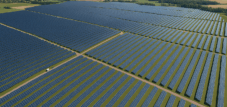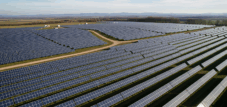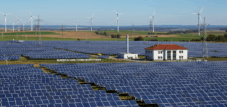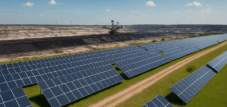
Orlen Solar Park in Kotla (Lower Silesia, Poland) – 170 MW on 200 hectares for 100,000 households | Park Słoneczny – Creative image: Xpert.Digital
A beacon for Europe: Poland's new solar park shows what the future looks like
### Poland's Solar Giant: Electricity for 100,000 Households Generated on 280 Football Fields ### The End of the Coal Era? How Poland is Achieving the Energy Transition with Mega Solar Parks ### From Coal Country to Solar Champion: Poland's Incredible Energy Revolution ### Historic Turning Point: Why This Huge Solar Project in Poland is Changing Everything ###
170 megawatts of clean energy: This is how Poland's energy giant Orlen plans to replace coal
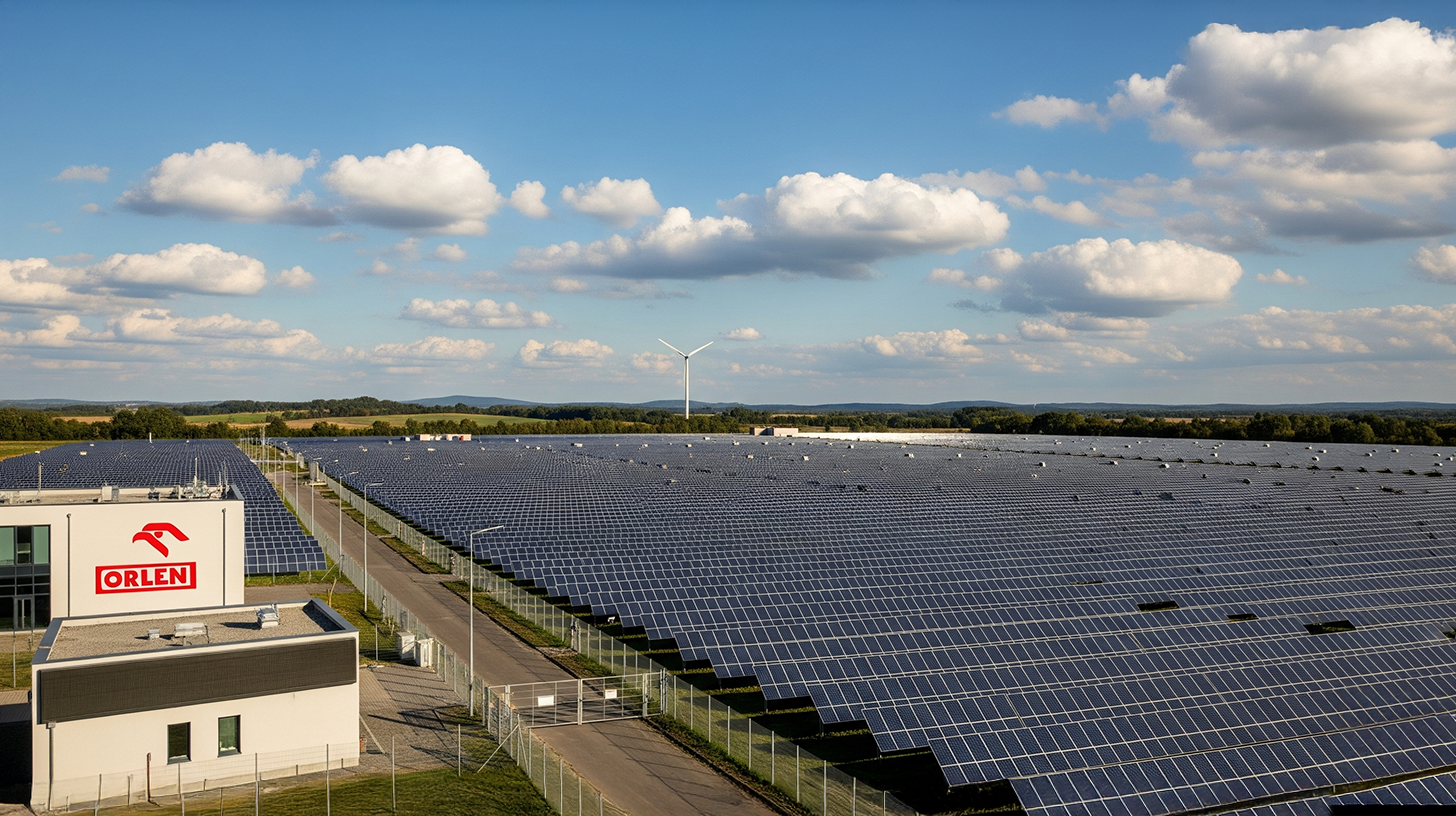
Poland, once the heart of the European coal industry, is undergoing one of the fastest and most impressive energy transitions on the continent. A new flagship project of this transformation is now being built in Lower Silesia: the Orlen solar farm in the municipality of Kotla. With a planned capacity of up to 170 megawatts on an area of 200 hectares – roughly equivalent to 280 football fields – the plant will be one of the largest photovoltaic facilities in the country upon its completion at the end of 2025 and is expected to supply enough clean electricity for around 100,000 households.
This project is far more than just another power plant; it is a powerful symbol of Poland's rapid rise to solar power. In just one decade, the country has explosively expanded its photovoltaic capacity, becoming one of the leading solar markets in Europe. This transformation recently culminated in a historic milestone when renewable energy sources overtook coal as the country's primary source of electricity for the first time.
Behind the Kotla project is the Orlen Group, a national energy giant that is consistently pursuing its strategic realignment from fossil fuels to green energy. The acquisition and further development of the farm not only demonstrates the growing expertise of Polish companies in implementing large-scale projects, but also underscores the ambition to strengthen national and European energy security through locally generated, clean energy. The solar farm in Kotla is thus a crucial component in Poland's impressive journey towards decarbonization and a pioneering example for the future of energy production in Central Europe.
The Orlen solar farm in Kotla: A flagship project of the Polish energy transition
The Orlen solar farm in the municipality of Kotla in Lower Silesia represents a pioneering project within the framework of Poland's energy transition. With a planned initial output of 130 megawatts and a potential expansion to 170 megawatts, this photovoltaic plant is developing into one of the most significant solar projects in the country. Completion is scheduled for the end of 2025, making the project an important component of Poland's decarbonization strategy.
The farm is being built on 200 hectares in the municipality of Kotla in the Głogów district and symbolizes Poland's rapid transformation from a coal-dependent energy system to sustainable renewable energy sources. The project is part of the Orlen Group's broader efforts to strengthen its position as a leading energy company in Poland while accelerating the transition to clean energy.
Project takeover and development history
The Kotla project has a remarkable development history that highlights the international dimension of Poland's energy transition. The solar farm was originally developed by the British company Lightsource bp, a global leader in the development and management of solar energy. Lightsource bp entered the Polish market in 2021 through a large-scale development contract for 757 megawatts, representing a total investment of up to €500 million.
The strategic transfer of the project from Lightsource bp to Energa Wytwarzanie, an Orlen Group company, underscores the growing role of Polish energy companies in the implementation of large-scale solar projects. This acquisition is part of a broader strategy by the Orlen Group to significantly expand its renewable energy portfolio, leveraging both technical expertise and local market knowledge.
Energa Wytwarzanie, a specialized energy generation company within the Orlen Group, already brings extensive experience in the field of renewable energies. The company operates several wind farms with a combined capacity of approximately 244 megawatts and has 15 years of experience in the maintenance and operation of onshore renewable energy installations.
Technical specifications and performance parameters
The planned solar farm in Kotla will be equipped with state-of-the-art photovoltaic technology. The plant is designed to have an installed capacity of 130 megawatts, with the technical capability for later expansion to 170 megawatts. This flexibility in sizing allows the operator to respond to future market conditions and energy demand developments.
The scale of the project is impressive: the facility covers a total area of 200 hectares, roughly equivalent to 280 football fields. At full capacity (170 megawatts), the farm is expected to generate enough clean electricity to power approximately 85,000 to 100,000 households. Annual energy production will amount to several hundred gigawatt-hours, making a significant contribution to Poland's energy supply.
The technology used meets the most modern standards of the photovoltaic industry. As with comparable large-scale projects in Poland, highly efficient solar modules are expected to be used, ensuring optimal energy yield under varying weather conditions. Integration into the Polish power grid will be achieved via modern grid connections that enable a stable feed-in even under fluctuating production conditions.
Regional context in Lower Silesia
The choice of the Lower Silesia region for the Kotla project is a strategically sound one. This voivodeship has become a central hub for Polish photovoltaic development and offers optimal conditions for large solar parks. Its geographical location provides excellent solar irradiance and possesses the necessary infrastructure for grid connection of large power generation plants.
Lower Silesia benefits from its proximity to Germany and the Czech Republic, which facilitates both technology transfer and potential cross-border energy trading. The region boasts a well-developed infrastructure and a skilled workforce necessary for the implementation and operation of complex energy projects.
The Kotla project is one of a series of significant solar investments in the region. Simultaneously, the even larger VSB solar park, with a capacity of 303 megawatts, is being built northeast of Wrocław and is planned to be potentially Poland's largest photovoltaic plant. This concentration of large-scale projects is transforming Lower Silesia into one of Central Europe's most important solar centers.
Economic framework and financing
The financing and economic viability of the Kotla project are based on the favorable market conditions for renewable energies in Poland. In recent years, the country has established a comprehensive support system for solar energy, which supports both small rooftop installations and large ground-mounted projects.
Poland utilizes various financing mechanisms to promote renewable energy, including the proven system of Contracts for Difference (CfDs), which offer long-term price security. These CfD contracts guarantee project developers a fixed remuneration for a period of up to 25 years, thus creating the necessary planning security for large-scale investments.
The Polish energy regulator URE regularly conducts auctions in which project developers compete for government subsidies. This tendering system has proven to be an effective instrument for keeping costs low for consumers and for promoting the cost-efficient expansion of renewable energy.
The declining technology costs for photovoltaics have significantly improved the economic viability of projects like Kotla. Solar energy is now considered the most cost-effective form of electricity generation in history, enabling Poland to decarbonize economically and efficiently while creating jobs and building a domestic green economy.
New: Patent from the USA – install solar parks up to 30% cheaper and 40% faster and easier – with explanatory videos!

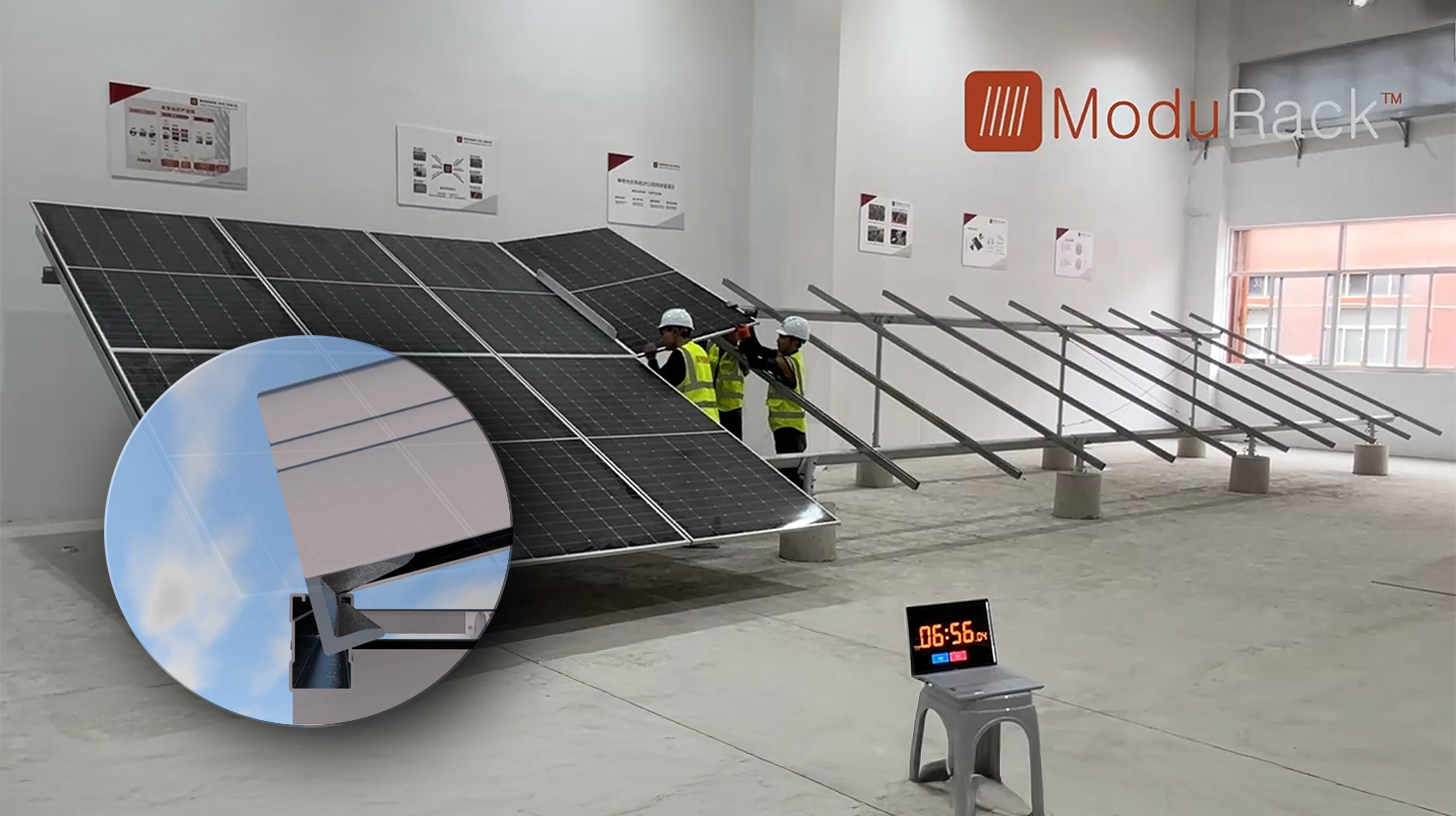
New: Patent from the USA – Install solar parks up to 30% cheaper and 40% faster and easier – with explanatory videos! - Image: Xpert.Digital
The core of this technological advancement is the deliberate departure from conventional clamp mounting, which has been the standard for decades. The new, more time- and cost-effective mounting system addresses this with a fundamentally different, more intelligent concept. Instead of clamping the modules at specific points, they are inserted into a continuous, specially shaped support rail and held securely in place. This design ensures that all forces – whether static loads from snow or dynamic loads from wind – are distributed evenly across the entire length of the module frame.
More information here:
Solar power made in Poland: The incredible rise of an energy transition
The Orlen Group as an energy transition actor
The acquisition of the Kotla project by Energa Wytwarzanie fits seamlessly into the Orlen Group's comprehensive strategy to position itself as a leading player in Poland's energy transition. The Orlen Group already has an installed capacity of almost one gigawatt of renewable energy sources and is continuously investing in expanding its green portfolio.
The company already operates several successful renewable energy projects, including onshore wind farms in Greater Poland and Western Pomerania with a total capacity of approximately 60 megawatts. In addition to these onshore projects, Orlen is investing heavily in the construction of the first offshore wind farm in the Polish part of the Baltic Sea. The Baltic Power project, with a capacity of up to 1.2 gigawatts, represents the largest investment in renewable energy in Central and Eastern Europe.
Energa Wytwarzanie is planning further significant expansions of its solar portfolio. In addition to Kotla, the company is developing further projects such as PV Mitra with 65 megawatts and PV Żuki with 2.4 megawatts. This systematic expansion demonstrates the Orlen Group's commitment to a comprehensive transformation towards sustainable energy generation.
Poland's solar energy revolution in a European context
The Kotla project is part of a remarkable transformation of the Polish energy system that is attracting international attention. In just a few years, Poland has gone from being one of Europe's most coal-dependent countries to one of the most dynamic markets for solar energy. With an installed photovoltaic capacity of over 21 gigawatts by the end of 2024 and ambitious plans to reach 40 gigawatts by 2030, Poland is positioning itself as a European solar powerhouse.
The growth rate of Polish photovoltaics is exceptional. Between 2014 and 2023, the country recorded an average annual growth rate of 89 percent, effectively doubling its solar capacity almost every year. This explosive development makes Poland the growth champion among European countries with the highest solar capacity.
In a European comparison, Poland already ranks fourth in annual photovoltaic installations, behind Germany, Spain, and Italy. Particularly noteworthy is that in June 2025, renewable energies overtook coal as the most important source of electricity in Poland for the first time, reaching a share of 44.1 percent of the electricity mix, while coal fell back to 43.7 percent.
Technological innovation and future prospects
The Kotla project represents not only the current state of photovoltaic technology but also the future vision of the Polish energy sector. The planned modular expansion option from 130 to 170 megawatts demonstrates the flexibility of modern solar parks and their adaptability to changing market conditions.
Modern large-scale solar parks like Kotla are increasingly using smart technologies to optimize energy production. These include advanced tracking systems that follow the sun's position, as well as integrated weather forecasting systems that enable precise production planning. Integration into smart grid systems allows for dynamic adjustment of feed-in to meet grid demands.
The future development of projects like Kotla will also be shaped by the integration of energy storage technologies. Battery storage systems can compensate for fluctuations in solar energy generation and ensure a more continuous power supply. Poland is already planning its first combined photovoltaic-battery storage projects, which could serve as a model for future hybrid energy systems.
Environmental impacts and sustainability aspects
The environmental benefits of the Kotla project are substantial and make a significant contribution to Poland's climate goals. At full capacity of 170 megawatts, the plant will avoid several hundred thousand tons of CO2 emissions annually that would otherwise have been produced by burning fossil fuels. This emission reduction is equivalent to decommissioning several smaller coal-fired power plants.
The solar farm also contributes to improving the local environment. Unlike conventional power plants, it produces no air pollutants or noise and requires no cooling water systems. Some of the land used can still be used for agriculture, a process known as agrivoltaics, which allows for dual land use.
In the long term, the project plays a crucial role in reducing Poland's dependence on energy imports. Poland currently imports significant quantities of fossil fuels. Every megawatt-hour of clean, locally generated solar energy contributes to the country's energy security and reduces its vulnerability to volatile international energy markets.
Socioeconomic impacts on the region
The Kotla project brings significant socio-economic benefits to the Lower Silesia region. During the construction phase, temporary jobs are created for skilled workers from various sectors, ranging from the construction industry and electrical engineering to project management. Once completed, the plant's operation will require permanent jobs for maintenance, monitoring, and administration.
Local communities benefit from tax revenue and lease payments for the land used. This additional income can be used to improve local infrastructure, educational facilities, and public services. Experience from other Polish solar parks shows that such projects often lead to a noticeable boost in the regional economy.
The project also contributes to strengthening the local supply chain. Polish companies can act as suppliers for components, installation work, and maintenance services. This promotes the development of a domestic solar industry and creates long-term added value in the country.
Challenges and risk factors
Despite the positive outlook, the Kotla project faces several challenges. A key difficulty lies in integrating large solar power capacities into the existing electricity grid. The Polish transmission network was originally designed for large, centralized power plants and needs to be modernized to accommodate the decentralized feed-in of renewable energy.
The volatility of solar energy generation presents another challenge. On sunny days, large solar parks like Kotla can produce significant amounts of electricity, while generation is greatly reduced on cloudy days or during the night. This necessitates flexible backup capacities or storage solutions to ensure a stable power supply.
Regulatory changes could also impact the long-term economic viability of the project. Although Poland currently maintains a stable support system for renewable energy, political priorities can shift. The project therefore depends on a consistent and long-term energy policy.
Comparison with other European solar projects
In a European comparison, the Kotla project positions itself as a significant, though not the largest, solar project. Germany, the European market leader in installed photovoltaic capacity, has individual solar parks with similar or larger capacities. Spain and Italy, which are also among the leading solar markets, have already implemented several gigawatt-class projects.
What makes the Kotla project particularly noteworthy, however, is its contribution to the rapid transformation of the Polish energy system. While other European countries already have decades of experience with renewable energies, Poland is completing its transition from coal to solar power in a remarkably short time.
The project's technical standards and quality requirements meet the highest European norms. The involvement of international partners like Lightsource bp in the initial development phase helped transfer best international practices and technologies to Poland.
Future prospects and expansion potential
The long-term prospects for the Kotla project are promising. The planned expansion option to 170 megawatts offers flexibility for future market developments. If the demand for clean energy continues to rise or if technological capabilities improve, the plant can be expanded accordingly.
Poland is planning a further massive expansion of solar energy, aiming to reach an installed capacity of 40 gigawatts by 2030. In this context, the Kotla project could serve as a starting point for further developments in the region. The experience gained and the established infrastructure could facilitate the implementation of additional projects in the surrounding area.
The integration of storage technologies offers additional growth opportunities. Battery storage systems can not only improve grid stability but also enable new business models, such as providing balancing power or smoothing out electricity price fluctuations.
Significance for European energy security
The Kotla project contributes not only to Polish but also to European energy security. Poland is increasingly acting as an important component of the European energy transition and can strengthen its role as a regional energy supplier by expanding renewable energies.
Poland's geographical location makes it a strategically important hub for European energy trading. Surplus solar power from projects like Kotla could be exported to neighboring countries via European power grids in the future, contributing to the integration of European energy markets.
Diversifying European energy sources through projects like Kotla reduces dependence on energy imports from unstable regions. This strengthens Europe's strategic autonomy and contributes to the continent's long-term energy security.
The Kotla project thus exemplifies the transformation of the European energy landscape and demonstrates how ambitious national projects can contribute to broader European goals of sustainability and energy security. As part of Poland's energy transition and the European decarbonization strategy, this solar farm will make a significant contribution to shaping a sustainable energy future.
Look, this little detail saves up to 40% installation time and reduces costs by up to 30%. It comes from the USA and is patented.

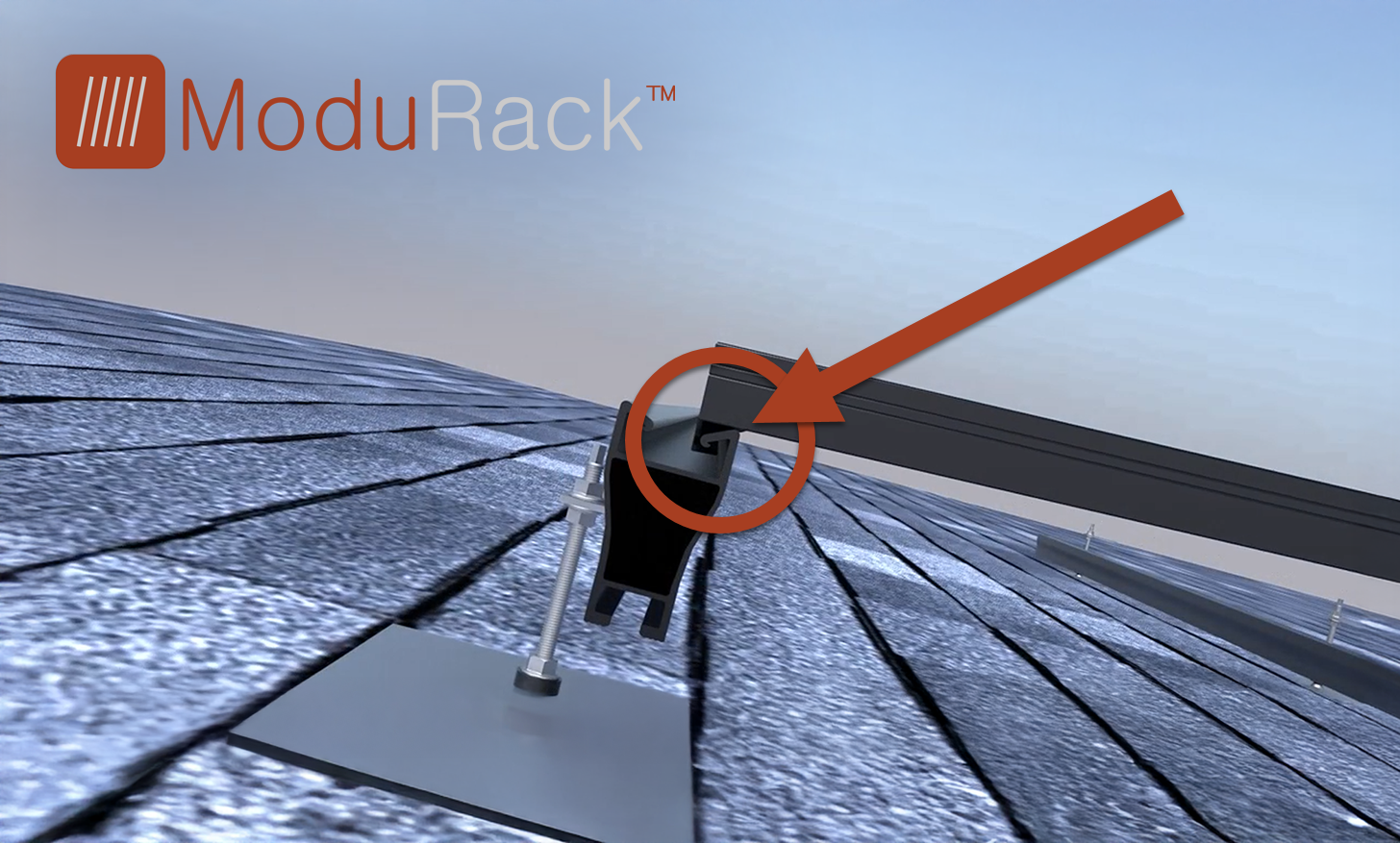
NEW: Ready-to-install solar systems! This patented innovation significantly accelerates your solar construction project
The core of ModuRack 's innovation lies in the departure from conventional clamp fastening. Instead of clamps, the modules are inserted and held in place by a continuous support rail.
More information here:
Your partner for business development in the fields of photovoltaics and construction
From industrial rooftop PV to solar parks and larger solar parking lots
☑️ Our business language is English or German
☑️ NEW: Correspondence in your native language!

Konrad Wolfenstein
I and my team are happy to be available to you as your personal advisor.
You can contact me by filling out the contact form here wolfenstein@xpert.digital:or simply call me at +49 7348 4088 965. My email address is
I'm looking forward to our joint project.