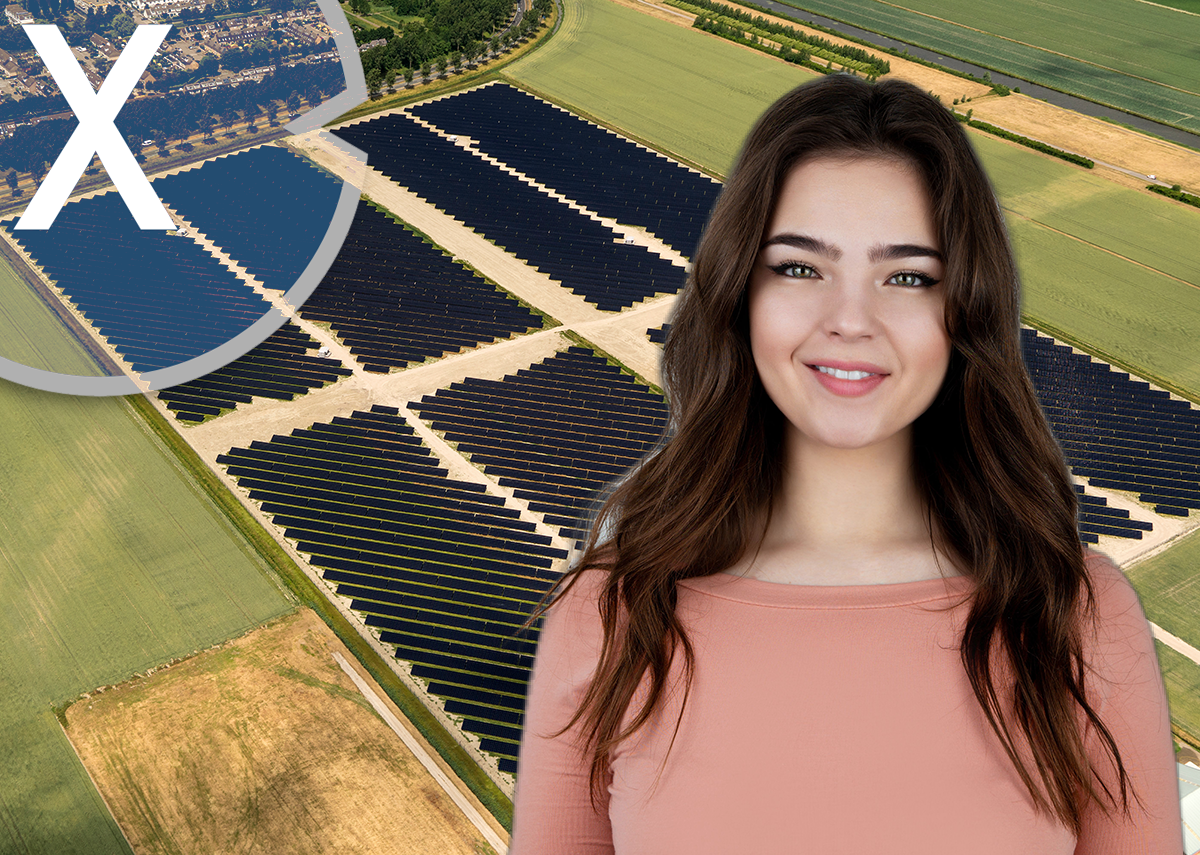
North Rhine-Westphalia (NRW) Top Ten Solar Park Information – Image: Xpert.Digital
Shaping a sustainable energy future: Construction and purchase of ground-mounted photovoltaic systems in North Rhine-Westphalia require experts
Inspired by the sun: Experts for large-scale photovoltaic projects in North Rhine-Westphalia
The search for environmentally friendly and sustainable energy sources has increased significantly in recent years. One of the most promising options is the use of solar energy through photovoltaic systems. In this context, the installation of ground-mounted photovoltaic systems is gaining importance, particularly in regions with sufficient solar irradiance, such as North Rhine-Westphalia. However, the construction of such systems requires in-depth expertise and technical know-how. Therefore, solar experts are in higher demand than ever to ensure the efficient and successful construction and purchase of such systems.
The importance of photovoltaic open-field systems
Ground-mounted photovoltaic systems are large-scale installations where solar cells are mounted on open land to convert sunlight into electrical energy. These systems are an extremely attractive option for sustainable energy production because they do not waste resources, do not cause air pollution, and require little maintenance. North Rhine-Westphalia, due to its geographical location and relatively high solar irradiance, offers ideal conditions for the efficient operation of such systems.
Requirements for solar experts
Planning, constructing, and purchasing a ground-mounted photovoltaic system requires a wide range of skills and knowledge. Here are some of the key requirements for solar experts:
- Technical knowledge: Solar experts need a deep understanding of how photovoltaic systems work, the selection of the right components (such as solar cells, inverters and mounting systems) and the integration into the power grid.
- Financial expertise: The economic viability of a ground-mounted photovoltaic system is a crucial factor. Solar experts should be able to conduct sound financial analyses to assess investment costs, expected returns, and payback period.
- Legal and bureaucratic knowledge: The construction and operation of such systems are subject to specific legal and bureaucratic frameworks, such as permitting procedures and funding programs. Solar experts must be familiar with these regulations to ensure a smooth process.
- Project management: The coordination of various partners, suppliers and service providers requires solid project management skills to complete the construction of the plant on schedule and within budget.
- Sustainability aspects: To maximize the ecological benefits of the system, solar experts should also be able to consider ecological aspects such as site selection, environmentally friendly construction methods, and recycling of materials.
News and trends in the photovoltaic industry
The photovoltaic industry has made significant progress in recent years and experienced many exciting developments:
- Increased efficiency: New technologies and materials have significantly improved the efficiency of solar cells. Highly efficient cell types such as bifacial solar cells and perovskite solar cells are gaining in importance.
- Storage solutions: The integration of energy storage systems, such as lithium-ion batteries, makes it possible to store excess energy and retrieve it when needed, increasing independence from conventional power sources.
- Blockchain and Smart Grids: The use of blockchain technology and smart grids improves the management, trading and distribution of generated solar energy.
- Outlook for the future: The industry is increasingly focusing on innovations such as transparent solar cells for building integration, flexible solar modules for diverse applications, and the integration of photovoltaics into everyday objects.
Promising opportunities
Ground-mounted photovoltaic systems in North Rhine-Westphalia offer a promising opportunity to generate clean energy and reduce the ecological footprint. Collaboration with qualified solar experts is crucial to fully leverage the potential of this technology and successfully implement sustainable energy projects.
Plan your solar system for the most common applications conveniently online with our solar system planner!
With our user-friendly solar system planner, you can design your individual solar system online. Whether you need a solar system for your home, your business, or for agricultural purposes, our planner allows you to consider your specific requirements and develop a customized solution.
The planning process is simple and intuitive. You simply enter the relevant information. Our planner takes this information into account and creates a customized solar system that meets your needs. You can try out different options and configurations to find the optimal solar system for your application.
Furthermore, you can save your plan to review it later or share it with others. Our customer service team is also available to answer any questions and provide support to ensure your solar system is optimally planned.
Use our solar system planner to design your individual solar system for the most common applications and accelerate the transition to clean energy. Get started now and take an important step towards sustainability and energy independence!

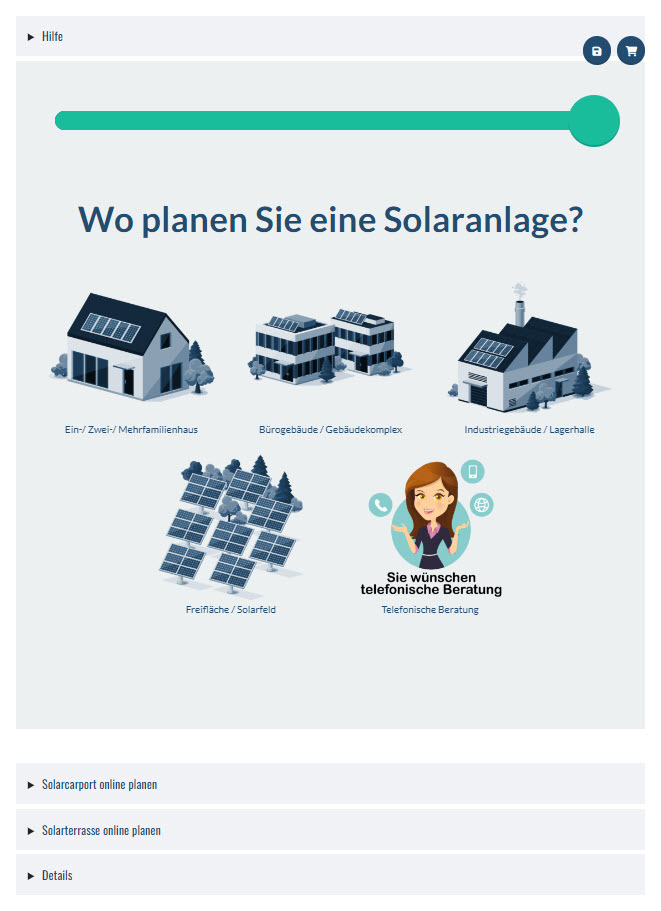
The solar system planner for the most common applications: Plan your solar system online here - Image: Xpert.Digital
More information here:
📣 Energy-efficient renovation and new construction, consulting, planning and implementation for industry, retail and municipalities
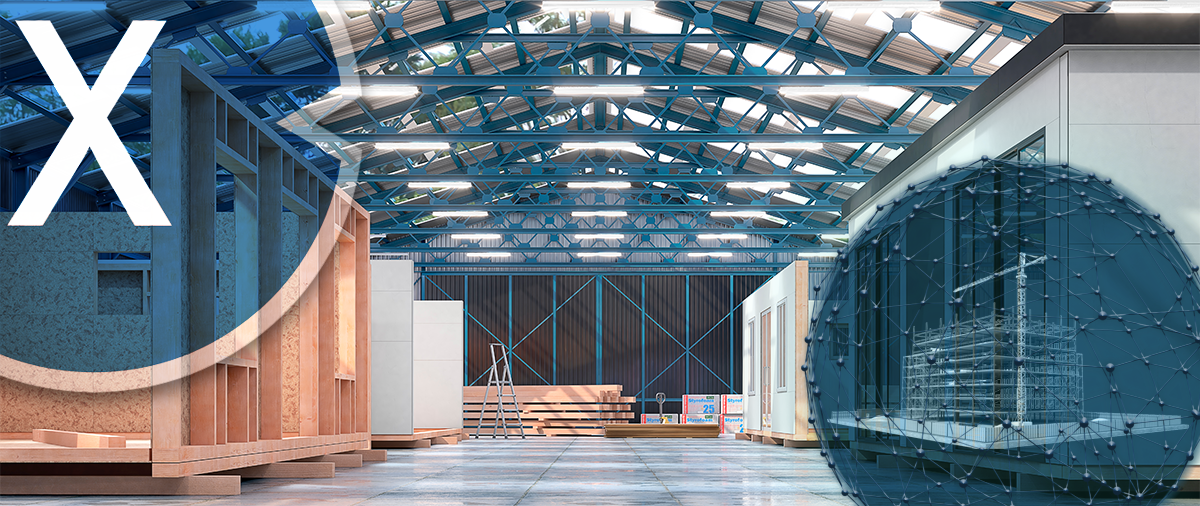
Our experienced team supports you in optimizing your buildings to reduce energy consumption and promote sustainable energy use with photovoltaics. We analyze your individual needs and develop customized concepts that are both economically and ecologically sound. Whether it's the energy-efficient renovation of existing buildings or the construction of new, energy-efficient structures, we are here to help. Industrial plants, retail buildings, and municipal facilities can reduce their energy costs, minimize their environmental impact, and simultaneously improve the comfort and efficiency of their buildings with our tailored solutions.
👨🏻 👩🏻 👴🏻 👵🏻 Energy-efficient renovation and new construction, consulting, planning and implementation for private households
We offer comprehensive support for private households in the energy-efficient renovation and new construction of buildings with photovoltaics. Our experienced team is at your side to assist you with consulting, planning, and implementing your sustainable energy solutions. We analyze your energy consumption, identify potential savings, and develop customized concepts to improve your energy efficiency. From improving building insulation and installing energy-efficient windows and doors to installing photovoltaic and solar thermal systems – we guide you step by step to make your home more energy-efficient and environmentally friendly. Trust in our expertise and benefit from the numerous advantages that energy-efficient renovation and the use of renewable energies offer. Together, we'll create a sustainable future for your home.
Top Ten Solar Parks and Photovoltaic Ground-Mounted Plants in North Rhine-Westphalia
➡️ Ideally, non-agricultural land (disadvantaged areas) with a low soil quality rating (see arable land rating, soil points, grassland rating, and agricultural comparison rating) is suitable. For agricultural land, dual use with agri-photovoltaics is possible. Contact us (Xpert.Solar) for advice.
Overview of the largest: The top ten solar parks and photovoltaic open-field systems in North Rhine-Westphalia
The use of renewable energies is becoming increasingly important worldwide, and North Rhine-Westphalia is no exception. This sunny region has produced a multitude of solar parks and ground-mounted photovoltaic systems that contribute to clean energy generation. In this overview, we present the ten largest plants, distinguished by their impressive installed capacity and their contribution to a sustainable energy supply. From Kamminke to Senftenberg, these solar parks play a vital role in the state's energy transition. Learn more about the technical details, the area covered, and the contribution of each plant to regional environmental sustainability.
Kamminke Solar Park
This solar park in Kamminke, with an installed capacity of over 187 megawatts, was one of the largest in North Rhine-Westphalia. The plant covers an area of several hectares and contributes significantly to the region's solar energy production.
Senftenberg Solar Park
With an installed capacity of approximately 166 megawatts, the Senftenberg solar park was also one of the largest in the region. It utilizes large open spaces for the efficient generation of energy from sunlight.
Finsterwalde solar park
This solar park had a capacity of around 164 megawatts and made a significant contribution to sustainable energy production in North Rhine-Westphalia.
Waldpolenz solar park
With an installed capacity of approximately 52 megawatts, the Waldpolenz solar park also made a significant contribution to renewable energy production in the region.
Meuro Solar Park
The Meuro solar park achieved a capacity of approximately 53 megawatts and was another example of the use of open spaces for solar energy generation.
Lieberose solar park
Although not directly located in North Rhine-Westphalia, the Lieberose solar park near the state border, with an installed capacity of around 71 megawatts, was nevertheless relevant for the energy supply in the region.
Templin solar park
With a capacity of approximately 47 megawatts, the Templin solar park also made an important contribution to renewable energy production in North Rhine-Westphalia.
Storbeck-Frankendorf solar park
This solar park achieved an installed capacity of around 145 megawatts and made a significant contribution to green energy production.
Osterburg solar park
With an installed capacity of approximately 58 megawatts, the Osterburg solar park was another remarkable example of solar energy generation in the region.
Erharting Solar Park
Although located outside of North Rhine-Westphalia, the Erharting solar park, with an installed capacity of approximately 66 megawatts, was significant for renewable energy supply.
➡️ It is important to conduct thorough on-site investigations to ensure that the locations are suitable for photovoltaic projects and will not have any negative impacts on the environment or local communities. Furthermore, local laws and regulations must be observed.
📣 Photovoltaic open-field systems and solar parks for industry, retail and municipalities
Everything from a single source, specifically designed for solar solutions for large parking areas. Refinance or offset your future costs with your own electricity generation.
🎯 For investors
Consultation and planning including a non-binding cost estimate. We connect you with strong partners in photovoltaics.
Energy in transition: Potentials and obstacles of the solar park revolution in North Rhine-Westphalia
Solar energy in North Rhine-Westphalia: The role of solar parks in the energy strategy and North Rhine-Westphalia's ambitions in the energy transition*
The energy transition represents one of the most significant challenges of the 21st century. North Rhine-Westphalia, one of Germany's most populous states and historically shaped by coal mining, has set itself ambitious goals to transform its energy supply into a sustainable and renewable one. Solar parks, which offer both ecological and economic potential, represent a crucial step in this direction. This article examines the diverse opportunities and challenges associated with the development of solar parks in North Rhine-Westphalia.
Renewable energies as a cornerstone of the energy transition
The energy transition in North Rhine-Westphalia rests on a solid foundation of renewable energies. Solar parks play a significant role in this, as they convert solar energy into electricity and can thus contribute to reducing CO2 emissions. The state government has set ambitious targets to significantly increase the share of renewable energies by 2030.
Funding programs and investments for solar parks
Recently, the state government has launched substantial funding programs for solar parks. These programs offer financial incentives for investors and project developers to accelerate the expansion of solar power plants. Furthermore, partnerships have been established with private companies to promote the development of innovative technologies for increasing the efficiency of solar parks.
Economic potential of solar parks
The development of solar parks in North Rhine-Westphalia offers promising economic opportunities. The creation of jobs in the planning, construction, operation, and maintenance of these facilities is a key factor. Furthermore, local value creation can be increased through the involvement of regional companies.
Innovation cluster for renewable energies
North Rhine-Westphalia has launched an innovation cluster for renewable energies, bringing together technology companies, research institutions, and start-ups. This promotes the development and implementation of innovative solutions in the solar park industry and strengthens the state's competitiveness.
Ecological advantages and challenges
The ecological advantages of solar parks are evident: they generate clean energy without direct CO2 emissions and contribute to reducing dependence on fossil fuels. However, ecological challenges must also be considered, such as the impact on habitats and biodiversity due to land use.
Greening of solar parks
Innovative approaches to greening solar parks have recently attracted attention. The combination of solar panels and plants can not only preserve biodiversity but also improve the efficiency of the solar panels by promoting their cooling.
Social aspects and acceptance
Public acceptance of solar parks is a crucial factor for their success. Citizen participation and transparent communication are key to involving local communities and taking their concerns seriously. Furthermore, solar parks can stimulate regional development and create educational opportunities.
Citizen energy cooperatives
The establishment of citizen energy cooperatives directly involved in solar projects is gaining in importance. This strengthens citizens' identification with the projects and promotes awareness of renewable energies.
A sustainable future for North Rhine-Westphalia
The energy transition in North Rhine-Westphalia is a process that brings with it diverse opportunities and challenges. Solar parks play a central role in this transformation process, as they help to reduce dependence on fossil fuels and shape a sustainable energy future. The state government and private stakeholders are jointly focusing on innovation to advance the development and implementation of solar parks and make North Rhine-Westphalia a pioneer in renewable energies.
Wasteland in North Rhine-Westphalia shines: The renaissance through solar parks
Conversion of industrial brownfield sites into solar parks in North Rhine-Westphalia: Sustainable revitalization for a greener future
North Rhine-Westphalia (NRW) – the industrial heart of Germany – boasts a rich industrial history, visible in its disused industrial sites and brownfield land. These abandoned areas offer a unique opportunity to promote renewable energy while simultaneously reducing environmental impact. The conversion of industrial brownfields into solar parks is a pioneering initiative that combines renewable energy generation with sustainable urban development.
Potential and benefits of conversion
Converting brownfield sites into solar parks offers numerous advantages. Not only can renewable energy be generated and CO2 emissions reduced, but job creation and the revitalization of the local economy are also key objectives. Solar parks on brownfield sites can diversify regional energy supplies and contribute to Germany's energy transition.
Technological innovations and challenges
Developing solar parks on brownfield sites requires technological innovations to ensure optimal energy yield. The integration of smart grids and battery storage systems plays a crucial role in maintaining energy stability. However, site conditions such as soil contamination and legacy pollution often present challenges that must be addressed.
Legal and regulatory aspects
The conversion of brownfield sites into solar parks is subject to a multitude of legal and regulatory aspects. Building permits, environmental regulations, and planning requirements must be carefully observed. Coordinated cooperation between local authorities, environmental agencies, and energy companies is crucial to ensuring a smooth transition.
Financing and investments
Financing solar park projects on brownfield sites requires a sound business model and clear investment strategies. In addition to government subsidy programs, private investors, institutional funds, and energy companies can provide capital. Long-term profitability and feed-in tariffs for renewable energy are crucial factors in investment decisions.
Sustainable urban development and citizen participation
Converting brownfield sites into solar parks offers not only ecological benefits but also opportunities for sustainable urban development. Integrating green spaces, bike paths, and public squares enhances quality of life and fosters a sense of community. Citizen participation can increase acceptance of such projects and strengthen local support.
Success stories and future perspectives
North Rhine-Westphalia already boasts impressive success stories for converting brownfield sites into solar parks. Future prospects envision increased integration of solar energy, energy storage, and intelligent energy management to further enhance energy efficiency.
Sustainable land development
The conversion of brownfield sites into solar parks in North Rhine-Westphalia combines technological innovation, sustainable urban development, and the transition to renewable energies. This approach not only contributes to energy independence but also creates new opportunities for employment and economic development. The partnership of experts, local authorities, citizens, and energy companies will be crucial to turning this transformative vision into a greener reality.
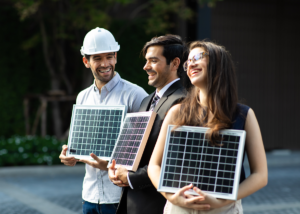
- Planning photovoltaics on warehouses, commercial buildings and industrial buildings
- Industrial plant: Planning a photovoltaic open-field system or open-area system
- Planning solar power systems with photovoltaic solutions for freight forwarding companies and contract logistics
- B2B Solar Systems and Photovoltaic Solutions & Consulting
☑️ Construction and consulting for photovoltaic open-field systems
☑️ Solar park planning ☑️ Agri-photovoltaic implementations
☑️ Solar ground-mounted systems with dual-use solutions
Xpert.Solar is your ideal partner for the planning, consulting, and construction of ground-mounted photovoltaic systems and agri-photovoltaic projects, thanks to our many years of experience and expertise in the solar energy sector. Xpert.Solar has an experienced team of professionals who offer farmers and investors tailored solutions. From site analysis and financial and legal advice to technical implementation and monitoring, Xpert.Solar provides its clients with professional and reliable support to ensure successful and sustainable project implementation.

Konrad Wolfenstein
I would be happy to serve as your personal advisor.
You can contact me by filling out the contact form below or simply call me on +49 7348 4088 965 .
I'm looking forward to our joint project.
Write to me


Xpert.Digital – Konrad Wolfenstein
Xpert.Digital is a hub for industry focusing on digitalization, mechanical engineering, logistics/intralogistics and photovoltaics.
With our 360° Business Development solution, we support renowned companies from new business to after-sales.
Market intelligence, smarketing, marketing automation, content development, PR, mail campaigns, personalized social media and lead nurturing are part of our digital tools.
You can find more information at: www.xpert.digital – www.xpert.solar – www.xpert.plus
Keep in touch