

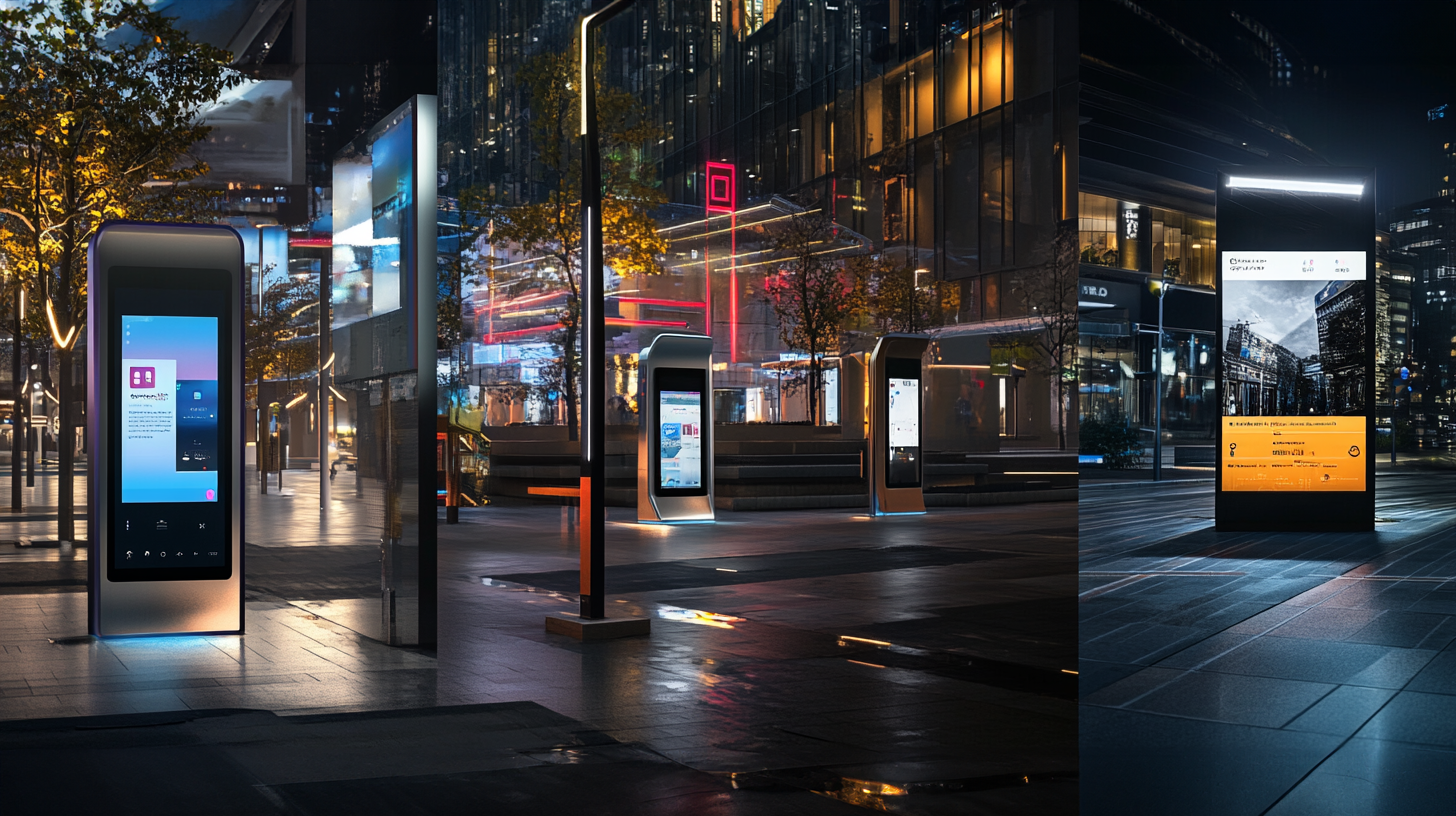
Opening up new markets: Interactive customer experiences with Android XR, augmented reality and smart displays – Image: Xpert.Digital
Marketing of the future: Android XR and smart displays as game changers
Immersive customer experiences: Why AR and MR are shaping the future of marketing
Digital transformation is constantly opening up new opportunities for companies to engage their customers and revolutionize their marketing strategies. One of the most innovative technologies in this field is augmented reality (AR) combined with mixed reality (MR). In particular, the introduction of Android XR and the use of smart displays offer promising prospects for creating interactive and immersive customer experiences. These technologies have the potential not only to improve existing marketing methods but also to open up entirely new markets.
The advantages of AR and MR in marketing
Augmented reality and mixed reality offer a multitude of advantages that can elevate marketing to a whole new level. The ability to seamlessly embed digital content into the physical environment opens up unprecedented opportunities for businesses to interact with their customers.
1. Create interactive experiences
AR allows digital content to be integrated into the real world, creating interactive and immersive experiences. This form of marketing enables companies to emotionally engage their brands and involve customers in a playful way. Studies show that such experiences can significantly increase engagement and contribute to long-term brand loyalty.
2. Personalized advertising and content
AR opens up new possibilities for tailored advertising campaigns. By analyzing user behavior and individual preferences, companies can adapt and personalize content in real time. One example of this is interactive advertising that is tailored to the user's location or specific interests. This targeted approach not only increases the relevance of the advertising but also influences purchasing decisions.
3. Extended product presentations
A key advantage of AR lies in the ability to present products virtually. Customers can test items like furniture or clothing directly in their own environment before making a purchase decision. This type of product visualization significantly lowers the barrier to buying, as it reduces uncertainty and minimizes the risk of making the wrong purchase. For online retailers, who frequently struggle with returns, this could be a real game-changer.
4. Emotional Storytelling
AR and MR enable brands to tell stories in a new way. Instead of passive advertising, immersive stories can be created that allow customers to directly enter the brand's world. This strengthens the emotional connection and ensures that the brand remains memorable.
Android XR and smart displays as game changers
Google's launch of Android XR represents a milestone in the advancement of AR and VR technologies. This platform combines the flexibility of the Android operating system with the requirements of modern extended reality applications, thus providing a powerful foundation for future innovations.
Use of Artificial Intelligence
A highlight of Android XR is the integration of artificial intelligence (AI). AI enables features such as object recognition, gesture control, and even real-time translations, further enhancing the user experience. For example, smart displays can use AI to provide personalized recommendations or, in a store, recognize products and display additional information.
A growing ecosystem
Google plans to build a comprehensive ecosystem that includes both hardware manufacturers and app developers. This network will help accelerate the adoption of Android XR. Companies that adopt this technology early can gain a competitive edge and reach new audiences.
Future: Cross-platform integration would be the logical next step
While Android XR is primarily designed for XR devices, there is no specific information in the available sources indicating that it is directly optimized for or usable with touchscreens. Control is primarily through gestures and voice, which taps into the immersive nature of VR and AR experiences.
However, Android XR is based on the Android Open Source Project (AOSP), which means that it is theoretically possible to integrate touchscreen functionalities if the market desires or requires it. This would, however, require adjustments, as Android XR's focus is on hands-free interaction.
Opportunity for startups
Android XR wasn't primarily designed for touchscreens, but rather for immersive technologies like VR and AR headsets. However, adapting it for touchscreen use might be possible if developers or manufacturers request it, or if third-party providers fill this gap to meet market demand – an opportunity for startups!
Opportunities and applications in various industries
The combination of AR, Android XR, and smart displays holds enormous potential for a wide range of industries. The flexibility and versatility of these technologies enable tailored solutions that address specific challenges.
retail
In retail, AR is revolutionizing how customers experience products. Virtual try-ons, simulating furniture in one's own home, and interactive shop windows are just a few examples of how these technologies can be used. Furthermore, smart displays can act as digital advisors, supporting customers with personalized recommendations.
entertainment industry
The entertainment industry is ideally suited for the use of immersive technologies. Whether interactive video games, virtual concerts, or immersive film worlds – the possibilities are virtually limitless. By creating new experiences, companies can not only captivate their audiences but also unlock additional revenue streams.
Education and training
AR offers enormous advantages in education. Interactive learning environments allow complex content to be conveyed clearly and effectively. In vocational training, realistic simulations can contribute to providing employees with practical training. This is particularly true for industries such as medicine, aviation, and engineering, where safety and precision are paramount.
Real Estate and Architecture
The real estate industry can use AR to offer customers virtual tours of buildings. Architects and planners benefit from the ability to visualize construction projects in 3D and make changes in real time. This shortens decision-making processes and ensures better communication between all stakeholders.
Tourism and hospitality
For tourism, AR offers the opportunity to experience destinations virtually before booking. Hotels can provide their guests with information about local attractions and activities via smart displays. Such personalized experiences increase guest satisfaction and foster customer loyalty.
Challenges and future developments
Despite all the advantages, there are also challenges that must be considered when implementing AR and MR technologies. These include high development costs, data privacy concerns, and user acceptance. However, it can be assumed that these hurdles can be overcome through technological advancements and better consumer education.
Increasing acceptance and spread
The increasing availability of affordable hardware, such as AR glasses and smart displays, will further accelerate the adoption of these technologies. Companies that embrace AR early can position themselves as innovation leaders and strengthen their competitiveness.
Integration with other technologies
The integration of AR with other technologies such as 5G, blockchain, and the Internet of Things (IoT) will enable new use cases. Faster data transfer rates and secure transactions will create the foundation for even more powerful and personalized experiences.
Interactive product presentations and immersive experiences
Augmented reality and mixed reality, combined with Android XR and smart displays, offer companies a unique opportunity to transform their marketing strategies. From interactive product presentations to immersive experiences, the potential is enormous. Companies that adopt these technologies early can not only strengthen customer loyalty but also tap into entirely new markets. The future of marketing is interactive, personalized, and immersive—and AR is a key driver of this development.
Related to this: